Royal Air Force
American Eagles Over Dieppe
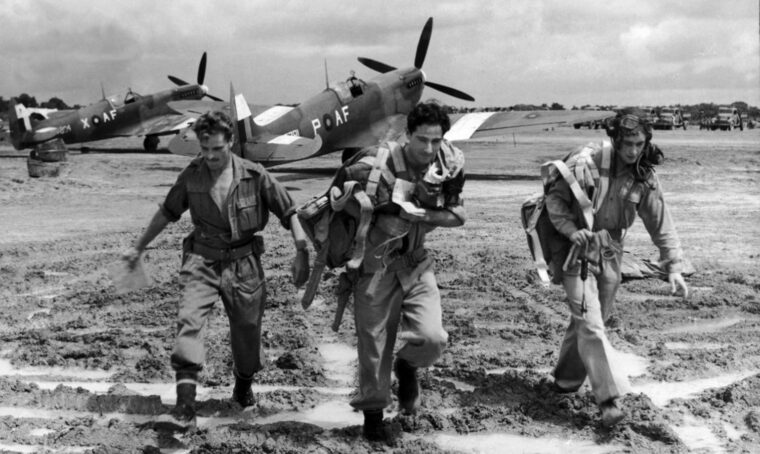
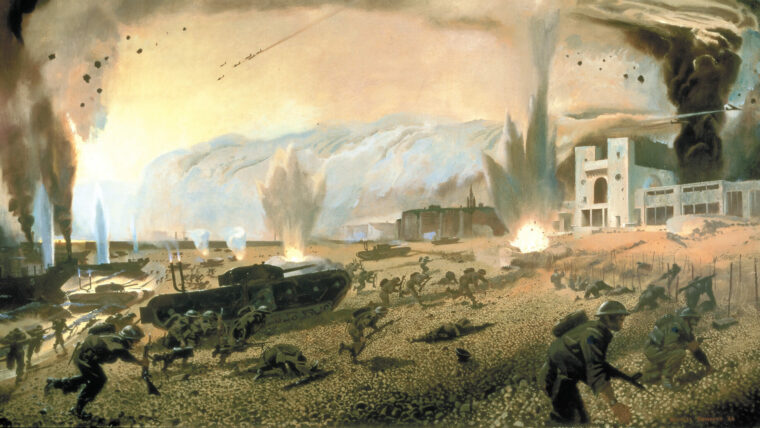
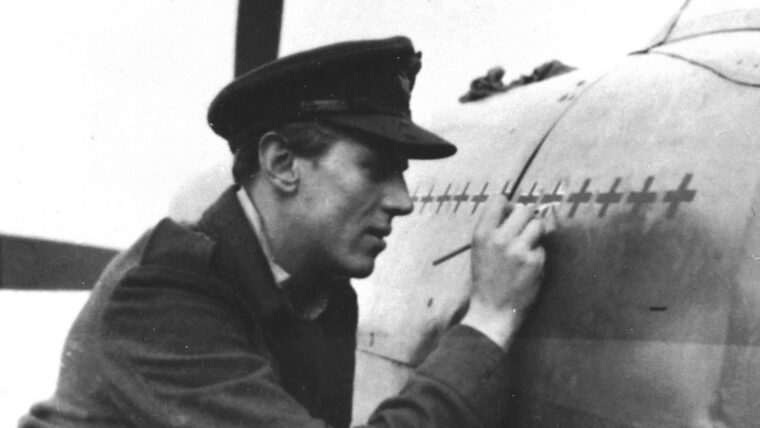
By David Alan JohnsonAll the pilots of No. 71 (Eagle) Squadron, Royal Air Force, had been ordered to report to the briefing room on the afternoon of August 18, 1942. Read more
Royal Air Force
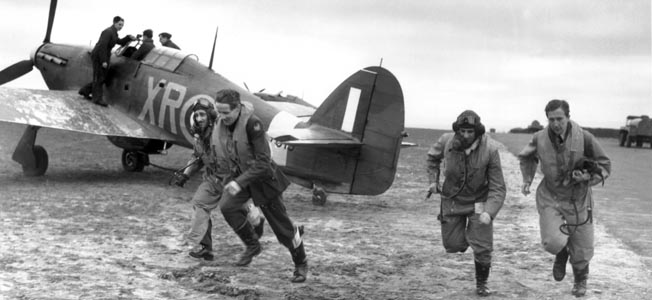
All the pilots of No. 71 (Eagle) Squadron, Royal Air Force, had been ordered to report to the briefing room on the afternoon of August 18, 1942. Read more
Royal Air Force
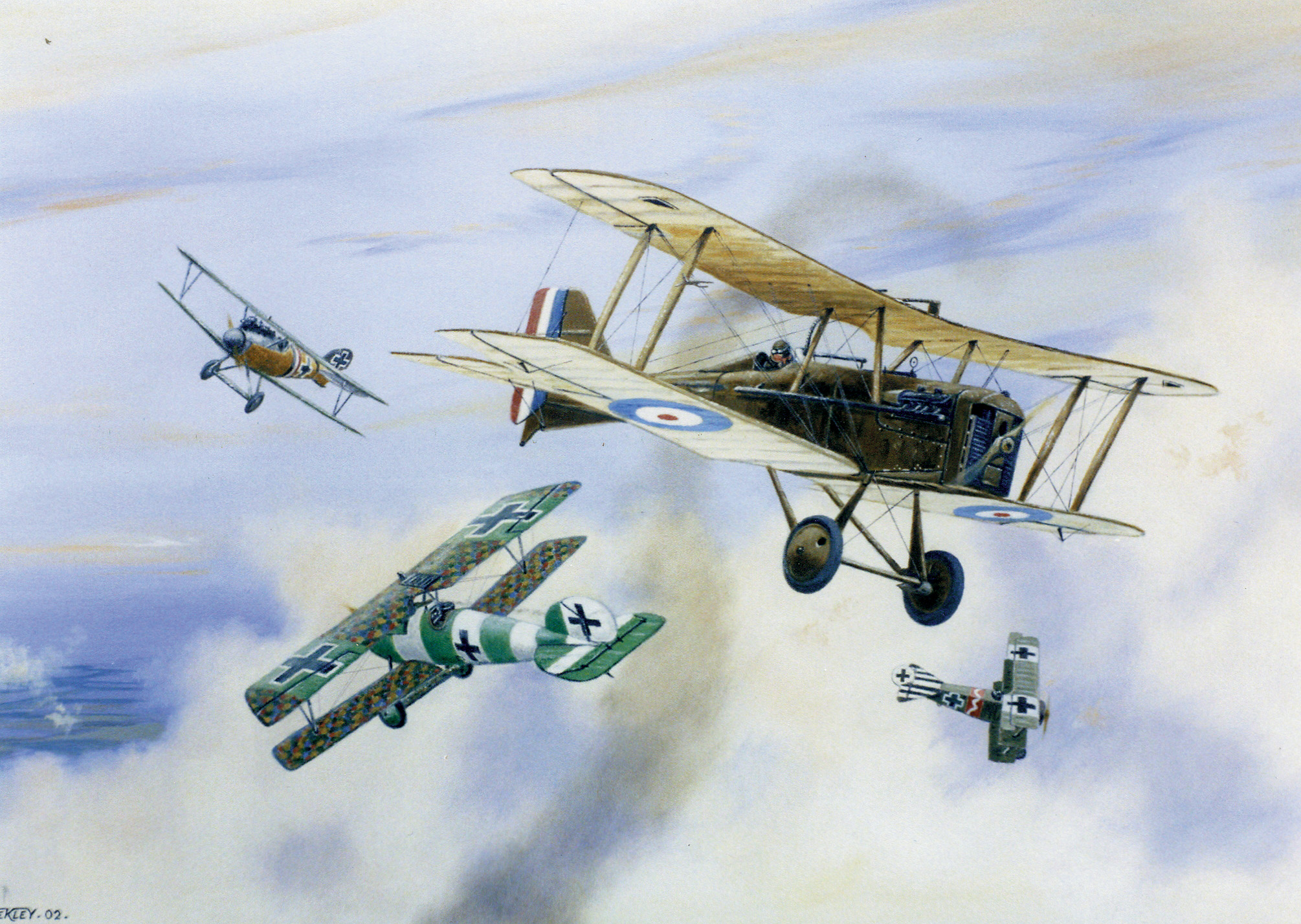
Bombed almost daily for several months and in fear of an imminent German invasion, the British were hanging on by their fingernails when September 1940 came. Read more
Royal Air Force
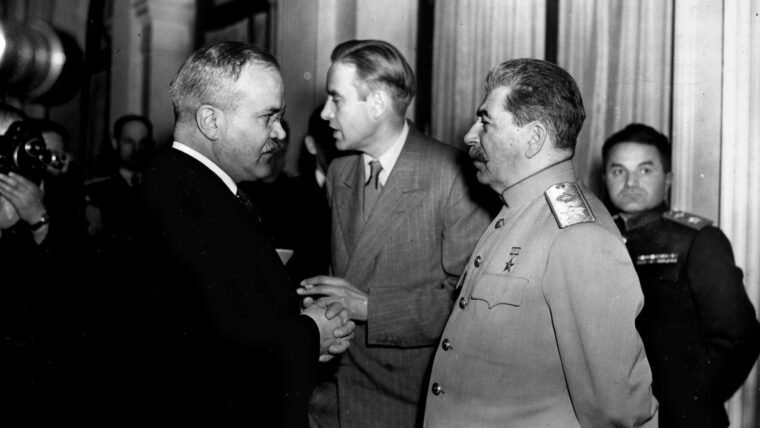
World War II made a disparate trio of allies —British Prime Minister Winston Churchill, Soviet Marshal Joseph Stalin, and American President Franklin D. Read more
Royal Air Force
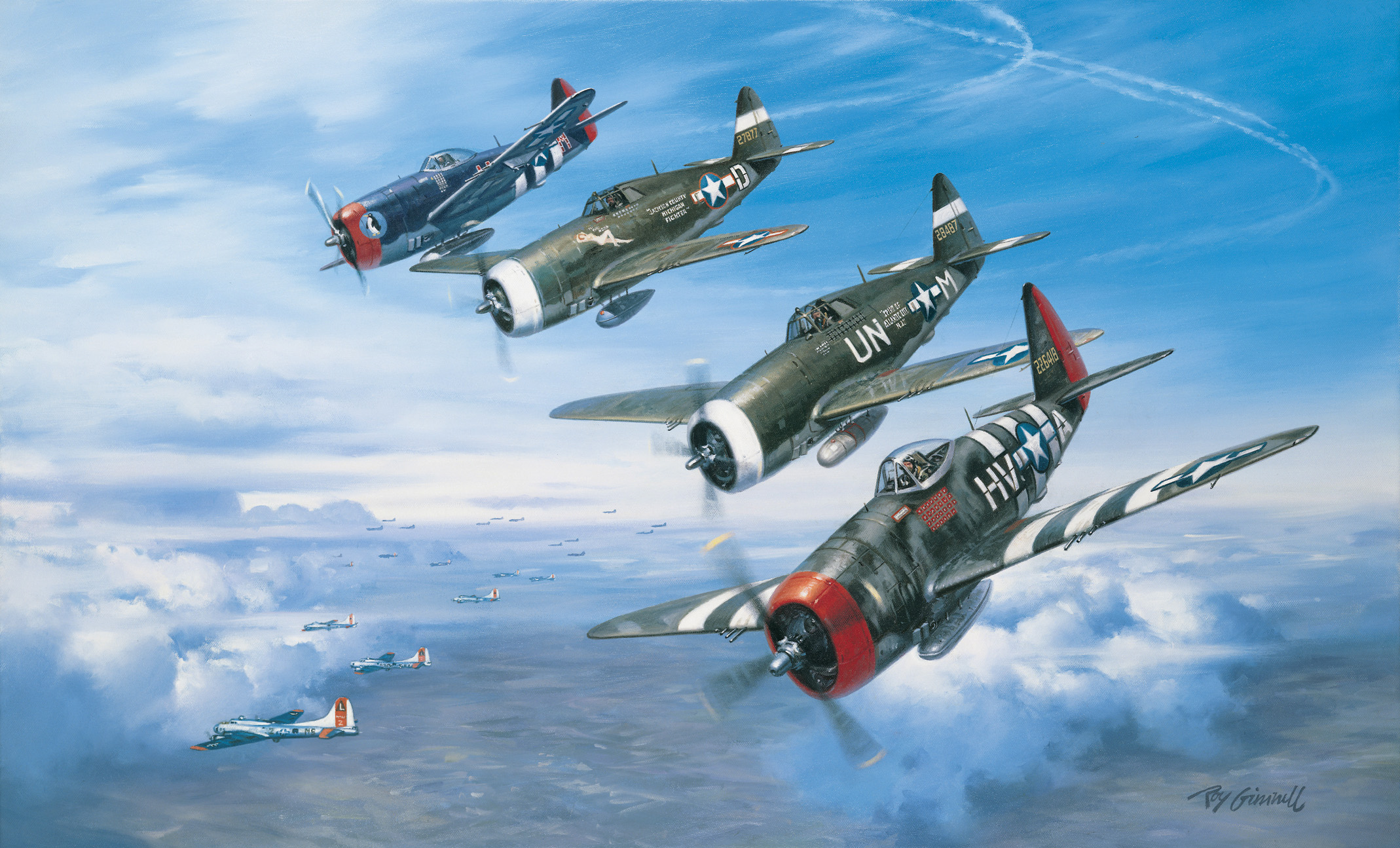
For 33 months beginning in 1942, the U.S. Eighth Air Force and its precision daylight bombing strikes against German targets in Europe tried to pound the Third Reich into submission. Read more
Royal Air Force
The interest in Brigadier Orde Wingate, founder and leader of the Commonwealth Chindits or Special Force, persists to this day, more than 75 years after his fiery death after his B-25 Mitchell bomber crashed in the hills of India. Read more
Royal Air Force
American General George S. Patton, Jr., and German Field Marshal Erwin Rommel both demonstrated the masterful employment of armored forces in many World War II military campaigns. Read more
Royal Air Force
An eternal grayness created a sense of constant gloom. The short, wintry days ended quickly, giving way to endless hours of dark, monotonous cold, and ever-present clouds of ghostlike fog crept slowly over the landscape, blocking all sight. Read more
Royal Air Force
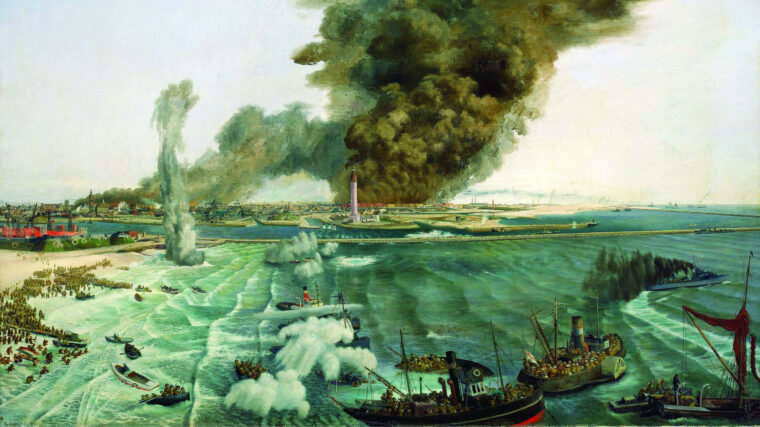
Following the 76th anniversary of the evacuation of the British Expeditionary Force (BEF) from the beaches and harbor of Dunkirk, one is amazed at the number of articles and volumes written about the subject. Read more
Royal Air Force
On March 5, 1936, the new Supermarine Type 300 took off from Southampton, England. The plane would soon be called the Spitfire, and along with the Hawker Hurricane it would become Great Britain’s first line of defense. Read more
Royal Air Force
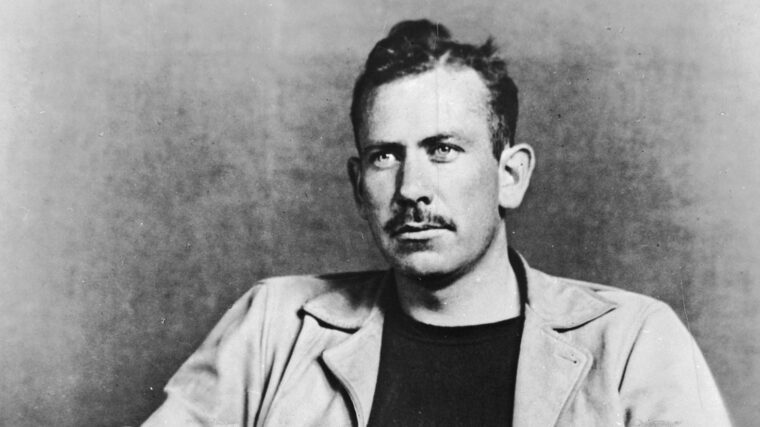
A fuming John Steinbeck vented his frustration over World War II to a friend on March 15, 1943. Read more
Royal Air Force
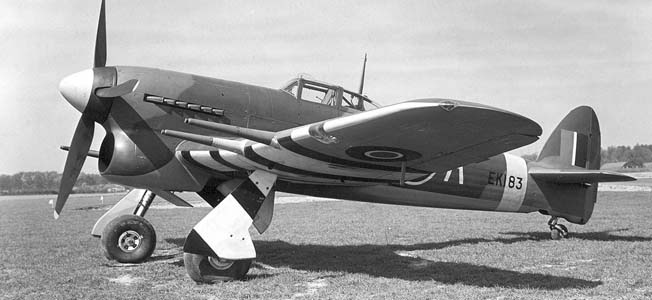
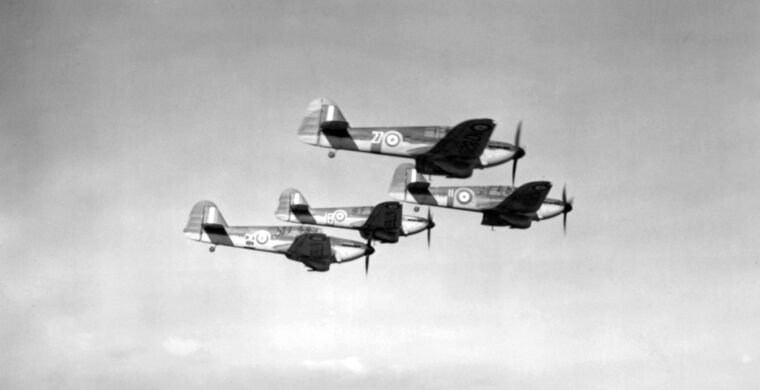
In 1934 the British War office accepted a new aircraft design eventually designated the Hawker Hurricane Mark 1. Read more
Royal Air Force
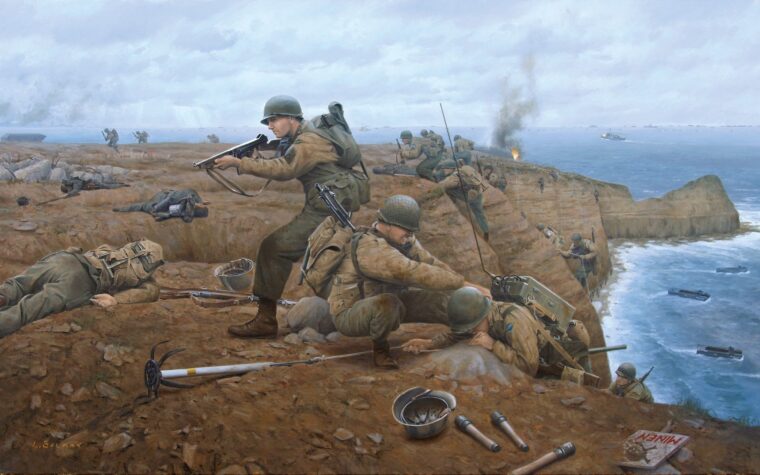
On the morning of June 6, 1944, the 2nd Ranger Battalion, commanded by Lt. Col. James Earl Rudder, began its ascent of a sheer 100-foot precipice called Pointe du Hoc. Read more
Royal Air Force
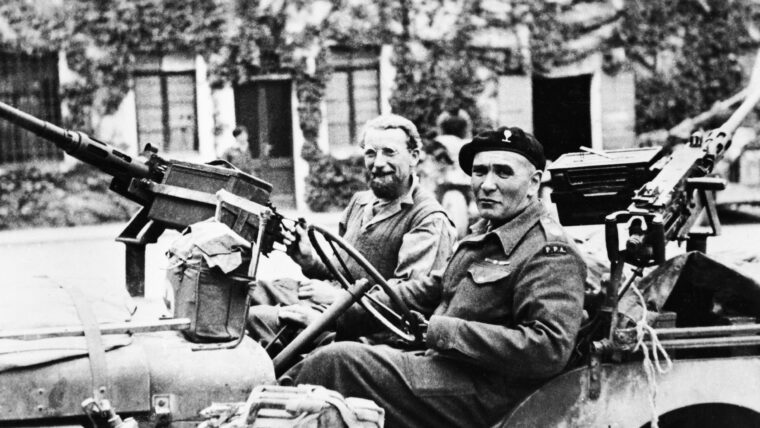
In September 1942, two patrols of armed jeeps and trucks of the Long Range Desert Group (LRDG) raided the German airfield at Barce. Read more
Royal Air Force
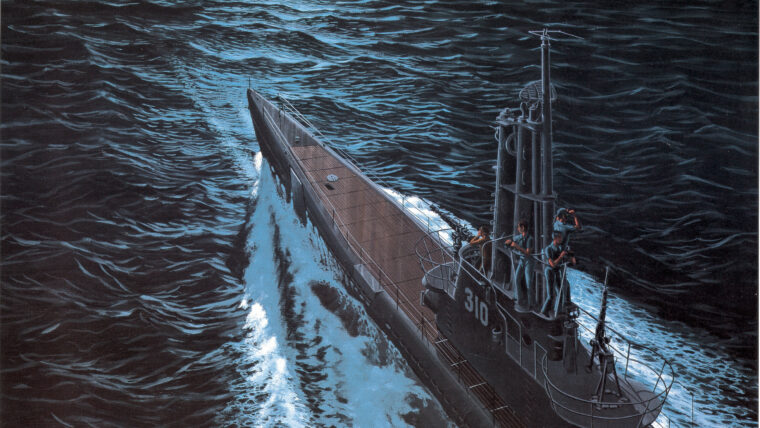
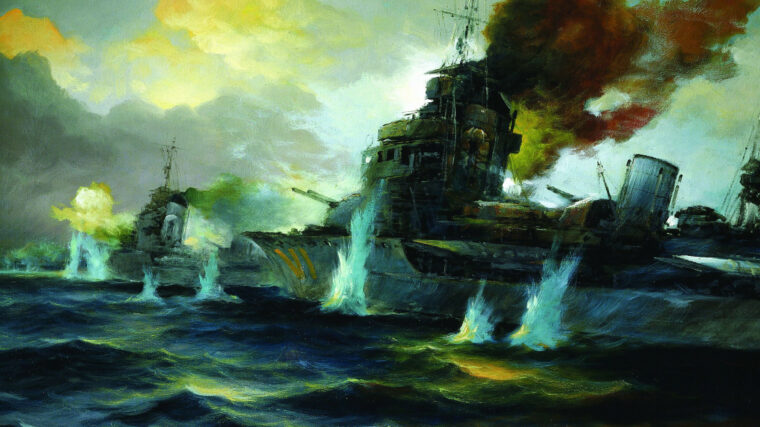
She was a sleek, efficient, deadly killer, a home to six officers and 60 enlisted men, and a holy terror to the enemy. Read more
Royal Air Force
As they boarded the train for Montreal, the two Americans tried to look as inconspicuous as possible. Read more
Royal Air Force
The first of the three Eagle Squadrons was formed at Church Fenton, Yorkshire, in September 1940. The idea of forming an all-American squadron in the RAF was not a wildly popular one— with either the British or the Americans. Read more
Royal Air Force
By early 1942, British Prime Minister Winston Churchill was still unable to boast a single victory in the field against Germany. Read more
Royal Air Force
On May 13, 1943, nearly 300,000 Axis soldiers surrendered to the Allies in northern Tunisia. This successful conclusion to the North African campaign led to speculation at the time as to where the Allies would strike next. Read more
Royal Air Force
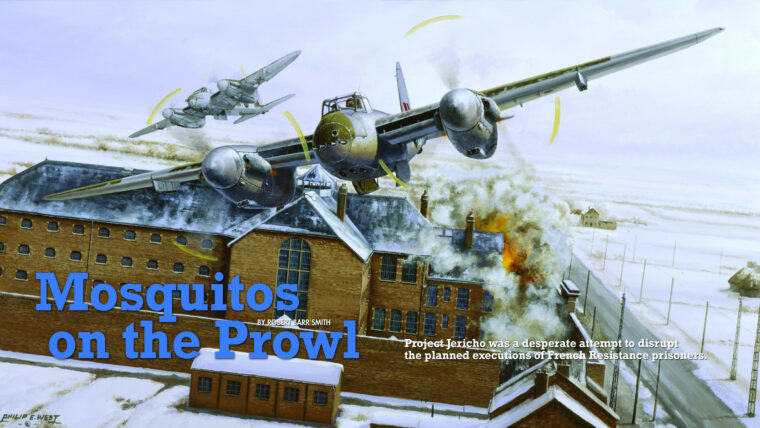
Many of the prisoners knew this night was probably their last on earth. Amiens Prison had seen a great many judicial murders and much Gestapo torture and brutality, so except for those about to die, executions were routine. Read more
Royal Air Force
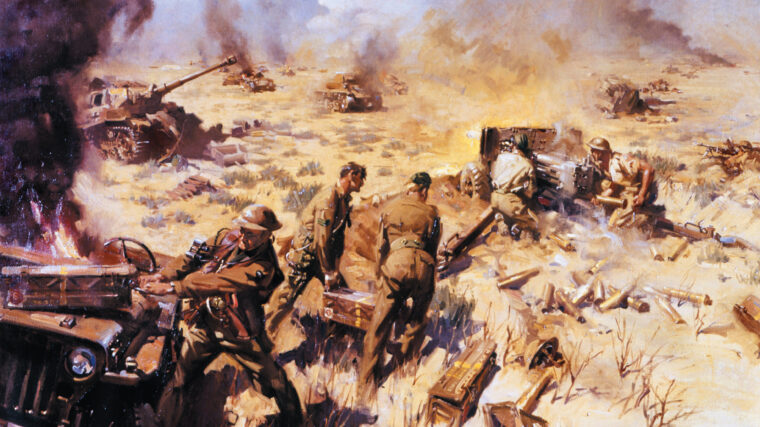
An old cliché admonishes, “Bad things always come in threes.” Whether it was thought of as a law of nature or merely coincidence, a rapid succession of events in North Africa during the summer of 1942 seemed to confirm this widely held notion among the officers and men of the British Eighth Army. Read more