Pacific Theater
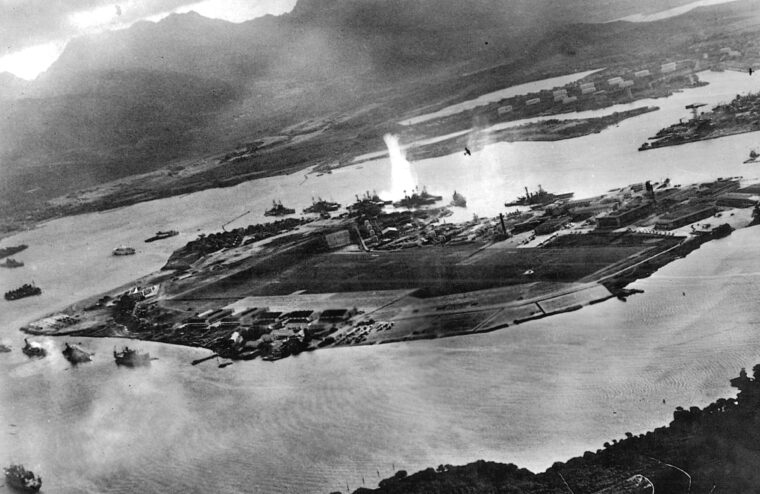
From Pearl Harbor to Bikini: The USS Curtiss in Action
By Glenn BarnettGene Verge was born in Pasadena, California, in 1918. As a young man in 1941 he faced the probability of being drafted. Read more
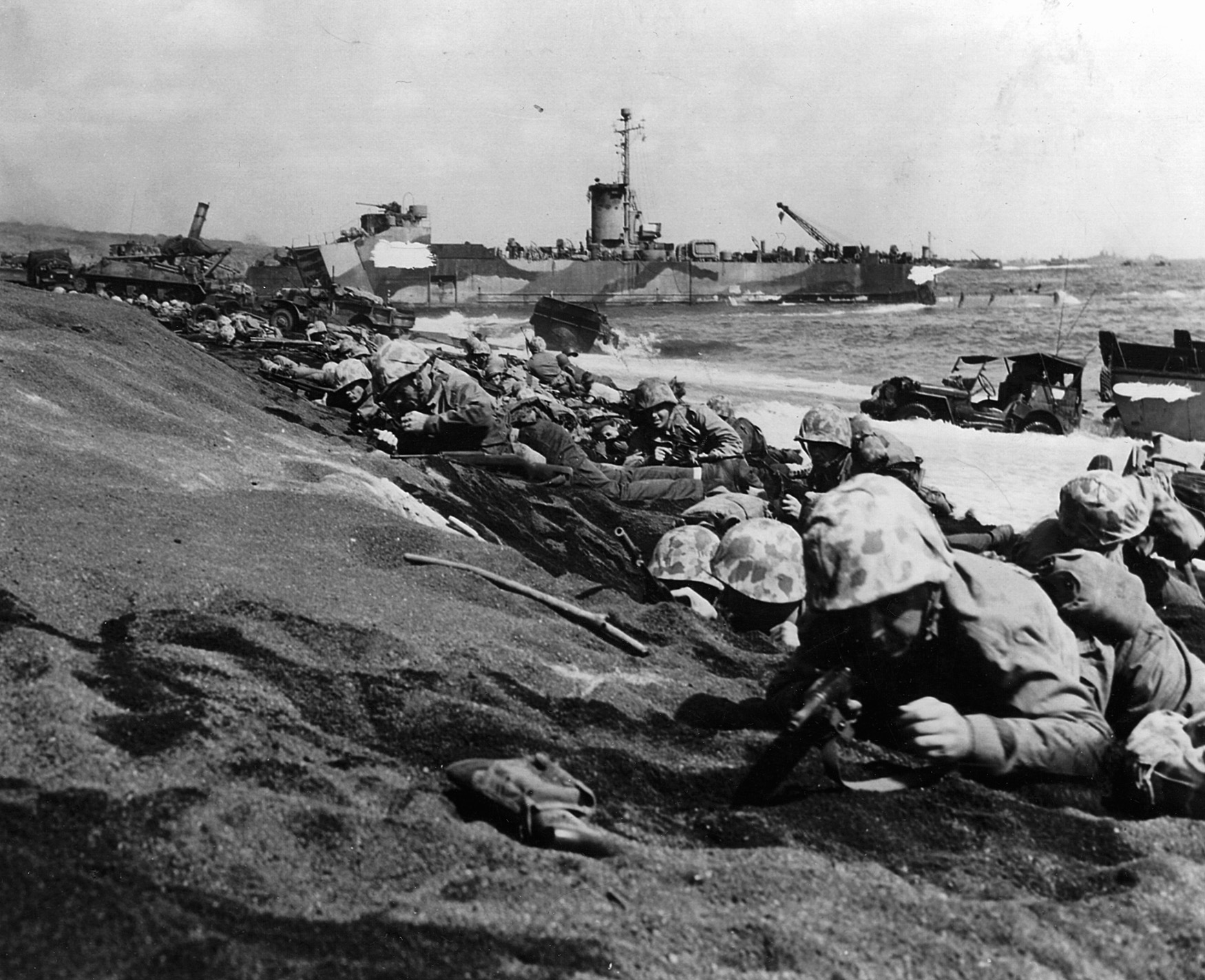
The Pacific Theater during World War II is generally regarded as the area of military confrontation between the Allied powers and Imperial Japan. The Pacific Theater consists of the entire operational expanse of the war from the Aleutian Islands in the north to Australia in the south, including island chains such as the Solomons, Gilberts, Marshalls, and Marianas. The China-Burma-India (CBI) Theater is also considered a major component of the Pacific Theater.
Pacific Theater
Gene Verge was born in Pasadena, California, in 1918. As a young man in 1941 he faced the probability of being drafted. Read more
Pacific Theater
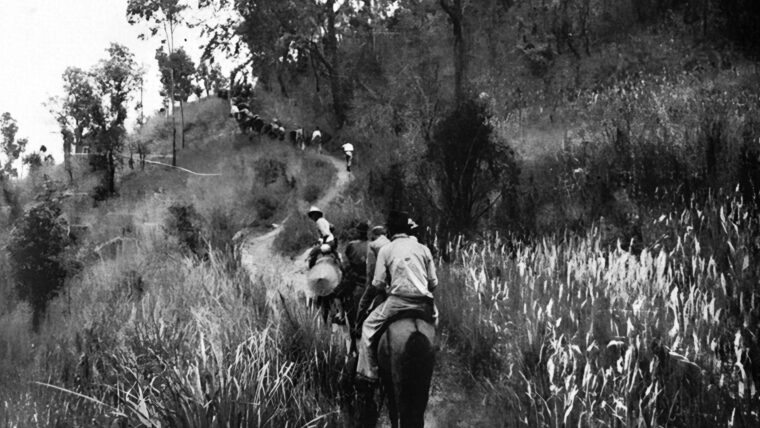
Thailand was perhaps the least known, though surely more scenic and exotic, covert battleground of World War II. Read more
Pacific Theater
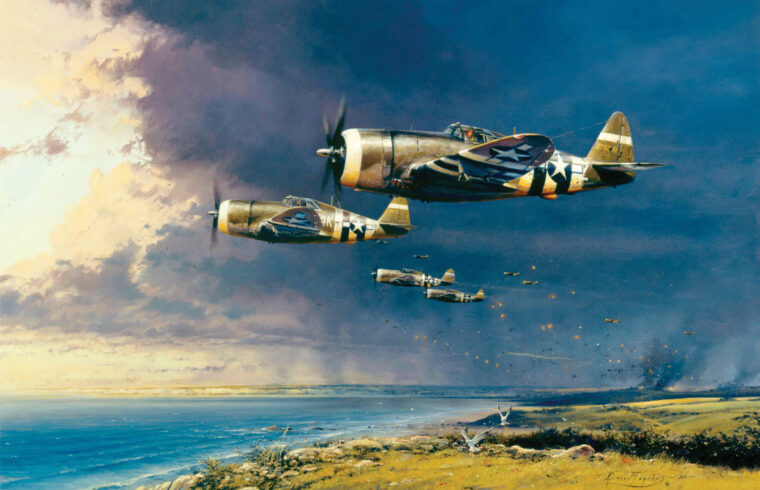
As the landing craft carrying the invading Allied ground forces of Operation Overlord motored toward the Normandy beaches on June 6, 1944, they were protected and supported by the largest aerial armada the world has ever seen. Read more
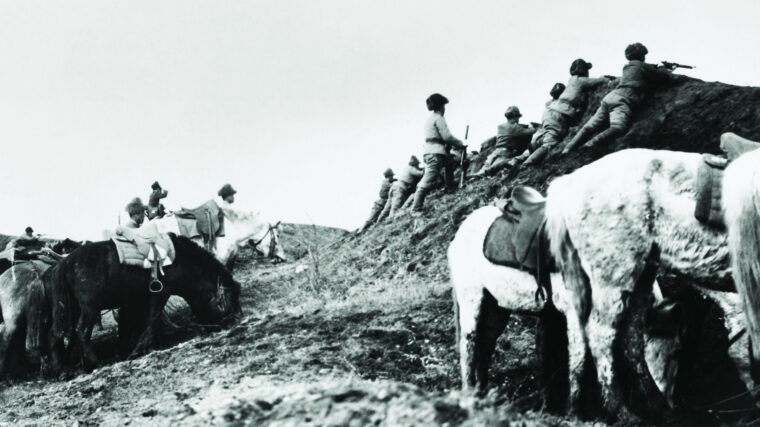
Pacific Theater
At 11:02 am on August 9, 1945, an American warplane dropped an atomic device nicknamed “Fat Man” onto the city of Nagasaki, Japan. Read more
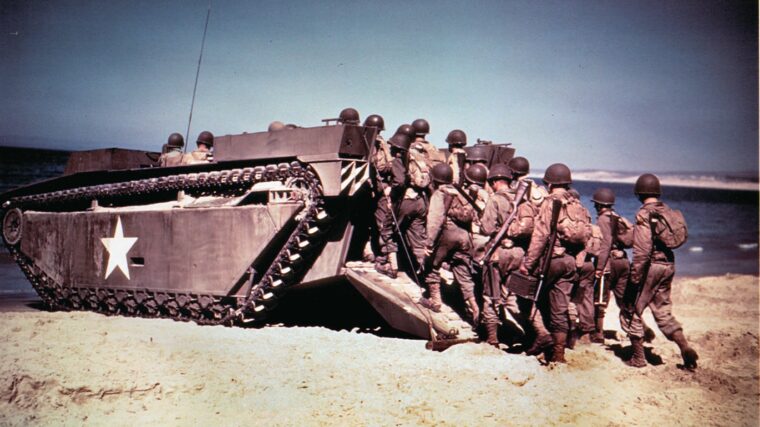
Pacific Theater
On January 9, 1945, after almost three years, General Douglas MacArthur and the United States Army returned to the Philippine island of Luzon, landing at Lingayen Gulf on the northwest coast. Read more
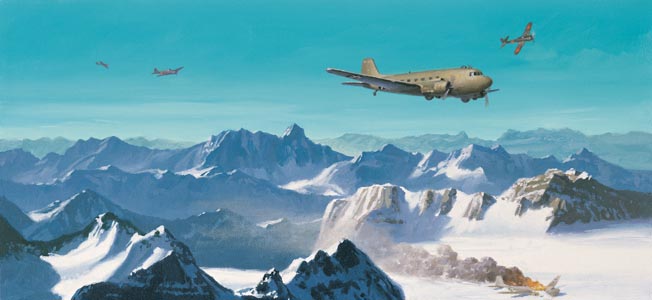
Pacific Theater
Why was Myitkyina such an important objective in the reconquest of Burma in 1943 through 1944 for the Allies and especially among them, Lt. Read more
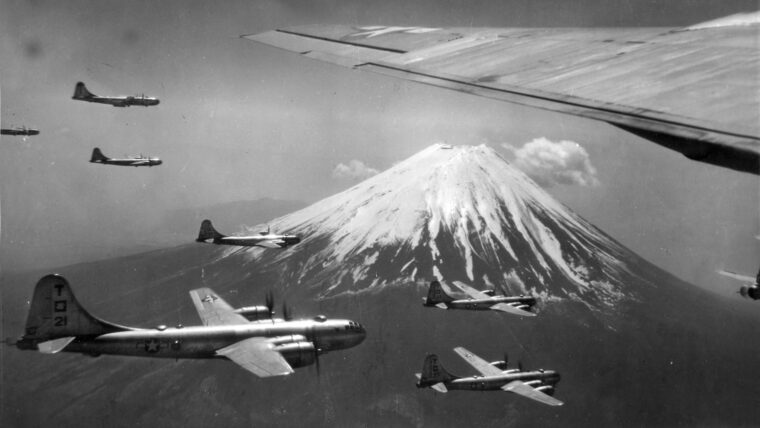
Pacific Theater
In the closing months of World War II, Staff Sergeant Henry E. “Red” Erwin, Sr., picked up a burning phosphorus flare inside the cramped fuselage of his Boeing B-29 Superfortress bomber high over Japan. Read more
Pacific Theater
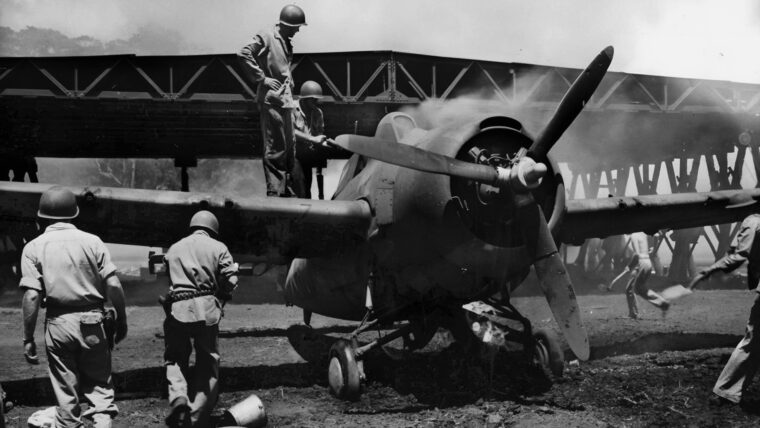
“Colonel, there’s about 3,000 Japs between you and me.” Sergeant Ralph Briggs telephoned the command post of the 1st Battalion, 7th Marine Regiment at about 9:30 on the night of October 24, 1942, to report what he had just seen. Read more
Pacific Theater
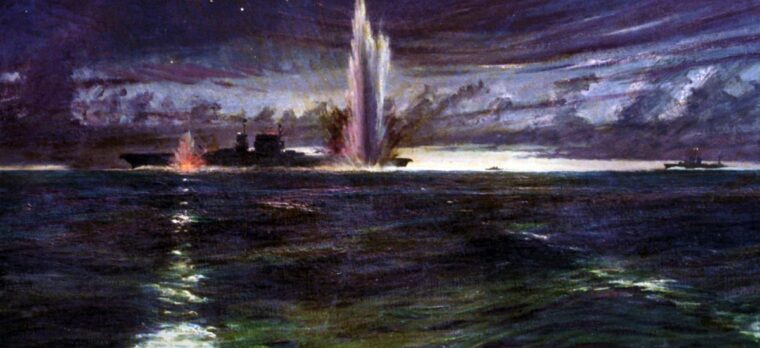
Historical controversy has famously surrounded Admiral Richmond K. Turner. In his responsibility as Director of the War Plans Division, he was to inform Admiral Kimmel, Commander of the Pacific Fleet, of Japanese diplomatic threats alluding to military retribution for souring political relations. Read more
Pacific Theater
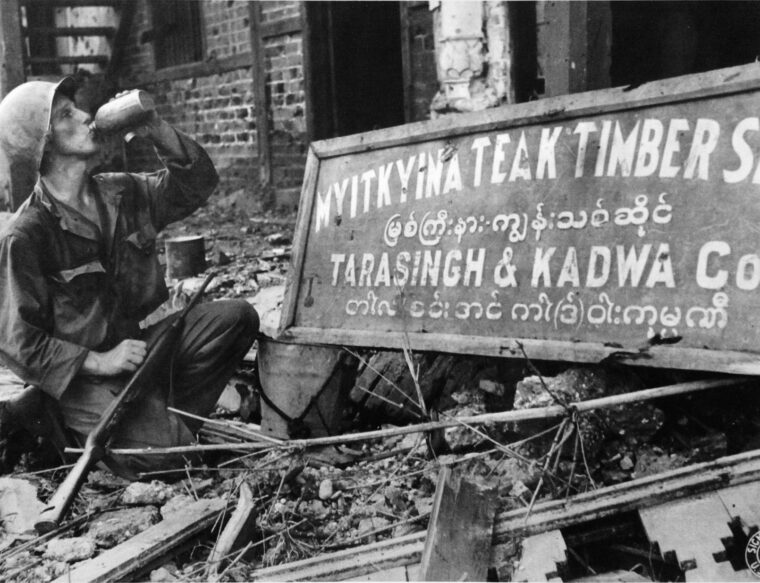
General Joseph W. “Vinegar Joe” Stilwell and his Sino-American Myitkyina Task Force (MTF), in a coup de main attack, seized the vital Japanese-controlled airfield just west of the town of Myitkyina on the great Irrawaddy River in northern Burma on May 17, 1944. Read more
Pacific Theater
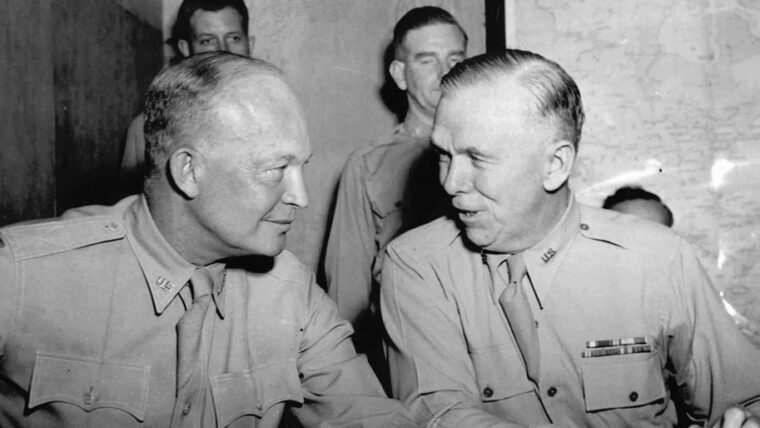
President Franklin D. Roosevelt was disturbed in the autumn of 1938 by the Munich agreement, at which the rights of Czechoslovakia were signed away, and by reports of mounting air strength in Adolf Hitler’s Nazi Germany. Read more
Pacific Theater
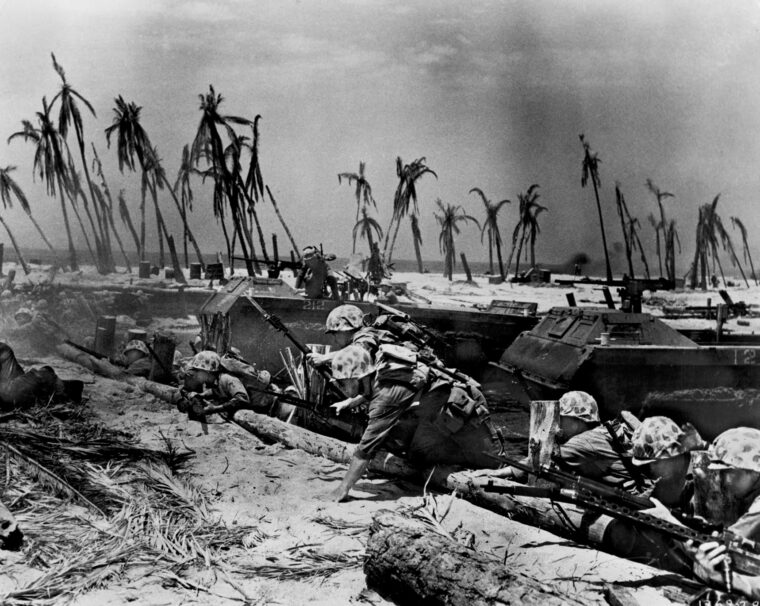
While making business calls in Tampa, Florida, during the summer of 1980, I spotted a strange looking tracked contraption atop an overgrown pedestal in front of the U.S. Read more
Pacific Theater
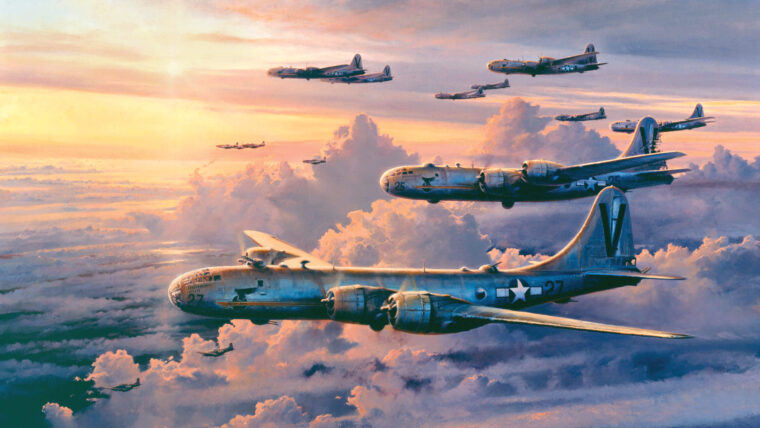
When the Boeing B-29 Superfortress crews poured out of the briefing at North Field, Tinian, on the afternoon of March 9, 1945, they were disgruntled. Read more
Pacific Theater
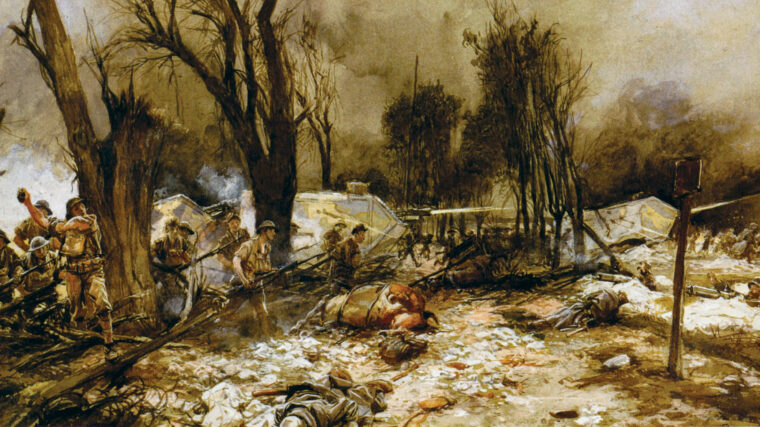
In director Howard Hawks’s 1941 film classic, Sergeant York, then-Corporal Alvin York, portrayed by Gary Cooper, single-handedly knocks out more than 30 German machine-gun nests and, with little assistance, captures 132 enemy soldiers. Read more
Pacific Theater
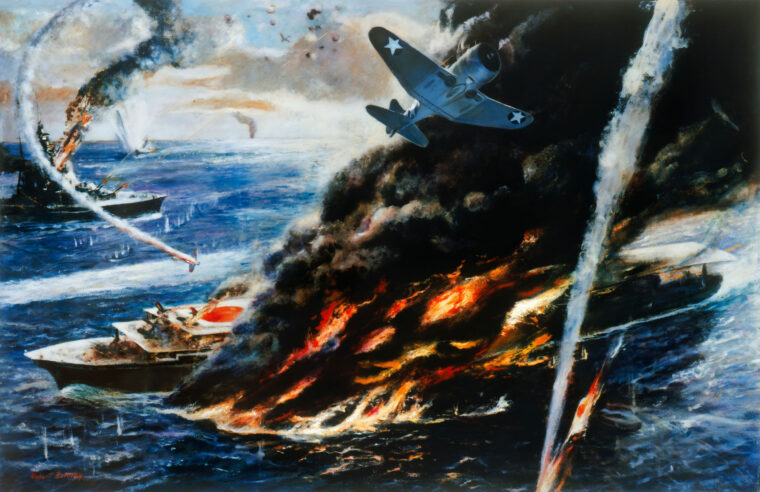
World War II was less than six months old when the American public, already stunned by the debacles at Pearl Harbor and Guam, faced one of its darkest moments. Read more
Pacific Theater
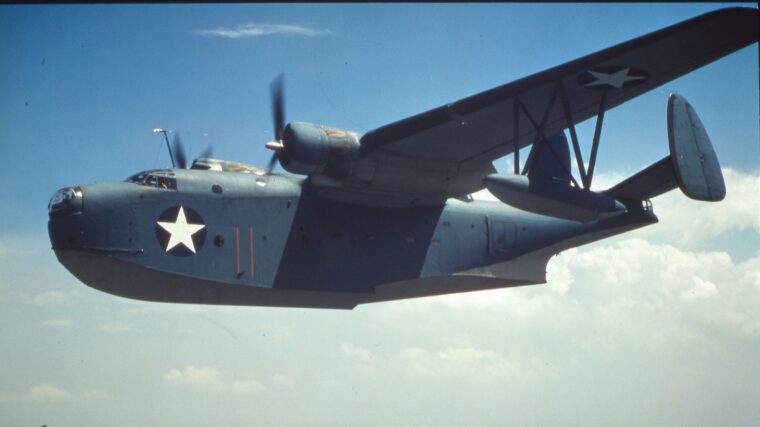
The giant Martin PBM-3R “Mariner” landed with a kind of swanlike grace, its stubby bow parting the waters, transforming them into a series of white and foamy ripples that radiated from the seaplane’s wake. Read more
Pacific Theater
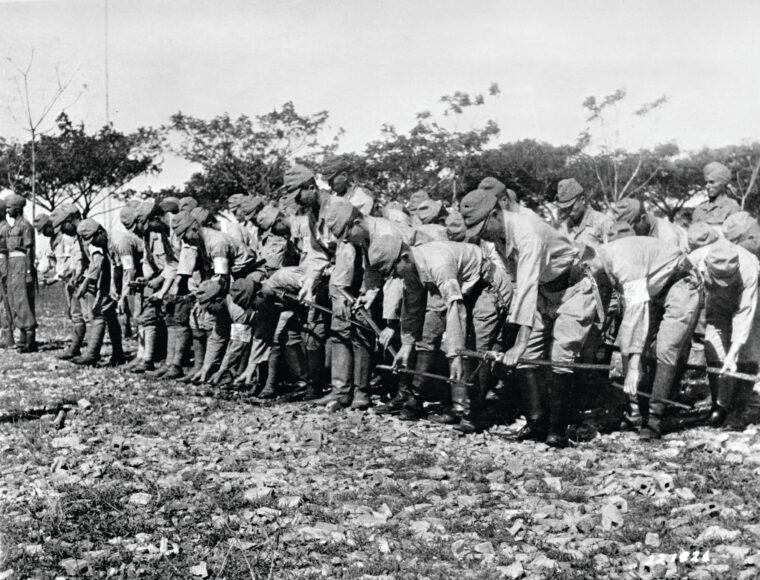
In the late 18th century, the French established Catholic missions in Indochina, and until the 1820s they enjoyed local protection, but after that persecution began and increased steadily, particularly under Emperor Tu-Duc, who reigned from 1847 to 1883 and wanted to stamp out Christianity. Read more

Pacific Theater
During the first year of American participation in World War II, the Curtiss P-40 Warhawk (Kittyhawk or Tomahawk to the British) came to symbolize the United States Army Air Corps as it fought a desperate war to hold the Japanese in check. Read more
Pacific Theater
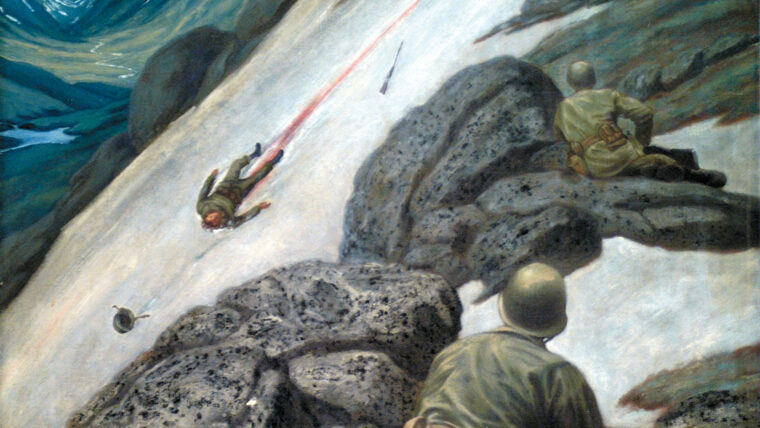
In the early morning hours of May 11, 1943, the silhouettes of two subamarines silently rose to the surface in the icy cold waters off the coast of Attu, an island in the Aleutian chain. Read more
Pacific Theater
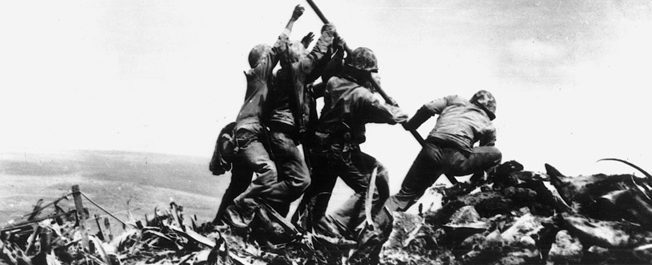
The Marine Corps announced this Wednesday, August 24, 2016 that it has revised the identification of two of the men who raised the first flag on Iwo Jima. Read more