U.S. Navy
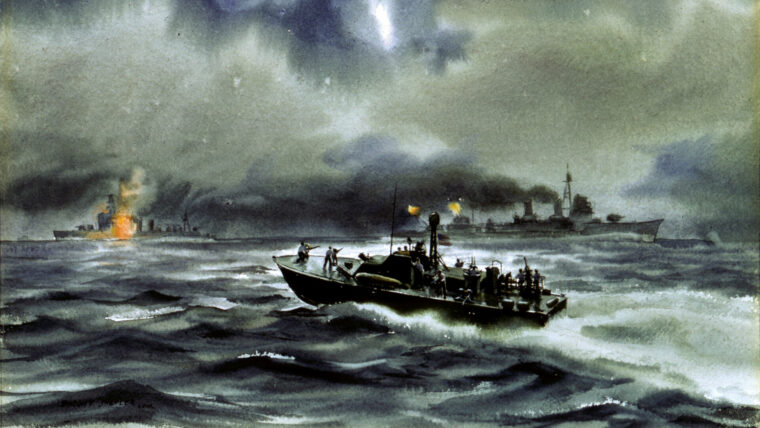
Weapons: WWII PT Boats
By William F. Floyd, Jr.
Late in the day on October 24, 1944, all of the available 39 patrol torpedo (PT) boats of the U.S. Read more
U.S. Navy
By William F. Floyd, Jr.
Late in the day on October 24, 1944, all of the available 39 patrol torpedo (PT) boats of the U.S. Read more
U.S. Navy
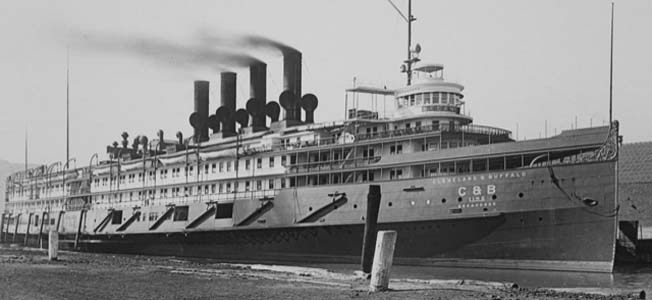
In August 1942, the U.S. Navy acquired the 1913 USS Seeandbee (using the initials of its parent company, the Cleveland and Buffalo Transit Company), the world’s largest side-wheel passenger steamer, and began converting it into a training carrier. Read more
U.S. Navy
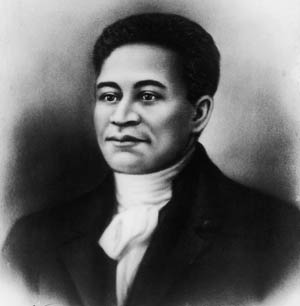
There were many African Americans in the Revolutionary War, and although some of them fought for the Colonists and others for the British, freedom was usually their motivation. Read more
U.S. Navy
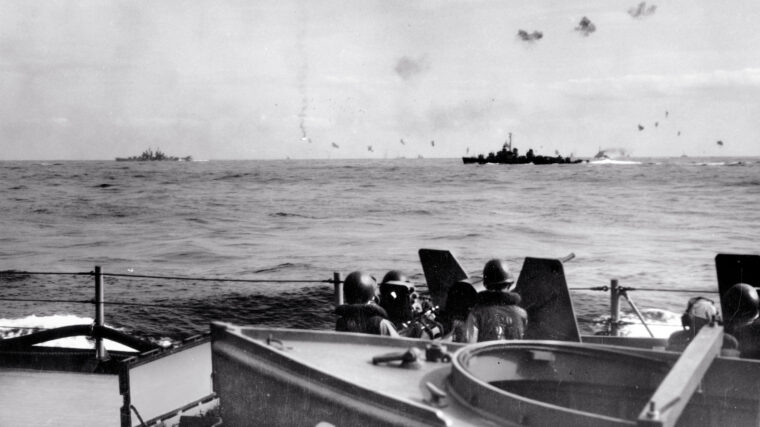
Only 340 miles from the home island of Kyushu, the final objective of the American military surge across the Pacific during World War II, short of an invasion of Japan itself, was Okinawa in the Ryukyu archipelago. Read more
U.S. Navy
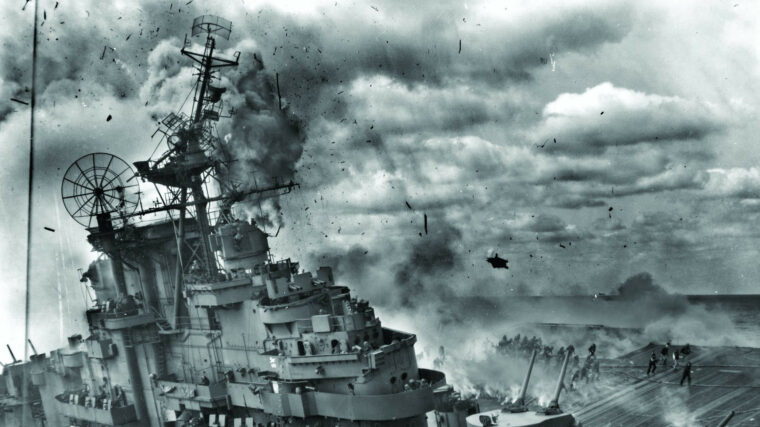
On March 19, 1945, the Essex-class carrier USS Franklin (CV-13), dubbed “Big Ben,” lay 50 miles off Honshu, one of Japan’s Home Islands. Read more
U.S. Navy
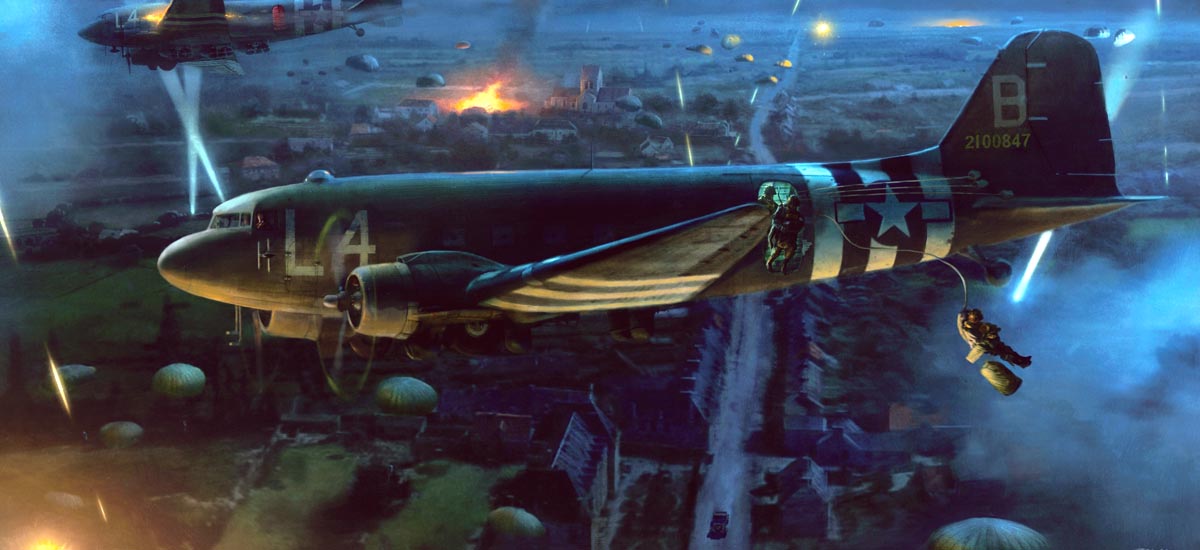
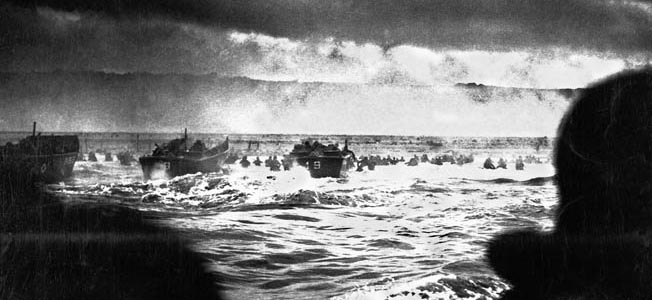
The largest amphibious invasion in history began on the night of June 5-6, with the roar of C-47 engines preparing to take off , and climaxed on the beaches of Normandy. Read more
U.S. Navy
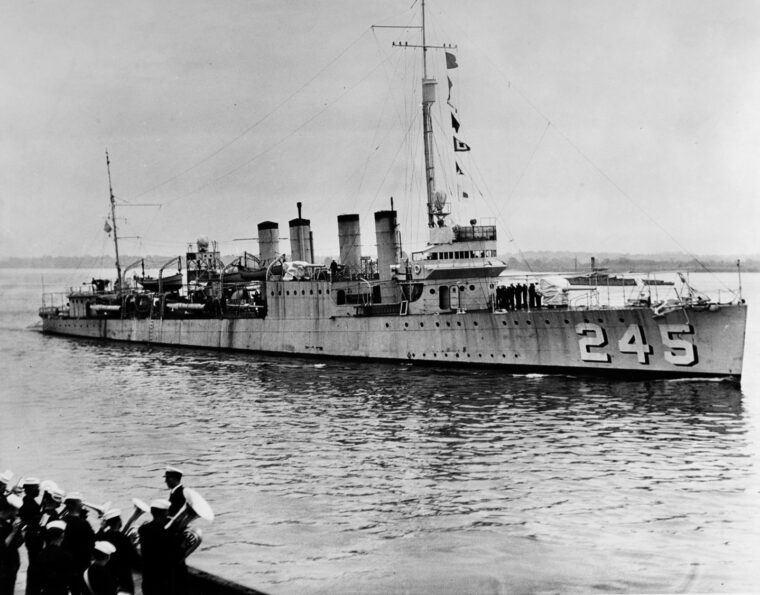
When the destroyer USS Reuben James (DD-245) was assigned to convoy duty in the North Atlantic in the autumn of 1941, its crew had a sense of foreboding and feared the worst. Read more
U.S. Navy
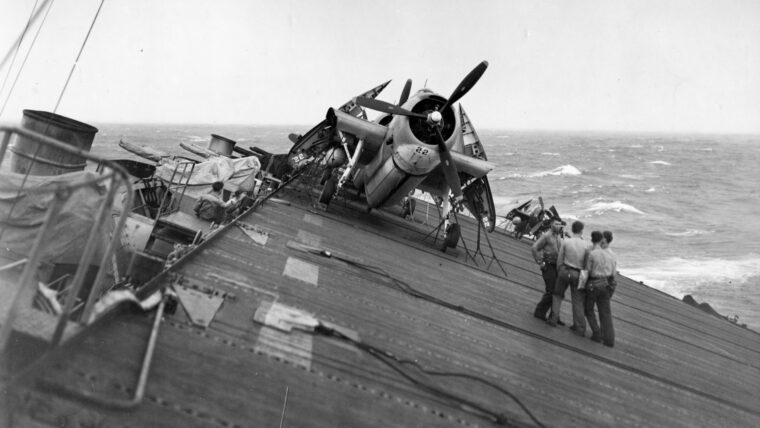
After two grueling months of action in the Pacific, Vice Admiral John S. “Slew” McCain’s powerful Task Force 38 retired in late November 1944 to the big Caroline Islands base of Ulithi Atoll for a 10-day breather. Read more
U.S. Navy
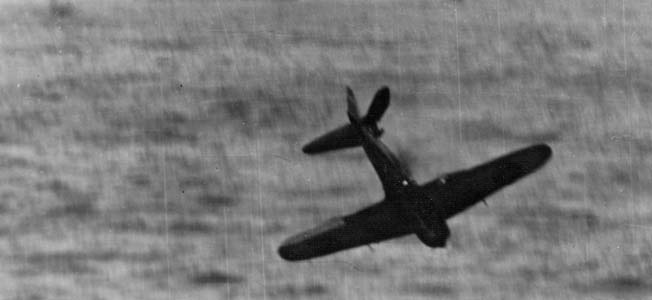
The deliberate crashing into enemy targets by Japanese aviators did not begin at the Battle of Santa Cruz Islands. Read more
U.S. Navy
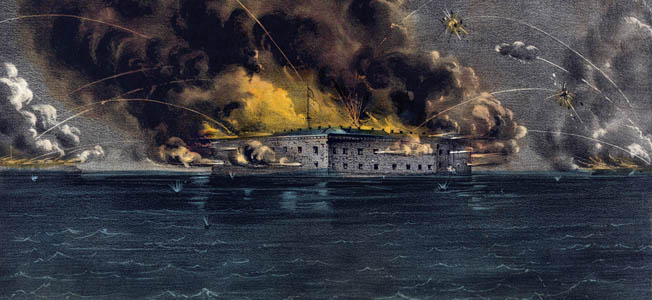
One of the catalysts for a major rebellion in the United States were irregular warfare in “Bleeding Kansas” from 1854 to 1861 between anti-slavery Free Staters and pro-slavery border ruffians. Read more
U.S. Navy
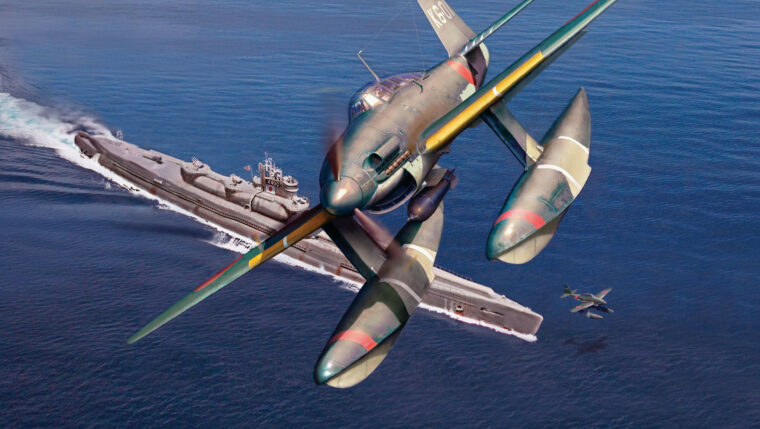
As soon as Colonel James Doolittle’s B-25 raid struck Japan in April 1942, Japan sought to wreak revenge on the United States, but by 1944 devastating aerial bombings on Japan by the Americans had become all too regular. Read more
U.S. Navy
When it came to advanced military technology in World War II, arguably no one was better at it than Nazi Germany, whose scientists Adolf Hitler keep busy trying to invent the ultimate “super weapon” capable of defeating his enemies. Read more
U.S. Navy
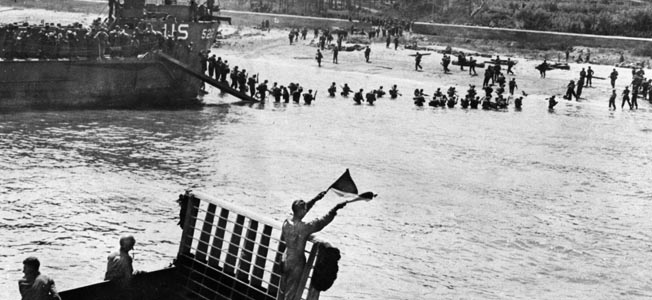
Early in 1944, German Field Marshal Erwin Rommel, the defeated hero of North Africa and now head of Army Group B in France, was tasked with strengthening the Atlantic Wall defenses against Allied invasion. Read more
U.S. Navy
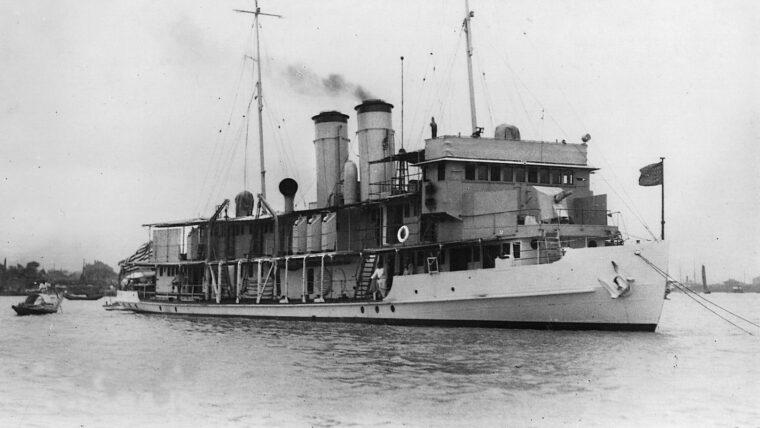
For some Americans, World War II started early. In December 1937, four years before the Japanese attack on Pearl Harbor propelled the United States into the war, Japanese planes attacked an American gunboat, the USS Panay, on China’s Yangtze River, strafing and bombing the boat, sinking it, killing three American crew members, and the wounding 45 others. Read more
U.S. Navy
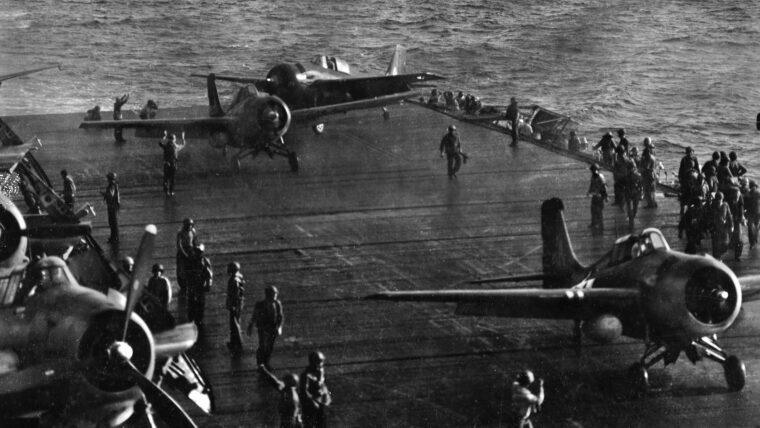
At exactly 6:45 on the morning of October 25, 1944, Rear Admiral Clifton A.F. Sprague received a message from one of his pilots on antisubmarine patrol. Read more
U.S. Navy
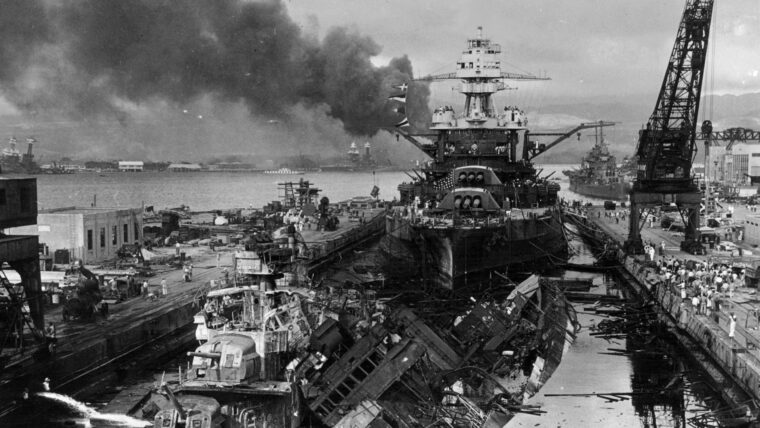
On Sunday morning, December 7, 1941, Gunner’s Mate Russell Winsett, 19, awoke at 5 am as he did most mornings. Read more
U.S. Navy
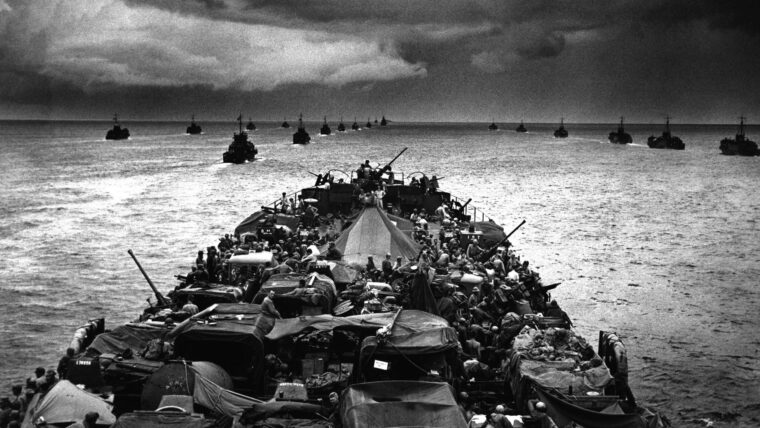
Activity at Japanese air bases in the northern Solomon Islands reached a fever pitch as the South Pacific sun rose on the morning of April 7, 1943. Read more
U.S. Navy
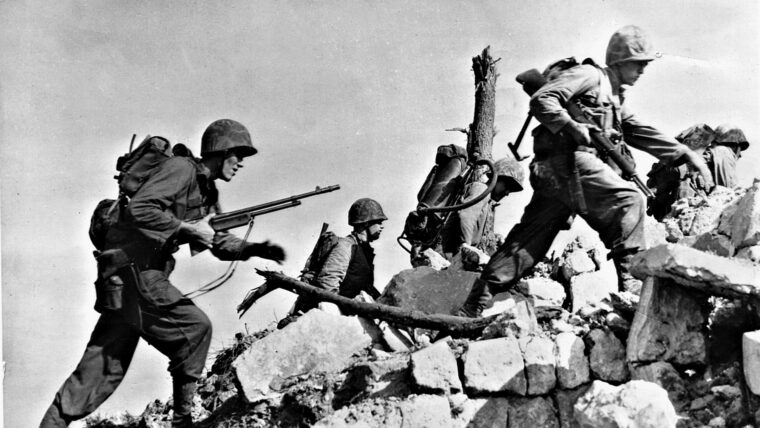
As one island or island group in the Pacific was fought over by American and Japanese forces, it became clear that Japan’s days as a combatant in World War II were numbered. Read more
U.S. Navy
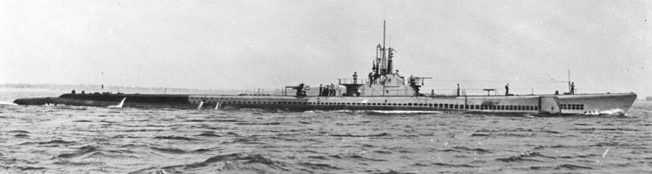
A New York Times article revealed the sorry state of a historic World War II submarine stuck in the Hackensack River. Read more
U.S. Navy
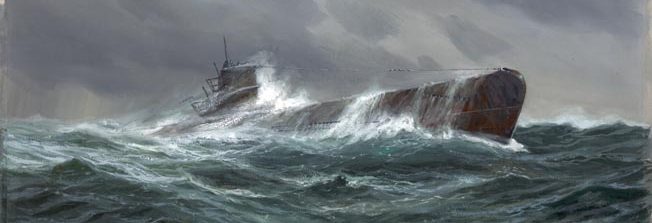
The Battle of the Atlantic was a life-and-death struggle between the German Kriegsmarine and the Allied navies that was fought for control of Britain’s lifeline to its empire and to the United States. Read more