French Revolution
The Scholarly Spies
By Tim MillerEarly in June 1940, refugees from northern France and the low Countries who had flooded Paris in May fled with the residents of the city as the German advance neared. Read more
French Revolution
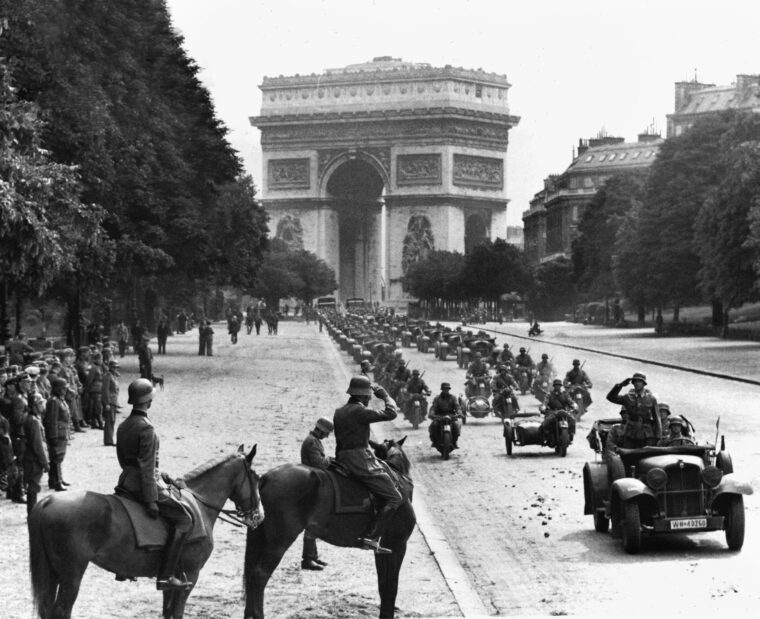
Early in June 1940, refugees from northern France and the low Countries who had flooded Paris in May fled with the residents of the city as the German advance neared. Read more
French Revolution
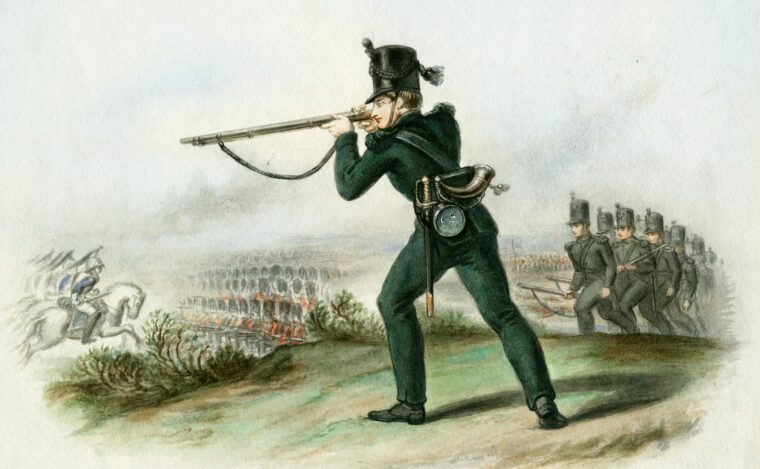
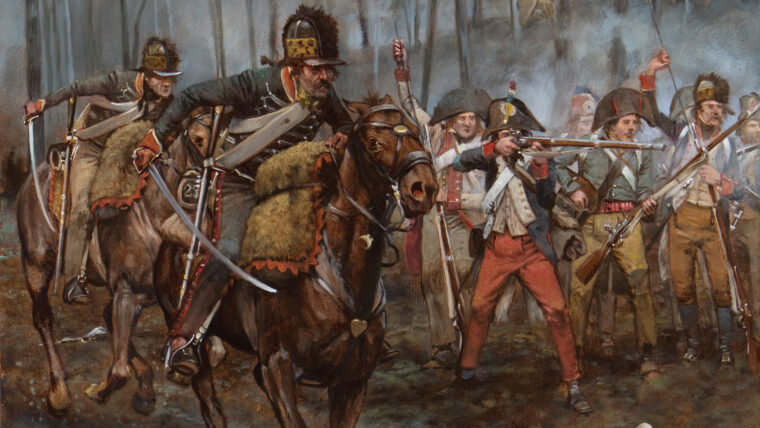
The European wars of the late 18th and early 19th centuries were characterized by large-scale clashes between similarly armed soldiers employing sabers, cannons, and weapons like the iconic Baker rifle. Read more
French Revolution
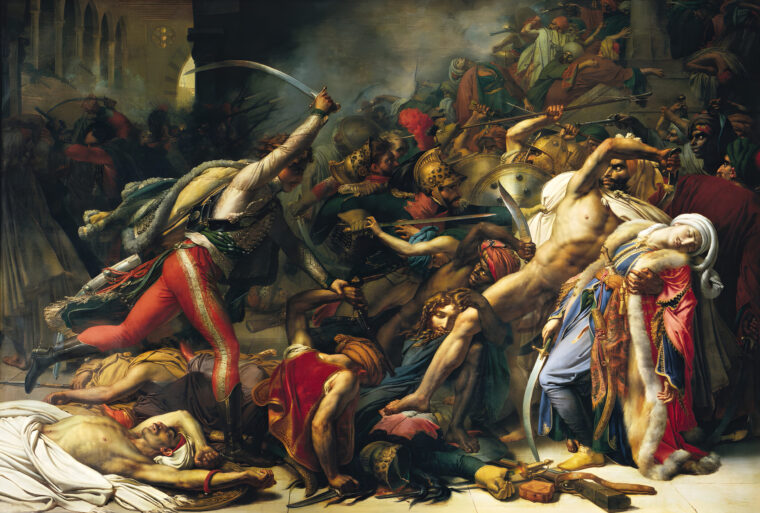
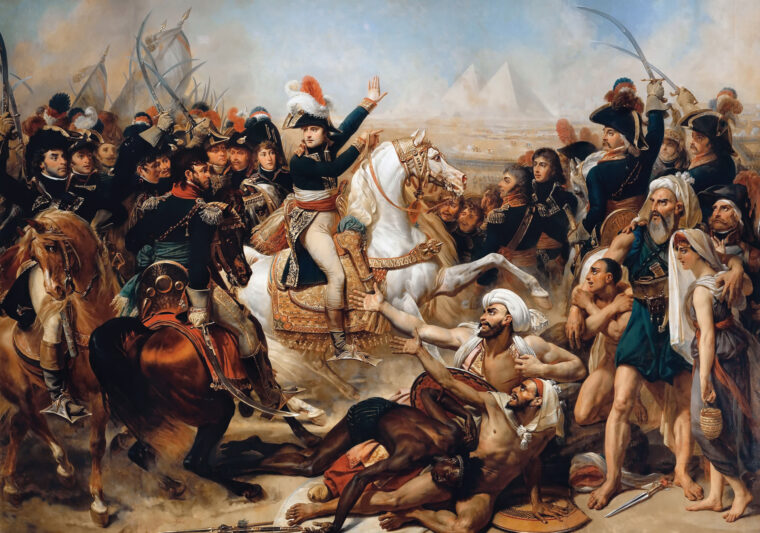
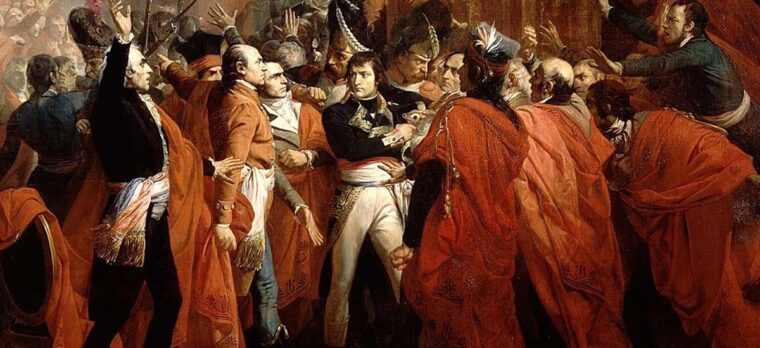
By the year 1798, the First Coalition was collapsing. Only Britain remained as France’s implacable foe. With the advent of relative peace, the governing body of France, the Directory, ever in need of cash, now sought new means of employment for the army and its general, Napoleon Bonaparte. Read more
French Revolution
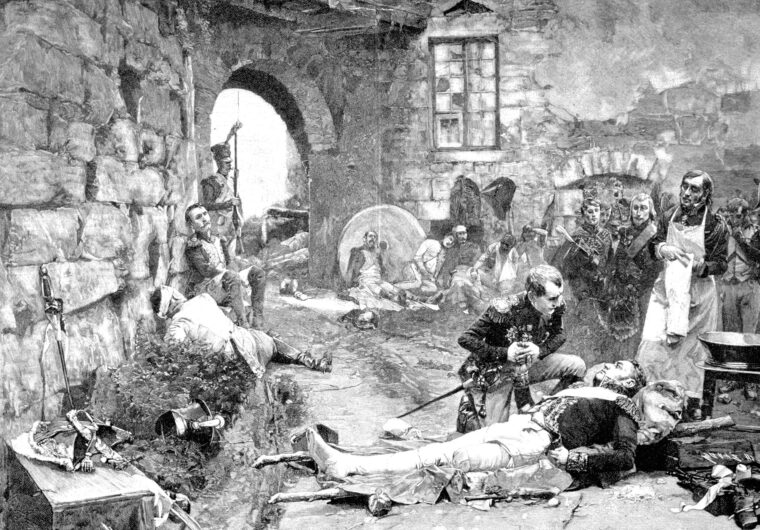
Of all the celebrated generals commanding corps in the Grande Armée, none was more highly esteemed by Napoleon for his friendship, generalship, and personal bravery than Marshal Jean Lannes. Read more
French Revolution
Years after he had saved the world from the ambitions of Napoleon, Arthur Wellesley, Duke of Wellington, was asked by his friend, George William Chad, to recall the “best thing” he had ever done as a soldier. Read more
French Revolution
Men have been reporting their wars almost as long as they have fighting them. The first prehistoric cave drawings depicted hunters bringing down wild animals, and spoken accounts of battles, large and small, formed the starting point for the oral tradition of history. Read more
French Revolution
In May 1798 English spies in Toulon, on the French Mediterranean coast, stood aghast at the gathering of an invasion fleet three times the size of the Spanish Armada: 13 ships of the line, 40 frigates and smaller warships, and 130 cargo vessels bearing more than 17,000 troops, 700 horses, and 1,000 cannons. Read more
French Revolution
Barthélemy Schérer, commander of the French Army, gazed at the new military orders from Paris in disbelief. The grandoise strategy, detailing an advance on three fronts with the armies uniting in Tyrol for a concentrated thrust at Vienna, were far beyond the capabilities of the starving southern army he commanded along the French Riveria against the combined forces of Austria and Sardinia. Read more
French Revolution
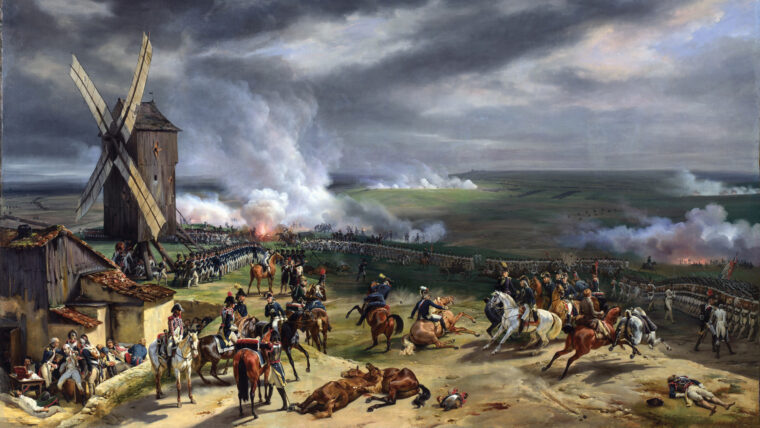
Wind lifted away the fog sheltering the French lines. Atop a low ridge where the French army was deployed, a lone windmill provided a vivid range marker for 58 Prussian cannons on the neighboring hills. Read more
French Revolution
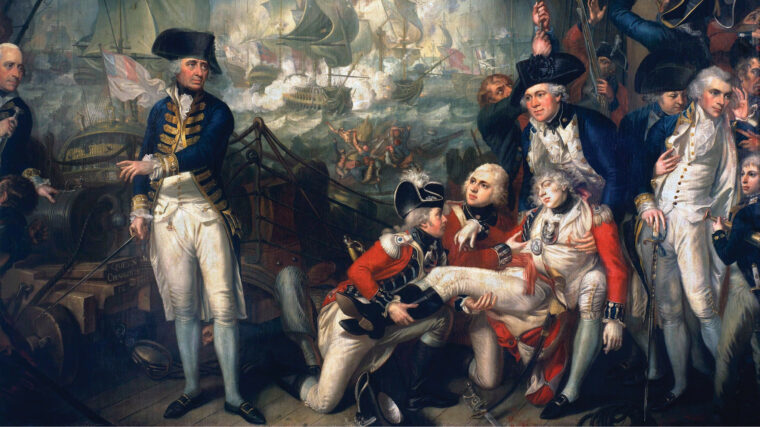
British Admiral Lord Richard Howe, standing on the quarterdeck of his 100-gun ship of the line Queen Charlotte, snapped his signal book shut on the morning of June 1, 1794. Read more
French Revolution
By the autumn of 1797, revolutionary France had been at war with the combined forces of the First Coalition for four long years. Read more
French Revolution
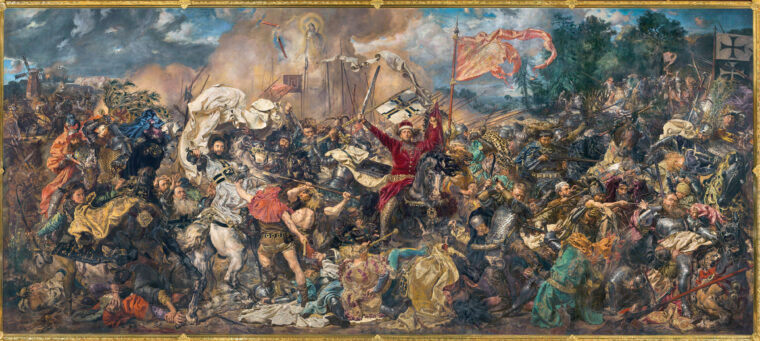
On the morning of July 15, 1410 two heralds approached the enormous host of Poles, Bohemians, Hungarians, Czechs, Cossacks, Tartars, Livonians—any and all who felt they had a grudge against the opposing force of Teutonic Knights and their allies, also gathered from all over Europe. Read more
French Revolution
I can assure you that he has a military mind indeed and in adding experience to the theory he already has, he will become a person of distinction,” Maj. Read more
French Revolution
Born on the island of Corsica to parents of minor nobility on August 15, 1769, Napoleon Bonaparte, the future Emperor of France and one of the leading military strategists and tacticians in history, graduated from the French military academy, the prestigious École Militaire, in September 1785, ranking 42nd in a class of 58. Read more
French Revolution
The Thirty Years’ War was one of the longest and most destructive conflicts in European history. The final collapse of the old Roman Empire completely redrew the political and religious map of central Europe, and paved the way for sovereign states to emerge from the fighting. Read more