28th Infantry Division’s 110th Regimental Combat Team

Battle of the Bulge

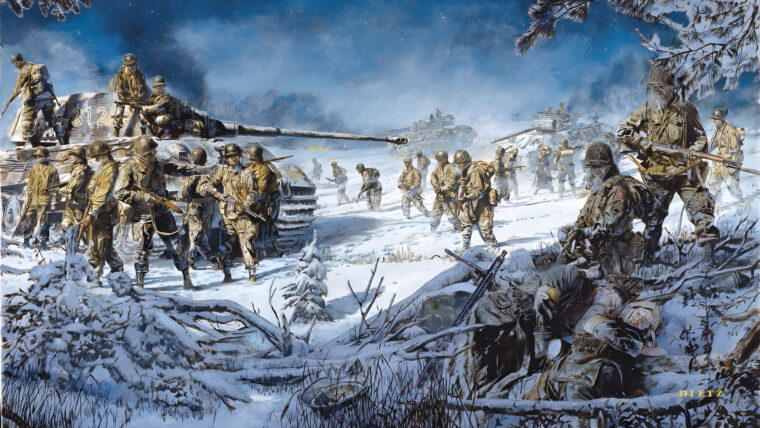
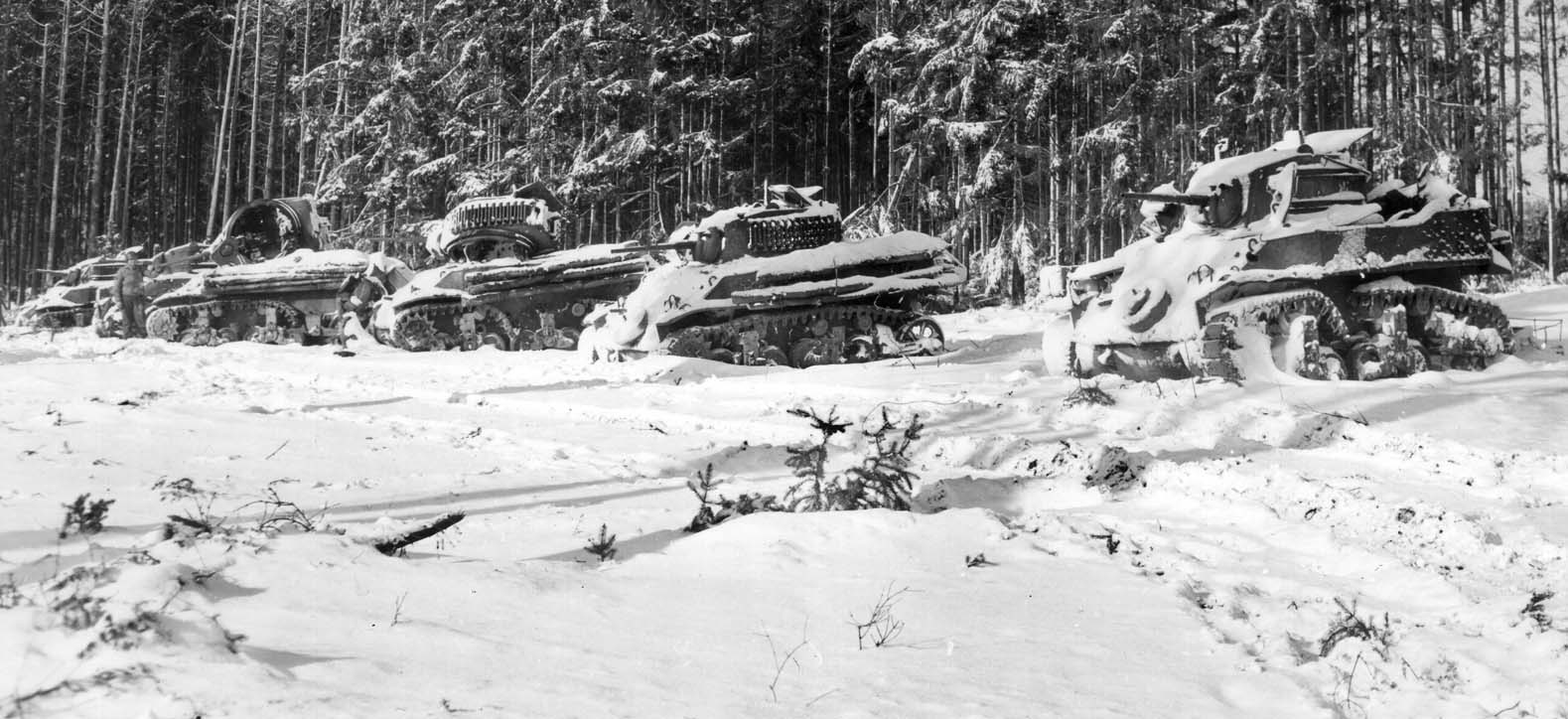
The Battle of the Bulge is the popular name given to the German Ardennes Offensive, Hitler’s last desperate gamble to achieve victory in the West during World War II. The month-long Battle of the Bulge, fought December 16, 1944, through January 16, 1945, ended in Allied victory. However, the German assault made good initial progress toward its objectives of the Meuse River crossings and the seizure of the Belgian port of Antwerp, which would have driven a wedge between Allied armies on the Western Front. The German defeat in the Battle of the Bulge hastened the end of World War II.
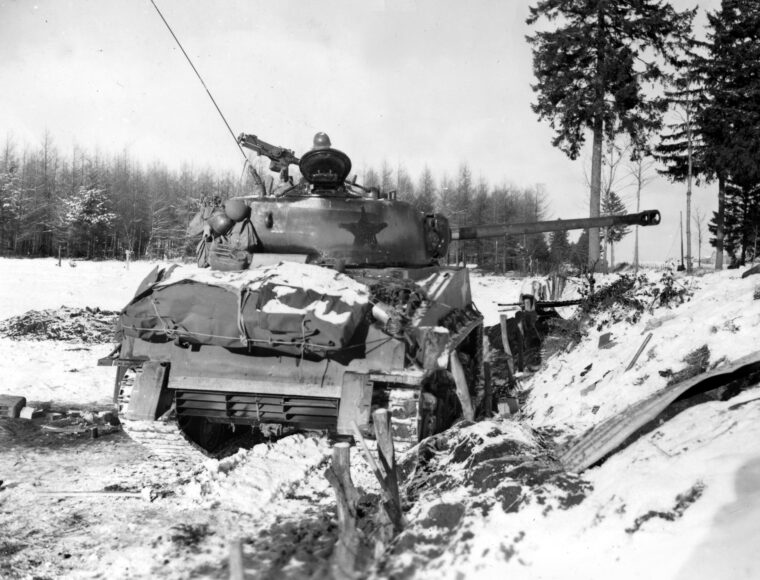
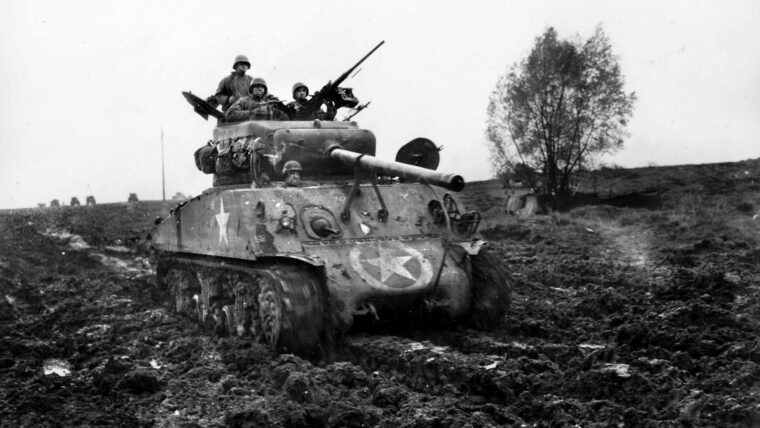
An M4A3E8 of 4th Armored Division takes cover along a sunken road while covering the H-4 highway outside Bastogne with its 76mm gun. This updated version of the Sherman has wider tracks for better performance in snow and mud; note the star has been painted over so German gunners cannot use it as an aiming point.

Battle of the Bulge

Deadly Drive to Bastogne

By Christopher Miskimon

Private Bruce Fenchel was writing a letter home when his first sergeant burst into the barracks room. “Pack your duffel bags and get ready to roll,” the NCO said ominously. Read more

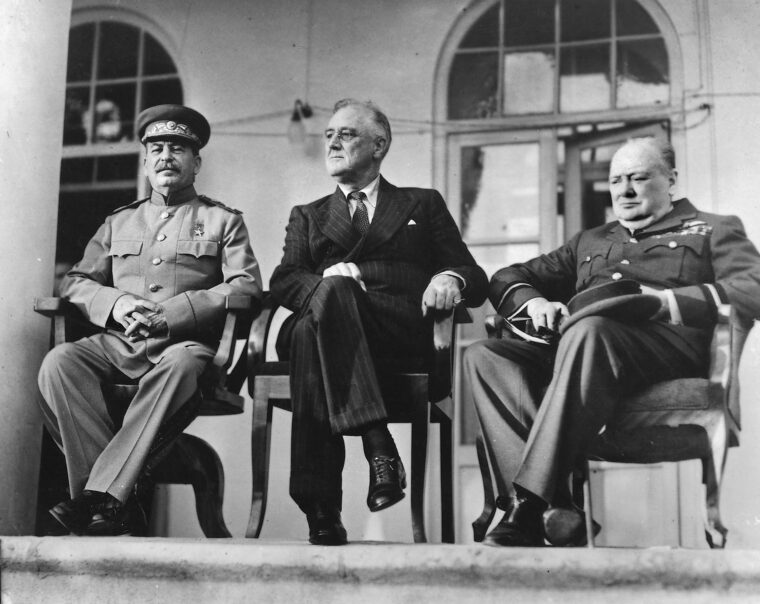
Soviet Premier Josef Stalin, U.S. President Franklin D. Roosevelt, and British Prime Minister Winston Churchill met in the Iranian capital of Tehran in late 1943. Among the topics of discussion was the opening of a second front in Western Europe.

Battle of the Bulge

Big Three in Tehran

By Michael D. Hull

World War II made a disparate trio of allies —British Prime Minister Winston Churchill, Soviet Marshal Josef Stalin, and American President Franklin D. Read more

Battle of the Bulge

M18 Hellcat Tank Destroyers Failed on the Battlefield

By William F. Floyd Jr.

In 1940, existing U.S. Army tactical doctrine called for a cordon of towed antitank guns to defend against an enemy tank attack, but army planners studying the Battle of France in May of that year realized that a tactical plan of that nature was outdated and likely would not thwart a large-scale armor attack. Read more

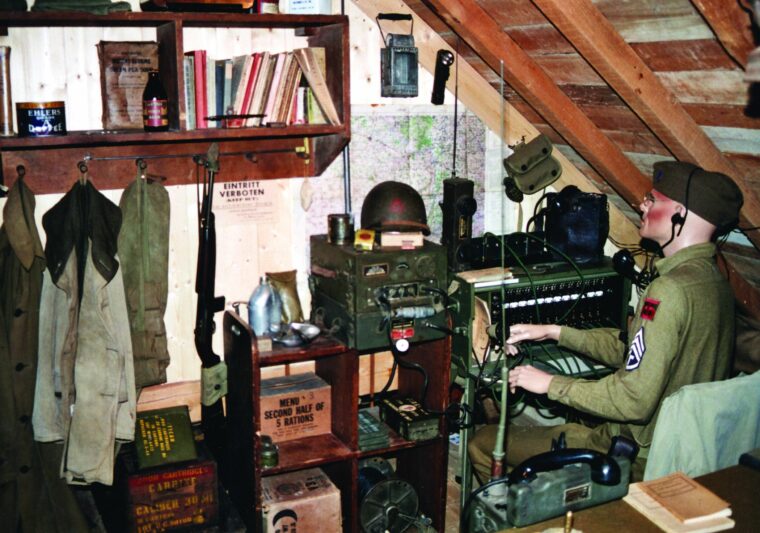
A mannequin wearing the uniform of a technical sergeant in the American 359th Infantry Regiment mans the equipment in the Hoffmann Museum’s “radio corner.”

Battle of the Bulge

Luxembourg’s Hoffman Museum

By Raymond E. Bell, Jr.

You won’t find the familiar little triangular signs, “Warnung Minen!” hanging on barbed wire today in Western Europe, with one exception. Read more

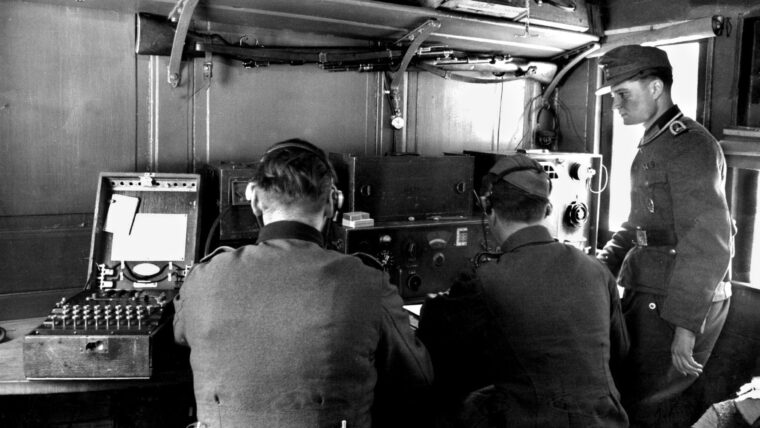
German soldiers operate an Enigma machine, sending classified information encoded through a system of rotor settings that were believed to be virtually impossible to crack. However, Allied cryptanalysts at Bletchley Park were reading top secret German communications for some time during World War II.

Battle of the Bulge

The Miracle of Bletchley Park

By Hervie Haufler

Great Britain’s military intelligence leaders learned from their experience in World War I that the kinds of minds capable of breaking codes are a rare commodity and are often not likely to blossom in a military atmosphere. Read more

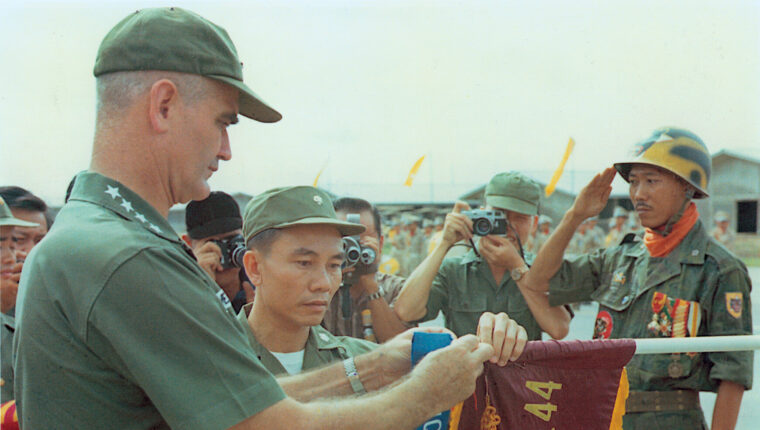
Westmoreland decorates the standard of a fighting unit in Vietnam. He left the country in 1968.

Battle of the Bulge

Soldier Profiles: General William C. Westmoreland

By Blaine Taylor

In 1989, this writer had occasion to interview four-star General William Childs Westmoreland, now 86, formerly U.S. military commander in South Vietnam and at the time of the interview a retired Chief of Staff of the Army. Read more

Battle of the Bulge

Medal of Honor Recipient George Mabry

By Gerald Astor

As a captain during World War II, George Mabry, with the 4th Infantry Division, slogged ashore on Utah Beach on D-Day and led troops through the Normandy Campaign. Read more

Battle of the Bulge

Operation Greif: Assassinate Eisenhower?

By Charles Whiting

On the morning of Monday, December 18, 1944, a mixed group of white MPs and black American service troops stood guard on the little bridge at Aywaille in the Ardennes Forest of Belgium. Read more

The German crew, which has manned a captured British Matilda tank in the Western Desert in 1941, surrenders to a group of New Zealand troops after the vehicle has been disabled by antitank fire. Note the German markings and flag draping the tank. (Australian War Memorial)

Battle of the Bulge

Captured Allied Armor: Enemy Wolves in Sheep’s Clothing

By Christopher Miskimon

The German crewmen occupied the various stations in their tank as they approached the American roadblock ahead. It was 2100 hours on Christmas Eve, 1944, just outside the town of Manhay, Luxembourg, which was occupied by elements three different U.S. Read more

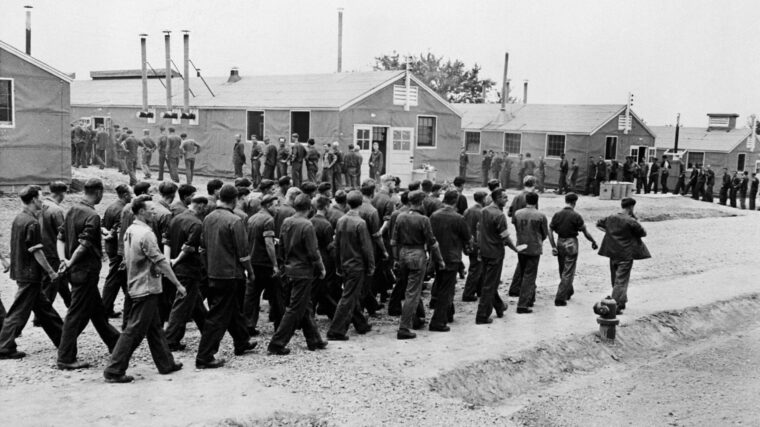
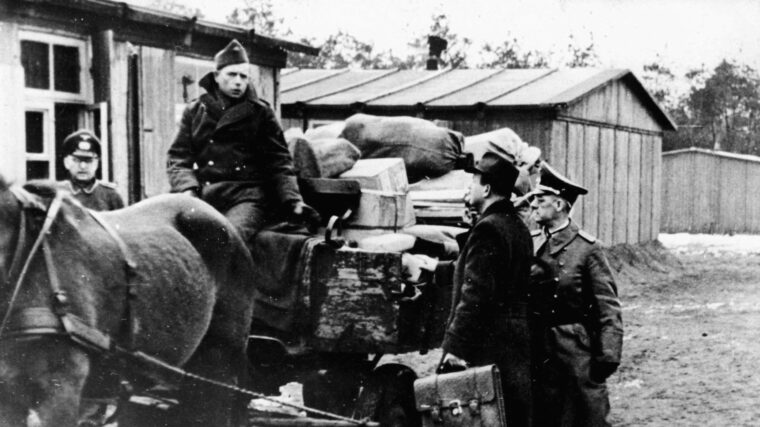
German camp authorities and delegates of the International Red Cross discuss the disposition of packages at Luft Stalag III B.

Battle of the Bulge

Steve Stupak: Surviving the German Death March

By Al Hemingway

By 1945, the war in Europe was nearing its conclusion. Having suffered a severe defeat at the hands of the Allies in the Battle of the Bulge, Adolf Hitler’s seemingly indestructible Third Reich was quickly crumbling under the Allied juggernaut. Read more

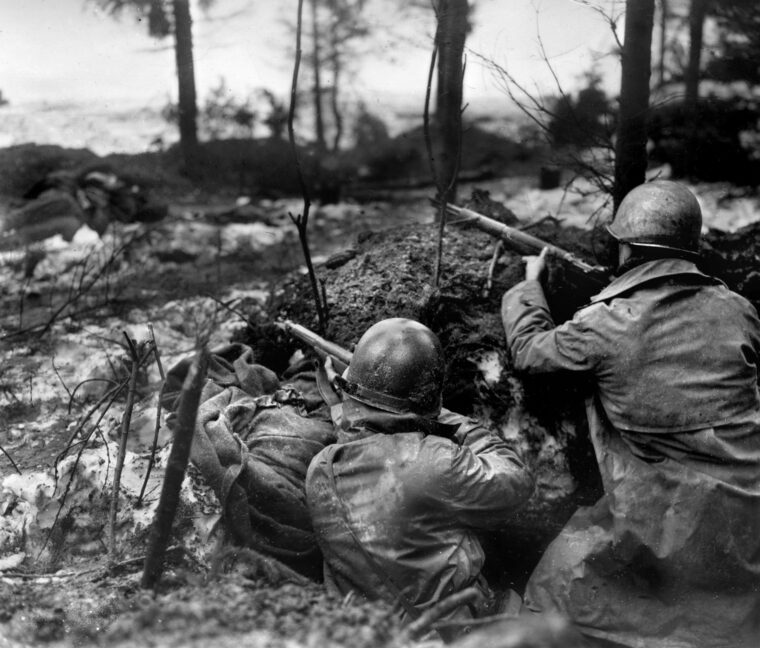
Their foxhole reinforced with logs, a pair of American soldiers of the 99th Infantry Division watch and wait for a German attack during the Battle of the Bulge. The heroic stand at Lanzerath by 20 year old Lt. Bouch and the 21 men under his command slowed the advance of Kampfgruppe Peiper.

Battle of the Bulge

Hold at All Costs

By Brent Dyck

After D-Day, the Allied armies slowly advanced across Europe and pushed the German army back. Paris was liberated on August 25, 1944, the Belgian capital of Brussels fell on September 3, and the important port of Antwerp was taken two days later. Read more

Battle of the Bulge

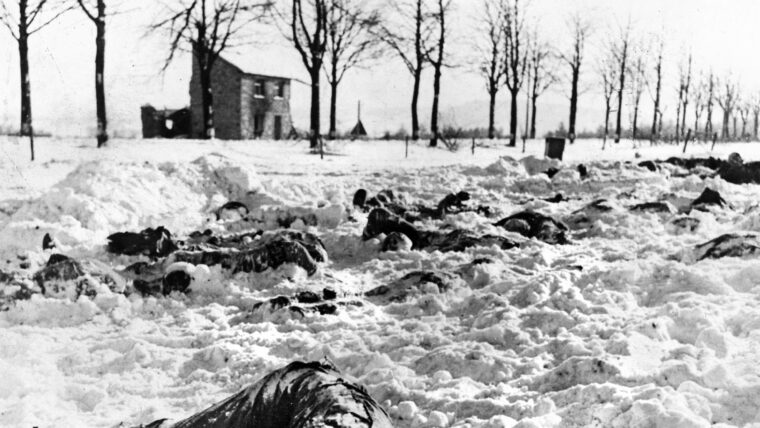
Massacre At Malmédy

By Nathan N. Prefer

The surrender did not begin well. As First Lieutenant Virgil Lary stood in the road next to a snow-covered field just south of Malmédy, Belgium with his hands raised, one of the German tankers poked his head out of the hatch and fired twice at him with his pistol. Read more