Axis
British General Orde Wingate’s Blurred Legacy
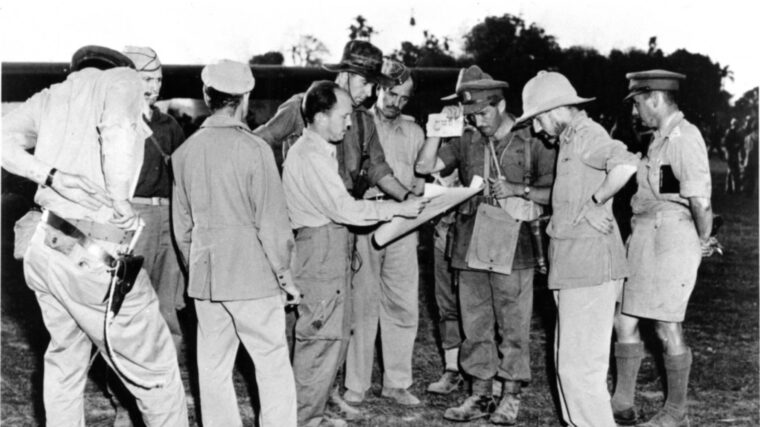
By Jon DiamondBritish General Orde Wingate is one of the more enigmatic World War II commanders encountered in a number of biographical and military historical accounts. Read more
Axis
British General Orde Wingate is one of the more enigmatic World War II commanders encountered in a number of biographical and military historical accounts. Read more
Axis
Early in World War II, a bitter joke circulated within the Soviet military. It ran, “What is the first thing Russia does when war is declared? Read more
Axis
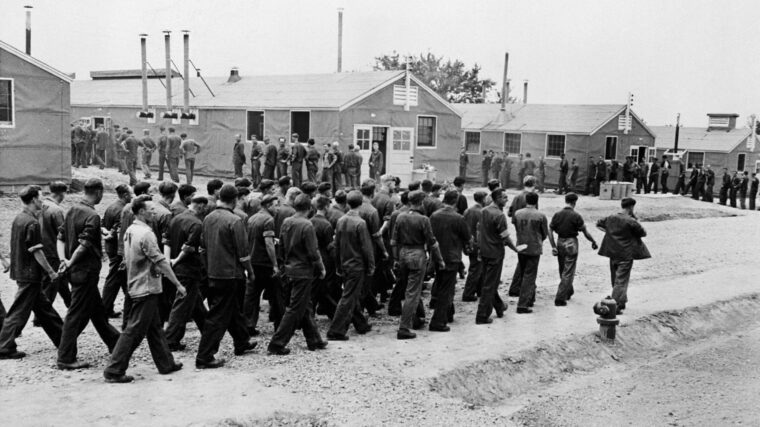
On Christmas Eve, 1944, Colonel William Holden, commander of the prisoner of war camp at Phoenix, Arizona, suddenly lost all hope for a happy holiday. Read more
Axis
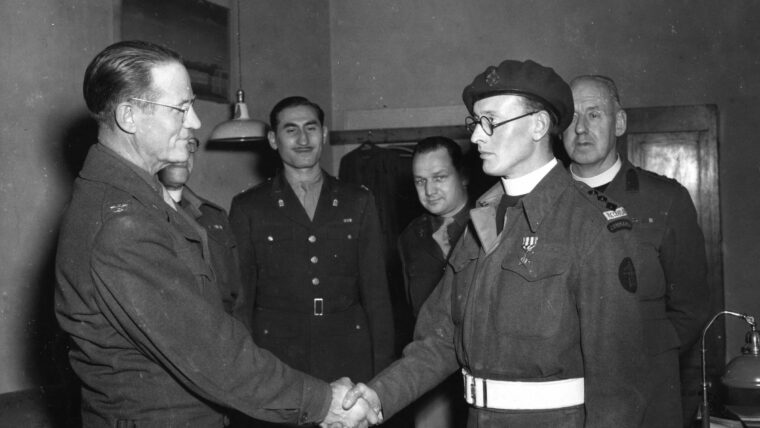
One day shortly after the Battle of El Guettar in central Tunisia in March 1943, Colonel William O. Read more
Axis
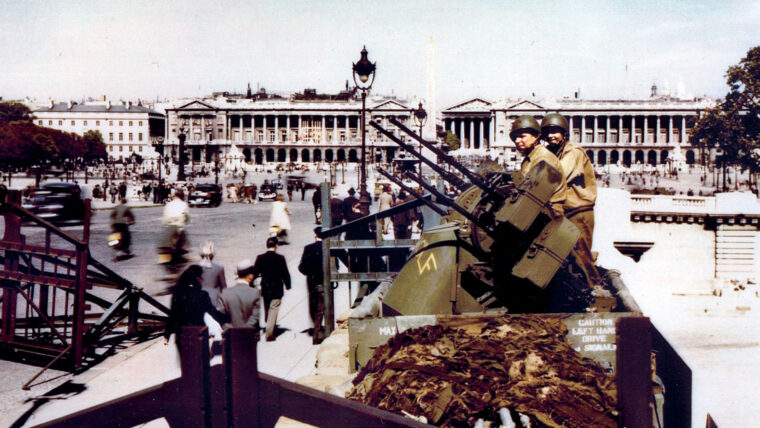
Almost every soldier on western European battlefront wanted to get to Paris. Once it was liberated on August 25, 1944, it became a mecca for Allied soldiers on leave who filled the streets, bars, and historic buildings, enjoying a brief respite from the war. Read more
Axis
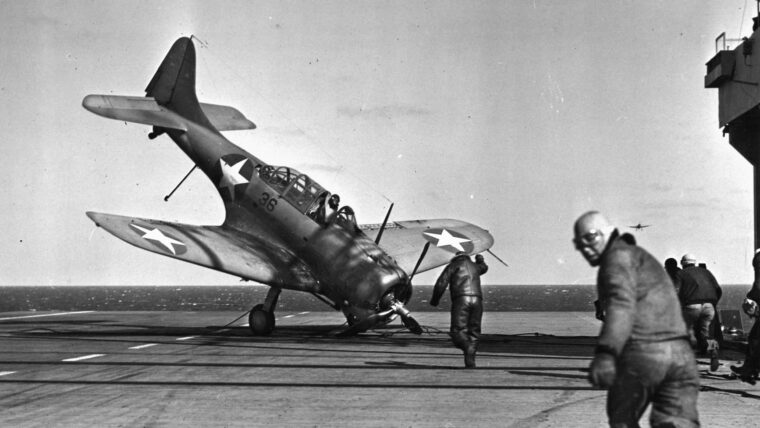
To naval aviators, any landing they could walk away from was a good landing. The escort aircraft carrier USS Charger trained men in good landings, but bad landings were also part of the education. Read more
Axis
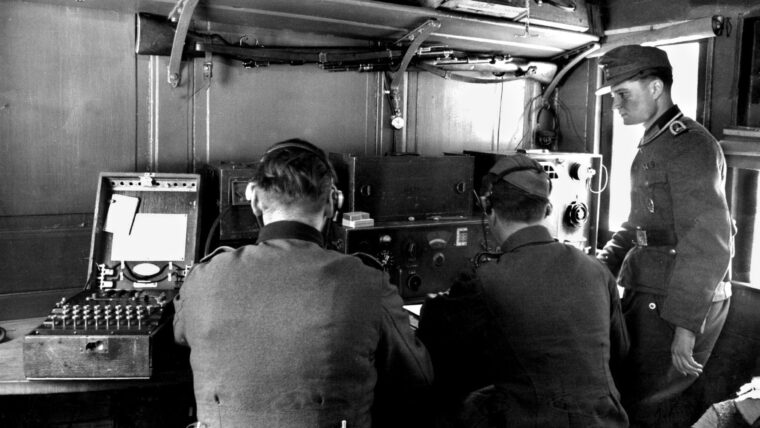
Great Britain’s military intelligence leaders learned from their experience in World War I that the kinds of minds capable of breaking codes are a rare commodity and are often not likely to blossom in a military atmosphere. Read more
Axis
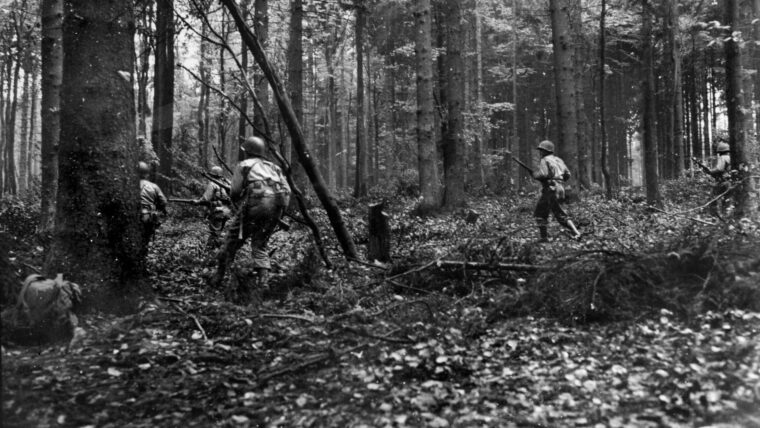
Mired in combat during the Battle of Hürtgen Forest of Germany, an American soldier wrote in December 5, 1944: “The road to the front led straight and muddy brown between the billowing greenery of the broken topless firs, and in the jeeps that were coming back they were bringing the still living. Read more
Axis
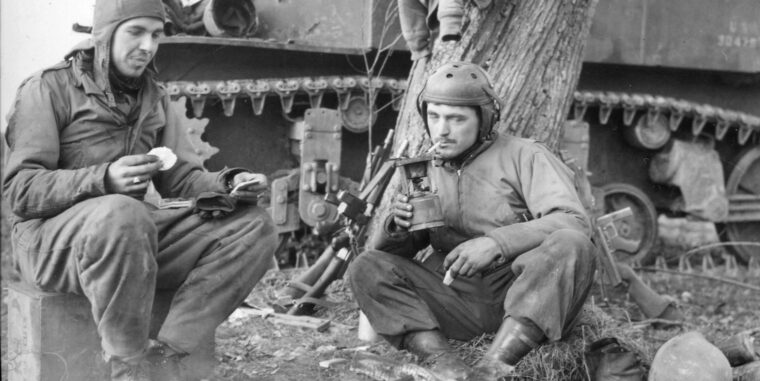
K Rations remain one of the great icons of World War II. Soldiers either loved them or hated them. Read more
Axis
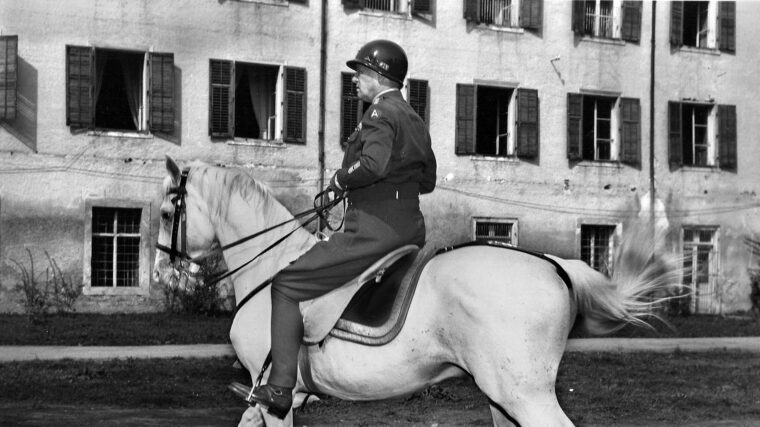
The October light was beginning to fade as the U.S. Army limousine sped along the autobahn in the American Zone of Occupied Germany. Read more
Axis
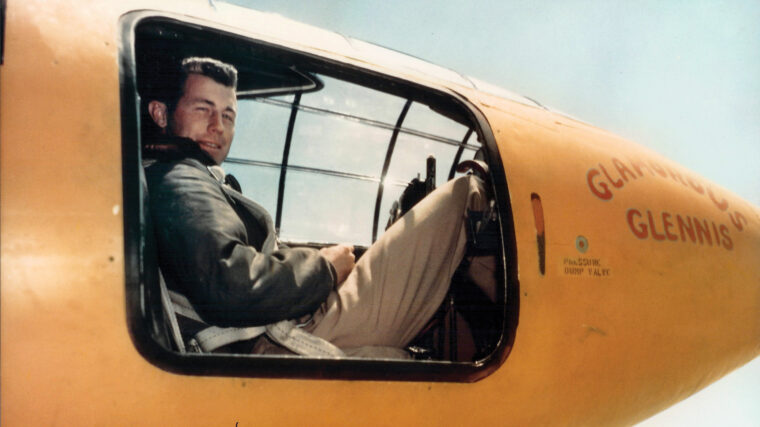
Major General Charles “Chuck” Yeager, United States Air force (Ret.), was one of a handful of people who could rightly claim the title “living legend.” Read more
Axis
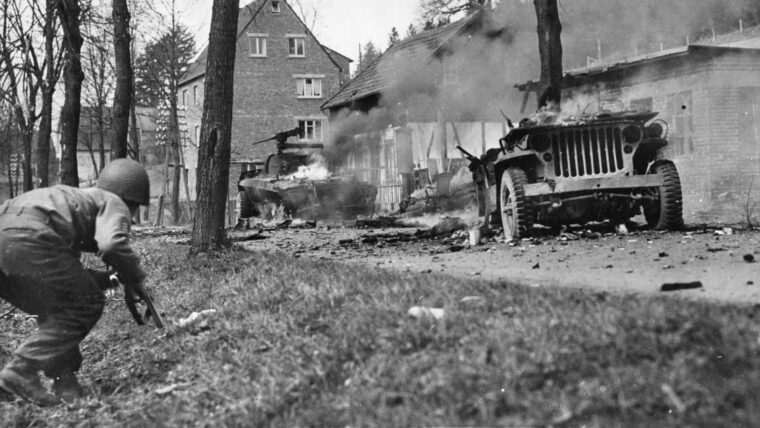
The Messerschmitt Bf-109 fighter plane dove out of the sky with machine guns firing. The pilot’s target—a pontoon bridge being stretched across Germany’s Werra River by American engineers. Read more
Axis
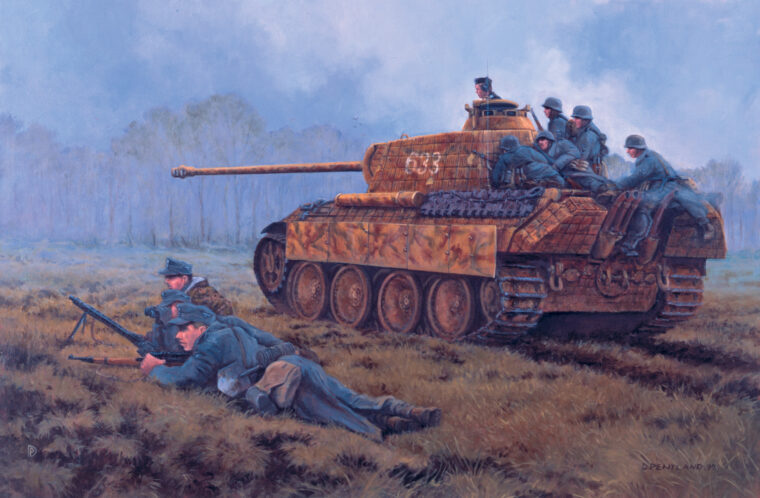
“Where is Steiner?” Adolf Hitler demanded as his Thousand Year Reich crumbled around him in April 1945. “Is he attacking yet?” Read more
Axis
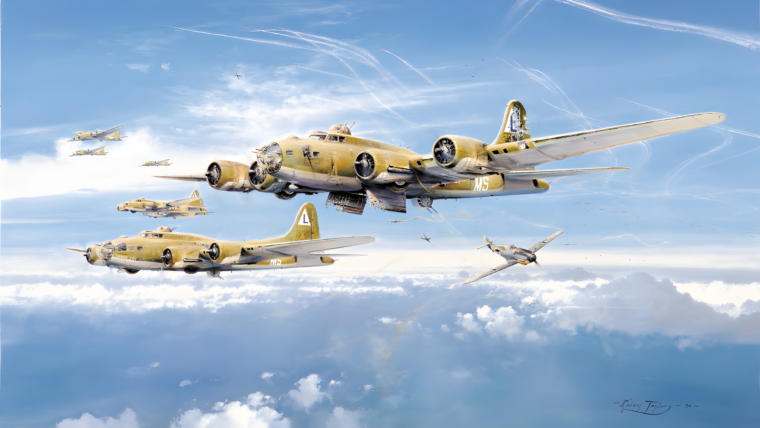
In early 1942, the U.S. Eighth Air Force arrived in England firmly entrenched in the belief that continuous and accurate daylight precision bombing was the only way to decisively crush German industrial capacity. Read more
Axis
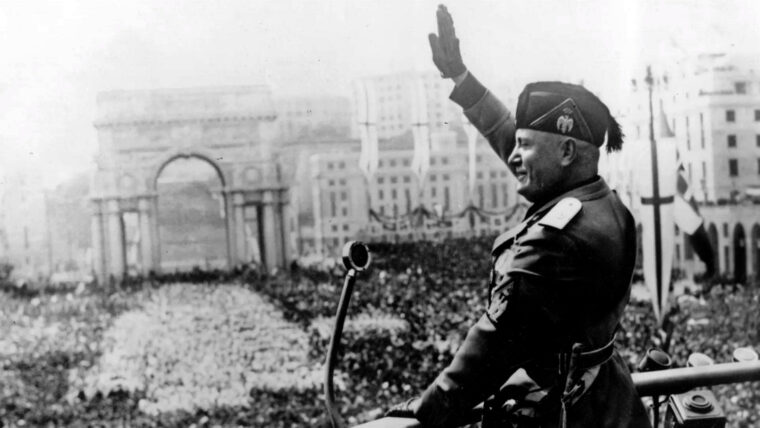
It was shortly before seven o’clock on the rain-drenched morning of April 27, 1945, the day before the death of Italian dictator Benito Mussolini. Read more
Axis
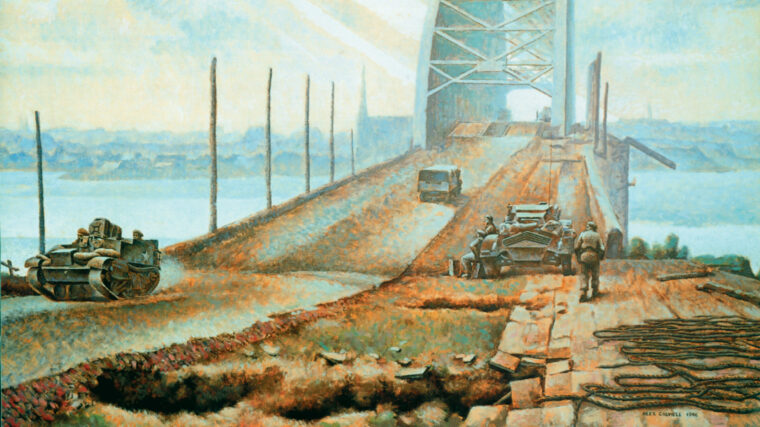
“In the years to come everyone will remember Arnhem, but no one will remember that two American divisions fought their hearts out in the Dutch canal country,” wrote U.S. Read more
Axis
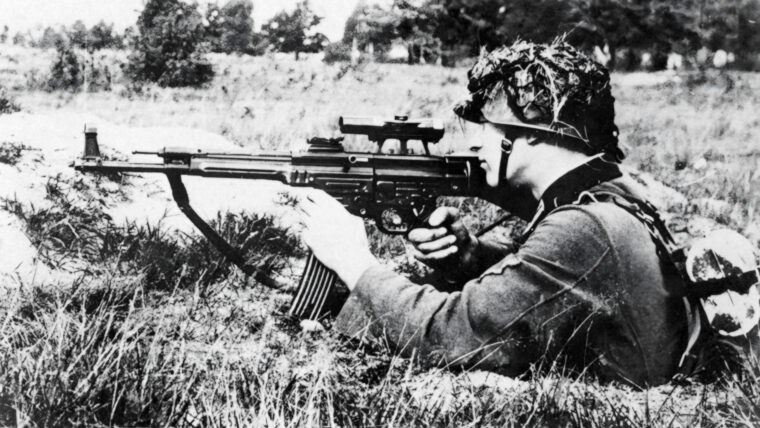
With the conflict in Iraq, combat photography is once again prevalent in the media, and it would be impossible to miss images of U.S. Read more
Axis
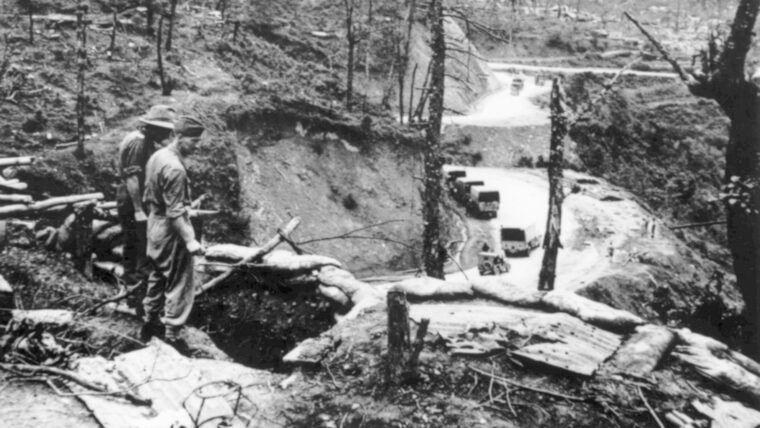
The two regiments from the county of Kent, down in southeastern England, are of both ancient and honorable lineage. Read more
Axis
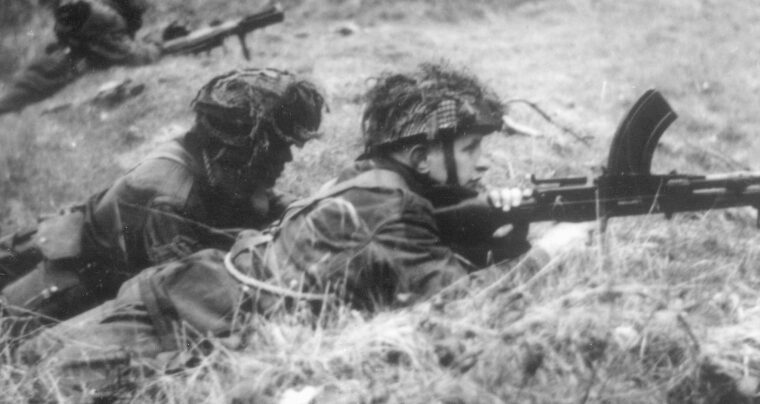
In the hut no one spoke, no one joked. The assembled British and Canadian paratroop commanders awaited the briefing from their brigade commander on their next major operation. Read more
Axis
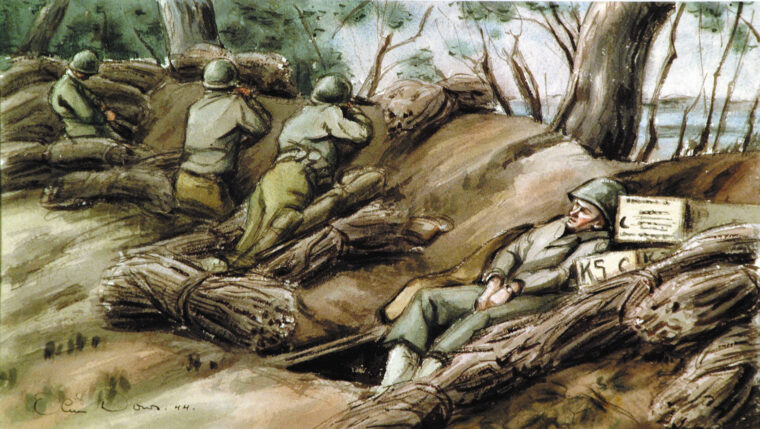
In the late afternoon of July 18, 1944, in what was left of the main square of battle-scarred St. Read more