Army of Northern Virginia

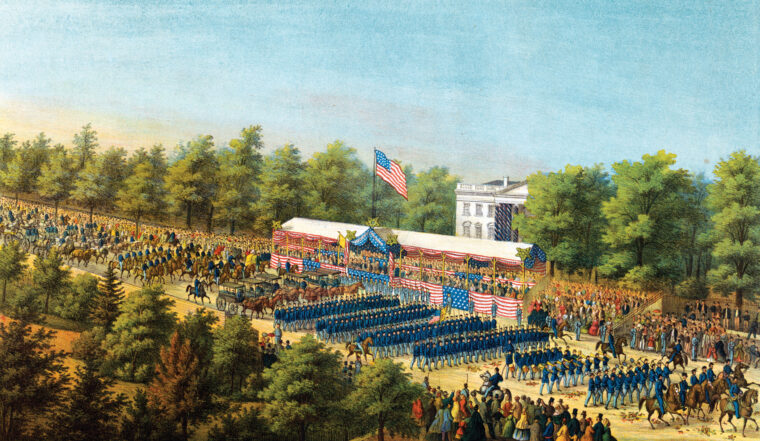
The Grand Review of 1865

By William Stroock

Robert E. Lee’s surrender at Appomattox, presaging the subsequent surrender of other Confederate forces in the West and the capture of Southern President Jefferson Davis a few weeks later, marked the triumphant end of the nation’s great sundering. Read more
Army of Northern Virginia

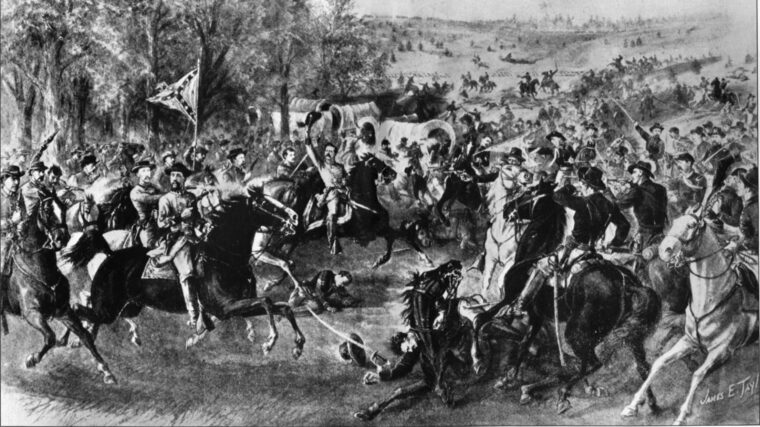
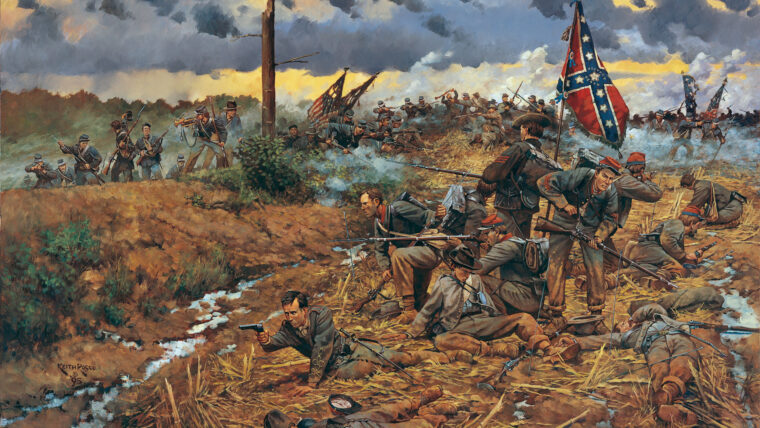
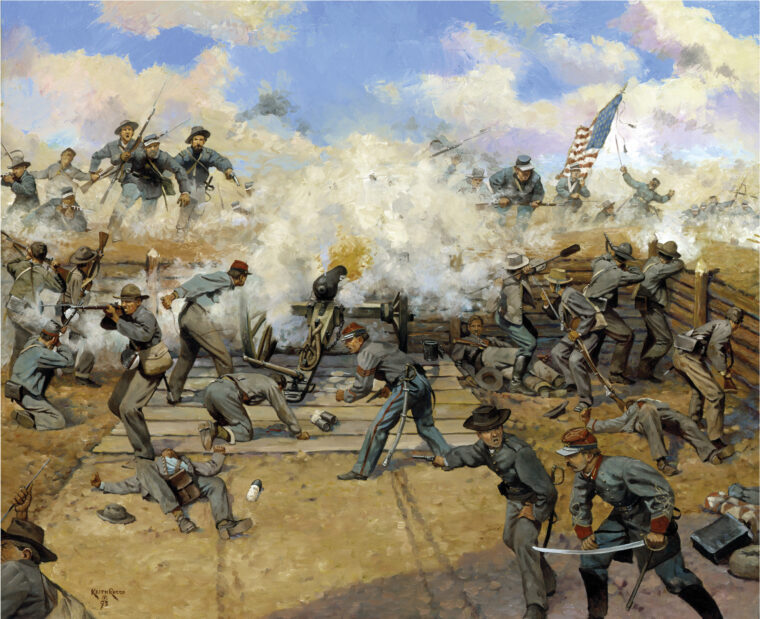
Black Thursday at Sayler’s Creek

By David A. Norris

Four hundred Confederate sailors and marines, their small arms loaded and ready, awaited their orders. Some men had their cutlasses within easy reach. Read more

Army of Northern Virginia

End Game at Appomattox

By Mike Phifer

Lieutenant Colonel Horace Porter, personal aide to Lt. Gen. Ulysses S. Grant, maneuvered his mount past ammunition wagons, ambulances, stragglers, and prisoners jamming the muddy roads leading back to headquarters from Five Forks, Virginia, on the evening of April 1, 1865. Read more

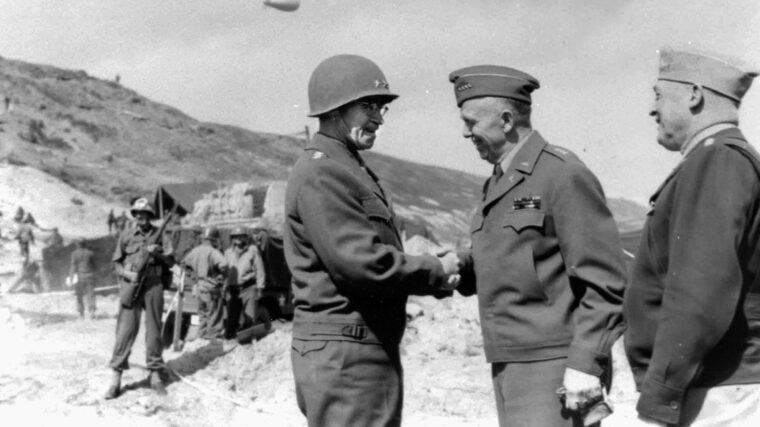
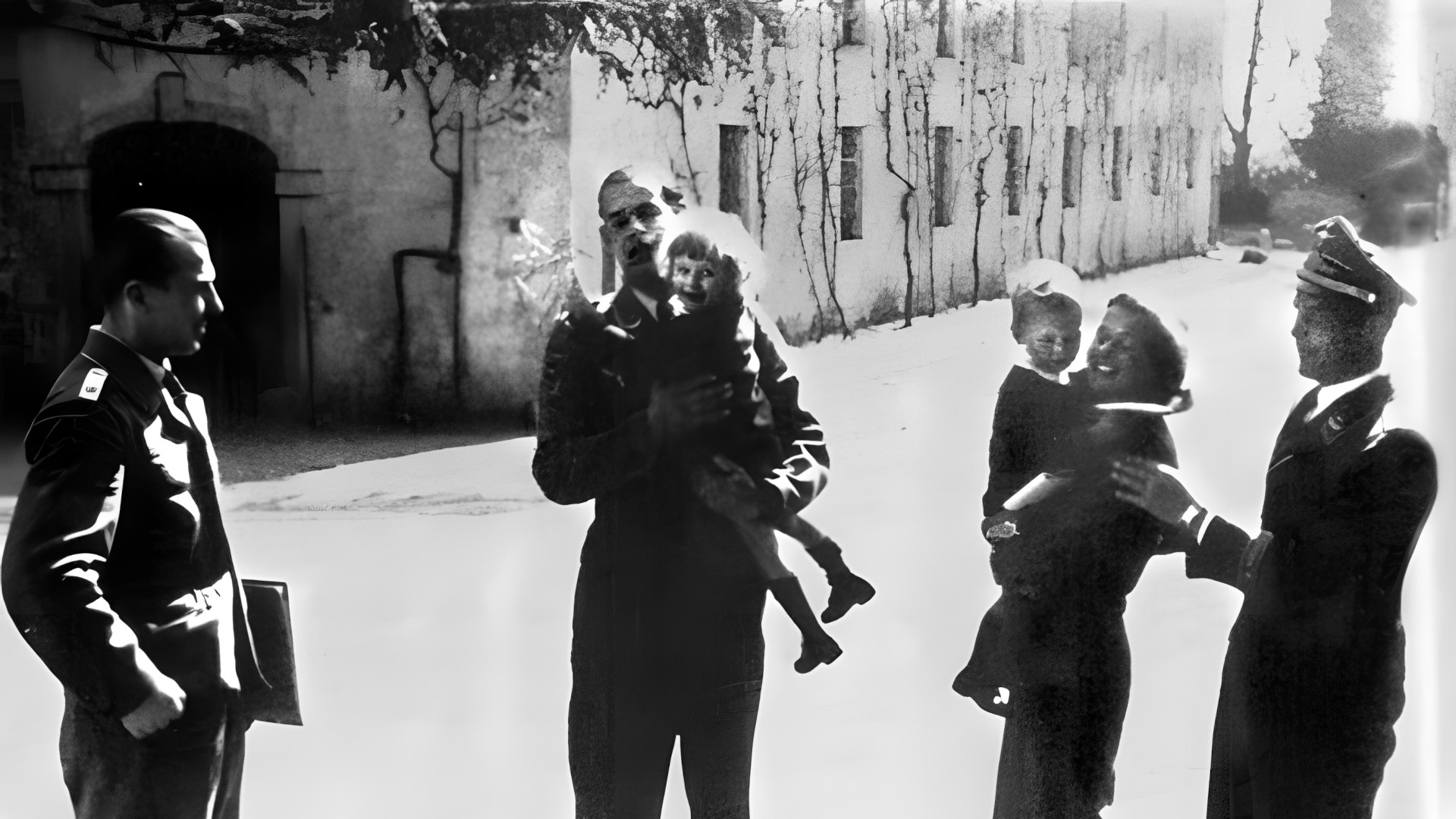
Lieutenant General Omar Bradley greets Marshall in Normandy in June 1944.

Army of Northern Virginia

George C. Marshall: The Indispensable Man

By Eric Hammel

George Catlett Marshall was the greatest American military man of his age. If the United States Army had kicked off the 20th century with the specific intent of constructing a chief of staff to lead it to victory in World War II, it could not have done a better job than what chance provided in the triumphs and travails over the 40 years that molded George Marshall. Read more

Army of Northern Virginia

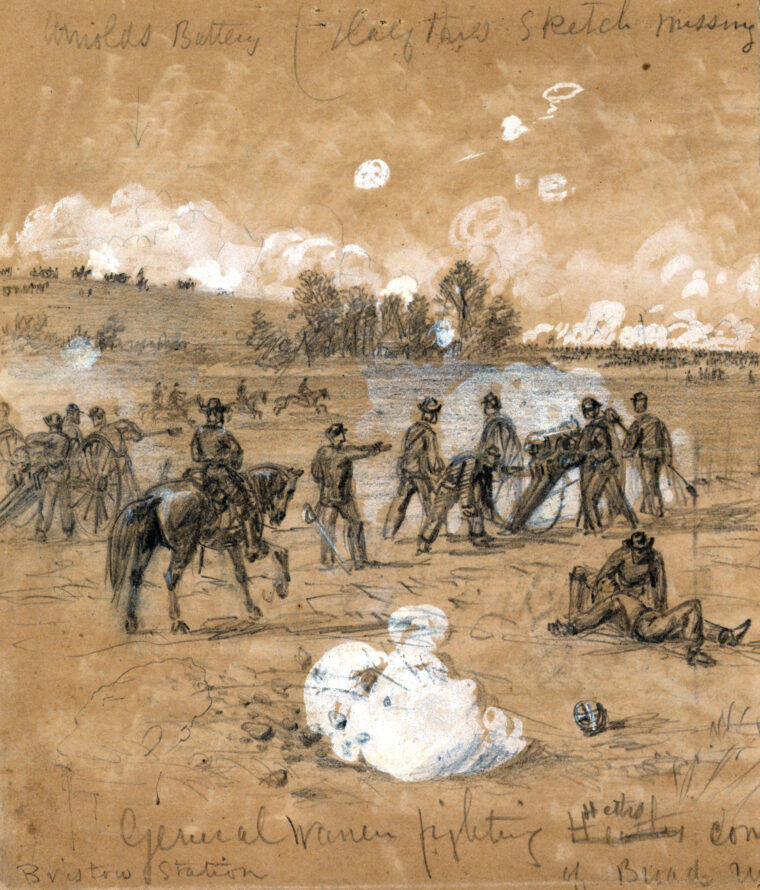
Return to Manassas

By John Walker

Sent into north-central Virginia to threaten Richmond on a second front, McDowell had managed to get lost in the woods near Gainesville and lost touch with his command for 12 full hours. Read more

battle of the Wilderness

Army of Northern Virginia

Crossroads of Destiny: The Battle of the Wilderness

By Jonas L. Goldstein

The year 1864 was shaping up to be a critical one in the three-year-long Civil War. During the previous year, Federal armies had gained control of the Mississippi River and consolidated their grip on Tennessee. Read more

Army of Northern Virginia

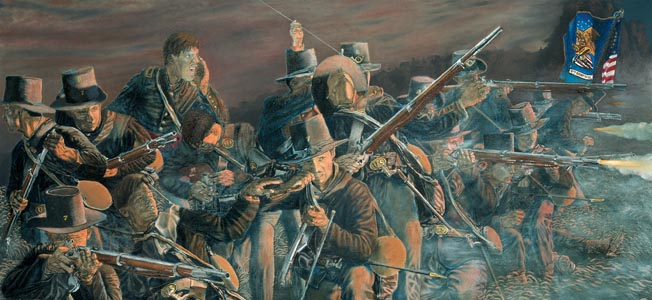
The Irish Rifles At the Battle of Chancellorsville

By Kevin M. O’Beirne

The city of New York provided more regiments than did many states during the Civil War, and the deeds of several of its regiments, such as the 9th New York “Hawkins’s Zouaves,” 39th New York “Garibaldi Guard,” and 42nd New York “Tammany Regiment” are well known. Read more

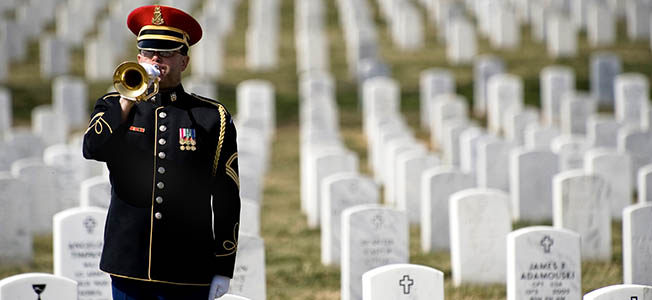
Today, we look back on the men and women throughout our history who gave the ultimate sacrifice in service to their country.

Army of Northern Virginia

Memorial Day

By James Hart

Since its first inception as “Decoration Day” in 1868, Memorial Day has served as an important reminder regarding those who died in service to their country. Read more

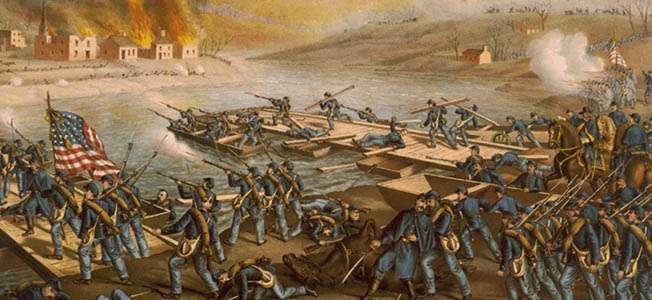
At the Battle of Fredericksburg, beautifully arrayed ranks of attacking Federals made for grand spectacle in one of the most disastrous Union attacks of the Civil War.

Army of Northern Virginia

Senseless Slaughter at The Battle of Fredericksburg

By William E. Welsh

Union Maj. Gen. Ambrose Burnside was prone to dithering. The vanguard of his 120,000-strong Union Army had arrived in Falmouth on the north bank of the Rappahannock River opposite Fredericksburg on November 14, 1862. Read more

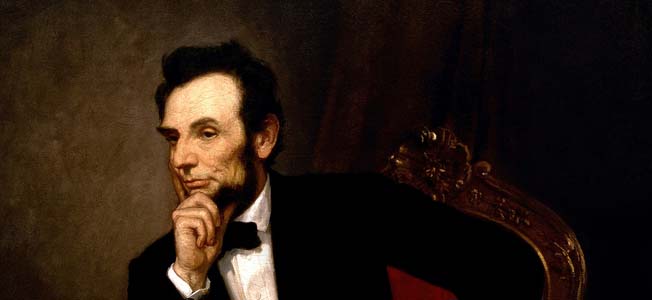
The 16th U.S. President, Abraham Lincoln guided the nation during the turbulent years of the American Civil War years.

Army of Northern Virginia

President Abraham Lincoln & The American Civil War

by Mike Haskew

The 16th President of the United States, Abraham Lincoln was elected to the highest office in the land in November 1860, and the event prompted the secession of numerous southern states beginning with South Carolina the following month. Read more

Army of Northern Virginia

Union Generals of the American Civil War: George McClellan

by Mike Haskew

General George McClellan was a key figure in the prosecution of the American Civil War, particularly during 1862, when he led the Union Army of the Potomac during the Peninsula Campaign, a failed offensive to capture the Confederate capital of Richmond in the spring, and the Battle of Antietam, the bloodiest single day in American history, on September 17, 1862. Read more