wehrmacht
D-Day Casualties: Operation Overlord by the Numbers
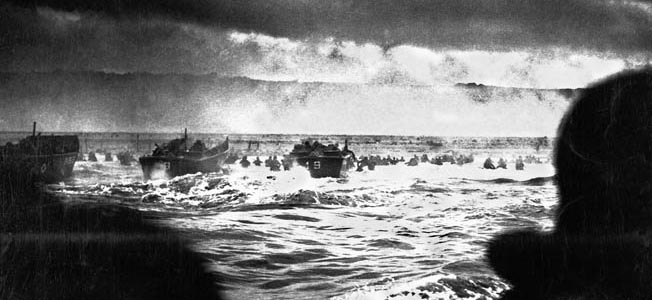
The largest amphibious invasion in history began on the night of June 5-6, with the roar of C-47 engines preparing to take off , and climaxed on the beaches of Normandy. Read more
wehrmacht
The largest amphibious invasion in history began on the night of June 5-6, with the roar of C-47 engines preparing to take off , and climaxed on the beaches of Normandy. Read more
wehrmacht
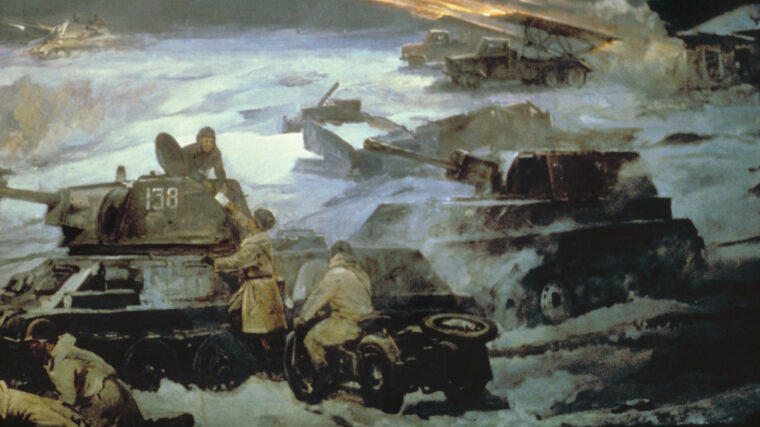
The area between the Baltic Sea and the Carpathian Mountains had been relatively quiet since the end of Operation Bagration late in the summer of 1944. Read more
wehrmacht
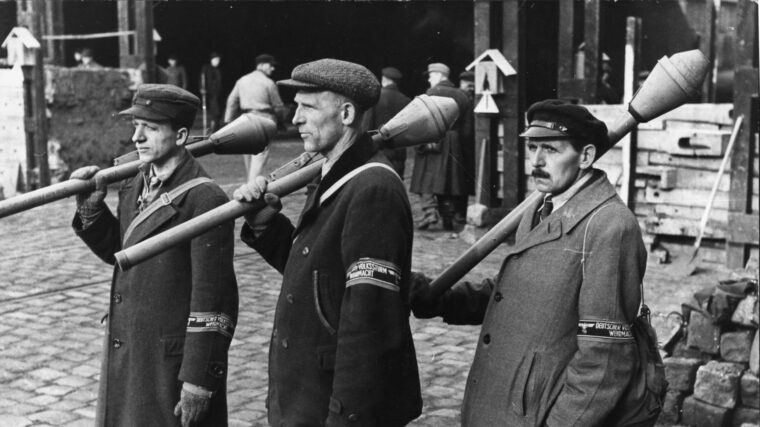
On October 18, 1944—the 131st anniversary of the Battle of the Nations’ victory over Napoleon in 1813—Reichsführer-SS (National Leader) Heinrich Himmler stepped up to a microphone to make a national radio address announcing the formation of the Nazi Party-controlled Volkssturm, or People’s Militia. Read more
wehrmacht
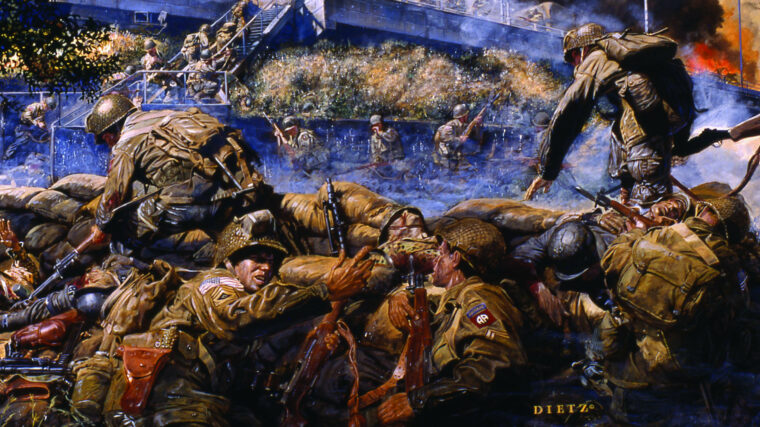
The city of Nijmegen, in the southeastern part of Holland and about six miles from the Dutch-German border, is believed to be Holland’s oldest city, going back some 2,000 years. Read more
wehrmacht
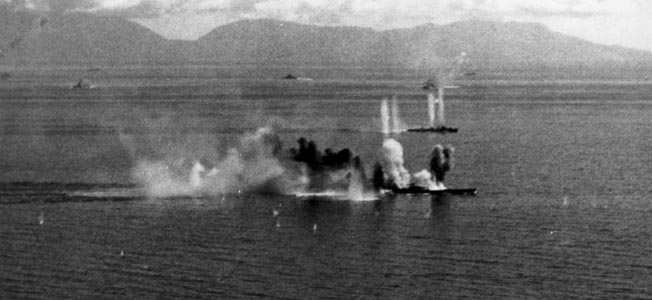
The Japanese superbattleship Musashi was steaming east along with a fleet of other battleships, cruisers, and destroyers on their way toward what was expected to be a climactic battle at Leyte Gulf. Read more
wehrmacht
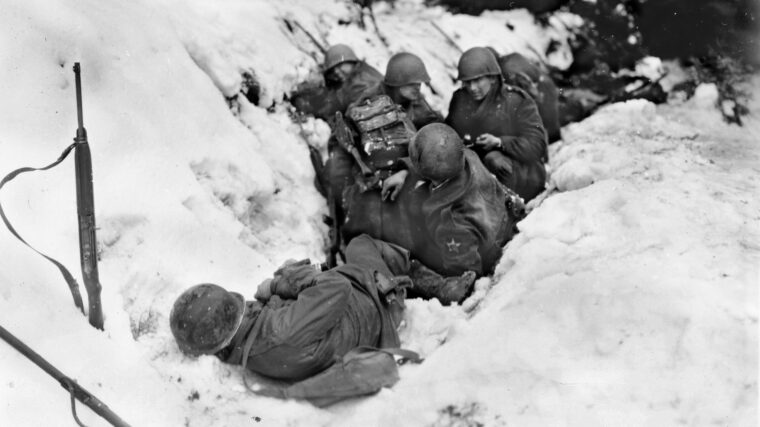
Technical Sergeant Clyde Dugan flattened as another string of mortar shells ravaged the barren field. Pristine snow vomited fire and steel as chunks of frozen earth rocketed skyward then plunged to pelt his shoulders or clatter loudly on his helmet. Read more
wehrmacht
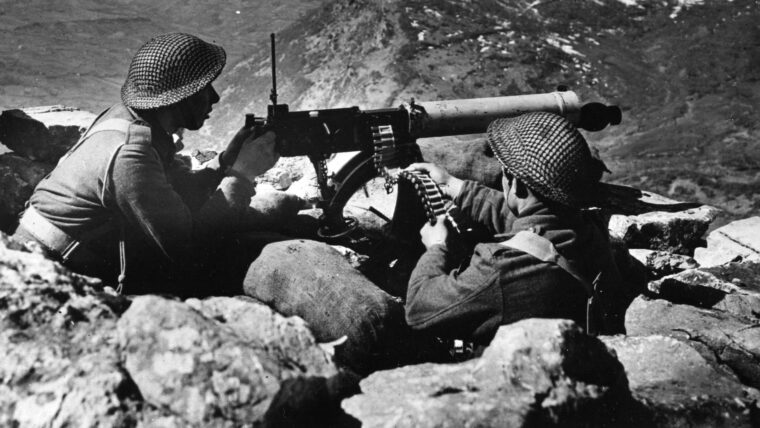
Despite the Nazi conquest of European nations during World War II, individual soldiers from the occupied countries rose again to fight the German Army, and the largest army in exile to fight the Germans was Polish. Read more
wehrmacht
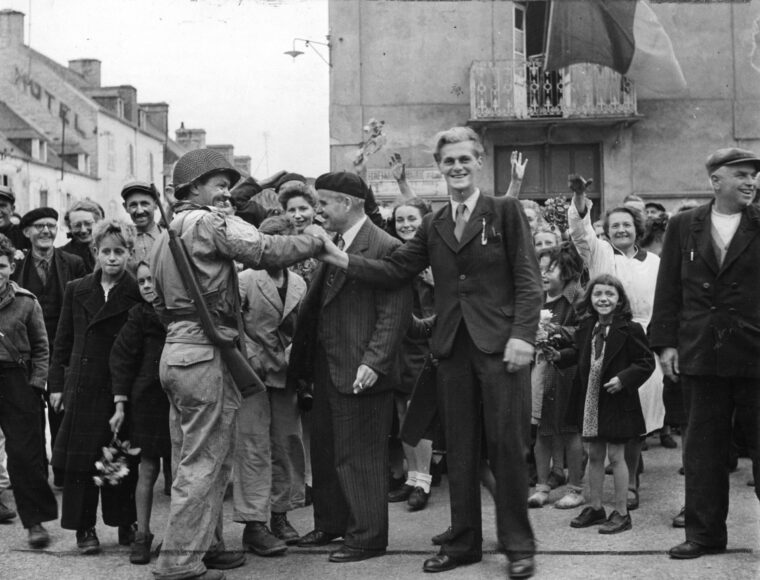
The Germans were gone. After more than four years of occupation, the soldiers of the Wehrmacht had been evicted from France’s Normandy region by the American and British armies. Read more
wehrmacht
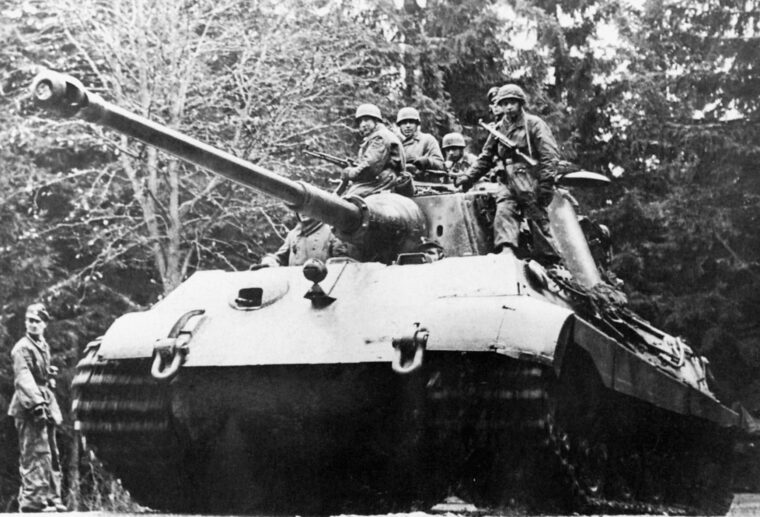
When American soldiers landed in France in June 1944 as part of the great Allied crusade to liberate Europe, they were well trained, fully equipped, and brimming with confidence. Read more
wehrmacht
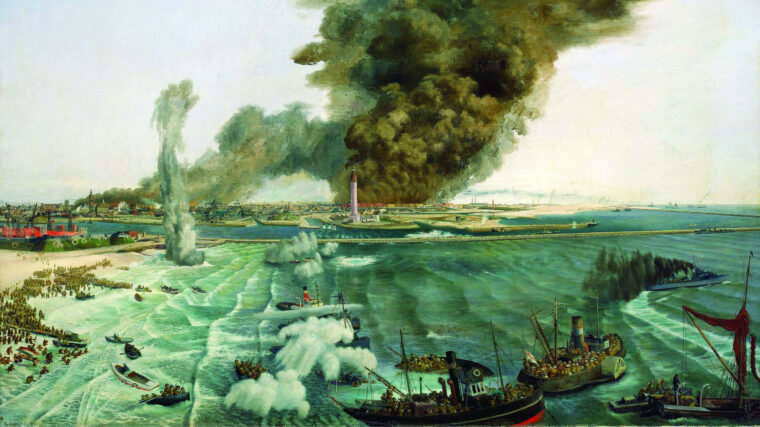
Following the 76th anniversary of the evacuation of the British Expeditionary Force (BEF) from the beaches and harbor of Dunkirk, one is amazed at the number of articles and volumes written about the subject. Read more
wehrmacht
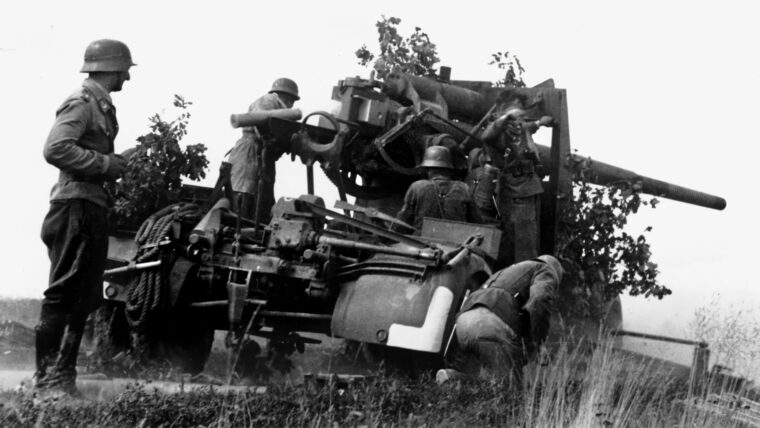
The November 21, 1944, daylight flight of Teddy’s Rough Riders was anything but routine for American pilot Werner G. Read more
wehrmacht
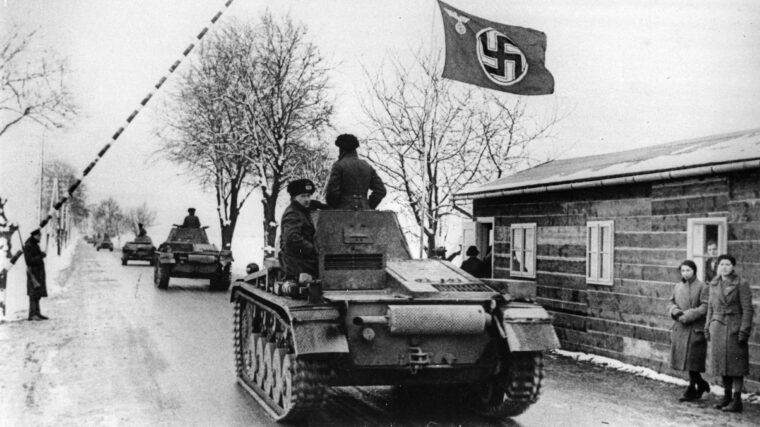
Many accounts have been written about the peace mission flight of Deputy Führer Rudolf Hess and his parachute landing in a farm field in Scotland in May 1941 to discuss with the Duke of Hamilton a proposal to end hostilities. Read more
wehrmacht
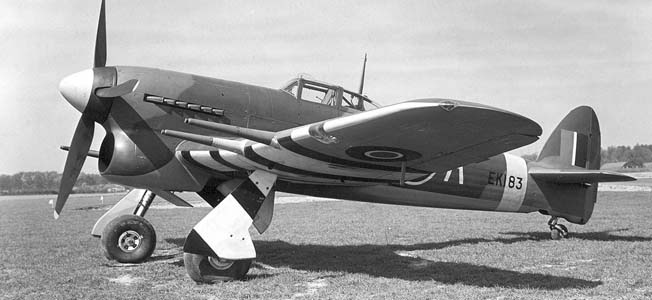
In 1934 the British War office accepted a new aircraft design eventually designated the Hawker Hurricane Mark 1. Read more
wehrmacht
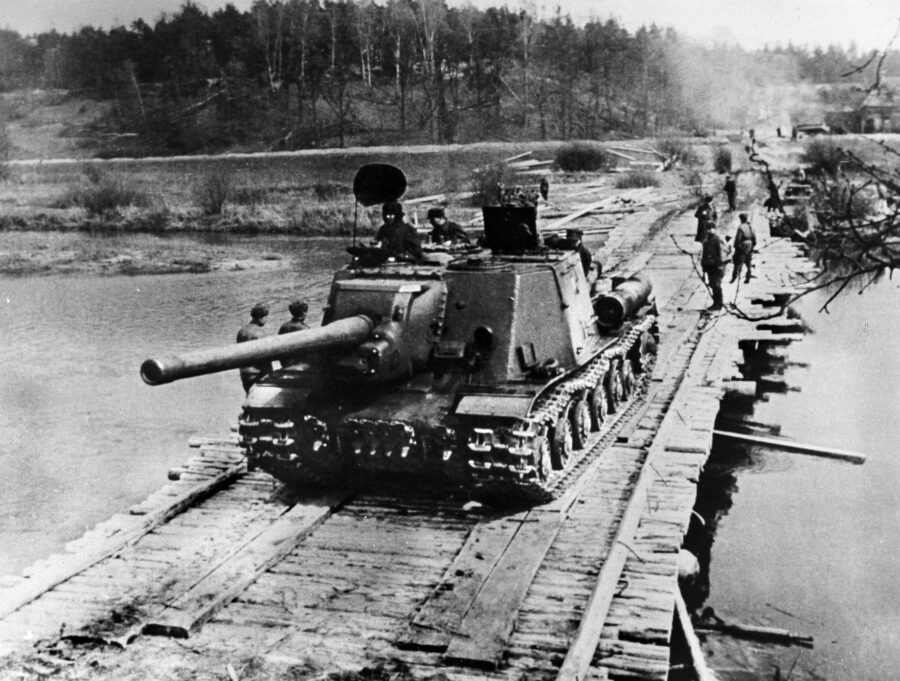
The officers huddled in a candlelit cellar in an abandoned farmhouse midway between the Oder River and Berlin. Read more
wehrmacht
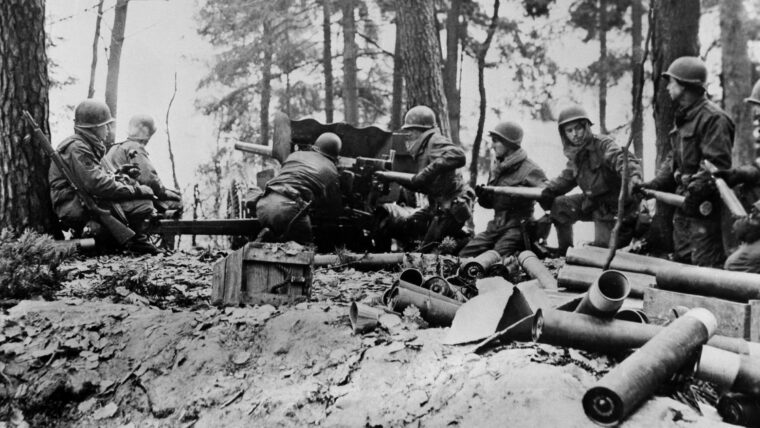
Like something out of a dream, a soldier walked into the command post. He unspooled a line of wire, hooked a field phone to it, checked the line, and handed the receiver to the officer in charge, Captain Howard Trammell, saying, “Someone wants to talk to you.” Read more
wehrmacht
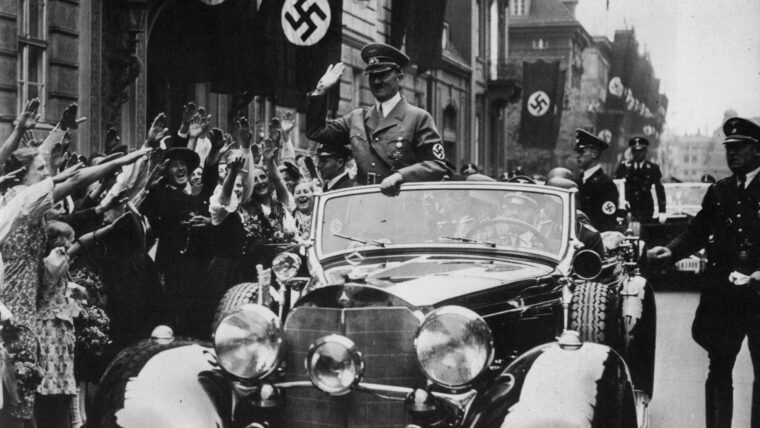
Few would argue that Daimler-Benz is one of the most prominent and highly regarded motor vehicle manufacturers in automotive history. Read more
wehrmacht
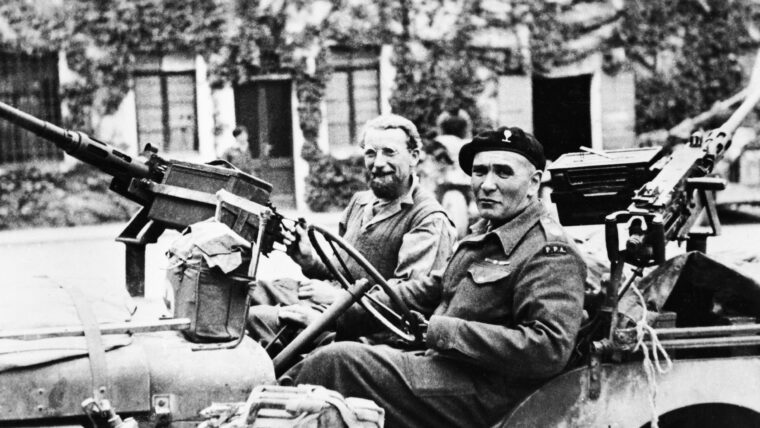
In September 1942, two patrols of armed jeeps and trucks of the Long Range Desert Group (LRDG) raided the German airfield at Barce. Read more
wehrmacht
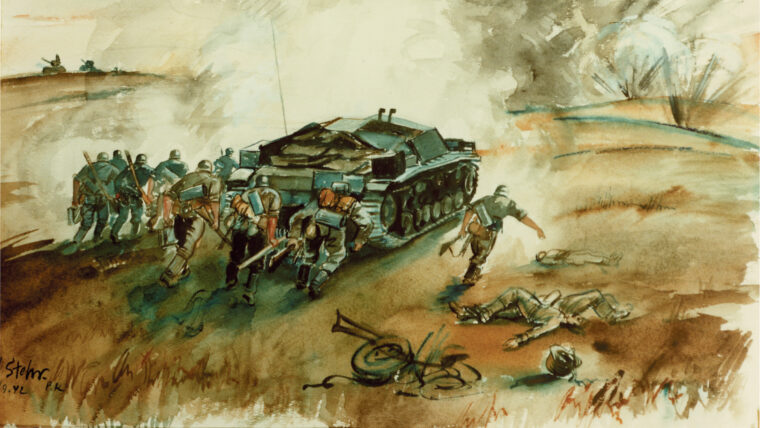
During the winter of 1941, both the Red Army and the German Wehrmacht experienced a terrifying bloodletting. Adolf Hitler’s seemingly invincible armies, having advanced hundreds of miles inside the Soviet Union, were slowed by the October muddy season that had turned all but a few roads into almost impassible quagmires. Read more
wehrmacht
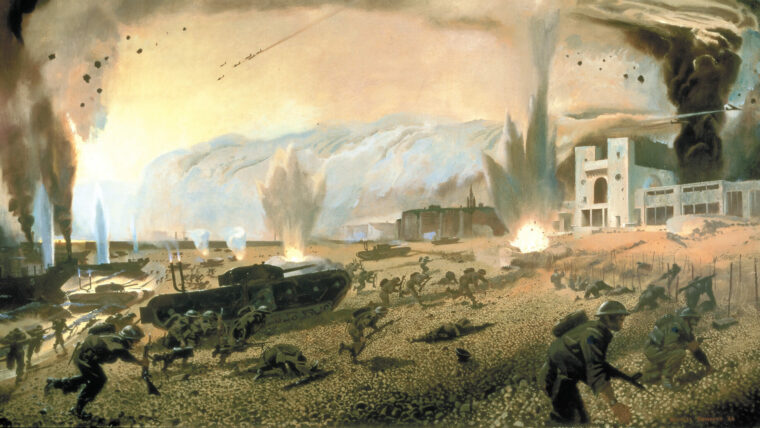
By early 1942, British Prime Minister Winston Churchill was still unable to boast a single victory in the field against Germany. Read more
wehrmacht
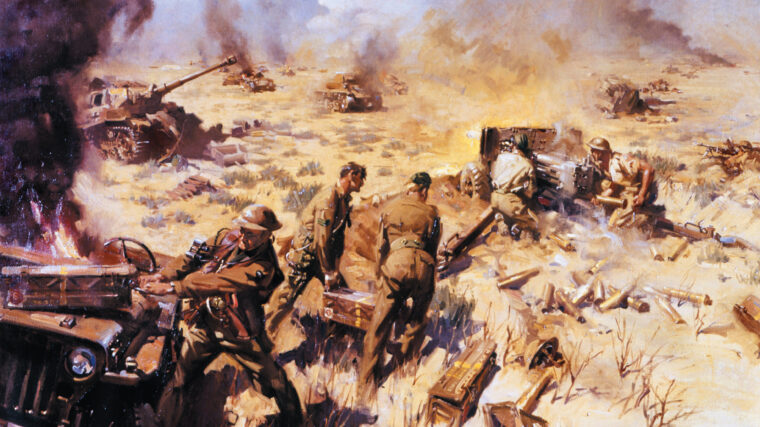
An old cliché admonishes, “Bad things always come in threes.” Whether it was thought of as a law of nature or merely coincidence, a rapid succession of events in North Africa during the summer of 1942 seemed to confirm this widely held notion among the officers and men of the British Eighth Army. Read more