Latest Posts

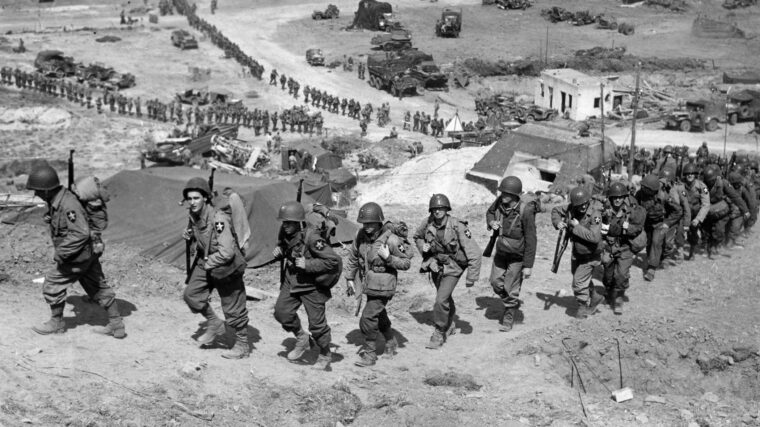
Soldiers of the U.S. Army’s 2nd Division file ashore from Omaha Beach several days after the D-Day landings in Normandy. During the course of World War II, the Army and Marine Corps changed the configuration of their combat divisions to make them more efficient.

Latest Posts

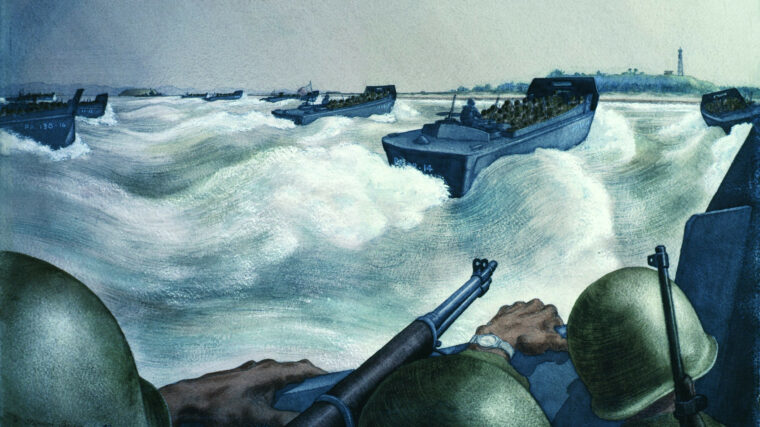
U.S. Divisions of World War II

By Colonel James W. Hammond, Jr. USMC (Ret.)

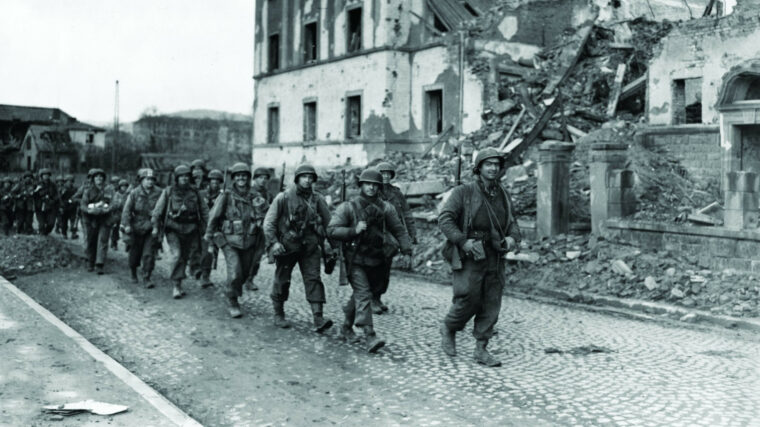
The definitive combat unit of comparable strength among the forces of the world during the 20th century was the division. Read more

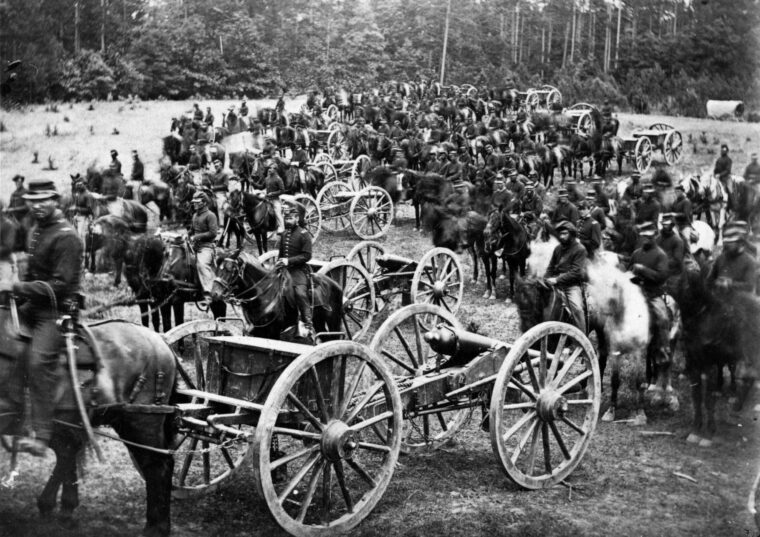
Captain Horatio Gibson’s battery of the 3rd U.S. Artillery in park at Fair Oaks, Virginia, in June 1862. The unit was one of five batteries that comprised the Union Army’s first horse artillery brigade in 1861.

Latest Posts

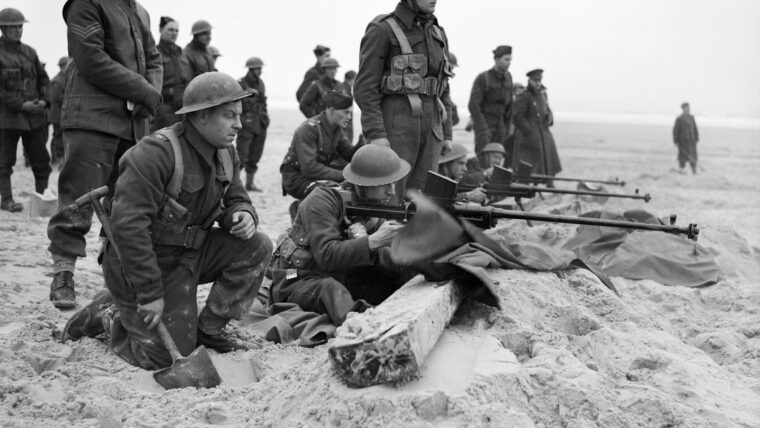
Elite Units of the Civil War

By Christopher Miskimon

The Civil War came at a crossroads moment in world history. New weapons made possible by industrialization were putting paid to old techniques of warfare that had endured since the Napoleonic Era. Read more

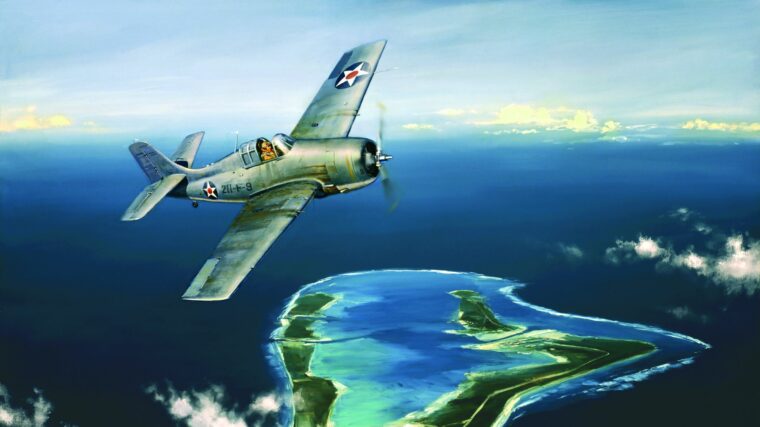
In this painting by war artist Jack Fellows, Grumman F4F Wildcat fighter pilot Henry T. “Hammerin’ Hank” Elrod scans the skies above Wake Island for Japanese aircraft on the morning of December 12, 1941. The defenders of Wake Island were among the first American heroes of World War II.

Latest Posts

Flying Leathernecks

By Robert F. Dorr and Fred L. Borch

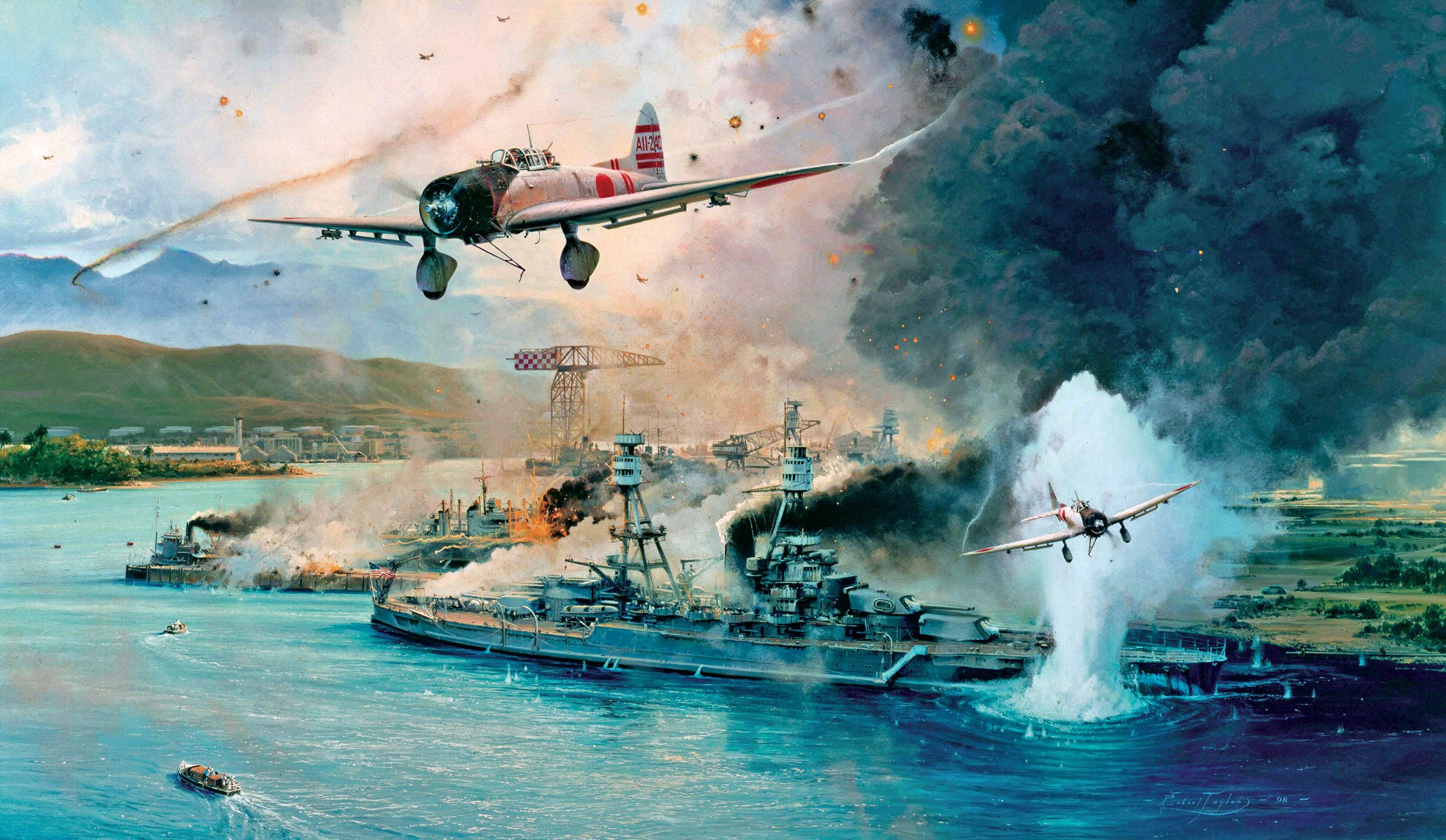
Marine aviators of Fighter Squadron 211, or VMF-211, looked up in frustration as Japanese war planes thronged over Pearl Harbor on December 7, 1941. Read more

Latest Posts

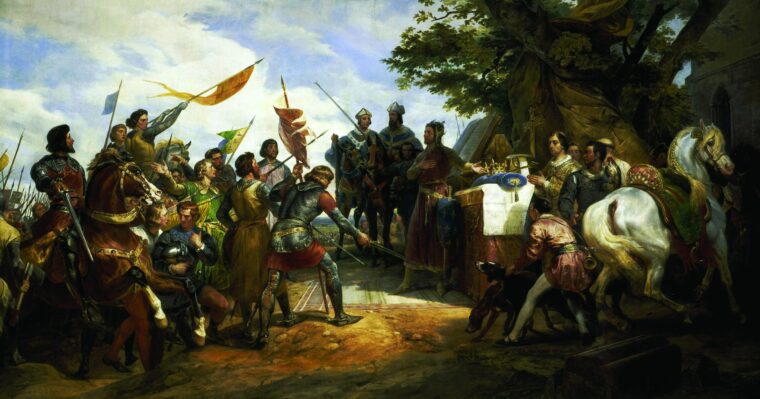
Unholy Sabbath in Flanders

By William E. Welsh

With his one good eye, French King Philip II looked east down the straight line of an old Roman road in the disputed county of Flanders on Sunday, July 27, 1214. Read more

Latest Posts

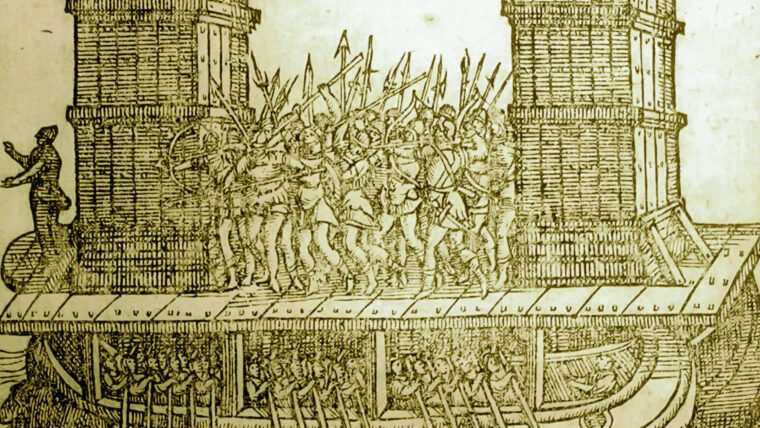
Collecting Medieval Military Books

By William McPeak

The special packaging of the printed word between compact durable covers and a stitched spine—the book—is one of humanity’s greatest and most enduring achievements. Read more

Latest Posts

The Costly Kyushu Invasion of Operation Olympic?

By Sam McGowan

During the more than half a century since the end of World War II, there has been much speculation about what would have happened if President Harry Truman had not dropped the atomic bomb on Hiroshima and Nagasaki and the invasion of Japan had actually taken place. Read more

Latest Posts

Jackson Confounds the Yankees

By Brooke. C Stoddard

Arguably the most celebrated campaign feat of arms of the American Civil War is that of Stonewall Jackson in the Shenandoah Valley in May and early June 1862. Read more

Latest Posts

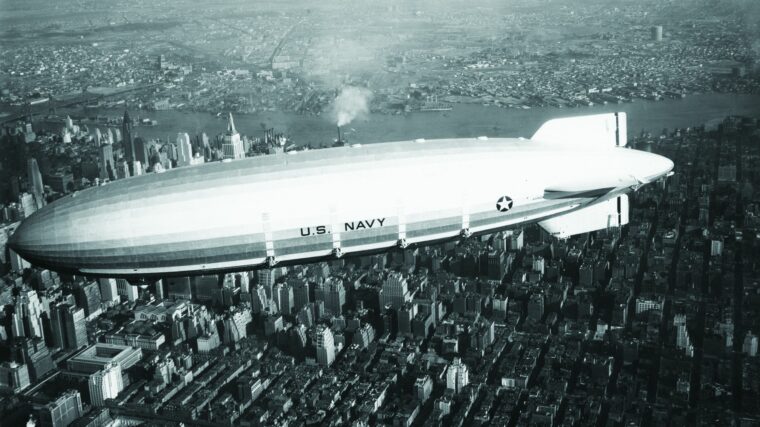
The USS Macon

By John J. Geoghegan

It is sometimes difficult to understand just how immature aviation was in the 1920s and 1930s. Everything about flying was new. Read more

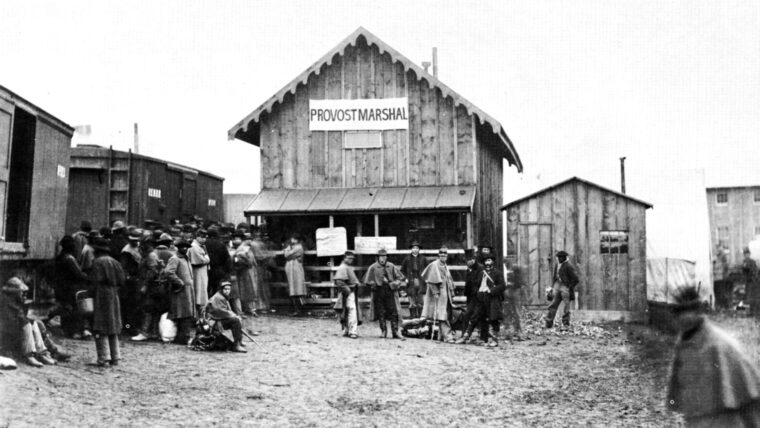
A provost marshal’s office at Aquia Creek, Virginia, in February 1863 draws a desultory crowd. Some soldiers used provost duty to avoid combat.

Latest Posts

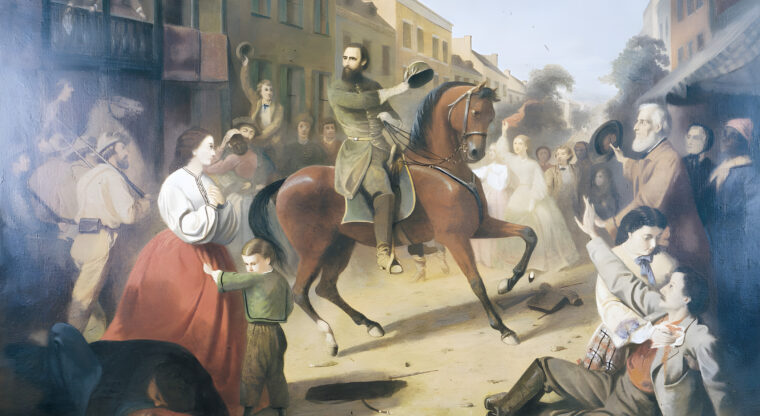
The Confederate Provost Guard

By Joan Wenner

With the bombardment of Fort Sumter in April 1861, the Civil War began in earnest. The first recruits, on both sides, were completely uninitiated in the ways of military life. Read more

LEFT: Field Marshal Erwin Rommel remains a controversial figure known both as a shrewd, chivalrous, military commander and as Nazi with a potential role in Germany’s atrocities of war. RIGHT: General Dwight D. Eisenhower poses in his eponymous “Eisenhower jacket” or “Ike jacket,”in 1943. The “Wool Field Jacket, M-1944,” as it was officially known, debuted in the European Theater of Operations in November 1944 and was issued to U.S. troops until 1956.

Latest Posts

Ike vs. the Desert Fox at Normandy

By Flint Whitlock

One of the supreme ironies of World War II was that the outcome of the Allied invasion of France, and ultimately the fate of the European Theater, would be decided by two men—one a highly decorated veteran, the other untested in combat—and it would be the latter that eventually triumphed. Read more

Latest Posts

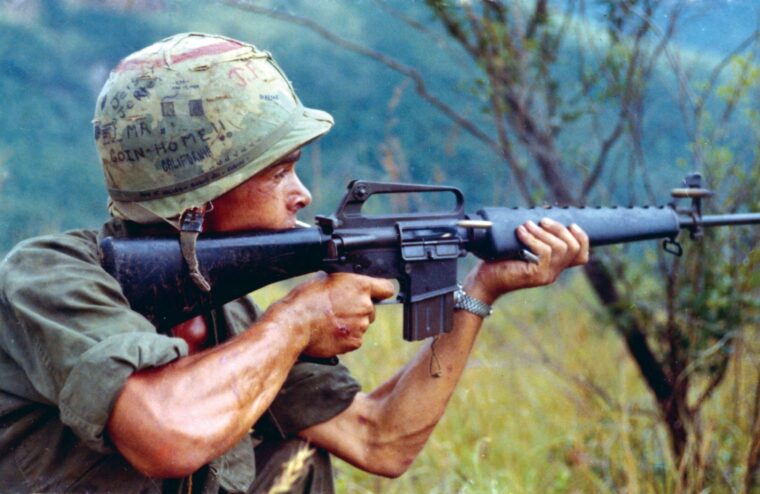
The M-16’s Troubled Debut

By Mark Carlson

Marine Private Jim McGarrah arrived at Phu Bai in South Vietnam in late 1967 and was sent to what was euphemistically called “The Rockpile,” a firebase that overlooked the Demilitarized Zone between South and North Vietnam. Read more