Military History
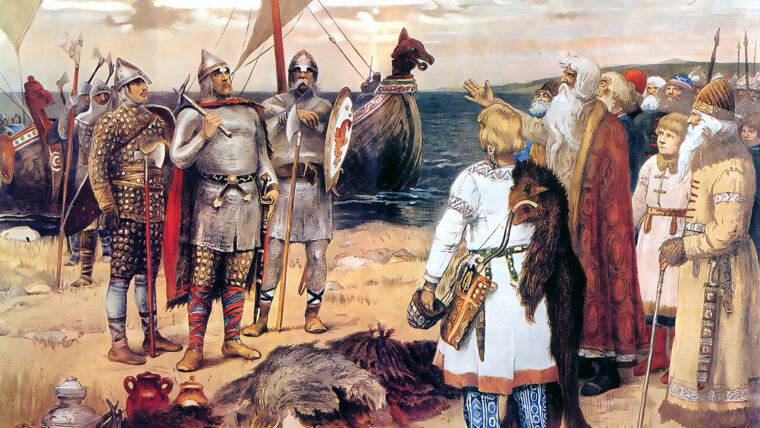
The Byzantine Army’s Varangian Guard
By Erich B. AndersonByzantine Emperor Basil II suffered a massive defeat against the Bulgarians on August 17, 986, at a strategic mountain pass known as Trajan’s Gate in Bulgaria. Read more

Military History
Byzantine Emperor Basil II suffered a massive defeat against the Bulgarians on August 17, 986, at a strategic mountain pass known as Trajan’s Gate in Bulgaria. Read more
Military History
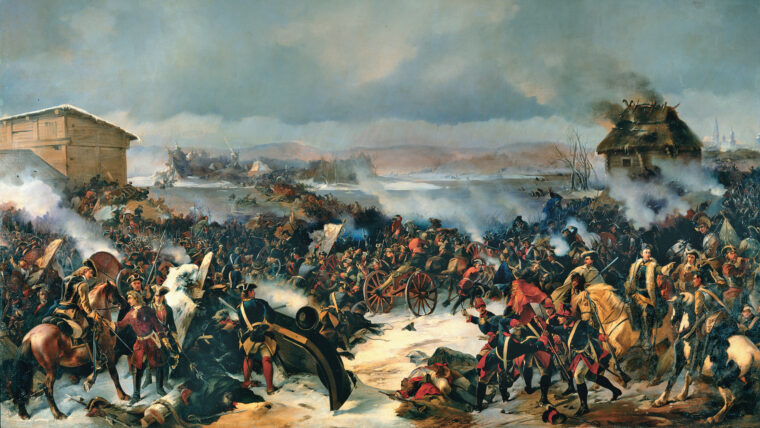
Just after dawn on the morning of November 20, 1700, two figures stood atop Hermansburg, a small rise that overlooked the fortress town of Narva in the Baltic province of Estonia. Read more
Military History
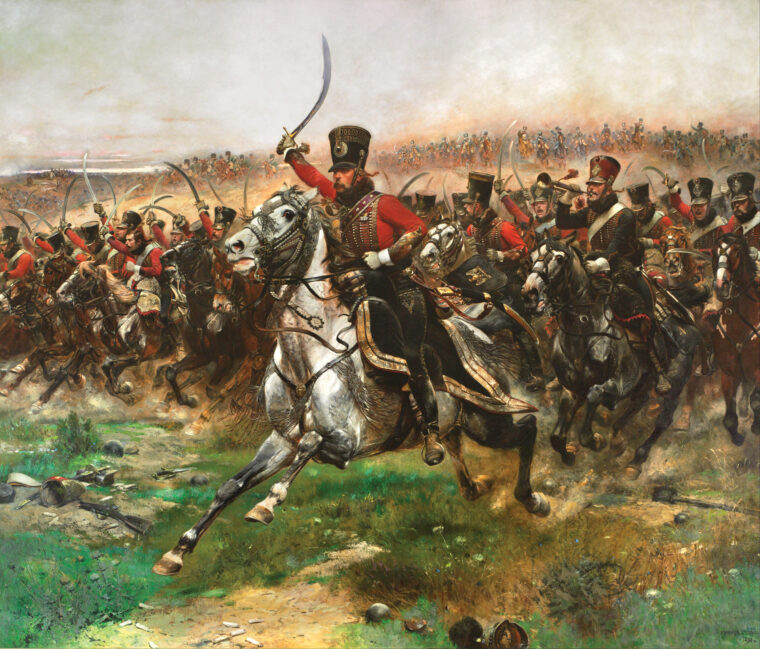
Friedland was burning. The darkening sky of late afternoon on June 14, 1807, was deepened further by the ashes swirling in the narrow streets. Read more
Military History
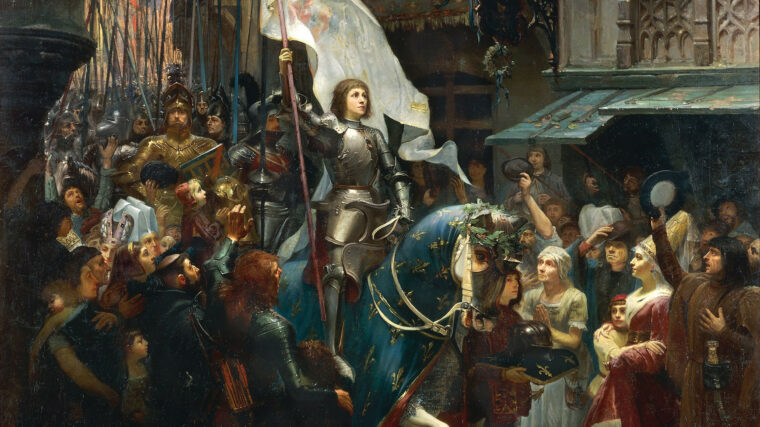
None of those present at the war council held on July 18, 1429, at Beaugency in central France seemed to object to the peculiar sight of an armor-clad young woman advising some of the greatest military captains of the age on how to proceed with the campaign to crown the Dauphin Charles king of France. Read more
Military History
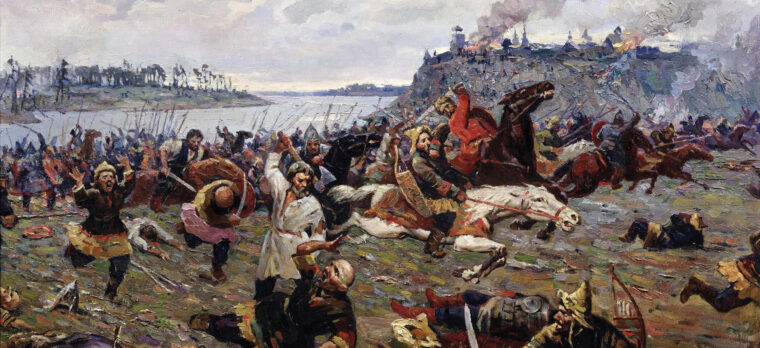
Egyptian medieval chronicler Ibn Taghribirdi relates an incident that occurred following Turco-Mongol Emir Timur’s conquest of Aleppo in 1400. Read more
Military History
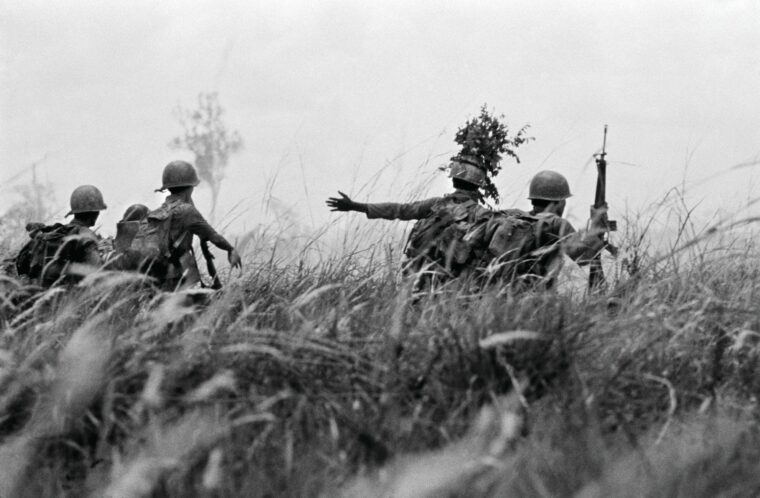
At noon on Good Friday, March 30, 1972, more than 25,000 North Vietnamese Army (NVA) soldiers, backed by state-of-the-art Soviet tanks, artillery, and mobile antiaircraft missile platforms, poured across the Demilitarized Zone separating the two Vietnams. Read more
Military History
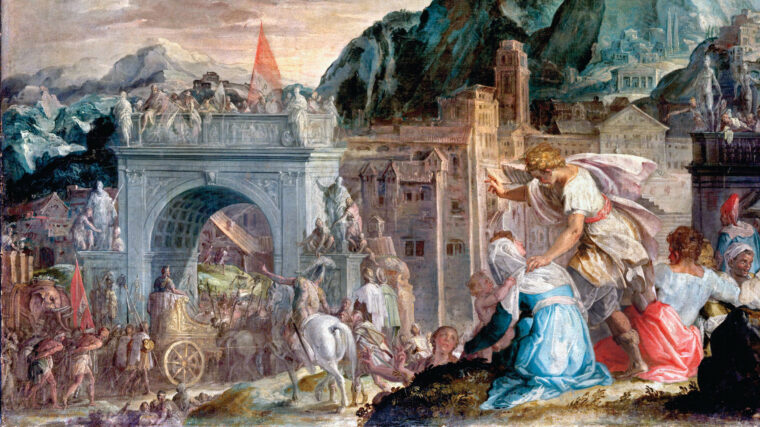
Jugurtha, king of the desert nation of Numidia, was a long-time antagonist of Republican Rome. Over more than a decade of war, he was a bold and cunning battlefield commander who used swiftness and determination to make fools of Roman consuls, even as the Romans were systematically conquering his country. Read more
Military History
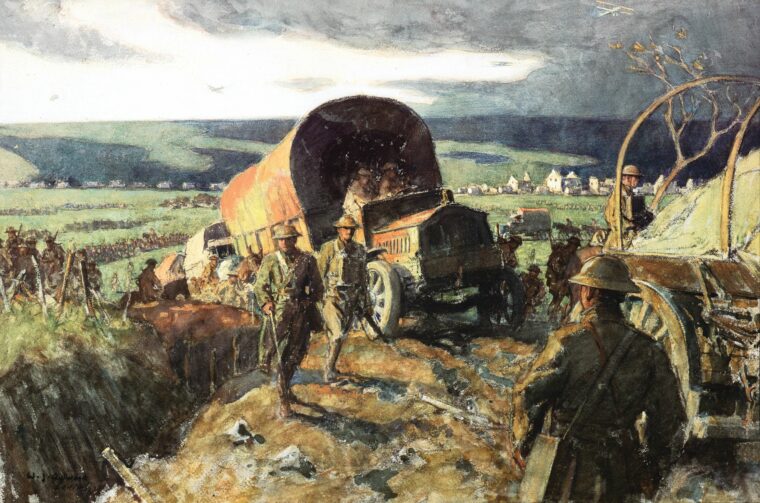
For the hard-pressed German Empire, New Year’s Day 1918 brought a compendium of evils. The Allied naval blockade, increasingly effective, depressed industrial production and stoked a war weariness made manifest in strikes and bread riots. Read more
Military History
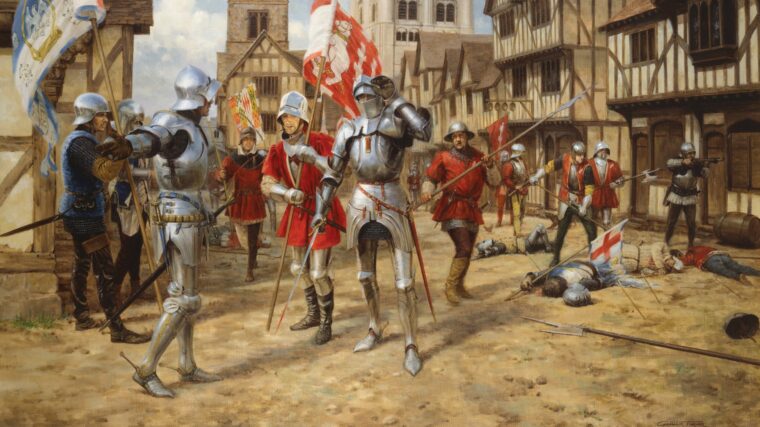
On March 1, 1461, English Chancellor George Neville faced a large crowd of Londoners in St. John’s Field outside the city. Read more
Military History
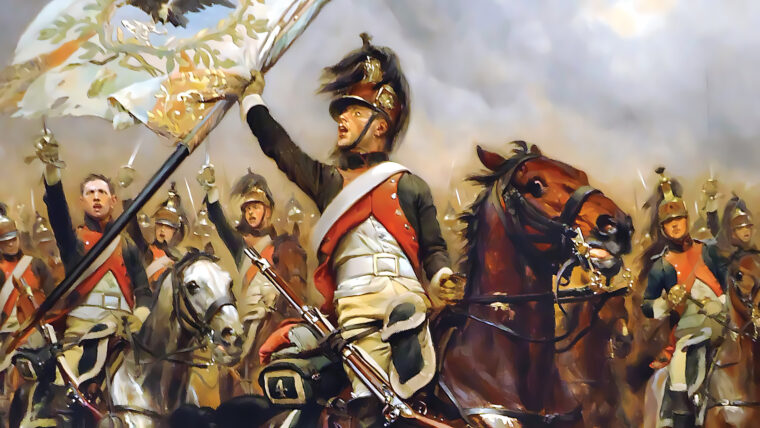
At 4 am on October 14, 1806, 37-year-old Jean Lannes, Marshal of France in Napoleon Bonaparte’s Grande Armee and commander of that host’s V Corps, received his final instructions verbally from the emperor. Read more
Military History
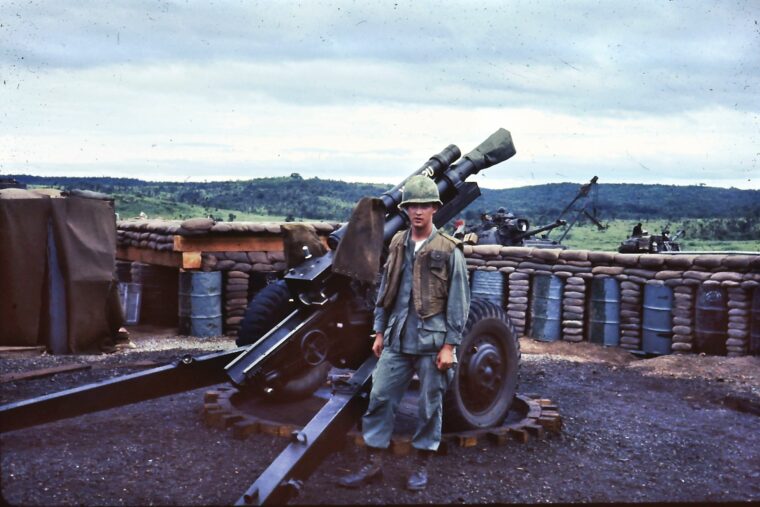
Nineteen-year-old U.S. Army Specialist E5 James Griffith wasn’t particularly nervous when he boarded Seaboard World Airlines Flight 253 at McChord Air Base in Tacoma, Washington, on June 30, 1968. Read more
Military History
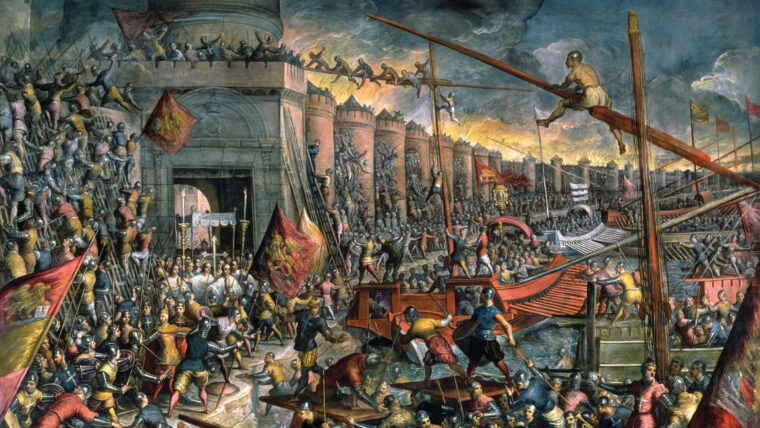
Dawn broke clear and hot over Constantinople on July 17, 1203.
All manner of war machines were clustered around the Latin crusaders’ fortified camp on a hill where the Monastery of Saints Cosmas and Damian was located. Read more
Military History
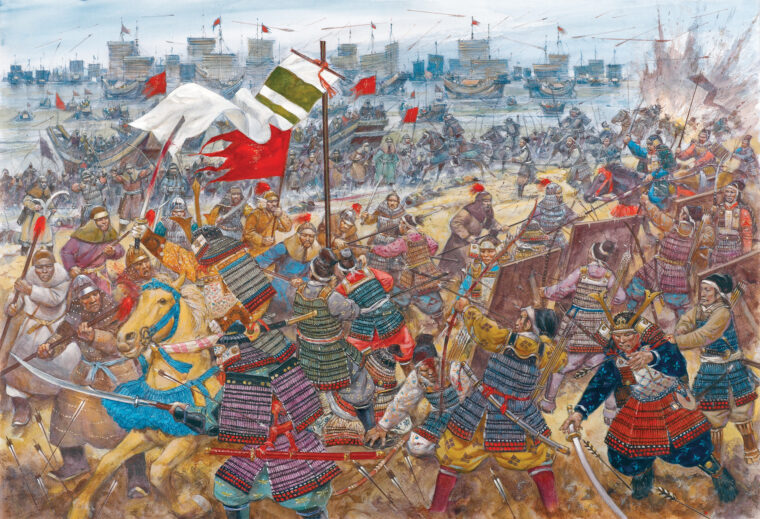
In the early 13th century the legendary Mongol Genghis Khan laid the foundations for the greatest land empire in history. Read more
Military History
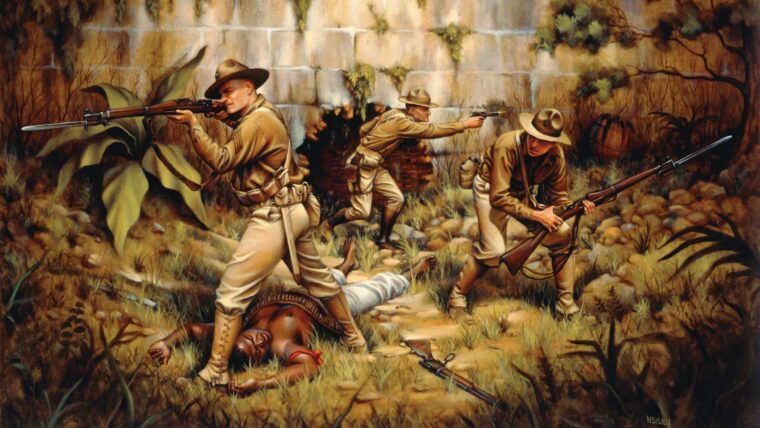
On November 17, 1915, Major Smedley Butler and a small force of U.S. Marines approached the old French bastion of Fort Riviere in Haiti. Read more

Military History
The South Vietnamese rangers huddled in their trenches and bunkers at landing zone Ranger North throughout the day of February 19, 1971, as mortar shells crashed inside the perimeter. Read more
Military History
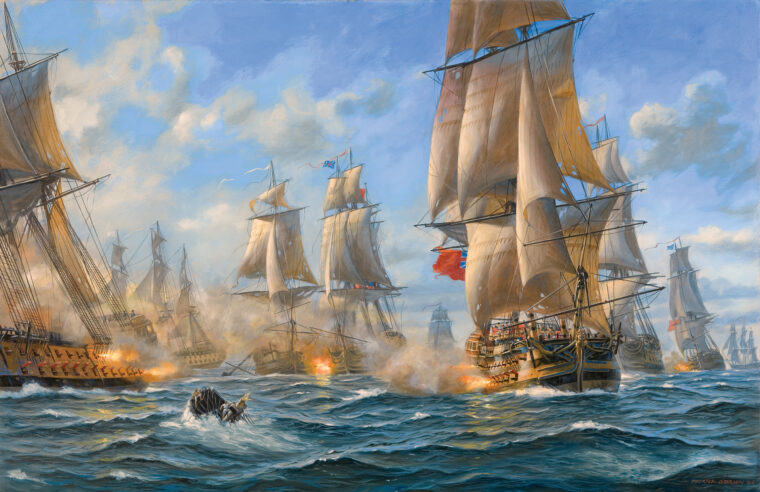
Under sunny skies, favorable winds pushed Captain Mark Robinson and the 74-gun ship of the line Shrewsbury on September 5, 1781, toward a stormy encounter with an old enemy. Read more
Military History
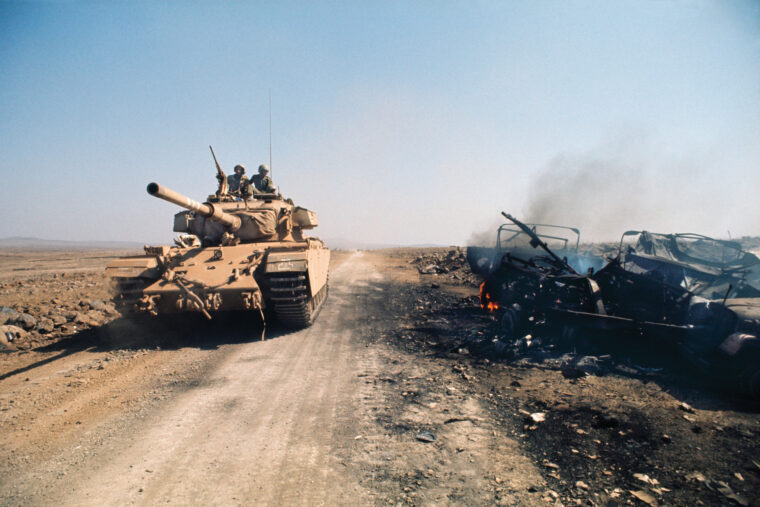
During the afternoon of October 9, 1973, Colonel Amnon Reshef, the commander of the Israeli Defense Force’s (IDF) 14th Armored Brigade, conducted probes along the water’s edge of the Great Bitter Lake, a wide part of the Suez Canal. Read more
Military History
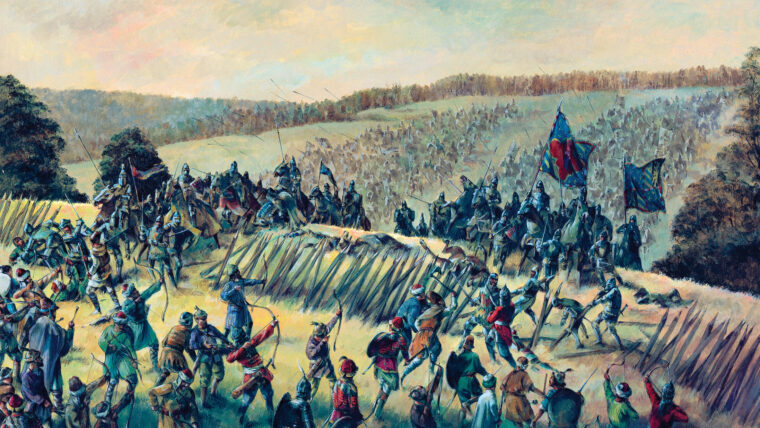
In the late 14th century, a new and seemingly irresistible force was emerging in the East, the likes of which Europe had not seen for centuries. Read more
Military History
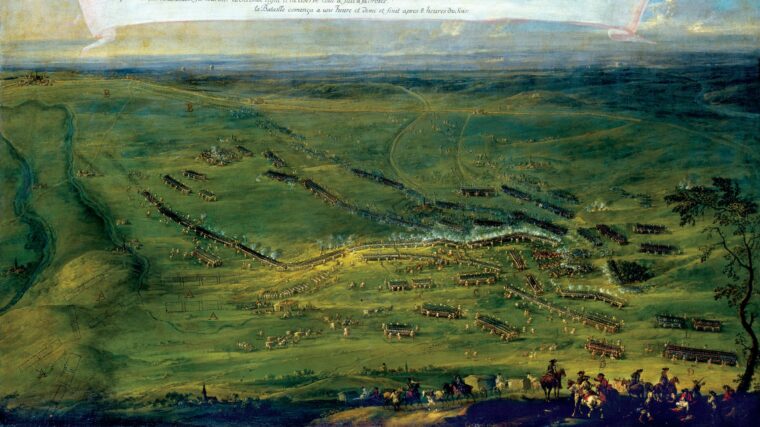
Frederick the Great’s prescription for warfare was simple. The Prussian monarch wanted “short and lively wars” that relied on swift, powerful, and decisive military operations. Read more
Military History
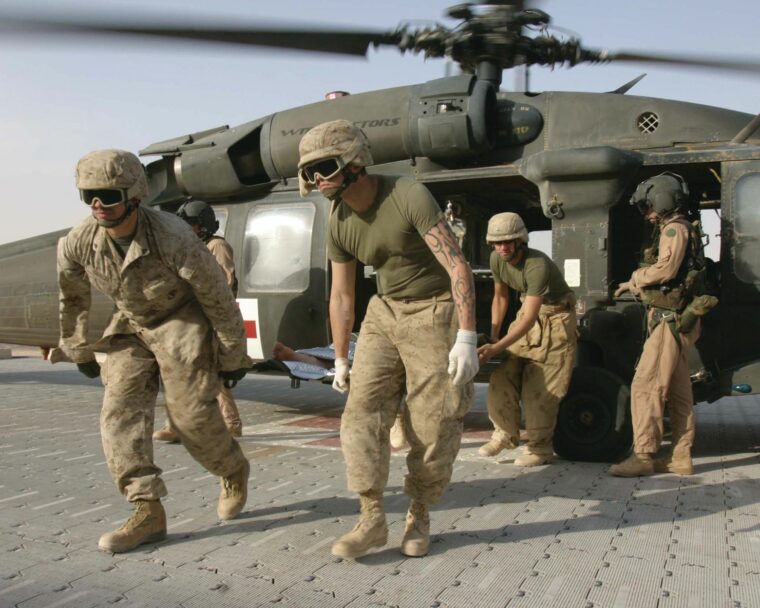
The American military has been engaged almost continually in combat operations for the last 22 years. During this period, the United States has conducted combat operations in Iraq (1990-1991), Somalia (1992-1993), Iraq (2003-2012), and Afghanistan (2001-2021). Read more