By Colonel Bernd Horn, Canadian Army (ret.)
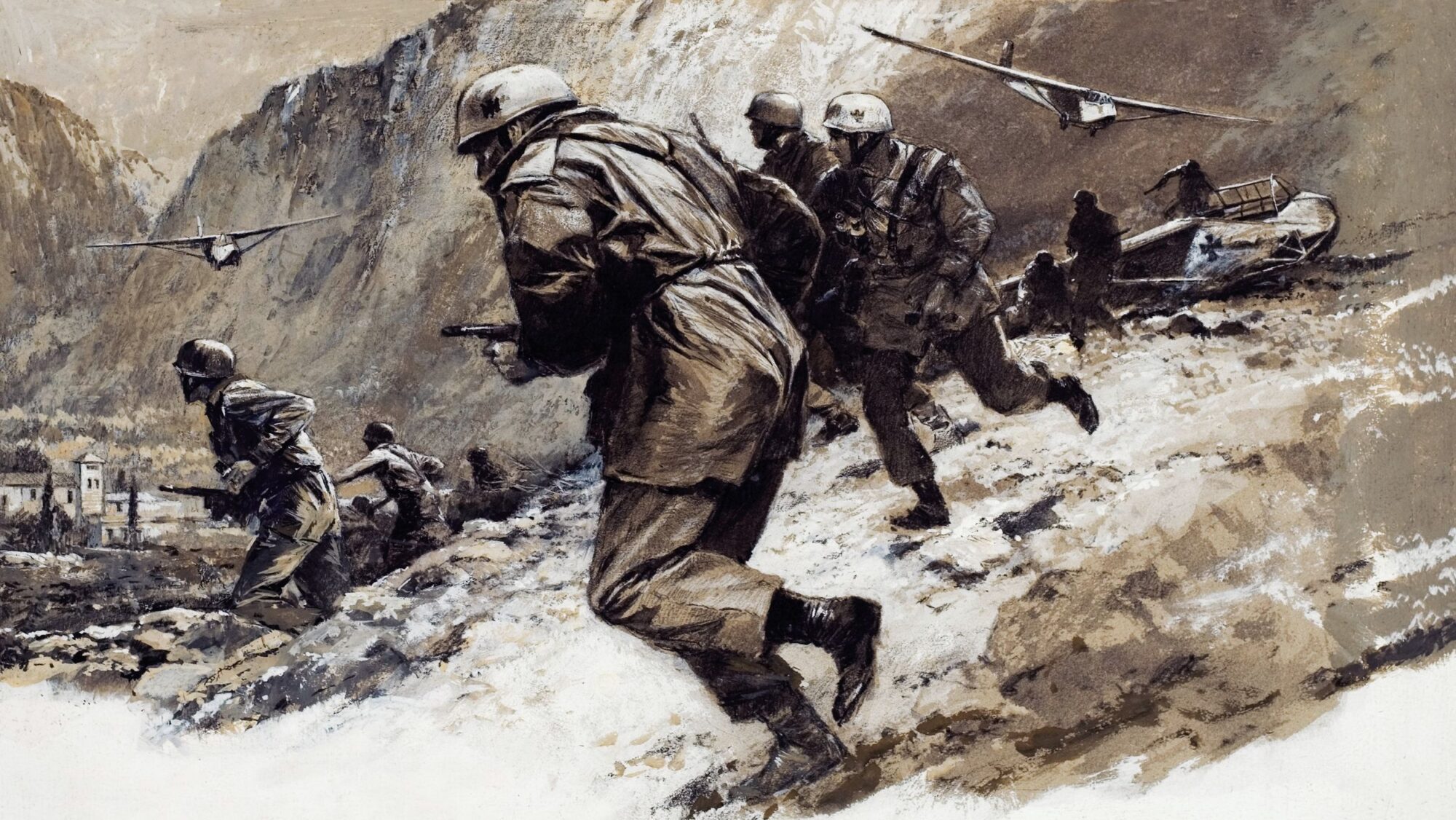
The flimsy canvas flapped loudly as it buckled in the wind. More bothersome for the nine German commandos crammed inside the narrow fuselage was the constant motion—sinking, then sharply rising, as the DFS-230 glider ploughed and pitched through the towing aircraft’s turbulent wake. That flight in those 10 gliders in September 1943 must have seemed an eternity to the 73 Fallschirmjäger and 17 Waffen-SS, who could only pray the pilots could deliver them on target, hopefully in one piece.
As the tow planes and their charges emerged from the clouds to find mountain peaks rising before them, the first glider detached and began a tight, spiralling circle downward toward what appeared to be a small patch of meadow beside the impressive Hotel Campo Imperatore nestled on a plateau between the peaks of the Gran Sasso (“Great Rock”) massif. As they descended, the meadow revealed itself to be a boulder-strewn field. The glider slammed into the ground, jumbling its passengers before careening toward a number of imposing boulders and the edge of a cliff. The approach to the objective had been risky, but the success of the mission was now in dire jeopardy as nine more gliders touched down in the deadly boulder field.
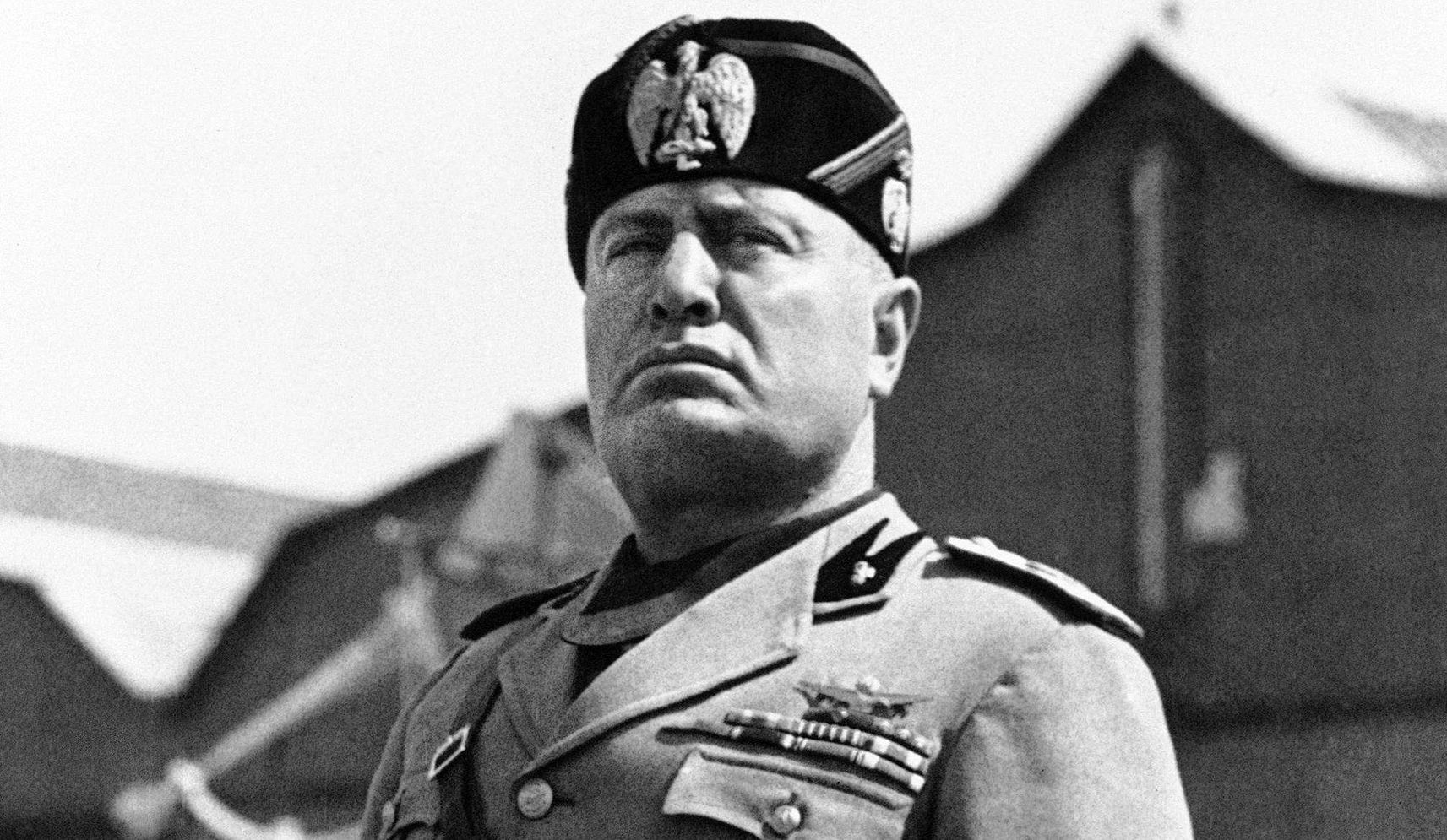
By the summer of 1943, the ultimate outcome of the war was no longer in doubt. For the Italians the situation seemed calamitous. The Allies had ejected Axis forces from North Africa, stormed across Sicily and were about to gain a toehold on the Italian peninsula. Not surprisingly, many senior Italian leaders clamoured to make peace with the Allies before more destruction was wrought on their country. A cabal of members of the Italian High Command and senior politicians plotted against dictator Benito Mussolini. On July 24, 1943, when “Il Duce”went to see King Victor Emmanuelle III at his residence in Rome to gain his support, the King revealed, “My dear Duce, there’s no point going on. Italy is on her knees; the army has been completely defeated and the soldiers no longer want to fight for you. At this moment, you are the most hated man in Italy.” When Mussolini attempted to leave, he was arrested, bundled into an ambulance, and spirited away. Most importantly, he was kept isolated so that he could not communicate with his supporters and former allies.
As the coup quickly moved forward, the carabinieri and polizia swiftly moved to arrest Mussolini’s Fascist supporters and seize command centers and key communications. Although the new government assured the Germans that they were still aligned with the Axis power, they secretly began peace negotiations with the Allies.
Predictably, Adolf Hitler was enraged when he heard of the overthrow of his close ally and his immediate instinct was to swiftly occupy Rome and arrest the coup leaders. His General Staff were able to convince him that delay was necessary in order to deploy additional troops to Italy. Although the Führer agreed, on July 26, 1943, he directed that a special task force was necessary to find and rescue Mussolini.
It took little coaxing to get Hitler to agree that General der Fallschirmtruppe (parachute corps) Kurt Student should undertake the task. On Student’s arrival at the Wolf’s Lair near Rastenberg, the Führer declared, “one of your special assignments will be to find and free my friend Mussolini.” Hitler also tasked Student, when the moment was right, to arrest key conspirators, including the King and top government officials. The mission was designated Operation Eiche (“Oak”).
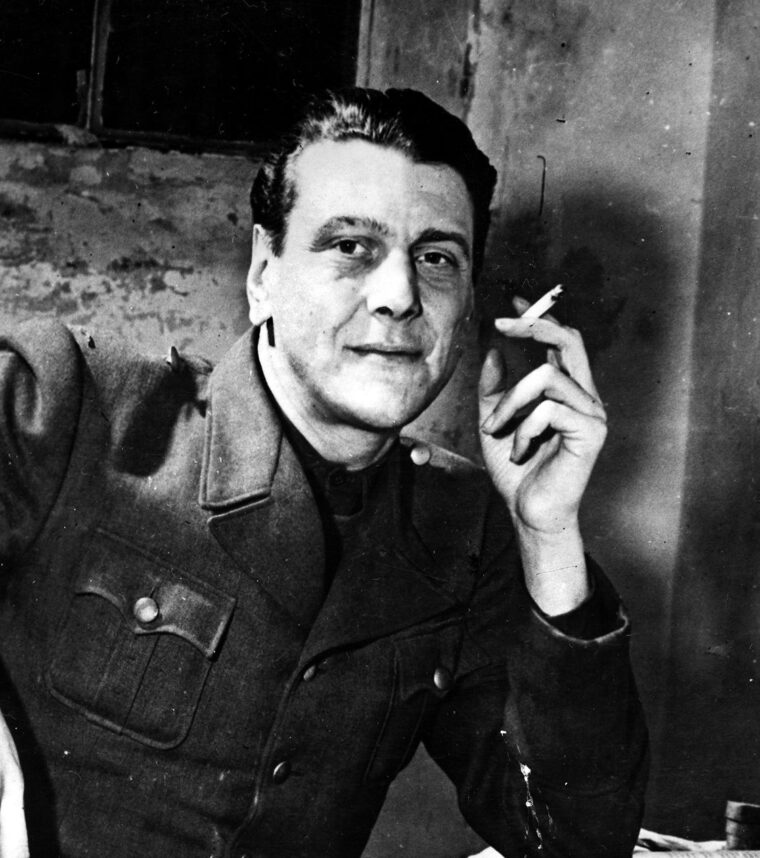
The German high command also tasked officers from the Abwehr’s (German intelligence) Brandenburg Battalion, as well as elements of the Luftwaffe special units to also report to Rastenburg to assist in the mission. Not to be outdone by his rivals, SS-Reichsführer (Reich Leader) Heinrich Himmler decided to include elements of his Schutzstaffel (SS) as well. As such, he convinced Hitler to assign Capt. Otto Skorzeny, commander of SS-Jäger-Battalion 502, to lead the mission over the more qualified Brandenburger officers. Subsequently, Hitler assigned Skorzeny to General Student to conduct a covert search for the missing Italian dictator. Hitler explained:
I have a very important commission for you. Mussolini, my friend and our loyal comrade in arms, was betrayed yesterday by his king and arrested by his own countrymen. I cannot and will not leave Italy’s greatest son in the lurch. Italy under the new government will desert us! I will keep faith with my old ally and dear friend; he must be rescued promptly or he will be handed over to the Allies. I’m entrusting to you the execution of an undertaking which is of great importance to the future course of the war.
Having established a task force that included both SS troops and Fallschirmjäger, the next step was to actually locate Il Duce. Skorzeny’s instruction explicitly stated that he not coordinate his search with any other agencies, and he was specifically directed not to inform Field Marshal Albert Kesselring, Commander-in-Chief South, responsible for Italy. Kesselring later wrote, “Even though this hare-brained scheme was kept secret from me, naturally I could not fail to get wind of it as all the threads ran together through my hands.”
Despite the sensitive nature of the mission, a veritable circus erupted. The stakes were simply too high, in the form of currying favor with Hitler, for other agencies such as the Gestapo and Abwehr not to become involved.
Skorzeny sent small teams in civilian clothing to scour Rome looking for clues and information on Mussolini’s whereabouts. The Abwehr utilized its agents stationed in Italy who up to this point had no idea of the dictator’s location. Student employed his military intelligence apparatus and Himmler dispatched two experienced SS officers to Rome to assist with the search. With so many pokers in the fire, the Italians quickly realized the Germans were actively looking for Mussolini and fed volumes of disinformation to their erstwhile allies.
Despite the ungainly search effort, eventually, after a number of false starts, the Germans traced Mussolini to La Maddalena Island. Skorzeny attempted to fly a reconnaissance mission over the objective but his aircraft ended up in the Mediterranean Sea. Subsequently, Skorzeny convinced Student that Il Duce was on the island and the airborne general began planning for a daring naval raid using his Fallschirmjäger and a flotilla of torpedo boats or Schnellboot (S-Boats).
However, the German activity did not fail to arouse Italian suspicions and they quickly moved the deposed dictator. On August 28, 1943, Mussolini was flown by seaplane to Lake Bracciano, northwest of Rome. Days later, he was taken by vehicle, then cable car, to Hotel Campo Imperatore on Gran Sasso mountain. The change in location once again left the Germans blind to his whereabouts.
Fortuitously for Student and Skorzeny, one of Himmler’s men, SS-Sturmbannführer (Major) Herbert Kappler, who had been assigned to the German embassy in Rome since 1939, had from the start installed a number of wiretaps on important communication nodes. This foresight now paid dividends. Having heard reference to Gran Sasso in a call, Kappler passed on the clue to Student. This lead was followed up with confirmation that a seaplane had flown from La Maddalena Island to Lake Bracciano. Moreover, a Luftwaffe officer reported seeing the arrival of a seaplane surrounded by exceptionally heavy security. Further digging indicated that something out of the ordinary was occurring at the mountaintop hotel. Student now decided to plan a new rescue operation based on the new location.
Concurrent with the hunt for Mussolini was the issue of the Italian defection. Hitler directed Kesselring to commence planning “Operation Axis,” the mission to seize Rome and disarm defecting Italian military forces. The German High Command immediately ordered the deployment of four German infantry divisions into Northern Italy, with additional troops to follow. The Italians, for their part, attempted to delay the Germans as much as possible while desperately trying to attain an armistice with the Allies.
On September 8, 1943, the anticipated defection took place. The Italians formally surrendered to the Allied powers. This agreement now complicated Operation Oak. The Germans quickly moved on Rome and began to disarm all Italian units. The Italian leadership, both political and military, swiftly fled the capital leaving their troops to fight without higher direction. Most Italian forces surrendered without a fight, but there were scattered instances of stiff resistance. By September 10, the senior Italian officer remaining in Rome negotiated the surrender of all Italian forces around the capital.

Despite the Italian capitulation and apparent German control, the new political situation created additional risk for Operation Oak. The status of Italian military and police forces in the area was still in question. In addition, Italians also began to engage in partisan activity.
Student, who was deeply involved with the fighting to regain control of Rome, now refocused on the rescue of Mussolini. With the defection, as well as the Allied landings at Salerno, he assessed that Il Duce would soon be executed or handed over to the Allies.
Based on available information, Student decided to risk a mission centred on the objective of the 70-room Campo Imperatore Hotel located on a 6,990-foot plateau on the Gran Sasso massif in the central Apennines. Realizing that time was of the essence, Student assigned the mission of planning the rescue to one of his Fallschirmjäger officers, Major Harald Mors. Due to time constraints he gave Mors less than 24 hours to plan and execute the task.
The challenge for Mors was considerable. There were only three options: ground assault, airborne attack or glider raid. The airborne option was quickly ruled out because there was little space for a drop zone (DZ). Moreover, mountain winds could scatter the drop causing massive casualties or a delay in assaulting the hotel, which could give the Italians time to kill Mussolini. Skorzeny privately assessed that they would have about three minutes to reach the dictator before he was killed by his guards.
A ground assault was also problematic, because there were no roads leading up to the hotel and a dismounted assault up the mountain would allow the guards ample time to remove or kill Mussolini. Furthermore, an Italian infantry division located just 7.5 miles away from the hotel represented a huge risk should they decide to intervene.
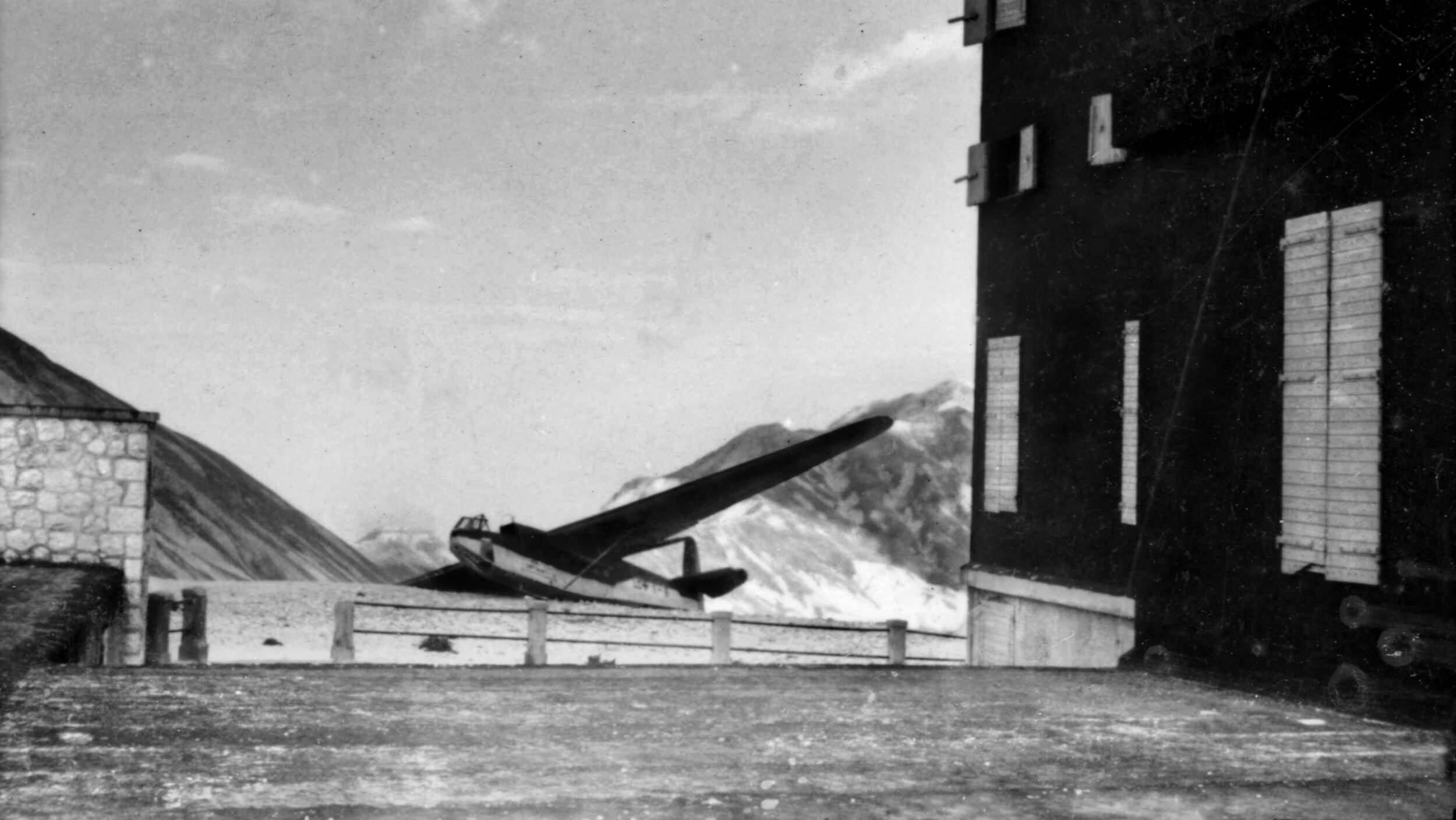
The only remaining option, though not necessarily a good one, was a glider assault. Experts calculated that due to the “rarefied air,” only 20 percent of the DF-230 gliders would actually survive the flight—even with rocket-assisted brakes that would allow them to land in as little as 66 feet on the small plateau. Moreover, the experts predicted 80 percent casualties for the assault force.
“There are some things you can’t work out with a slide rule,” Skorzeny scoffed. “That’s just where our experts may be wrong; and the Italians too. The safer the enemy feel, the better our chances of catching them unawares.”
Accepting the inherent risk of the glider assault, Student ordered 12 gliders to be brought to the Pratica di Mare airfield immediately. Based on 10 passengers per glider (including the pilot) the glider assault force would consist of 108 combat troops. They would face an estimated 100 carabinieri at the hotel, with approximately the same number at the lower cable car station.
Mors also planned to use a ground component made up of two of his companies (approximately 260 troops) loaded in 20 Italian Fiat trucks—taken from a disarmed Italian infantry division two days before—to seize the lower cable car station in Assergi to prevent outside Italian forces from intervening. Mors initially planned to bring Mussolini down by cable car, but after the cable station was damaged in the fighting, two Fi-156 Fieseler Storch light aircraft were sent up.
During the planning phase, Skorzeny approached Student and insisted, based on direction from Hitler and Himmler, that he and his troops have a role in the actual raid and rescue of Mussolini. As a result, Student allowed Skorzeny and 16 of his men to participate in the glider assault. Student saw the role of Skorzeny and his SS troops as acting as bodyguards for the dictator, while his Fallschirmjäger were responsible for fighting the Italians.
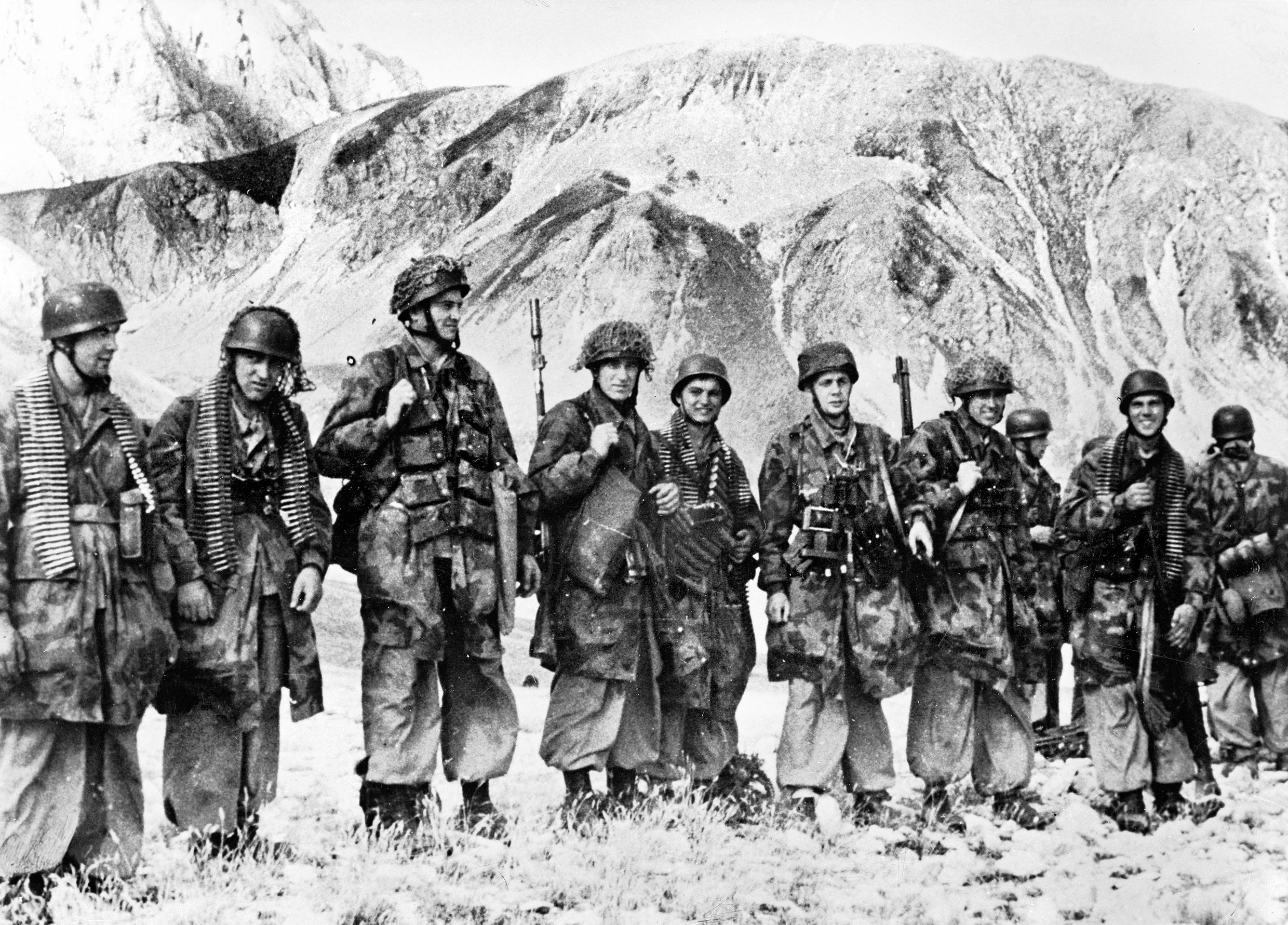
With the plan now in place, Oberleutnant Georg Freiherr von Berlepsch would lead his company in the first chalk of three gliders with 30 troops. Their objective was to assault the hotel. The second chalk consisted of Skorzeny and his SS troops. Their assigned task was to secure the LZ and guard any Italian prisoners. The third chalk was responsible for securing the upper section of the cable car station and the fourth chalk, which consisted of the heavy weapons and support troops (e.g., medics, signalers), had the task of providing support near the hotel in the case of a prolonged fight.
Berlepsch’s plan was for his first three gliders to land simultaneously to provide maximum strength to the assault force. However, after the landing of the assault wave, the following gliders were to land one minute apart.
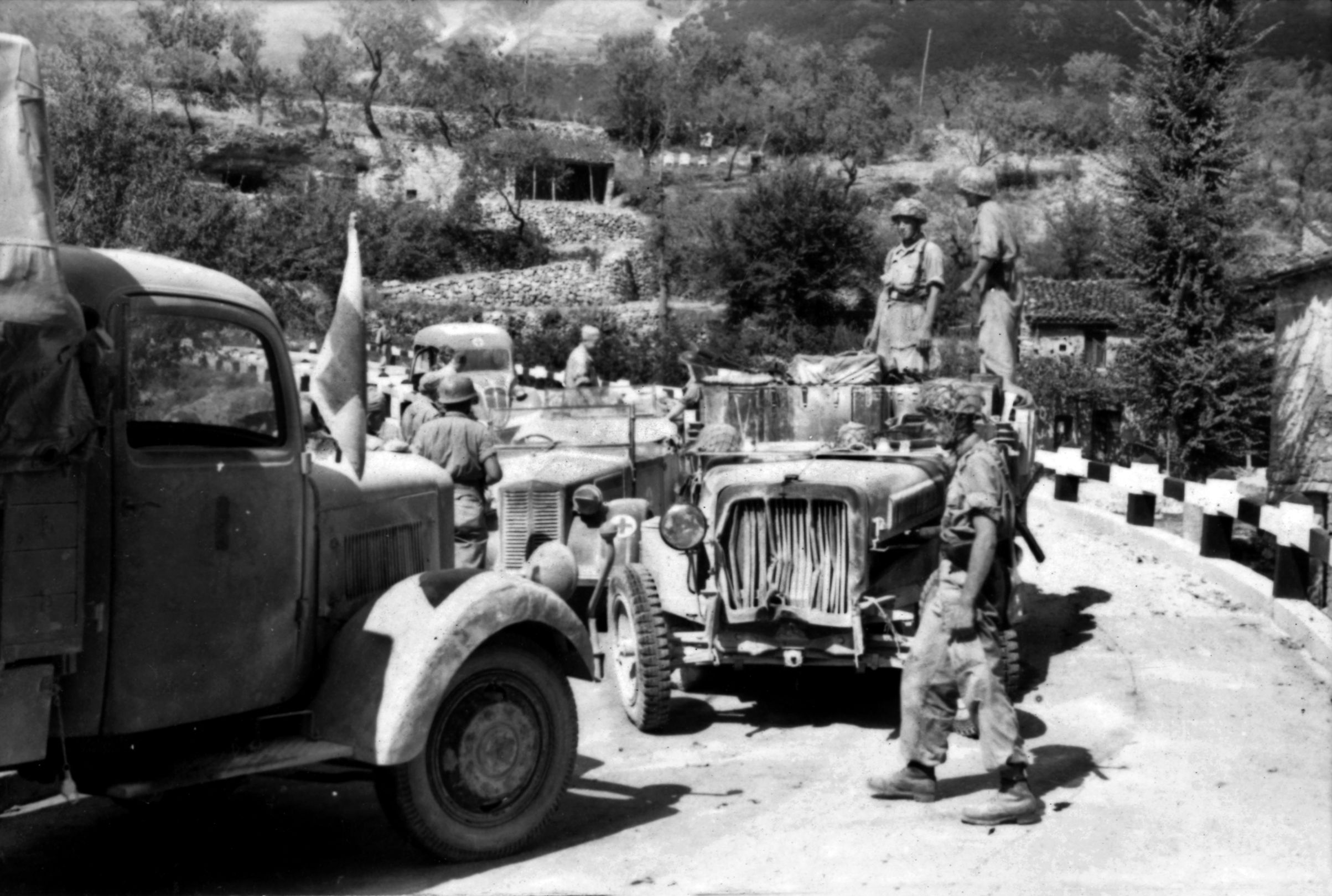
The first component of the rescue was the ground assault force tasked with securing the cable station in the valley below the Gran Sasso plateau. Mors decided on a circuitous route to serve as a deception and to steer clear of active partisan areas. The long column of vehicles was preceded by a motorcycle scouting party. During the drive of more than 10 hours, Italian police checkpoints reported on the progress of the German convoy, but were unsure of their intent until Mors and his troops neared Assergi.
This uncertainty changed very quickly. As the ground assault force approached Assergi they noticed a number of carabinieri check points that were established to provide an early warning buffer, which now attempted to warn their compatriots at the cable car station. The motorcycle scouts engaged one checkpoint and then pushed through to the town where they came under fire. The German advance party returned fire and resistance dissipated. The motorcycle party then drove to the lower cable car station where they accepted the surrender of the remaining Italian forces stationed there.
As opposed to the ground attack, the aerial assault plan began to fray almost immediately. Originally, the plan was for the gliders to arrive at approximately 0500 hours, September 12, 1943. However, due to allied bombing, as well as operational security constraints that failed to ensure the necessary details were passed on to the transport organization, the gliders did not show up until 1100. Moreover, only 10, not 12 gliders arrived. The supporting unit, again, not knowing the specific timings, assumed the remaining two gliders could be delivered later in the day. Therefore, before the mission even commenced, they were down 2 gliders or 18 fighting men. The delay also meant that the gliders would have to fly in the heat of the day when the air was thinner making flight more difficult and the ground assault party was required to delay their H-Hour and potentially attack in broad daylight.
The arrival of Skorzeny only added to the disruption. Not one to miss an opportunity, he had brought along a war correspondent and a photographer to capture the dramatic rescue for posterity.He also brought along Italian Generale di brigata Fernando Soleti, largely against his will, to mitigate the risk of a firefight. To provide Soleti with encouragement, Skorzeny apparently explained, “You will ride in the third glider with me, General, or the Italian army will be short one general.” Skorzeny deemed Soleti’s presence important because he was known to the carabinieri. As a result, Skorzeny believed his appearance would cause some confusion and could create enough doubt that the Italian forces guarding Mussolini would hesitate to open fire. Although the addition of the extra passengers had some merit, it also meant that another three Fallschirmjäger were bumped from the flight.
At 1305, the first chalk of three tow planes and gliders launched from the airfield. Subsequently, the remainder of the aircraft departed at two-minute intervals. The distance to the objective was 78 miles. One major challenge the tow pilots faced was gaining enough altitude to clear the nearly 4,000-foot ridgelines near Tivoli. As a result, the lead chalk of three aircraft executed a loop to gain more altitude before proceeding to cross the mountain range. The following chalks, which were about seven kilometres behind, not realizing why the first chalk had detoured, continued flying towards the objective. Skorzeny, who was lead aircraft in the second chalk, was now the lead aircraft for the assault.
As the planes approached the objective, heavy winds and cloud cover obscured visibility. As a result, the tow planes stayed beneath the clouds at 9,000 feet instead of the planned altitude of 10,500. At 1403, the gliders began to cut loose to begin their two-minute silent approach. Lieutenant Meyer, the pilot of the lead aircraft carrying Skorzeny, recounted:

Despite extending the air brakes, the strong updrafts from the mountaintop pushed against the aircraft and it was difficult to keep on the glide path toward the target…I could also see that the intended landing zone—in contrast to the aerial photograph [taken before the raid] – had steep slopes that dropped off into an abyss. Looking left and right, I could see that I was far ahead of the remaining gliders in my kette [literal translation “chain,” or chalk]. Therefore, I seized upon a quick resolution. I put the glider into a steep left circle, which pressed the passengers hard. I deployed the braking parachute as we approached the windy slope, heading straight toward the hotel. A jolt went through the glider when it first hit the hard, stony ground, tearing up the barbed wire wrapped under the skid like string. When the glider stopped, it stood only 40 metres from the hotel.
Skorzeny wrote a dramatically different account of the approach to the hotel on the Gran Sasso plateau in his memoirs:
I got out my knife and slashed right and left in the fabric to make a hole big enough to give us something of a view… My peephole was enough to let us get our bearings when the cloud permitted…The pilot turned in a wide circle, searching the ground—as I was doing—for the flat meadow appointed as our landing-ground. But a further, and ghastly, surprise was in store for us. It was triangular all right, but so far from being flat it was a steep, a very steep hillside! It could even have been a ski-jump. It was easy to see that a landing on this “meadow” was out of the question. I called out: “Crash landing! As near to the hotel as you can get!…We were within 15 metres of the hotel!
The time now was 1405. The occupants of Meyer’s glider and those that landed immediately after were dazed by airsickness and the hard landing. In addition, they had not planned to be the first assault wave, therefore, there was a degree of uncertainty of what to do. Fortuitously, the Italian defensive response was equally indecisive. The Italian guards on duty milled around unsure of what to do. Those off-duty in their rooms chose to hide and ignored the order to “stand-to.” The leadership was equally befuddled. The guard commander was asleep at the time of the raid. Awoken by his subordinate, he glanced out the window and witnessed more gliders landing, as well as five heavily armed Fallschirmjäger approaching the hotel. “Don’t shoot!” he quickly yelled down to the guards outside watching the German assault in progress.
His immediate subordinates ran to Mussolini’s room unsure whether to execute him as ordered, or to try to sneak him down the back of the mountain. On arrival they found the dictator looking out the window. An argument soon commenced as Mussolini, sensing he was about to be killed, warned his captors that if he was harmed the Germans would slay the entire guard force. This seemed to make the Italian officers hesitate.

Skorzeny had perceptively ordered his men prior to the raid not to shoot unless required to do so in self-defense. He and a subordinate now made their way to the hotel. After a few false starts he found the front entrance to the hotel. However, the Italians had piled up furniture to barricade the front door and they were unable to force it open. Armed only with a pistol, Skorzeny decided to await reinforcements. As more German troops arrived the Italians defending the front entrance decided that discretion was the better part of valor—most guards either stood by impassively or ran to their rooms and hid. Overall, the Italian guard force evinced no organized resistance.
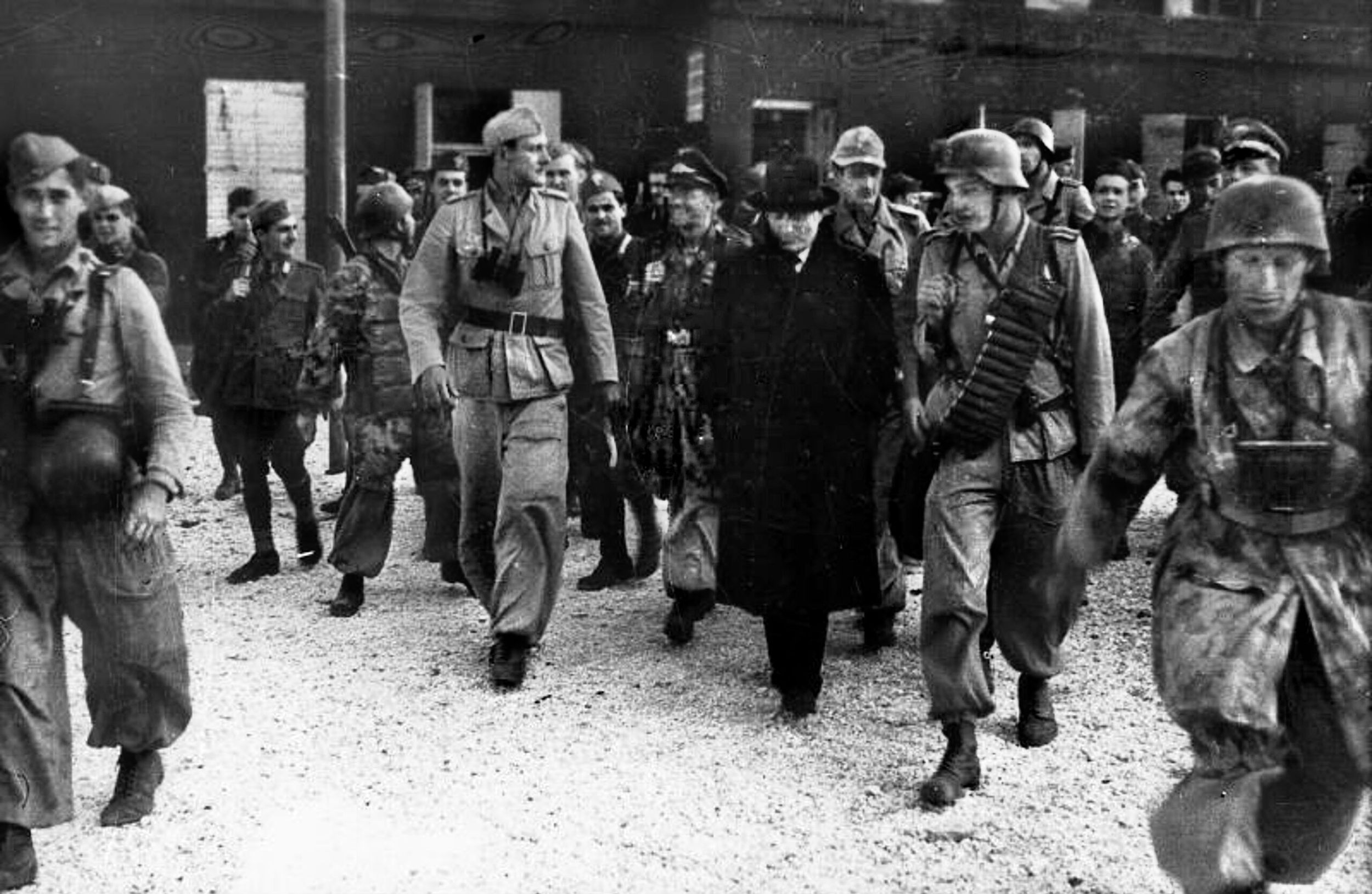
Once the entrance was open, Skorzeny ran up the stairs to find Mussolini in Room 201 standing between two Italian officers who had not drawn their weapons. He immediately drew his pistol and ordered them to stand against the wall. Once they were ushered out, he declared to a surprised Mussolini, “Duce, the Führer has sent me! You are free!” Upon which the dictator replied, “I knew that my friend Adolf Hitler would not leave me in the lurch!”
Berlepsch’s assault force of three gliders arrived at 1410 and all executed perfect landings close to the hotel. Taking stock of the situation, he secured the upper cable station and the hotel, then radioed the “mission complete” signal to operational headquarters at 1417. In total, the raid had taken 12 minutes with no shots fired.
Concurrent with both the ground and glider assault, a component of Skorzeny’s SS unit under Untersturmführer (Second-Lieutenant) Hans Mändel arrived at Mussolini’s home at Rocca delle Caminate. The Italian polizia guarding the dictator’s family quickly surrendered to the German force. Mussolini’s wife Rachele and their two youngest children were quickly bundled up and taken to the airfield at Rimini from where they were flown by the Luftwaffe to Vienna.
The drama, however, did not end there. The rescue force now had to evacuate Mussolini. The initial ground evacuation plan was scrubbed due to an inability to contact higher headquarters to arrange an airlift at the Pratica di Mare airfield and the threat of Italian military or partisan interference. Therefore, Mors and Skorzeny opted to use the Storch light aircraft. The first plane damaged its undercarriage on landing because of the uneven ground. As a result, the second Storch, piloted by Student’s personal pilot Capt. Heinrich Gerlach, landed on a short patch of even ground in front of the hotel.
After a brief discussion with Mors and Skorzeny, Gerlach agreed to fly the dictator out from his mountaintop prison. However, when Skorzeny insisted that he accompany Mussolini, Gerlach flatly refused, explaining that Skorzeny would overload the aircraft, particularly on such a short runway in the thin mountain air. After a heated discussion involving apparent threats, Gerlach relented. Although Mussolini, also a pilot, objected, he was outrightly ignored.

Gerlach now revved his engines as a number of Fallschirmjäger held the wings to allow the engine to reach maximum power. Although the Storch normally only required 263 feet to take off, the overloaded aircraft in the high thin altitude needed every bit of his 660 foot long improvised runway. Skorzeny described the risky take-off:
Although our speed increased and we were rapidly approaching the end of the strip, we failed to rise. I swayed about madly and we had hopped over many a boulder when a yawning gully appeared right in our path. I was just thinking that this really was the end when our bird suddenly rose into the air. I breathed a silent prayer of thanksgiving! Then the left landing-wheel hit the ground again, the machine tipped downwards and we made straight for the gully. Veering left, we shot over the edge. I closed my eyes, held my breath and again awaited the inevitable end. The wind roared in our ears. It must have been all over in a matter of seconds, for when I looked round again Gerlach had the machine out of its dive and almost on a level keel. Now we had sufficient air speed, even in this thin air. Flying barely 30 metres above the ground, we emerged in the Arezzano valley.
The overburdened aircraft arrived at the Practica di Mare airfield at 1615, and Skorzeny and Mussolini transferred to a Heinkel-111 bomber and flew to Vienna. Hitler congratulated Skorzeny on the rescue and awarded him the Knight’s Cross of the Iron Cross, as well as a promotion to major. He also authorized leave so that Skorzeny could see his wife.
In the aftermath of the raid, even Germany’s enemies took note. Prime Minister Winston Churchill conceded in Parliament, “The stroke was one of great daring and conducted with heavy force.” He added, “It certainly shows there are many possibilities of this kind open in modern war.”
Both Himmler and the Reich’s propaganda minister, Joseph Goebbels, quickly seized on the successful rescue. The official narrative, however, credited Skorzeny and his SS troops with the planning and execution of the raid and completely down-played, if not outright ignored, the role played by Student’s Fallschirmjäger. The controversy was never fully settled, as the official account crediting Skorzeny’s role continues to be the dominant narrative even today.
Colonel Bernd Horn is a retired infantry officer of the Canadian armed forces and held numerous command posts during his career, including Deputy Commander of Canadian Special Operations Forces Command. He has authored, edited, co-authored, or co-edited more than 45 books and many monographs.
Join The Conversation
Comments
View All Comments