By Kevin Seabrooke
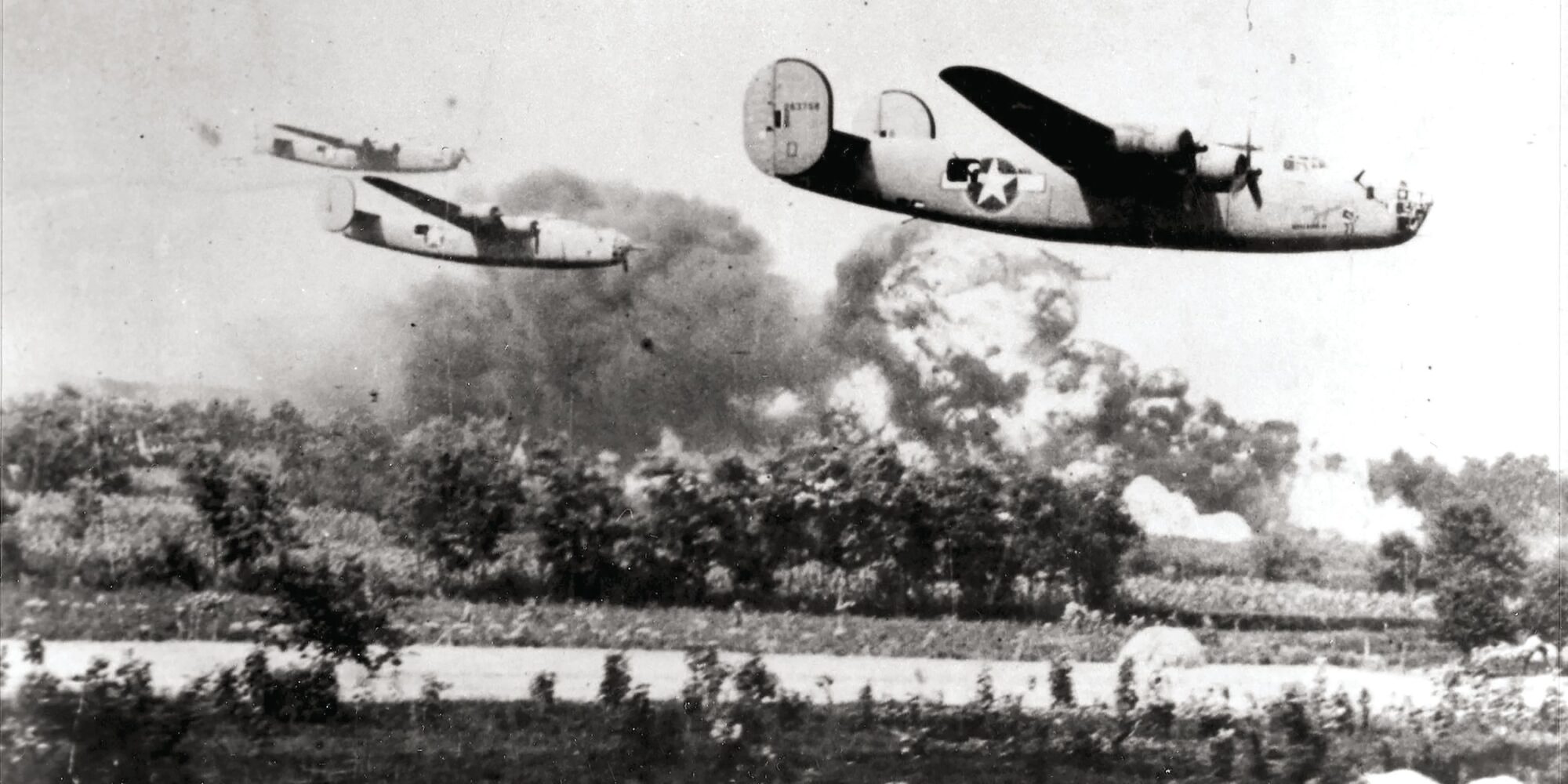
The arid expanse of Libyan desert echoed with the roar of nearly 180 B-24 Liberator heavy bombers taking off for Ploesti, Romania, on the morning of August 1, 1943. Their destination, dubbed “Hitler’s Gas Station,” was a sprawling, heavily fortified industrial complex more than 1,000 miles away that produced about a third of the Axis powers’ petroleum. To evade early-warning radar, Allied planners conceived a radical, hyper-dangerous strategy. Instead of bombing from the relative safety of the high stratosphere, these massive, four-engine bombers would attack at treetop height—delivering their bombs more accurately, but becoming easier targets themselves.
What followed became known as Operation Tidal Wave, one of the most daring, spectacular, and costly low-level air raids in the history of aviation. Roaring across the Romanian countryside at altitudes so low they brushed tree branches and clipped cornstalks, the Allied aircrews flew directly into a lethal hornets’ nest of presighted anti-aircraft guns, hidden flak batteries, barrage balloons, and swarming Luftwaffe fighters.
Even worse, the Germans had intercepted and decoded enough information to know the raid was coming, just not the exact timing. Within minutes, the sky transformed into an apocalyptic inferno of black smoke, towering walls of burning oil, and blinding explosions. While the raid inflicted heavy damage on several of the primary refining targets, the price of the mission was devastating: more than 50 aircraft were lost and hundreds of airmen were killed or captured, earning that fateful afternoon a grim, legendary moniker in American military lore—“Black Sunday.”
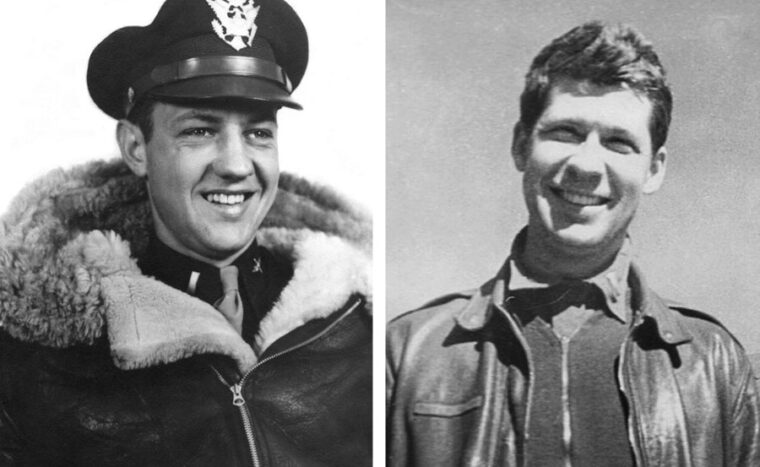
Captain John B. White Jr. was serving as a lead navigator on a B-24 Liberator bomber during that August raid on Ploesti. His plane went down over Bulgaria after a mid-air collision on the return flight. The War Department later issued a presumptive finding of death.
Yet the air war over the oil fields did not end on Black Sunday. Between April 5 and August 19, 1944, the heavy bombers of the Fifteenth Air Force targeted Ploesti 19 more times. By the time the refineries were rendered inoperable, the Allies had suffered the loss of an additional 350 B-17s and B-24s, along with their 10-man crews. Ploesti had fully lived up to its reputation as the most heavily defended target in Eastern Europe.
 Lieutenant Robert “Bob” Cress was flying as a navigator on one of those 19 subsequent high-altitude missions when a combination of flak and attacks from German Me 109 fighters shot his bomber down. He was captured and became a prisoner of war on May 31, 1944. After Romania abruptly aligned itself with the Allies in August 1944 and released its captives, the U.S. Fifteenth Air Force carried out Operation Reunion. From August 31 to September 3, the mission successfully airlifted 1,117 American, 31 British, 12 Dutch, and 1 French prisoner back to their respective armies.
Bob came home, but John did not. However, their surviving correspondence tells an unforgettable story of love, friendship, tragedy, and the global conflict that engulfed them both.
Following the death of her mother, author Jan Cress Dondi discovered a long-forgotten footlocker full of these letters. They were written during the war between Dondi’s mother, Polley White Cress, her father, Bob Cress, and her maternal uncle, John B. White. Both young men had left Hillsboro, Illinois, to join the U.S. Army Air Forces as B-24 navigators, carving parallel paths into the vanguard of the air war.
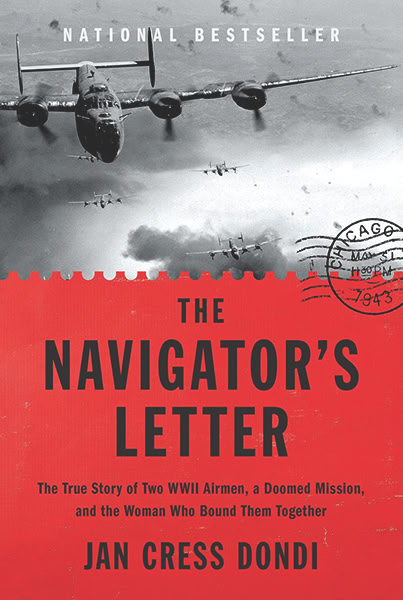
Though the text occasionally lingers on verbatim archival details, The Navigator’s Letter: The True Story of Two WWII Airmen, a Doomed Mission, and the Woman Who Bound Them Together (Jan Cress Dondi, Union Square & Co., New York, NY, 400 pp., 8 pages of photos, 2026 $32.50 HC) is nevertheless an engaging, deeply moving tale of love and loss. It stands as a vital testament to the Greatest Generation, whose extraordinary sacrifices modern readers can scarcely imagine.
Join The Conversation
Comments
View All Comments