WWII Quarterly Summer 2013
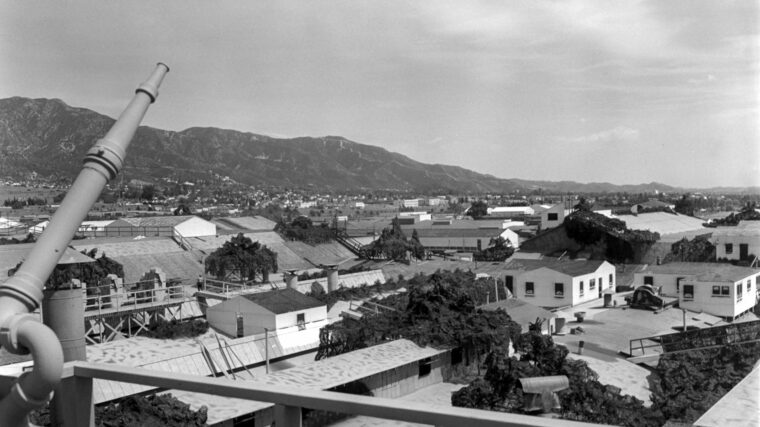
Boeing Wonderland: The Fake Cities on America’s West Coast
By Bill YenneWhen I was a young boy in Seattle, my father told me about a fake town that had been built on top of Boeing’s Plant 2 during the war. Read more
WWII Quarterly Summer 2013
When I was a young boy in Seattle, my father told me about a fake town that had been built on top of Boeing’s Plant 2 during the war. Read more
WWII Quarterly Summer 2013
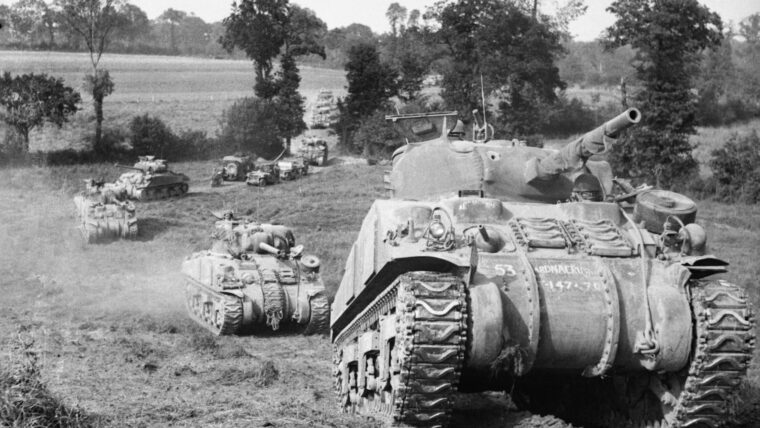
The 809th Tank Destroyer Battalion was an independently attached unit of the U.S. Army. The battalion was activated on March 18, 1942, at Camp Forrest, Tennessee, and remained in the United States through most of the war. Read more
WWII Quarterly Summer 2013
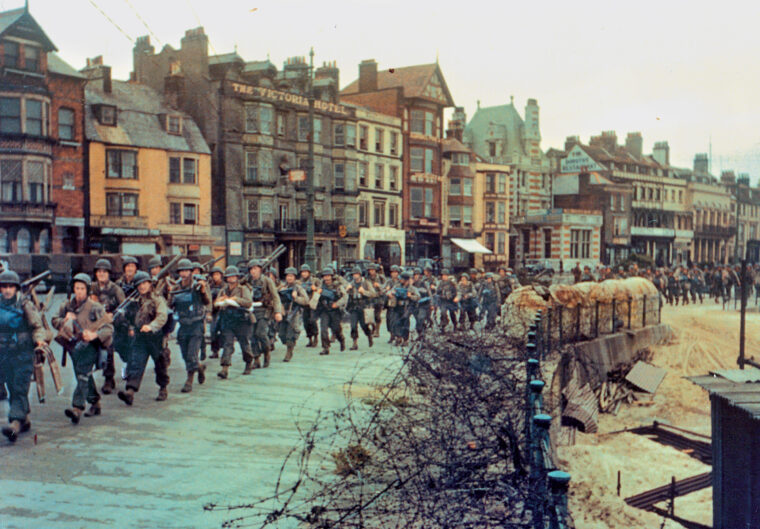
In the early morning of June 6, 1944, LCA 668 (Landing Craft, Assault), carrying First Sergeant Len Lomell, Staff Sergeant Jack Kuhn, and most of the 2nd Platoon, 2nd Ranger Battalion, cut through the choppy, green waters of the English Channel. Read more
WWII Quarterly Summer 2013
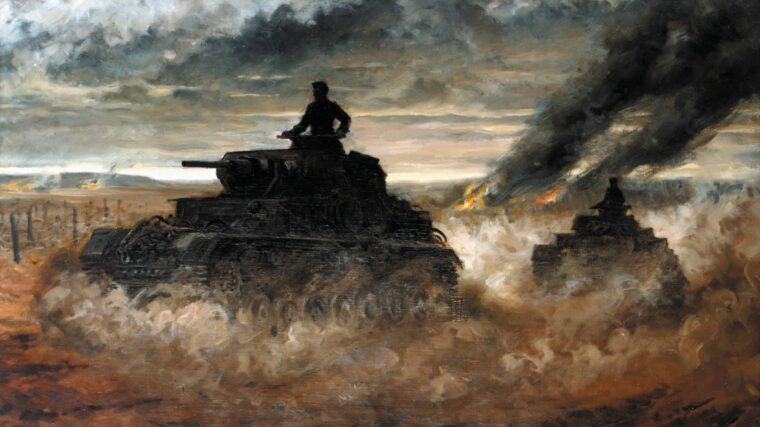
While many in the English-speaking world have heard of Erwin Rommel and Heinz Guderian, few today know the name of Otto von Knobelsdorff, a German panzer general who commanded troops in battles every bit as pivotal as his contemporaries did, in quantity and quality, and who also fought against General George S. Read more
WWII Quarterly Summer 2013
It was a letter in the London Times that caught the attention of British wartime Prime Minister Winston Churchill. Read more
WWII Quarterly Summer 2013
BACKSTORY: The Reverend E. Gage Hotaling, the son of a Baptist minister, was born in Wellsville, New York, on January 21, 1916. Read more
WWII Quarterly Summer 2013
An army that will be poised for victory requires élan, military intellect, a penchant for tactical and strategic innovation, and the zeal to use the most qualified individuals for training and leadership. Read more
WWII Quarterly Summer 2013
Mildred “Midge” Gillars was born in Portland, Maine, took drama lessons in New York City, appeared in vaudeville, worked as an artist’s model in Paris and a dressmaker’s assistant in Algiers, and taught English at the Berlitz School in Berlin before—motivated by love and fear—she became the notorious “Axis Sally,” one of the Nazis’ leading radio propagandists. Read more