Victoria Cross
Australia’s Heroic Son
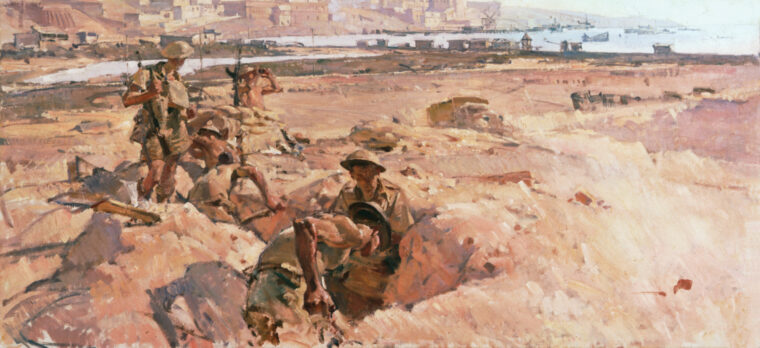
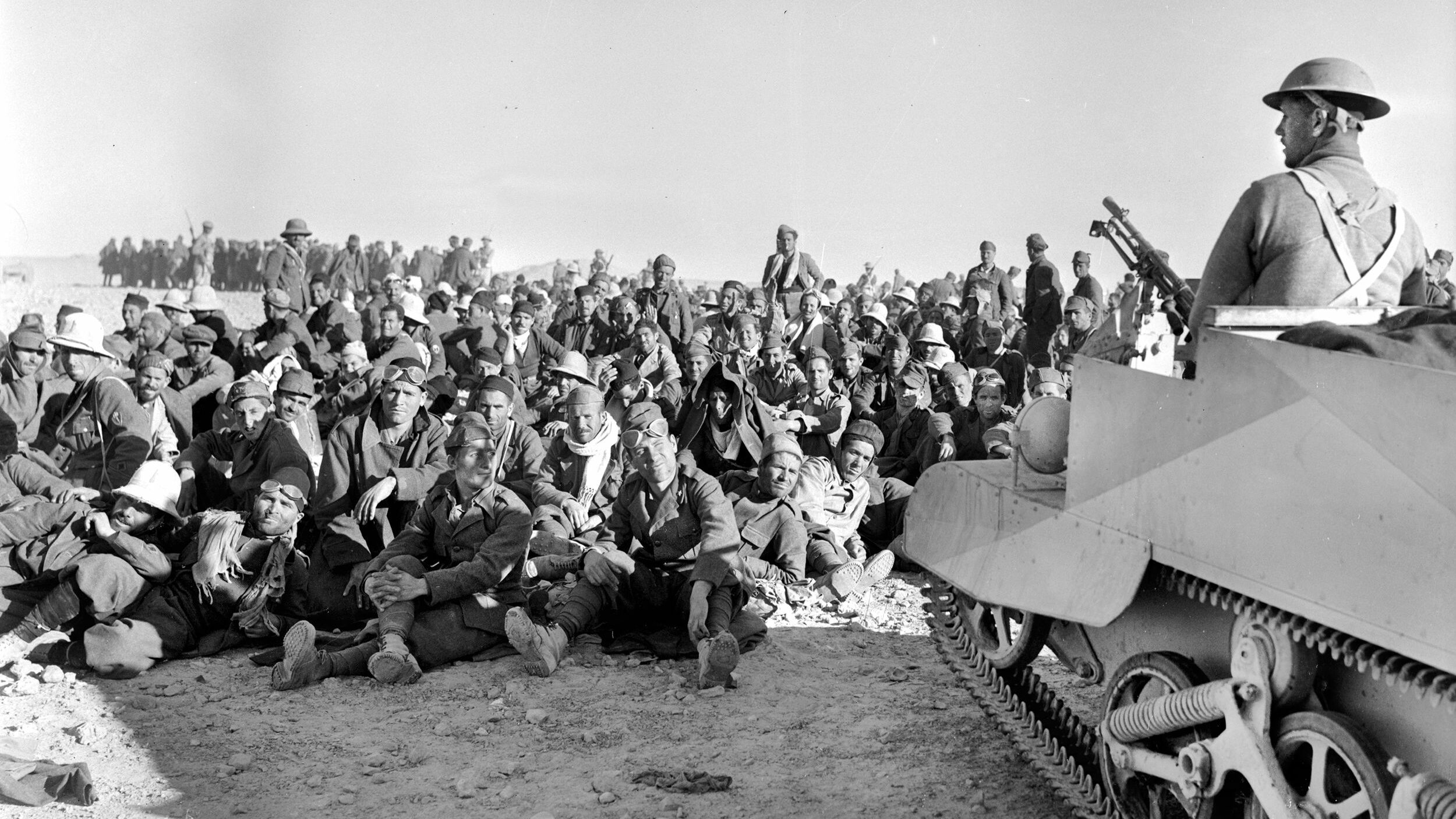
By Christopher MiskimonJohn Hurst Edmondson, known to his friends as Jack, died April 14, 1941, lying on the concrete floor of a sand-swept fighting outpost in the perimeter around Tobruk, Libya. Read more
Victoria Cross
John Hurst Edmondson, known to his friends as Jack, died April 14, 1941, lying on the concrete floor of a sand-swept fighting outpost in the perimeter around Tobruk, Libya. Read more
Victoria Cross
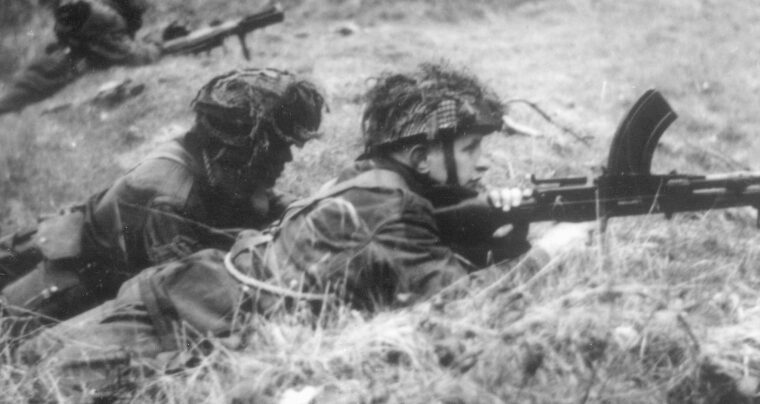
In the hut no one spoke, no one joked. The assembled British and Canadian paratroop commanders awaited the briefing from their brigade commander on their next major operation. Read more
Victoria Cross
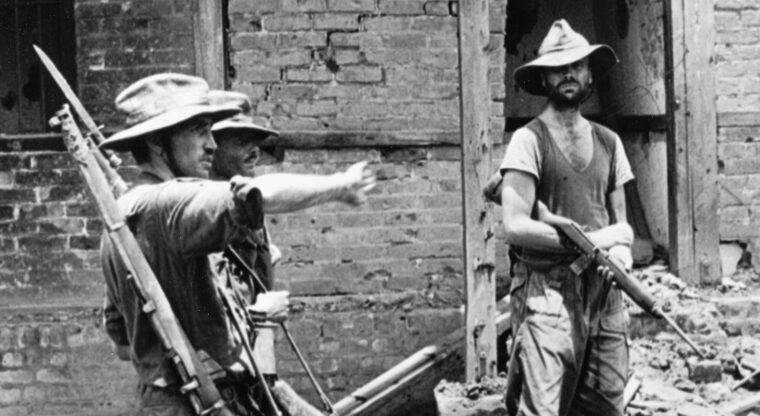
The English officer studied the Burmese river and its surroundings. The area seemed quiet, for the moment peaceful. Read more
Victoria Cross
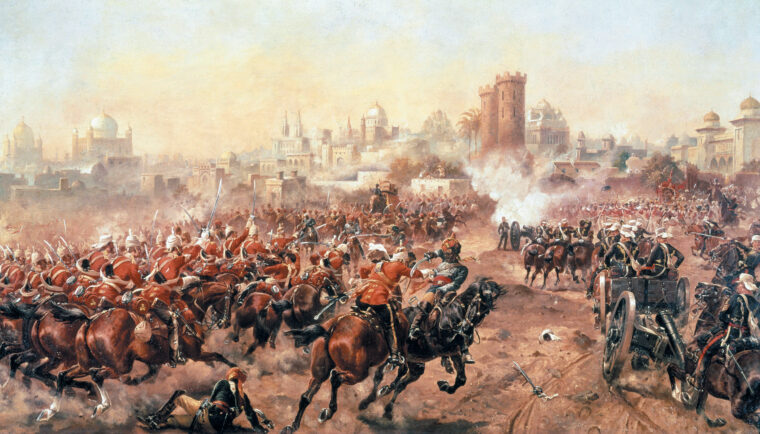
Three months before the Indian Rebellion of 1857, British East India Company officials manning outstations in the northwestern provinces of India began to notice the revival of a strange and disturbing local custom. Read more
Victoria Cross
By February 1945, the green Allied formations that landed on D-Day had become hard professional armies. Army, corps, and division commands had been shaken down and were operating efficiently. Read more
Victoria Cross
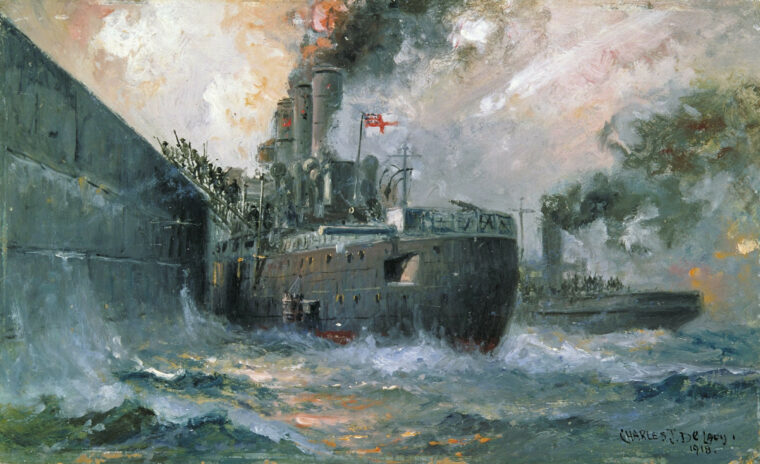
In the spring of 1918, World War I was well into its fourth year, and still the armies struggled and died in the glutinous mud of Flanders. Read more
Victoria Cross
By the 1930s the security Hong Kong had enjoyed since its acquisition by the British Empire in 1842 was a memory. Read more
Victoria Cross
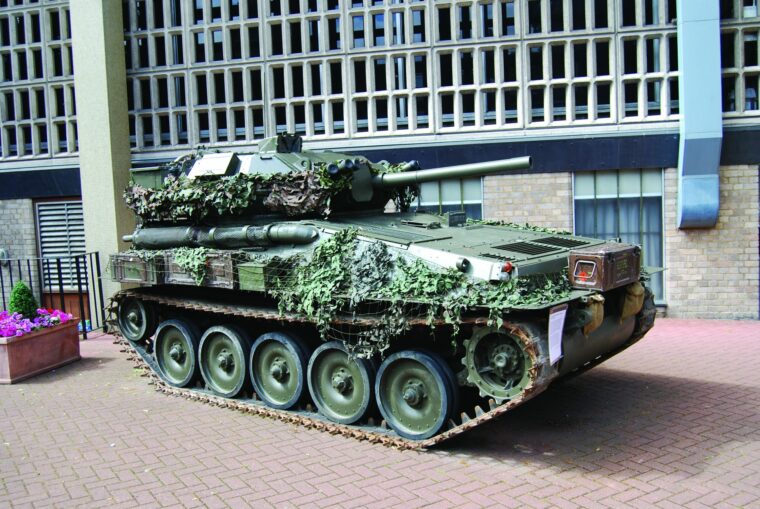
The city of London practically overflows with military history. Predating the Romans, London has been the seat of government ever since it was fortified by William the Conqueror in the 11th century. Read more
Victoria Cross
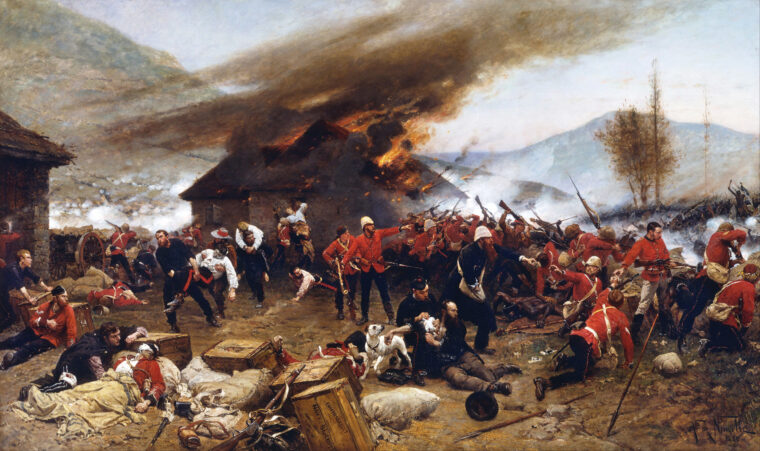
From atop the bluff overlooking a ford on the Buffalo River, Captain Alan Gardner, a staff officer in the British Army’s 24th Regiment of Foot, looked down at the chaos and carnage being played out below him. Read more
Victoria Cross
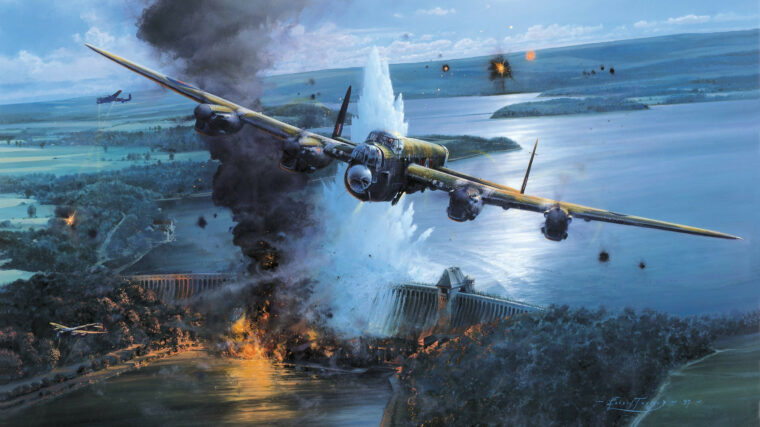
May 16, 1943, had been a sweltering spring day in England. At 9:39 pm, as the sun was dipping below the western horizon, leaving a rim of light and still good visibility, the first three of 19 Avro Lancaster bombers of No. Read more
Victoria Cross
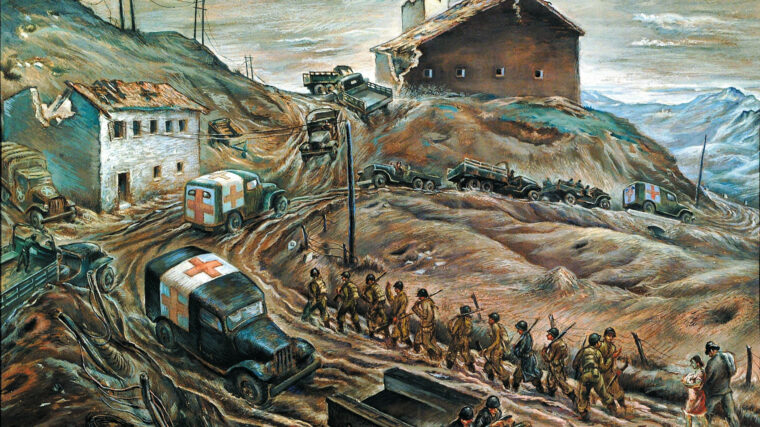
The reason for it was unthinkable. The Gothic Line, the last line of defense in Italy, was necessary, but senior German commanders had not been concerned that it would ever be contested by Allied forces. Read more
Victoria Cross
One blazing hot day in mid-January 1942, Cornelius “Con” Page, an Australian plantation manager and coastwatcher on Tabar Island 20 miles north of New Ireland reported on his radio a Japanese aircraft passing Tabar and heading for Rabaul on the Australian-administered island of New Britain. Read more
Victoria Cross
“It is very difficult to be an openly declared, courageous Nazi today, and to express one’s faith freely,” read the editorial in the Völkischer Beobachter newspaper, which further added, “We have no illusions now.” Read more
Victoria Cross
The Commando role was born of the decision to mount vigorous raiding operations against occupied Europe as British forces were withdrawing from France in 1940. Read more
Victoria Cross
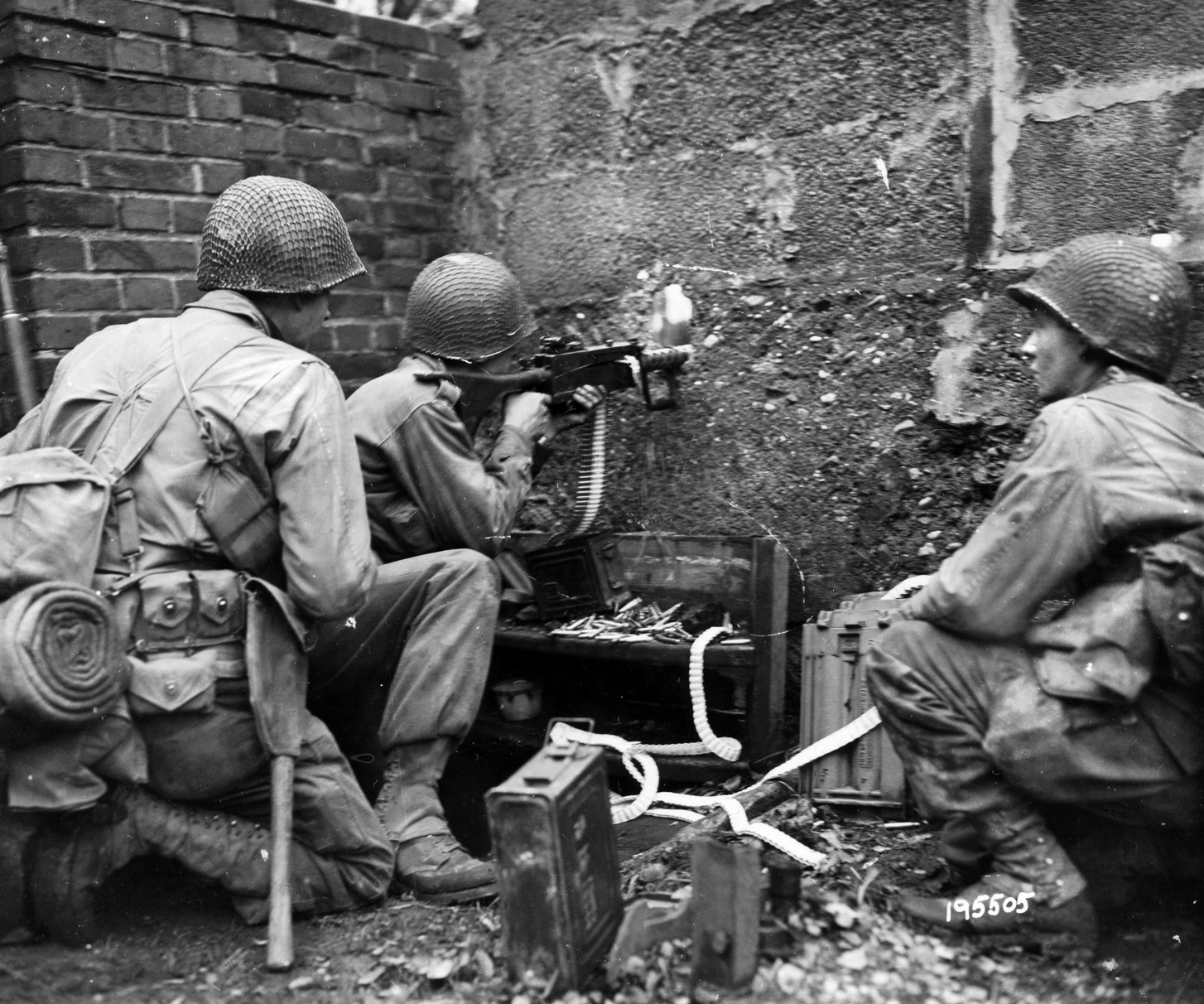
“The big day came and we moved off to our positions. Shortly a huge bombing raid commenced on the town of Wesel, followed by an artillery barrage which virtually shook the very ground under us. Read more
Victoria Cross
By early 1942, British Prime Minister Winston Churchill was still unable to boast a single victory in the field against Germany. Read more
Victoria Cross
Aubrey Cosens was the first soldier of the Third Canadian Division to earn the Victoria Cross in World War II—and this was a division that had landed on D-Day, taken 76 percent casualties in Normandy, and used its amphibious warfare experience to defeat the Germans in Holland. Read more
Victoria Cross
The great waves were huge and black, greedy tentacles of the North Sea clawing and snatching at the battered ships struggling in the icy dark. Read more
Victoria Cross
“I am not a collector of deserts,” Mussolini declared regarding his imperial ambitions. Instead, he would be a loser of them, most publicly in North Africa and, in one of World War II’s least-known campaigns, in East Africa. Read more
Victoria Cross
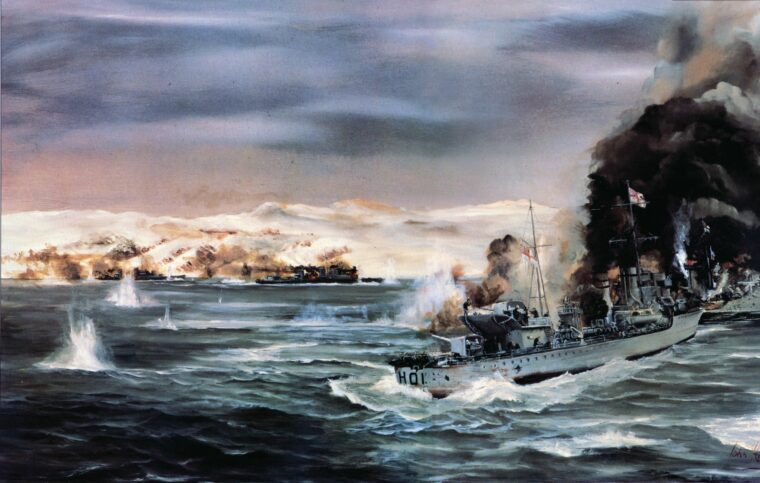
The Germans could not believe it. Without suffering the loss of a single soldier or sailor, the German Army and Navy had sailed 1,500 miles through waters dominated by the British Royal Navy and captured Narvik without firing a shot, bagged nearly 500 Norwegian soldiers, seized one of Norway’s major military depots, and even taken five armed British merchant ships and their crews. Read more