U.S. Army
Opening Moves on the Rio Grande: The Relief of Fort Texas
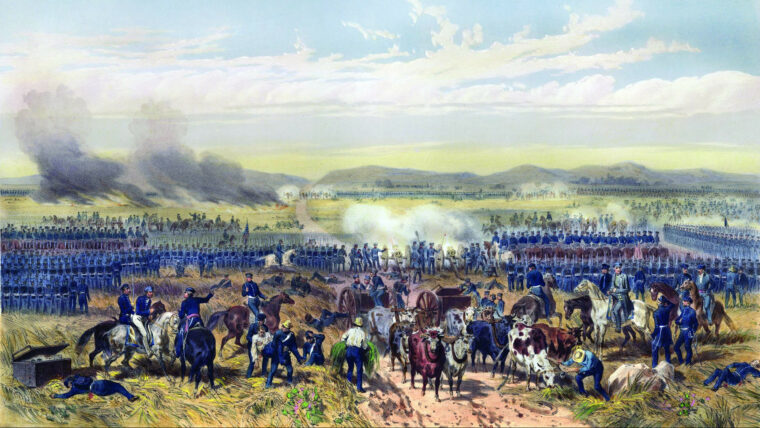
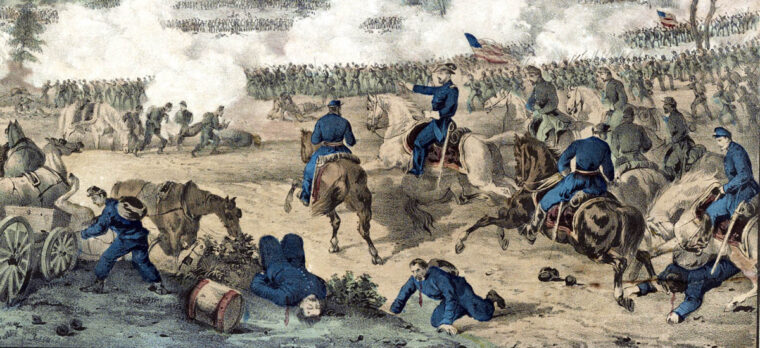
By David A. NorrisThe hot days at Fort Texas were about to get a lot hotter. For days, the men of the 7th U.S. Read more
U.S. Army
The hot days at Fort Texas were about to get a lot hotter. For days, the men of the 7th U.S. Read more
U.S. Army
The men of Lieutenant Edwin K. Smith’s antitank platoon, 2nd Battalion, 26th Infantry Regiment, 1st Infantry Division peered over the gun shields of their 37mm cannon at the column of Vichy French armored cars approaching their roadblock. Read more
U.S. Army
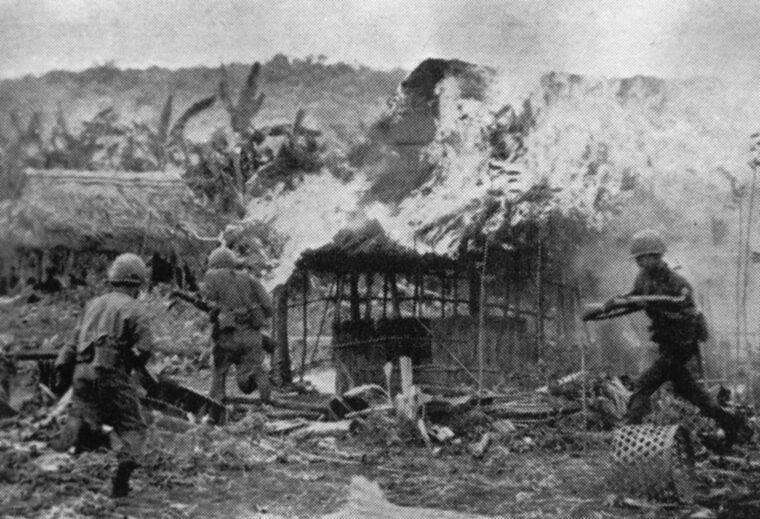
On the night of February 13, 1967, the 11th Company of the 2nd South Korean Marine Brigade was occupying a position near the village of Trah Bin Dong in Quang Ngai province, South Vietnam. Read more
U.S. Army
The definitive combat unit of comparable strength among the forces of the world during the 20th century was the division. Read more
U.S. Army
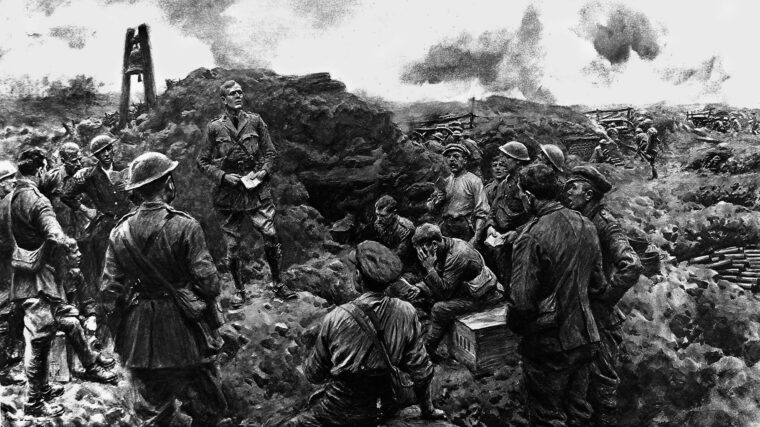
The Somme offensive, which began on July 1, 1916, had by late that month deteriorated into a series of small, costly actions. Read more
U.S. Army
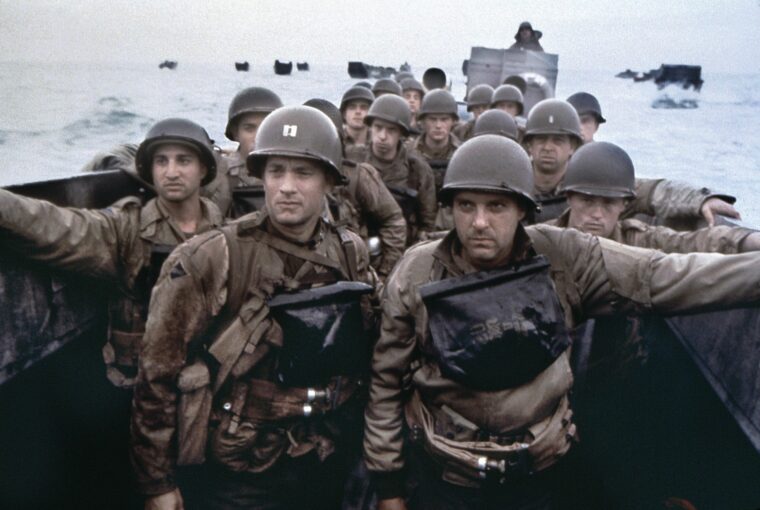
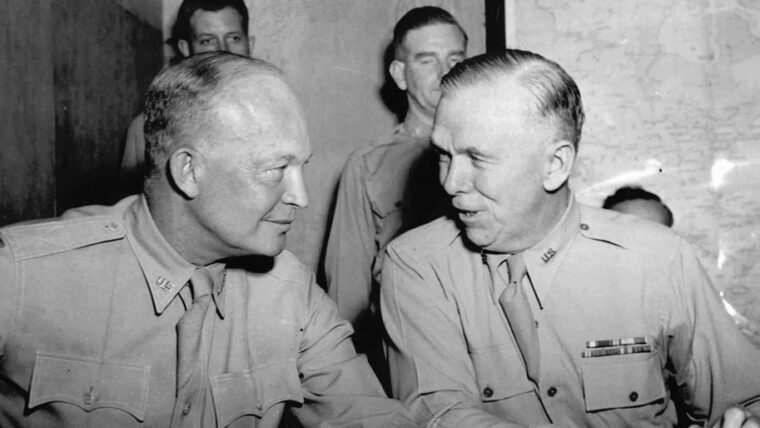
General of the Army George C. Marshall called it America’s greatest contribution to modern warfare. General Dwight D. Read more
U.S. Army
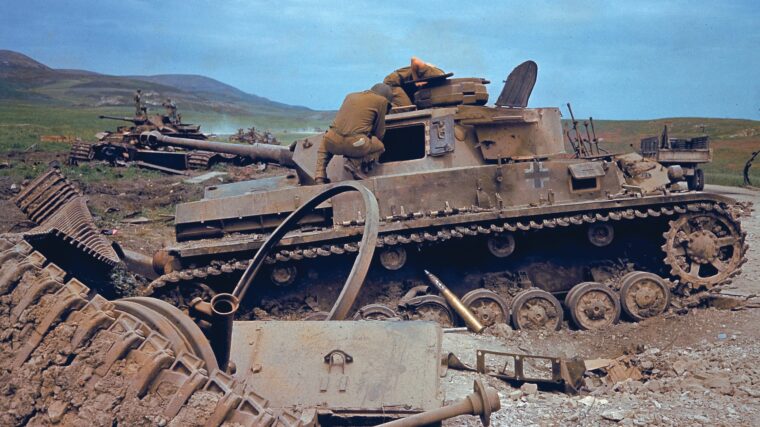
At midnight, the jumpers of 2nd Battalion, 517th Parachute Regimental Combat Team, as well as the 596th Parachute Combat Engineer Company, still dripping from the paint-spray line, shuffled across Ombrone Airfield to the waiting of Serial 6 and climbed aboard. Read more
U.S. Army
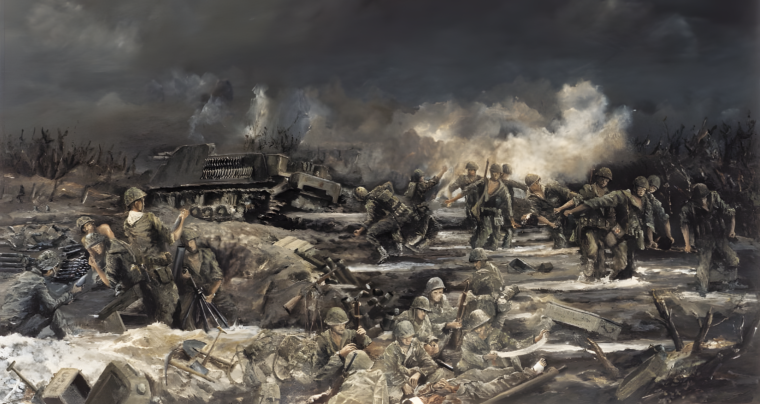
Although neither side was aware of it at the time, the battle for Okinawa would be the last major battle of World War II. Read more
U.S. Army
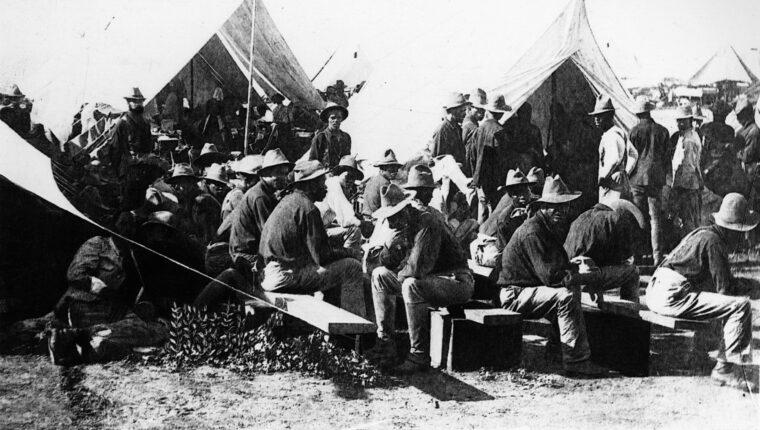
The khaki-clad soldiers wounded in the steaming jungles of Cuba during the Spanish-American War had distinct advantages over their Civil War brethren. Read more
U.S. Army
They carried no weapons, only holy books and rudimentary vestments, a crucifix or a Star of David and sometimes a little Communion kit. Read more
U.S. Army
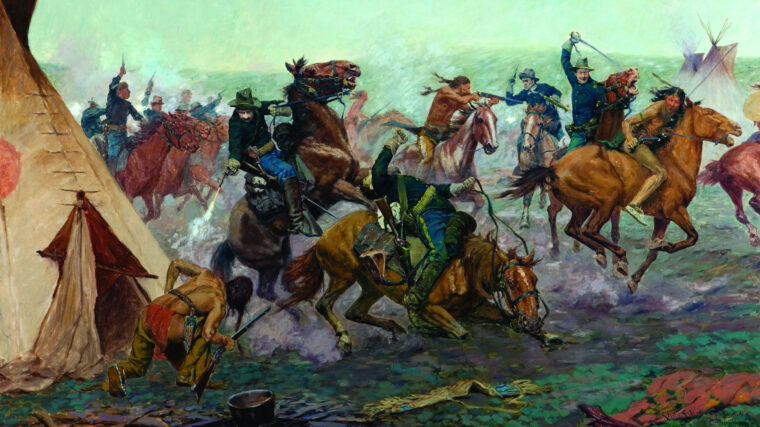
The conclusion of the Civil War saw the painfully reunited nation resume its westward surge. Complicating that surge was the Indian question: how best to remove the Native American peoples from the paths of white expansion. Read more
U.S. Army
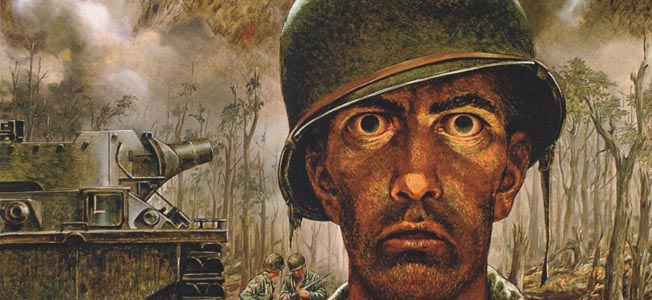
Eugene Sledge knew a thing or two about combat fatigue. It was September 15, 1944, on a tiny spit of land called Peleliu: the Japanese opened up with heavy mortar fire just as the Marines moved off the beach and started inland. Read more
U.S. Army
Buried in the October 24, 1944, edition of the New York times was the headline: “German Ex-Officer Held as Nazi Spy: Captain in Kaiser’s Army, 62 and Foster Daughter Accused of Sending Ship Data Before U.S. Read more
U.S. Army
President Franklin D. Roosevelt was disturbed in the autumn of 1938 by the Munich agreement, at which the rights of Czechoslovakia were signed away, and by reports of mounting air strength in Adolf Hitler’s Nazi Germany. Read more
U.S. Army
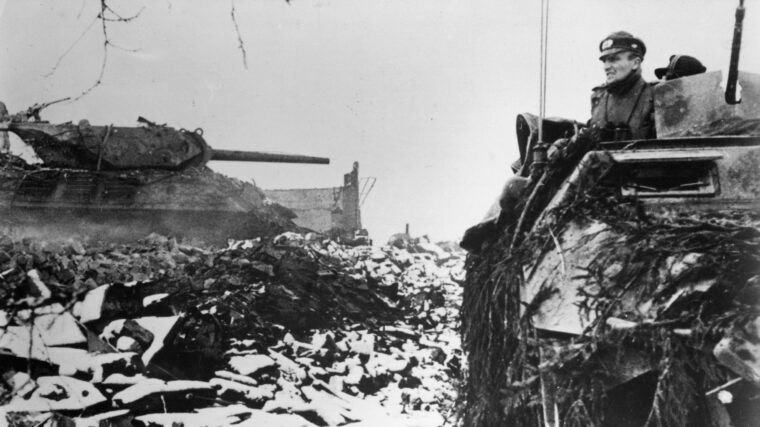
In December 1944, the Ardennes front or “ghost front” was an area where either veteran Allied units rotated in to rest and recover from terrible combat losses or where new, untested units arrived to gather some combat experience from the minor skirmishes that would occasionally flare up. Read more
U.S. Army
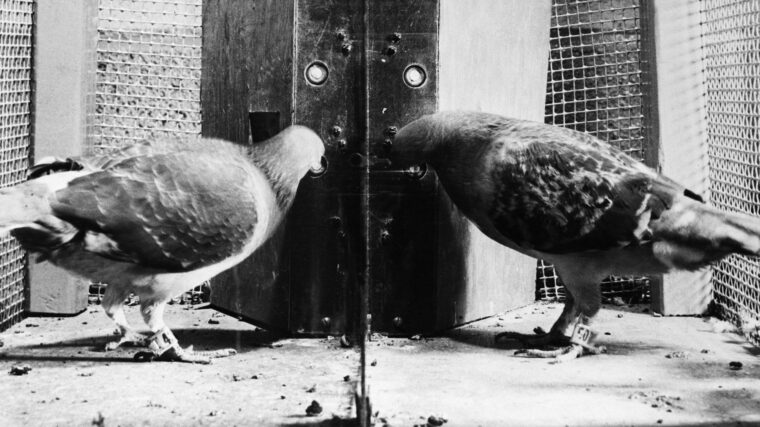
The army brass argued at length; the scheme proposed by behavioral psychologist B.F. Skinner was mad, foolhardy, but also ingenious. Read more
U.S. Army
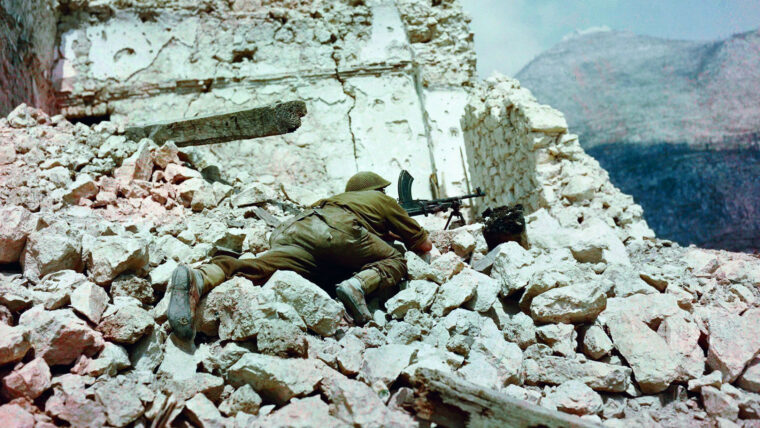
The Gustav Line, stretching across Italy at its narrowest part between Gaeta and Ortona, was a formidable system of defenses, some of it in coastal marshes but mainly in mountainous country through which ran fast-flowing rivers. Read more
U.S. Army
The morning of February 16, 1944, dawned foggy over the Via Anziate in Anzio, Italy. The 45th Infantry Division’s 2nd Battalion, 157th Infantry Regiment had advanced overnight to take positions on the west side of the roadway, assuming its place on the front line. Read more
U.S. Army
The year 1864 was shaping up to be a critical one in the three-year-long Civil War. During the previous year, Federal armies had gained control of the Mississippi River and consolidated their grip on Tennessee. Read more
U.S. Army
Although several overzealous Union Army field commanders organized African Americans into ad hoc militia units early in 1862 and several black regiments were mustered into service later that year, it wasn’t until after President Abraham Lincoln’s Emancipation Proclamation took effect on January 1, 1863, that the federal government began actively recruiting and enlisting black soldiers and sailors. Read more