Tanks
Operation Crusader: Erwin Rommel Learns His Lesson
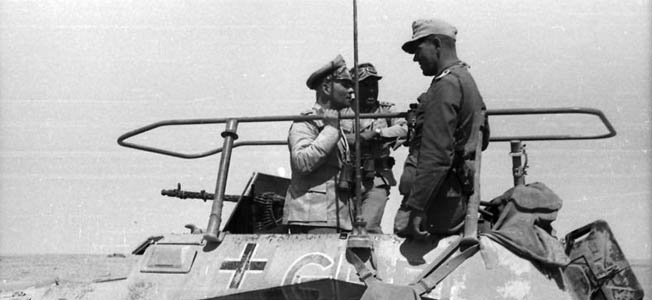
By Robert HaymesBy the time of the Crusader battles in late 1941, the German panzer forces in North Africa had developed a sophisticated combined-arms doctrine. Read more
Tanks
By the time of the Crusader battles in late 1941, the German panzer forces in North Africa had developed a sophisticated combined-arms doctrine. Read more
Tanks
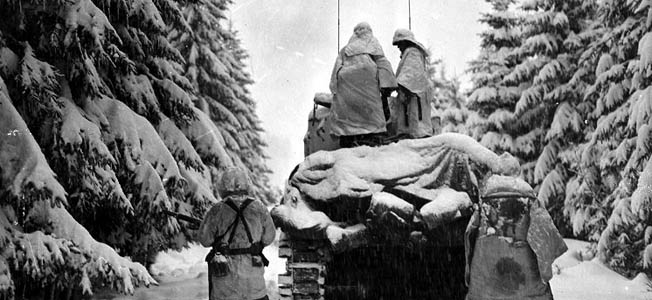
On December 16, 1944, Hitler launched Operation Wacht am Rhein, or Watch on the Rhine. Popularly known as the Battle of the Bulge, the ensuing offensive was a desperate effort to win a major victory in the West. Read more
Tanks
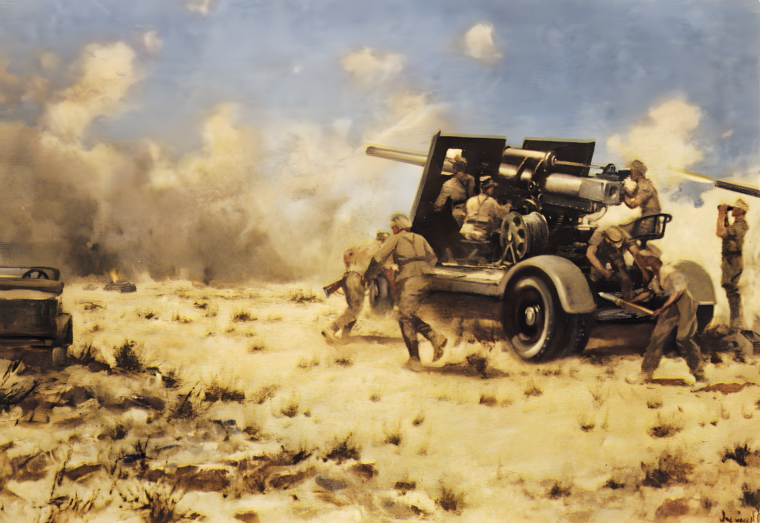
On the afternoon of November 23, known as Totensonntag to the Germans, General Ludwig Crüwell, commander of the Afrika Korps, decided to launch both of his armored divisions at the box being defended by the 2nd South African Brigade which had laagered just south of the contested airfield at Sidi Rezegh. Read more
Tanks
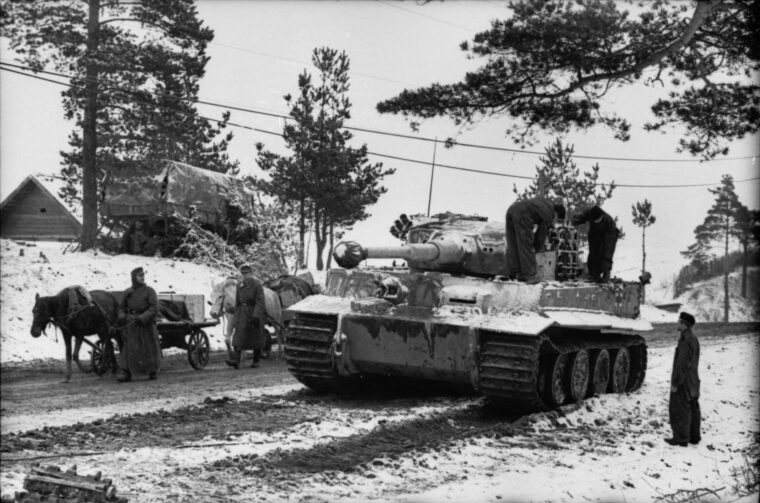
Advances in military technology, including tanks, jets, and rockets, are among the popular images of Nazi Germany during World War II. Read more
Tanks
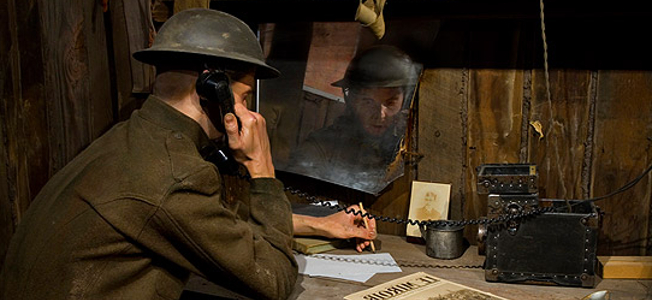
Often called the “first modern war,” World War I introduced a great many technological developments as the world carried itself further into the industrial age. Read more
Tanks
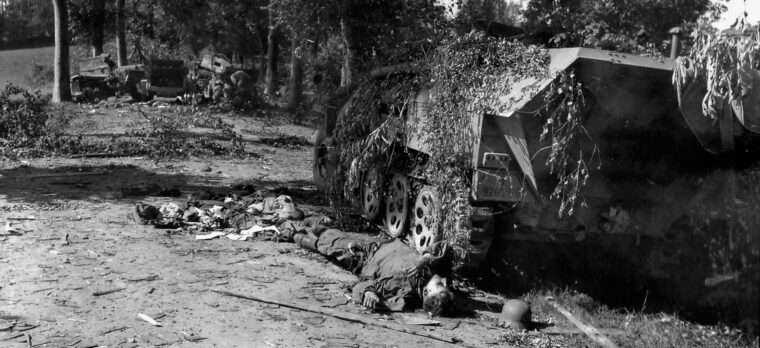
A German SS officer, holding a white flag of truce, walked through the American lines and up to a tall lieutenant from Texas. Read more
Tanks
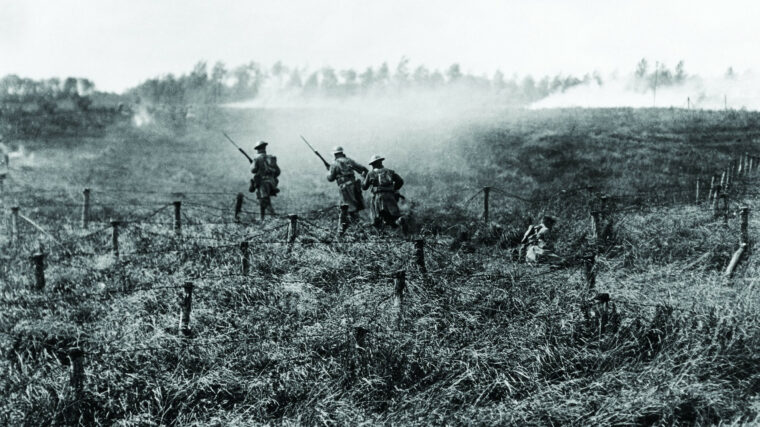
At 0100 hours on September 12, 1918, German positions in the St. Mihiel salient on the Western Front were lit up by a massive artillery barrage. Read more
Tanks
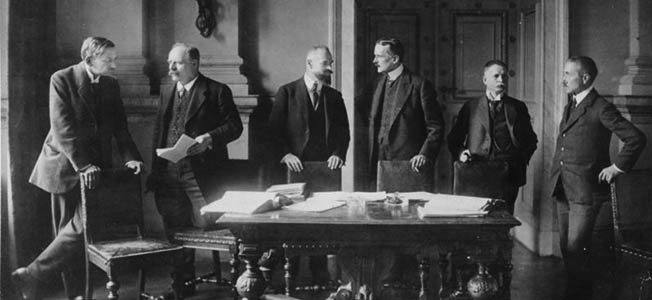
At least ostensibly, World War I ended first with the cessation of armed hostilities between the warring powers at the famed “11th hour of the 11th day of the 11th month,” that is November 11, 1918. Read more
Tanks
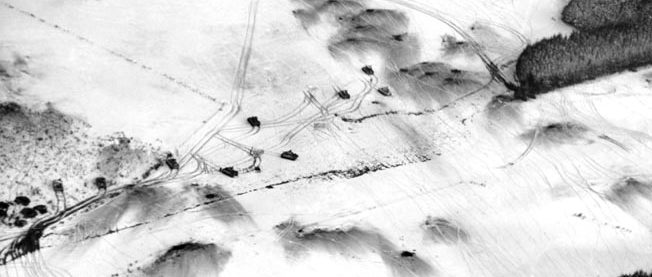
Nobody knew it in the 6th Armored Divisions 9th Armored Infantry Battalion, but the tide of the Battle of the Bulge had turned by the time the outfit moved into snow-covered fields and forests near Bastogne. Read more
Tanks
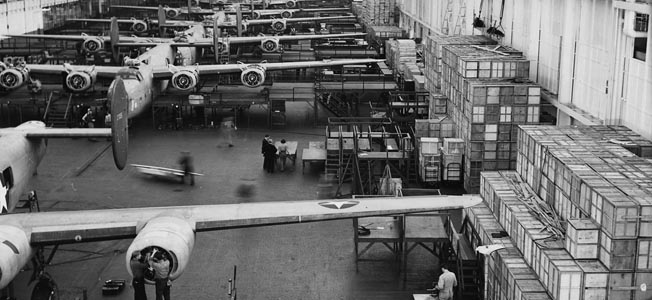
They said it couldn’t be done. Doubters chided Henry Ford for declaring that his Willow Run Bomber Plant could turn out a B-24 Liberator heavy bomber every hour. Read more
Tanks
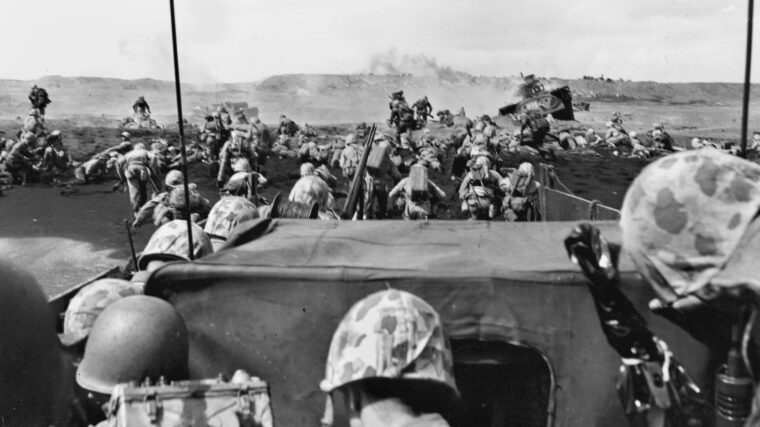
“You know,” said Marine Maj. Gen. Clifton B. Cates to a war correspondent on the eve of Operation Detachment, the invasion of Iwo Jima, “if I knew the name of the man on the extreme right of the right-hand squad of the right-hand company of the right-hand battalion, I’d recommend him for a medal before we go in.” Read more
Tanks
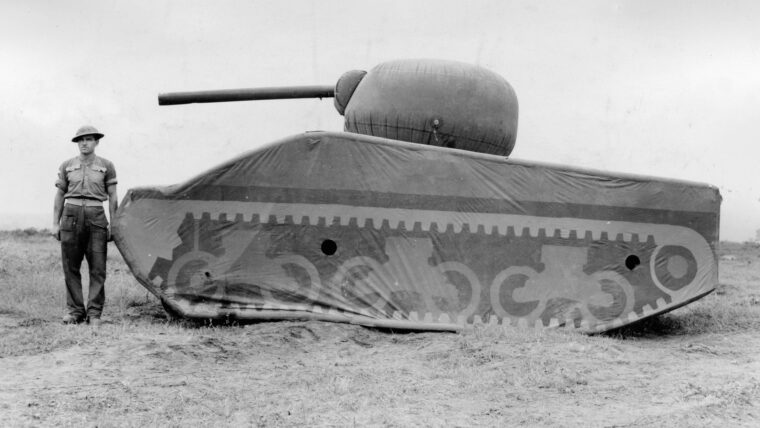
Deception is a vital tool in war. During World War II, the British developed a dummy tank to fool enemy surveillance planes into thinking they had more tanks than they needed, were strong where they were weak, and were preparing to attack where they were not. Read more
Tanks
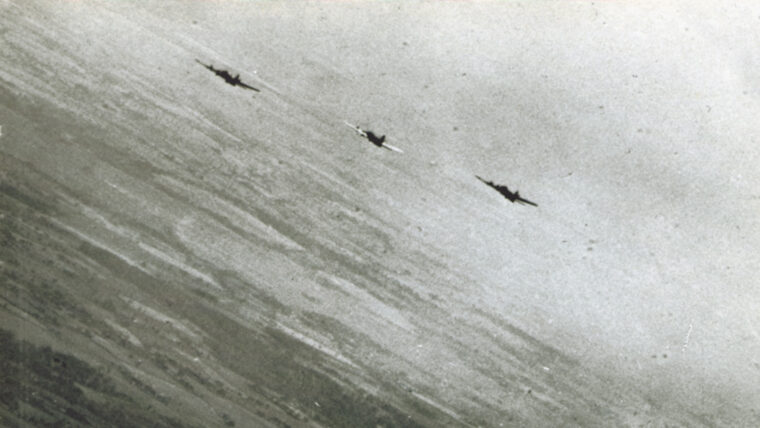
When it came to advanced military technology in World War II, arguably no one was better at it than Nazi Germany, whose scientists Adolf Hitler keep busy trying to invent the ultimate “super weapon” capable of defeating his enemies. Read more
Tanks
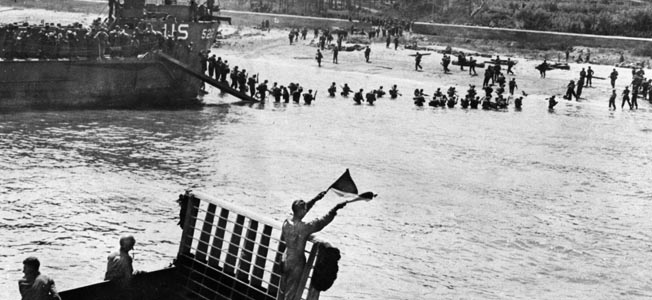
Early in 1944, German Field Marshal Erwin Rommel, the defeated hero of North Africa and now head of Army Group B in France, was tasked with strengthening the Atlantic Wall defenses against Allied invasion. Read more
Tanks
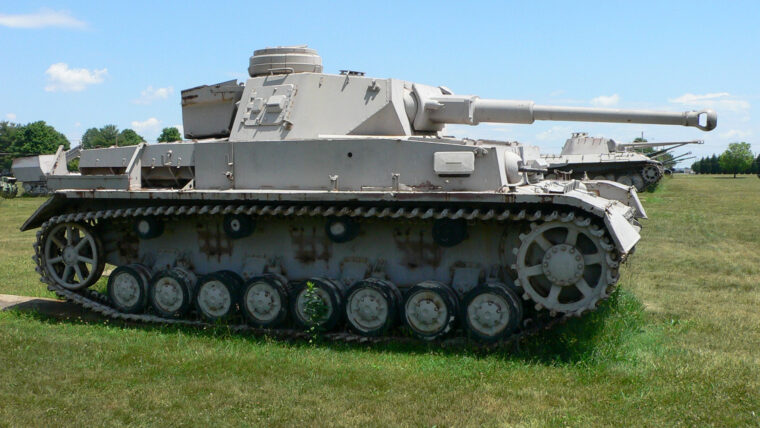
The German Panzer-kampf-wagen V (Panther) tank was superior to the American M4 Sherman in almost every respect, but it could not guarantee victory at every encounter. Read more
Tanks
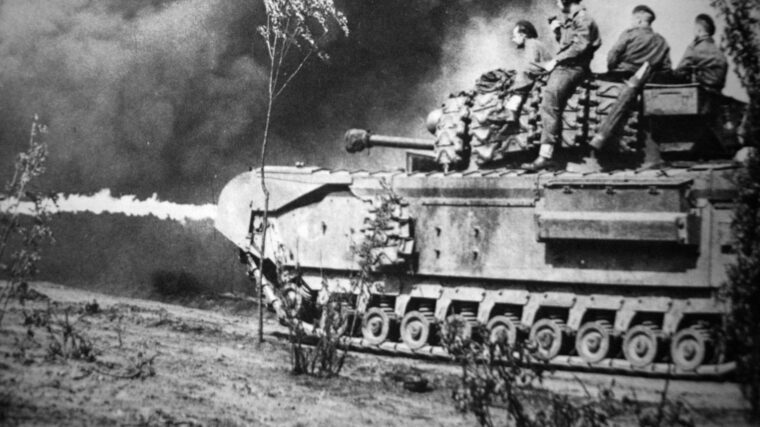
The elite German paratroopers, who were some of the finest fighters in the service of the Third Reich, believed they were exceptionally well prepared to defend the deep water port of Brest on France’s Brittany coast against an impending attack by the Allies. Read more
Tanks
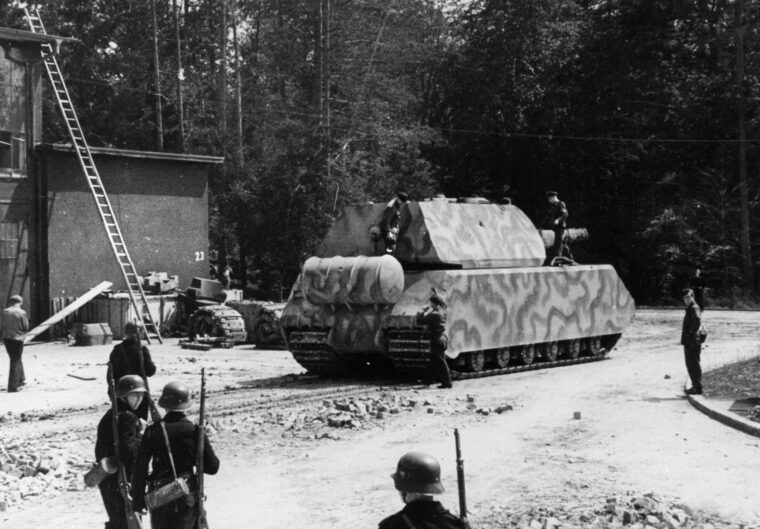
As early as 1941, the German high command had visions of military technology that was far ahead of its time, and many innovative technological concepts were becoming reality. Read more
Tanks
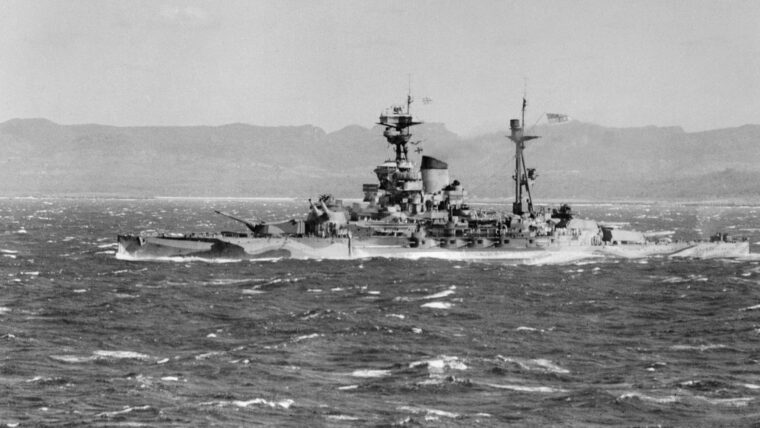
In early 1942 things could have hardly looked bleaker for the Allies. In Europe, Hitler’s war machine had steamrolled across the entire continent and was now battling before the gates of Moscow. Read more
Tanks
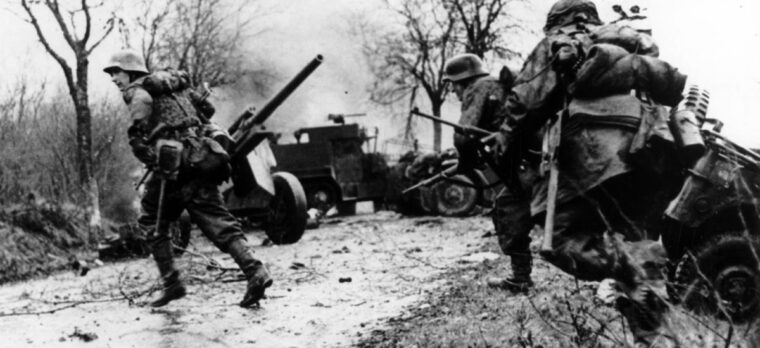
An eternal grayness created a sense of constant gloom. The short, wintry days ended quickly, giving way to endless hours of dark, monotonous cold, and ever-present clouds of ghostlike fog crept slowly over the landscape, blocking all sight. Read more
Tanks
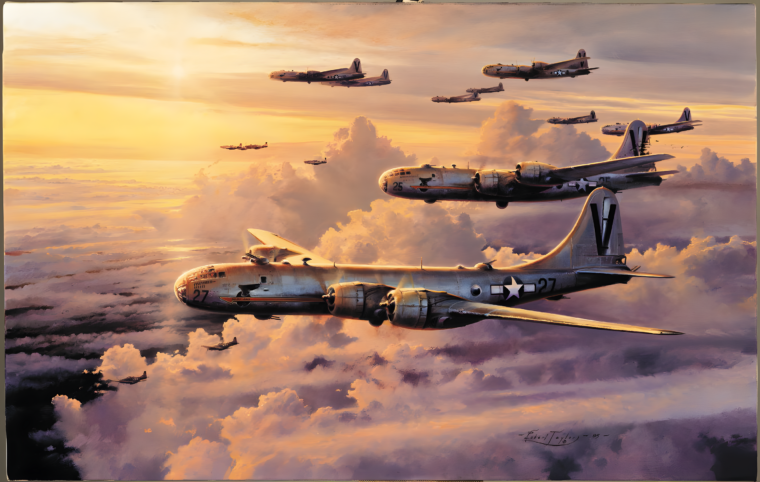
From an altitude of 30,000 feet, the swift Japanese reconnaissance aircraft flew high over Saipan and Tinian, photographing the brisk and extensive engineering effort under way on the American airfields far below. Read more