naval history
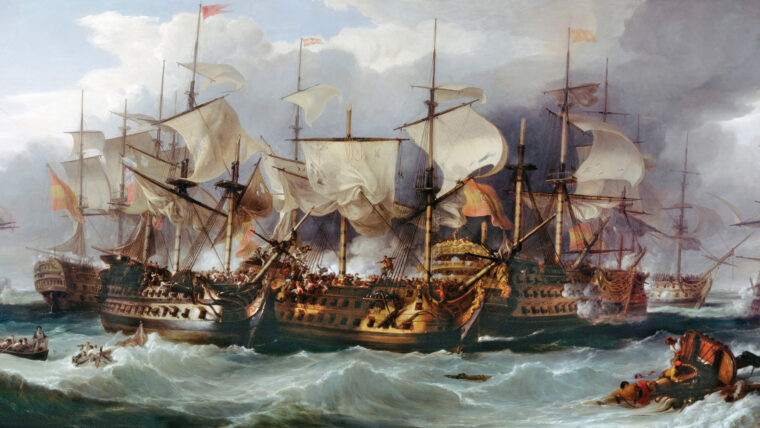
A Triumph of Naval Gunnery at Cape St. Vincent
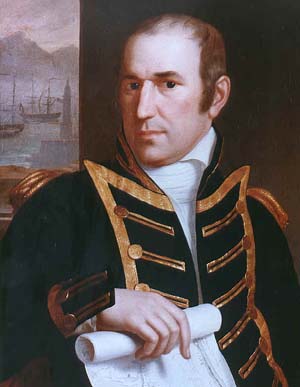
By David A. NorrisOn the morning of February 14, 1797, the four-decked, 136-gun Santisima Trinidad of Spain’s Armada Real claimed the title of the world’s most powerful warship. Read more
naval history
On the morning of February 14, 1797, the four-decked, 136-gun Santisima Trinidad of Spain’s Armada Real claimed the title of the world’s most powerful warship. Read more
naval history
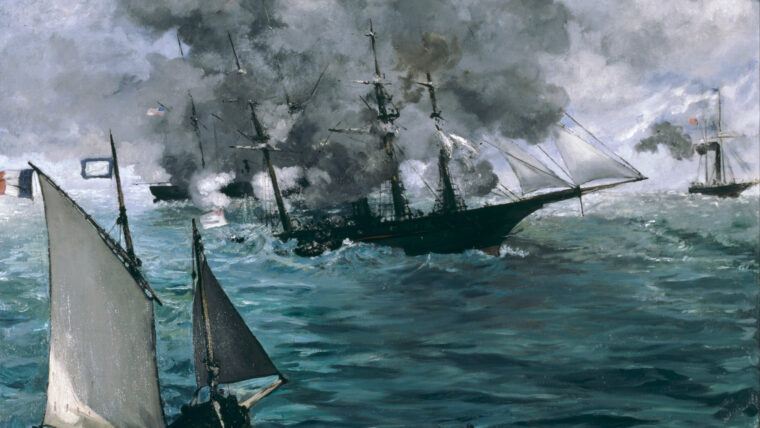
The CSS Alabama went to her watery grave on June 19, 1864, off the coast of France, but the lingering effects of her wartime successes made naval history: she continued to haunt the American and British governments for years to come, embroiling the two English-speaking nations in a legal test of wills that would last well into the next decade. Read more
naval history
The United States Naval Academy Museum at Annapolis, Maryland, is “an educational and inspirational resource for the Naval Academy Brigade of Midshipmen, other students of American naval history and thousands of visitors each year,” according to Shayne Sewell, assistant media relations director at the USNA Public Affairs Office. Read more
naval history
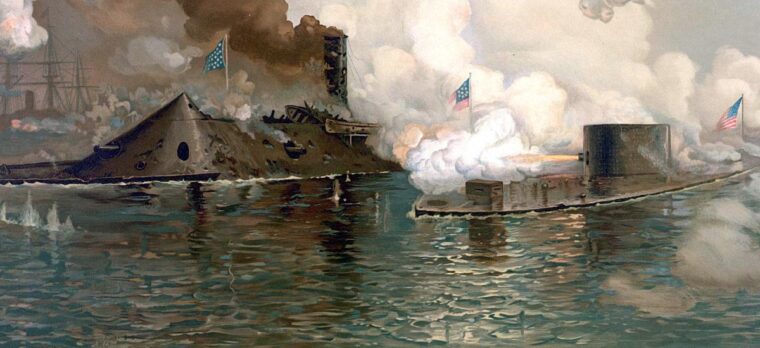
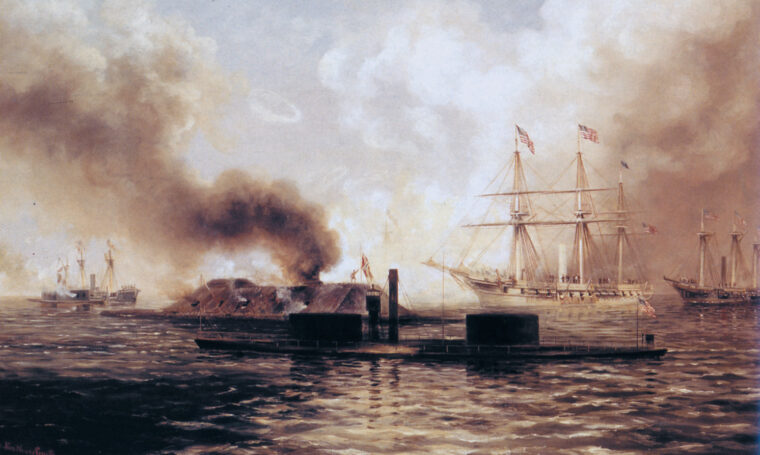
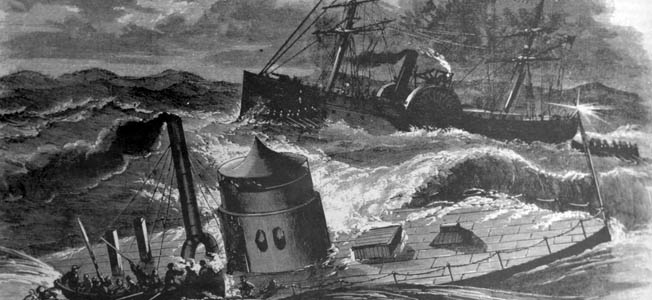
The subsequent careers of the Monitor and Merrimack were not as dramatic as their first clashes. The two ironclads never met in combat again after their infamous battle on March 9, 1862. Read more
naval history
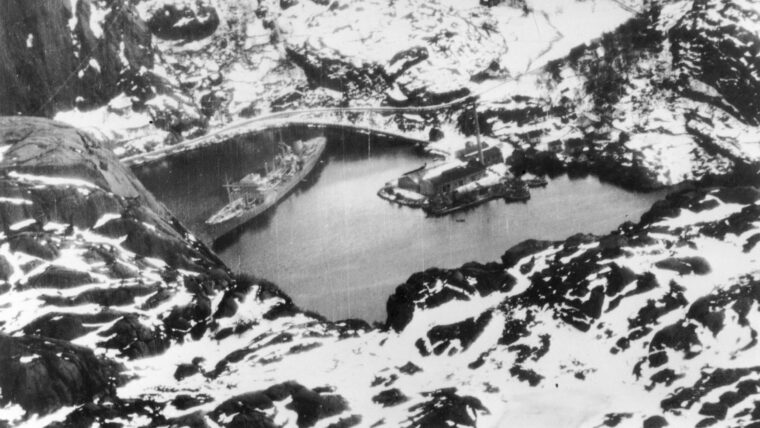
On the morning of February 16, 1940, two Royal Air Force Lockheed Hudson aircraft lifted off from Thornaby Airfield in northern England. Read more
naval history
Most history books teach that the War between the States began on April 12, 1861, when Confederate batteries ringing Charleston harbor fired on Fort Sumter and forced its surrender the following day. Read more
naval history
In 1898, Samuel P. Langley’s first flying prototype sparked interest from the U.S. Navy, which immediately began looking for military applications. Read more
naval history
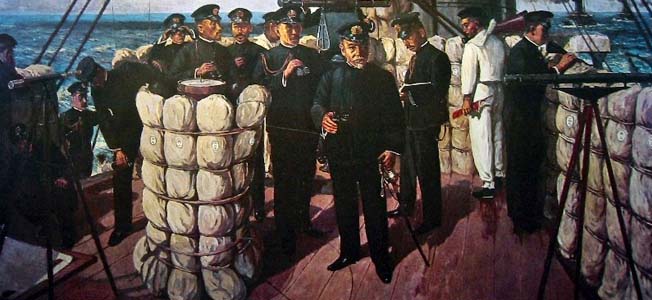
At the turn of the 19th Century, Japanese incursions into Korea forced Russia to fortify her ports at Vladivostok and Port Arthur. Read more
naval history
Known as “Preble’s Boys,” the generation of young American naval leaders who served under Commodore Edward Preble (1761-1807) established the foundation and traditions that shaped and continue to inspire the U.S. Read more