Fort Ticonderoga
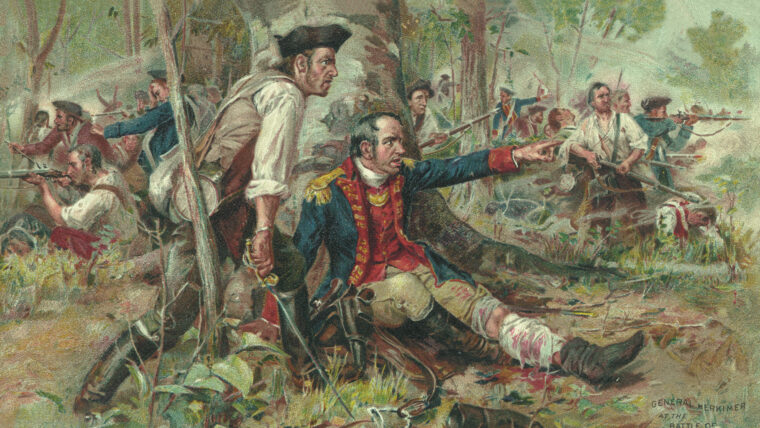
The Battle of Oriskany: Into the Trap
By Donald Roberts IIThe year 1776 ended on a high note for Washington’s Continental Army despite its earlier devastating defeats on Long Island and Manhattan. Read more
Fort Ticonderoga
The year 1776 ended on a high note for Washington’s Continental Army despite its earlier devastating defeats on Long Island and Manhattan. Read more
Fort Ticonderoga
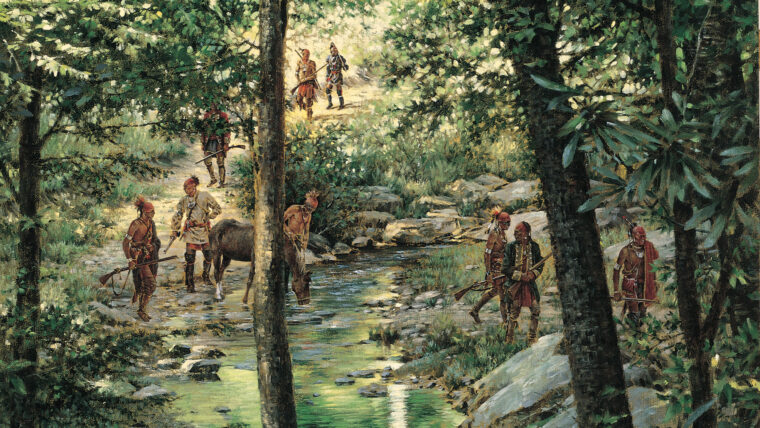
In the 1780s the Founding Fathers of the United States didn’t so much revise the old Articles of Confederation as devise an entirely new government as set forth in the Constitution. Read more
Fort Ticonderoga
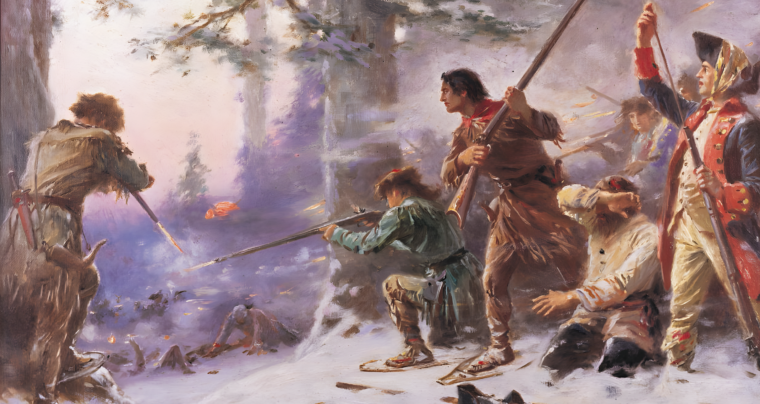
In the fall of 1755, England and France were again at war for control of North America. The French believed that New France extended from Canada to Louisiana. Read more
Fort Ticonderoga
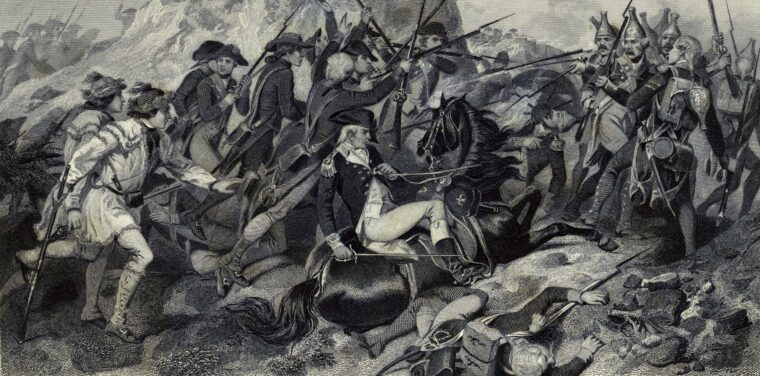
The struggle of the Americans to free themselves of British rule and to establish self-government on their own continent was never in greater peril than in the year 1776, and it was still three years before Benedict Arnold would change sides. Read more
Fort Ticonderoga
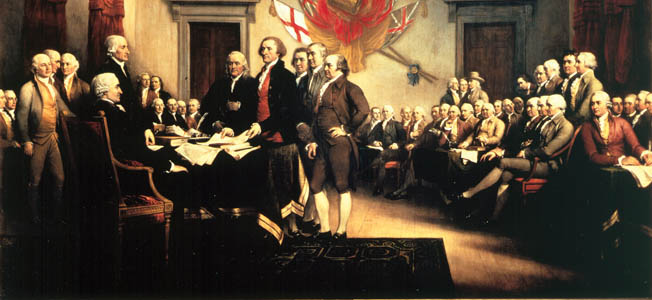
The American Revolution was more than just a war; it was a policial and social upheaval with ramifications that continue to affect the world today. Read more
Fort Ticonderoga
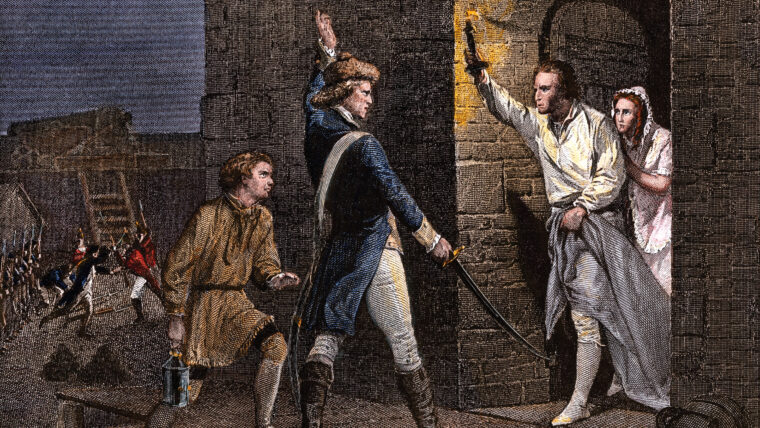
For General Thomas Gage, 1775 was shaping up to be a disastrous year. Gage, who was the supreme British commander in North America, was headquartered in Boston and tasked with the unenviable job of enforcing a blockade of the town’s harbor. Read more
Fort Ticonderoga
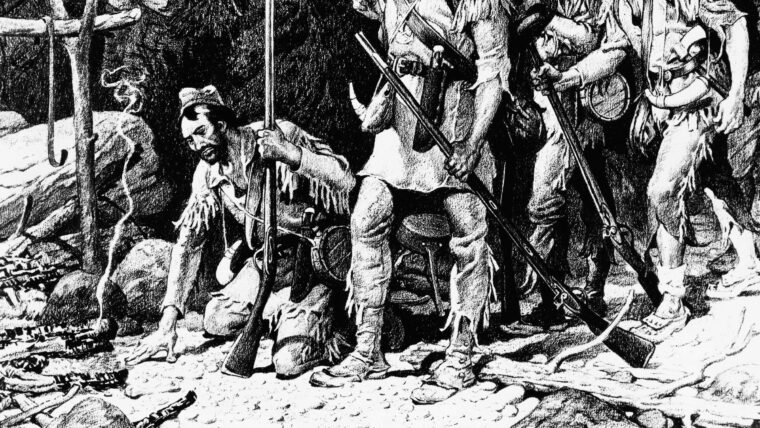
On the evening of September 13, 1759, Major Robert Rogers and 220 hand-picked rangers climbed into 17 whaleboats and rowed across the placid waters of Lake Champlain. Read more
Fort Ticonderoga
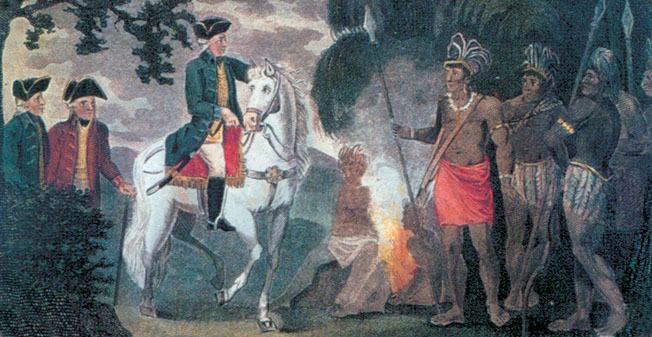
Born in Connecticut in 1747, Justus Sherwood moved west into the rugged New Hampshire Grants (later to become the state of Vermont) in 1766 where he took up trading, surveying and making potash. Read more
Fort Ticonderoga
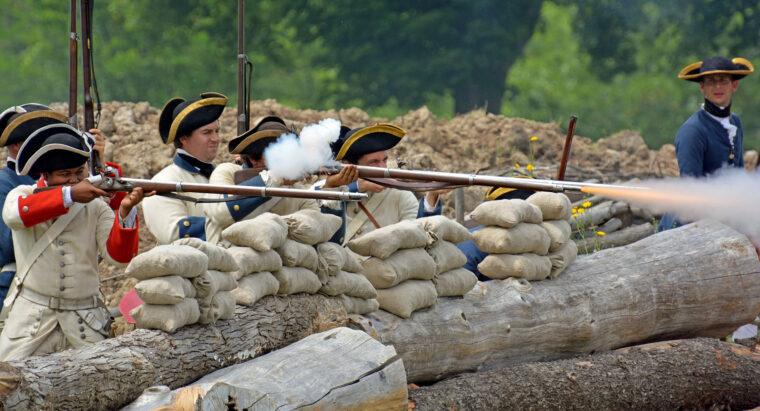
On the morning of July 8, 1758, the largest field army yet gathered by the British Empire in North America stood a mile from a French stone fort in the forests of what was then the colony of New York. Read more