Concentration Camps
Liberating the Camps
By Christopher MiskimonBACKSTORY: The final months of World War II in the European Theater were a harrowing and desperate time for the soldiers who fought there. Read more
Concentration Camps
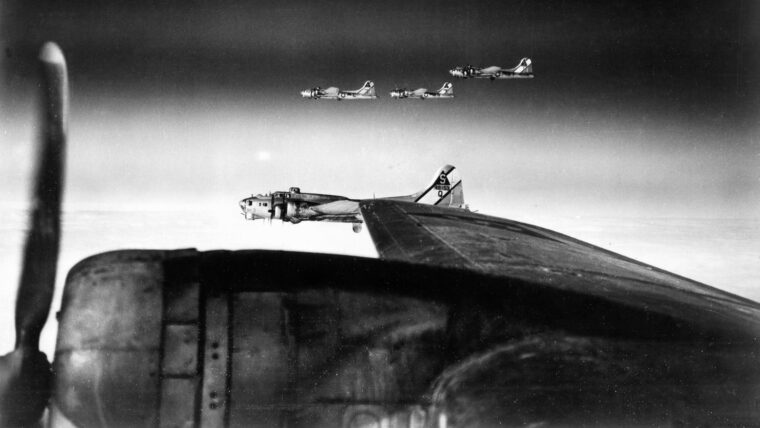
BACKSTORY: The final months of World War II in the European Theater were a harrowing and desperate time for the soldiers who fought there. Read more
Concentration Camps
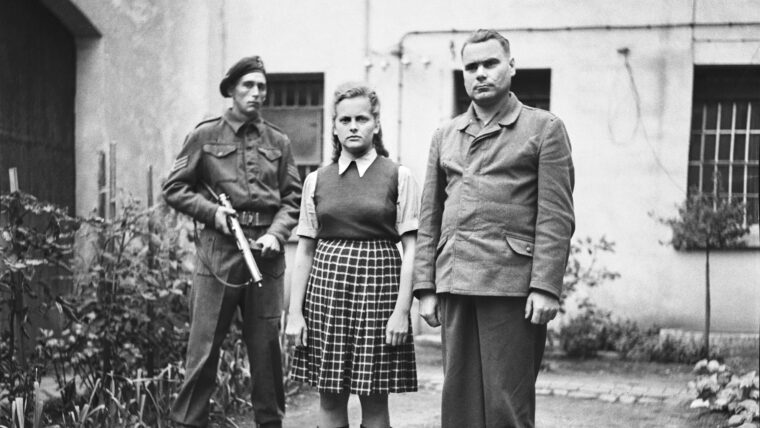
In early 1945, the 50,000 starved and brutalized prisoners incarcerated at KL Buchenwald—the infamous concentration camp located atop a hill known as the Ettersberg, just to the northwest of Germany’s cultural capital of Weimar—were growing desperate. Read more
Concentration Camps
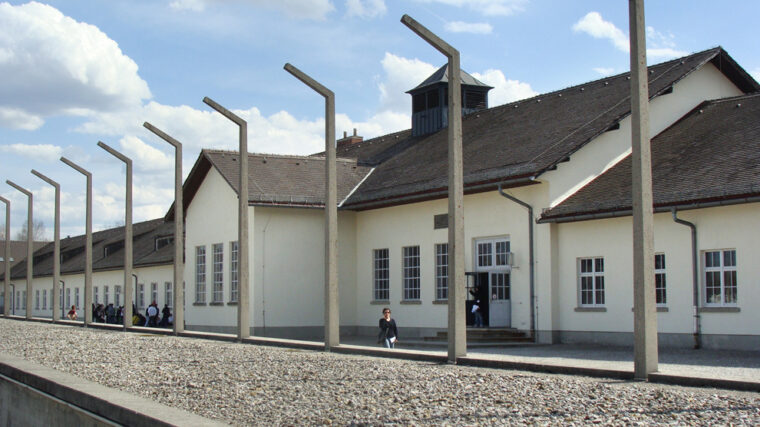
“She was one of the most beautiful women I have ever seen. Her body was perfect in every line, her face clear and angelic, and her blue eyes the gayest, the most innocent eyes one can imagine. Read more
Concentration Camps
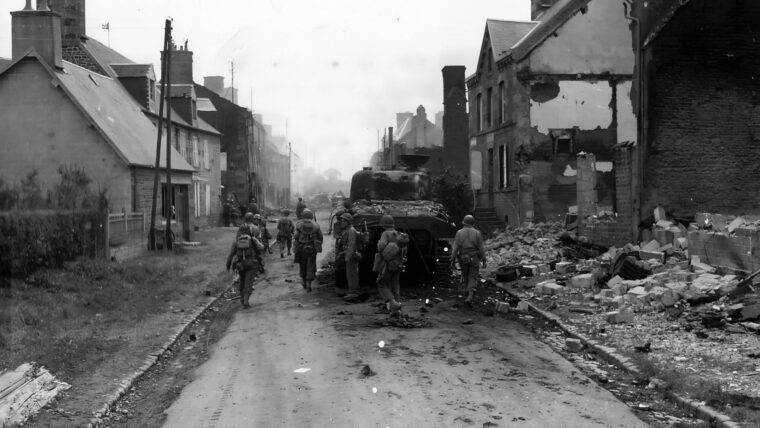
The Nazi regime in Germany has become synonymous with inhuman cruelty. Hitler incarcerated millions in his concentration camps and inflicted on his victims the harshest forms of torture and deprivation imaginable. Read more
Concentration Camps
In October 1813, the combined allied armies of Russia, Austria, Prussia, Sweden, Saxony, and Württemberg met and defeated the French Grand Armee under Napoleon Bonaparte at the German city of Leipzig, forcing him to retreat and hastening his eventual abdication and exile to the island of Elba. Read more
Concentration Camps
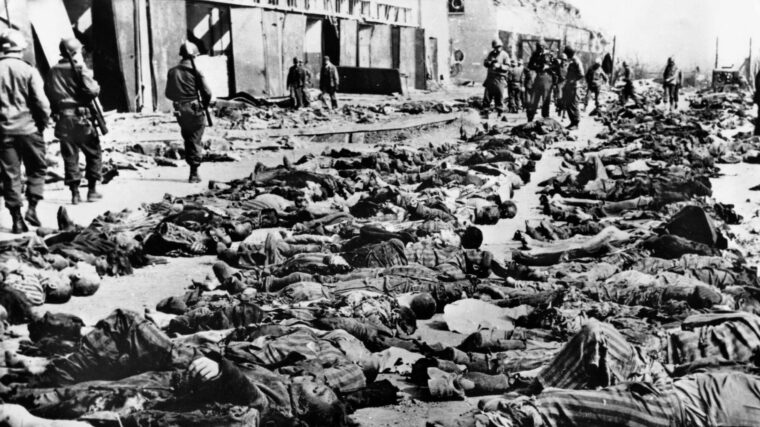
Down in the basement of my father’s medical office a Nazi helmet stood guard. It sat on top of the pea-green Army trunk, CAPT R LEVINSON stenciled in white letters under a beaten-up leather handle. Read more
Concentration Camps
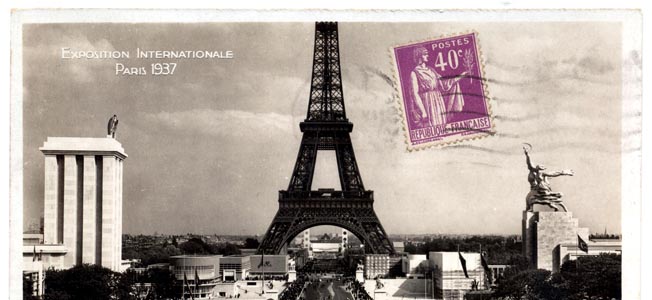
The 1937 Paris International Exposition once again centered world attention on the French capital that had previously been the stage for five world’s fairs, including the famous 1889 Paris Exhibition and the raison d’être for the construction of the Eiffel Tower, at 984 feet then the tallest structure in the world. Read more
Concentration Camps
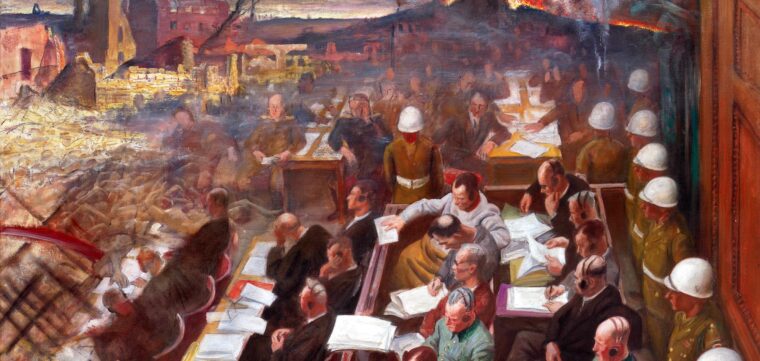
Following the occupation of a defeated Nazi Germany, the victorious Allies initiated a prearranged plan for prosecuting captured Axis officials for war crimes. Read more
Concentration Camps
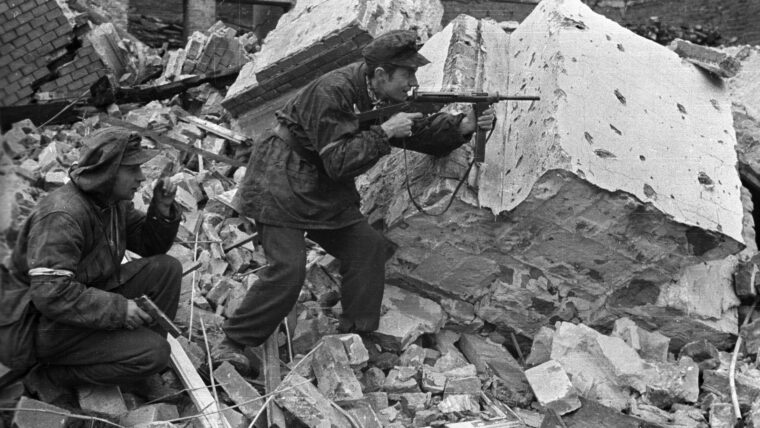
“This mission is suicidal,” thought Bogdan Mieczkowski. In the autumn of 1944, the 19-year-old Polish resistance fighter battled in the Warsaw Uprising. Read more
Concentration Camps
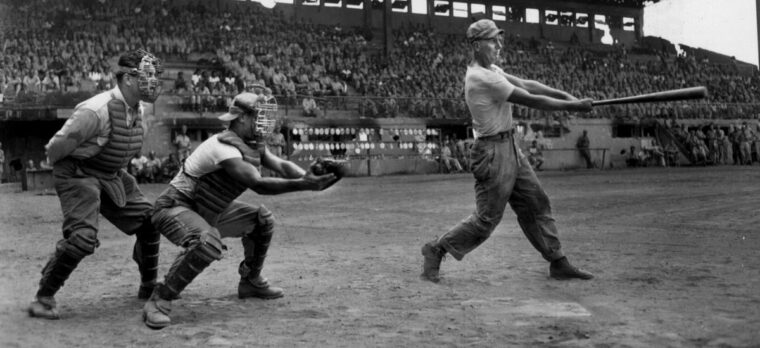
In the 1940s, war disrupted the lives of millions of people around the globe: fuel rationing, food rationing, shortages of all kinds, and, of course, the death and destruction that was visited on cities, nations, and whole populations. Read more
Concentration Camps
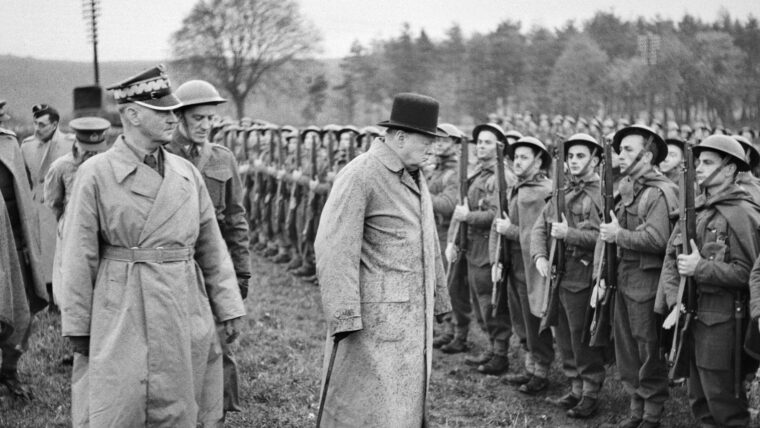
Stanislaw Sosabowski started his military career in the anti-Hapsburg Polish underground movement in 1907, served in the Austrian Army in World War I, and rose to the command of the Polish Parachute Brigade in World War II. Read more
Concentration Camps
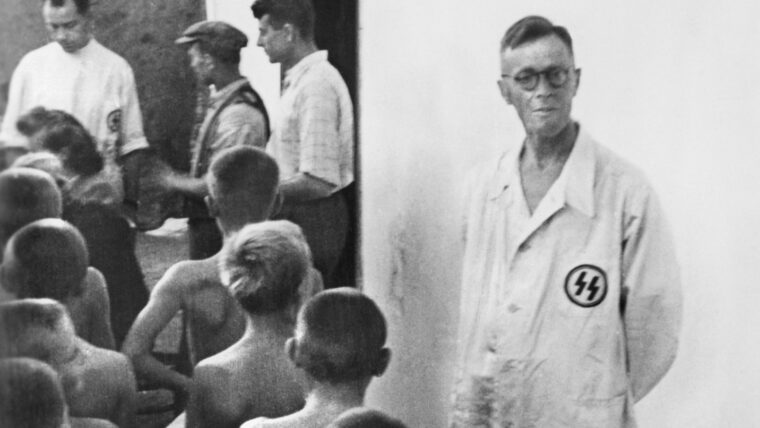
In the summer of 1943, Malgorzata Twardecki, a single mother living in Nazi-occupied Poland, received an ominous order to bring her five-year-old son to the local town council office by 6 the following morning. Read more
Concentration Camps
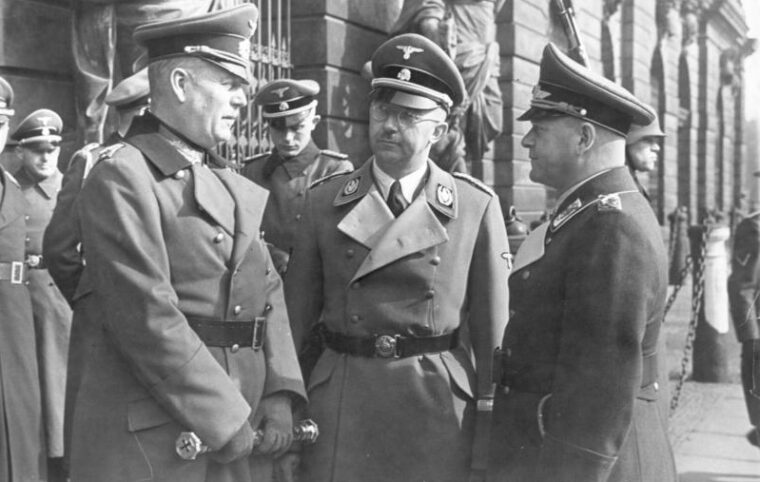
Captured by the Red Army during World War II, diaries written by Heinrich Himmler, Reichsführer of the SS, lay forgotten in the vast, byzantine collections of the Russian Military Archive. Read more
Concentration Camps
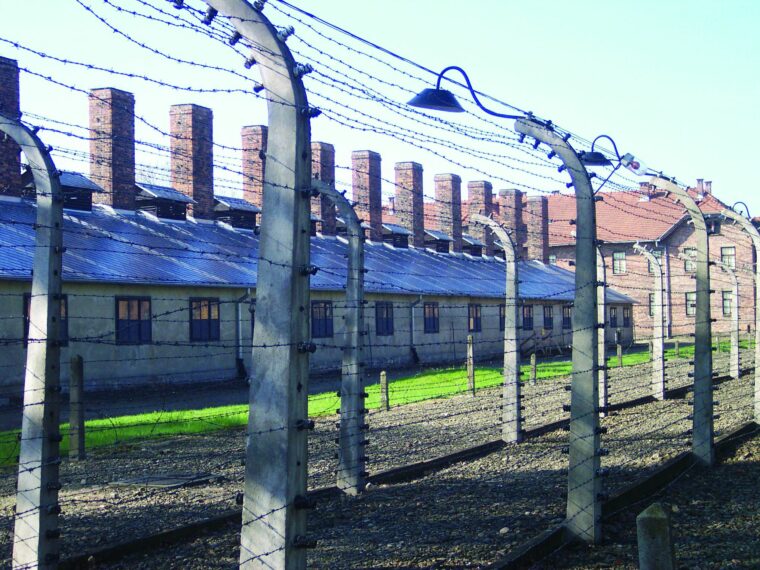
At 10 am on Wednesday April 16, 1947, the former commandant of Auschwitz extermination camp, SS Oberstürm bannführer (lieutenant colonel) Rudolph Hoess, briskly walked under armed escort toward the small wooden gallows specifically built for him inside the camp grounds. Read more