Civil War Quarterly Early Spring 2015
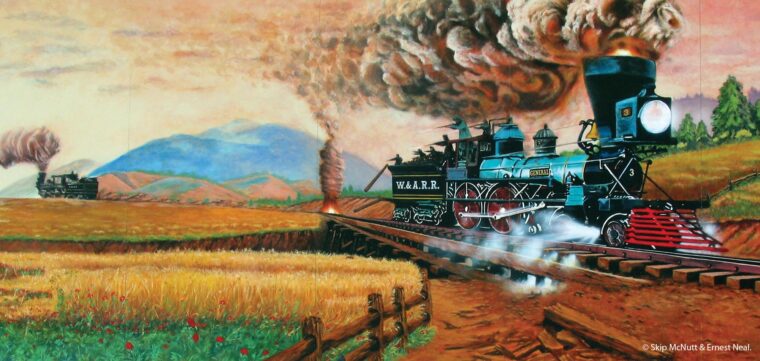
James Andrews vs. William Fuller in the Great Locomotive Chase
By Don HollwayBy early April 1862, the Civil War was already closing in on the South, but the trains still ran on time. Read more
Civil War Quarterly Early Spring 2015
By early April 1862, the Civil War was already closing in on the South, but the trains still ran on time. Read more
Civil War Quarterly Early Spring 2015
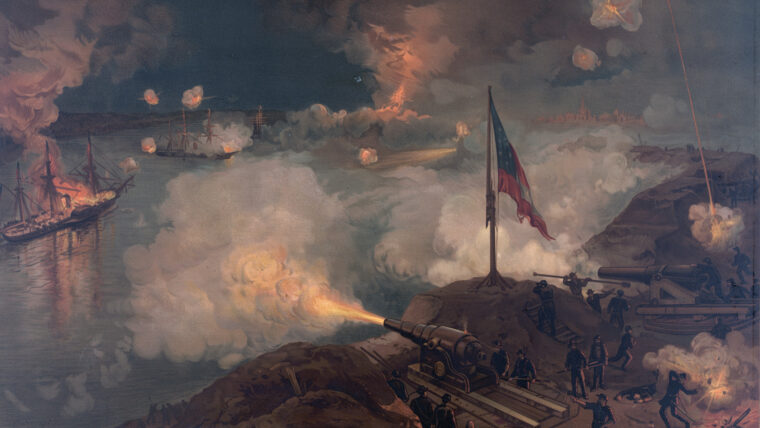
Not long after Union Flag Officer David Farragut of the West Gulf Blockading Squadron received the surrender of New Orleans on April 29, 1862, he began pondering his next move. Read more
Civil War Quarterly Early Spring 2015
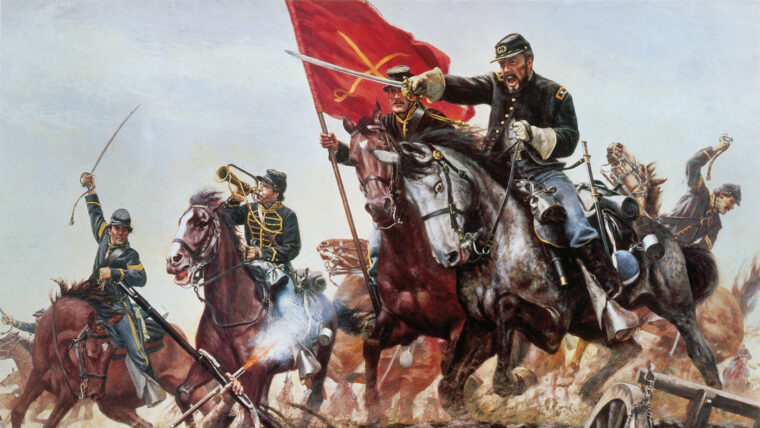
As reveille sounded through the Union encampments on the south bank of the Tennessee River between Eastport, Mississippi, and Chickasaw, Alabama, on March 22, 1865, sleepy Federal troopers roused themselves, built fires, and cooked breakfast. Read more
Civil War Quarterly Early Spring 2015
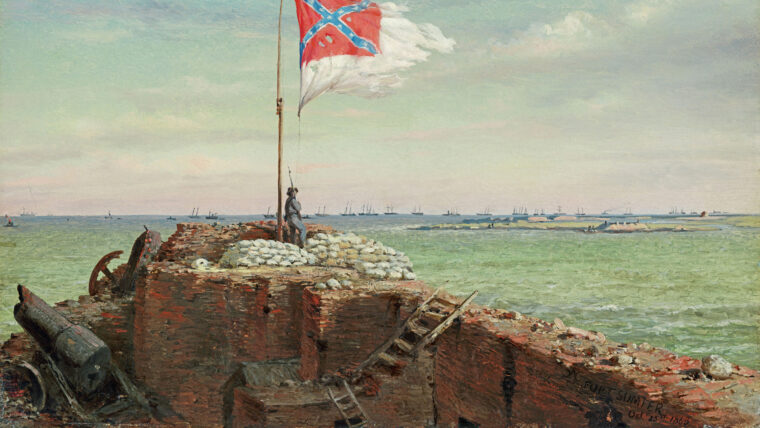
The Union bid to capture Charleston, South Carolina, in April 1863 was set in motion seven months earlier, in the autumn of 1862. Read more
Civil War Quarterly Early Spring 2015
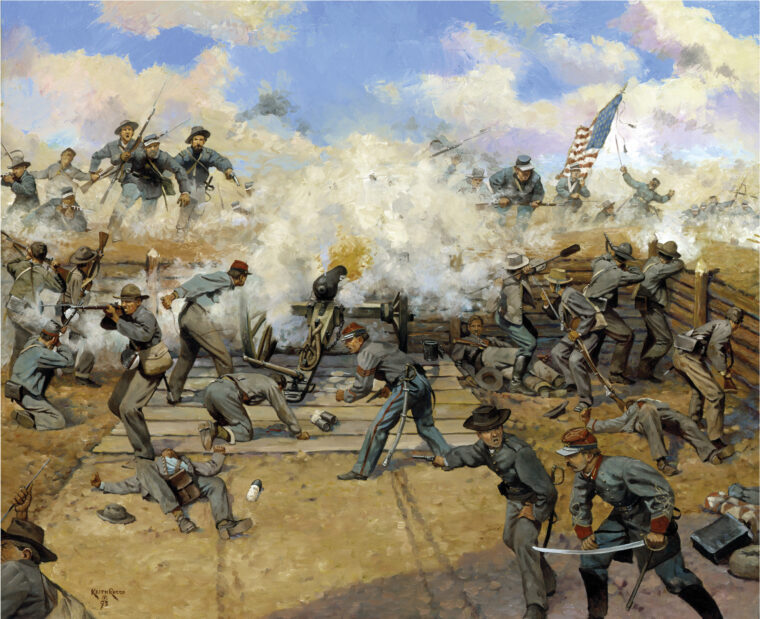
Lieutenant Colonel Horace Porter, personal aide to Lt. Gen. Ulysses S. Grant, maneuvered his mount past ammunition wagons, ambulances, stragglers, and prisoners jamming the muddy roads leading back to headquarters from Five Forks, Virginia, on the evening of April 1, 1865. Read more
Civil War Quarterly Early Spring 2015
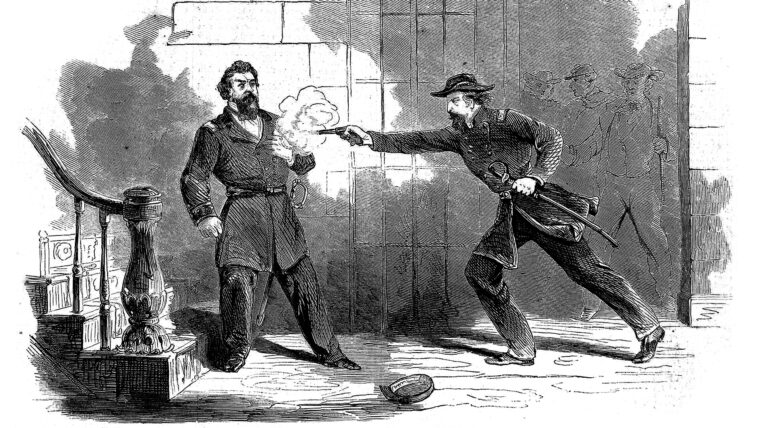
Few Civil War officers, in either army, were as polarizing as Union Maj. Gen. William “Bull” Nelson. Read more
Civil War Quarterly Early Spring 2015
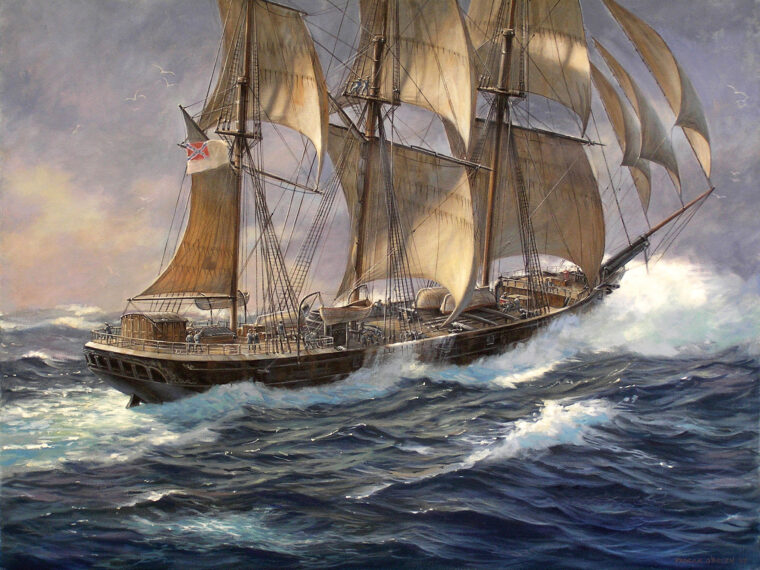
The River Mersey was fog shrouded on the morning of November 6, 1865, and the city of Liverpool was scarcely visible from the deck of the CSS Shenandoah. Read more
Civil War Quarterly Early Spring 2015
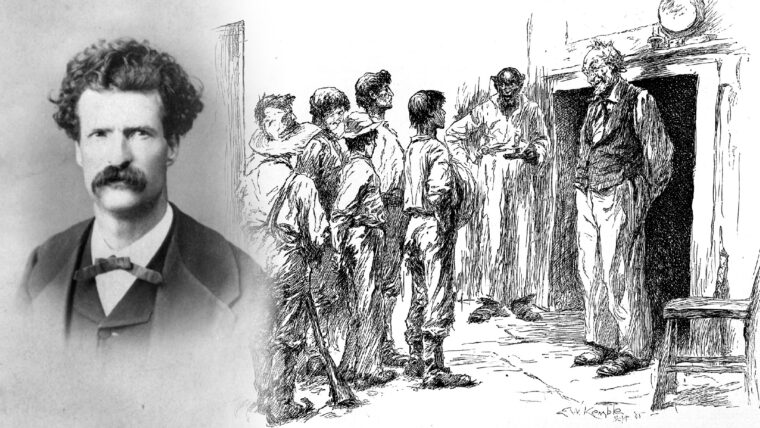
Twenty-five-year-old Mississippi River pilot Samuel Clemens (not yet known by his famous pen name, Mark Twain) was in his home port of New Orleans in late January 1861 when word reached the city that Louisiana had seceded from the Union. Read more