China
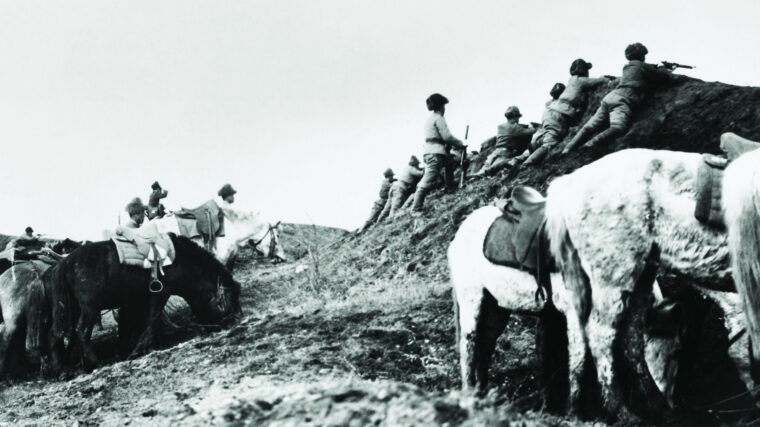
Soviet Invasion of Manchuria: Catching Japan Unawares
By John WalkerAt 11:02 am on August 9, 1945, an American warplane dropped an atomic device nicknamed “Fat Man” onto the city of Nagasaki, Japan. Read more
China
At 11:02 am on August 9, 1945, an American warplane dropped an atomic device nicknamed “Fat Man” onto the city of Nagasaki, Japan. Read more
China
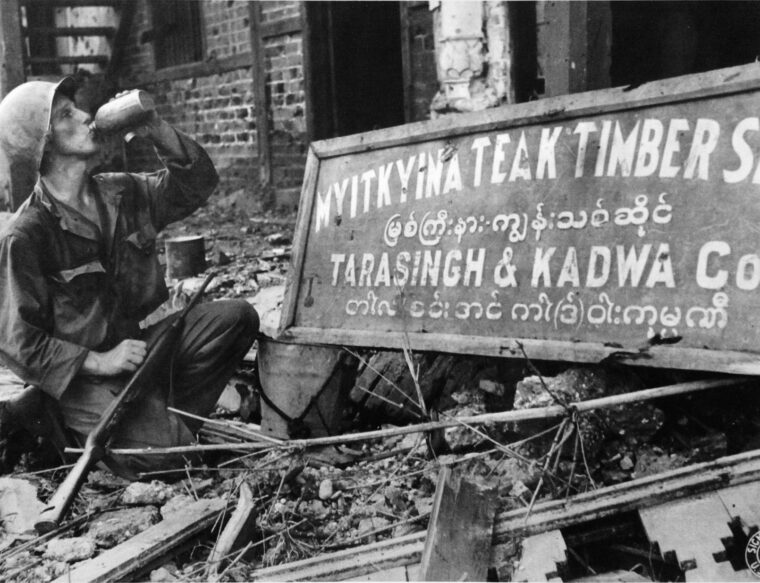
General Joseph W. “Vinegar Joe” Stilwell and his Sino-American Myitkyina Task Force (MTF), in a coup de main attack, seized the vital Japanese-controlled airfield just west of the town of Myitkyina on the great Irrawaddy River in northern Burma on May 17, 1944. Read more
China
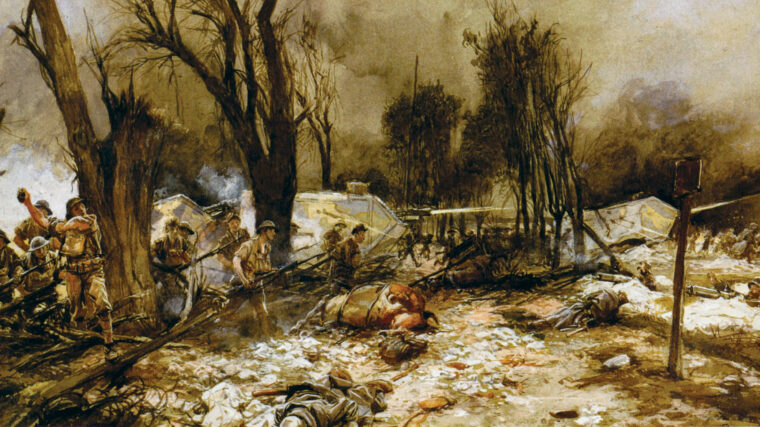
In director Howard Hawks’s 1941 film classic, Sergeant York, then-Corporal Alvin York, portrayed by Gary Cooper, single-handedly knocks out more than 30 German machine-gun nests and, with little assistance, captures 132 enemy soldiers. Read more

China
During the first year of American participation in World War II, the Curtiss P-40 Warhawk (Kittyhawk or Tomahawk to the British) came to symbolize the United States Army Air Corps as it fought a desperate war to hold the Japanese in check. Read more
China
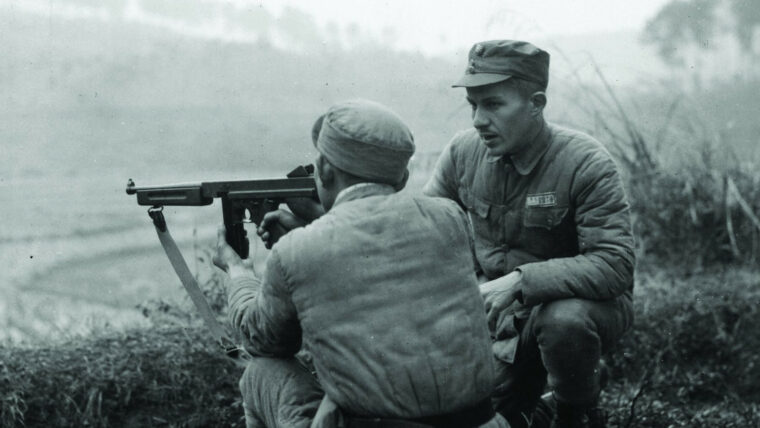
On the night of August 19, 1943, a lone British Handley Page Halifax bomber flew over Nazi-occupied Yugoslavia. Read more
China
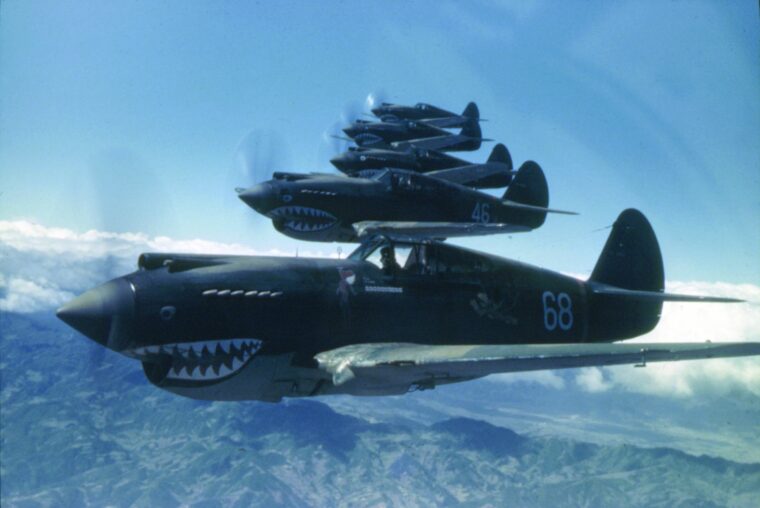
Laden with 500-pound bombs and incendiaries, 10 Japanese twin-engine Mitsubishi Ki21 Sally bombers took off from the Hanoi airfield in Indochina on the morning of Saturday, December 20, 1941. Read more
China
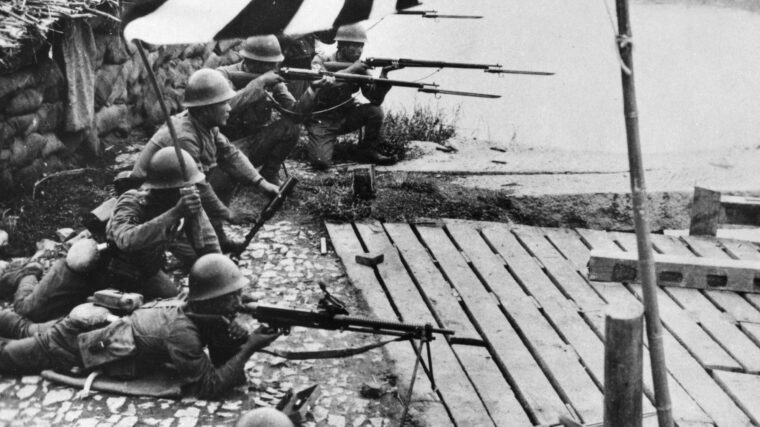
Around 10 o’clock on the morning of December 13, 1937, New York Times correspondent Hallett Abend received an unexpected visitor: Rear Admiral Tadao Honda of the Imperial Japanese Navy. Read more
China
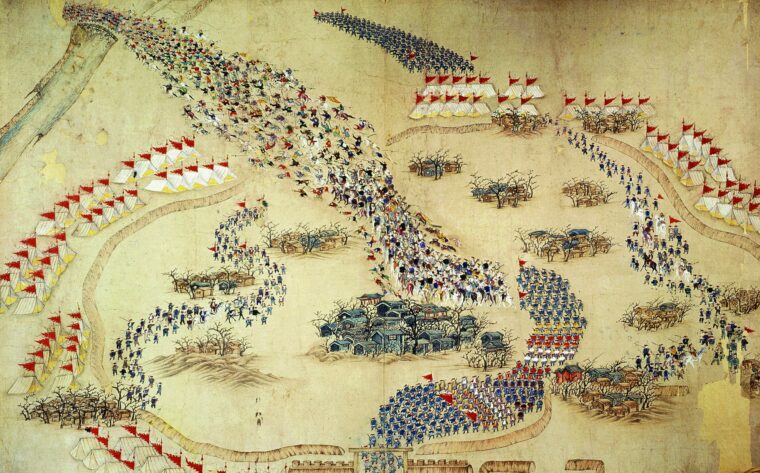
Wu Hsu was having trouble sleeping. As the taotai, or mayor, of Shanghai, Wu was charged with the ultimate welfare of China’s greatest cosmopolitan city. Read more
China
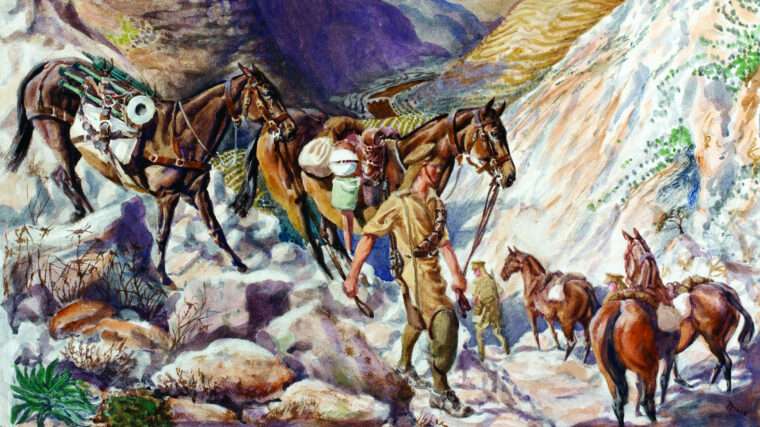
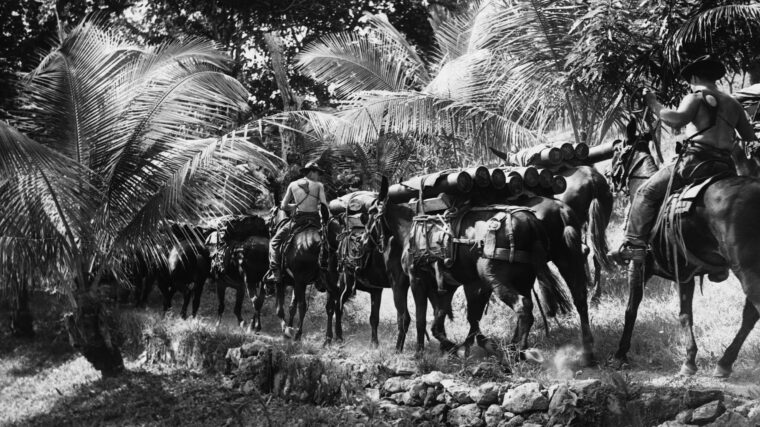
Not all World War II heroes were men or women. Some were four-legged, hoofed, or winged. They included horses and mules, elephants, and dogs as well as more exotic animals such as bats, camels, reindeer, and pigeons. Read more
China
In the words of a veteran of the China-Burma-India Theater, retired Technical Sergeant Edward Rock Jr., [they] “served without a word of complaint or lack of courage. Read more
China
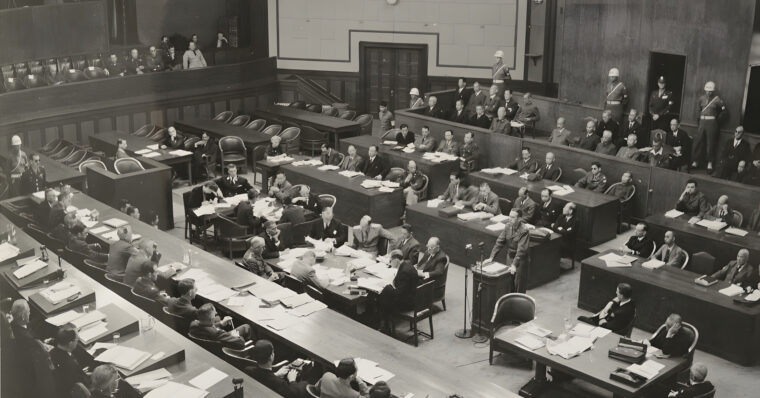
When the Tokyo War Crimes Trials opened in the former hilltop headquarters of the Japanese military at Ichigaya on May 3, 1946, American-born chief prosecutor Joseph Keenan faced a difficult task. Read more
China
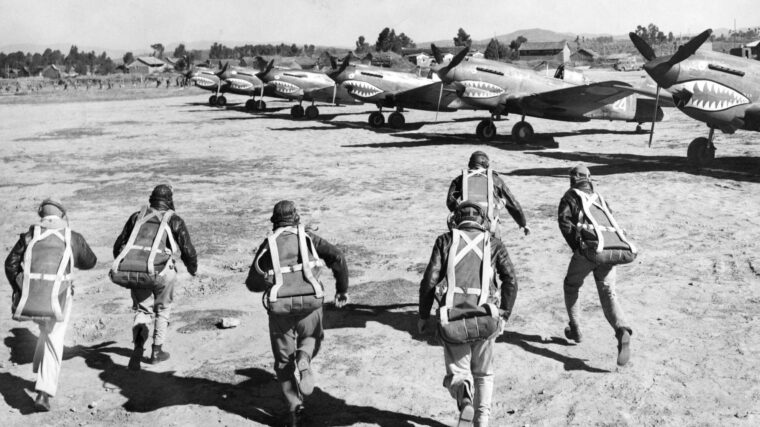
On May 4, 1942, American Volunteer Group (AVG) pilots Charlie Bond and Bob Little were in the alert area at Paoshan, China, a small grass aerodrome just north of Burma. Read more
China
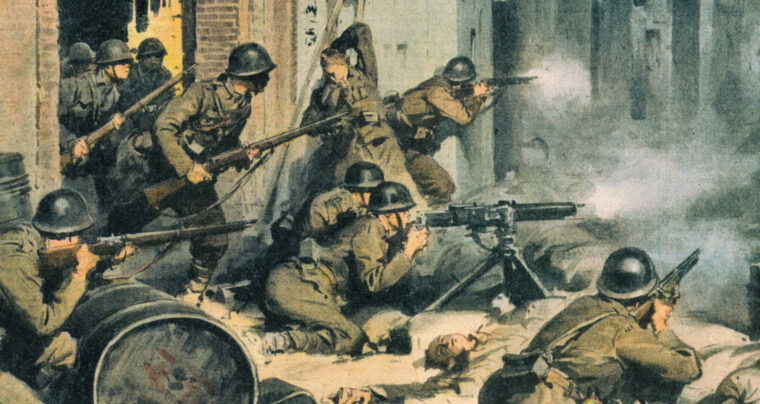
In the 1930s Shanghai was in its heyday, a teeming metropolis of some 3.5 million people. The great city was a fascinating blend of cultures, its very existence refuting Rudyard Kipling’s famous aphorism. Read more
China
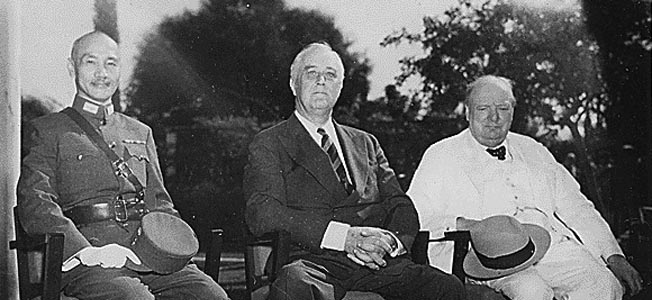
The Chinese Army of 1932-1937 reflected the political and social upheaval that plagued the country during this period. Read more
China
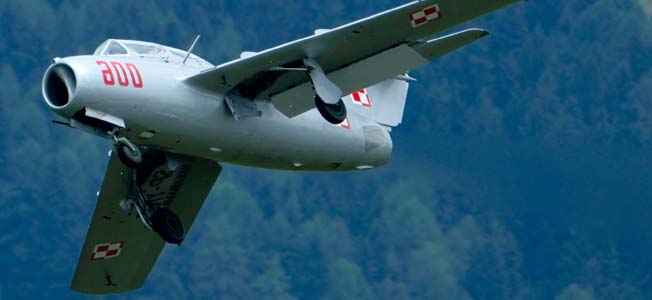
The Korean War was not only a landmark conflict under the guidance of the United Nations, but it was also the first serious testing ground for jet-to-jet combat. Read more
China
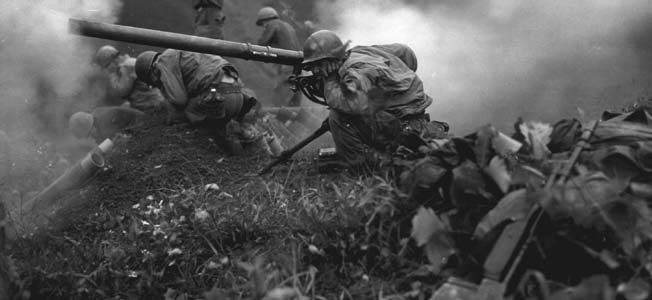
With the end of World War II, the Korean peninsula was divided at the 38th parallel into Soviet and U.S. Read more
China
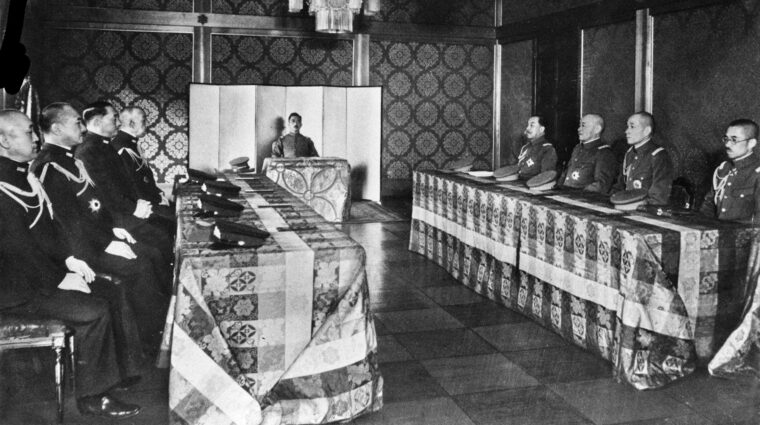
One morning in early January 1882, Japan took its first unknowing step toward eventual world war. On that day Mutsuhito, the emperor of Japan, handed a document known as the Imperial Rescript to Soldiers and Sailors to Army Minister, Oyama Iwao. Read more
China
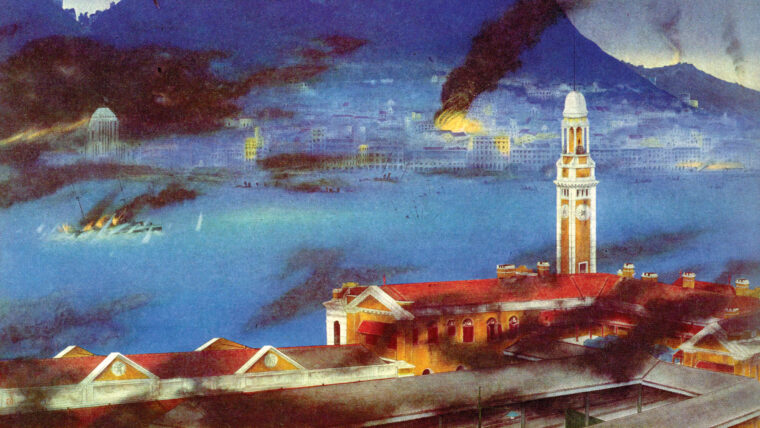
With rhythmic tread, the Canadian soldiers marched behind the bagpipers of the Royal Scots up Nathan Road. Read more