Bastogne
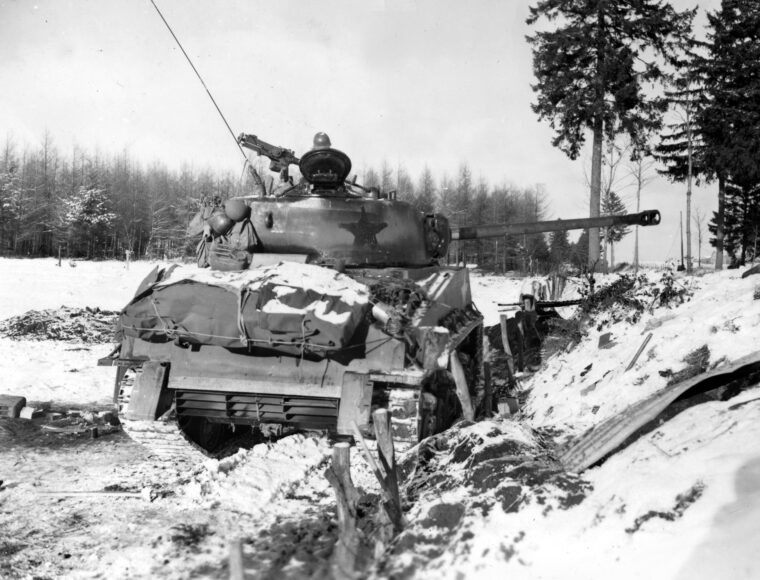
Deadly Drive to Bastogne
By Christopher MiskimonPrivate Bruce Fenchel was writing a letter home when his first sergeant burst into the barracks room. “Pack your duffel bags and get ready to roll,” the NCO said ominously. Read more
Bastogne
Private Bruce Fenchel was writing a letter home when his first sergeant burst into the barracks room. “Pack your duffel bags and get ready to roll,” the NCO said ominously. Read more
Bastogne
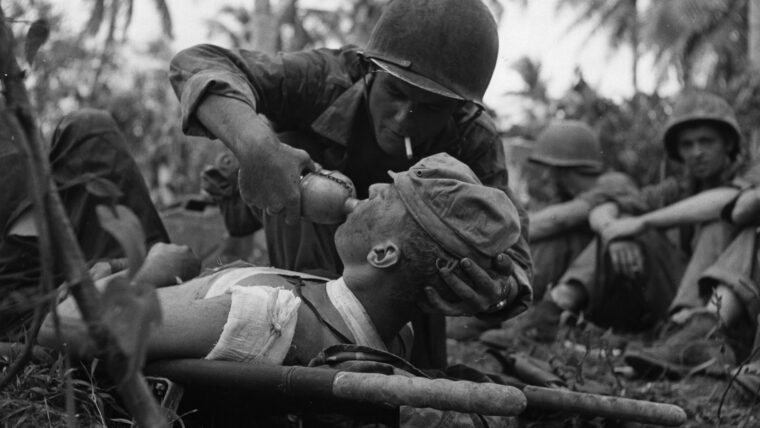
For centuries wounded soldiers of every nation were responsible for much of their own care. Medical attention was primitive and often not a high priority for military planners beyond the officer corps. Read more
Bastogne
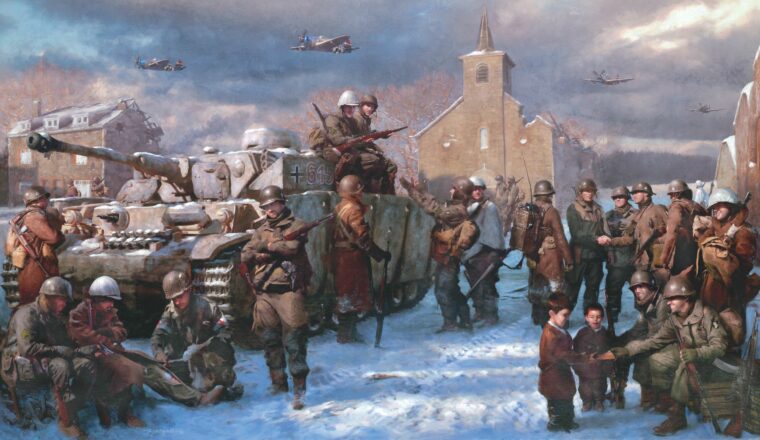
Paratrooper Ed Mauser never forgot the first thing he saw when he leaped from the doorway of his C-47 transport plane in the opening hours of D-Day, June 6, 1944. Read more
Bastogne
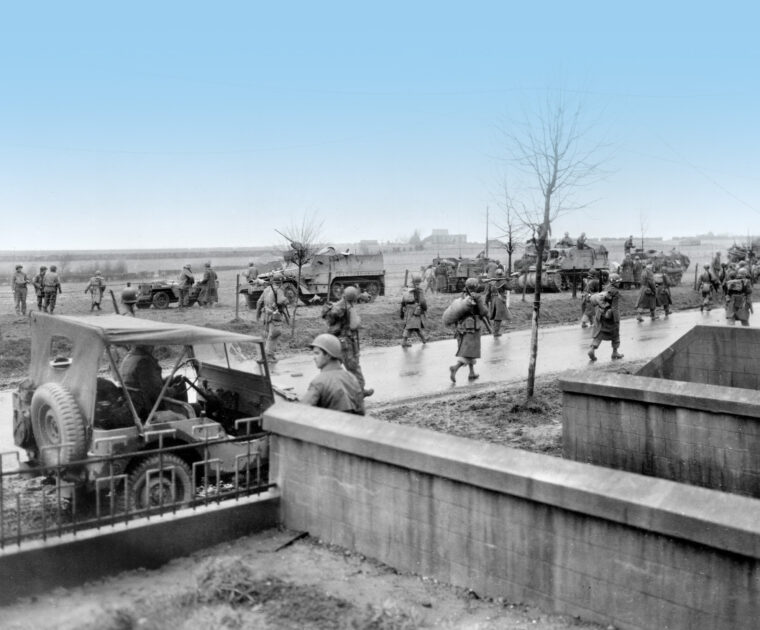
When word reached 21-year-old Private Bradford “Brad” Freeman in Mourmelon-le-Grand, France, that the entire 101st Airborne Division was being put on 24-hour alert for movement to the front, he was neither surprised nor shocked. Read more
Bastogne
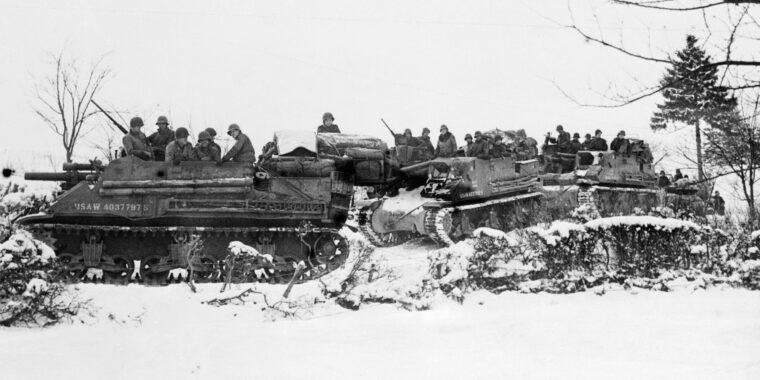
Wednesday, December 27, 1944, found the military situation in the Ardennes Forest of Belgium stalemated. After 12 days of unrelenting struggle, the American and German forces on this part of the Western Front found themselves locked in brutal combat, unable to drive each other back. Read more
Bastogne
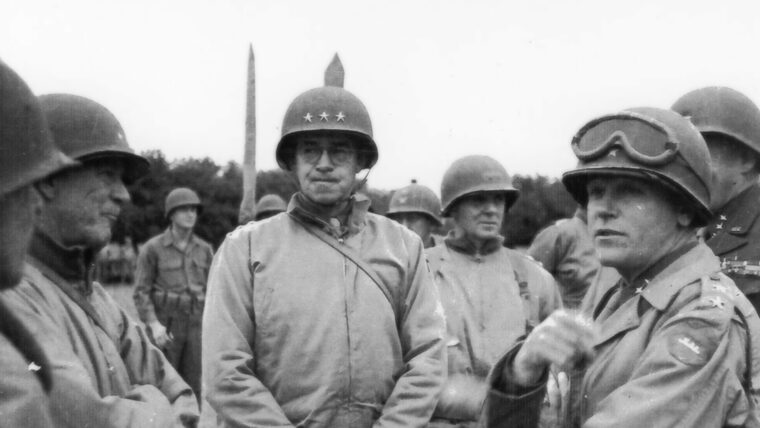
General George S. Patton, Jr., once said, “An army is like a piece of cooked spaghetti. You can’t push it, you have to pull it after you.” Read more
Bastogne
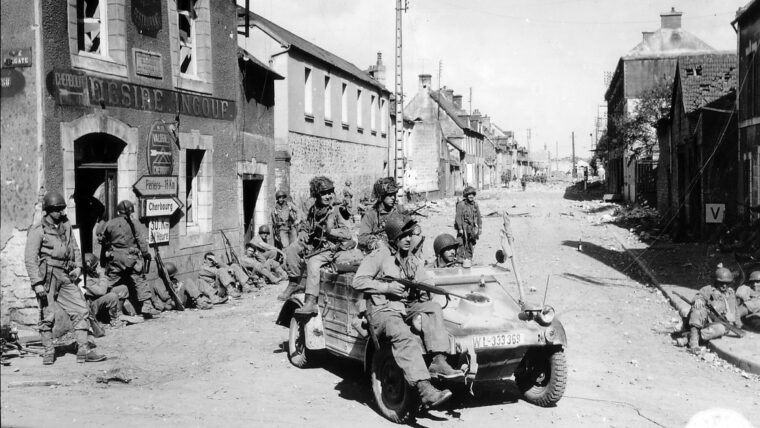
Donald Malarkey’s comrades thought highly of him as a warrior and as a man. Staff Sergeant William “Wild Bill” Guarnere considered him his hero. Read more
Bastogne
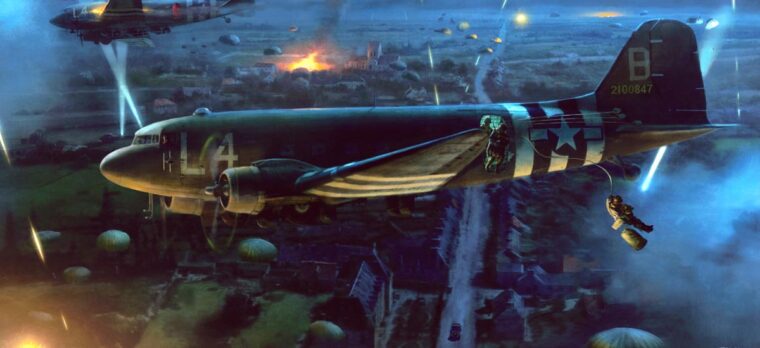
By Elmer Wisherd with Nan Wisherd
Elmer Wisherd was born on December 1, 1920, in North Dakota. Shortly thereafter, his family moved to a farm in Bruce, Wisconsin. Read more
Bastogne
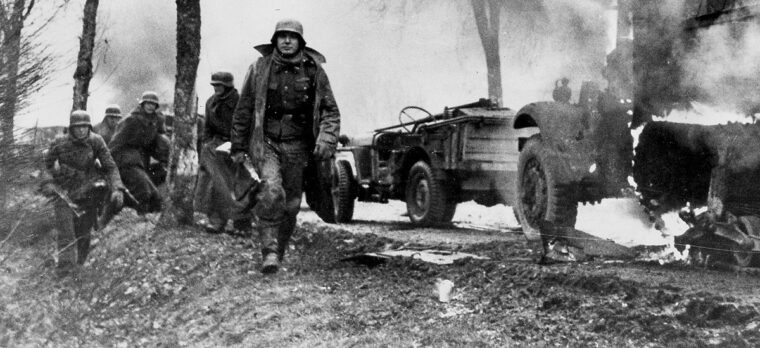
The American airborne troops shivered in their foxholes as temperatures plummeted on Christmas Eve 1944. Behind them to the east lay the beleaguered town of Bastogne. Read more
Bastogne
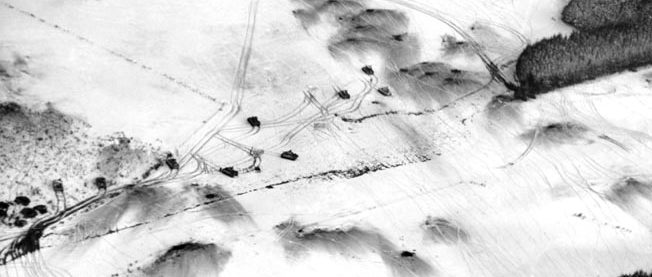
Nobody knew it in the 6th Armored Divisions 9th Armored Infantry Battalion, but the tide of the Battle of the Bulge had turned by the time the outfit moved into snow-covered fields and forests near Bastogne. Read more
Bastogne
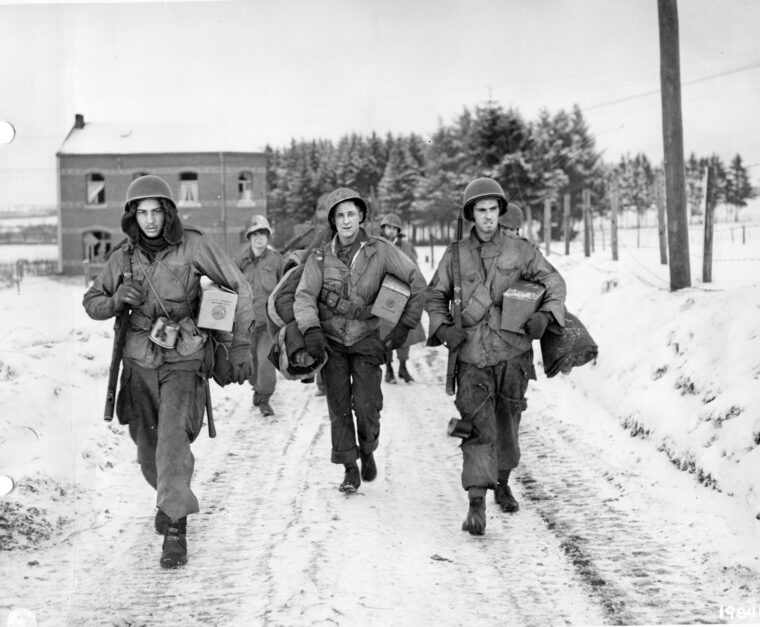
“DON’T WORRY, GUYS––the Airborne is here!” shouted Private Howard Buford to the worn-out GIs he and his fellow paratroopers passed on the snowy road through Bastogne in the early hours of December 19, 1944. Read more
Bastogne
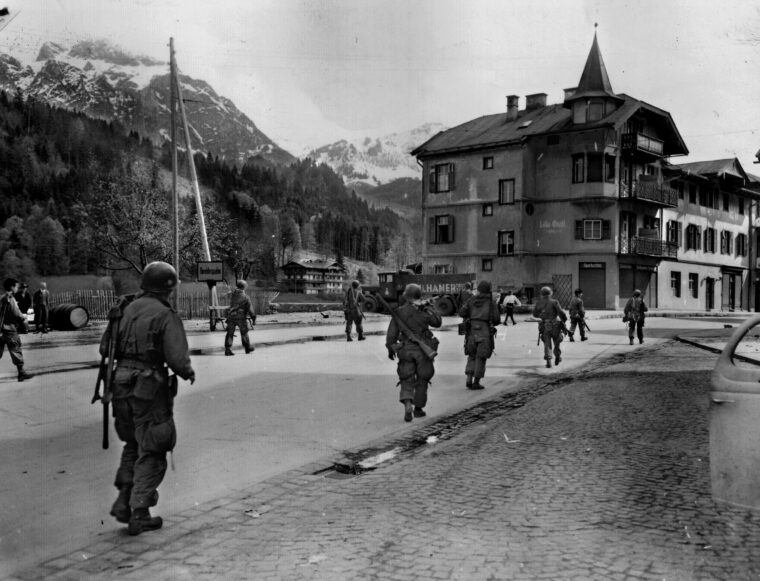
Darrell “Shifty” Powers was a soft-spoken machinist who never aspired to greatness. He was born, grew up, got married, raised his family, worked, retired, and died in Clinchco, a remote mining town in southwest Virginia. Read more
Bastogne
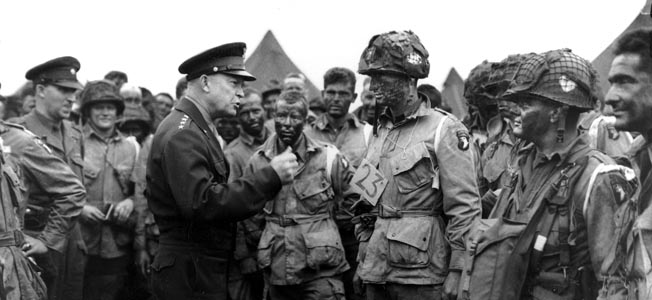
In an effort to calm his nerves just before he jumped into Normandy on D-Day, Lud Labutka thought it might be a good idea to accept the drink being offered from the paratrooper sitting across from him on their C-47 transport as it crossed the English Channel. Read more
Bastogne
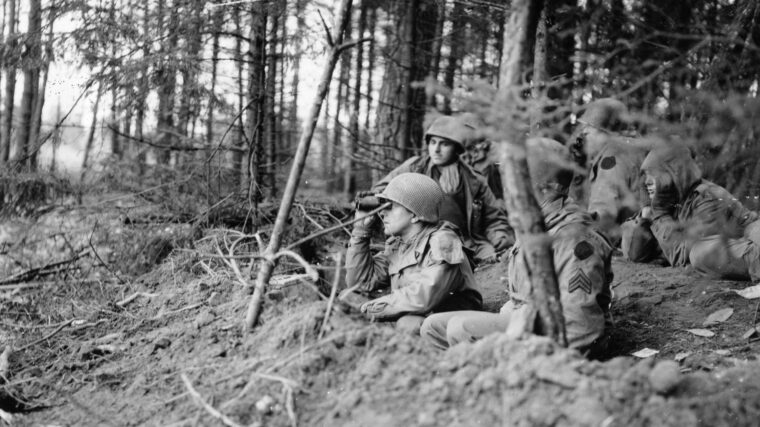
By mid-January 1945, the famous Battle of the Bulge, a massive and fatal failure for the Third Reich, was virtually over. Read more
Bastogne
After the war in Europe was won, General Dwight D. Eisenhower had many opportunities to review various campaigns with the leaders of the Soviet Army–– including even Joseph Stalin himself. Read more
Bastogne
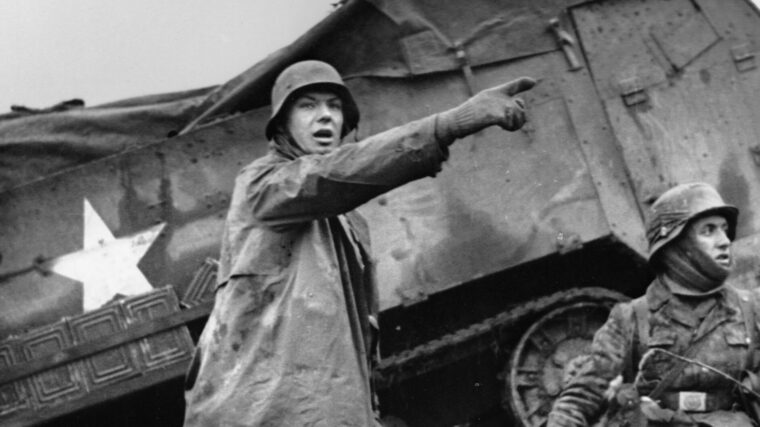
In the first installment, a large German force made a surprise counteroffensive against American positons along the Belgian-German border—an operation that became known in the West as “the Battle of the Bulge.” Read more
Bastogne
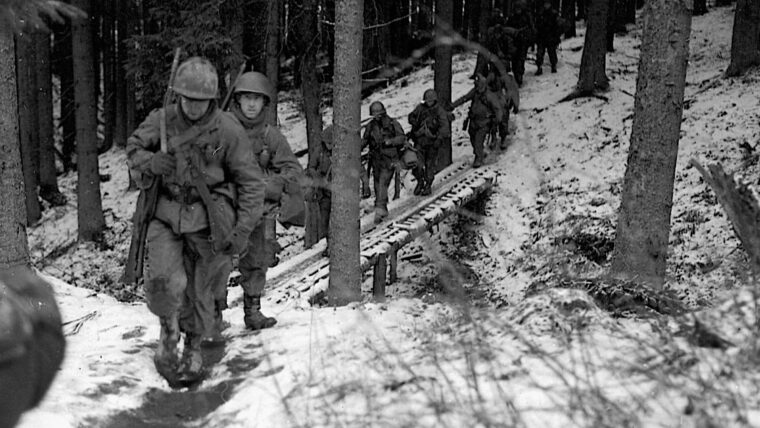
BACKSTORY: Unternehmen Wacht-am-Rhein (Operation Watch on the Rhine), better known in the West as the Battle of the Bulge, had its beginnings following the failed assassination attempt on Adolf Hitler’s life by Colonel Count Claus Schenk von Stauffenberg and a group of other high-level plotters who felt that their Führer was not only leading Germany to defeat but also its doom, and thus had to be eliminated. Read more
Bastogne
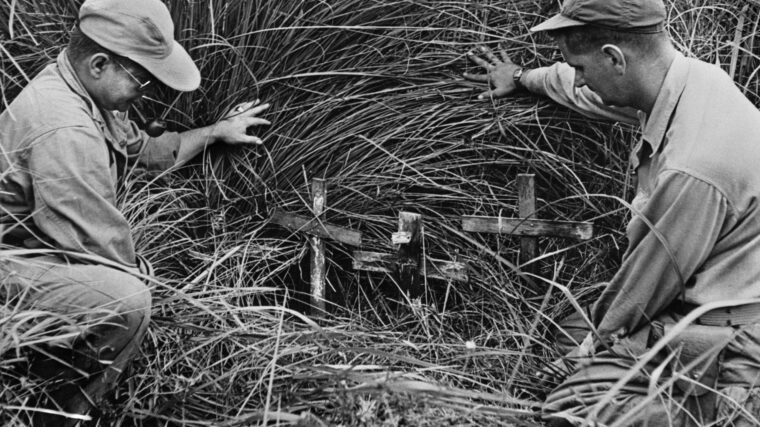
The very nature of war means that some participants will be killed and others will be wounded, and some estimate the deaths in WWII to be around 85 million. Read more
Bastogne
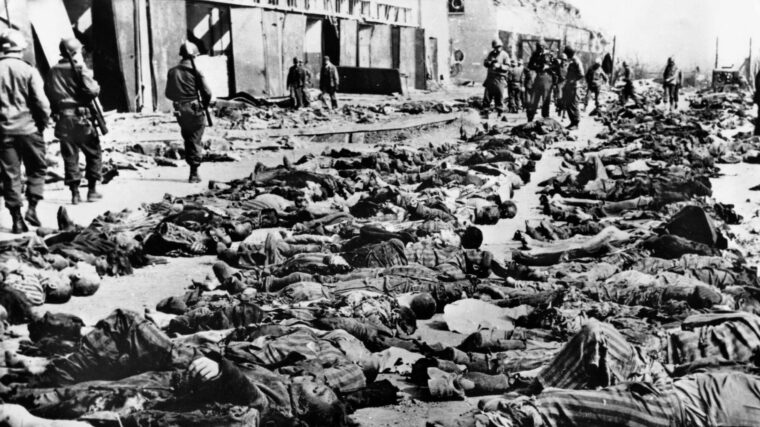
Down in the basement of my father’s medical office a Nazi helmet stood guard. It sat on top of the pea-green Army trunk, CAPT R LEVINSON stenciled in white letters under a beaten-up leather handle. Read more
Bastogne
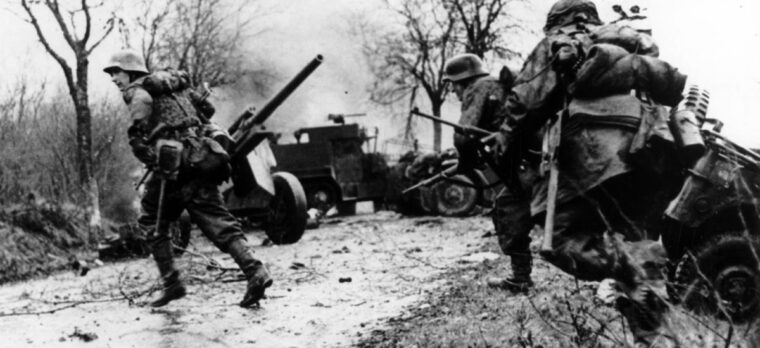
An eternal grayness created a sense of constant gloom. The short, wintry days ended quickly, giving way to endless hours of dark, monotonous cold, and ever-present clouds of ghostlike fog crept slowly over the landscape, blocking all sight. Read more