Army of the Potomac
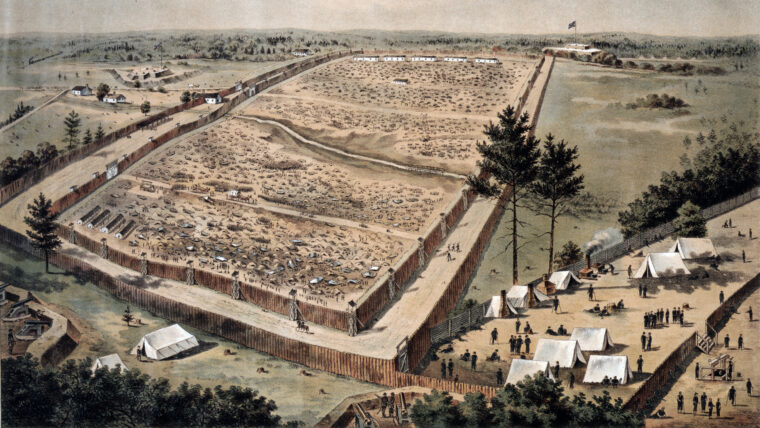
Prisons of the Civil War: An Enduring Controversy
By Michael E. HaskewThe June 19, 1861, editorial in the Charleston Mercury newspaper warned: “War is bloody reality, not butterfly sporting. Read more
Army of the Potomac
The June 19, 1861, editorial in the Charleston Mercury newspaper warned: “War is bloody reality, not butterfly sporting. Read more

Army of the Potomac
By Eric Niderost
July 3, 1863, dawned clear and bright, the warm sun promising even greater heat to come. By noon, temperatures were already in the low 90s, a typically hot and humid summer day in southern Pennsylvania. Read more
Army of the Potomac
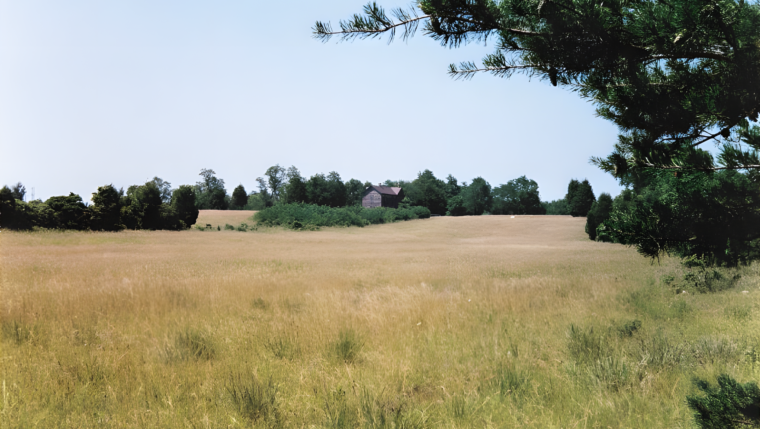
As the bright red sun was slowly setting over their shoulders on the balmy evening of August 28, 1862, Union troops marching east along the Warrenton Turnpike knew nothing of what awaited them. Read more
Army of the Potomac
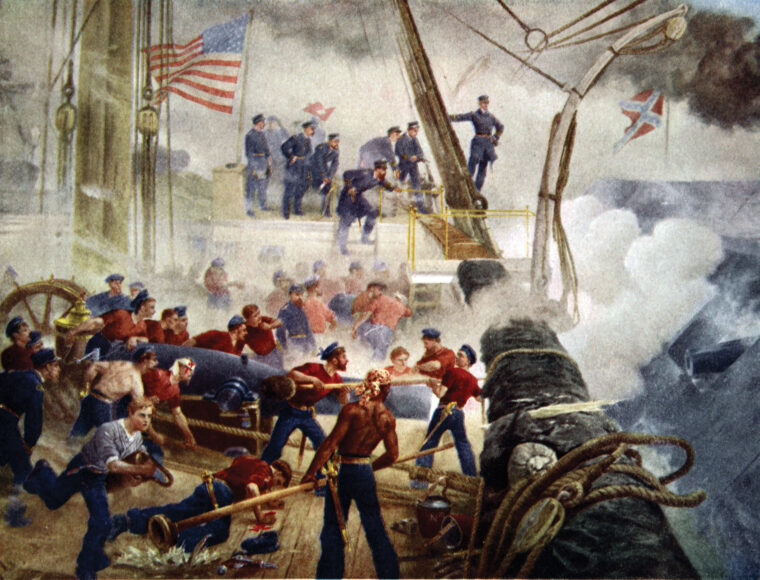
On the night of August 4, 1864, in the cabin of his flagship the USS Hartford, Admiral Farragut read his Bible, arriving at ultimate assurance that God was on his side. Read more
Army of the Potomac
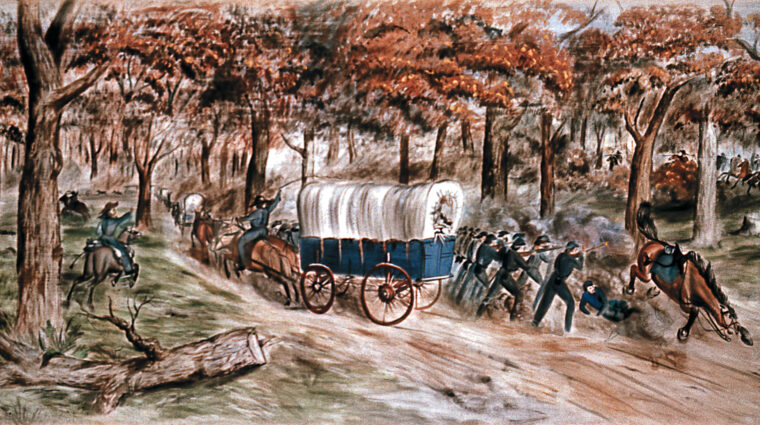
During the evening of September 20,1863, the following message reached Washington and was given to the president of the United States: “We have met with a serious disaster; extent not yet ascertained. Read more
Army of the Potomac
Colonel John F. Hartranft surveyed the blue-jacketed ranks to his front with a mixture of frustration and humiliation, and some of the men returned the favor. Read more
Army of the Potomac
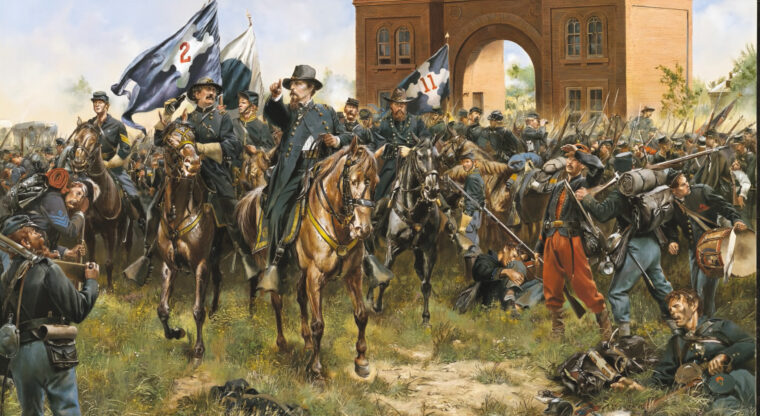
On East Cemetery Hill at Gettysburg National Military Park, an equestrian statue of Maj. Gen. Winfield Scott Hancock stands facing west toward the Evergreen Cemetery gatehouse. Read more
Army of the Potomac
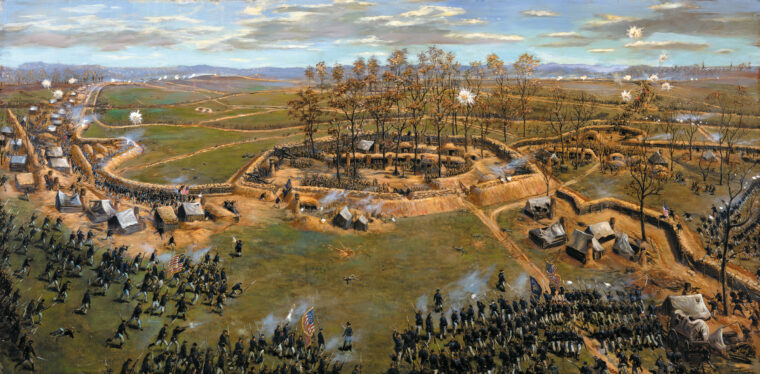
By the early spring of 1865, the Southern Confederacy was on the cusp of extinction. In every theater of the four-year-old Civil War, the gray-clad Rebels were getting the worst of things. Read more
Army of the Potomac
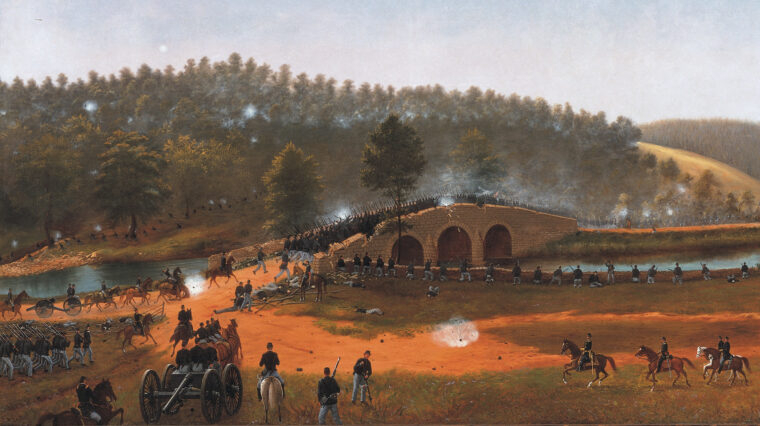
By mid-afternoon on September 17, 1862, the Army of the Potomac and the Army of Northern Virginia were locked in mortal combat on the rolling hills overlooking the sluggish waters of Antietam Creek in northwestern Maryland. Read more
Army of the Potomac
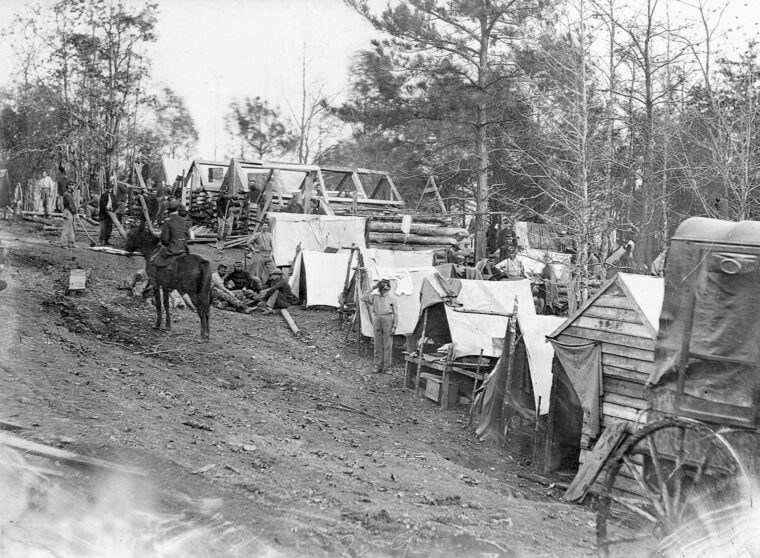
Before the fighting even began, before the first impassioned chorus of “On to Richmond!” was raised by the men in blue, the soldiers comprising the Union Army of the Potomac during the Civil War had to create their own precarious living quarters in the forested wilderness of the eastern seaboard. Read more
Army of the Potomac
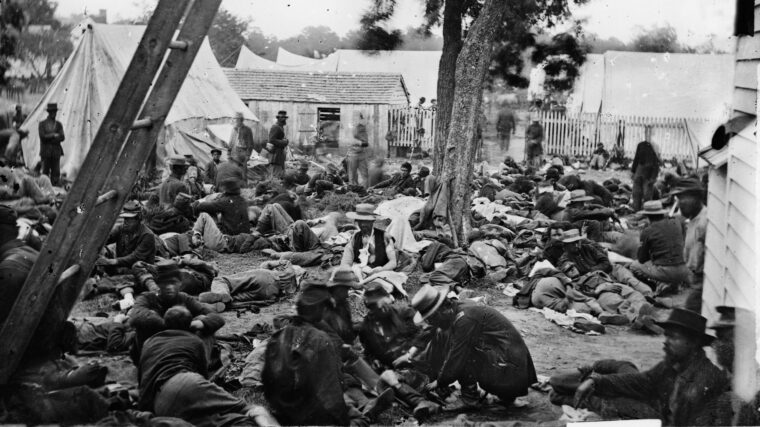
Safe behind its ocean barriers, the United States paid scant attention to the wars that raged abroad during the early 19th century, taking little notice of the lessons that might have been learned from the European experience with mass killing. Read more
Army of the Potomac
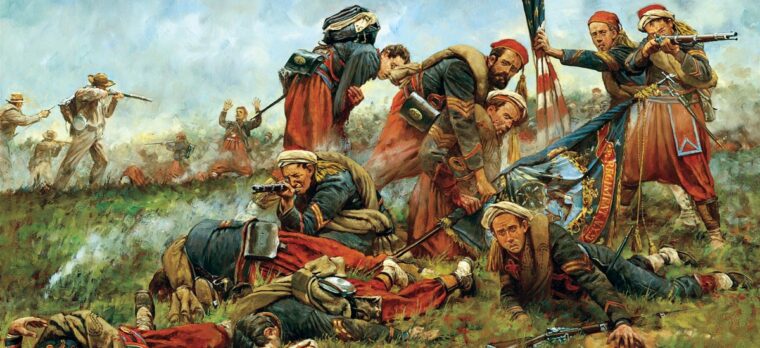
In the rolling fields on the south side of the Warrenton Turnpike, the men of the 5th New York of Colonel Gouverneur K. Read more
Army of the Potomac
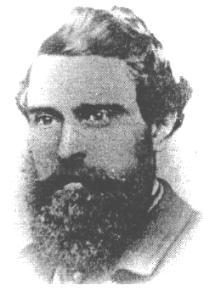
Colonel Patrick Kelly, who led the Irish Brigade into the Wheatfield on the second day of the Battle of Gettysburg, was born in Castle Hackett, County Galway, in 1821. Read more
Army of the Potomac
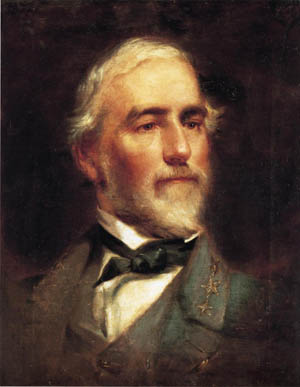
When the Civil War broke out, Robert E. Lee of Virginia was offered command of the Union army. Read more
Army of the Potomac
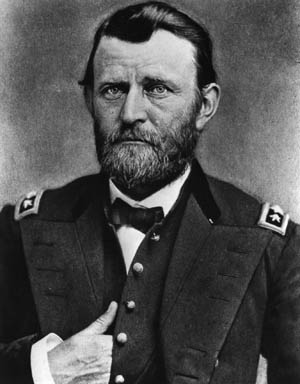
Born in Ohio in 1822, Ulysses S. Grant graduated from the United States Military Academy at West Point in 1843. Read more
Army of the Potomac
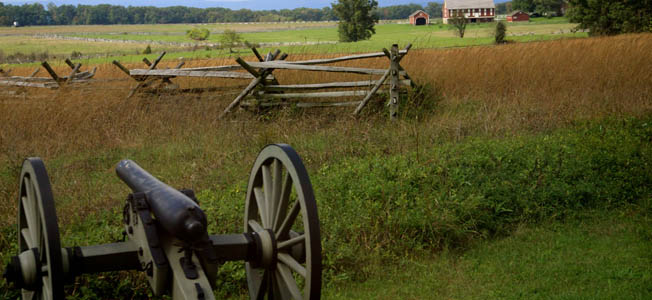
The occasion was, for the North, inauspicious. In the Battle of First Manassas, the Federals were routed, humiliated, and almost utterly crushed. Read more
Army of the Potomac
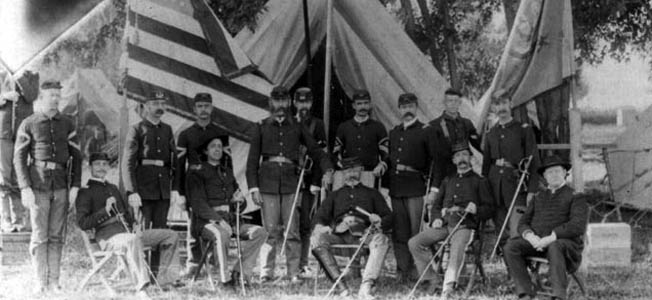
When the American Civil War erupted in 1861 Iowa soldiers were equipped with old converted smoothbore flintlock muskets. Read more
Army of the Potomac
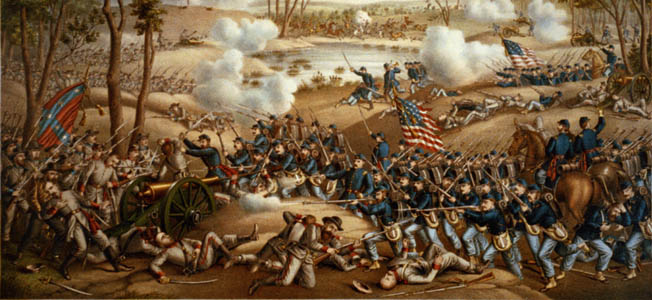
On June 12, 1864, the American Civil War Battle of Cold Harbor came to a close, which became one of the final battles in Ulysses S. Read more
Army of the Potomac
When the American Civil War erupted in April 1861, the 10 companies of the 4th U.S. Infantry were spread along the West Coast from Puget Sound to the Gulf of California in various small, far-flung garrisons. Read more
Army of the Potomac
For General Philiip Sheridan, war was a tonic.
“He was a wonderful man on the battle field,” one of his fellow Union officers recalled, “and never in as good humor as when under fire.” Read more