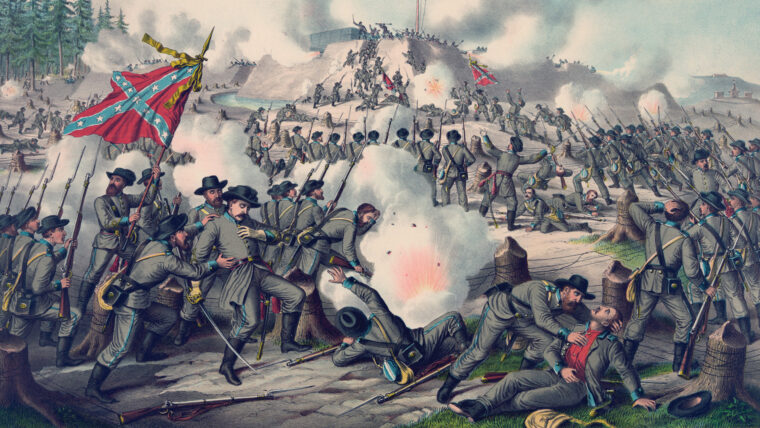
Army of the Cumberland
The Knoxville Campaign: Battle of Fort Sanders
By Arnold BlumbergAfter the crushing Union defeat at the Battle of Fredericksburg on December 13, 1862, President Abraham Lincoln relieved Maj. Read more
Army of the Cumberland
After the crushing Union defeat at the Battle of Fredericksburg on December 13, 1862, President Abraham Lincoln relieved Maj. Read more
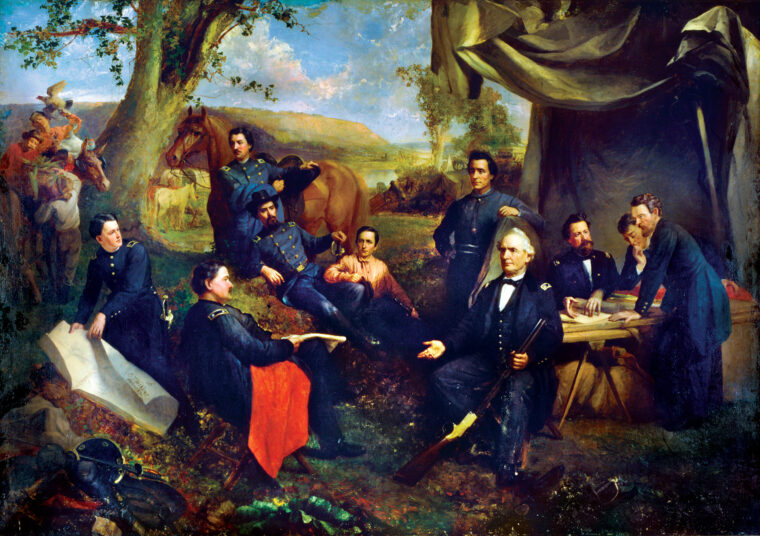
Army of the Cumberland
When the Civil War erupted, so many of Lisbon, Ohio-born Robert McCook’s large extended family joined the Union Army that the clan became known as the “Fighting McCooks.” Read more
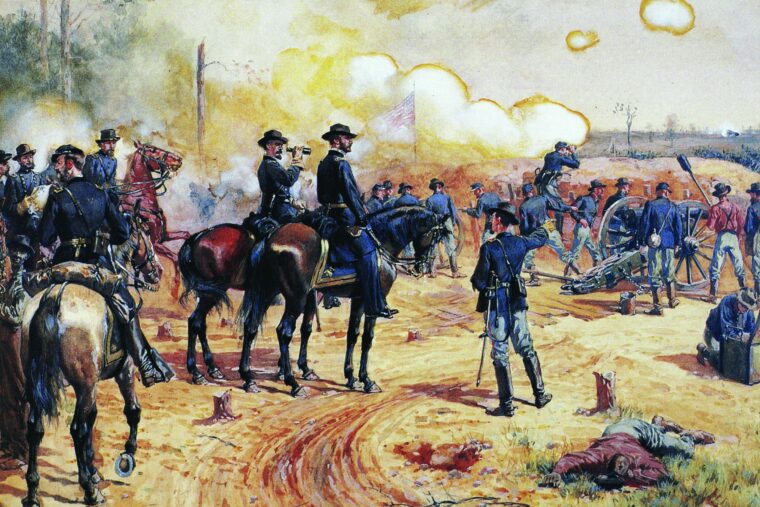
Army of the Cumberland
During the early afternoon of July 9, 1864, the 103rd Ohio Volunteer Infantry Regiment of Maj. Gen. John M. Read more
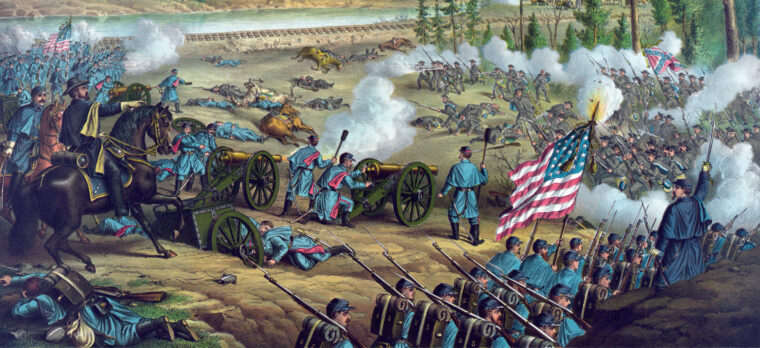
Army of the Cumberland
One of the most hard-fighting divisions in the Army of the Cumberland, the one led by Maj. Read more
Army of the Cumberland
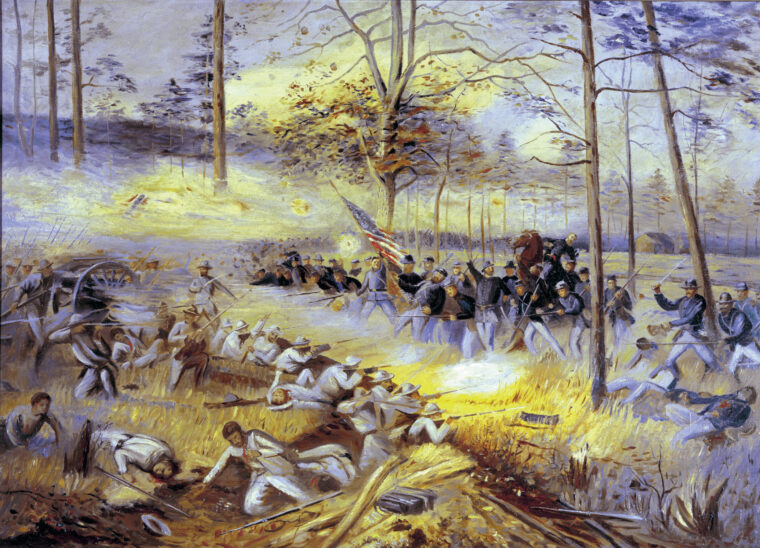
It had been a little over six months since Major General William S. Rosecrans and his Army of the Cumberland had checked the Confederates at the Battle of Stones River (December 31,1862–January 2,1863). Read more
Army of the Cumberland
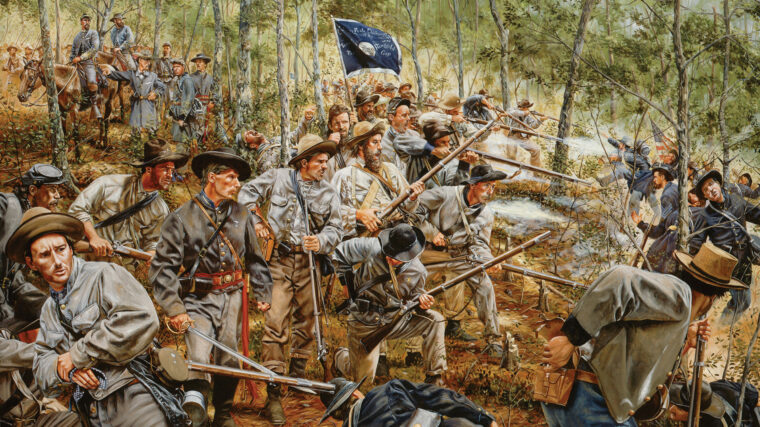
Peering through the thick underbrush west of Little Pumpkin Vine Creek, 30 miles northwest of Atlanta, on the afternoon of May 27, 1864, Ambrose Bierce had a bad feeling. Read more
Army of the Cumberland
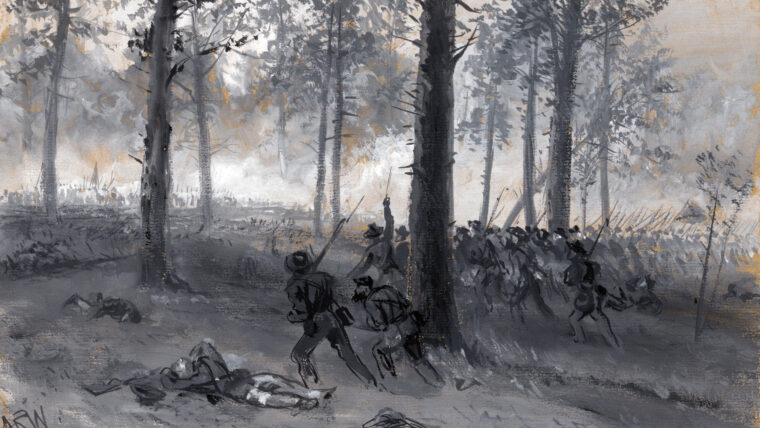
Seemingly from birth, William Haines Lytle was bound for glory. As the last surviving male offspring of one of Cincinnati’s leading pioneer families, Lytle was the prototypical golden boy. Read more
Army of the Cumberland
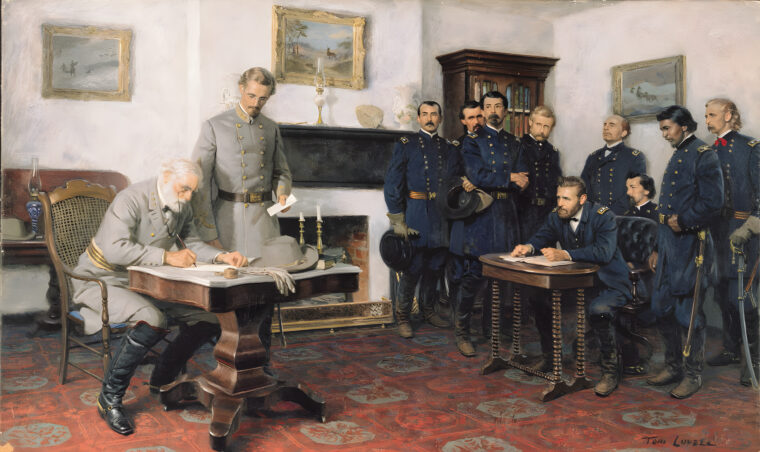
Horace Porter was born April 15, 1837 in Huntingdon, Pa. He traced his ancestry and family motto, “Vigilantia et virtute,” to William De La Grange, who accompanied William the Conqueror to England in 1066. Read more
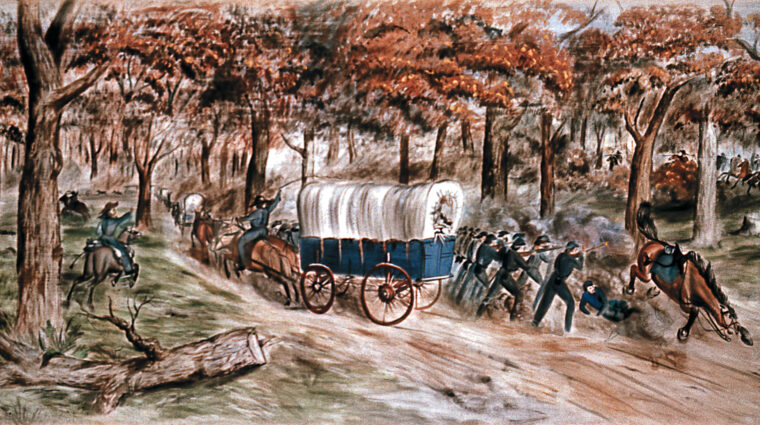
Army of the Cumberland
During the evening of September 20,1863, the following message reached Washington and was given to the president of the United States: “We have met with a serious disaster; extent not yet ascertained. Read more
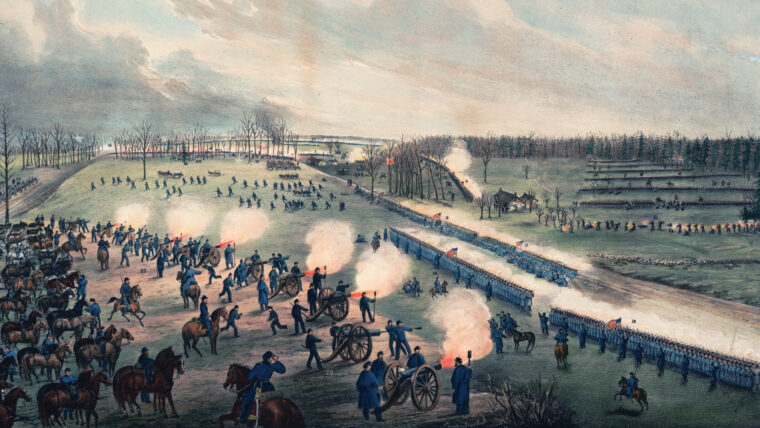
Army of the Cumberland
For weeks, Maj. Gen. William Rosecrans had been hearing increased grumblings from Washington about how he should move his army out of Nashville and strike General Braxton Bragg’s Confederate forces 30 miles away in Murfreesboro. Read more
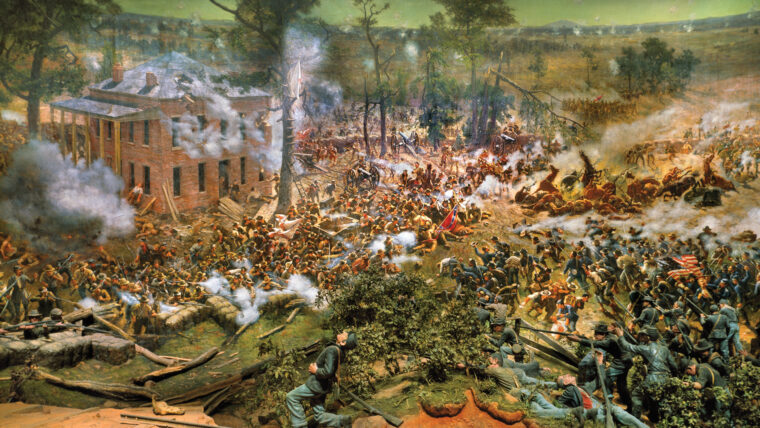
Army of the Cumberland
The guide shook uncontrollably when the gray-clad general pointed his pistol at him in the backwoods of central Georgia on the evening of July 21, 1864. Read more
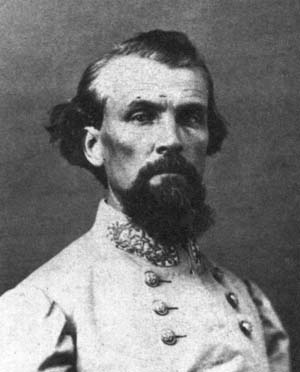
Army of the Cumberland
Prior to the American Civil War, Nathan Bedford Forrest amassed a fortune in real estate, agriculture, and the slave trade. Read more
Army of the Cumberland
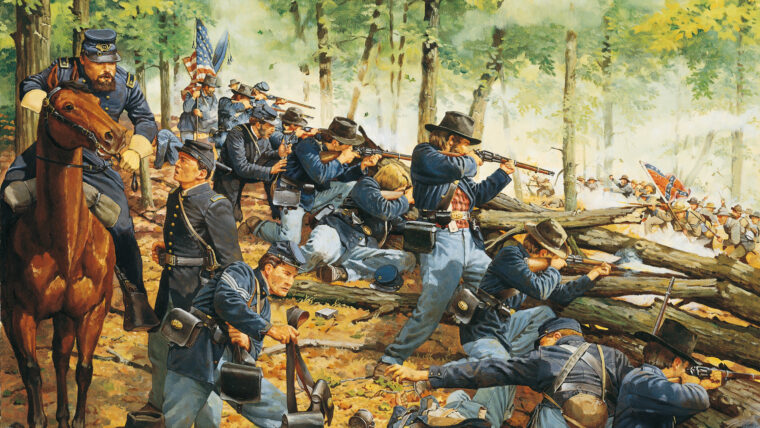
It was nearly 11 on the morning of September 20, 1863, and the woods around slow-moving Chickamauga Creek in northwest Georgia were ominously quiet. Read more
Army of the Cumberland
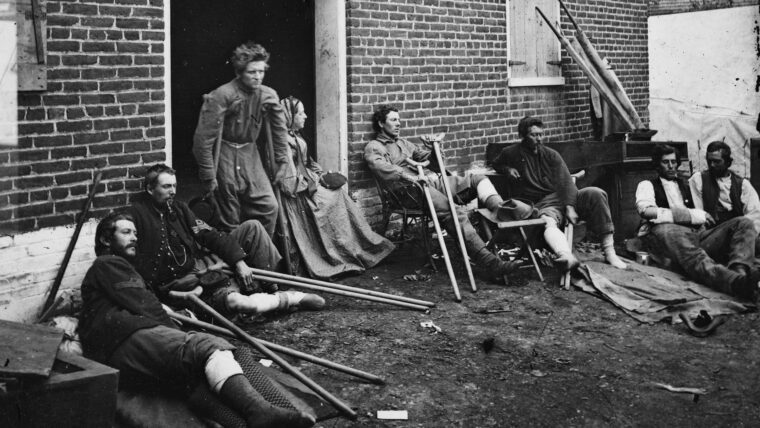
A slight knee wound brought the New Jersey boy to a Washington military hospital, but “his mind had suffered more than his body,” wrote volunteer nurse Louisa May Alcott. Read more
Army of the Cumberland
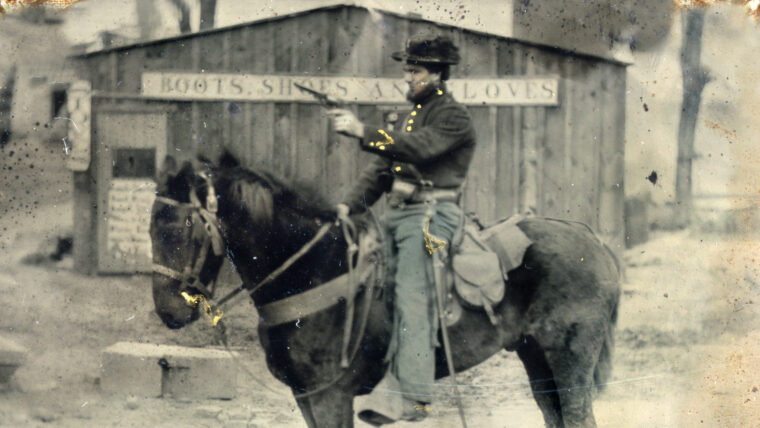
Union Colonel Benjamin Grierson stuck his left foot into the stirrup and swung up into the saddle. Orders were quickly given, and soon a column of 1,700 blue-jacketed troopers of Grierson’s 1st Brigade, along with a battery of artillery, trampled southeast from La Grange, Tennessee, in the early dawn of April 17, 1863. Read more
Army of the Cumberland
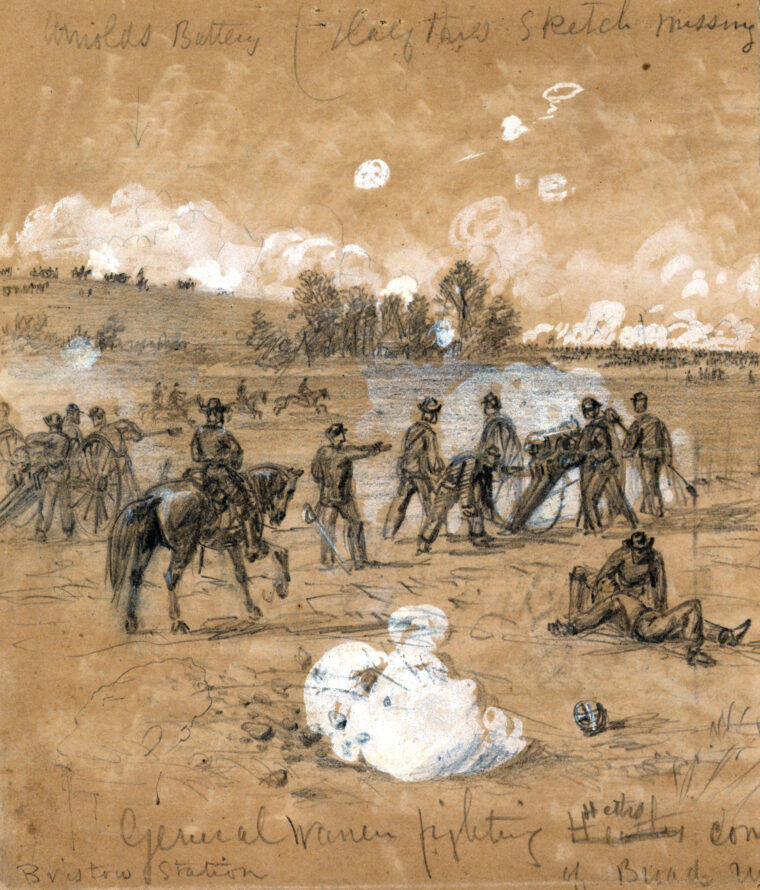
In late July 1863, after the conclusion of the Gettysburg campaign, the Union Army of the Potomac, under Maj. Read more
Army of the Cumberland
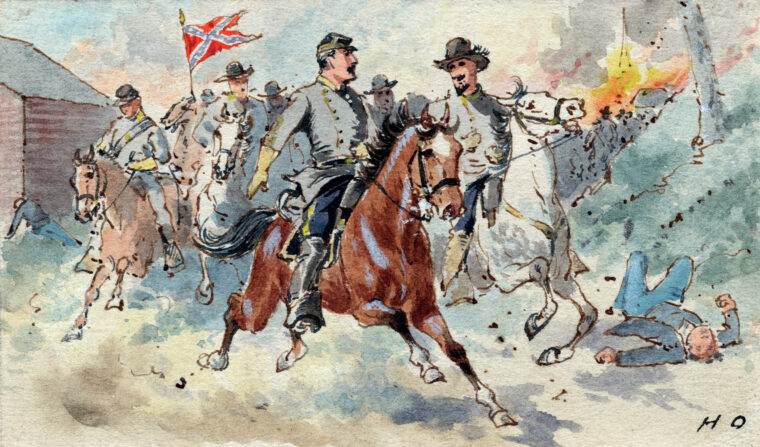
“It was a sad, sorrowful day,” recalled Confederate Major James McCreary, “and more tears of grief rolled over my weather beaten cheeks on this mournful occasion than have before for years.” Read more
Army of the Cumberland
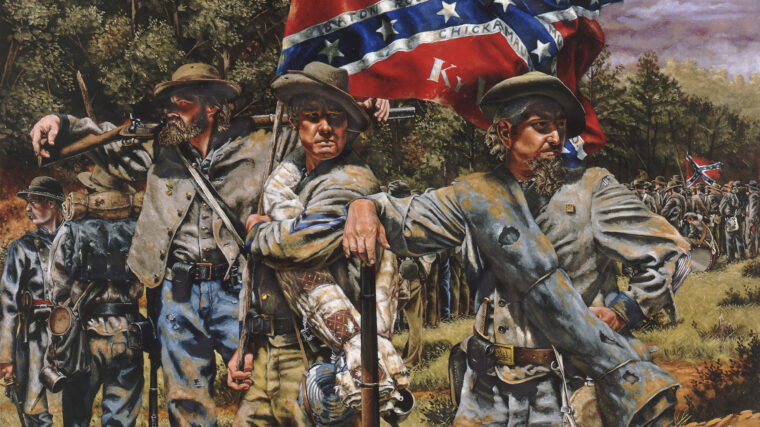
On April 15, 1861, three days after the bombardment of Fort Sumter, President Abraham Lincoln issued a call for 75,000 volunteer troops. Read more
Army of the Cumberland
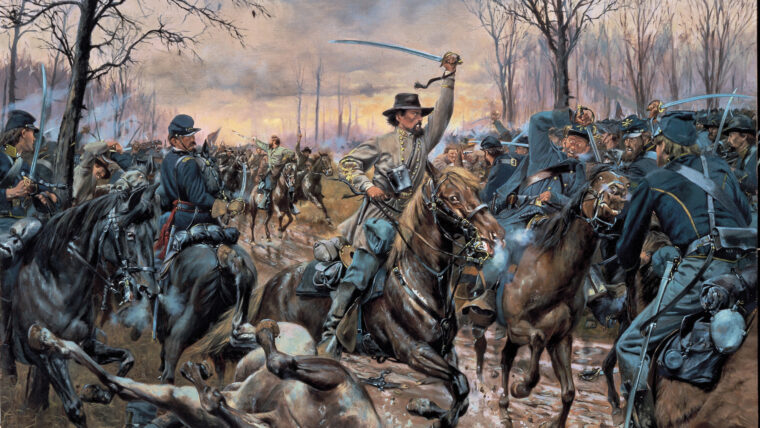
With the fall of Vicksburg in the first week of July 1863, the strongest remaining Confederate presence in Mississippi was a recently thrown together force of 26,000 soldiers under General Joseph E. Read more
Army of the Cumberland
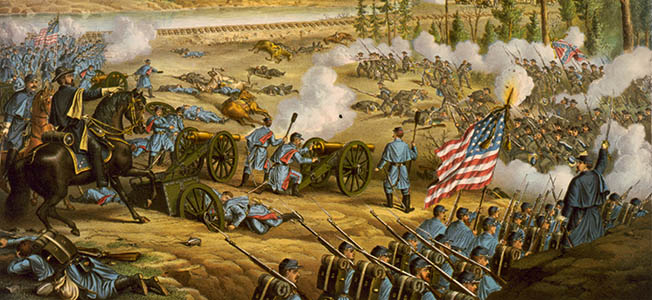
Confederate offensives into two border states, Maryland and Kentucky, formed the key highlights of the second half of 1862 for the Confederacy. Read more