Adolf Hitler
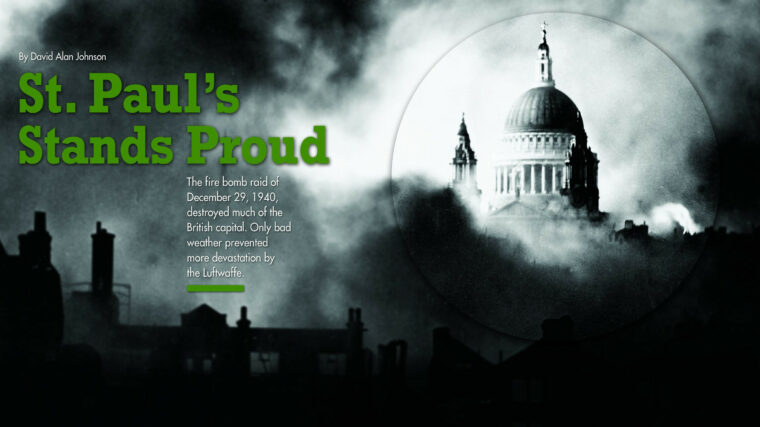
Luftwaffe Raids: St. Paul’s Stands Proud
By David Alan JohnsonAt St. Paul’s Cathedral, the rooftop lookout telephoned the cathedral control center at 6 pm to report that air raid sirens were sounding off to the southwest. Read more
Adolf Hitler
At St. Paul’s Cathedral, the rooftop lookout telephoned the cathedral control center at 6 pm to report that air raid sirens were sounding off to the southwest. Read more
Adolf Hitler
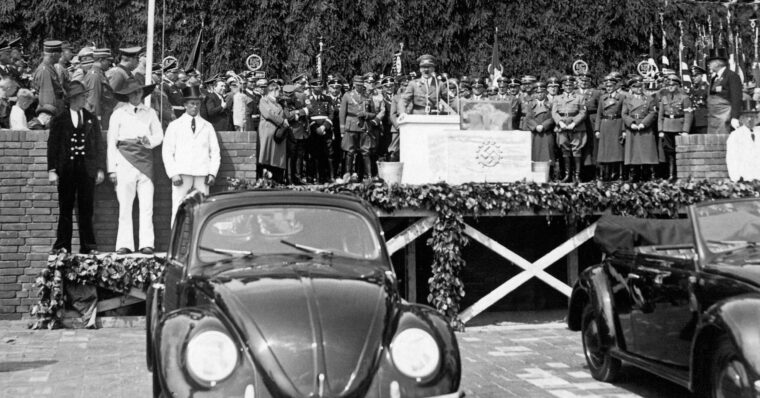
The Volkswagen, or “People’s Car,” that so many millions have known for more than half a century had its genesis in Nazi Germany. Read more
Adolf Hitler
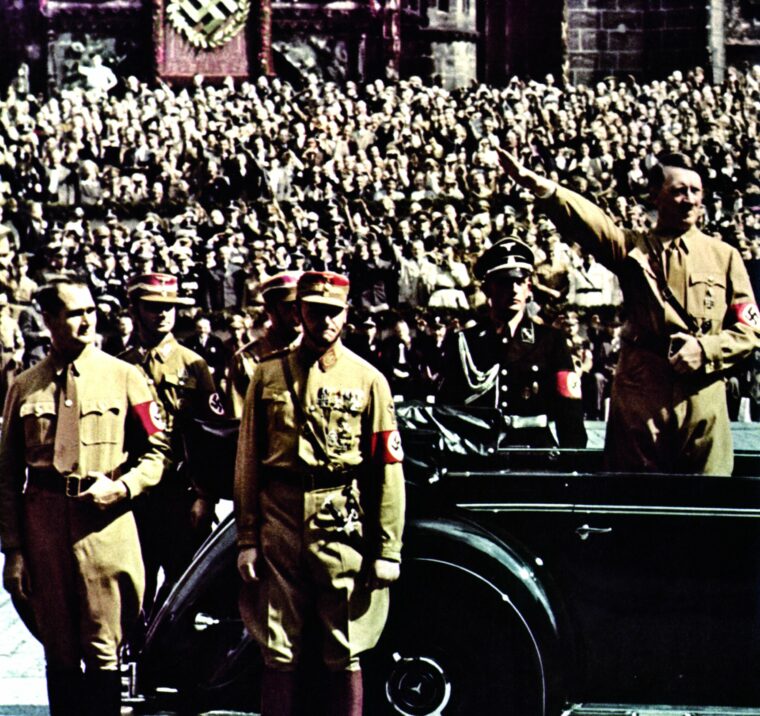
Throughout the reign of the Nazi Party in Germany during the 1930s and 1940s, Adolf Hitler’s inner circle comprised a diverse group of men from many walks of life. Read more
Adolf Hitler
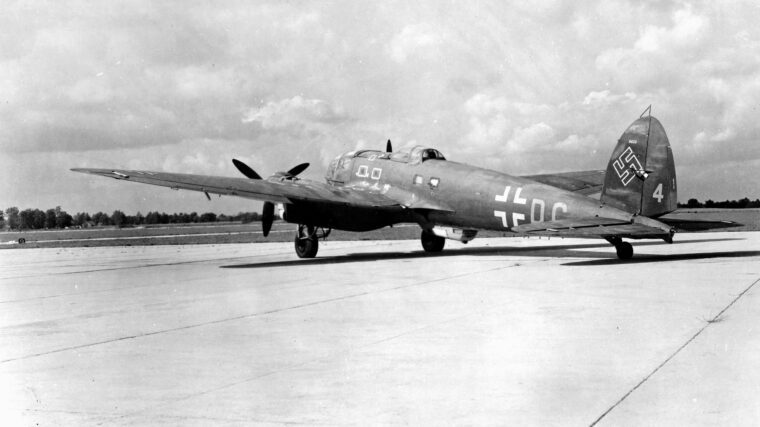
By early 1944, the Luftwaffe was only a shadow of what it had been at the beginning of the war. Read more
Adolf Hitler
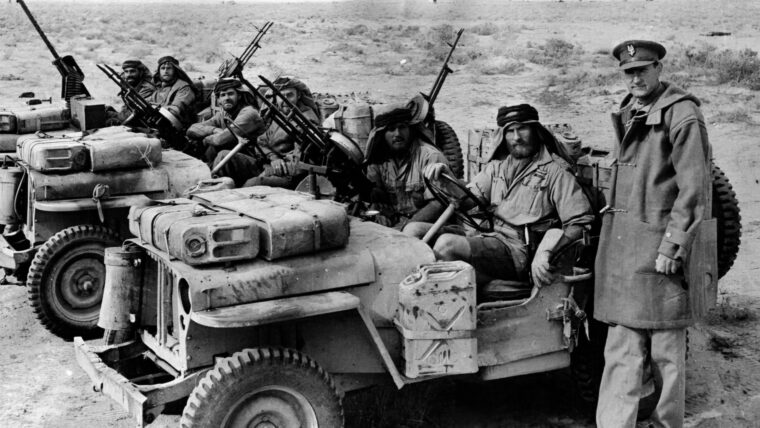
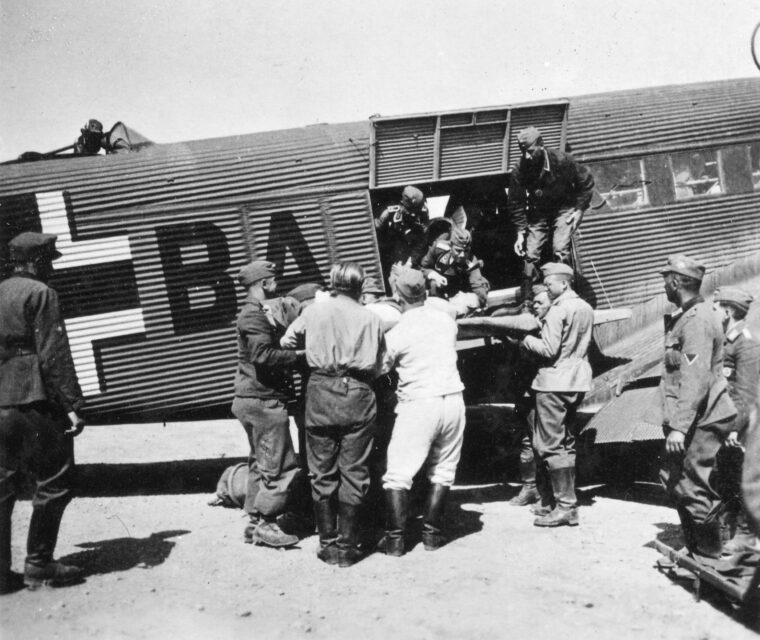
The night of December 14, 1941, was bitterly cold in the North African desert. Midway between El Agheila and Tripoli, Libya, was the German and Italian air base outside the town of Tamet. Read more
Adolf Hitler
Sixty-five years ago, Reichsmarschall Hermann Göring’s Luftwaffe showcased its aerial triumphs in a 1942 commemorative book of photographs entitled Fliegen und Siegen (“Flying and Victory”). Read more
Adolf Hitler
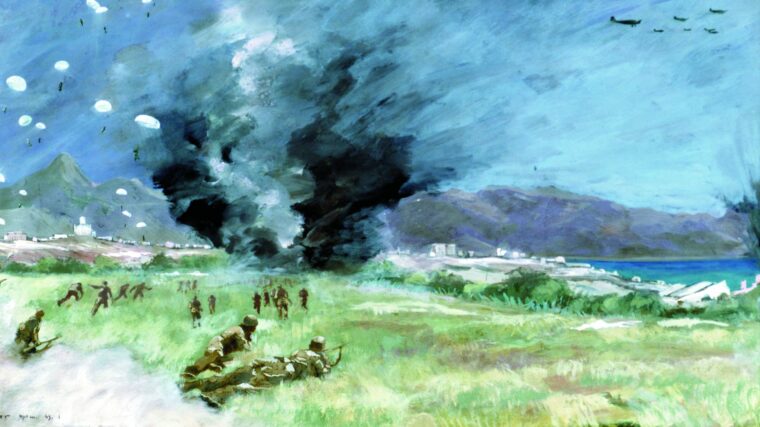
By May 1941, the German Luftwaffe’s fortunes had risen to great heights and plummeted to equally startling depths in the course of a single year of blitzkrieg warfare in Western Europe. Read more
Adolf Hitler
By 1945, the war in Europe was nearing its conclusion. Having suffered a severe defeat at the hands of the Allies in the Battle of the Bulge, Adolf Hitler’s seemingly indestructible Third Reich was quickly crumbling under the Allied juggernaut. Read more
Adolf Hitler
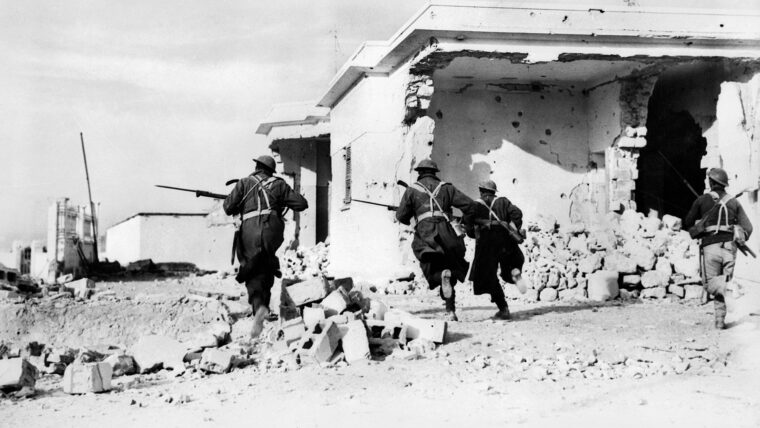
The desert sky lit up like a summer lightning storm on the night of December 31, 1941. The distant thunder of hundreds of guns rolled across the sandy, stony ground. Read more
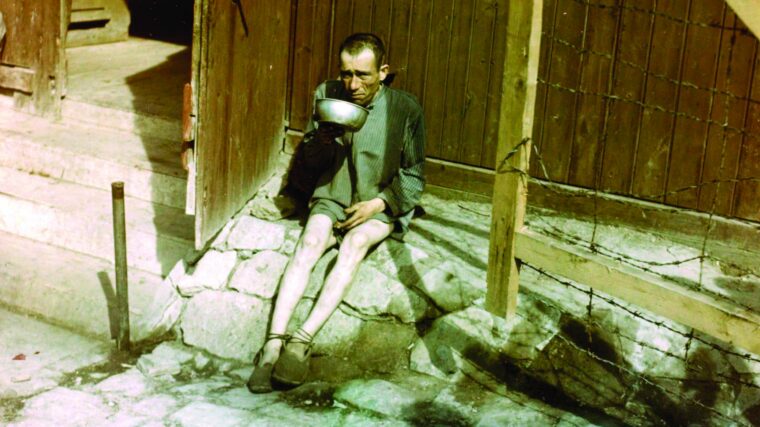
Adolf Hitler
When Adolf Hitler became chancellor of Germany on January 30, 1933, the world changed forever.
Not only was Hitler determined to pay back Germany’s enemies for his country’s defeat during the Great War, but he was also determined to rid Germany and the rest of Europe of persons whom his twisted Aryan ideology believed were “inferior” or “subhuman.” Read more
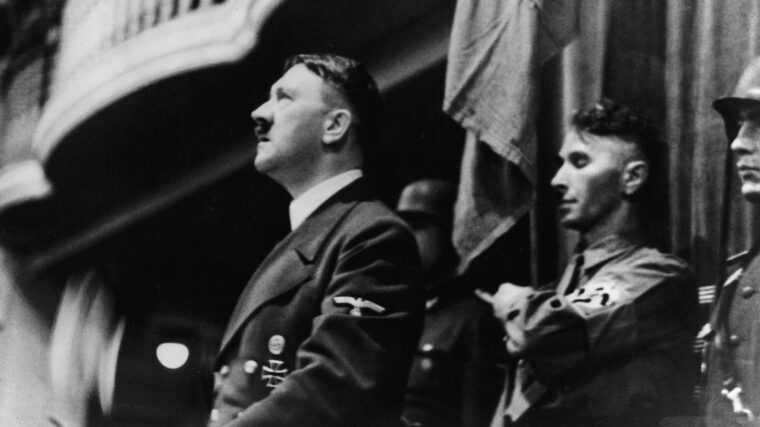
Adolf Hitler
At exactly 8 PM on November 8, 1939, German Chancellor Adolf Hitler strode briskly into Munich’s Burgerbraukeller beer hall at the head of his glowering entourage, brushing past a forest of hands raised in the Nazi salute. Read more
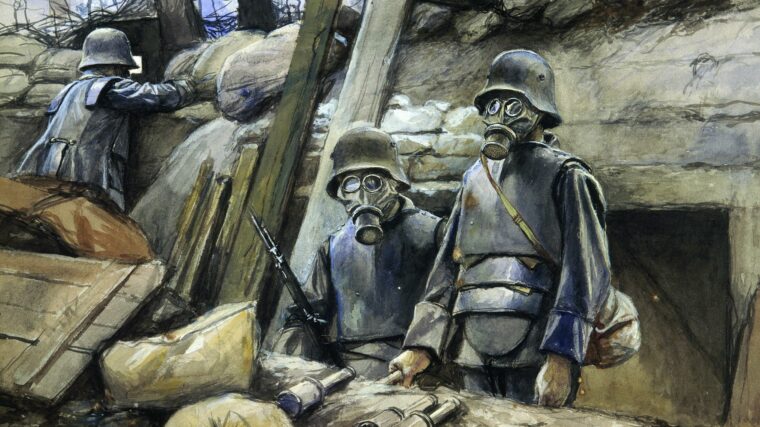
Adolf Hitler
In the months before the outbreak of World War I, 25-year-old Adolf Hitler was living the starving artist’s life in the Bavarian city of Munich, selling his paintings door-to-door and in the city’s numerous beer halls. Read more
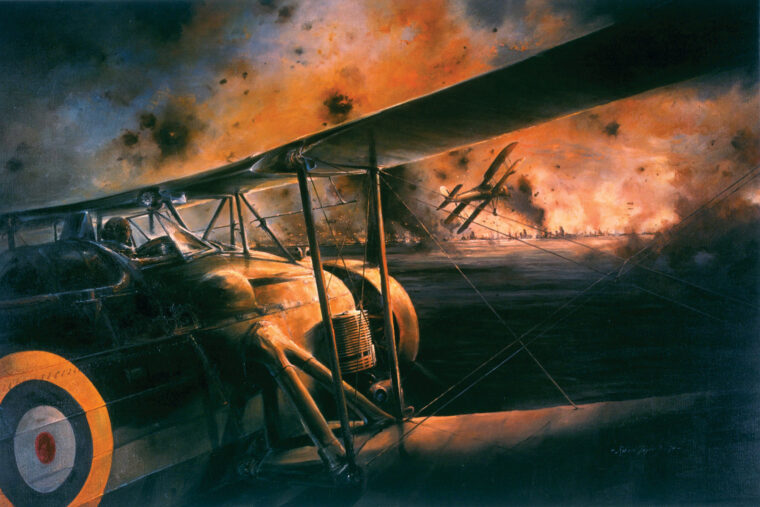
Adolf Hitler
Radar, atomic bombs, jet engines and early cruise missiles were among the numerous technological advances of World War II. Read more
Adolf Hitler
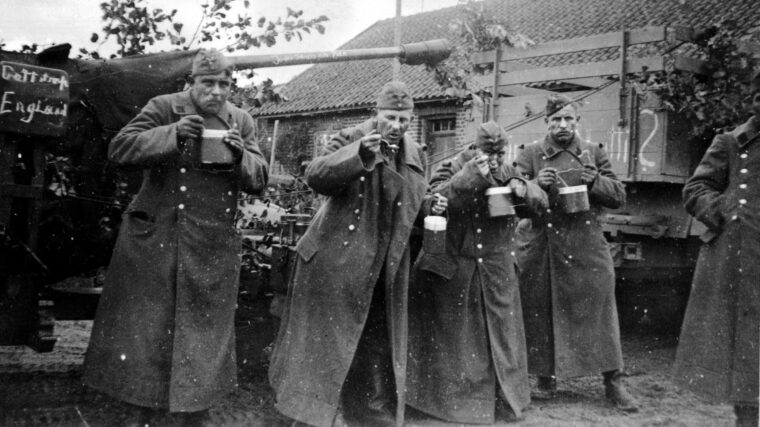
It was Napoleon Bonaparte who purportedly said, “An army travels on its stomach.” Toward the goal of feeding his particular army’s stomach more efficiently, in 1795 the French general came up with an interesting solution to the problem. Read more
Adolf Hitler
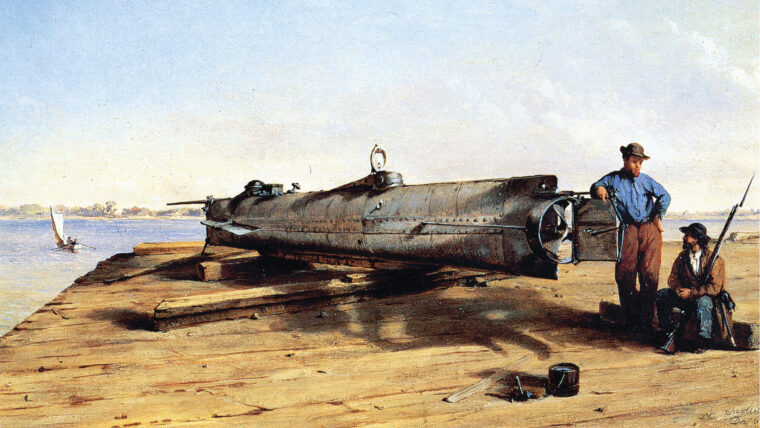
The concept of a ship that could submerge beneath the water and then resurface dates back as far as the late 1400s, when Italian Renaissance artist and inventor Leonardo da Vinci claimed to have found a method for a ship to remain submerged for a protracted period of time. Read more
Adolf Hitler
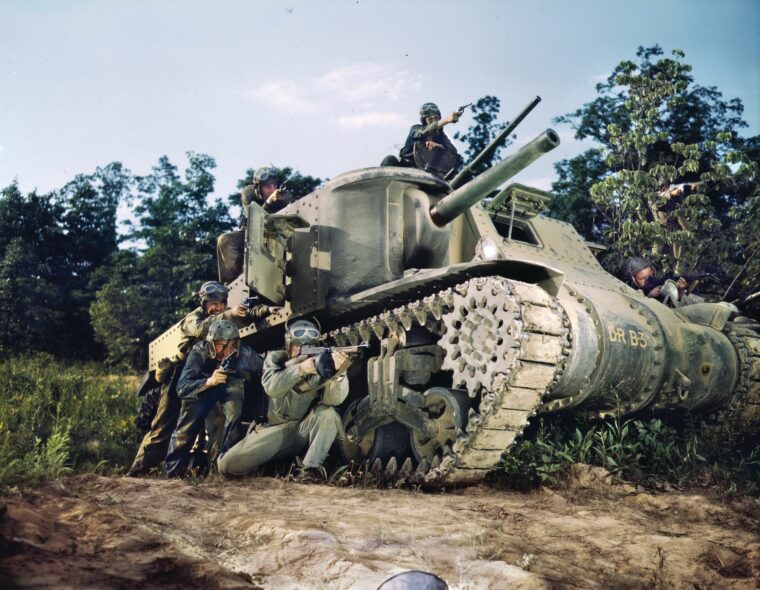
The United States had not yet entered World War II when Time magazine noted that the Army had created two new armored divisions. Read more
Adolf Hitler
By Patrick J. Chaisson
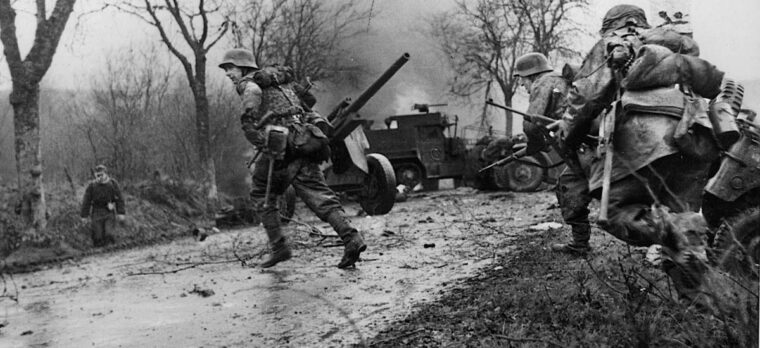
The chief shuffled to his seat in the underground conference room. He sat down heavily, eyes unfocused and dreamy, while a litany of woes was read to him. Read more
Adolf Hitler
By Blaine Taylor
The Russian winter of 1941-1942 hit with terrible ferocity. Battling the deadly, numbing cold as well as the massive numbers of Red Army troops were soldiers from sunny Spain. Read more
Adolf Hitler
In October 1939, British Prime Minister Winston S. Churchill famously described Russia as “a riddle, wrapped in a mystery, inside an enigma.” Read more
Adolf Hitler
By Christopher Miskimon
Historians often compare Adolf Hitler to a gambler. He kept making risky bets that paid off time and again—until they didn’t. Read more
WWII