Winter 2017
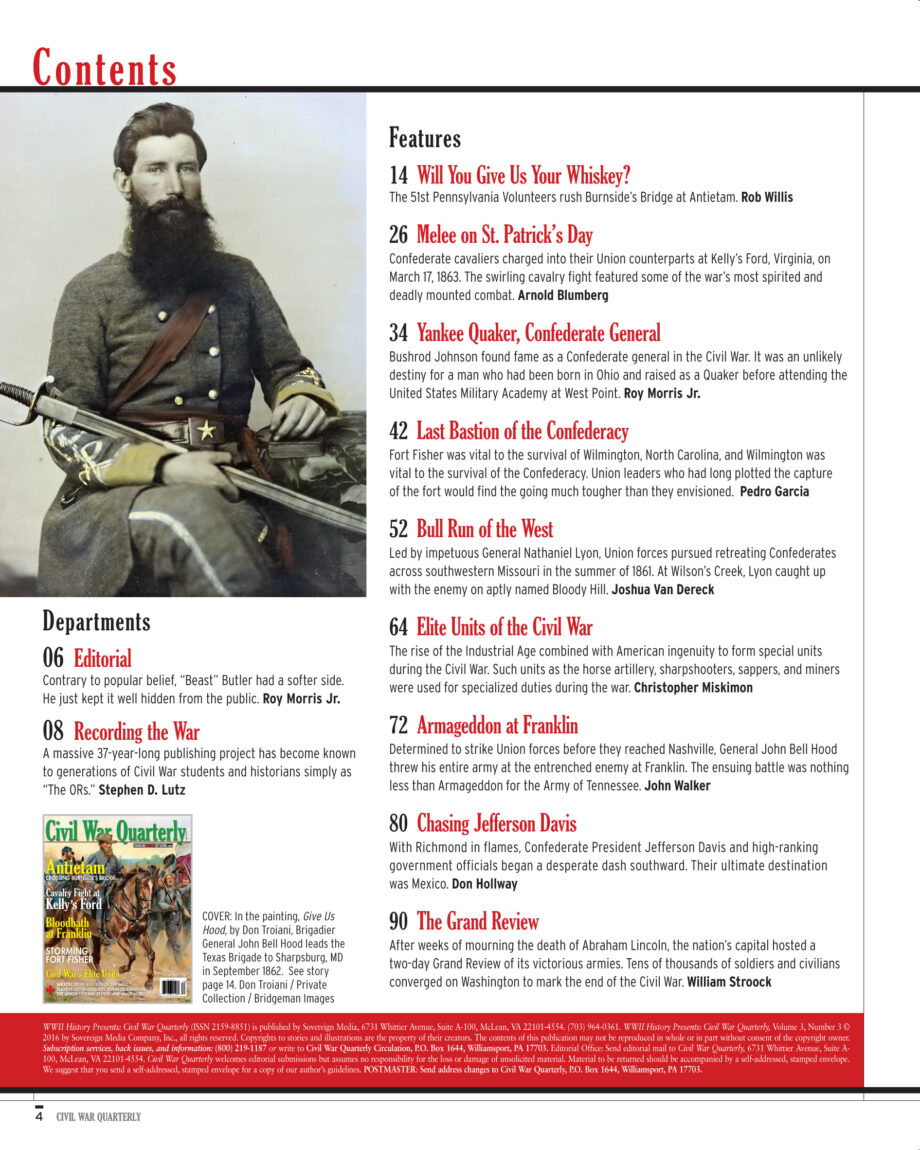
Civil War Quarterly, Editorial
The Most Hated Union General
If the Confederacy had taken a poll of the most hated Union general, New Hampshire native Benjamin Butler would have taken the laurels hand down. Read more
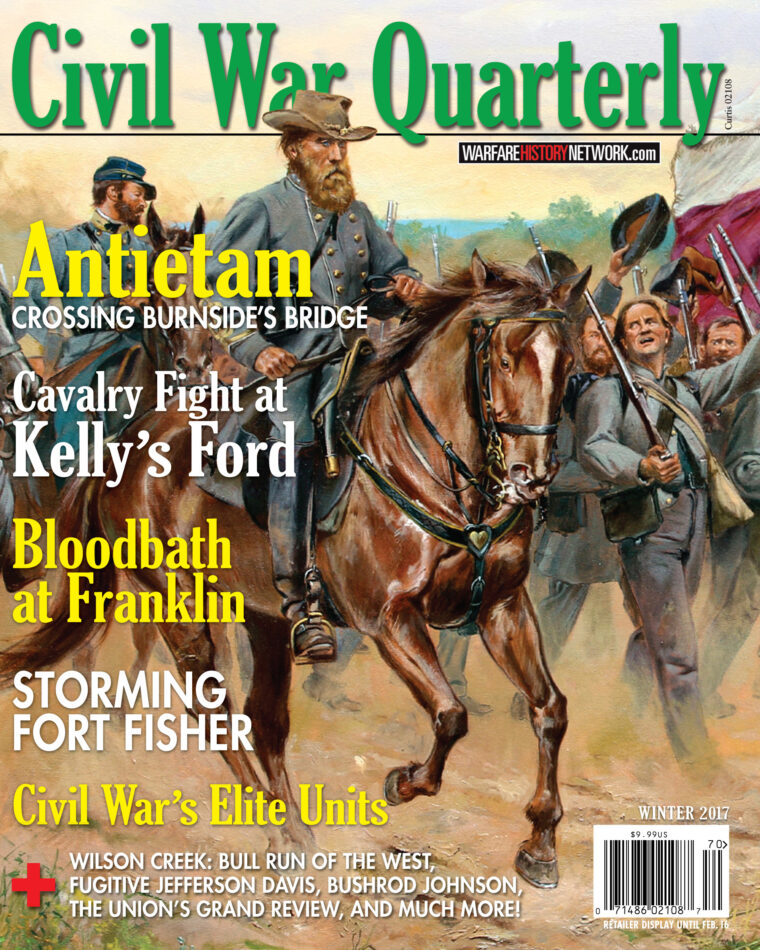
COVER: In the painting, Give Us Hood, by Don Troiani, Brigadier General John Bell Hood leads the Texas Brigade to Sharpsburg, MD in September 1862. See story page 14. Don Troiani / Private Collection / Bridgeman Images
Winter 2017
Civil War Quarterly, Editorial
If the Confederacy had taken a poll of the most hated Union general, New Hampshire native Benjamin Butler would have taken the laurels hand down. Read more
Winter 2017
Civil War Quarterly, Recording The War
The title of the 128-book, 138,579-page work was a suitably large mouthful: The War of the Rebellion: A Compilation of the Official Records of the Union and Confederate Armies. Read more
Winter 2017
Civil War Quarterly
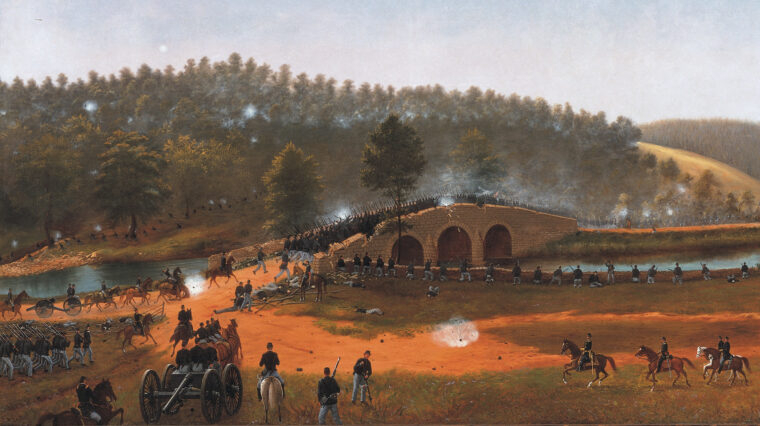
Colonel John F. Hartranft surveyed the blue-jacketed ranks to his front with a mixture of frustration and humiliation, and some of the men returned the favor. Read more
Winter 2017
Civil War Quarterly
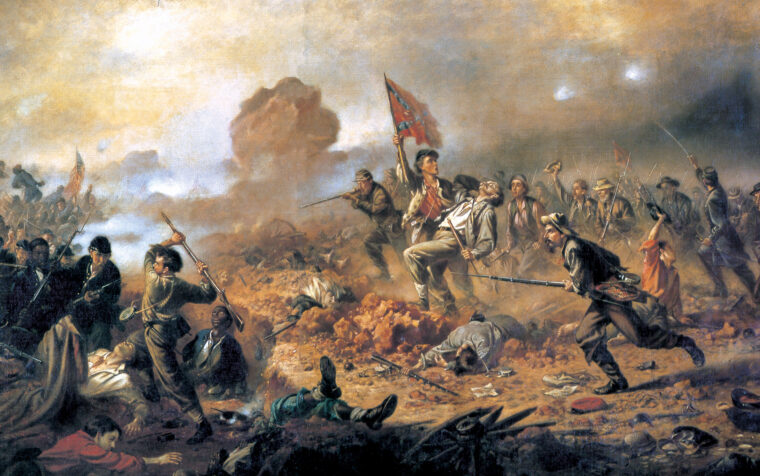
Of all the unlikely heroes of the Civil War, none was more unlikely than Bushrod Johnson, Ohio-born Quaker turned Confederate general. Read more
Winter 2017
Civil War Quarterly
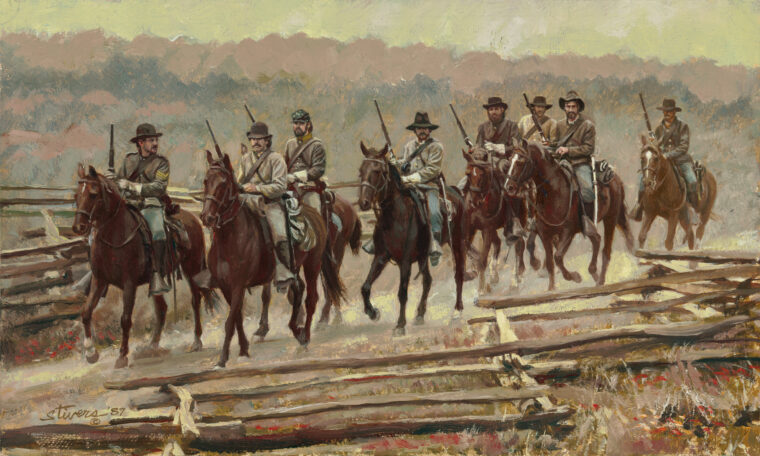
“Fighting Joe” Hooker was fighting mad when he summoned his chief of cavalry, Brig. Gen. George Stoneman, to his headquarters at Falmouth, Virginia, on February 26, 1863. Read more
Winter 2017
Civil War Quarterly
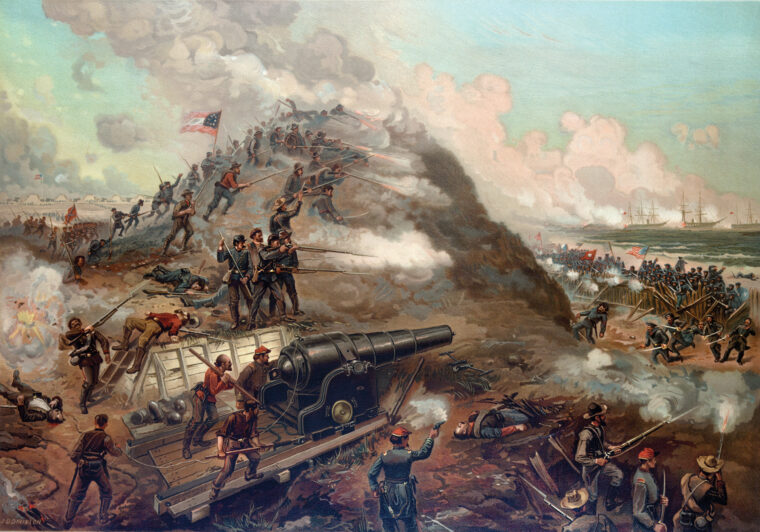
The prospect of running the Federal blockade at Wilmington was easy in the beginning. North Carolina’s principal seaport was blockaded by a single warship, USS Daylight, and no one took the threat seriously. Read more
Winter 2017
Civil War Quarterly
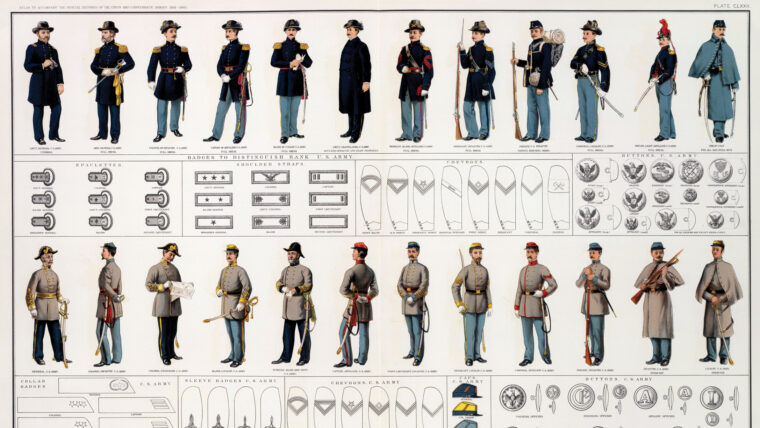
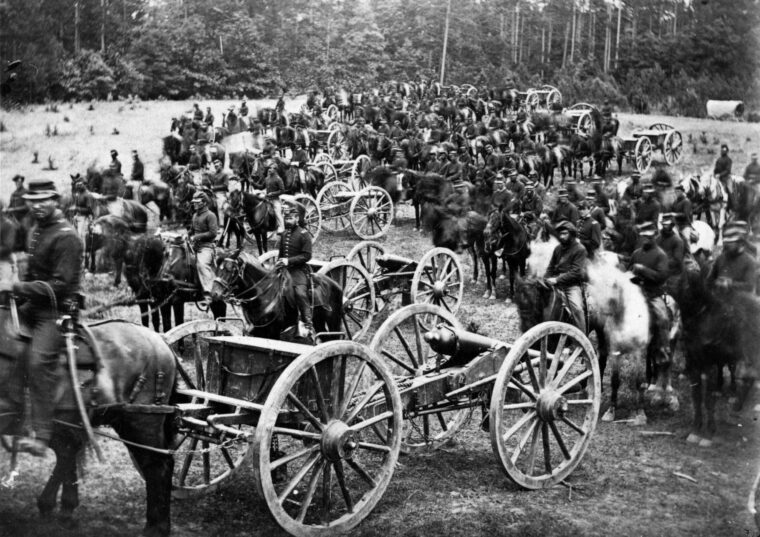
The Civil War came at a crossroads moment in world history. New weapons made possible by industrialization were putting paid to old techniques of warfare that had endured since the Napoleonic Era. Read more
Winter 2017
Civil War Quarterly
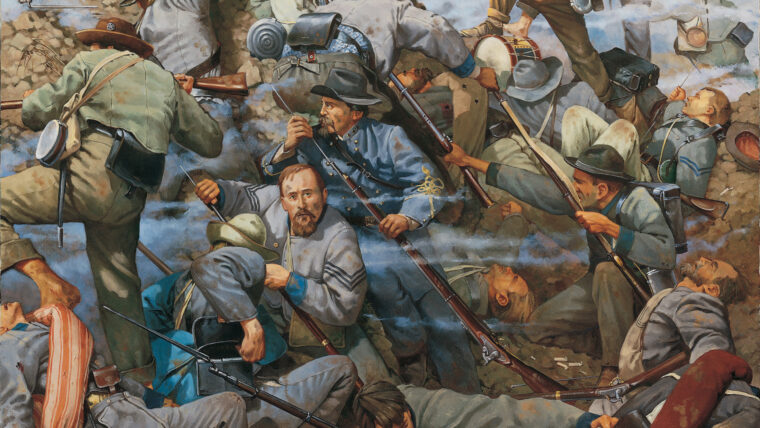
On the morning of November 30, 1864, Fountain Branch Carter, a 67-year-old farmer, planter, and Confederate sympathizer, watched as his front yard in Franklin, Tennessee, filled up with Union soldiers pitching tents and starting campfires. Read more
Winter 2017
Civil War Quarterly
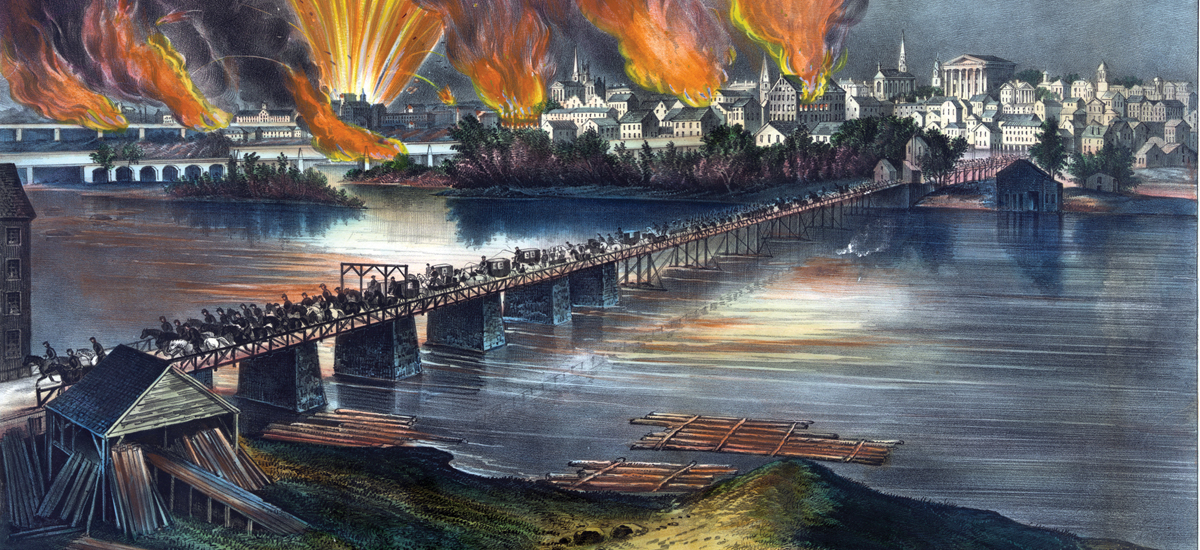
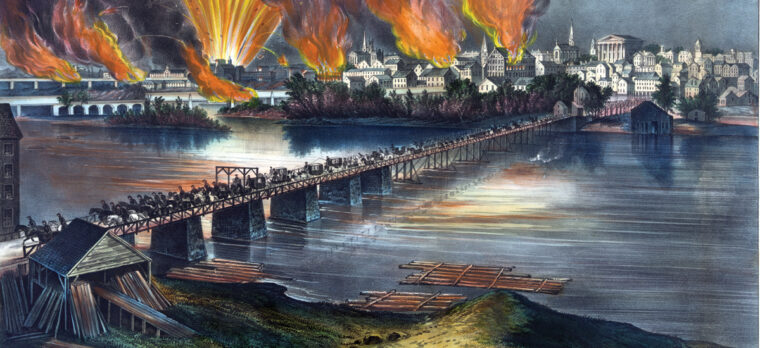
When the end came, on April 2, 1865, Confederate President Jefferson Davis was sitting in his customary pew at St. Read more
Winter 2017
Civil War Quarterly
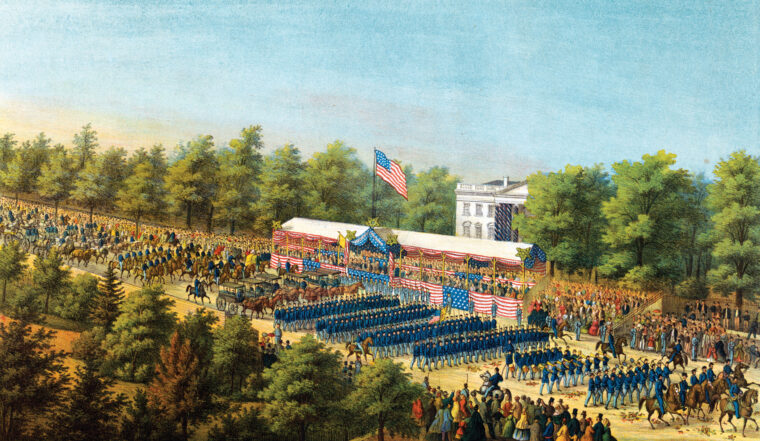
Robert E. Lee’s surrender at Appomattox, presaging the subsequent surrender of other Confederate forces in the West and the capture of Southern President Jefferson Davis a few weeks later, marked the triumphant end of the nation’s great sundering. Read more