WWII

WWII

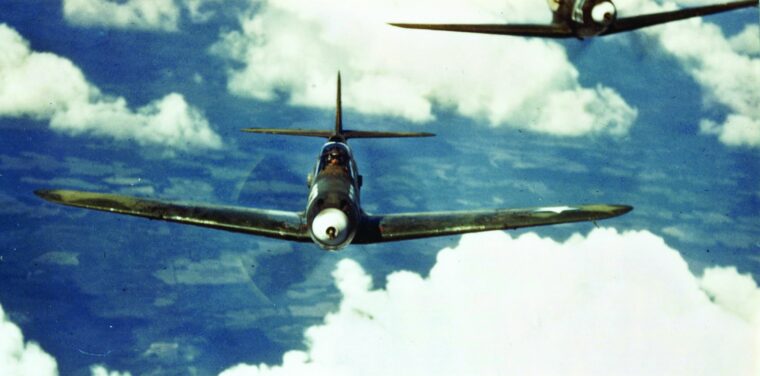
Boyd Wagner: Early American Ace

By Sam McGowan

Common wisdom has long held that Japanese pilots and aircraft, particularly their fighters, were superior to the American, Australian, and British counterparts they faced in combat in the Philippines and Southeast Asia in the opening months of U.S. Read more
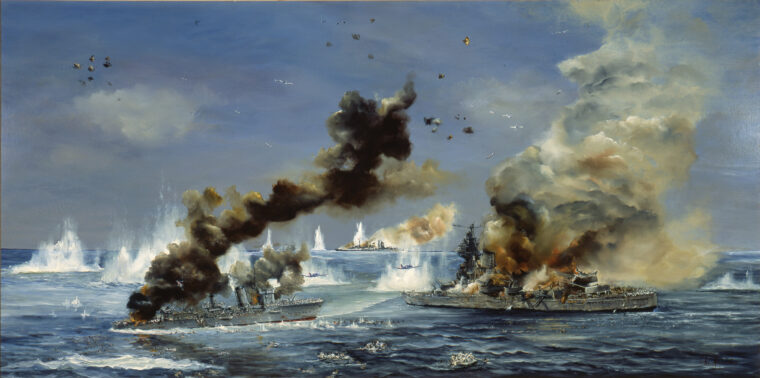
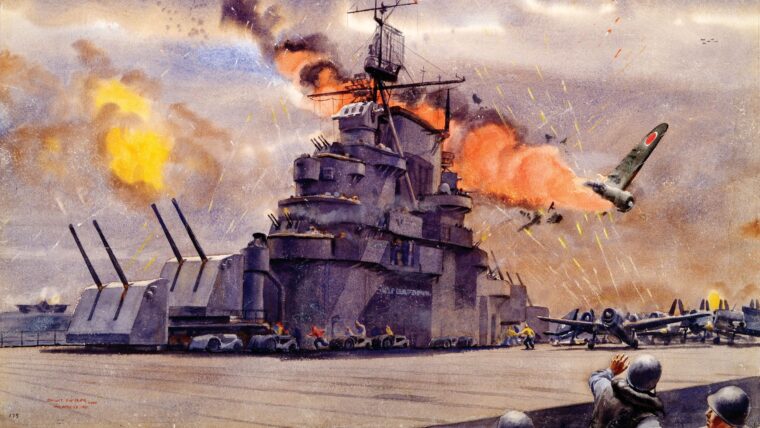
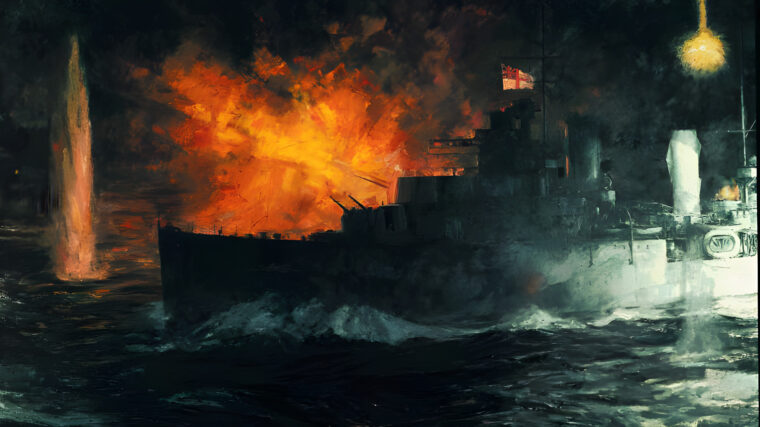
In this painting by artist John Hamilton, the Japanese cruisers Mogami and Mikuma writhe under heavy American air attack on the last day of the Battle of Midway. Mikuma was sunk, but the seriously damaged Mogami managed to limp away to safety.

WWII

Mogami: Japan’s Luckless Cruiser

By David H. Lippman

She was the lead ship of her class, built under the 1930 London Naval Treaty, which imposed limits on cruiser, destroyer, and submarine tonnage for the United States, Great Britain, and Japan. Read more

WWII

Gauntlet of Steel at Okinawa

By John Wukovits

Edward T. Higgins had witnessed few spectacles to match the one that unfolded all about him in the waters surrounding Okinawa, an island 400 miles southwest of the Japanese Home Island of Kyushu. Read more

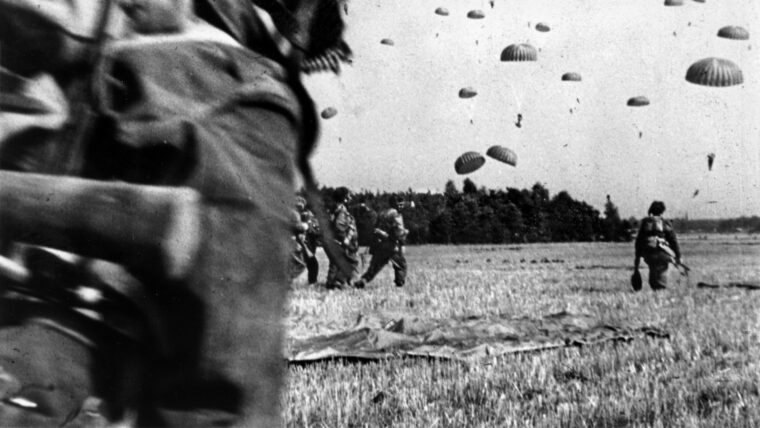
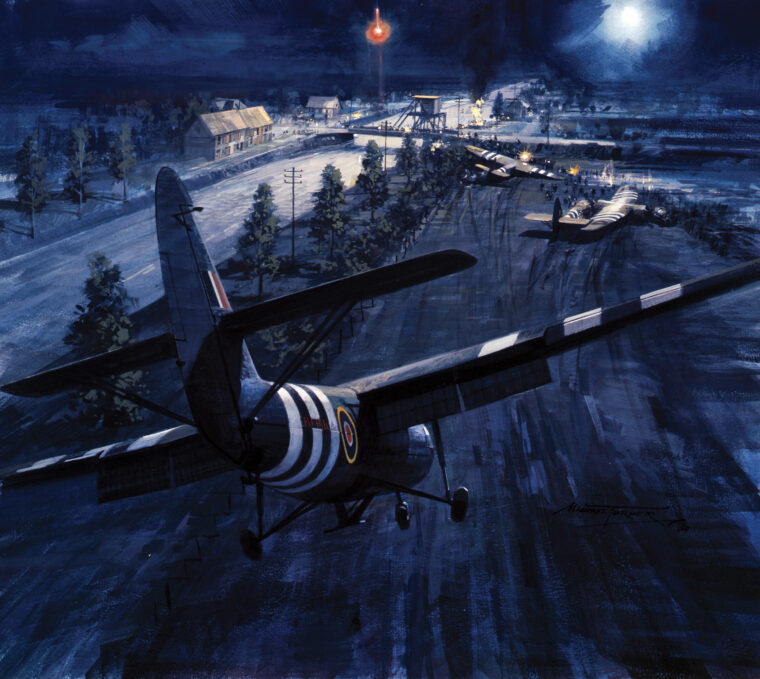
British paratroopers of the 1st Airborne Division, who were tasked with the highway bridge over the Nederrijn at Arnhem, land in an open field at the outset of Operation Market Garden.

WWII

Hellish Fight at Arnhem

By John E. Spindler

As the clock struck 8:00 p.m. in Arnhem, Holland, Lt. Col. John Frost’s British 2nd Parachute Battalion captured the north end of the road bridge over the Nederrijn River. Read more

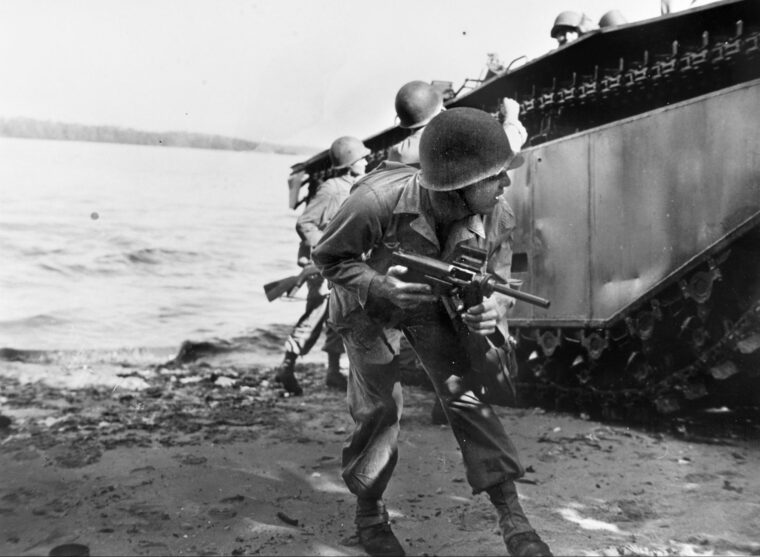
An American soldier of the 31st Infantry Division carries an M3 submachine gun, known as the Grease Gun, during landings on the island of Morotai in the Pacific in September 1944.

WWII

The Controversial M3 Grease Gun

By Patrick J. Chaisson

No one ever used the words “graceful” or “elegant” to describe the M3 submachine gun. Instead, those soldiers, sailors and Marines who carried it called the M3 a “plumber’s nightmare” or “the cake decorator.” Read more

WWII

Slogging into the Reichswald

By David H. Lippman

(Continued from Part 1 in the August 2020 issue)

Just after midnight on February 9, 1945, across the diamond-shaped mass of forest, hills, and flooded terrain that defined the Reichswald, rain fell in a steady downpour upon a battlefield that had already seen some of the most ferocious fighting of World War II in Western Europe. Read more

Fire from the guns of the Australian cruiser HMAS Perth splits the darkness in the opening moments of the Battle of Sunda Strait on February 25, 1942. The Australian vessel and the American cruiser Houston were lost in action against the Japanese.

WWII

Heroic Fight Against Long Odds

By John Wukovits

The haggard American sailors aboard the limping cruiser hoped that the journey upon which they had just embarked was the long-expected voyage back to the United States. Read more

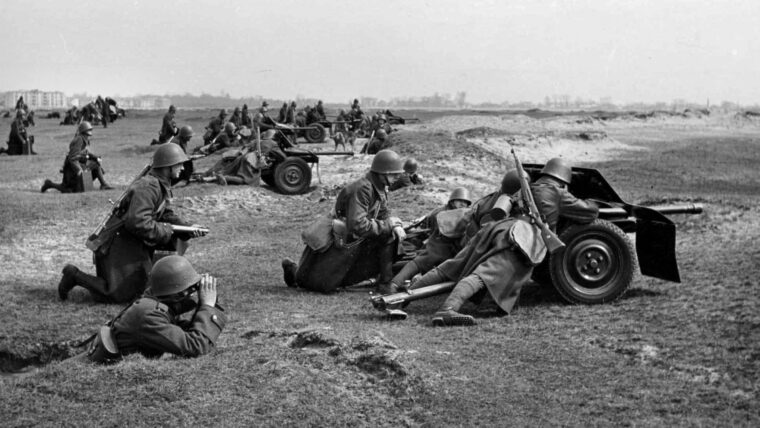
Polish troops engage in field exercises in April 1939, just five months before the Nazi invasion of their country and the outbreak of World War II. Some Poles initially thought the Soviet Army was there to help them.

WWII

Invasion from the East

By John W. Osborn, Jr.

It was a quiet dinner on a side street in Berlin the evening of June 26, 1939, but more than food would be devoured that night. Read more

WWII

Australia’s Heroic Son

By Christopher Miskimon

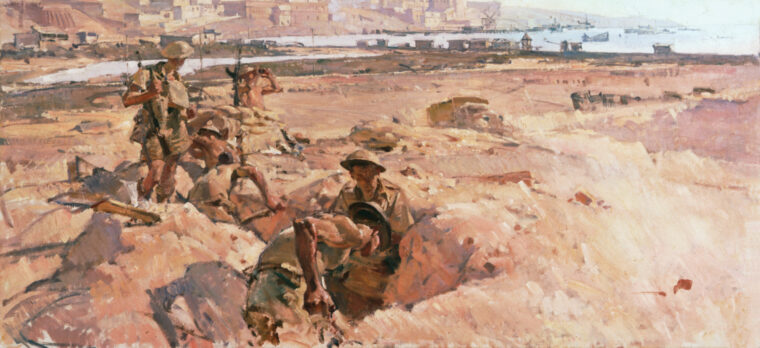
John Hurst Edmondson, known to his friends as Jack, died April 14, 1941, lying on the concrete floor of a sand-swept fighting outpost in the perimeter around Tobruk, Libya. Read more

WWII

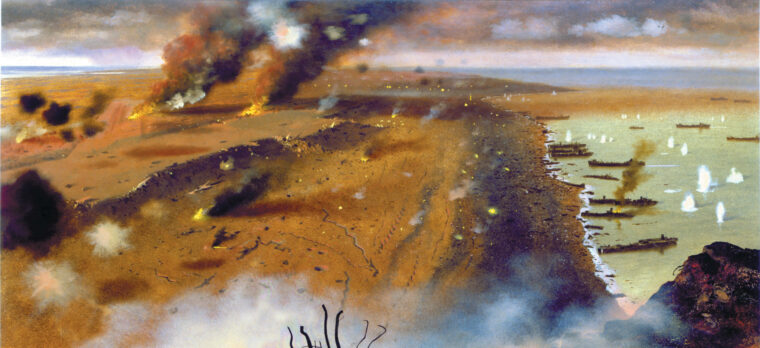
Rethinking D-Day

By Blaine Taylor

One query that was raised on the Allied side in 1942—two years before Operation Overlord—was if the cross-English Channel invasion of Northwest Europe via France was necessary at all in order to defeat the Third Reich. Read more

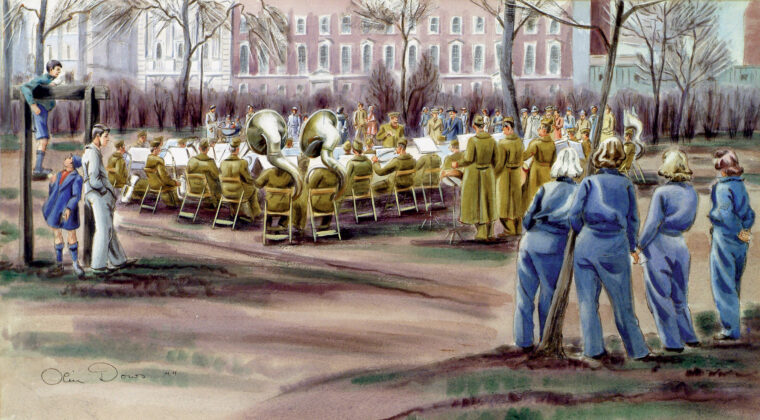
Residents of an English town gather around an Army band to listen to their favorite songs in Band Concert by Olin Dows. Many of the songs that were written and performed during World War II are standards today.

WWII

World War II Music

By Sheldon Winkler

Some of the most memorable and enduring popular music of the 20th century was written during World War II. Read more

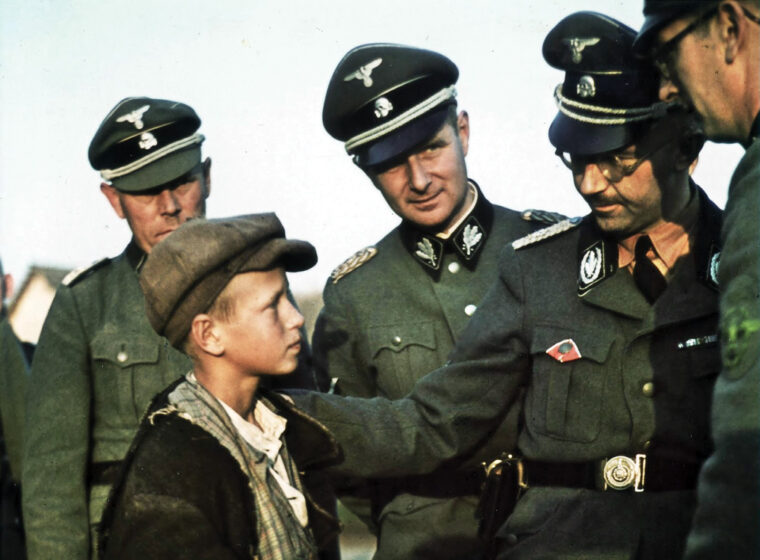
Reichsfuhrer SS Heinrich Himmler, founder of the Lebensborn Program, talks with a young Ukrainian boy. Many children were essentially kidnapped from occupied countries and given to German parents.

WWII

Children for Hitler

By Brent Douglas Dyck

By 1936, 18-year-old Hildegard Koch had reached a crossroads in her young life as she finished her schooling. Read more

WWII

Lightnings on the Deck

By Patrick J. Chaisson

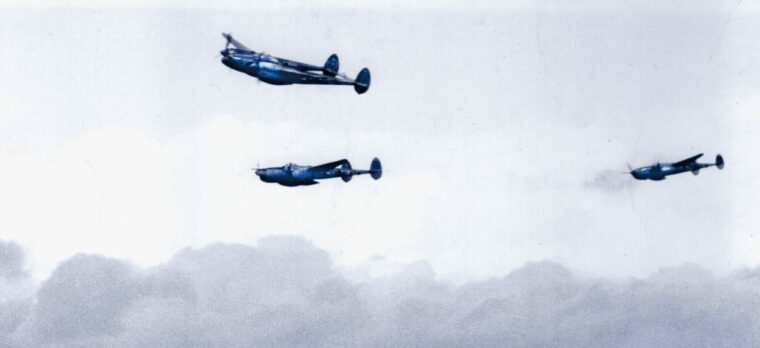
Second Lieutenant William Capron first saw the attacking Messerschmitts as black dots descending rapidly to ambush his squadron of American fighter-bombers. Read more