By Kevin Seabrooke
Kapitänleutnant Reinhard Hardegen watches through his periscope as the shape of an oil tanker moves dimly past Long Island’s Montauk Point, both the ship and the lighthouse are under blackout orders now that America is in the war.
Operation Drumbeat, the audacious German plan to disrupt the shipping of supplies to beleaguered England has already begun. Hardegen’s U-123 was the first of five U-boats to arrive on the U.S. East Coast and he has, in fact, already taken the British freighter Cyclops in Canadian waters on his way here.
On the morning of January 14, 1942, the 9,577-ton Norness, carrying 12 tons of Admiralty-grade fuel oil, has set a course for Halifax, Nova Scotia, where it is scheduled to join a convoy bound for Liverpool. Hardegen gives the order to fire a G7e torpedo that finds its mark. Then a second, and a third. The Norness will not make its rendezvous.
Hardegan sinks the British tanker Coimbra on January 15 and within hours, the other U-boats arrive. Over the next four days, they sink five more Allied merchant ships.
 Though the news is alarming, the small group of men meeting in a nondescript office building in downtown Manhattan are resolute, logical. “American Federation of Little Businesses” is lettered on the door, but the room is home to the Third Naval District’s ONI District Intelligence Office (DIO).
Tony Marsloe is meeting his new boss, Cmdr. Charles R. Haffenden, for the first time. Asked for his opinion on the sinkings and sabotage, Marsloe asserts that the waterfronts have to be secured. He can see that’s the answer Haffenden is looking for realizes why he has been recruited—he speaks fluent Italian and he was a key figure in Manhattan district attorney Thomas Dewey’s crusade against organized crime in the city.
Starting with Socks Lanza’s union at the Fulton Fish Market, the network of the clandestine “Operation Underword” spreads throughout the five boroughs and New Jersey, catching in its net big fish and small—from the bosses on the wharfs, all the way to the top at the Clinton Correctional prison near the Canadian border, Charles “Lucky” Luciano, himself. The majority of the career criminals are surprisingly patriotic and eager to help— the Nazis are bad for their business, too.
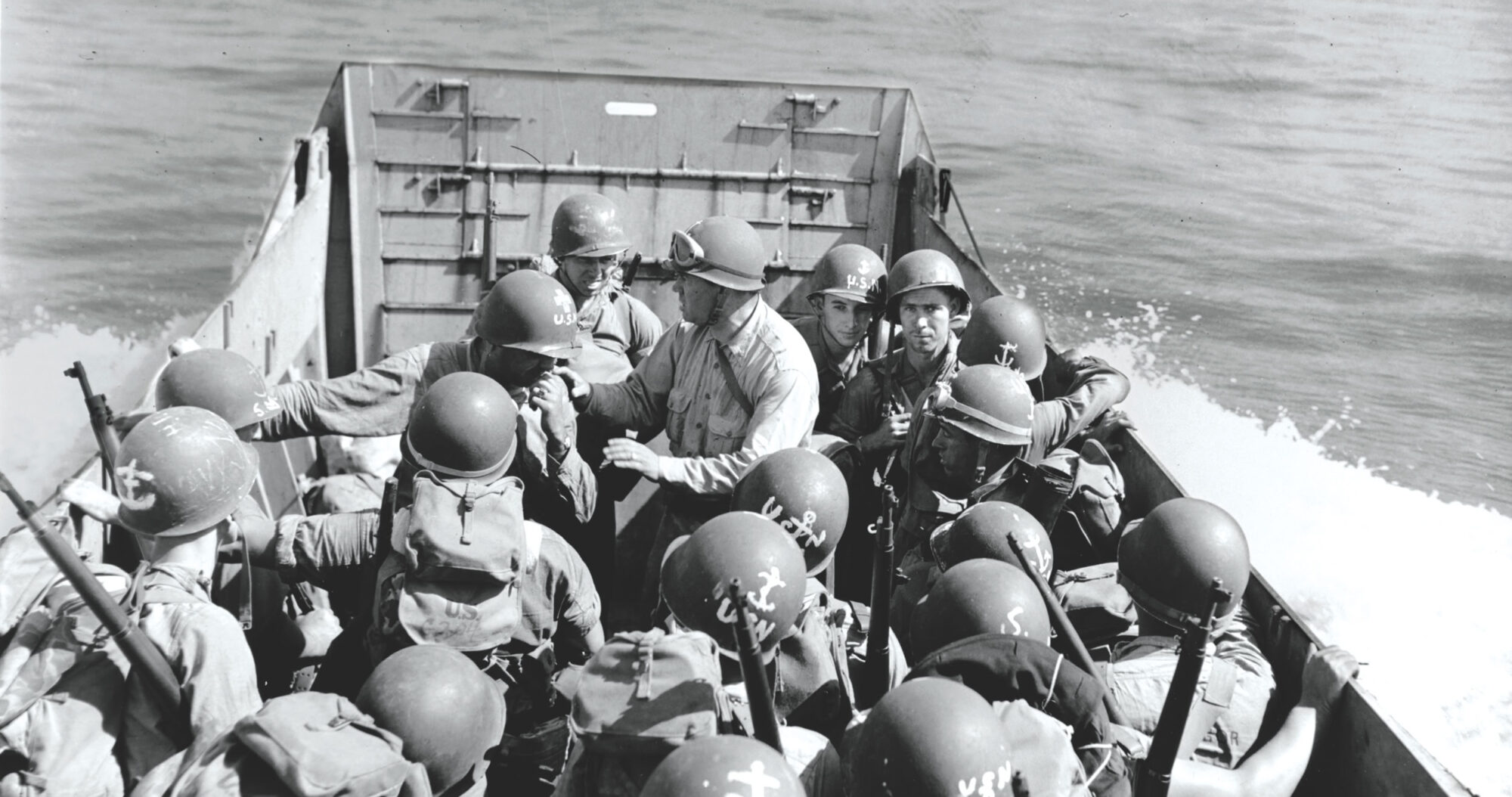
Before long, plans are in place for Tony and three other agents to land on Sicily with the first wave, secure the ports, and make contact with Sicilians who have friends and relatives in New York and might be willing to help the Allies overthrow the Nazis.
In Ghosts of Sicily: The True Story of the Naval Intelligence Agents Who Courted the Mob to Fight Nazis in America and the Battlefields of Italy (Mark Harmon and Leon Carroll, Harper Select, New York, NY, 304 pp., April 14, 2026 $29.99 HC), Harmon and Carroll have given faces and feelings to men the public was never supposed to know about, the “ghosts” behind the scenes making the world safer.
Actor Mark Harmon, who starred as Leroy Jethro Gibbs on NCIS for 18 seasons, has teamed up with Leon Carroll for an exciting series of books, beginning with Ghosts of Honolulu (2023) and Ghosts of Panama (2024), highlighting the cases of the wartime predecessor of the NCIS.

Join The Conversation
Comments
View All Comments