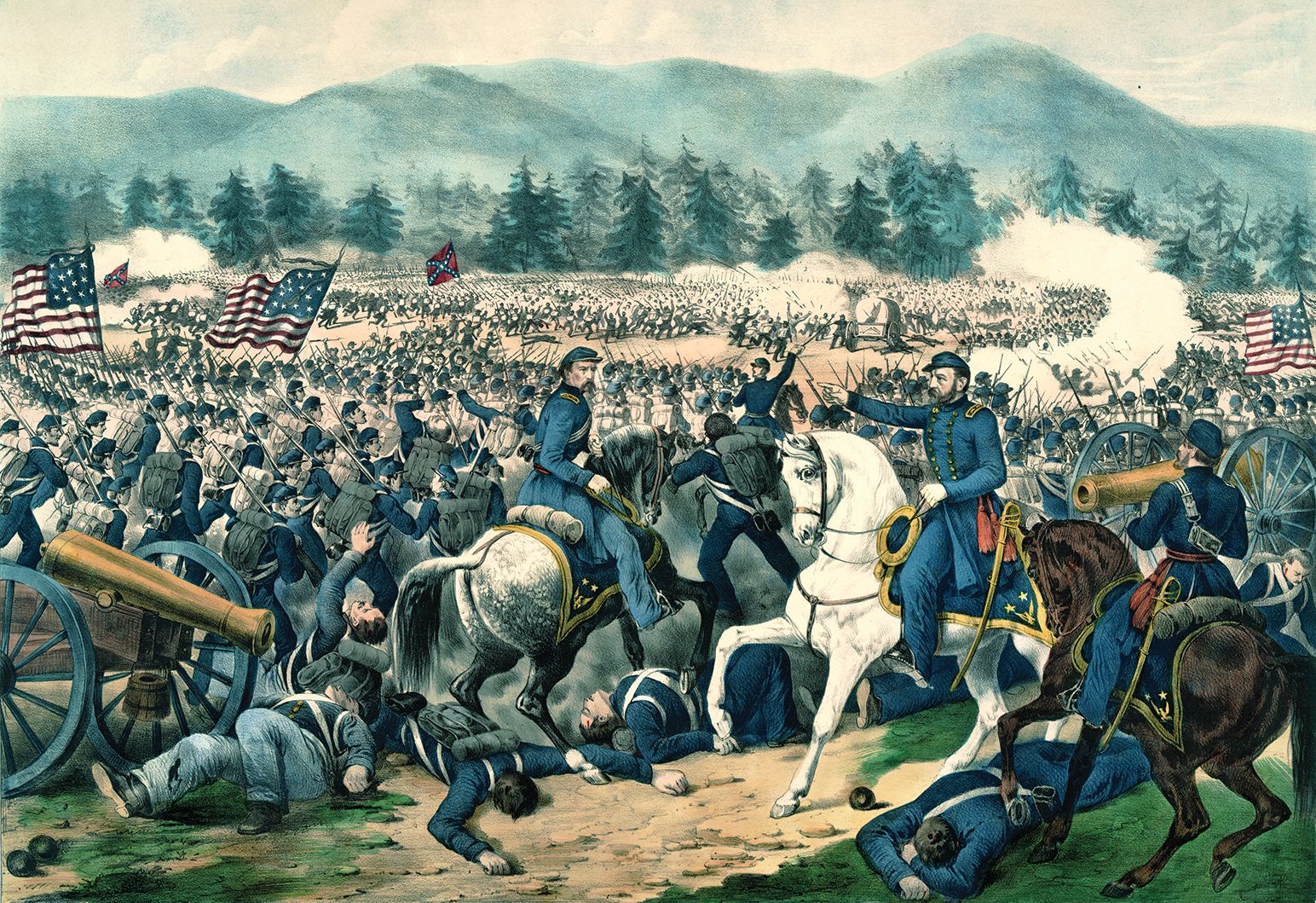
All day on July 4, 1863, the Union and Confederate armies stared at each other across the battlefield of Gettysburg. Three days of massive attacks had bled the Confederates until they lacked the manpower to attack again. The Union’s failure to go on the offensive is harder to explain.
In a letter to his wife, Major General George Meade justified his inaction. “For a day the enemy waited, hoping we could attack so they could play their old game of shooting at us from behind walls.”
More than just explicating his lack of aggressiveness, this statement was his philosophy, one that Confederate Gen. Robert E. Lee would also follow for the remainder of 1863. Both generals had seen the futility of frontal attacks at Fredericksburg and Gettysburg. Both had seen the success of the attack on the enemy’s flank at Second Manassas and Chancellorsville. Both generals wanted victory without the carnage of a heads-on attack.
In October, Lee went on the offensive using the strategy that had worked so well for him previously. His initial aim was to assault the right flank of the Union army near Culpeper Court House. That plan failed because Meade rapidly withdrew his army north across the Rappahannock River.
Rather than abandon the offensive, Lee decided to try again. The second flanking maneuver would find his army striking the Union right and rear near Bristoe Station. Again, Meade frustrated Lee’s plans by withdrawing.
Both times Lee could have assaulted the Union Army. He must have known that the rapid withdrawal had left it somewhat disorganized, and yet he did not press the advantage. He did not want to make a frontal attack, even when the enemy had little time to prepare.
Meade’s strategy was similar to Lee’s. In September, when he learned that part of Lee’s army had headed for northwest Georgia, he spent two weeks trying to find a way to maneuver around either of Lee’s flanks.
In November, he took the offensive twice. On November 7, he crossed the Rappahannock River at Kelley’s Ford. By the time his troops crossed, Lee had pivoted his army about to face him. When the Union army did not attack, Lee withdrew across the Rapidan River.
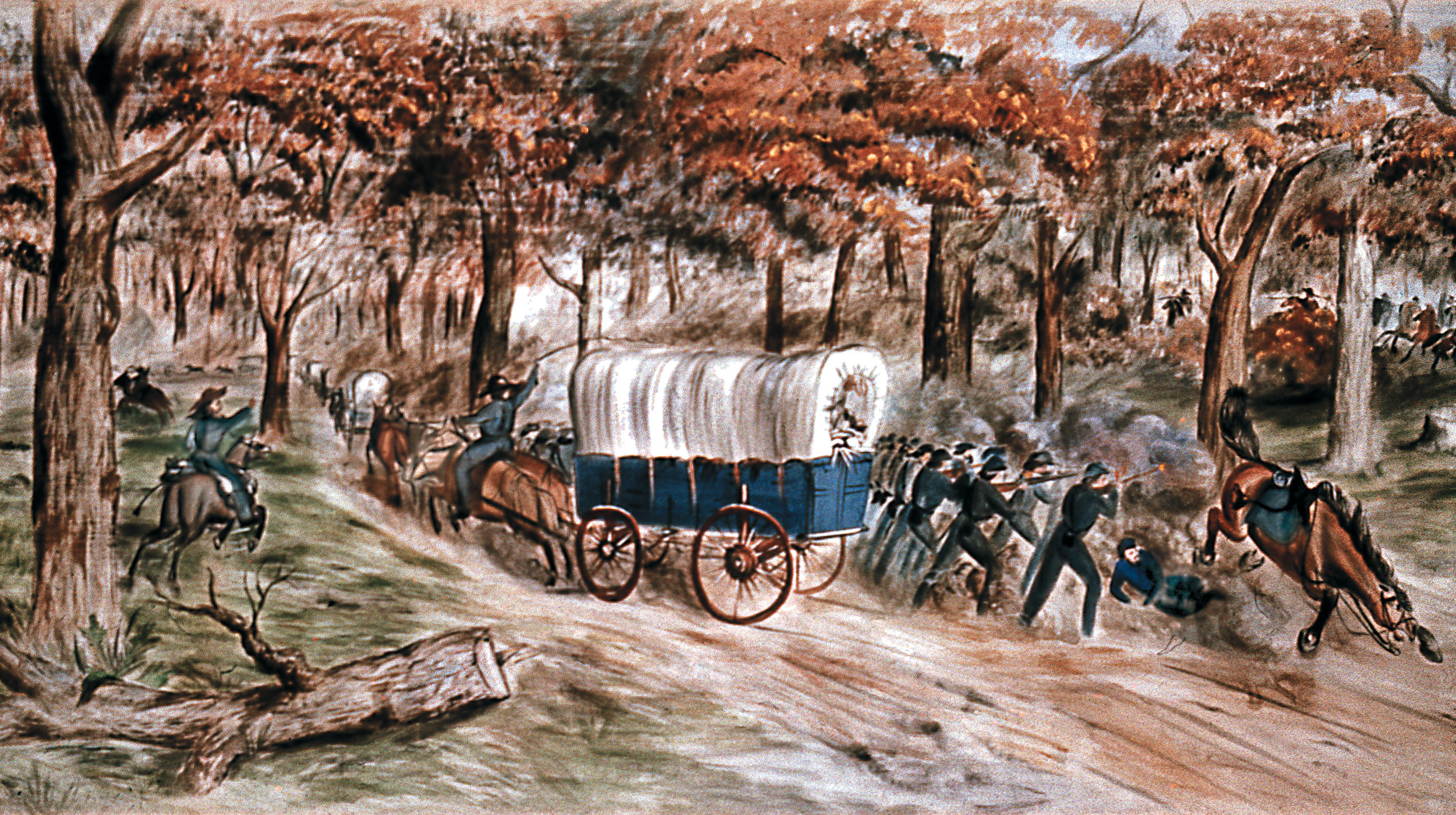
At the end of November, Meade tried again. He crossed the Rapidan in hopes of marching around Lee’s right flank. The III Corps lost half a day crossing the river, then blundered into the Confederates at Payne’s Farm. During the night, Lee consolidated his position behind Mine Run. Meade made another effort to circle Lee’s right. Ultimately, he failed and withdrew rather than risk a frontal assault.
This military minuet would end with General Ulysses S. Grant’s arrival in Virginia in the spring of ‘64. Grant crossed the Rapidan in May, ready to fight—come what may. His strategy of using the superior numbers of his army to crush the Southerners led to repeated frontal attacks. Forced to counterattack to save his position, Lee found his army being destroyed in a war of attrition.
—Robert Suhr
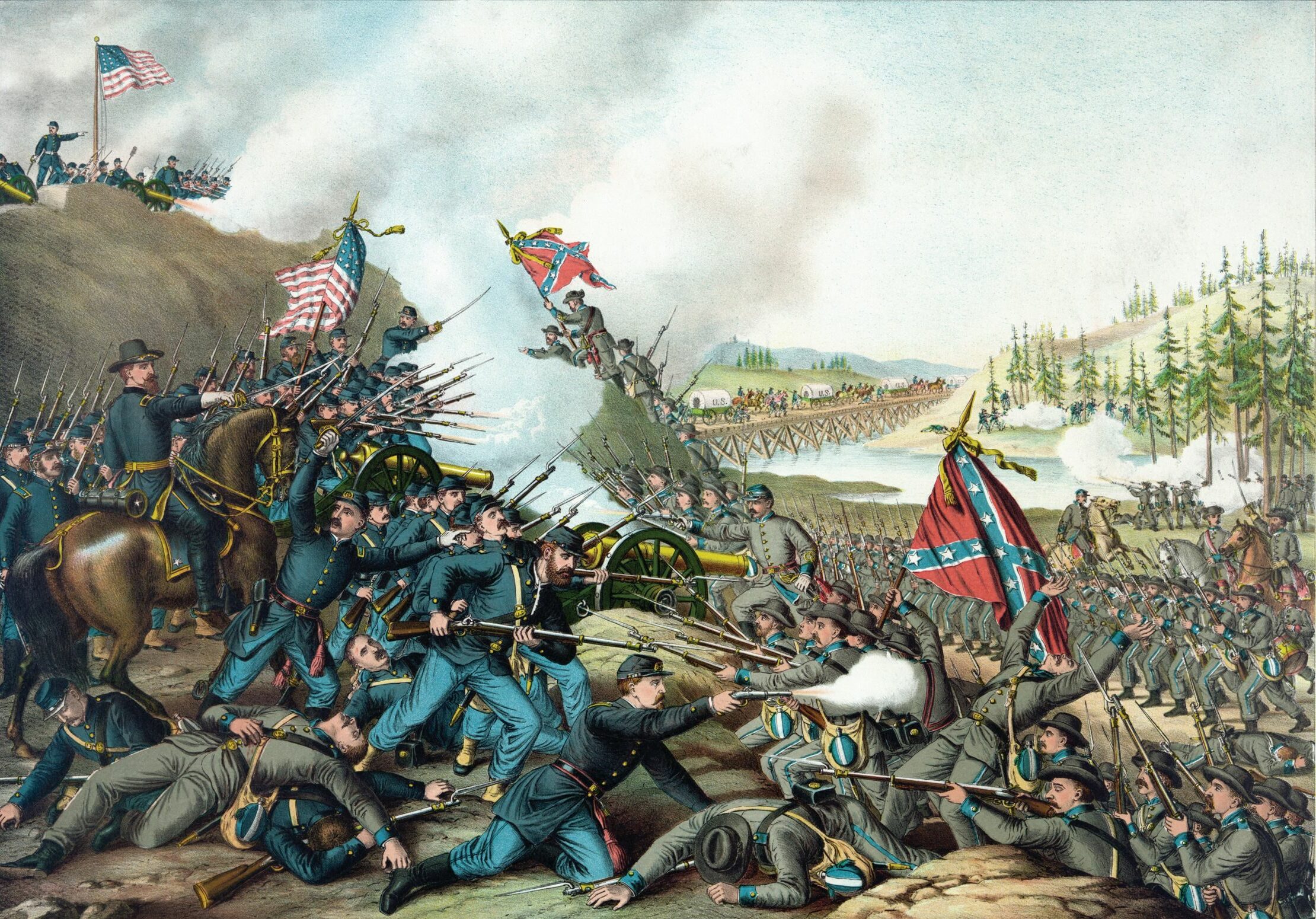
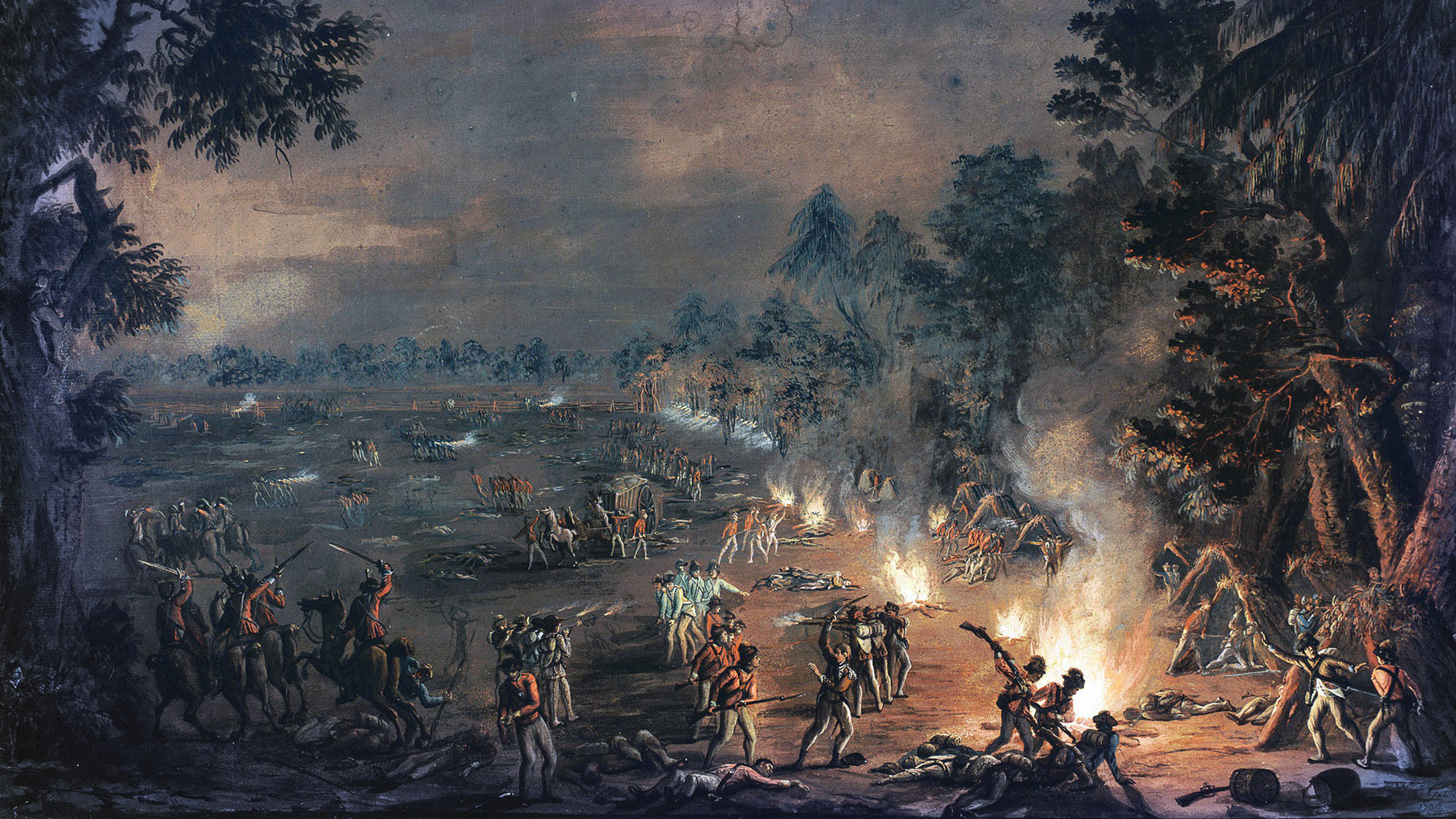
Attacking an open flank has been a basic tactic for over 2000 years. Woe to the commander who does not anchor the flanks in No Go terrain or does not take the opportunity presented to attack an open flank. It allows the attacker the opportunity to roll up the defenders line and unhinge the defense. Additionally, it creates the opportunity to encircle one’s opponent and remove them from the battlefield.