By Joshua Shepherd
For the men of the U.S. 9th Infantry Regiment, the evening of November 25, 1950, began routinely enough. Since entering North Korea the previous month, the regiment had pushed farther into the nation’s rugged northern hill country. In many respects, the advance had gone smoothly as United Nations forces steadily battered the remnants of a defeated North Korean army. Rumors circulated that the troops would be home for Christmas.
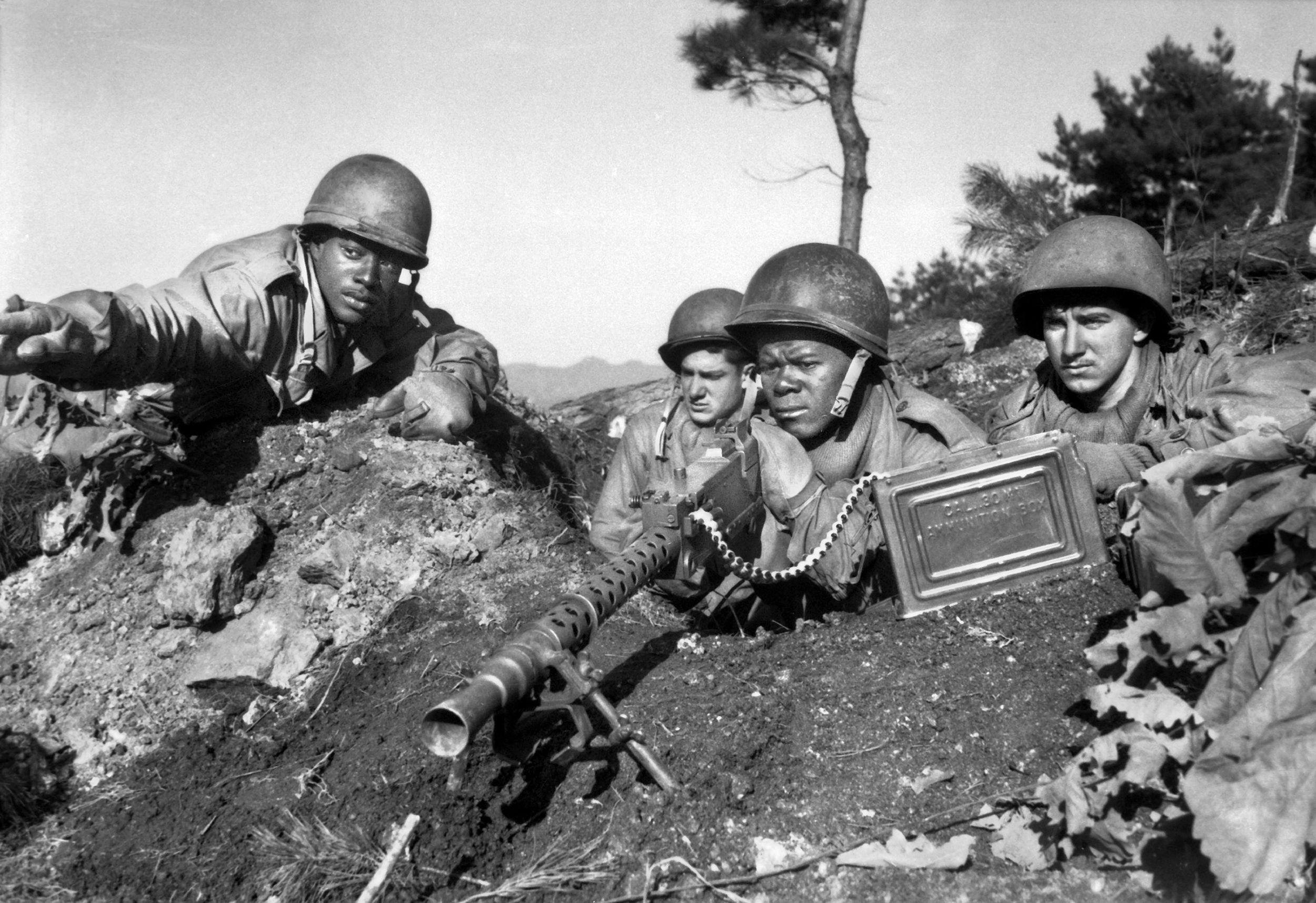
On that frigid evening the 9th Infantry was positioned along a ridgeline overlooking the Ch’ongch’on River. At regimental headquarters, Col. Charles Sloane was keeping tabs on his three battalions, but after sunset, alarming news started to filter in. As the enemy began probing the position with attacks all along his regimental front, the South Korean troops on the right fell apart and fled pell-mell for the rear.
Around midnight, Sloane listened in disbelief as disaster struck. A string of panicked communications came in from radio operators at the front pleading for help. In what seemed a surreal nightmare, they were being overrun by hordes of enemy troops.
“My God, they’re everywhere,” cried one radioman. “We’re holding, but they’re all over the place,” shouted another. Amid a cacophony of small arms fire and wild shouting, desperate men on the ridgeline reported the worst: “We can no longer hold, there are so many of them…this may be the last message you get from us.”
As his regiment crumbled, Sloane faced a grim reality that he had been suspecting for some time—Communist China had entered the war.
The decisions that brought American troops into North Korea had been borne of overconfidence, confusion, and heightened tensions at the advent of the Cold War. In the wake of World War II, the partition of Korea between a Communist North and Democratic South had virtually assured an eventual conflict. Degenerating relations between the two nations predictably led to a full scale shooting war in June 1950, when the North Korean People’s Army, the NKPA, crossed the 38th Parallel that marked the border.
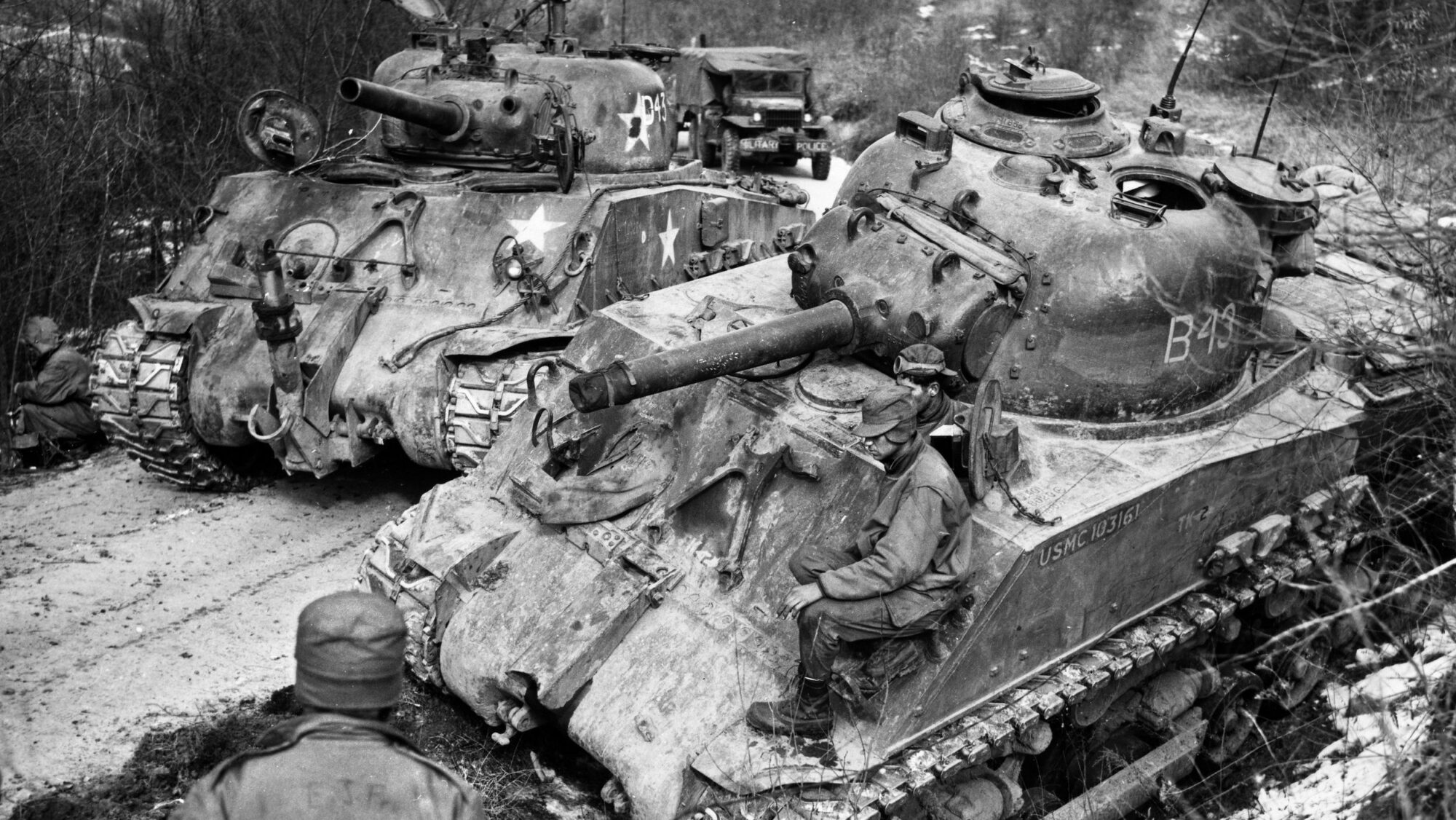
The Soviet Union had amply supplied the NKPA with state-of-the-art materiel, including the priceless armament of 150 T-34 tanks. North Korean forces smashed shocked and ill-prepared South Korean troops, first seizing the capital of Seoul, then driving south through the nation’s heartland.
The American response to the growing disaster was hampered by a woeful lack of available manpower. An understrength task force of U.S. troops, rushed to the fighting from Japan, was badly chewed up by more experienced North Korean forces. The Communist juggernaut, however, was slowed by dogged resistance. By the end of July, a strong defensive position ringed the southern port city of Pusan.
The United Nations had quickly condemned the invasion and authorized its member nations to forcibly liberate South Korea. Allied nations began to funnel troops into the Pusan Perimeter, slowly building up strength for an eventual counterattack. Not surprisingly, the bulk of the heavy fighting, and hence command of U.N. forces, fell to the United States.
Assuming overall command of the war effort was Gen. Douglas MacArthur, one of the most legendary commanders of World War II, who had been awarded a rare fifth general’s star. Lionized by the press and respected by rank and file, he was also a cerebral career officer who lived and breathed grand strategy.
MacArthur would put those skills to use in turning the tide of the war in Korea. But rather than launch a conventional counterattack out of the Pusan Perimeter and risk seeing his troops tied up in a brutal slugging match to take back the Korean Peninsula, MacArthur developed a daring plan to divide his forces and launch an amphibious landing at the city of Inchon, far in the rear of North Korean forces. The plan met with resistance from fellow officers, the Navy, and Washington authorities, but MacArthur’s force of personality ultimately won out.
The amphibious landing had been an audacious gamble, but it paid off. Beginning on September 15, elements of the American X Corps landed at Inchon, catching the North Koreans entirely by surprise. With their lines of communication gravely threatened, the North Korean army began to unravel. The American Eighth Army, bolstered by South Korean forces, then pushed its way out of the Pusan Perimeter, handily brushing North Korean forces out of the way and linking up with the X Corps on September 26. At the same time, elements of the 1st Marine Division entered Seoul, heralding the liberation of the South Korean capital.
The stunning success of the Inchon landings and subsequent rough handling of the North Koreans increasingly convinced MacArthur that a direct invasion of North Korea was not only advisable but imperative. After having so swiftly liberated South Korea, the general’s blood was clearly up. With the NKPA reeling in confusion, MacArthur hoped to finish off the enemy.
To his credit, MacArthur possessed an abundance of the most necessary trait for a field commander: supreme self-confidence. But he was also notoriously independent, dismissive of restraint, and prone to operate without regard to authorities in Washington.
MacArthur’s success at Inchon had only exacerbated his problematic tendencies. His penchant for acting independently could be an asset when quick, decisive action was necessary on the battlefield—the amphibious landings had clearly constituted one of the most brilliant strategic victories of the twentieth century. But if MacArthur’s judgement as a theater commander was skewed by dangerous overconfidence, the results could be disastrous.
As he contemplated a drive north, MacArthur’s mounting hubris led him to commit a fundamental military blunder—underestimating the enemy. Scoffing at the danger of North Korean resistance, MacArthur likewise dismissed the potential of Communist Chinese intervention. North Korea bordered both China and the Soviet Union, and fears of sparking a wider war with the Communist world loomed large
After Inchon, MacArthur was increasingly convinced that the Chinese would stay out of the war, simply ignoring any intelligence to the contrary. For the inherently aggressive commander bent on total victory, crossing the 38th Parallel and finishing off the North Koreans became a myopic preoccupation.
Authorities in Washington were increasingly seeing things MacArthur’s way. Although initially hesitant to potentially provoke a full-scale war with either Communist China or the Soviet Union, the Truman Administration inexorably drifted toward favoring a push into North Korea.
General Matthew Ridgway would later observe that there had developed “an almost superstitious regard for General MacArthur’s infallibility. Even his superiors, it seemed, began to doubt if they should question any of MacArthur’s decisions.”

There were also simpler, more practical considerations for crossing the border. For Secretary of State Dean Acheson, the invisible line demarcating North and South Korea would prove a nearly impossible barrier for troops on a chaotic battlefield. In Acheson’s words, the army couldn’t just “march up to a surveyor’s line and stop.” In hindsight, it’s apparent that the sheer momentum of events began to control decision making.
On September 27, the Truman Administration officially authorized MacArthur to cross the 38th Parallel. The order came with provisions not to unduly provoke either the Chinese or Soviets directly along Korea’s northern border. For the independent minded general, who had already decided on the move, official authorization to do so was little more than a formality.
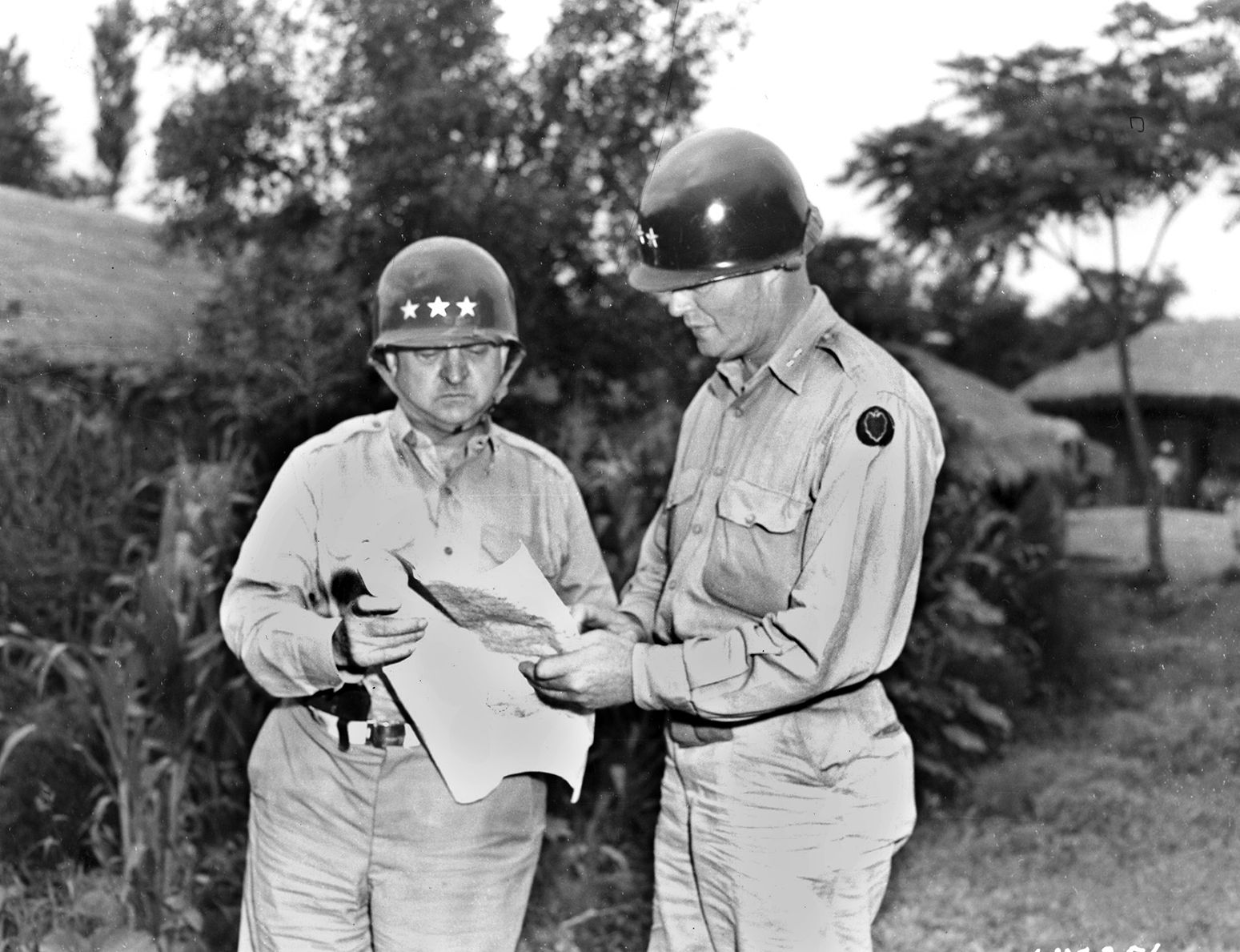
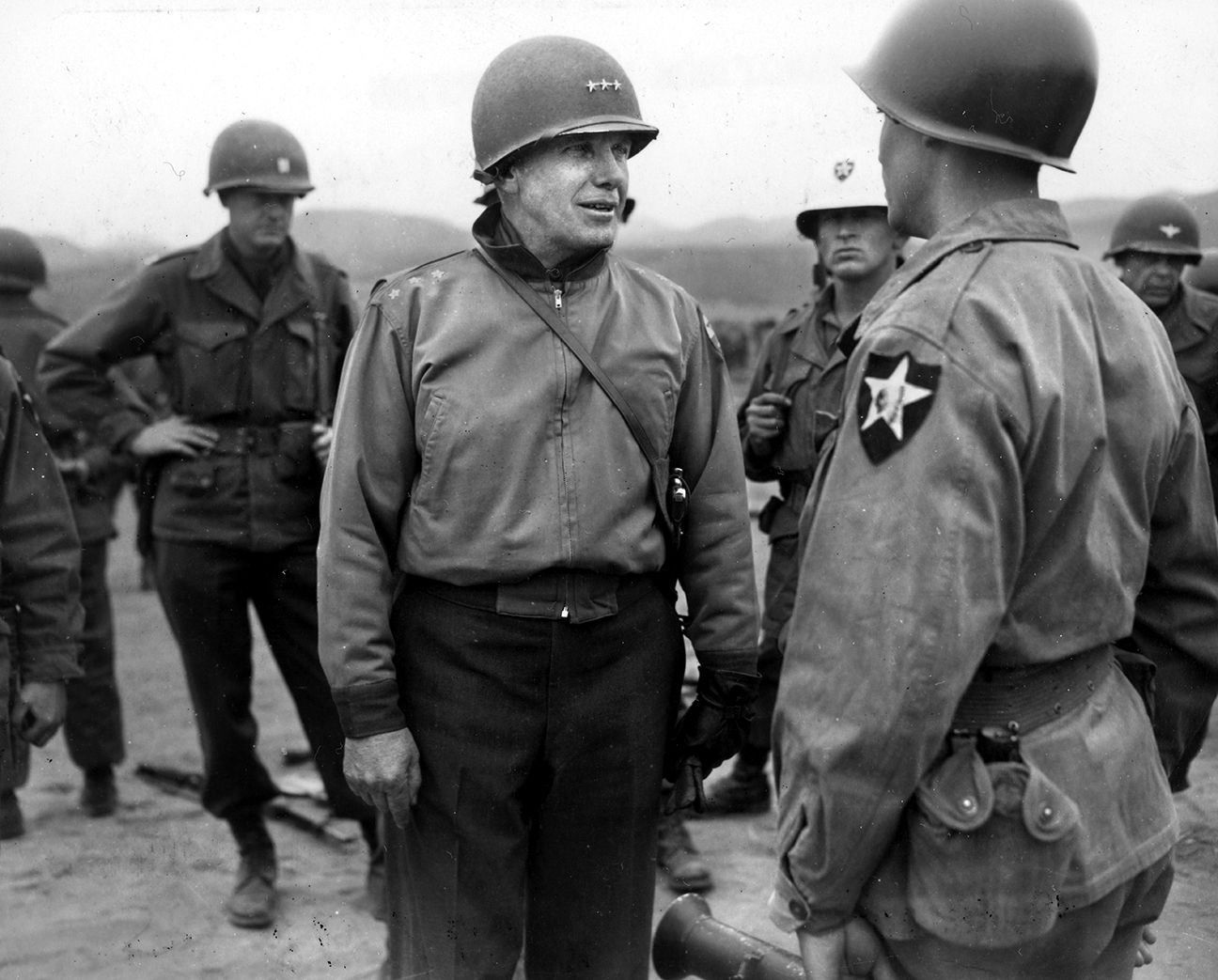
For the drive north, MacArthur wielded a somewhat disjointed command, although the arrangement was of his own design. His primary force consisted of the Eighth Army, commanded by Lt. Gen. Walton Walker, an unassuming, barrel-chested career man who had served in the European Theater during World War II. Though not a flashy officer, Walker was a steady army commander who could capably head up a mixed bag of troops, including his own Eighth Army, the Republic of Korea Army—or ROK—and contingents from other U.N. member states including Great Britain and Australia.
MacArthur’s secondary force, which he intentionally kept out of Walker’s control, was the X Corps, consisting of the 1st Marine Division and the Army’s 7th Infantry Division. Command of the outfit was assigned to Maj. Gen. Edward Almond, who had served as MacArthur’s chief of staff. Almond’s command of X Corps, as well as the favored status he enjoyed with MacArthur, caused no small resentment in the officer corps. Almond reported directly to MacArthur, and the uncomfortable arrangement occasioned a less-than-warm working relationship with Walker.
For the invasion of North Korea, MacArthur devised a complex offensive. While Walker’s Eighth Army pushed north through western Korea, Almond’s X Corps, which had executed the Inchon landing, would be embarked for yet another amphibious landing behind enemy lines, this time at the vital port city of Wonsan on Korea’s eastern coast.
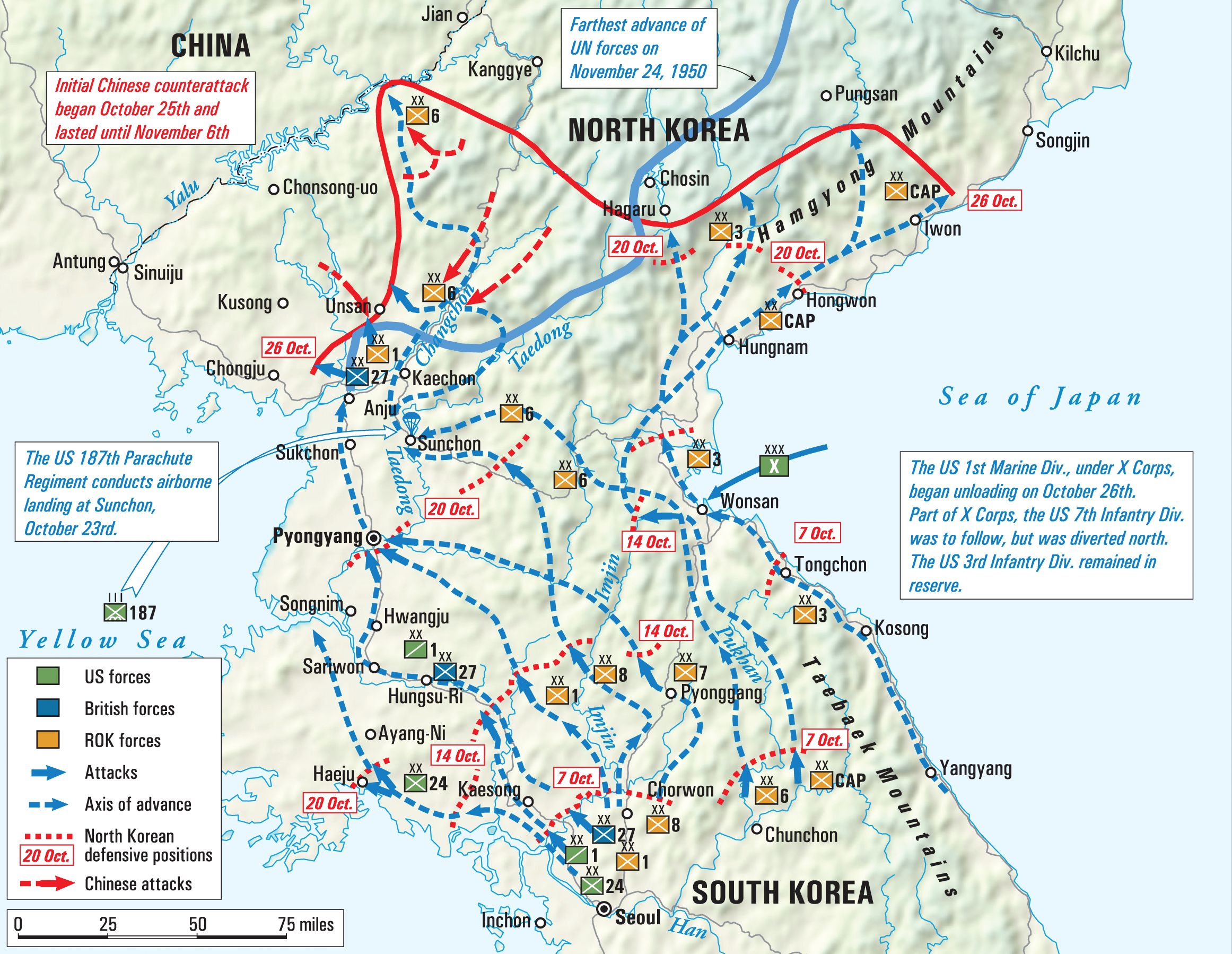
This plan, however, met with a dubious response. Walker preferred a simpler plan with X Corps driving directly north to Pyonggang with the Eighth Army in support. Once the North Korean capital fell, U.N. forces could then push east to link up with ROK forces on the coast. Walker’s preferences had much to commend them. Such a move was logistically more feasible, and ROK forces on the east coast were making swift progress in the face of weakening North Korean resistance. Some officers pointed out that ROK troops would likely seize Wonsan before the X Corps could even launch an amphibious assault.
Not surprisingly, MacArthur stuck to his own course. The Eighth Army began preparing for a push north, and by October 8, elements of the 1st Cavalry Division had secured a general assembly area near Kaesong. Some of the troopers were within shooting distance from the 38th Parallel.
Farther east, South Korean forces eager to reunite their country had pressed ahead on September 30, when the ROK 3rd Division crossed the parallel. Despite advancing along heavily mined roads and facing increasing resistance from the North Korean 5th Division, the South Koreans made good progress, gaining about 15 miles a day. By October 9, the ROK 3rd and Capital Divisions, advancing in tandem, had raced ahead 110 miles from the border, and were positioned on the outskirts of Wonsan.
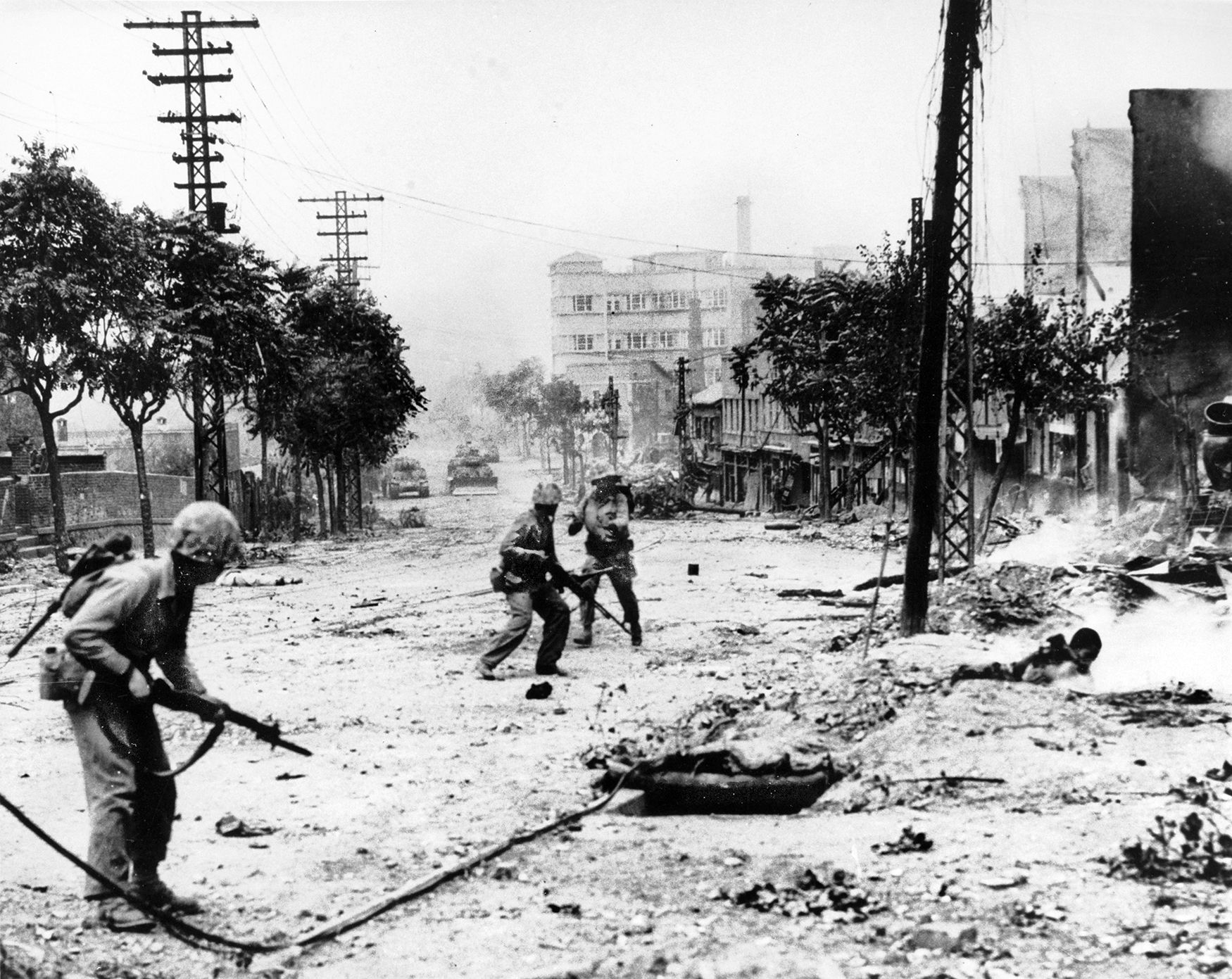
When the South Koreans assaulted the city early the next morning, they did so in the face of withering enemy artillery fire. Fierce street fighting developed over the course of the day, reducing portions of the city to rubble. After a day of heavy fighting, ROK troops pushed to the northern edge of Wonsan, securing the city.
With U.N. forces poised to deliver a death blow to the NKPA, the United Nations General Assembly met in New York City and made a crucial decision that would have lasting repercussions. With North Korean forces rapidly disintegrating on the battlefield, complete victory seemed well within reach. Rather than simply stopping at the liberation of South Korea, delegates adopted an ambitious resolution on October 7, authorizing U.N. forces in Korea to unify the entire peninsula.
Farther west in central Korea, the ROK II Corps, consisting of the 7th and 8th Divisions, likewise crossed the 38th Parallel and drove hard for a strategically vital region which would eventually be known as the Iron Triangle. The locale consisted of a broad plain in an otherwise mountainous region, and served as a hub for road and rail lines across North Korea. By October 11, the II Corps had flushed out disorganized North Korean troops and seized the Triangle.
With South Korean forces pushing hard across the border, the Eighth Army followed suit. As Walker prepared to launch a major campaign with his forces, his initial target was the city of Kumchon. Stiff resistance was expected from the North Korean 19th and 27th Divisions, and the Americans faced the prospect of fighting their way through three lines of defensive field works. Both North Korean divisions were composed of green troops, who were nonetheless fanatically dedicated to defending their country.
On October 9, the 1st Cavalry Division, spearheading the attack, crossed the 38th Parallel and began probing enemy positions. On the left was the 7th Cavalry Regiment, on the right, the 5th. In the division’s center, the 8th Cavalry advanced directly up the main road from Kaesong. Despite its access to good roads, the regiment made slow progress as it negotiated a thick network of enemy minefields. A heavily defended North Korean position stalled the regiment’s advance. Despite repeated airstrikes, the North Koreans remained in place.
Off to the right, the 5th Cavalry faced tough opposition as it fought to secure the division’s right flank. Running into a rugged ridge crowned with North Korean trenches, the regiment assaulted the position on October 12. In the confusion, Lt. Samuel Coursen jumped into a trench to help a stranded trooper, and found himself rushed by enemy soldiers. While the soldier dashed for safety, Coursen fought for his life, firing his rifle and then swinging it wildly as a club. When the position was finally secured, his body was found near those of seven North Koreans.
On the left, the 7th Cavalry would experience a lucky breakthrough. Although it was initially expected that the regiment would face the nearly impossible assignment of crossing the Yesong River, patrols discovered a usable footbridge— damaged but intact—still standing over the river. After a three-hour artillery barrage softened up enemy positions, infantry began crossing the bridge, and, under the cover of their own artillery, succeeded in crossing to the far bank with few casualties. But when the North Koreans discovered the Americans were crossing the bridge, they began funnelling reinforcements to the site.
The regiment’s 1st Battalion crossed the bridge without artillery support, suffering 78 casualties. Despite the cost, more troopers began funneling over the bridge, and succeeded in fending off a North Korean counterattack overnight. By the morning, the entire regiment had crossed the river and swung north toward Hanpo-ri, effectively cutting off the line of retreat for North Korean troops still defending the Kumchon Pocket.
However, more fighting remained for the 5th and 8th Cavalry Regiments, which continued their attacks in the direction of Kumchon. North Korean forces put up stiff resistance, but fled north as their defenses collapsed on October 14. Their officers kept them in good order, and succeeded in getting the bulk of their troops out of the American trap. In five days of tough fighting, the 1st Cavalry Division succeeded in breaching the enemy’s first three defensive lines and clearing the road toward Pyongyang.
Intending to keep the NKPA on the run, Walker kept the 1st Cavalry Division pressing north through the hill country south of Pyongyang, where it faced tough fighting on the main road into the capital. Off the division’s right, the ROK 1st and 7th Divisions, moving on foot, were smashing North Korean resistance and threatening to reach the North Korean capital before the Americans. Hoping to speed up his advance, Walker pulled the 24th Infantry Division out of a supporting role and deployed it to the left of the 1st Cavalry.
By October 17, U.N. forces seized the city of Sarwon, the last town of any size before reaching Pyongyang. North Korean resistance south of the capital was beginning to fall apart, and the following day, two U.N. columns converged on the town in a pincer move that caught the North Koreans off guard. From the south, the 1st Cavalry Division pushed into the city, while the hard-driving ROK 1st Infantry Division attacked from the east. Fierce fighting pushed Communist forces out of the city by October 20.
It was hoped, however, to cut off and destroy North Korean forces fleeing the city. The same day that Pyongyang was secured, the 187th Airborne Regimental Combat Team parachuted onto drop zones near Sukchon and Sunchon, 25 miles north of Pyongyang. The North Korean retreat from the city, however, was so rapid that most NKPA forces slipped by the paratroopers before they secured the area.
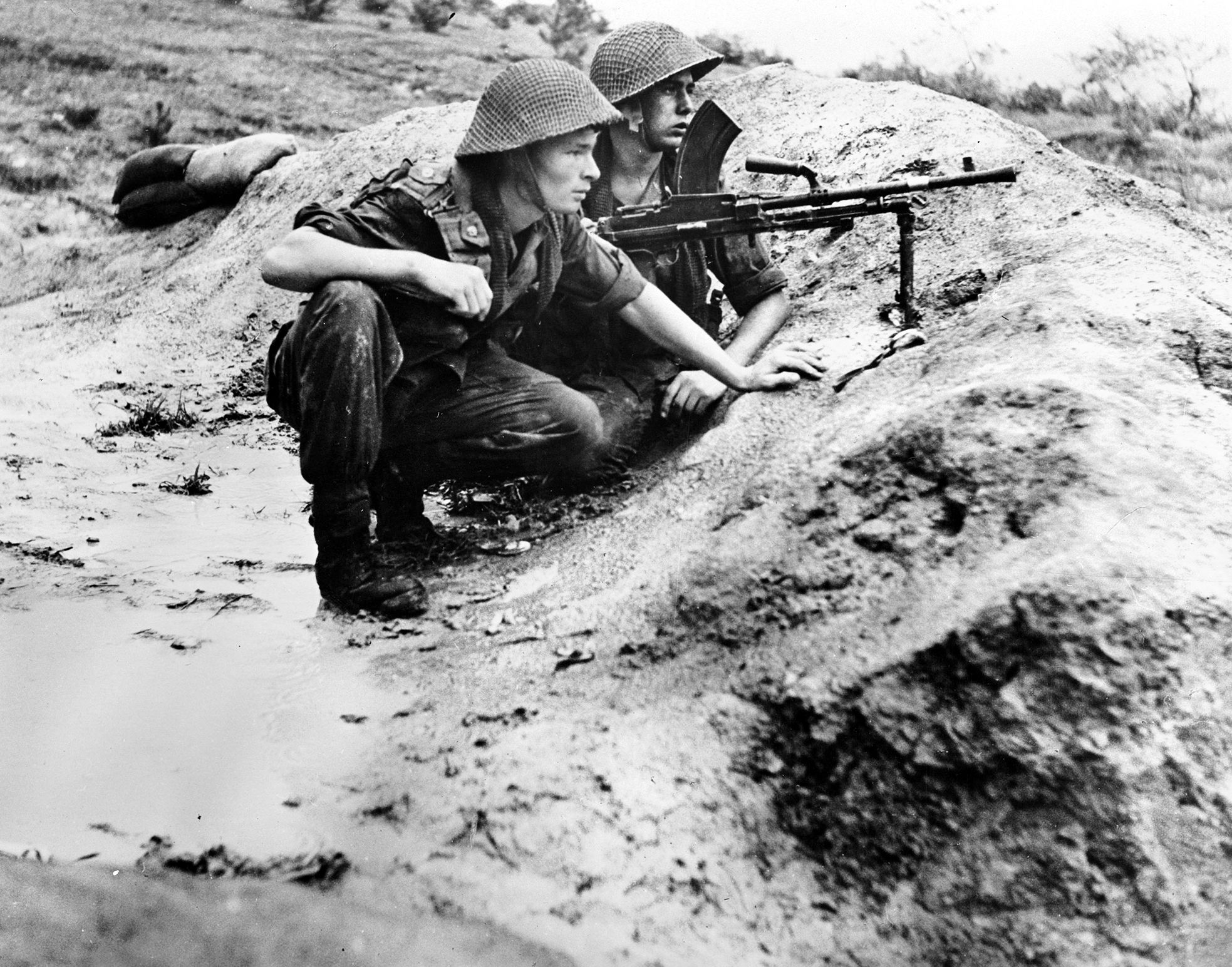
One North Korean unit, the 239th Regiment, remained south of Sukchon and was spoiling for a fight. American paratroopers moved south on October 21 but were unexpectedly attacked by the North Koreans. A relief column consisting of the British 27th Commonwealth Brigade moved up from Pyongyang and struck the North Koreans south of Yongyu. Despite stubborn fighting, the North Koreans were pushed off of the hills south of town, and attempted to break through the cordon established by the American paratroopers. Trapped between both U.N. forces and unable to effect a breakout, the North Korean regiment disintegrated as survivors fled north in small groups.
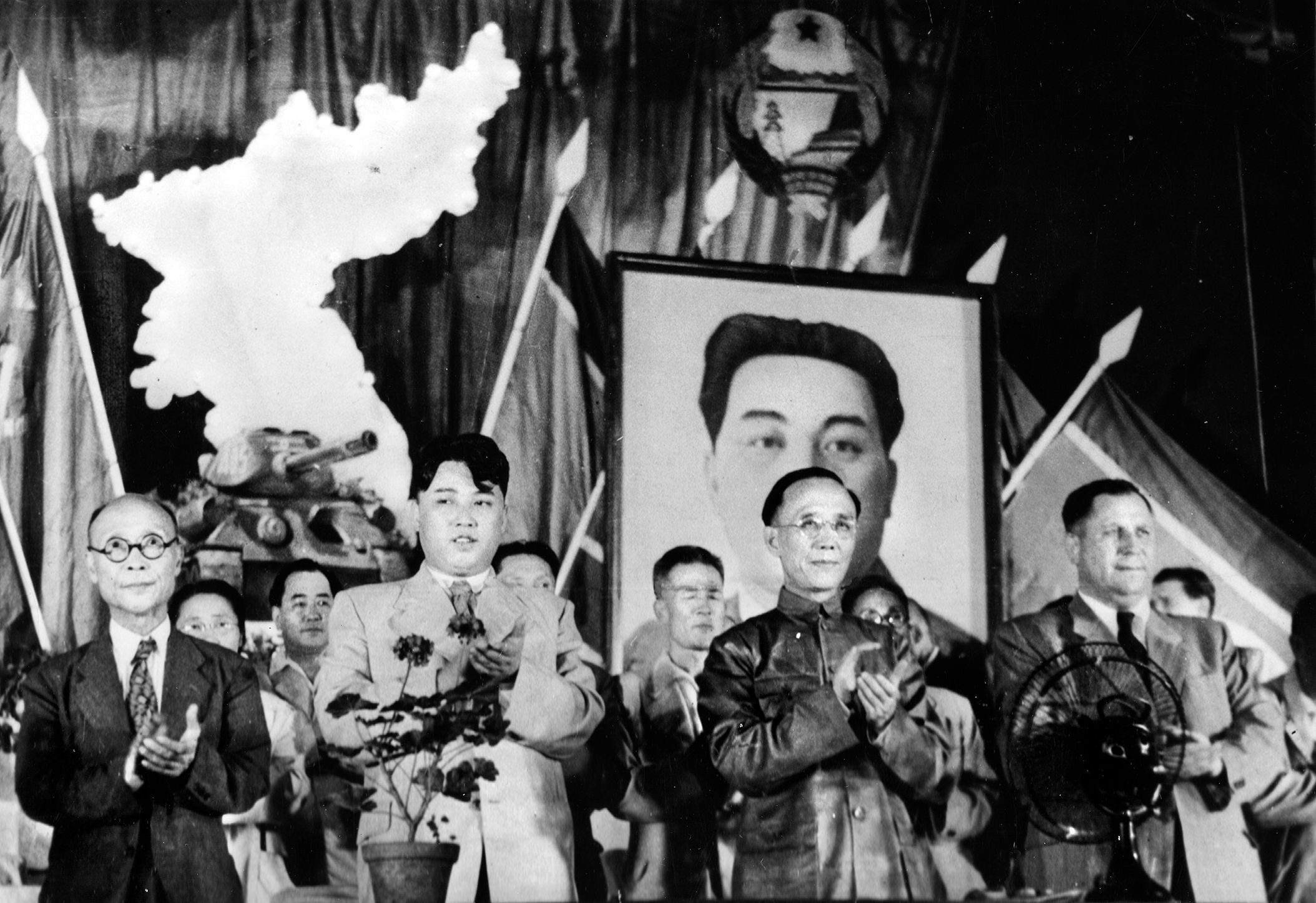
A swift pursuit of North Korean forces ensued. It was apparent that although the NKPA still possessed a good bit of fighting spirit as they defended their country, they posed little conventional strategic threat on their own. Kim Il Sung eventually moved his government to Kanggye in the rugged mountains of northern Korea. Ominously, the city was near the Chinese border at the Yalu River, and was ideally situated as a base from which to wage a defensive guerilla war.
MacArthur remained confident of success, and was still convinced that China would stay out of the war. With North Korean forces soundly defeated on the battlefield and in wild retreat across the peninsula, it appeared that little more remained than for U.N. forces to maintain persistent pressure on enemy troops and then mop up the remnants of the NKPA. MacArthur assured Washington authorities that victory was in sight, and began making optimistic assurances that the bulk of U.S. troops would be home for Christmas.
As U.N. ground forces raced north, it appeared that MacArthur was right. In fact, on October 24, MacArthur made a momentous decision. Although previous orders from the Pentagon had insisted that only South Korean troops would be permitted to operate in the northern provinces along the Chinese border, MacArthur unilaterally removed such restrictions and authorized his own troops to push all the way to the Yalu River.
The Joint Chiefs of Staff voiced concern over the move, but MacArthur defended the decision on grounds of military necessity, and insisted that the South Koreans couldn’t secure the northern reaches of the country by themselves. Ultimately, nothing was done to halt the provocative use of U.N. troops along the Manchurian border.
In fact, circumstances were quickly shaping events even as exultant U.N. forces pushed north in the vacuum created by the collapse of the NKPA. As they did so, however, the logistical constraints of resupplying such a vast army increased dramatically. Much of the terrain in Northern Korea is characterized by heavy mountains and a more primitive network of roads and rail lines. Direct coordination of individual units became more difficult and the army’s lines of communication were stretched dangerously thin. The weather likewise worsened with the coming of the notoriously harsh conditions of the Korean winter.
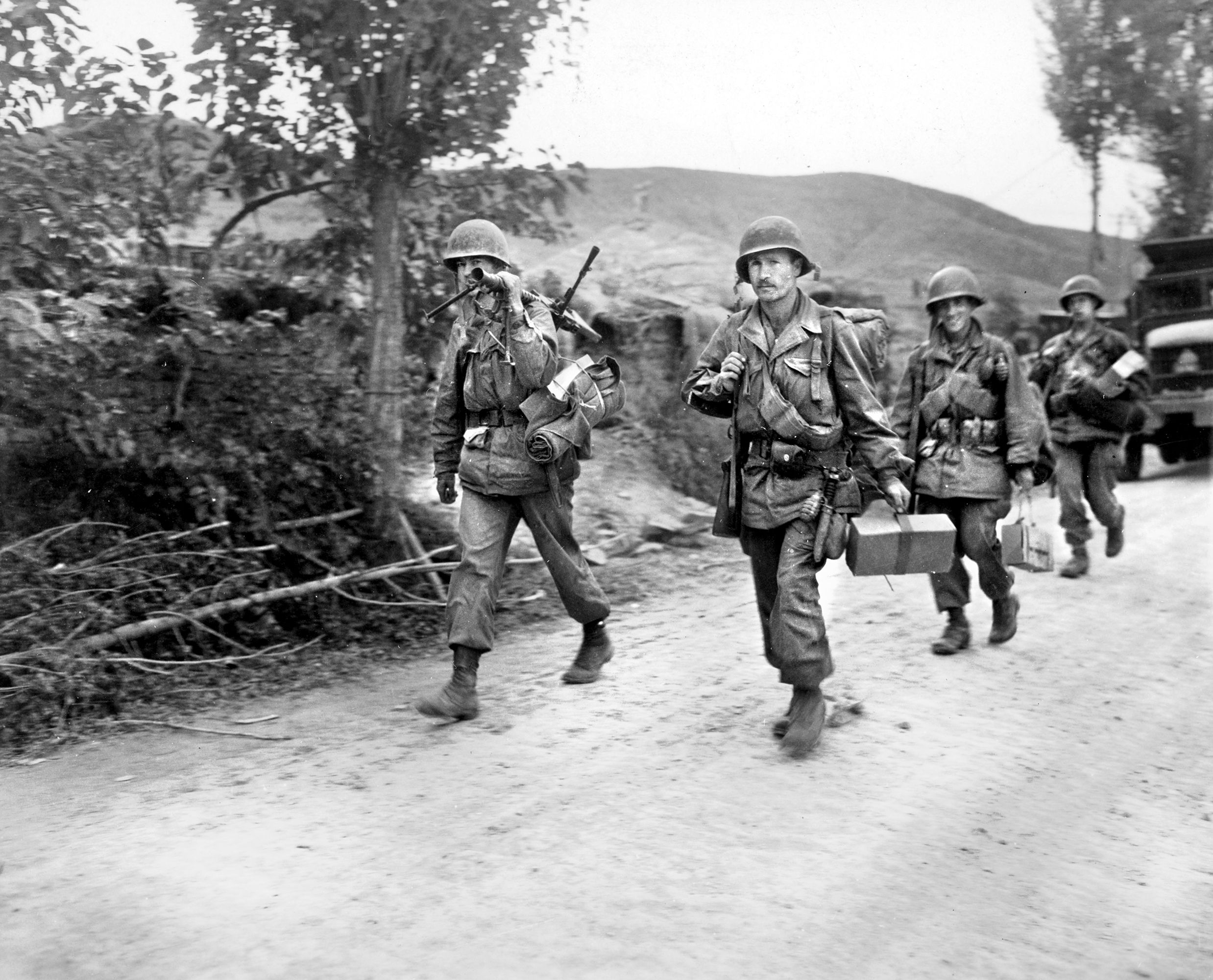
In fact, the ROK 6th Division, to the right of the Eighth Army, was gaining ground fast. On October 26, the Reconnaissance Platoon of the ROK 7th Regiment pushed through the town of Chosan, which sat directly on the Yalu River. North Korean troops were fleeing across the river, and Major Harry Fleming, an American advisor with the regiment, ordered a machine gun crew to open fire. It was the first unit operating in the Eighth Army sector to reach the Manchurian border. It would also be the last.
While elements of Walker’s Eighth Army had swiftly pushed to the very gates of Manchuria, Almond’s X Corps had been busy executing a cumbersome and, as feared, unnecessary amphibious landing at Wonsan. True to expectations, the city was fully under ROK control by the time the landings could be made, and on October 25, the 1st Marine Division began making uneventful landings at the port city. The area was so secure, in fact, that Almond ordered his 7th Infantry Division to make a landing farther north; it would be another week before the division was fully ashore at Iwon.
While it appeared that the war in Korea was coming to a speedy and victorious resolution, a nightmare scenario was quickly developing that would lead to the war spiraling out of control. As his nation was being overrun, North Korean dictator Kim Il Sung grew increasingly desperate. As his army was hemmed into an ever shrinking ribbon of land in the northern reaches of his country, he came under the stark realization that the nation over which he presided could very well evaporate. Given no substantive assurances from the Soviet Union, Kim had increasingly turned to the only nation with the ability to help, and begged for assistance from Communist China
Despite MacArthur’s heady and seemingly invincible drive north, the U.N. decision to completely eliminate the North Korean state met with an inevitable response from Red China. Although Mao Tse-tung, Chairman of the Chinese Communist Party, had hoped to avoid conflict in Korea, the looming prospect of western troops being entrenched along China’s border was simply unacceptable. After his nation had endured decades of western domination, Japanese occupation, and brutal civil war, Mao was convinced that the U.S. would inevitably invade the Chinese homeland if given a permanent toe hold in Korea.
Just one day after the U.N. authorized MacArthur to reunify the two Koreas, Mao ordered Chinese Communist forces, under the guise of “volunteers,” to enter the war. Despite his quick response to the U.N. resolution, Mao vacillated for much of October. Cancelling, and then just as quickly authorizing military operations, China’s Great Helmsman agonized over the potential cost to his nation if it entered the war.
His crisis of indecision only worsened when the Soviets, despite previous assurances to the contrary, made it clear that they would not provide direct air support to Chinese ground troops. Fully cognizant that his troops would be decimated by American air superiority, Mao hesitated making a final authorization of intervention.

Despite his unwillingness to become directly involved, Soviet Premier Joseph Stalin was adamant in pushing Mao to join the war. “If a war is inevitable,” he wrote, “then let it be waged now.” Ultimately, such logic held sway.
On October 19, 30 divisions from the Chinese People’s Volunteer Army, the CPV, began crossing the Yalu River. Unfettered by heavy equipment, extensive supply trains, or supporting armor, the lightly armed but fast moving Chinese infantry fanned out across northern Korea. Due to a dire breakdown in intelligence, U.N. forces had little idea what was taking place.
By October 25, the Chinese were ready to act. The initial plan, or First Phase Offensive, was to probe U.N. forces, looking for weaknesses in enemy tactics and giving their green troops a chance to gain experience against a technologically superior enemy. The first troops to face pressure from the Chinese was the ROK 6th Infantry Division, positioned off the right flank of the Eighth Army. Unexpected Chinese attacks caught the South Koreans completely off guard, inflicting heavy casualties and forcing the Koreans to give ground.
Meanwhile to the east, the ROK I Corps was driving toward the Chosin Reservoir and its vital hydroelectric plants. That day, an interrogated enemy prisoner revealed that he was Chinese, and that upwards of 5,000 Chinese troops were in the vicinity. The fighting indicated as much. The Korean attack halted in the face of intense resistance, and it was increasingly evident that a large enemy force had suddenly appeared in their front.
Hearing the alarming reports of Chinese prisoners, General Almond decided to personally investigate. Almond interrogated 16 prisoners who revealed that they were, indeed, Chinese. The men indicated that they were not isolated volunteers, but a part of the Chinese 370th Regiment of the 124th Division, which was in position in the vicinity of the reservoir. The general passed the information up the chain of command, but intelligence indicating a Chinese presence in North Korea was initially discounted, and regarded as little more than evidence that isolated Chinese volunteers had joined the fighting.
On November 1, subsequent attacks struck hard at the U.S. 8th Cavalry Regiment and the ROK 15th Infantry Regiment near Unsan. Both units were badly mauled, with nearly 1,000 casualties overall. The Chinese offensive swept across the front. Over the evening of November 4, a massive attack struck the 24th Infantry Division, which dangerously straddled the Ch’ongch’on River. A fierce battle for survival erupted for Hill 622, crucial high ground that dominated the town of Kunuri and the Ch’ongch’on River. The hill was lost, and then recaptured, multiple times, before ROK troops succeeded in securing a tenuous hold on the heights.

On the far bank of the Ch’ongch’on, American troops fought desperately to hold on with the river to their back. Chinese troops infiltrated to the rear of the 1st Battalion, 19th Infantry, and overran their position. As the battalion streamed for the rear in confusion, the 3rd Battalion organized a counterattack, which failed to dislodge the Chinese. Reinforcements were funneled to the north bank of the river in an attempt to stem the tide, and the 21st Infantry narrowly succeeded in recapturing the lost ground.
On the evening of November 5, the Chinese struck again, hoping to overpower the isolated and weakened American position on the north bank of the river. A surprise night attack on the 19th Infantry caught the regiment unprepared, and many men were killed in their sleep as swiftly moving Chinese infantry poured through the position. The Chinese drove the Americans back for 1,000 yards, but were finally forced to pull back. Both sides had suffered heavily in the fighting. Most importantly, the Eighth Army’s swift progress toward the Yalu River had been halted.
In northeastern Korea, U.N. forces continued to gain ground as they battled back disorganized North Korean troops. The ROK Capital Division pushed north near the east coast, fighting daily but making good progress toward the border. Almond’s X Corps command split up for separate targets. His 7th Infantry Division advanced to the left of the ROK I Corps. Amid temperatures that often dipped below zero, the division pushed north for the Yalu, frequently fighting through North Korean delaying actions.
South and west of the 7th Division, the 1st Marine Division was ordered toward the Chosin Reservoir to relieve ROK troops that had been stalled in the area. The Marines moved into the sector on November 1 and faced stiff fighting from what were clearly organized Chinese units. From prisoners and casualties it was discovered that the Chinese were present in force, and elements of at least three Chinese infantry divisions were thought to be operating near the Chosin.
In addition to mounting evidence that the Chinese were present in force in North Korea, an alarmingly wide gap existed between the Eighth Army and the X Corps. A yawning chasm more than 20 miles wide completely separated the commands, and the intervening terrain constituted some of the most forbidding and inaccessible mountains in North Korea. MacArthur had considered the area almost impassable to the trucks and armor of his forces. The fact that the mountains were accessible to Chinese light infantry had never been given much consideration.
Although it was apparent that the Chinese had indeed intervened in the war, MacArthur was convinced that their initial clashes with the Eighth Army had taken the fight out of the Chinese and that they would remain on the defensive. Still optimistic of securing a total victory on the Korean peninsula, MacArthur developed a final plan to unleash a fresh offensive and crush any remaining North Korean and Chinese forces still in the field.
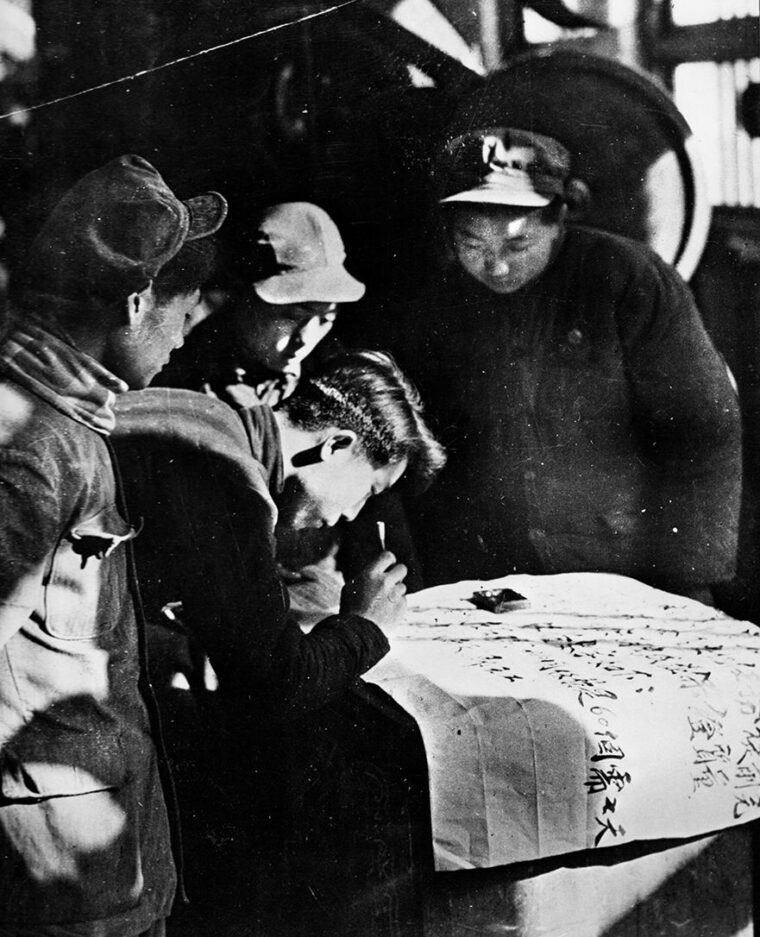
In the east, the X Corps brushed aside disjointed North Korean resistance and drove hard for the Manchurian border. On November 21, the 1st Battalion of the 17th Infantry Regiment entered the town of Hyesanjin, which sat on the frozen narrow ribbon of the Yalu River. Chinese troops were clearly visible on the far bank. Exultant to have reached his objective on the Manchurian border, Almond personally entered the town with the men of the regiment.
In the Eighth Army sector, the attack unfolded on November 24. The Eighth Army, which had stabilized its front, pushed north for the Chinese border: I Corps to the west, IX Corps in the center, and the ROK II Corps on the right. Promisingly, the offensive proceeded smoothly and faced relatively light resistance. Walker’s troops succeeded in gaining ground all along the front, and suffered light casualties as it brushed aside North Korean and Chinese resistance.
On November 25, Walker’s troops seized the town of Chongju. Though a tough fight had been expected, the city was found abandoned by enemy troops and the relieved soldiers of the 24th Infantry Division walked in unopposed. Farther to the right, the 25th Division was nearing its objective at the city of Unsan. As the top brass of the Eighth Army looked over their maps on the evening of November 25, it appeared that the offensive was going according to plan.
Updated intelligence reports indicated perhaps 12 lightly armed Chinese infantry divisions were in North Korea backing up the shattered remnants of the NKPA. The auspicious start of the offensive gave further hope that enemy forces would, indeed, be mopped up by Christmas.
Such hopes would prove a chimera as during the previous month, 300,000 Chinese troops had moved into North Korea undetected and MacArthur’s hapless troops were about to face a veritable avalanche of highly motivated Communist infantry. Rather than face a mere 12 divisions that were on a defensive footing, U.N. forces would be pitted against 30 divisions eager to launch their own surprise offensive to reconquer the Korean peninsula. By the evening of November 25, 180,000 Chinese were preparing to attack the Eighth Army. Farther east, 120,000 Chinese were in position to assault the isolated X Corps.
Over the evening of November 25, the trap was finally sprung across North Korea, as the Chinese unleashed their Second Phase Offensive. Chinese attacks were costly but extremely effective, and succeeded in not only blunting the U.N. advance but shattering MacArthur’s hold on North Korea. In little more than a month of bloody fighting, the Chinese succeeded in driving U.N. forces from much of North Korea. For the average soldier in the field, the Chinese counterattack tragically dashed any hope for a quick end to the war, and ushered in a wintry nightmare of horrific killing the likes of which American fighting men had never seen.
Join The Conversation
Comments
View All Comments