By Michael E. Haskew
Citizens of the Soviet Union,” blared the voice of Foreign Minister Vyacheslav Molotov to a stunned nation on June 22, 1941, “the Soviet government and its head, Comrade Stalin, have authorized me to make the following statement: “Today at 4 o’clock am, without any claims having been presented to the Soviet Union, without a declaration of war, German troops attacked our country, attacked our borders at many points and bombed from their airplanes our cities; Zhitomir, Kiev, Sevastopol, Kaunus and some others, killing and wounding over 200 persons.
“There were also enemy air raids and artillery shelling from Rumanian and Finnish territory. This unheard of attack on our country is perfidy unparalleled in the history of civilized nations. The attack upon our country was perpetrated despite the fact that a treaty of non-aggression had been signed between the U.S.S.R. and Germany and that the Soviet government most faithfully abided by all provisions of this treaty….
“The government calls upon you, citizens of the Soviet Union, to rally still more closely around our glorious Bolshevist party, around our Soviet Government, around our great leader and comrade, Stalin. Ours is a righteous cause. The enemy shall be defeated. Victory will be ours.”
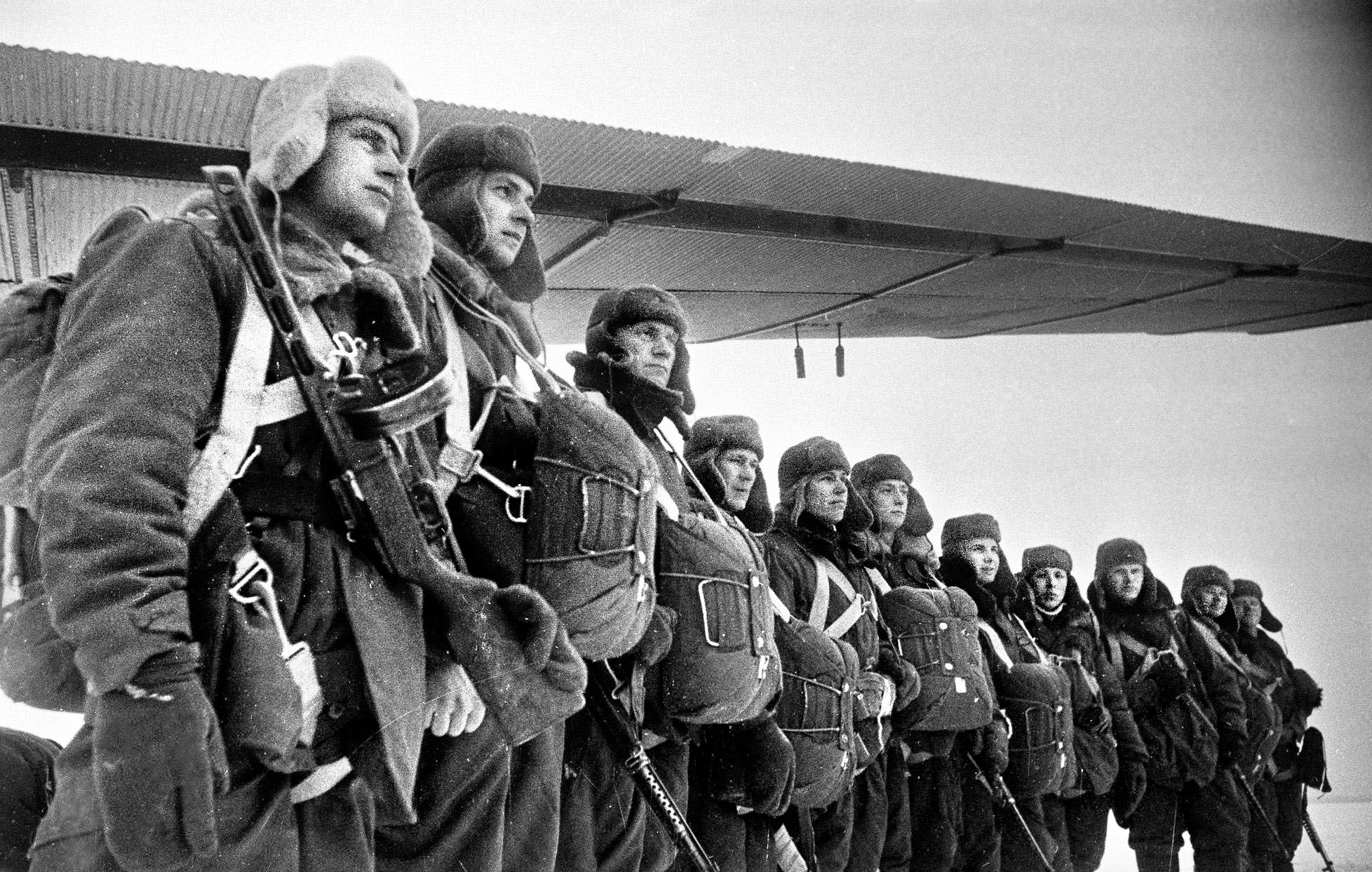
It came to be known as the Great Patriotic War, and the mass graves of civilians and Red Army soldiers killed during the four-year war are places of reverence across Russia today. The great statue of Mother Russia crowns Mamayev Kurgan on the Stalingrad battlefield and defines for the world the extent of the horror and sacrifice of an embattled people. Soviet citizens did rally behind their army and their leaders in repulsing the Nazis, but could the 20 million lost lives been spared if Joseph Stalin had been a different kind of leader?
By the time the Germans crossed the Russian frontier on June 22, 1941, the Red Army’s command structure was weak. Stalin’s paranoia had cost many high-ranking officers their lives during his purges of the 1930s. Political opponents, real or imagined, had been executed.
In August 1939, German Foreign Minister Joachim von Ribbentrop flew to Moscow and signed an infamous nonaggression pact with the Soviets that supposedly guaranteed peace between the countries and partitioned Poland. The result was borrowed time for the Nazis and a false sense of security for the Russians. Stalin supplied Germany with materials vital to a growing war machine and allowed the Germans to train on Soviet soil. All this occurred nearly two decades after Adolf Hitler published Mein Kampf, in which he outlined his plan for conquest in the East in the name of lebensraum, or living space, for the German people.
Stalin discounted these ominous signs, but as Nazi forces were marshaled for the start of Operation Barbarossa, he chose to ignore a series of even more frightening events that could have warned of impending disaster.
On June 18, the Kremlin a message detailing a Nazi invasion of the Soviet Union, forwarded from Switzerland by Soviet agent Alexander Foote, even with the date and approximate time. That same day, a defecting German soldier begged for his life after striking a superior officer. He reportedly begged for leniency because Germany and the USSR would soon be at war.
In March 1941, the Americans supplied the Soviet embassy in Washington, D.C., with details of Operation Barbarossa. A month later, the British government provided similar information. Perhaps the most convincing message to be ignored came from Soviet spy Richard Sorge, who had been operating in Tokyo for some time. He reported in May that the Germans would strike with 150 divisions on June 20. Shortly afterward, Sorge followed up with a revised date for Operation Barbarossa: June 22.
Stalin’s failure to act on these warnings is a subject of debate to this day. One inescapable conclusion, however, can be drawn. The initial result was catastrophic for the Soviet Union, and hundreds of thousands died—perhaps needlessly.
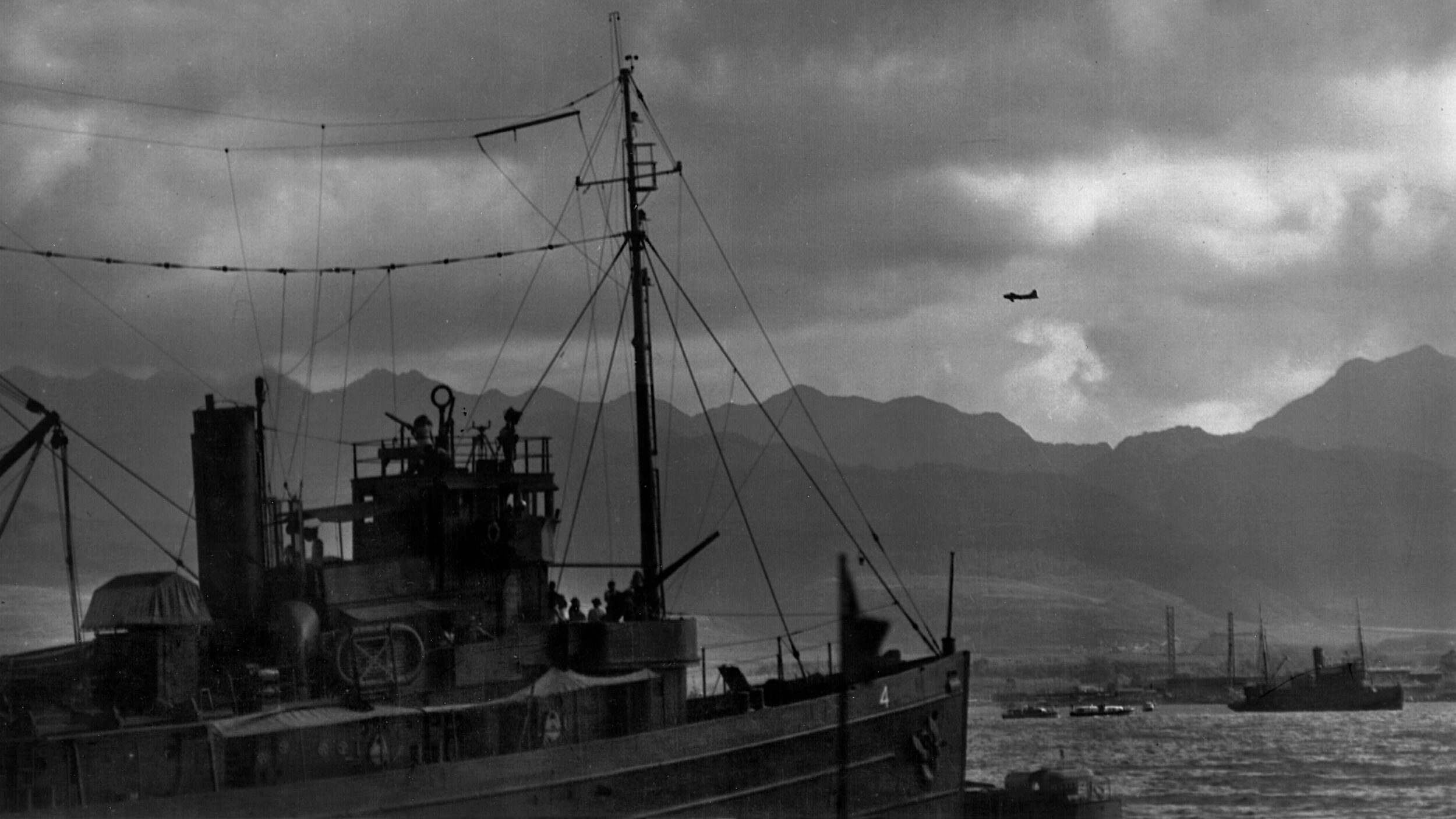
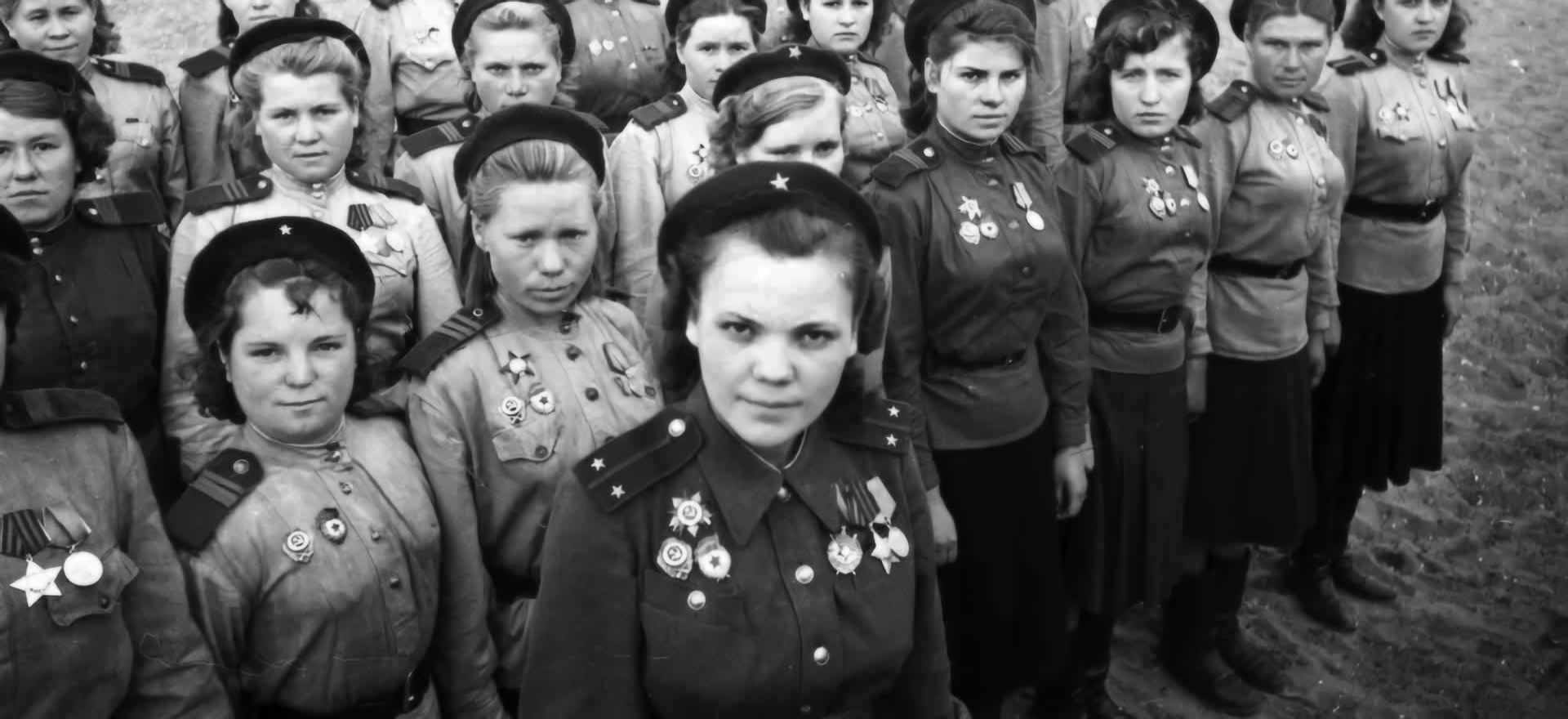
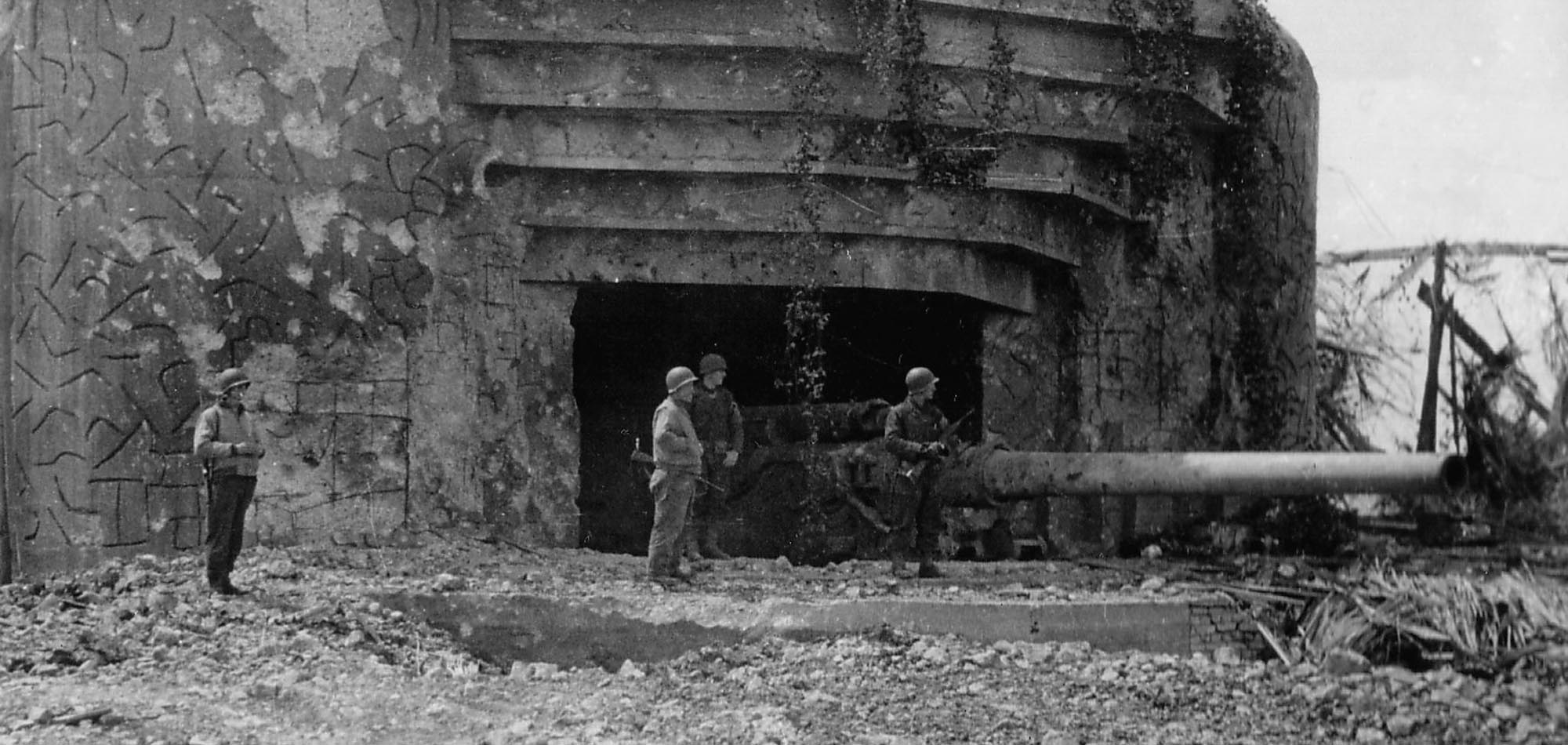

The evidence is that Stalin ignored the signs of invasion in the hope that Germany would delay. Zhukov was in the midst of reorganizing the Red Army. New and better equipment was becoming available but not in decisive amounts as of June, 1941. The Soviets had not learned from Blitzkrieg in the west and were soon to pay heavily. However, the German military machine was much better than that of the Soviets in 1941 and likely would have achieved similar results in 1941 if Stalin had prepared for invasion more thoroughly. Red Army policy was to attack when attacked, which played into the German’s hands as fast moving armor went past the border areas and surrounded huge numbers of soldiers. But it is often lost that Germany suffered about 600,000 casualties in Russia in 1941 alone. By 1943, the Soviets learned and, starting with Stalingrad and Kursk, turned the tables. Would fewer have died if they had learned earlier? Probably but the death toll would have been staggering regardless.
The number of 20 million, from everything I have seen, is too low. Numbers most often bandied about are in the range of 27 million. Over one million died in the siege of Leningrad alone. Not only were the military casualties horrendous, the civilian casualties, direct and indirect, were at least as bad. You would also want to factor in how many GULAG prisoners died during this time due to war-related issues, such as cuts in food rations. Then after the war there was a period of bad crops for the USSR, exacerbated by the end of all the food supplied under Lend-Lease. Add X more to those casualty figures, people who would not have died but for the effects of the war. Believe the USSR paid the highest human price of any combatant nation in WWII.
The military situation for the Soviets was also hampered by Stalin’s purges of the officer corps in the previous decade leaving the initial defense to unskilled and ineffective commanders. Zhukov was competent but he was leading an army with inexperienced commanders and relatively untrained ranks. Only the large population and the initial policy of trading land for time saved them at the start of the war.