By Jeffrey Morris
Throughout history, military commanders have often relied on overwhelming force to achieve victory. Yet some of the most remarkable operations ever conducted were not defined by the size of the armies involved, but by the extraordinary courage, planning, and audacity of a small number of soldiers undertaking seemingly impossible missions. These daring military raids combined surprise, speed, and precision to strike deep behind enemy lines, rescue hostages, destroy strategic targets, or alter the course of wars.
From ancient battlefields to modern special operations, such missions have captured the imagination of historians and military enthusiasts alike. They frequently required troops to overcome immense odds, navigate hostile territory, and execute complex plans under intense pressure. Failure often meant disaster, while success could deliver strategic advantages far beyond the scale of the forces involved.
The raids featured in this article stand out not only for their military significance but also for the boldness of those who carried them out. Some became legendary examples of tactical brilliance, while others demonstrated the effectiveness of elite units operating with speed and surprise. Together, they reveal how determination, ingenuity, and courage have repeatedly enabled small groups of warriors to achieve outcomes that once seemed impossible. These are five of the most daring raids in history:
The Storming of Stony Point, New York, 1779
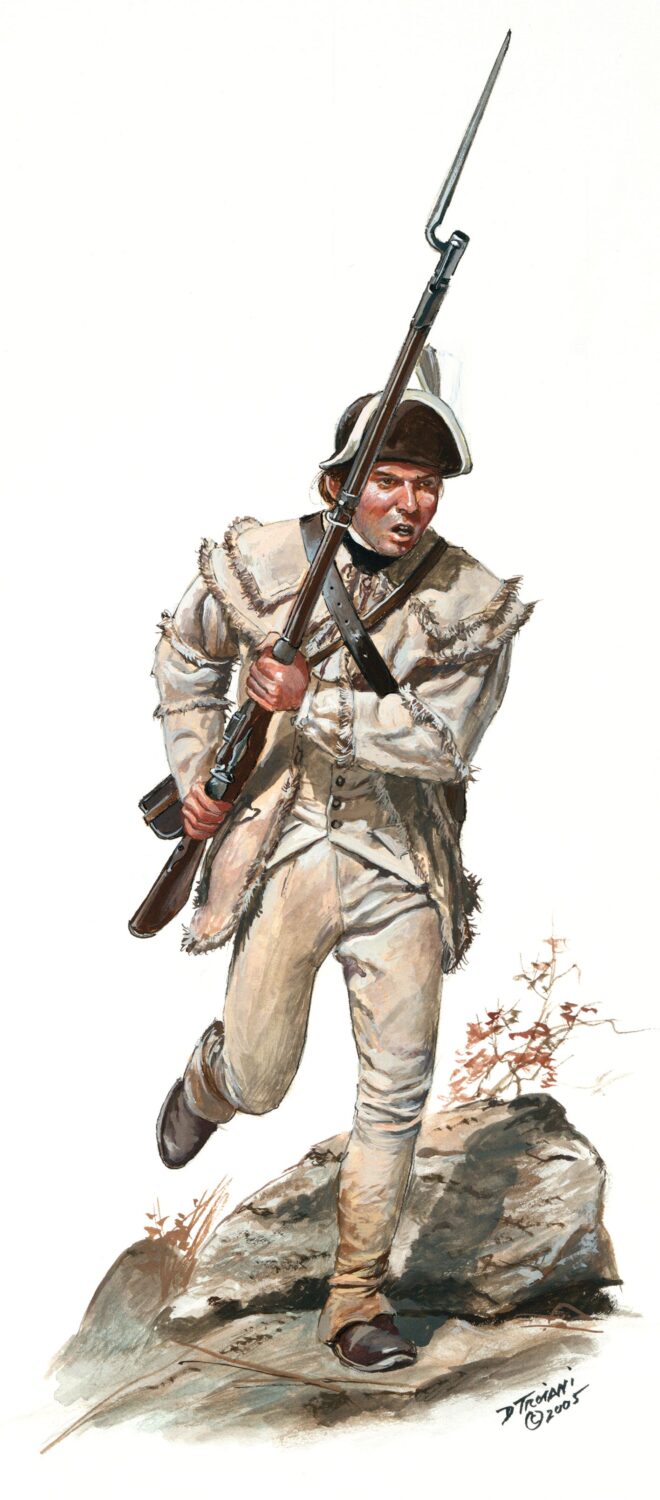
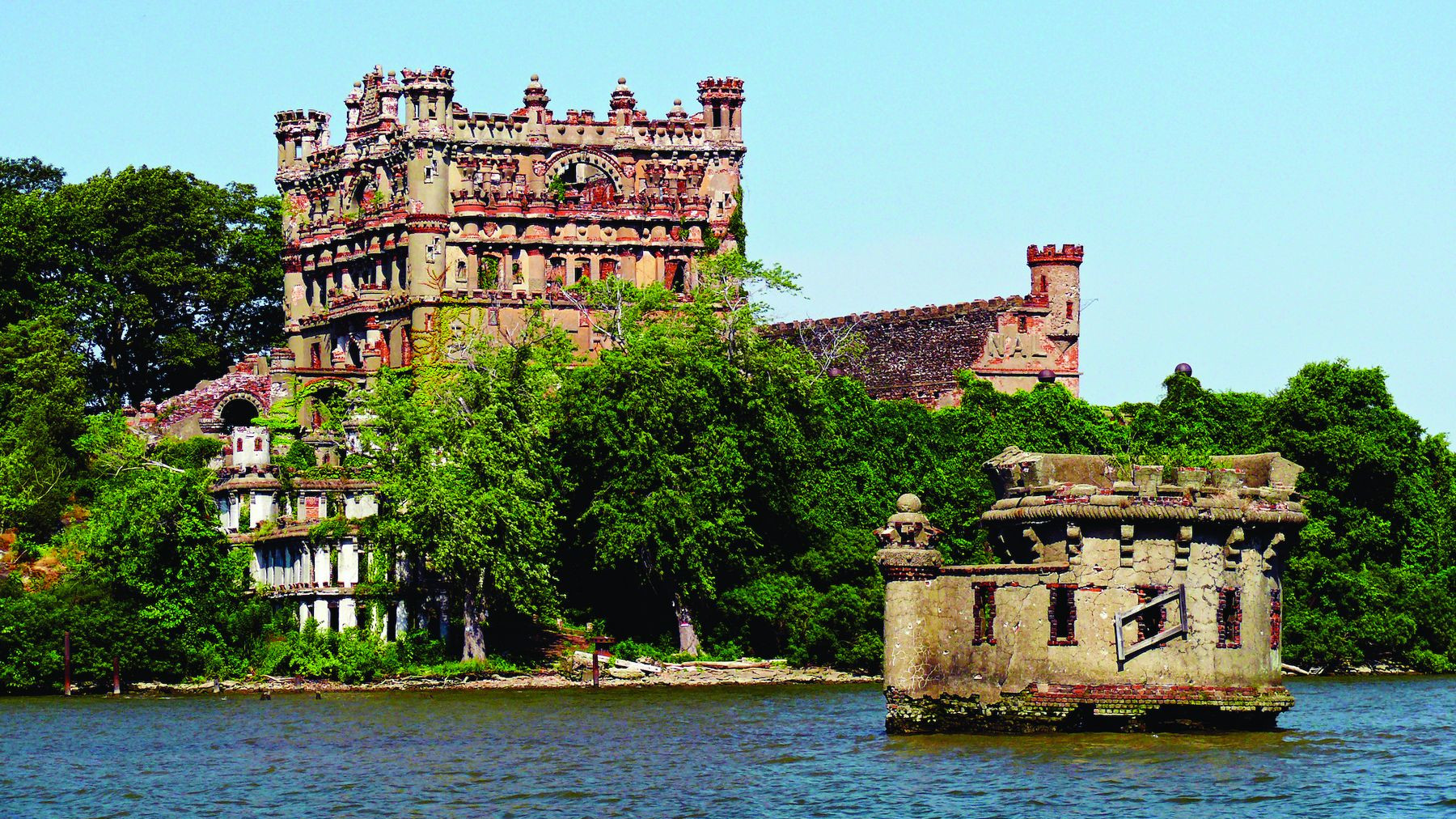
The Storming of Stony Point was one of the most daring and successful military operations of the American Revolutionary War. It took place on the night of July 15–16, 1779, when American forces under the command of General Anthony Wayne launched a surprise attack against a heavily fortified British position at Stony Point, New York. Although the battle was relatively small compared to major engagements such as Saratoga or Yorktown, it demonstrated the courage, discipline, and growing professionalism of the Continental Army. The victory also boosted American morale at a time when the war had reached a stalemate. Stony Point was a strategically important location situated on the western bank of the Hudson River, approximately 35 miles north of New York City. The rocky peninsula extended into the river, allowing whoever controlled it to oversee movement along one of the most vital transportation routes in the colonies. Together with Verplanck’s Point on the opposite bank, Stony Point helped control King’s Ferry, a major crossing point used by soldiers, civilians, and supplies. Because of its strategic value, the British seized Stony Point in May 1779 and transformed it into a formidable defensive position.
Commanded by Lt. Col. Henry Johnson, some 600 British soldiers occupied Stony Point, supported by artillery and protected by extensive fortifications. The position was naturally strong because it was surrounded on three sides by water and marshes, making direct assaults difficult. The British further strengthened the defenses by building earthworks, digging trenches, constructing two rows of defensive barriers known as abatis (trees cut down with sharpened branches facing outward), and placing cannons to guard possible approaches. Confident in these defenses, British commanders believed the fort was virtually impossible to capture through a frontal assault.
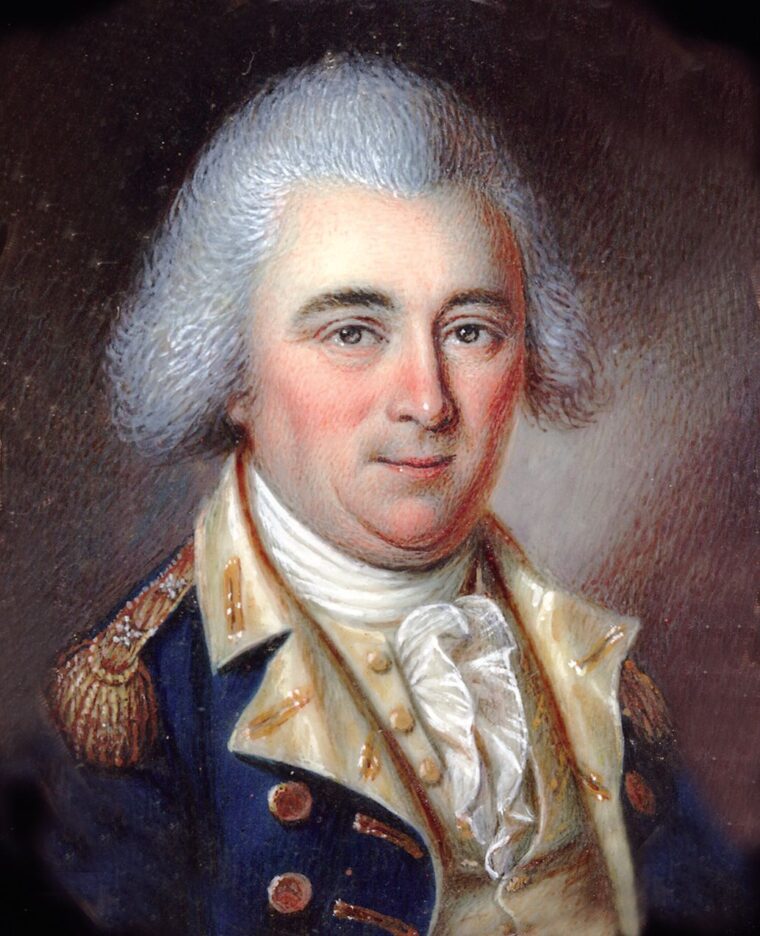
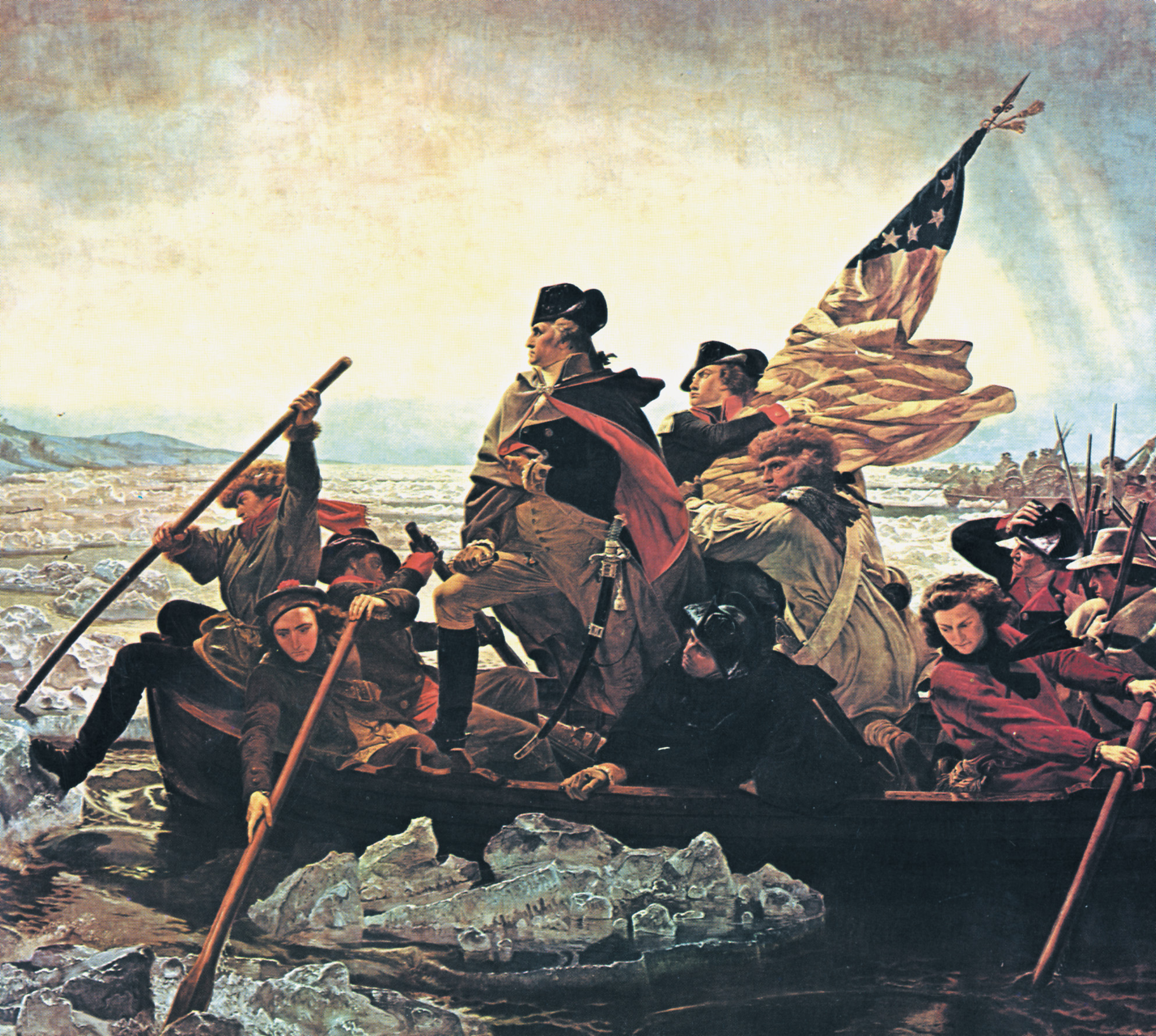
General George Washington recognized that allowing the British control of Stony Point threatened American communications along the Hudson River. However, instead of launching a conventional siege that could result in heavy casualties, Washington planned a carefully coordinated surprise attack. He selected Brig. Gen. Anthony Wayne, one of his most trusted and aggressive commanders, to lead the mission. Wayne was already known for his bravery and willingness to undertake risky operations, earning him the nickname “Mad Anthony,” although much of his reputation stemmed from his determination rather than recklessness.
Wayne commanded the Corps of Light Infantry, a select force of about 1,350 men organized into four provisional battalions. Made up of elite light companies detached from across the Continental Line, these soldiers were trained for rapid movement, stealth, and close combat.
To preserve the element of surprise, the soldiers in the flanking assault columns were ordered to remove the flints from their muskets, preventing accidental gunfire. Instead of relying on firearms, they would attack primarily with bayonets. Every detail of the operation was planned to minimize confusion during the nighttime assault. The men were ordered to wear slips of white paper in their hats to identify one another in the darkness. Once inside the fort, they were also to shout the watchword “The Fort’s Our Own” to signal their comrades-in-arms.
On the afternoon of July 15, Wayne’s light infantrymen departed Springsteel’s farm near Kakiat and began a grueling 13-mile march. Moving in a single column over rough trails, narrow defiles, and the steep, rocky slopes of Dunderberg Mountain, the troops maintained absolute silence—with strict orders not to load weapons or unleash dogs—arriving at the approaches to Stony Point around 8 p.m. completely undetected. The attack began shortly before midnight.
Wayne had divided his force into three groups: two main assault columns would attack the British fortifications from opposite sides, while a smaller diversionary force would create noise and confusion from the center, drawing British attention away from the real attacks. This strategy aimed to overwhelm the defenders before they could organize an effective response.
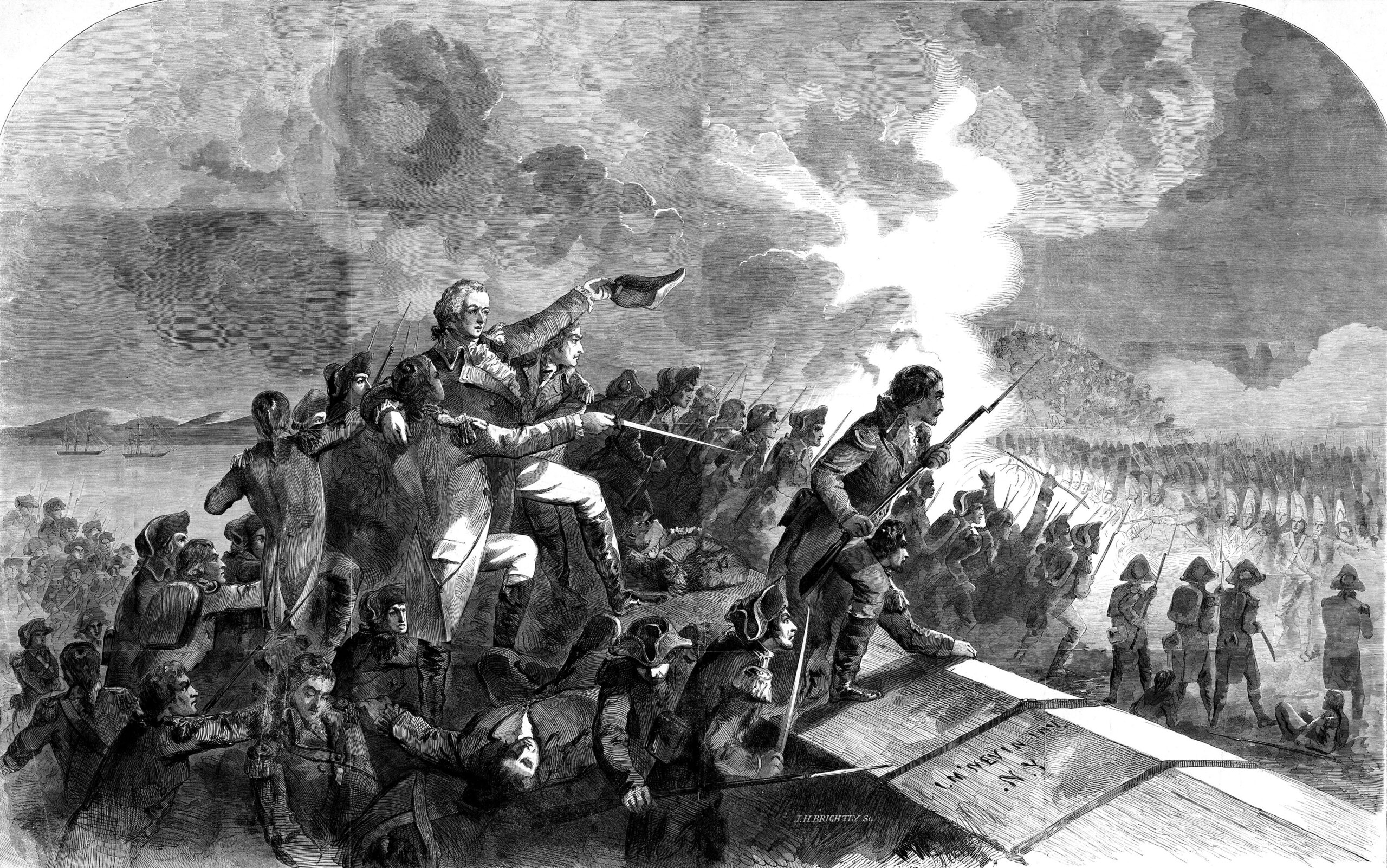
As the American soldiers advanced across marshy ground flooded by the rising tide, they found moving quietly through water and mud extremely difficult, but the troops maintained discipline despite the challenging conditions. Eventually, British sentries detected the approaching attackers and raised the alarm. Cannon and musket fire erupted from the fortifications, illuminating the battlefield. Despite suffering casualties, the American columns continued their advance with remarkable determination. Leading the southern assault, Wayne personally encouraged his men as they climbed the steep slopes toward the fort.
During the attack, Wayne was struck in the head by a musket ball or fragment, causing a serious wound. Although bleeding heavily, he reportedly refused to abandon the assault and ordered his soldiers to carry him forward if necessary. His leadership inspired the attacking force to continue pressing the attack despite fierce resistance. The Americans hacked their way through the defensive barriers using axes carried by specially selected advance troops known as the “forlorn hope.” These soldiers accepted exceptionally dangerous assignments because they were the first to breach enemy defenses. Once gaps were opened in the abatis, the main assault forces charged forward with fixed bayonets. The British defenders, surprised by the speed and determination of the assault, struggled to repel attackers coming from multiple directions simultaneously.
Within less than thirty minutes, the Americans had entered the fort and overwhelmed the British garrison. Lieutenant Colonel Henry Johnson realized further resistance would only lead to unnecessary casualties and surrendered the position. Approximately 20 British soldiers were killed, while over 500 were captured. American casualties were relatively light, with around 15 soldiers killed and about 80 wounded. The swift victory highlighted the effectiveness of careful planning, disciplined execution, and surprise. The capture of Stony Point was celebrated throughout the American colonies. It provided an important psychological victory for the Continental Army during a period when decisive battlefield successes were rare. The operation demonstrated that American soldiers could successfully conduct complex offensive operations against experienced British regulars occupying strong defensive positions. Congress formally thanked Anthony Wayne for his leadership and awarded him a gold medal, one of the highest honors given during the Revolutionary War.
Despite the impressive victory, the Americans did not permanently hold Stony Point. After inspecting the captured fortifications, George Washington concluded that maintaining the position against a likely British counterattack would require more troops and supplies than the Continental Army could spare. Consequently, the Americans removed valuable military equipment, destroyed portions of the fortifications, and abandoned the position a few days later. The British soon reoccupied the site, but the temporary loss still embarrassed British commanders and demonstrated weaknesses in their defensive arrangements. The Storming of Stony Point had broader significance beyond its immediate military results. It showcased the increasing professionalism of the Continental Army after years of training and experience under Washington’s leadership. Earlier in the war, American forces often struggled against British regulars in direct combat. By 1779, however, disciplined training—especially the reforms introduced by Baron von Steuben at Valley Forge—had transformed many Continental soldiers into capable professional troops. Their ability to conduct a coordinated nighttime bayonet assault reflected this remarkable improvement.
The battle also influenced military thinking by emphasizing the value of surprise, intelligence gathering, and meticulous planning. Washington relied on detailed reconnaissance of British defenses before approving the attack, while Wayne rehearsed the operation and carefully organized every stage of the assault. These factors, combined with disciplined troops and decisive leadership, proved more important than numerical superiority or firepower. Today, the site of the battle is preserved as the Stony Point Battlefield State Historic Site in New York. Visitors can explore reconstructed fortifications, monuments, and museums that commemorate the battle and honor those who fought there. The battlefield serves as a reminder of the determination and sacrifice displayed by both American and British soldiers during the Revolutionary War.
The storming of Stony Point remains a remarkable example of military skill, courage, and leadership during the American Revolutionary War. Although its strategic impact was limited because the Americans did not permanently occupy the fort, the victory greatly strengthened American morale and enhanced the reputation of General Anthony Wayne and the Continental Army. The operation remains one of the finest examples of a successful surprise assault in American military history and continues to symbolize the resourcefulness and determination that contributed to the eventual success of the American struggle for independence.
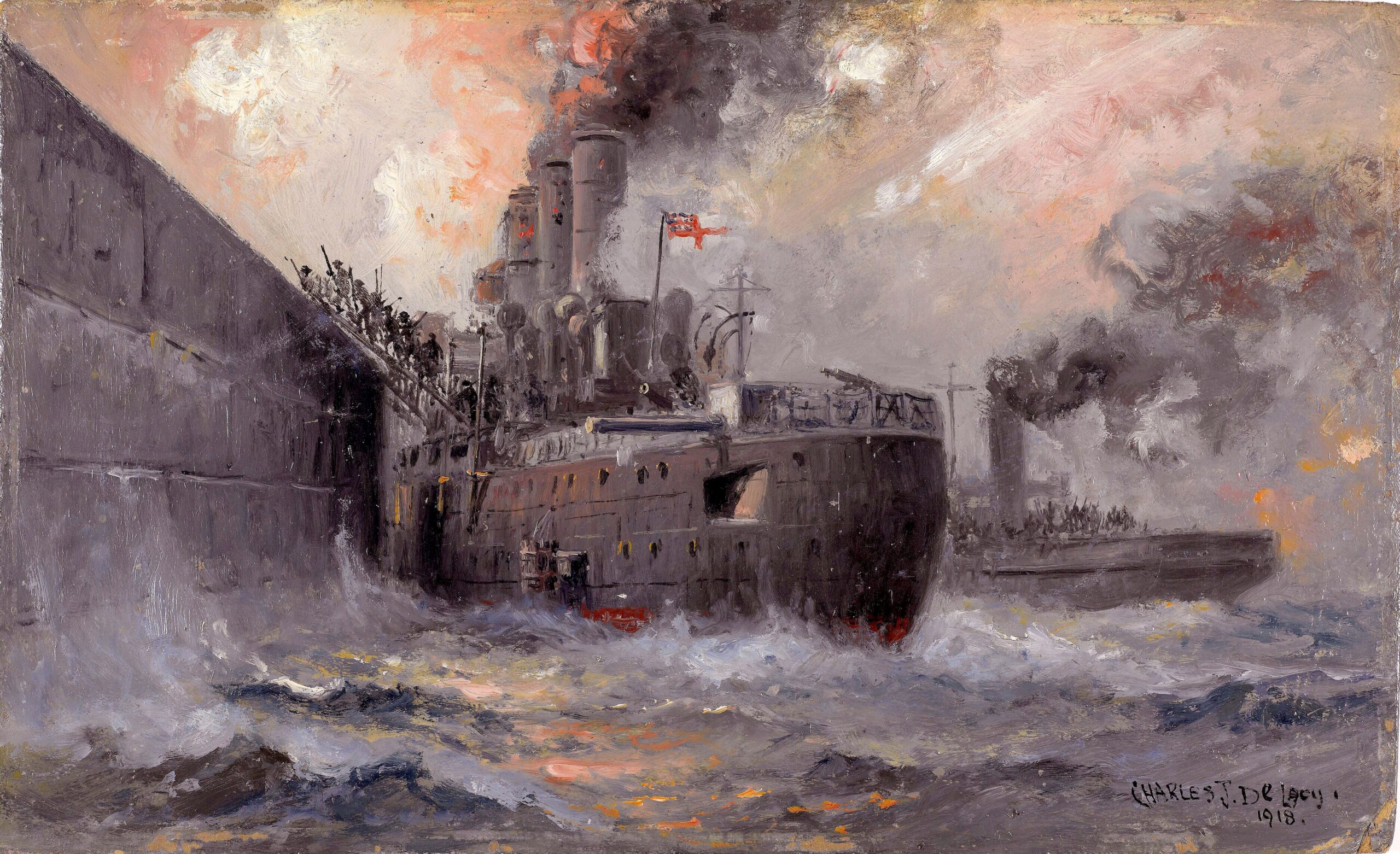
The Zeebrugge Raid, Belgium, 1918
The Zeebrugge Raid was one of the most daring naval operations of the First World War, carried out by the British Royal Navy on the night of April 22–23, 1918. Its objective was to block the Belgian port of Zeebrugge, which was under German control and served as a vital base for German U-boats and other naval forces operating in the North Sea. These submarines posed a serious threat to Allied shipping, sinking merchant vessels that carried troops, food, weapons, and essential supplies to Britain and its allies. By 1918, unrestricted submarine warfare had become one of Germany’s most effective military strategies, and the Allies were searching for ways to reduce its impact.
Rather than attempting to capture the heavily defended port, British planners devised a bold mission to seal its entrance by sinking obsolete warships filled with concrete in the narrow canal leading to the sea. If successful, the operation would trap German submarines and destroyers inside the harbor. The raid was planned under the leadership of Vice Adm. Sir Roger Keyes, who assembled a force of cruisers, destroyers, submarines, motor launches, and specially selected volunteer sailors and Royal Marines.
Great care was taken to prepare the assault, with extensive rehearsals conducted in secret to ensure that every participant understood his role. Timing was crucial because the raid depended on darkness, favorable tides, and smoke screens to conceal the attacking ships as they approached the enemy coast. As a diversion to distract German defenders and silence artillery batteries while the blockships made their way toward the canal entrance, the plan involved landing assault parties on the Zeebrugge Mole, the harbor’s long stone breakwater. The complexity of the mission reflected both the strategic importance of the target and the willingness of British naval commanders to undertake extraordinary risks in pursuit of victory. Although many officers understood that casualties would likely be severe, they believed that even a temporary disruption of German submarine operations could provide valuable relief to Allied shipping and strengthen Britain’s maritime position during the final year of the war.
As the attack unfolded, the British force encountered far greater difficulties than expected, demonstrating both the courage of the participants and the unpredictable nature of combat. Shortly before reaching the Belgian coast, old submarines packed with explosives were sent against the viaduct connecting the Mole to the mainland. Their purpose was to destroy the bridge and isolate German defenders stationed on the breakwater from reinforcements. One submarine, HMS C3, commanded by Lt. Richard Sandford—who earned the Victoria Cross for the exploit—was successfully detonated beneath the iron structure. The blast blew a 100-foot gap in the viaduct, severing communication lines and temporarily isolating the German garrison on the Mole.
Meanwhile, the cruiser HMS Vindictive, supported by ferries and other vessels, came alongside the Mole to land sailors and Royal Marines. Strong currents, navigation challenges, and changing winds caused the ship to berth at a less favorable location, exposing the assault force to intense machine-gun fire, rifle fire, and artillery. Despite these obstacles, British troops fought determinedly to secure positions along the Mole, engaging German defenders in fierce close-quarters combat. Smoke screens that had been carefully planned were partially dispersed by shifting winds, making the attacking ships more visible than expected.
At the same time, the three obsolete cruisers designated as blockships—HMS Thetis, HMS Intrepid, and HMS Iphigenia—pressed toward the canal entrance under heavy fire. Although Thetis encountered difficulties after striking an obstruction and did not reach the intended position, Intrepid and Iphigenia were successfully scuttled across part of the canal entrance. Their crews escaped under dangerous conditions in small boats while German guns continued firing.
Throughout the operation, motor launches rescued survivors, carried messages, and supported the assault despite suffering heavy losses themselves. Acts of extraordinary bravery occurred repeatedly, with officers and enlisted men risking their lives to rescue wounded comrades, maintain communications, and complete their assigned tasks under relentless enemy fire. The raid lasted only a few hours, but during that time many participants displayed remarkable discipline and determination despite confusion, darkness, explosions, and the constant threat of death. Numerous decorations for gallantry, including eight Victoria Crosses, were later awarded in recognition of exceptional heroism displayed during the operation.
Although the Zeebrugge Raid was celebrated in Britain as a remarkable feat of courage, historians have continued to debate its actual military effectiveness. Initially, the British public regarded the operation as a significant victory, and newspapers praised the bravery of the sailors and marines who had volunteered for what was widely recognized as an extremely hazardous mission. The government welcomed the positive publicity because it boosted morale at a time when the war remained uncertain and costly. However, subsequent assessments revealed that the physical blockage of the canal was less complete than originally believed. German engineers responded quickly, dredging alternative channels and removing obstacles so that submarine and destroyer traffic could resume within a relatively short period. Consequently, the raid did not permanently disable the German naval base or end the submarine threat in the North Sea.
Nevertheless, even critics acknowledged that the operation temporarily disrupted German activities, forced the enemy to divert manpower and engineering resources to repairs, and demonstrated Britain’s determination to take offensive action rather than merely defend against submarine attacks. The raid also yielded valuable operational lessons concerning amphibious assaults, combined naval operations, smoke-screen tactics, and the coordination of different types of vessels under combat conditions. These experiences contributed to the continuing evolution of naval doctrine during the remainder of the First World War and influenced later military planning. Furthermore, the courage displayed by those involved became an enduring symbol of professional dedication and sacrifice. The willingness of crews to sail obsolete ships directly into heavily defended waters, knowing that many would not survive, reflected a profound commitment to duty that resonated deeply with contemporaries. Even those who questioned the strategic outcome generally admired the discipline, leadership, and resilience shown by the participants under extraordinarily dangerous circumstances.
Today, the raid is remembered as a story of determination, sacrifice, and calculated risk, reflecting both the hardships and the heroism that characterized the First World War at sea. While it did not decisively alter the course of the conflict, it remains a compelling example of how courage, careful preparation, and bold decision-making can leave a lasting impression on history, even when the practical results fall short of the original ambitions. As such, the Zeebrugge Raid continues to be studied not merely as a military engagement but as an enduring illustration of the complexities of war, where bravery and sacrifice are often remembered long after debates over strategic success have faded.
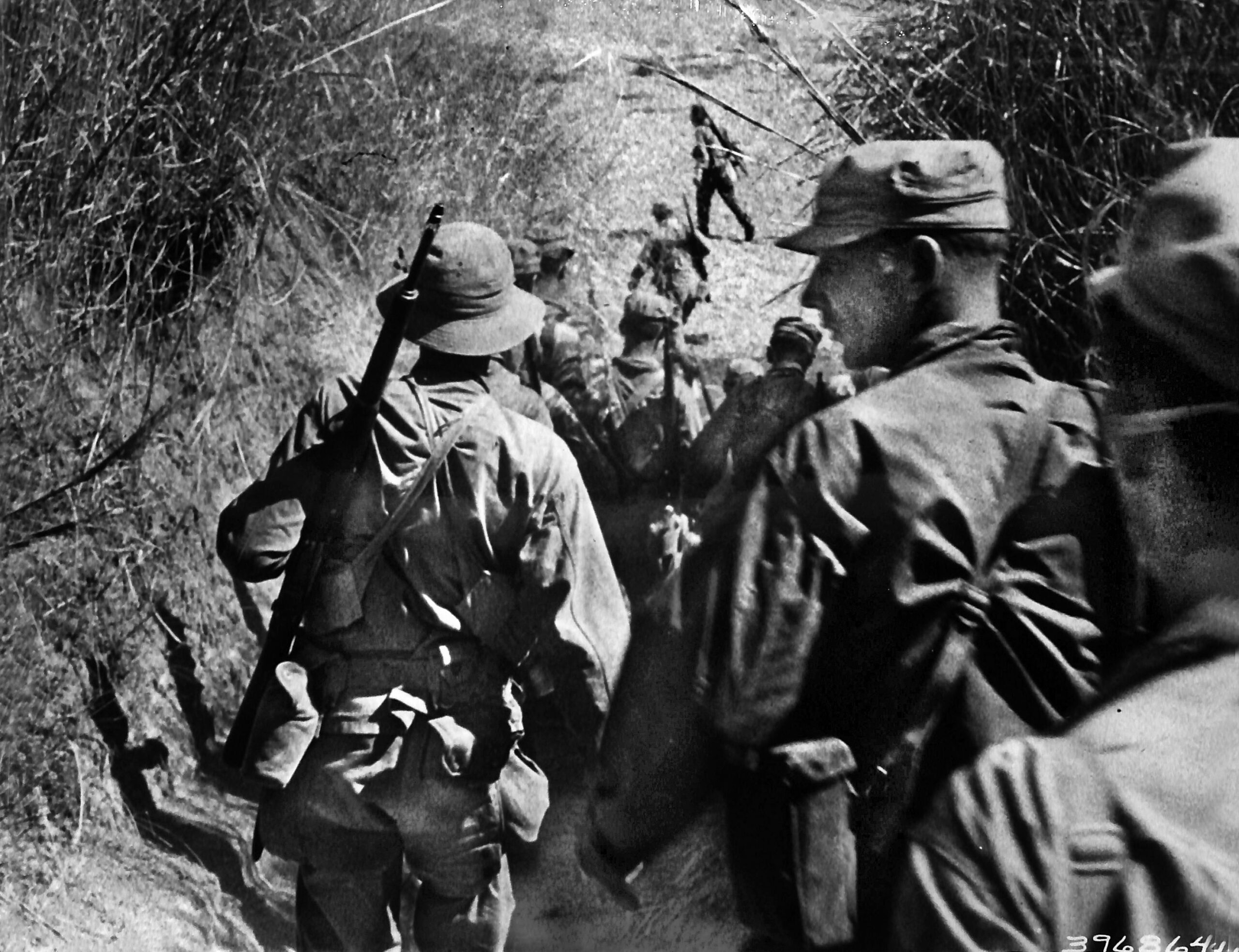
The Cabanatuan Prison Camp Raid, Philippines, 1945
The Great Raid commonly refers to the daring rescue mission carried out by American and Filipino forces at the Cabanatuan Prison Camp in the Philippines on January 30, 1945, during the closing months of the Second World War. Widely regarded as one of the most successful special operations in military history, the raid resulted in the rescue of more than 500 Allied POWs who had endured years of starvation, disease, forced labor, and brutal treatment under Japanese captivity. The operation demonstrated exceptional planning, courage, cooperation between American and Filipino forces, and the determination to save lives despite enormous risks.
The story of the Great Raid began after the Japanese invasion of the Philippines in late 1941 and early 1942. Following the surrender of American and Filipino forces on the Bataan Peninsula in April 1942, approximately 75,000 soldiers were forced to march more than 60 miles under harsh conditions in what became known as the “Bataan Death March.” Thousands died from exhaustion, dehydration, starvation, or abuse by Japanese guards. Those who survived were imprisoned in camps such as Cabanatuan, where conditions remained extremely harsh. Cabanatuan Prison Camp, located about 60 miles north of Manila, became one of the largest POW camps in the Philippines. The prisoners suffered from severe malnutrition, tropical diseases such as malaria and dysentery, inadequate medical care, and frequent mistreatment. Food rations were minimal, and many prisoners became dangerously thin. Despite these hardships, the POWs tried to maintain hope by supporting one another and preserving military discipline whenever possible.
By late 1944 and early 1945, Gen. Douglas MacArthur had returned to the Philippines with Allied forces, fulfilling his famous promise, “I shall return.” As American troops advanced across the islands, intelligence reports suggested that Japanese forces might execute the prisoners rather than allow them to be liberated. Similar massacres had already occurred elsewhere in the Pacific, making an immediate rescue essential. The mission was assigned primarily to the 6th Ranger Battalion, commanded by Lt. Col. Henry Mucci. Supporting them was a platoon from the Alamo Scouts, an elite reconnaissance unit specializing in intelligence gathering behind enemy lines. Equally important were hundreds of Filipino guerrilla fighters under local commanders, who possessed invaluable knowledge of the terrain and the movements of Japanese troops. Their cooperation would prove critical to the mission’s success.
Planning the raid required careful intelligence gathering. The Alamo Scouts secretly observed the prison camp, mapping the locations of guard towers, fences, buildings, and Japanese troop positions. They monitored the routines of the guards, identifying the best time to attack. The Rangers also had to determine how to approach the camp without being detected, rescue the prisoners, and withdraw safely while avoiding thousands of Japanese soldiers stationed nearby. One of the greatest challenges was crossing a wide open field leading to the prison camp. Any movement across the field during daylight would almost certainly be spotted by Japanese guards. To solve this problem, American planners coordinated with the U.S. Army Air Forces. On the evening of the raid, a P-61 Black Widow night fighter deliberately flew low over the camp, performing noisy maneuvers that distracted the guards. While the Japanese looked toward the aircraft, the Rangers crawled across the open ground undetected, reaching positions close to the camp’s perimeter.
At about 7:40 p.m. on January 30, 1945, the assault began. Ranger teams quickly eliminated the Japanese guards in the watchtowers and around the camp. The attack was swift and carefully coordinated to prevent the guards from harming the prisoners. Meanwhile, Filipino guerrillas established defensive positions on nearby roads and bridges, blocking Japanese reinforcements from reaching the camp. Their efforts delayed enemy forces long enough for the rescue operation to proceed. Inside the camp, many prisoners were initially confused by the gunfire. Having lived under constant fear for years, some believed they were about to be executed. Rangers shouted for them to remain calm and assured them that they were being rescued. Many prisoners were too weak to walk after years of imprisonment. American soldiers and Filipino civilians carried the sick and injured, while others were transported using local carts pulled by water buffalo, known as carabaos. These traditional carts became an unforgettable symbol of the rescue.
The withdrawal from Cabanatuan was as dangerous as the assault itself. The rescuers had to escort hundreds of weakened prisoners through enemy-controlled territory roughly 25 to 30 miles back to the safety of American lines at Talavera. Filipino villagers played a vital role by providing food, water, shelter, and transportation. Their generosity and bravery significantly increased the mission’s chances of success. Despite the presence of large Japanese forces in the region, the combined efforts of the Rangers, Alamo Scouts, guerrillas, and local civilians enabled the rescue force to escape successfully.
The results of the operation were extraordinary. Approximately 511 prisoners of war were rescued, although historical accounts sometimes differ slightly regarding the exact number due to changing prisoner records. American casualties were remarkably low. Two Rangers were killed during the mission, while several others, along with Filipino guerrillas, were wounded or killed during the fighting. Given the scale of the operation and the number of enemy troops nearby, the outcome was considered a remarkable military achievement.
Several individuals became widely recognized for their leadership during the Great Raid. Lieutenant Colonel Henry Mucci led the Rangers with determination and careful planning. Captain Robert Prince, who developed much of the tactical plan, played a key role in organizing the assault. The Alamo Scouts provided essential reconnaissance, while Filipino guerrilla leaders coordinated local resistance efforts and intelligence. The operation highlighted the importance of teamwork, trust, and cooperation among different military units and civilian supporters. The Great Raid has become an enduring example of successful special operations. Military academies around the world study it as a case of meticulous planning, intelligence gathering, surprise, and coordination between conventional and irregular forces. It also demonstrated the importance of protecting prisoners of war and upholding humanitarian principles even during intense conflict.
Beyond its military significance, the raid represents hope and resilience. The rescued prisoners had survived years of unimaginable hardship through courage, mutual support, and determination. Their liberation symbolized not only military victory but also the restoration of dignity and freedom after prolonged suffering. The mission also honored the sacrifices of Filipino resistance fighters and civilians, whose contributions were indispensable but are sometimes overlooked in popular accounts.
The story has inspired books and films, including the 2005 movie The Great Raid, which introduced the events to a broader audience. While dramatizations sometimes simplify or alter historical details, they reflect the lasting fascination with the courage displayed by everyone involved. Historians continue to study the operation because it illustrates how intelligence, careful preparation, and cooperation can achieve objectives that might otherwise seem impossible.
Today, the Great Raid remains one of the most celebrated rescue missions of the Second World War. It stands as a testament to extraordinary bravery under dangerous circumstances, the effectiveness of well-planned special operations, and the enduring bonds between American and Filipino forces. More importantly, it reminds us that even in the darkest periods of war, acts of courage and compassion can save lives and leave a legacy that endures for generations.
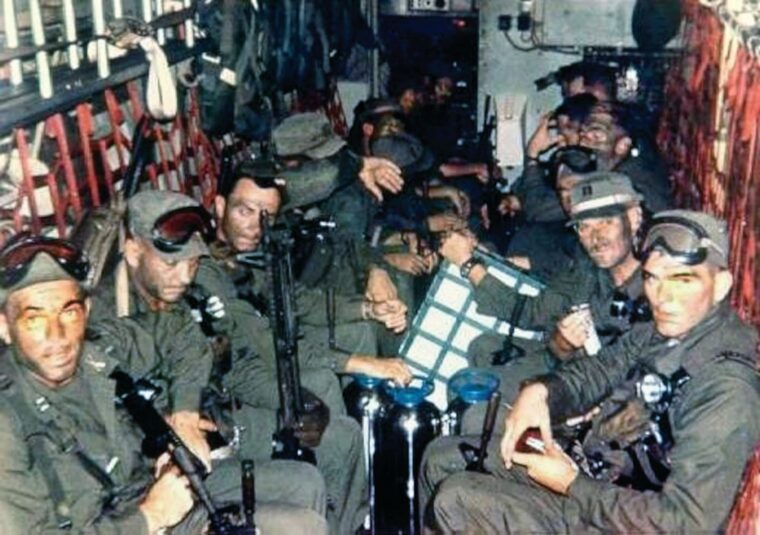
The Son Tay Raid, Vietnam, 1970
The Son Tay Raid was one of the most daring and meticulously planned special operations of the Vietnam War. Conducted during the night of November 20–21, 1970, it was a bold attempt by the United States to rescue American prisoners of war believed to be held at the Son Tay prison camp, located about 23 miles (37 kilometers) west of Hanoi in North Vietnam. Although the mission ultimately failed to recover any prisoners because they had been moved months earlier, it became a landmark operation in military history. The raid demonstrated extraordinary planning, precision, courage, and coordination among American special operations forces, and it significantly influenced the future development of U.S. special operations doctrine.
By 1970, concerns about the treatment of American prisoners of war in North Vietnam had become increasingly urgent. Reports from released prisoners and intelligence sources suggested that many American servicemen were enduring harsh conditions, including inadequate food, poor medical care, physical abuse, and psychological torture. Public concern in the United States grew as families demanded greater efforts to secure the return of missing soldiers. Intelligence analysts identified the Son Tay prison camp as a likely location where a significant number of American prisoners were being held. Based on aerial reconnaissance, intercepted communications, and other intelligence, military planners concluded that a rescue operation, though risky, offered a reasonable chance of success.
Planning for the mission began in great secrecy during the summer of 1970. The operation was approved by President Richard Nixon after months of detailed preparation. The planning process involved extensive intelligence gathering, construction of full-scale replicas of the prison camp for rehearsals, and repeated training exercises under conditions designed to closely resemble the actual target. Every aspect of the raid, from aircraft flight paths to the timing of each soldier’s movements, was carefully rehearsed. The level of preparation reflected the understanding that even the smallest mistake could lead to mission failure or heavy casualties.
The assault force consisted primarily of volunteers from the U.S. Army Special Forces, commonly known as the Green Berets, supported by Air Force flight crews. Air Force Brig. Gen. LeRoy J. Manor commanded the overall joint task force, while Col. Arthur D. “Bull” Simons directed the ground element, with Capt. Dick Meadows leading the inner-compound assault team. The raiding force included approximately 56 Special Forces soldiers transported by helicopters, while additional aircraft provided navigation, fighter protection, electronic warfare support, and diversionary actions. The operation required exceptional cooperation between different branches of the U.S. military, showcasing a level of joint planning that was relatively uncommon at the time.
On the night of the raid, the aircraft departed from bases in Thailand and flew at extremely low altitudes to avoid North Vietnamese radar. Navigating in darkness over hostile territory demanded remarkable flying skill. Banana 1, a Sikorsky HH-3E “Jolly Green Giant” helicopter—chosen over the larger HH-53s because its rotors would chop through trees and structures without destroying the aircraft—intentionally crash-landed inside the prison compound, allowing the assault team to immediately engage any guards and secure the objective. Other helicopters landed nearby, where additional teams established security around the prison and prepared to repel any enemy reinforcements. The entire assault unfolded with impressive speed and discipline.
The raiders quickly overwhelmed the North Vietnamese defenders inside and around the prison. They systematically searched every building, calling out for American prisoners and examining each room. To their surprise and disappointment, they discovered that the prison was completely empty of American captives. Intelligence had been accurate only months earlier; unknown to U.S. planners, the prisoners had been transferred to another facility approximately four months before the operation due to flooding concerns and logistical reasons. Despite the absence of prisoners, the assault force maintained discipline, completed its search, and prepared for extraction.
During the operation, the assault element led by Simons mistakenly landed at the “Secondary School” compound about 400 yards south, which turned out to be packed with suspected foreign advisors and North Vietnamese troops. Instead of withdrawing, the team aggressively attacked the unexpected target, killing an estimated 100–200 enemy soldiers in a fierce 7-minute firefight before reboarding their helicopter to join the main assault. This unexpected engagement demonstrated the adaptability and professionalism of the Special Forces soldiers under pressure. Although the detour increased the intensity of the fighting, the raiders maintained control of the situation and successfully completed their withdrawal.
The extraction proceeded largely according to plan despite enemy resistance. American aircraft provided suppressive fire and protected the helicopters during their departure. Remarkably, the United States suffered very few casualties. One Special Forces soldier sustained a broken ankle during the deliberate helicopter crash landing inside the compound, while two airmen were injured in separate incidents. No American personnel were killed during the raid itself, an extraordinary achievement considering the mission penetrated deep into one of the most heavily defended regions of North Vietnam.
Although the raid failed in its primary objective of rescuing prisoners, many historians consider it a tactical success but a strategic disappointment. From a tactical perspective, the operation demonstrated flawless execution, exceptional leadership, and effective coordination between air and ground forces. The assault force reached its objective on schedule, defeated enemy defenders, searched the compound efficiently, and withdrew successfully with almost no losses. The only reason the rescue failed was that the intelligence regarding prisoner locations had become outdated by the time the mission was launched.
The raid nevertheless produced several important consequences. North Vietnam, recognizing that American forces had the capability to penetrate deep into its territory, consolidated American prisoners into larger camps where security could be more easily maintained. Ironically, this consolidation often improved living conditions for many prisoners because they were housed together rather than isolated in smaller facilities. Prisoners later reported that the raid boosted their morale by demonstrating that the United States had not forgotten them and was willing to undertake extraordinary risks for their rescue. Even those who were not directly involved learned of the operation through their captors or fellow prisoners, giving them renewed hope.
The Son Tay Raid also had a lasting impact on the U.S. military. It highlighted the importance of joint operations involving multiple military services working together under unified planning. Lessons learned from the raid influenced the eventual creation of more integrated special operations organizations, including reforms that culminated in the establishment of the United States Special Operations Command in 1987. The operation became a case study in mission planning, intelligence integration, precision aviation, and special operations tactics, and it continues to be studied in military academies around the world.
Today, the Son Tay Raid is remembered not for the number of prisoners rescued, since none were found, but for the remarkable professionalism of the men who carried it out. It remains an enduring example of meticulous preparation, disciplined execution, and unwavering commitment to fellow service members. The courage displayed by the raiders reflected a military ethos that no effort should be spared in attempting to recover captured comrades, even when success could not be guaranteed. Though the mission did not achieve its immediate objective, its influence extended far beyond the Vietnam War, shaping modern special operations doctrine and reinforcing the principle that determination, innovation, and careful planning can leave a lasting legacy even in the face of operational disappointment.
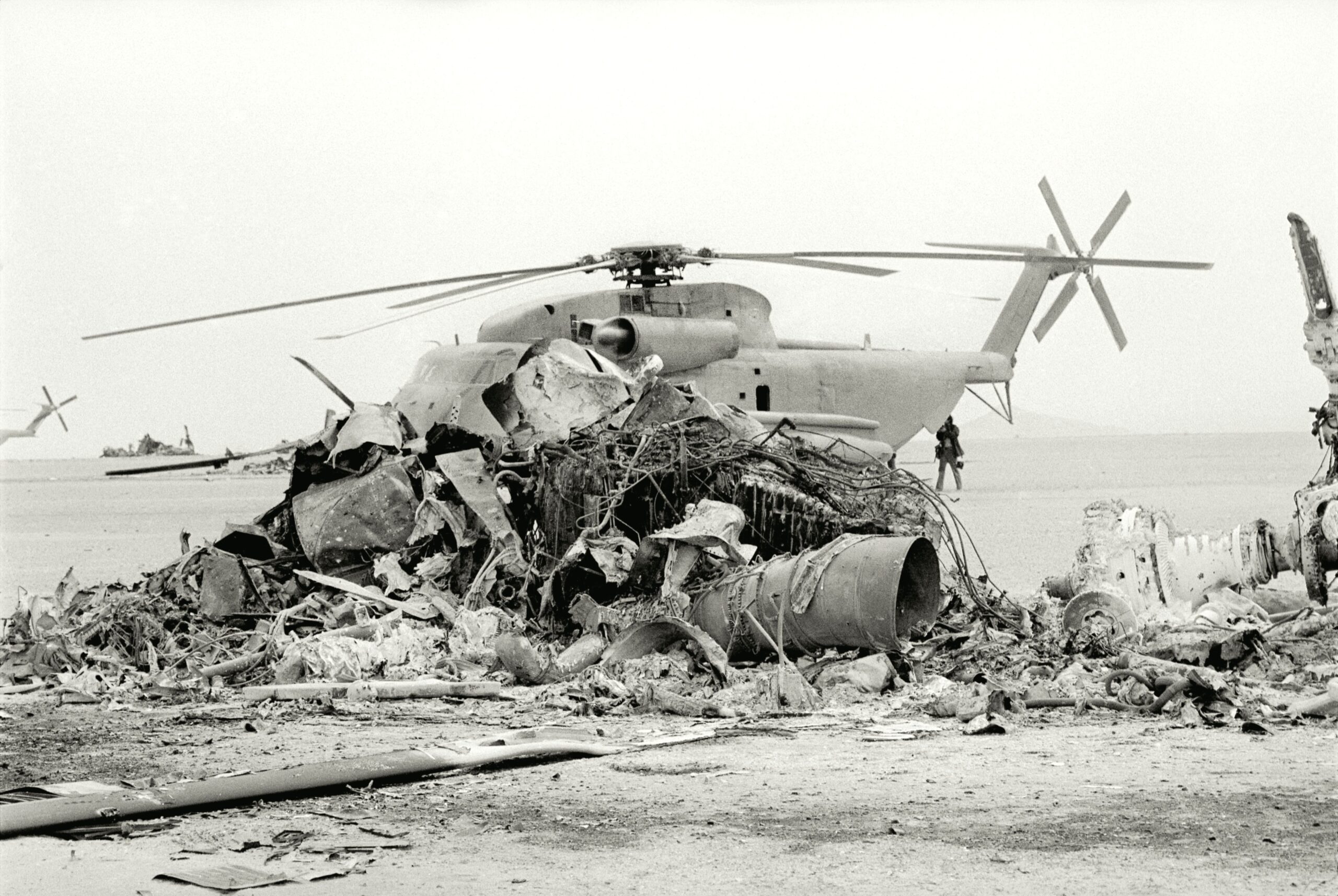
Operation Eagle Claw, Iran, 1980
Operation Eagle Claw was the code name for the United States’ attempt to rescue 52 American diplomats and citizens who were being held hostage in Iran in 1980. The mission, launched on the night of April 24–25, 1980, is remembered as one of the most dramatic military failures in American history. Although the operation never reached its objective, it profoundly influenced U.S. military strategy, special operations doctrine, and foreign policy for decades afterward.
The crisis began on November 4, 1979, when Iranian students stormed the U.S. Embassy in Tehran. The students supported the Iranian Revolution led by Ayatollah Ruhollah Khomeini and opposed the United States’ decision to admit the deposed Shah of Iran, Mohammad Reza Pahlavi, into America for medical treatment. The protesters seized the embassy and took dozens of Americans hostage, accusing the United States of interfering in Iran’s internal affairs and supporting the Shah’s authoritarian regime. The hostage crisis quickly became an international incident and severely damaged relations between the two countries. President Jimmy Carter initially pursued diplomatic negotiations and economic sanctions to secure the hostages’ release. However, after months of unsuccessful negotiations and growing domestic pressure, his administration authorized a military rescue mission. The operation was considered exceptionally risky because the hostages were held in the center of Tehran, a city with millions of residents, and because the United States had little reliable intelligence or military infrastructure in Iran after the revolution.
Operation Eagle Claw required an unprecedented level of coordination among multiple branches of the U.S. military. The mission involved the Army’s Delta Force, which had been established only a few years earlier as a counterterrorism unit, Army Rangers, Air Force transport crews, Navy helicopter pilots, and supporting intelligence personnel. The complexity of the operation reflected both the challenging environment and the limited experience the U.S. military had with large-scale joint special operations.
The rescue plan unfolded in several phases. C-130 Hercules transport aircraft carrying Delta Force operators and support personnel were to fly from Oman to a remote location in the central Iranian desert, designated “Desert One.” At the same time, eight Navy RH-53D Sea Stallion helicopters would launch from the aircraft carrier USS Nimitz in the Arabian Sea and fly to the same rendezvous point. After refueling at Desert One, the helicopters would transport the rescue force to another concealed location, known as “Desert Two,” where they would hide during the day.
The following night, Delta Force would infiltrate Tehran, assisted by CIA agents and local contacts who had prepared transportation into the city. The commandos planned to assault the embassy, rescue the hostages, eliminate any armed resistance, and transport the rescued Americans to a nearby soccer stadium. Helicopters would then extract the hostages and rescue force to Manzariyeh Air Base, where Army Rangers would seize the airfield. Transport aircraft would fly everyone safely out of Iran.
Even before reaching Desert One, the mission encountered serious problems. Several helicopters were delayed or damaged by massive dust storms, known locally as “haboobs.” One helicopter experienced mechanical failure and returned to the carrier, while another developed hydraulic problems after reaching Desert One. The operation required a minimum of six functioning helicopters to proceed, but only five remained operational. This meant the rescue mission no longer met its minimum safety requirements.
Faced with deteriorating conditions, President Carter’s commanders decided to abort the operation. However, the withdrawal itself proved disastrous. During preparations to leave Desert One, one of the RH-53D helicopters collided with a parked C-130 transport aircraft carrying fuel and personnel. The collision caused a massive explosion and fireball, killing eight American servicemen—five Air Force personnel aboard the C-130 and three Marines aboard the helicopter. Several others were injured. In the chaos, the remaining personnel evacuated aboard the surviving aircraft, leaving behind damaged helicopters, classified equipment, and documents.
The failed operation embarrassed the United States and strengthened the Iranian government’s narrative that the country had defeated American military intervention. Iranian forces later recovered abandoned equipment, which became a propaganda victory. The hostages themselves were dispersed to different locations throughout Iran afterward, making any future rescue attempt even more difficult.
Domestically, the failure significantly affected President Carter’s political standing. Although many Americans admired his willingness to attempt the rescue, the mission reinforced public perceptions that his administration struggled with international crises. The hostage crisis continued until January 20, 1981, when the remaining hostages were finally released after 444 days in captivity. Their release coincided with the inauguration of President Ronald Reagan, following negotiations facilitated by Algeria.
Despite its failure, Operation Eagle Claw produced lasting reforms within the U.S. military. Investigations concluded that poor coordination among the armed services, inadequate joint planning, equipment reliability issues, and insufficient command integration contributed to the disaster. At the time, each military branch largely planned and executed its own portion of the mission, creating communication and logistical challenges.
These lessons led directly to significant organizational changes. The U.S. military strengthened its joint command structure through reforms that culminated in the Goldwater–Nichols Department of Defense Reorganization Act of 1986, which improved cooperation among the services. In 1987, the U.S. established the United States Special Operations Command (USSOCOM), providing unified leadership for elite military units. Aviation capabilities also improved with the creation of the 160th Special Operations Aviation Regiment (Airborne), popularly known as the “Night Stalkers,” a unit specializing in difficult, low-level, nighttime missions that grew in part from lessons learned during Eagle Claw.
The operation also influenced military planning by emphasizing realistic training, better intelligence gathering, specialized aircraft, interoperable communications, and contingency planning for equipment failures. Future missions—including the capture of Manuel Noriega in Panama, operations during the Gulf War, and the raid that killed Osama bin Laden in 2011—benefited from organizational improvements rooted partly in the shortcomings exposed by Operation Eagle Claw.
Today, Operation Eagle Claw remains a case study in military academies and defense institutions around the world. It illustrates the extraordinary challenges of conducting long-range hostage rescue operations in hostile territory and highlights the importance of planning, joint coordination, logistics, intelligence, and adaptability. While remembered primarily as a failed rescue mission, its legacy ultimately reshaped American special operations forces, making them among the most capable and integrated military units in the world.

Join The Conversation
Comments
View All Comments