By Colonel Bernd Horn, Canadian Army (ret.)
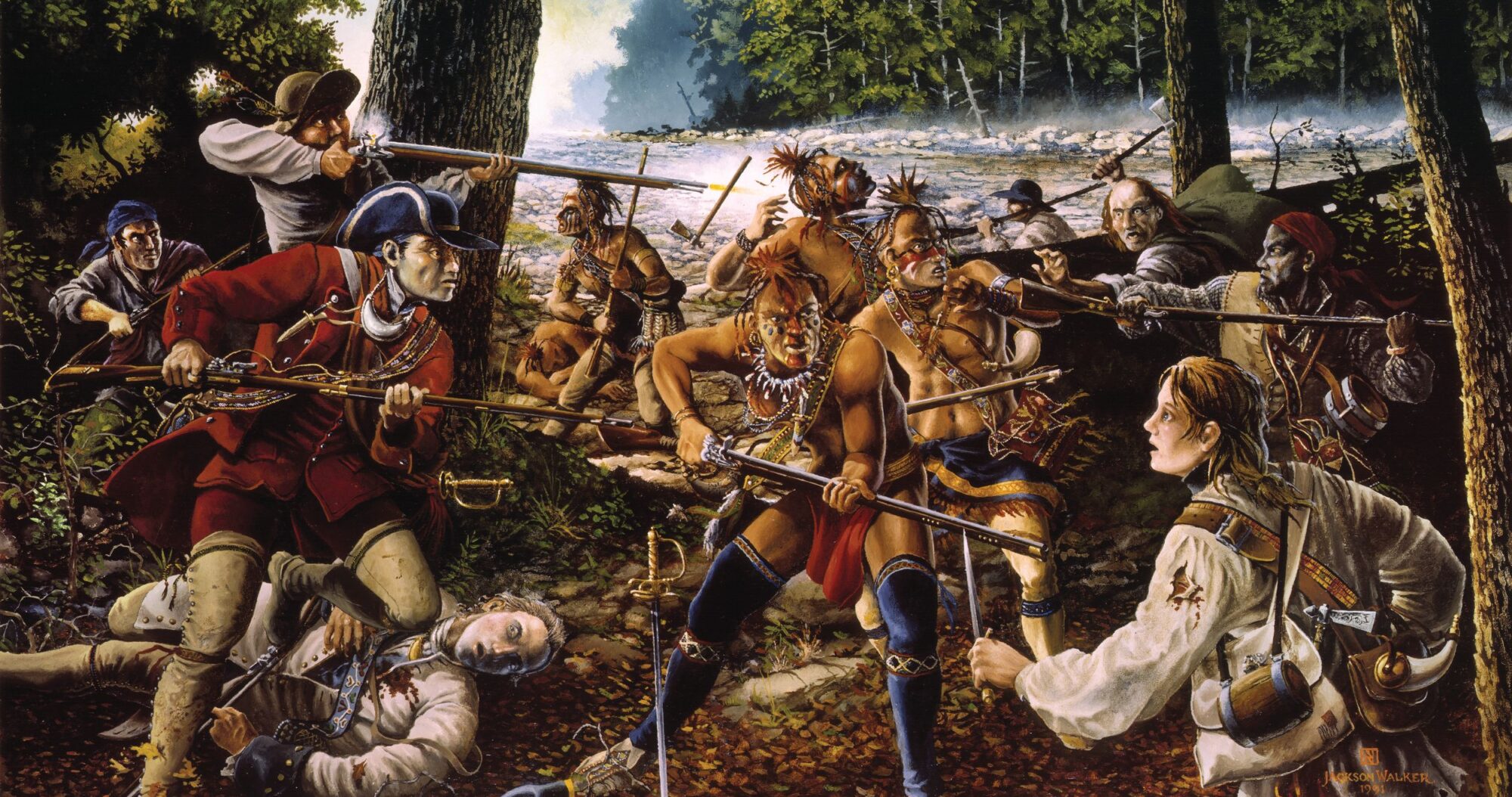
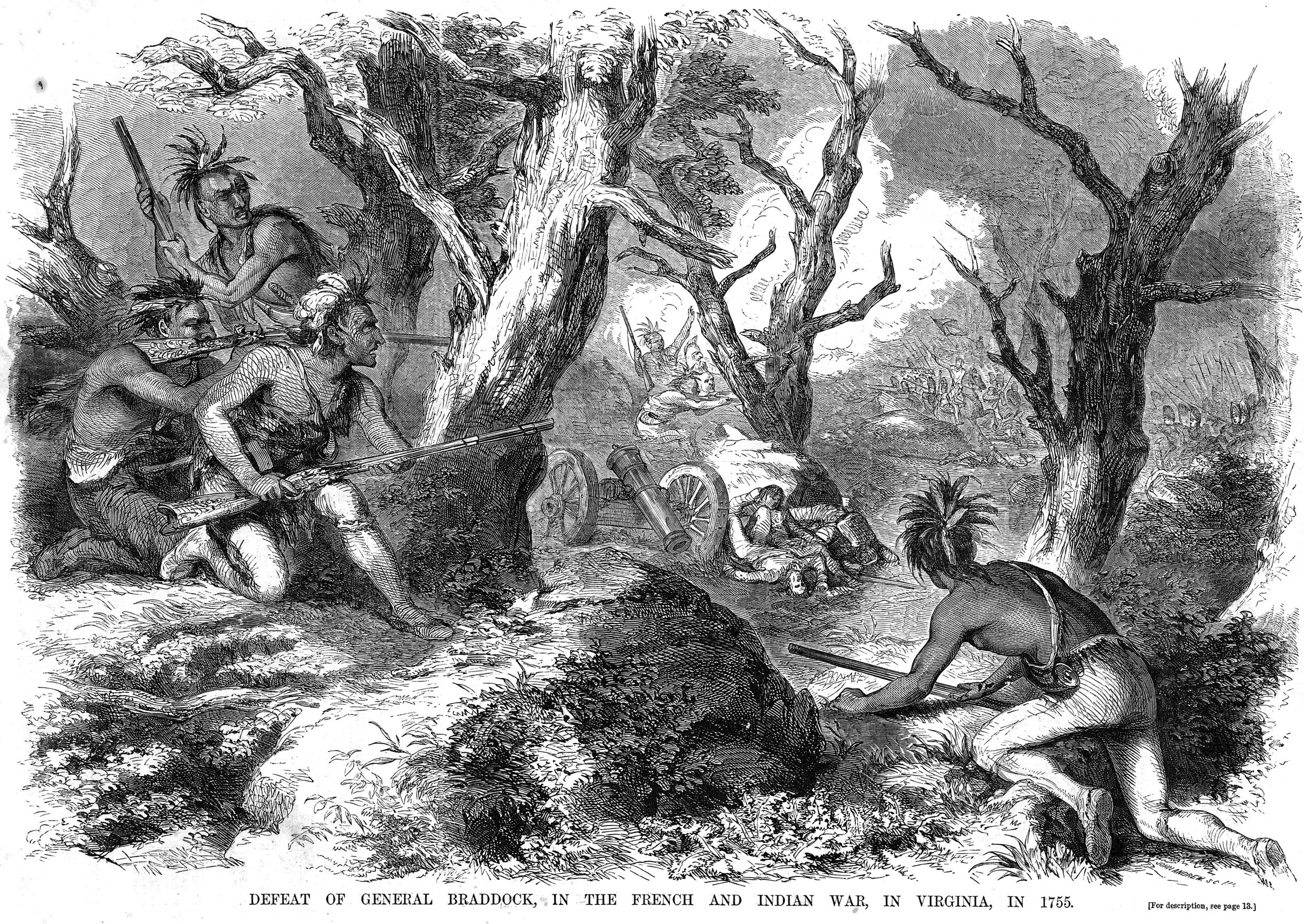
The mid-afternoon stillness of the Pennsylvania wilderness was suddenly shattered by a crashing volley of musket fire. Advancing through the dense forest just miles from Fort Duquesne, the British vanguard collided head-on with a rapidly deploying enemy. The French commander, Captain Daniel Liénard de Beaujeu, fell dead in the opening exchange, but the momentum shifted instantly. As if on cue, the musket fire from the tree lines picked up as hundreds of Native American warriors enveloped the flanks, and more British men fell. The British soldiers, although somewhat bewildered, formed platoons to respond with volley fire of their own. However, the volleys were fired blind, because no one could discern the phantoms that were decimating the British ranks seemingly at will.
Dense clouds of smoke hung over the forest clearing littered with the bodies of dead and dying men. The small French party and their Native American allies soon sensed victory. Gliding from cover to cover and well hidden by trees and brush, they continued to pour fire into the British. It soon became too much. Deprived of their officers who had largely been killed by the accurate fire of their opponents, the British soldiers became paralyzed by fear. The piercing war cries of the Native Americans soon pushed them to panic.
Incredibly, a French force of 254 colonial troops and Canadian Militia, supported by some 600 Native Americans routed the British force of over 1,300 regular and provincial soldiers. Within a few short hours, the British commander, Maj. Gen. Edward Braddock, was mortally wounded and his army in complete disarray. Those not killed and mutilated by the Native Americans stampeded to the rear abandoning all of their equipment, as well as their wounded colleagues.
The battle on the Monongahela River on July 9, 1755, would have dramatic consequences for the British. In the eyes of the Native Americans, it reinforced the perception of British ineptness and pushed any Native Americans who were wavering to the French cause. It also reinforced a myth of the strength and martial prowess of the Native Americans. After all, a small force of largely irregulars and Indigenous personnel had soundly defeated a significantly larger British force composed of predominantly regular troops.

However, this was not the first exposure to the Native American way of war in the forests of North America for either the British or French. Over time, both European colonizing powers developed a begrudging recognition, if not fear, of the Native Americans’ war-making ability. In fact, the conventional wisdom held by those familiar with combat in the wilderness of the New World dictated that the support of the Native Americans, who were masters of hit-and-run warfare, was instrumental to success. The Native Americans’ knowledge of the terrain, their ability to navigate through the dense forests, as well as their guile and tactical ability made them formidable warriors. Nonetheless, ironically, both the British and the French loathed them and complained bitterly about their Native American allies. The Native Americans proved to be fiercely independent, devious and atrociously unreliable. Yet, paradoxically, both the British and the French competed fiercely to gain their cooperation, or at a minimum their neutrality. Faced with this ironic situation, the question must be asked, exactly how significant was the contribution of the Native Americans in the struggle for North America?
Braddock’s crushing defeat at the Monongahela River is an appropriate departure point. He was chosen by the Duke of Cumberland for this particular campaign because of his “courage and military discipline,” set out with a force of approximately 1,200 regulars and 800 provincials, to capture Fort Duquesne, a strategic western outpost held by the French. Braddock was extremely confident that his force of regulars could easily accomplish the task. Despite the protests of the resident British Indian Agent, George Croghan, as well as the admonitions of George Washington, Braddock’s aide-de-camp, the general did not seek the counsel of the Native American chiefs loyal to the British Crown. “We have a General most judiciously chosen for being disqualified for the service he is employed in, in almost every respect,” William Shirley wrote. As Braddock’s secretary, he added, “I am not greatly acquainted myself with Indian Affairs, tho’ enough to see that better measures with regard to ‘em might and ought to have been taken, at least to the Southwd.”
Braddock, however, was convinced that the more disciplined and well-drilled force would emerge victorious. “These savages may, indeed, be a formidable enemy to your raw American militia,” quipped Braddock to Benjamin Franklin, “but upon the King’s regulars … it is impossible they should make any impression.” Although Braddock did meet with a Native American delegation loyal to the Crown and received their assurances of support for the campaign, most departed with their gifts and never returned. His haughty manner and failure to elicit their participation or counsel in planning the campaign seemed to alienate his erstwhile allies. Braddock set out for Fort Duquesne with only eight guides, members of the Mingo people, an Iroquoian group of Native Americans, primarily Seneca and Cayuga, who had migrated west from New York in the mid-18th century.
When battle was entered about 1 p.m. on July 9, the contrast between the European and North American manners of warfare was never starker. Braddock’s steadfast belief that inevitably the ill-disciplined, motley opponent that faced his well-trained and disciplined regular troops would break, led to his ruin. As the two forces clashed, the Native Americans and French Canadians instinctively melted into the tree line, utilizing the natural ravines to envelop the closely packed British column, who were impossible to miss and suffered horrendous casualties. Ironically, the provincials, particularly the Virginians, immediately sought cover and began to return fire against their phantom antagonists. Their actions seemed to provide some hope of staving off defeat. However, Braddock, incensed at this lack of courage and discipline ordered them back into line using both oaths and the flat of his saber.
Despite the exhortations of the officers and the discipline of the regulars, as the officers became casualties and the ranks were continually thinned by a steady and deadly fire, from a foe that could not be seen, the regulars lost their steadiness and eventually succumbed to an uncontrollable panic. Lieutenant William Dunbar revealed:
Our Men unaccustomed to that way of fighting, were quite confounded, & behaved like Poltrons, nor could the examples, nor the Intreaties of their officers prevail with them, to do any one what was ordered. This they denied them, when we begged of them not to throw away their fire, but to follow us with fixed Bayonets, to drive them from the hill & trees, they never minded us, but threw their fire away in the most confused manner, some in the air, others in the ground, & a great many destroyed their own Men & officers. When the General came up to our assistance, men were seized with the same Pannic, & went into as much disorder, some Part of them being 20 deep. The officers in order to remedy this, advanced into the front, & soon became the mark of the Enemy, who scarce left one that was not killed or wounded.
“And when we endeavoured to rally them,” George Washington recounted, “it was with as much success as if we had attempted to stop the wild bears of the mountains.” Washington later wrote his brother, “We have been most scandalously beaten by a trifling body of men.”
His choice of words, or more aptly the nuance, however, was misplaced. The “trifling body of men” although not overwhelming in numbers were skilled combatants and exacted a heavy toll. The scale of the debacle was enormous. The French lost approximately five percent of their engaged force. The British lost 70 percent of theirs, including 60 out of 86 officers. Arguably, the deciding factor in the engagement was the presence of a large Native American contingent assisting the French. “I am of the opinion that had we had fifty Natives instead of eight,” George Croghan lamented, “that we might in a great measure have prevented the surprise, that day of our unhappy defeat.”
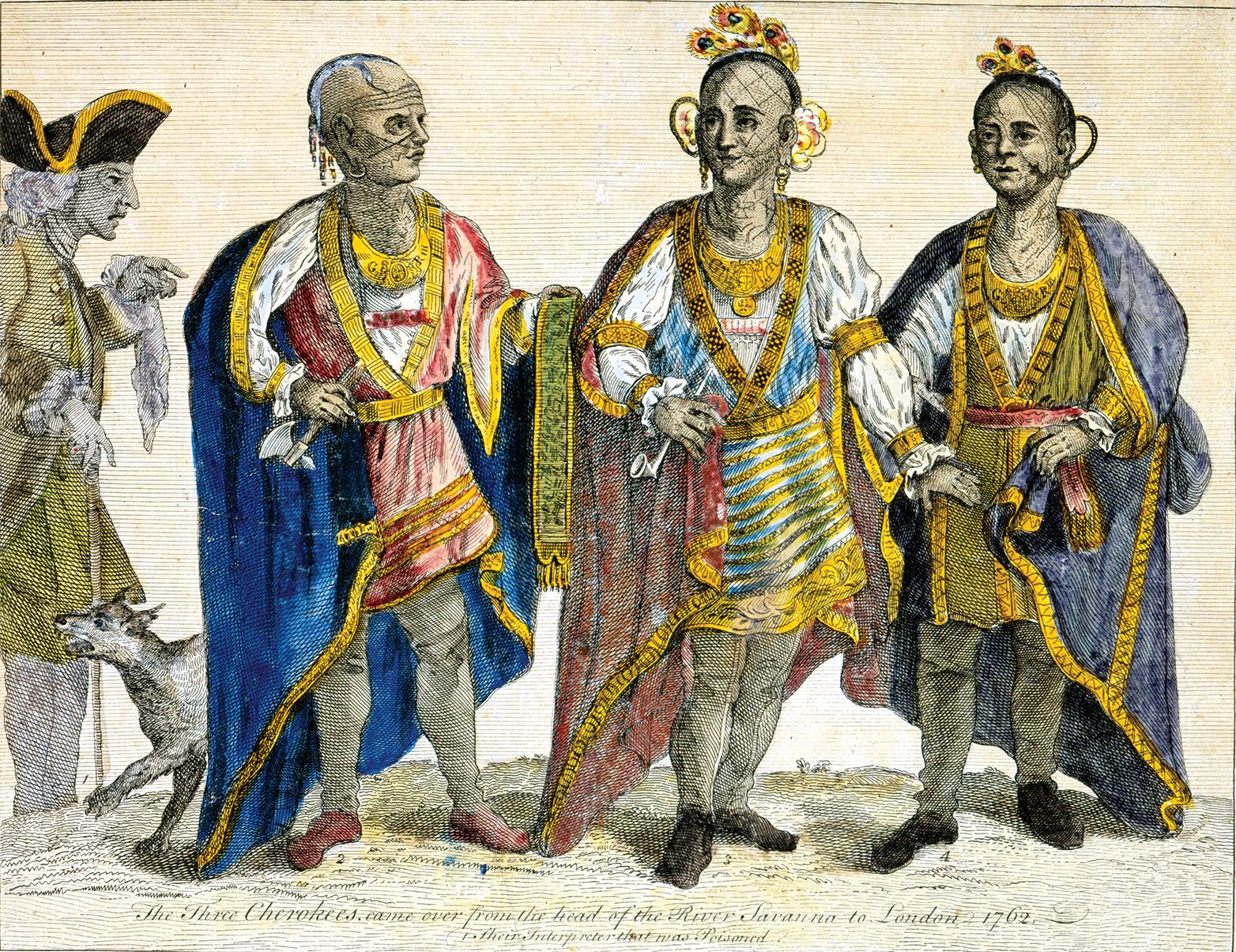
The fact that the French force was predominantly Native American is not overly surprising. The Native Americans in fact had a preference for the French. A key pillar of the French-Canadian strategy was strong alliances with the various Native American tribes. This realization permeated Canadian philosophy from the beginning. Social and economic ties were instrumental in ensuring the survival and growth of New France. As early as 1667, the secretary of state for the colonies, Jean-Baptiste Colbert, instructed the Intendant of New France, “You must try to draw these [Native] peoples, and especially those who have embraced Christianity, into the neighborhood of our settlements and, if possible, intermingle them there so that, with the passage of time, having but one law and the same master [King] they will form thereby a single people of the same blood.” This attitude, bolstered by the large number of coureur de bois and soldiers serving at frontier outposts intermingling and often living with the Native Americans, fostered an acceptance of and tolerance for to the Native Americans and their culture that did not exist between the British and their Indigenous peoples. The British tended to look down on the Native Americans. One scholar noted, they “paid no heed to Natives’ laws or customs or traditions; and ruthlessly imposed their own laws, customs, and religious ideas with no apparent thought of their intolerance and injustice. They mostly looked upon the Natives as heathen.”
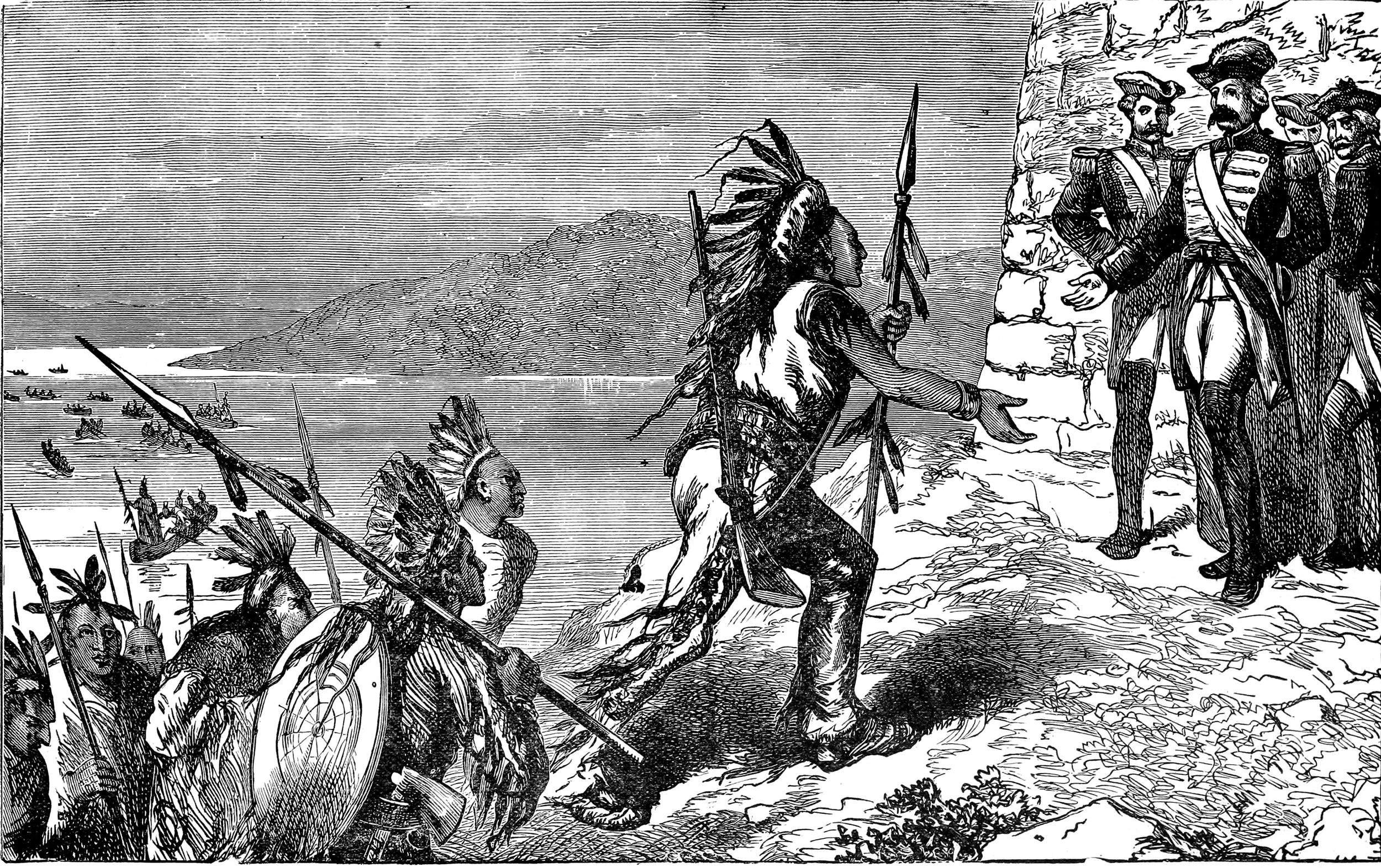
Furthermore, the Native Americans were impressed with French military prowess and capability. “Look about you and see!” exclaimed a Native American chief to a British officer. “You have no fortifications; no, not even in Quider (Albany). It is but a step from Canada hither, and the French may come and turn you out of doors…. Look at the French; they are men! They are fortifying everywhere. But you are all like women, bare and open, without fortifications!”
The latest catastrophic defeat for the British simply reinforced Native American perceptions. Native American activity and boldness of attacks increased dramatically in the aftermath of Braddock’s crushing defeat. However, if the Native Americans were so instrumental to success, why were they consistently castigated by their White allies? Both the British and the French were vitriolic in their condemnation. One reason was the cultural and philosophical divergence in the comprehension of how war was waged. The Native American way of war was in complete contrast to the European emphasis on mass, rigid discipline and volley fire. Conversely, the Native Americans placed great reliance on guile, stealth, the use of cover and especially marksmanship. To the Europeans, this was ghastly—regulars found it cowardly and reprehensible, wholly without honor.
Edward Abbot, a Lieutenant-Governor of Vincennes during the colonial period remarked, “It is not people in army’s that Natives will ever daringly attack; but the poor inoffensive families … who are inhumanely butchered sparing neither woman or children.” The memoirs of one French soldier revealed, “Of them [Iroquois] it has been said, they came like foxes, attacked like hares, and fled like birds.” Jeffrey Amherst, a senior British officer assessed, “The cowardice of these barbarians is so great & their little arts in war so easily prevented from taking place, that it is astonishing they should ever have had an advantage over us, as in Mr Braddock’s affair.” He added, “Their whole dependence is upon a tree or a bush. You have nothing to do but to advance, & they will fly. They never stand an open fire or an attack.” Colonel Henry Bouquet agreed. “You may be sure that all the Natives on the continent would not dare to attack you in earnest,” he insisted, “Surprise is their only shift, and that will always fail with you.” A Jesuit missionary concluded, “None are more courageous when no resistance is offered them, and none are more cowardly when they encounter opposition.”
The consistency of the commentary does not necessarily reinforce its validity. What it does, however, is clearly demonstrate the lack of understanding, as well as the deep chasm that existed between European comprehension of war and that of the Native Americans. It was this cultural and philosophical component that proved to be an irritant for both sides. “Instead of stealing upon each other, and taking every advantage to kill the enemy and save their own people, as we do,” explained a Native American veteran, “they [Whites] marched out, in open daylight, and fight, regardless of the number of warriors they may lose!” He added, “After the battle is over, they retire to feast, and drink wine, as if nothing had happened.”
From the Native American perspective, the quintessential victory was won with a minimum of casualties. Once this was achieved, and the individual warriors had gained proof of their martial prowess through prisoners, scalps or plunder, which also carried a significant economic benefit, the Native Americans were satisfied to end the campaign lest they push their luck. Furthermore, they saw themselves as allies and not as levies. Therefore, if they felt a plan or maneuver was ill-advised, they simply chose not to participate. For the Native American warriors “taking up the hatchet” or more simply put, going to war, was largely a personal endeavor. It was meant to prove a warrior’s courage and skill and to obtain prestige through achievement in combat.
The individual warrior was subordinate to no other. They saw neither shame nor dishonor in abandoning the field if the odds of easy success were against them. Moreover, if individuals tired of the campaign or simply failed to support a plan of action, their peers seldom condemned their departure. They were not interested in a fair fight, but only one in which they could achieve their aims with a minimum of casualties. Ambushes, raids and terror were the preferred methods of conducting war. In short, the Native Americans practiced what the Europeans contemptibly called the “skulking way of war.”
The Native Americans, however, did not see it as that. “The art of war,” declared Tecaughretanego, a Kahnawake chief, “consists in ambushing and surprising our enemies, and in preventing them from ambushing and surprising us.” Similarly, Jesuit Missionary Father Nau, observed that “Their mode of warfare is but stratagem and surprise.” Abbé H.R. Casgrain, the prominent nineteenth-century French-Canadian chronicler of the Seven Years War, explained that “For them, withdrawal was not a flight, nor a disgrace, it was a means of falling back to occupy a better position.”
Moreover, the Native Americans’ definition of success diverged dramatically from that of the Europeans. For the Native Americans, a victorious campaign was gauged, as already noted, by the accumulation of tangible trophies. The Native Americans deemed a campaign successful when a victory, regardless of how inconsequential, was won. “Even if there are three hundred of them & they were to take only one or two scalps,” Captain Pouchot complained in his journal, “they would not begin another operation, even were they capable of devastating an entire territory and killing other men.” This reality consistently vexed the French commander-in-chief Lieutenant-General Louis-Joseph de Montcalm. The consistent departure of the Native Americans, after the smallest of victories Montcalm assessed, ensured that they would never inflict a lasting defeat on the British. The British shared this observation. “I have never heard,” John Campbell Loudoun, the British commander-in-chief in North America in 1756 acknowledged, “of any instance of Natives remaining of either side, after they have either lost any people, or got any booty, but have constantly returned home.”
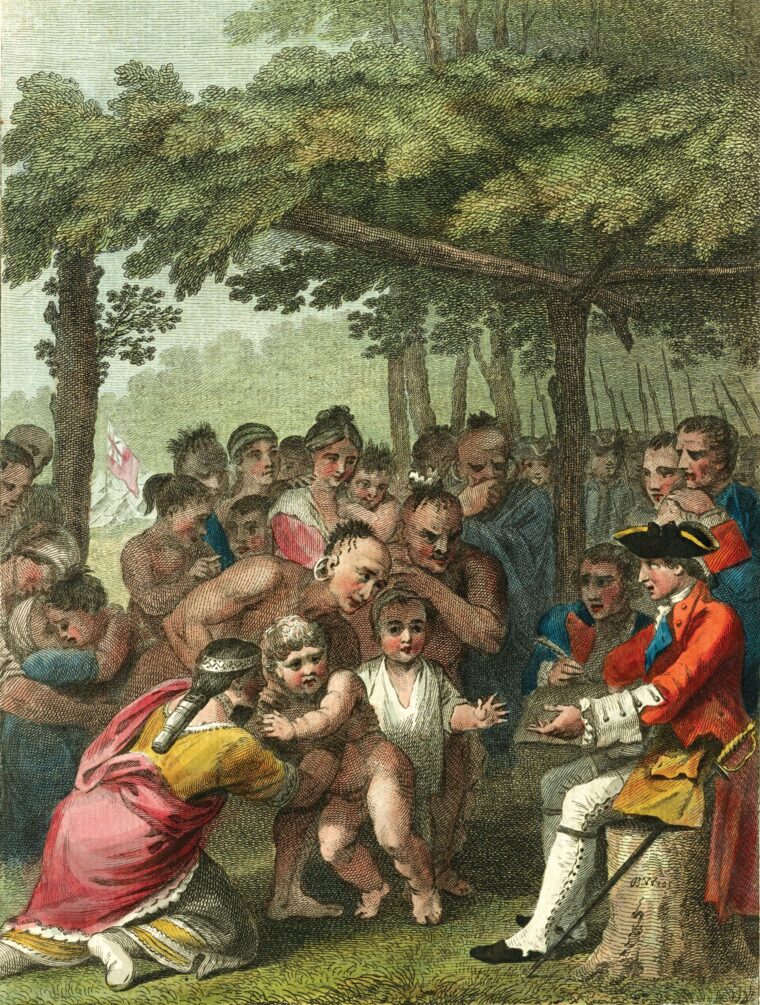
The European benchmarks of success and victory, as well as acceptable losses, were all meaningless to the Native Americans. The capture of territory, forcing an enemy to abandon a strategic fortification or postponing an opponent’s planned offensive simply did not resonate with them. Furthermore, to the Native Americans, casualties were totally unacceptable. It was only through tangible actions such as the accumulation of prisoners, scalps or plunder, that individual warriors could show their achievement in battle. Moreover, these items were also very valuable. For instance, in 1747, bounties set by Massachusetts paid out £35 for the scalp of a male Native American or Frenchman and £10 for that of a woman. However, an even higher price was paid for prisoners brought in alive. A male would fetch £40 and a woman or boy under twelve, £25. Almost ten years later, in July 1756, De Lévis offered 150 livres for a British scalp upon his arrival at Carillon (present day Ticonderoga, New York). The French normally paid 30 francs worth of trade goods for a scalp and provided even larger ransoms to buy back British prisoners. Even Braddock himself issued an order that promised a £5 bounty to any member of his expedition who brought a Native American scalp into camp.
Not surprisingly, with these monetary inducements, there was very little incentive to risk one’s life for strategic gains of a European power, or to fulfill a code of honor that was completely alien to the Native American understanding of war. Amazingly, this was apparently missed by the military commanders who saw Native American refusal to participate in attacks or campaigns as a lack of the requisite discipline and courage needed of soldiers. As such they often perceived the Native Americans to be cowards and wholly without honor.
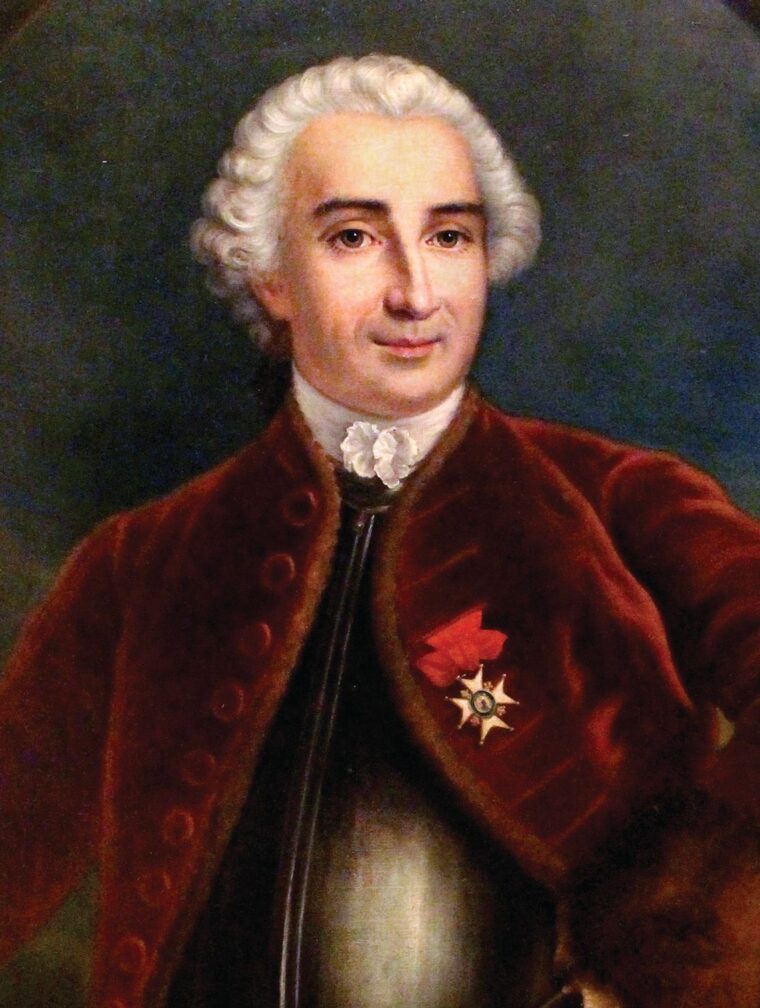
But the conflict in cultures went beyond the theoretical understanding and practice of waging war. The Whites also railed against the unreliability of, and difficulty in controlling, the Native Americans. Tribalism, the influence of Sachems, superstition, and personal and band rivalry created tensions between the Europeans and their Native American allies. “They gather together in mobs, argue among themselves, deliberate slowly,” complained Louis-Antoine, Comte de Bougainville, a member of Montcalm’s staff.
“Between the resolution made and the action taken there passes considerable time, sometimes one nation stops the march, sometimes another,” he added. “Everybody must have time to get drunk, and their food consumption is enormous. At last they get started, and once they have struck, have they taken only a single scalp or one prisoner, back they come and are off again for their villages. Each one does well for himself, but the operation of the war suffers.”
Similarly, Brigadier François-Gaston, chevalier de Lévis, the Marquis de Montcalm’s second-in-command, grumbled to the Governor of New France, Le Marquis de Vaudreuil, in a letter, “Upon leaving, the savages always promised a lot, however, I found that they do not keep their promises.”
European commanders, whether British or French, characterized the Native Americans as an unwanted burden, if not a nuisance. “They drive us crazy from morning to night,” one senior French officer exclaimed, “There is no end to their demands.” He concluded that “in short one needs the patience of an angel with these devils, and yet one must always force himself to seem pleased with them.” Bougainville bemoaned, “One must be the slave to these savages, listen to them day and night, in council and in private, whenever the fancy takes them, or whenever a dream or a fit of vapors, or their perpetual craving for brandy, gets possession of them; besides which they are always wanting something for their equipment, arms, or toilet.”
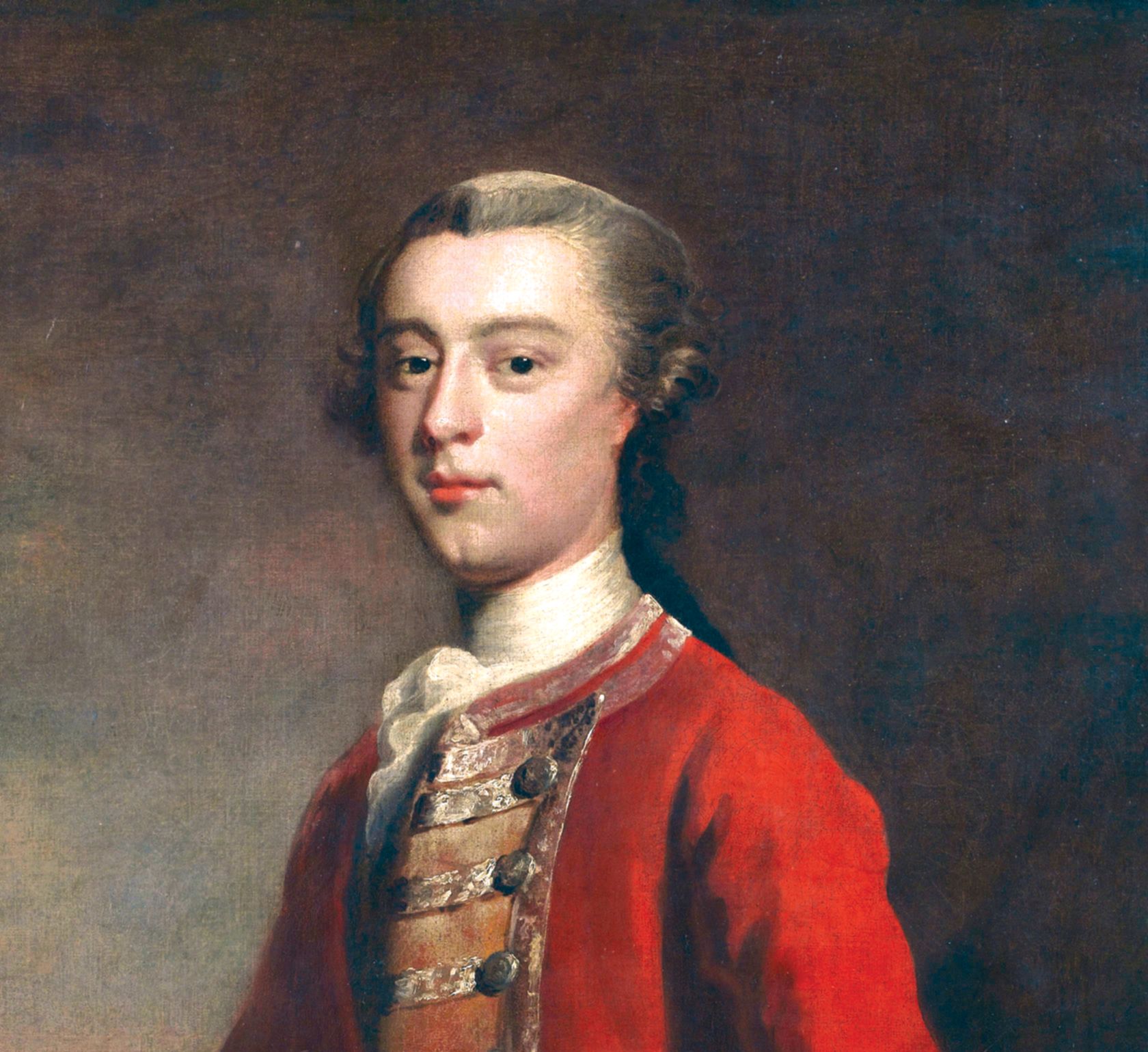
In an attempt not to aggrieve the Native Americans the most wanton outrages were often accepted. One French officer decried the tolerance shown to their Native American allies. “You could see them running throughout Montreal,” he recorded, “knife in hand, threatening and insulting everyone.” Governors of New France, particularly Vaudreuil, were constantly criticized for their leniency towards the Native Americans. Of 76 Native Americans accused of disorderly conduct, assault, or murder in the Montreal District alone from 1669 to 1760, only one was actually prosecuted. The rest were released without charge. The rationale was simple, albeit unpalatable for the French and Canadians—the authorities feared that the application of the harsh justice demanded by the French criminal code would alienate the Native Americans and cause them to defect to their enemies.
Their behavior on campaigns was little better. Montcalm confided to his journal, “[the Natives] feeling the need we have of them, are extremely insolent; they wish our fowls this evening. They took with force some barrels of wine, killed some cattle, and it is necessary to endure all.” French officers claimed that it proved very expensive to maintain their Native American allies because they “exhausted so much provisions” and “could not be stinted to allowance taking everything at pleasure and destroying three times the Quantity of Provisions they could eat.” The Native Americans had no sense of rationing and would consume a week’s allocation of provisions in three days and demand additional replenishment. On the march to besiege Fort William Henry in 1757, the Native Americans were dissatisfied with the salted meat served to them, so they slaughtered all the beasts of burden on the expedition, which slowed down by three days the placement of cannon. One senior French officer complained that the Native Americans “take all their [French] provisions” and they can do nothing. He lamented, “It is necessary to watch them, say nothing, and reduce oneself to bacon and water.” Consistently, the Europeans denounced the Native Americans as disruptive to their campaigns and a drain on valuable resources. “One is a slave to Natives in this country,” Bougainville lamented, “[but] they are a necessary evil.”
A further cause of great consternation to the Whites during the French and Indian Wars, was the torture and cruelty shown to prisoners— whether military or civilian, and regardless of gender or age. This inability to control the Native Americans after a battle was fought or surrender negotiated permeated almost the entirety of the conflict. This problem was exacerbated when alcohol was involved. No exhortations by either the British or the French were entirely effective, but then again, the European entreaties ran counter to the Native Americans’ expectations of waging war as discussed earlier.
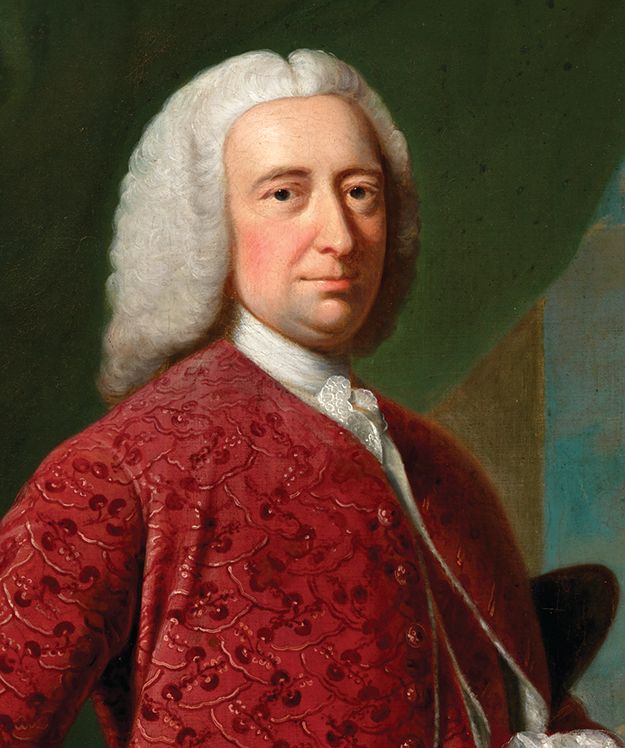
The brutality and torture the Native Americans practiced was not an aberration of this conflict. The early writings of the Jesuits portray the shock and horror they felt when they witnessed the display of scalps, the torture of victims and the practice of cannibalism. Champlain’s observation of his Native American allies torturing and subsequently drinking the blood and eating the hearts of their victims in 1609, caused him a similar revulsion and horror. These actions continued right up to, and during, the Seven Years’ War. “The cruelties and the insolence of these barbarians is horrible,” Bougainville complained, “their souls are as black as pitch. It is an abominable way to make war; the retaliations are frightening, and the air one breathes here is contagious of making one accustomed to callousness.” A French priest wrote, “They kill all they meet, “and after having abused the women and maidens, they slaughter or burn them.” Women were often forced to burn their husbands and watch their babies roasted over slow fires. Prisoners were normally forced to endure running the gauntlet, beatings, slow death by torture, and burning at the stake. Both the British and the French consistently protested, with an element of truth, that they were unable to control their Native American allies. However, the exploits of the Native Americans, particularly the terror they instilled in their enemies, undeniably assisted the efforts of their White allies.
As irritating and unsettling as the previous complaints were, a far more serious menace was the duplicity of the Native Americans. The Native Americans habitually sided with the power they felt was most likely to win the contest. Moreover, they often switched allegiance if momentum or success swung to the opposite side. The noted Canadian historian, W.J. Eccles, stated that the Native American nations, impressed with the French show of strength, specifically the dispatch in 1753 of 2,000 troops to Lake Erie to build a road to the headwater and a chain of forts at strategic points, began to sever their trade connections with Anglo-Americans. The subsequent success of French arms over then Maj. George Washington’s force at Fort Necessity in July 1754, and Braddock’s army a year later, merely reinforced the Native American proclivity to support the French. In fact, after Braddock’s defeat, the Native Americans rejected British overtures to remain neutral and replied, “It is not in our power to comply with it, for the French & we are one blood, & where they are to dye we must dye also.”
These noble sentiments, however, were mere rhetoric. As the fortunes of war shifted, so too did the loyalty of the Native Americans. “An offensive, daring kind of war,” Maj. Gen. James Wolfe wrote to his commander, “will awe the Natives and ruin the French.” He added, “Blockhouses and a trembling defensive encourage the meanest scoundrels to attack us.” He was right. As the British swung to the offensive, bringing their massive advantage in economic, naval and military power to bear, the last sinews of French strength began to wane. The destruction of Fort Frontenac and Fort Duquesne in 1758, representing two of France’s most strategic fortifications, was a major watershed in the fealty of the Native Americans to the French.
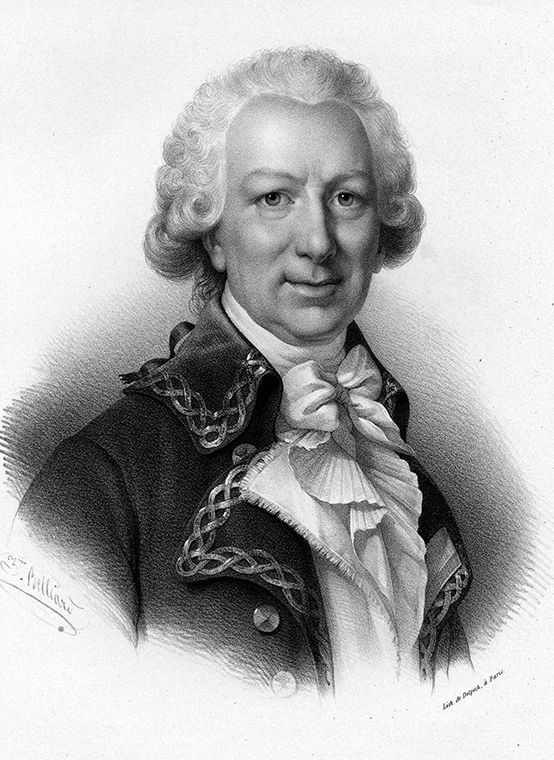
By the summer of 1759, the Native Americans actively conspired to assist with the capture of Fort Niagara. Native American guides deliberately led the French officer responsible for the resupply of the fort into an ambush. Although they remained neutral during the initial engagement, once the supply column collapsed the Native Americans “fell on them like so many Butchers.” Furthermore, Captain Pouchot, the commandant of Fort Niagara, was assured by his Native American allies that “if we learn that the Englishman is plotting anything against you, we shall inform you immediately, so that you are not taken by surprise.” Yet, in little over a month an entire British army passed through the Iroquois territory and appeared without warning before the fortress. To add further insult, once the fort had fallen, the Native Americans, most well-known to the French garrison, swarmed in to pillage and plunder the contents of the fort, even attempting to strip the French soldiers, their former compatriots, of their arms and possessions. Native Americans, one bitter soldier wrote, were “villains, and always side with the strongest.”
This proved to be the case. As New France crumbled and the British noose tightened around Quebec those few Native Americans who remained loyal took advantage of the situation. “The savages … are a scourge for the inhabitants,” confided Abbé Jean-Félix Recher in his journal, “… they kill [inhabitants] with impunity and pilfer all types of foodstuffs from their homes, take their animals, especially the oxen, cows, sheep, poultry, and horses.” Casgrain would later write that the Native Americans were “more to be feared [by the Canadians] than even the enemy.” By August 1759, as the British siege of Quebec continued, Montcalm wrote “we have a few savages, [we are] almost all alone.”
The wavering nature of the Native Americans’ allegiance, however, had other implications that irritated the Europeans. Because no one wished to offend their putative allies, they were given unrestricted access to both camps. The Native Americans in turn, used this freedom of movement to spy and report on the preparations and plans of a belligerent to their respective enemy. Braddock was visited by two Mohawk warriors during his approach to Fort Duquesne. Although he was well aware that their intent was to spy, he allowed them to leave. When they departed, Braddock learned that one of his eight Native Americans also defected.
The information gained was normally rendered for payment and/or to demonstrate fidelity to a given side. “The Five Nations ambassadors who descended to Montreal,” recorded Montcalm in his journal, “… came here as English spies rather than ambassadors.” Montcalm’s second-in-command, de Lévis reached a similar conclusion observing that the ambassadors who came to provide information on British preparations had also likely come to conduct a reconnaissance on those of the French. For this reason, Montcalm and de Lévis consciously disseminated false information and plans among the Native Americans. Even Vaudreuil, the Governor of New France, who normally praised the Native Americans, wrote to the Ministry of Marine and conceded that there was no doubt that the Native Americans spied on their supposed French allies.
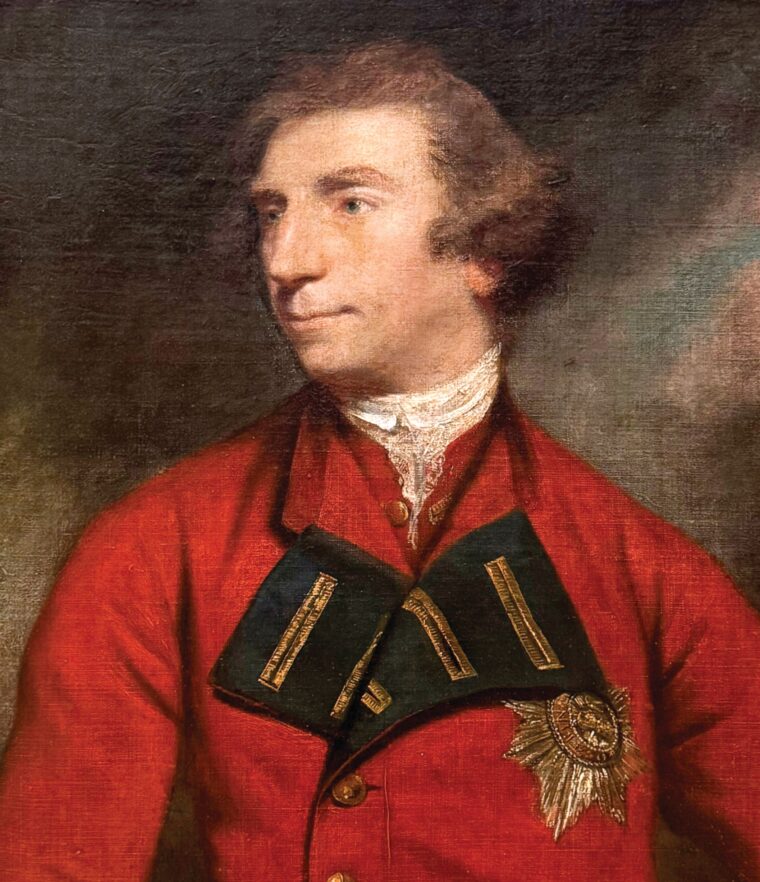
The British perspective was no different. Major General Jeffery Amherst, who was appointed the British commander-in-chief in 1759, wrote, “If the Natives know them [operational plans] the French will have it; it is their business to give intelligence to both sides.”
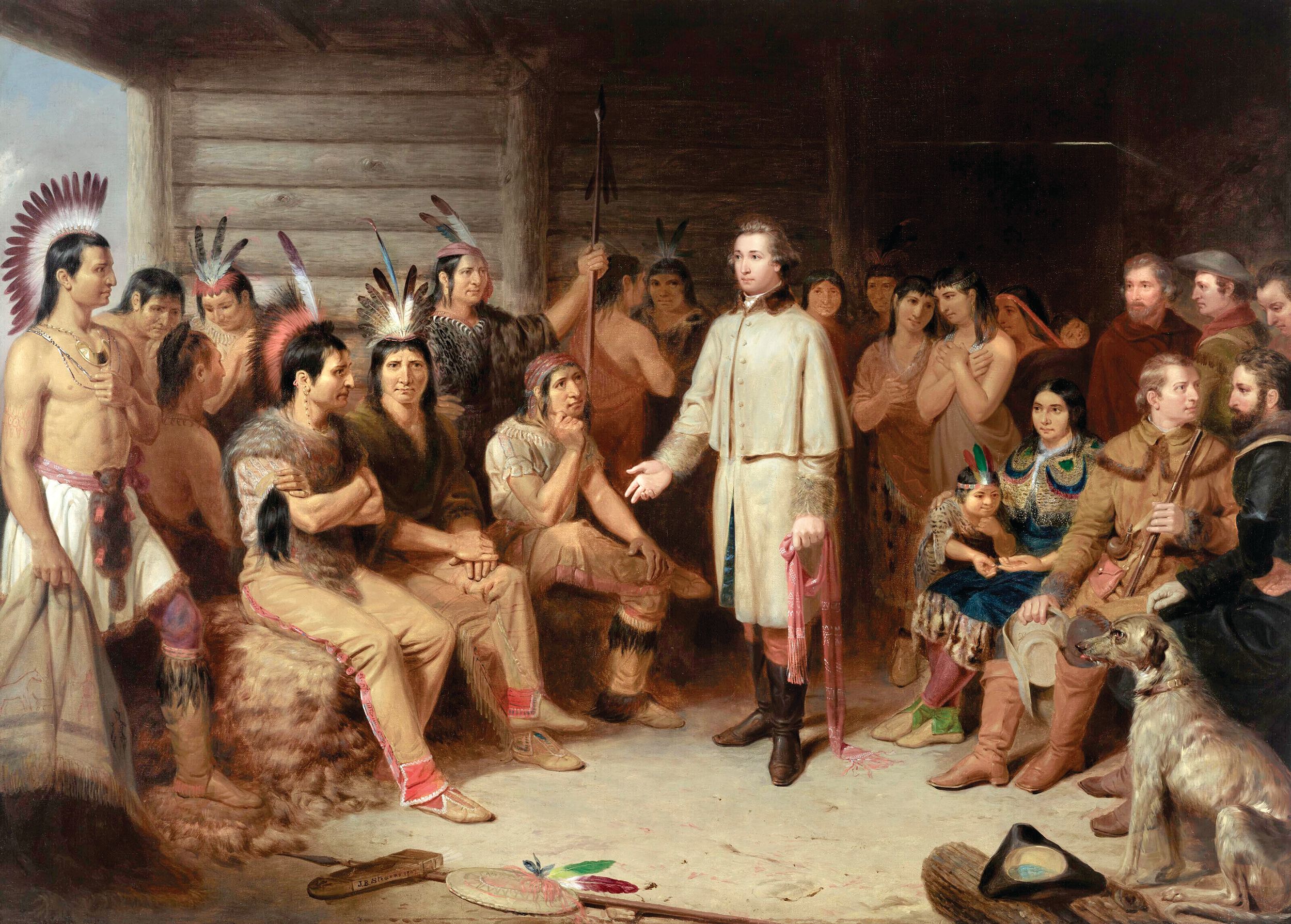
Despite these constant recriminations both the British and French vied aggressively for the allegiance of the Native Americans and both sides showered them with lavish gifts of equipment and food. Maj. Gen. William Shirley, Chief of His Majesty’s Forces in North America in 1755, actively lobbied the War Office to support a policy of luring the Native Americans to the British, or at a minimum securing their neutrality. He requested the appointment of commissioners for each of the western provinces, and money to defray the cost of the treaty obligations and inherent presents that would be required.
He promised to build a fort at an Onondago Castle and then was required to pledge the same for the Oneidas, including a garrison and artillery pieces. In addition, the Cayugas demanded men to plough their lands and gunsmiths to repair their weapons. Furthermore, Shirley stipulated that the treaty must include, and he directed his subordinates to ensure, that the Native Americans would be “supplied with arms, accouterments, clothes, provisions and pay…[and] that they shall have besides these a reward for every prisoner or scalp taken from the enemy and every other reasonable encouragement all which to be ascertained to their satisfaction.” His order even made allowances for the Native American warriors to bring their women and children who would be fed and protected by the British.
The British efforts to gain the allegiance, or at least neutrality, of the Native Americans was not lost on the French. “The governors of Virginia and Pennsylvania,” wrote Montcalm in his journal, “put all their efforts in luring the savages [away from the French] and obtaining, at least their neutrality.” He further observed that the British used every means possible, including the provision of supplies and alcohol, to win over the Native Americans. Similarly, Le Chevalier Le Mercier warned the French ministry of Marine that failure to supply the Native Americans would result in their deserting the French cause.
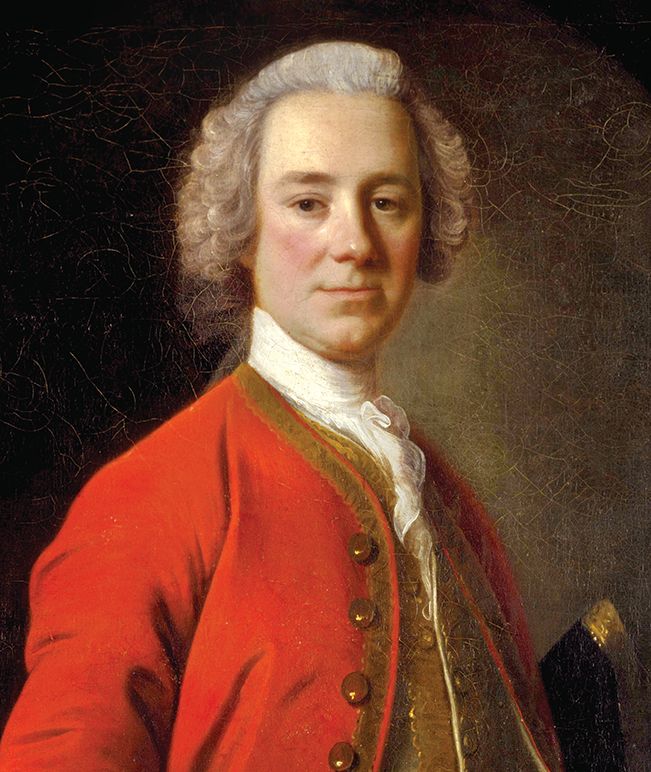
So why did both the British and French compete so fiercely for the allegiance of the Native Americans even though they both had a litany of complaints against them? In essence, the Native Americans were an important component of the successful prosecution of war in the colonies. Their participation, or even neutrality, often represented the difference between victory or defeat during campaigns. There are several reasons for this. The first is answered by Montcalm’s rhetorical question, “what good are the savages?” He correctly identified, “not to have them against you.” It was a simple question of security.
Fully cognizant of the Native Americans’ capabilities, colonial governors of New York consistently warned of the danger. One stated that the loss of the Native Americans as allies would “…tend to the utter Ruin of all the English settlements on the Continent.” Another admonished, “the loss of them [Natives] must be the loss of all the King’s interest on this continent.” One colonial governor in 1754 worried, “Should the Native Americans of the Six Nations at this conjuncture desert our alliance, and go over to the French how fatal an influence must such an event have upon the English interest.”
The consequences for the French were similar. “If we can get but the Natives,” noted one British assessment, “we shall easily find a method to manage the French.” Bougainville concurred, “What a scourge! Humanity shudders at being obliged to make use of such monsters.” However, he assessed, “without them the match would be too much against us.”
These assessments were based on the Native Americans’ martial abilities on the battlefield. They possessed many strengths that bestowed dramatic advantages. “They are an active hardy People, capable of fatigue, hunger, and cold and know perfectly the use of arms,” wrote one officer, “And tho’ their number nor their valour may not make them a formidable enemy, their little wood skirmishing, and bush fighting will always make them a very troublesome one.” George Washington, in the aftermath of Braddock’s defeat, declared, “without Natives we shall never be able to cope with those cruel foes to our country.” He maintained, “500 Natives would prove more troublesome on the frontier than ten times as many regulars.” He added, “Natives are the only match for Natives; and without these, we shall ever fight upon unequal Terms.” John Askin, an experienced frontiersman, declared that in the forests, one Native American warrior was equal to three White men. Similarly, “Here in the forests of America,” wrote one journalist, “we can no more do without them [Natives] than without cavalry on the plain.”
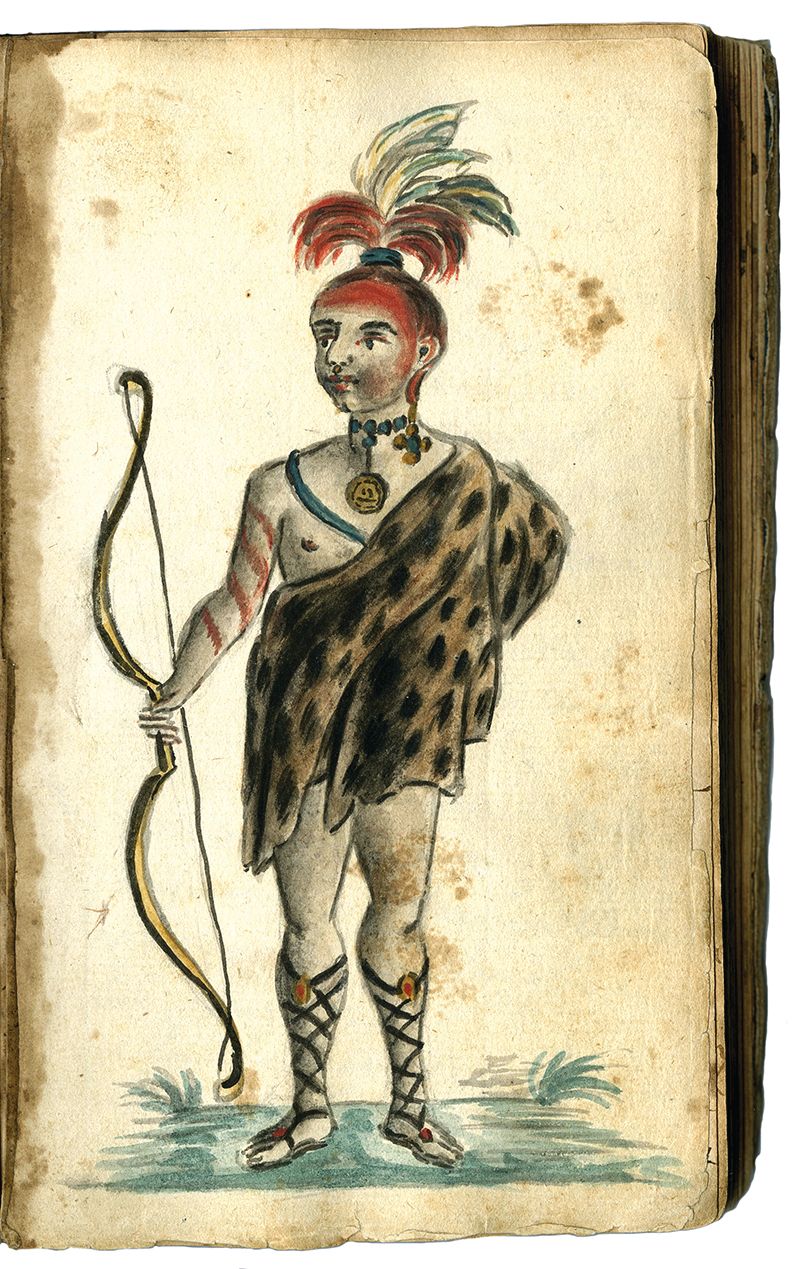
Martial prowess aside, it was also a question of numbers. They provided manpower, particularly for the French. With only a population of 60,000, New France faced the danger of being engulfed by the southern British colonies that numbered approximately 1,500,000. Native American allies represented an effective means to make up this shortfall of combatants. Moreover, they were extremely effective when allowed to practice their style of warfare. As bush fighters they were largely unsurpassed. They were able marksmen and possessed remarkable fieldcraft skills such as concealment, mobility and stealth. Casgrain wrote that they “… glide from tree to tree, stump to stump.” They would appear as phantoms in either ambushes or in hit and run attacks, and despite their small numbers would often inflict an disproportionately high number of casualties on the enemy. “What can one do against invisible enemies who strike and flee with the rapidity of light?” questioned Bougainville rhetorically. “It is,” he asserted, “the destroying angel.” The result was an utterly paralyzing effect on the opposing combatants. For instance, after a brief but bloody engagement with Native Americans, recalled a frontier veteran, “… at night there was a Hundred men upon gard or more for feare of there [Natives] coming a Gain in the Night.” Quite simply, soldiers hated to go into the woods for reconnaissance or foraging because of the fear of being killed and scalped by the Native Americans.
Their prowess in the woods also made them adept at flank security, acting as an economy of effort force by creating diversions, or pinning down other forces and most importantly, cutting off the enemy’s lines of communication. The Native Americans were continually so successful at this endeavor that even Montcalm, normally a strong critic of the Native Americans, praised them. During the attack on Oswego, in August 1756, the Native Americans had isolated the garrison to such a degree that Montcalm called it “brilliant and decisive.” Another example occurred during the siege of Fort William Henry, when the Native Americans intercepted a courier with a message for the beleaguered fort commandant. Montcalm subsequently handed it to Lieutenant-Colonel Monro with conditions of capitulation.
But these examples were not the exceptions. Movement for the British was so constrained that they could neither gather intelligence, nor ensure communications between their forces. “It is not possible to conceive the situation and danger of this miserable country,” deplored Washington, “such numbers of French and Natives are all around that no road is safe.”
And so, the Native Americans developed a fierce reputation among both the White soldiers and colonists. What the Native Americans lacked in strategic acumen they made up for in tactical skill. Their abilities in the woods, combined with their brutality and cruelty, soon paralyzed their opponents. The mere presence of Native Americans, or the sound of their war cry, created a prodigious panic in the enemy ranks. “We have seen that our regulars do not fight well in woods,” conceded one British officer, “The Natives yell is horrid to their ears, and soon throws them into confusion.” The Duke of Cumberland was so concerned of this fact that he ordered a letter be sent to Braddock to warn him “to be particularly careful that they [regular British troops] be not thrown into a panic by the Natives, with whom they are yet unacquainted, whom the French will certainly employ to frighten them.”
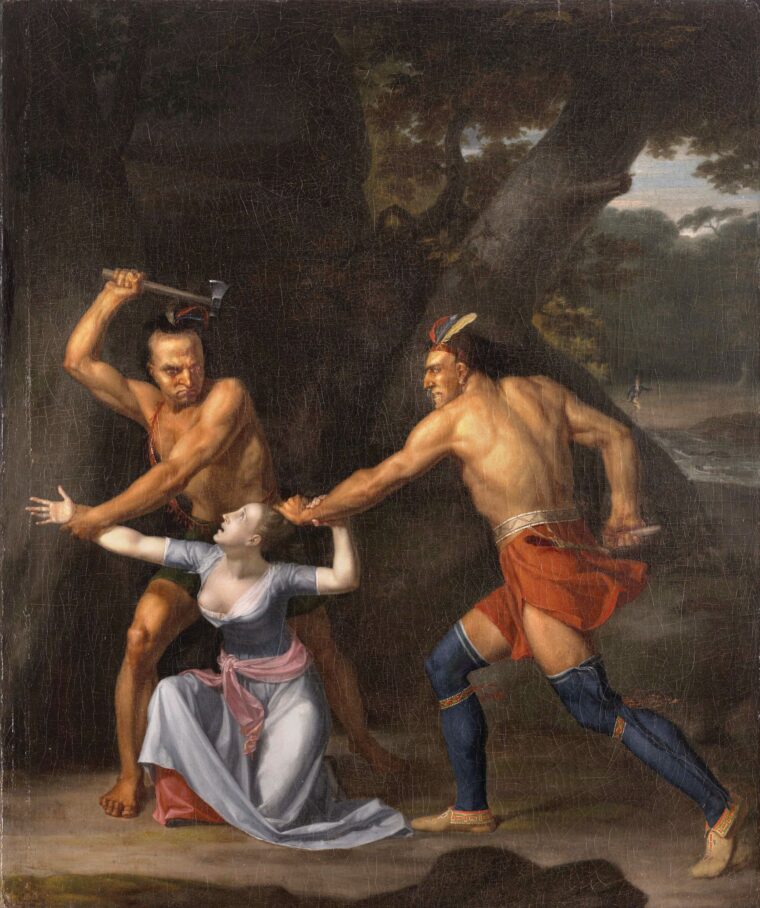
His assessment was very accurate. Montcalm counseled his subordinates to ensure in the event of a general attack to have a few Native Americans everywhere since the British are “devilishly afraid” of them. Governor Vaudreuil reveled in this obvious advantage. “The cries, threats, and hideous howlings of our Canadians and Natives,” he boasted, “made them [British] quickly decide [surrender].” At the prelude to the attack on Fort William Henry, the ambush of a resupply flotilla met with the same fate. “Terrified by the sight of these Monsters [Natives], their agility, their firing, and their yells,” recalled Bougainville, “they [British] surrendered almost without resistance.”
Overwhelmingly the mere thought of battling the savages unsettled both the British regulars and the American militia. “The men from what storys they had heard of the Natives in regard to their scalping and Mawhawking,” wrote a British officer in his journal, “were so pannick struck that their officers had little or no command over them.” George Washington recounted an escort from Winchester to Fort Cumberland. At the first firing from the Native Americans, he stated, the men broke and ran back to Winchester, with less than half the force even stopping to fire a shot. In the immediate aftermath of the defeat of Braddock’s army, men in the rear “hearing of our defeat, were extreamly frightened, so much so, that upon seeing 2 or 3 of our own Natives returning, the greatest part began to run away.” Even the stout Highlanders were overcome by the “appalling yells of the Canadians and Natives” at Fort Duquesne in 1758 and broke away in a wild and disorderly retreat.
The advantage of Native American allies in the tactical battles for the wilderness quickly becomes clear. However, there was yet still another essential role that they performed. Their unsurpassed skills in the woods, combined with their knowledge of the country, made them indispensable as guides, scouts and gatherers of intelligence. They were often the only ones who could penetrate the deep wilderness of the frontier successfully. Vaudreuil often instructed the leaders of his expeditions against the British that if the Native Americans abandoned the foray, they were to return to Canada without completing the mission.
But equally important, was the void of similar services to the enemy. The lack of Native American allies, or the effectiveness of the opponent’s Native Americans in shutting out hostile reconnaissance parties repeatedly had a calamitous effect on the British. “I am ashamed,” confided one British colonel, “that they have succeeded in all their scouting parties and that we never have any success in ours.” This state of affairs continually blinded the British command and deprived them of intelligence of French preparations or plans. Understandably, this often led to poor and untimely decisions laden with unfortunate consequences, whether the ambush of a British column or the loss of a strategic fort.
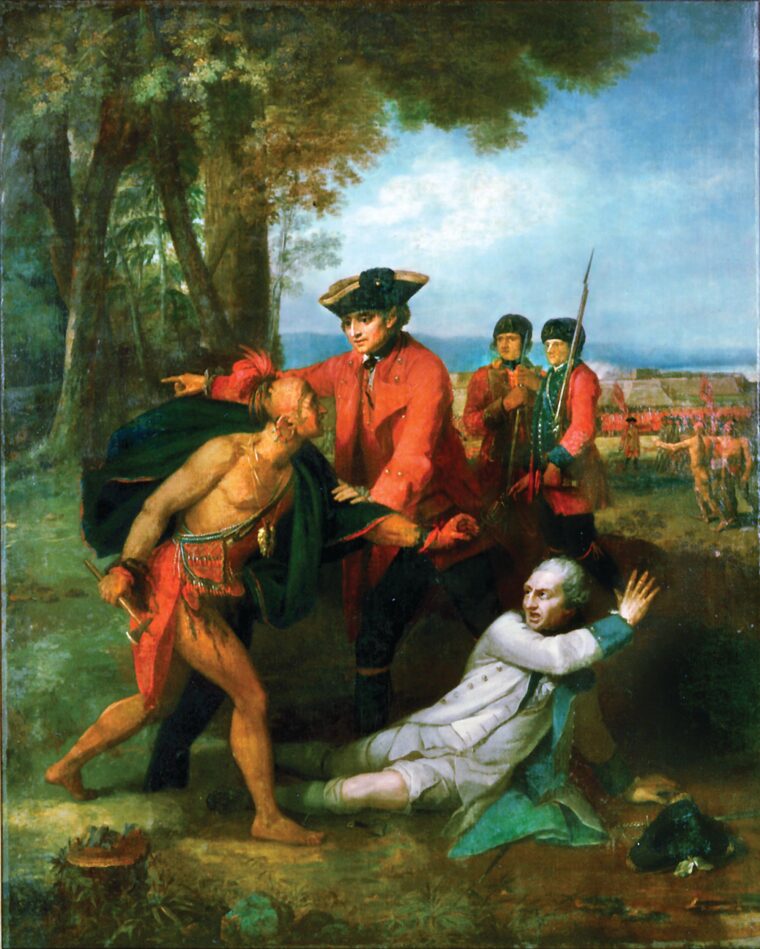
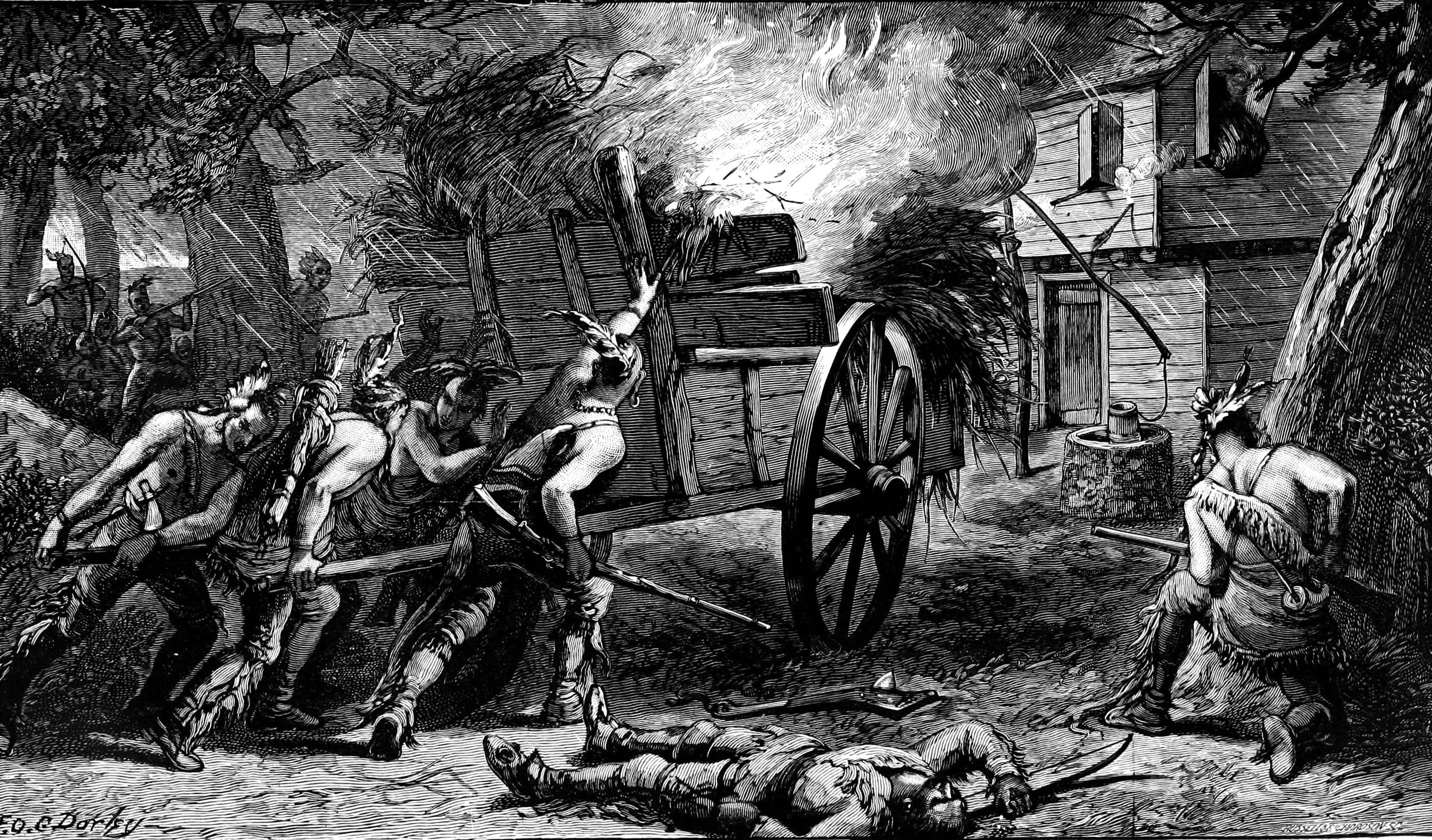
The final role that the Native Americans filled, very adeptly, and with great import to the successful prosecution of the war for the French, at least initially, was that of frontier raiding. New France, having endured such a plague during its early years, was fully versed in its effects. “The Iroquois,” stated Louis XIV, in 1666, “through massacres and inhumanities, have prevented the country’s population from growing …” An Iroquois Sachem, touted, “We plied the French homes in the war with them that they were not able to go out a door to piss.” The French now turned this manner of war against the British colonies. It provided a successful means of diverting British attention and draining resources that if not focused on ensuring their own security would most likely be aimed at attacking Canada. Governor Vaudreuil was very clear on his aim. “Nothing is more calculated to disgust the people of those colonies,” he explained, “and to make them desire the return to peace.”
It was a strategy that was carried out year-round, was cost effective and merciless. It was clearly an economy of effort. Small parties of Canadians and Native Americans, led by French or Canadian officers, could in this manner make an effective contribution to the war effort. The Native American raids terrorized the frontier and tied down large numbers of troops for rear security. The plight of the settlers and colonists could not be ignored. The incursions into Virginia alone caused the governor there to raise 10 militia companies, a total of 1,000 men to try and halt the deadly incursions. Similarly, Pennsylvania raised 1,500 provincial troops and built a string of forts extending from New Jersey to Maryland in an attempt to try and impede the raiders.
Moreover, militiamen were reluctant to undertake campaigns when they felt their families were at risk. In addition, the barbarity of the raids further fueled perceptions and added to the psychological impact the Native Americans had on their opposition, who often fled or surrendered at the mere sign of a Native American presence. Furthermore, their destruction of settlements, farms and livestock, as well as the murder or capture of colonists, ate away at the economy of the thirteen colonies. Crops could not be sown or harvested. Grains could not be stored for the winter or to feed the army on campaign. This devastation created privations for soldiers and citizens alike. “The frontier’s were laid waste for above three hundred miles long, and generally about thirty broad, excepting some that were living in forts and many hundreds, or perhaps thousands, killed or made captives, and horses, and all kinds of property carried off,” mourned one British officer. The ferociousness of the raiding was such that it created an impression of the Native Americans that would stain the perception, if not the relationship, between the Whites and Native Americans for generations to come. Although an effective strategy for the out-numbered French, it was only successful as a delaying action. It did not, as Vaudreuil had hoped, bring the British to the peace table.
Indisputably, the role of the Native Americans in the French and Indian War was substantial. In many cases their participation, or neutrality, in a campaign was the difference between success and failure. Their effectiveness as “bush fighters,” compounded by the reputation they earned for cruelty and savagery made them an opponent that inspired fear and panic in their enemies—both British and French. They performed many critical tasks, such as scouting and intelligence gathering, cutting enemy lines of communication, providing support to major attacks through skirmishing and attacks on the opponent’s flanks. In addition, they conducted deep penetration raids that inflicted economic, physical and psychological damage to the enemy. However, as Montcalm accurately assessed, they did not, nor could they, because of their numbers, dependence on Whites for technology and war materials (e.g., muskets, gunpower, lead), as well as their cultural and philosophical understanding of war, impose a lasting defeat on their enemy.
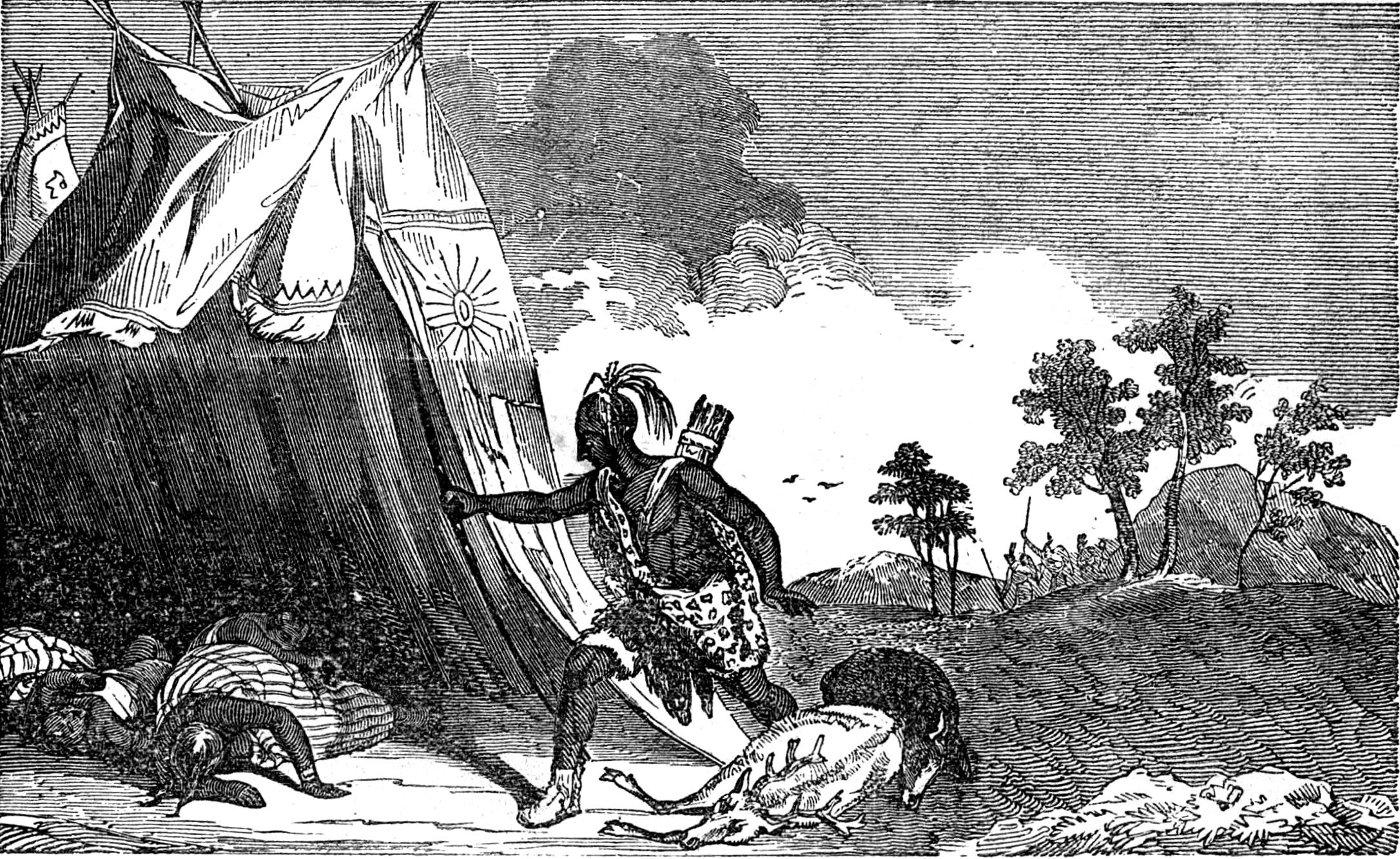
Furthermore, the rigidity of the European method of war slowly seeped into the consciousness of the regular force military commanders. As a result, they adopted a degree of pragmatism. “It is absolutely necessary for his Majesty’s Service,” extolled William Shirley, “that one Company at least of Rangers should be constantly employ’d in different Parties upon Lake George and Lake Iroquois [Lake Ontario], and the Wood Creek and Lands adjacent … to make Discoveries of the proper Routes for our own Troops, procure Intelligence of the Enemy’s Strength and Motions, destroy their out Magazines and Settlements, pick up small Parties of their Battoes upon the Lakes, and keep them under continual Alarm.” Similarly, Maj. Gen. James Wolfe explained, “… Our troops must be employd in a very different manner from what has been the Practice hitherto.” He added, “They must learn to live in the Woods as the Natives do—keep ‘em in a continual apprehention of being attack’d to acquire a perfect knowledge of the Lakes & Rivers, & Hunting Grounds of the Savages.”
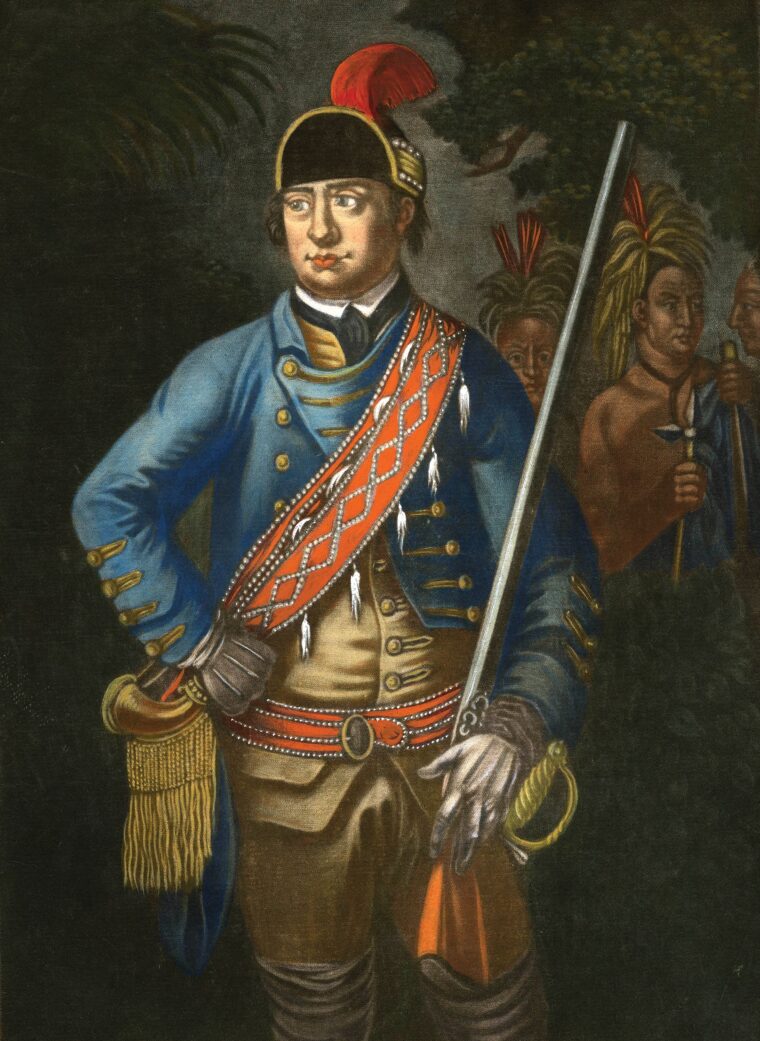
As a result, companies of Rangers, the most famous being Rogers’ Rangers, led by the intrepid Maj. Robert Rogers, were raised as a direct answer to the British lack of Native American allies. In addition, in 1756, the Royal Americans, 60th Foot, were organized as light infantry to provide the British with a means of combating the Native Americans. The Regiment was intended to combine the qualities of the scout with the discipline of the trained soldier. Moreover, uniforms and tactics were adjusted to the reality of the wilderness setting of North America. Musket barrels were made blue or brown to “take off the glittering.” The coats of the light infantry were simple and plain based on the premise that “the less they are seen in the Woods the better.” One of the Highland Regiments gave up their kilts for breeches and many officers gave up wearing gorgets and sashes. In fact, some even went to such unheard-of extremes as to wear the same tunic as those worn by privates.
The change in philosophy was also noted in the manner in which the Europeans adapted their tactics. Rangers and scouts were always included in the advance party of any moving force. Furthermore, Wolfe in his instruction to his army embedded many of the lessons learned. He directed that all detachments and outposts fortify their camps by either entrenching or building palisades. Sentries were never to be placed in musket range of woods unless hidden behind rocks or trees themselves and he cautioned his commanders never to halt, encamp or pass through openings without first examining the area for a potential ambush or subsequent attack.
Although slow in adapting, once the Whites adjusted to the Native American way of war, the significance of the Native Americans as allies and combatants was substantially reduced. Despite the martial prowess and skill of the Native American warriors, the superior discipline and organization, as well as technology of the Whites, in the long-term, always prevailed. Although the participation or neutrality of the Native Americans often impacted on the success or failure of a particular campaign, they did not, nor could they, influence the final outcome of the Seven Years War in North America.

Join The Conversation
Comments
View All Comments