
By Michael E. Haskew
When the military might of the Allies began to move inexorably toward Europe, General Dwight D. Eisenhower, Supreme Commander of the Allied Expeditionary Force, told the troops that they were embarking on a “great crusade” to rid the world of the scourge of Nazi tyranny.
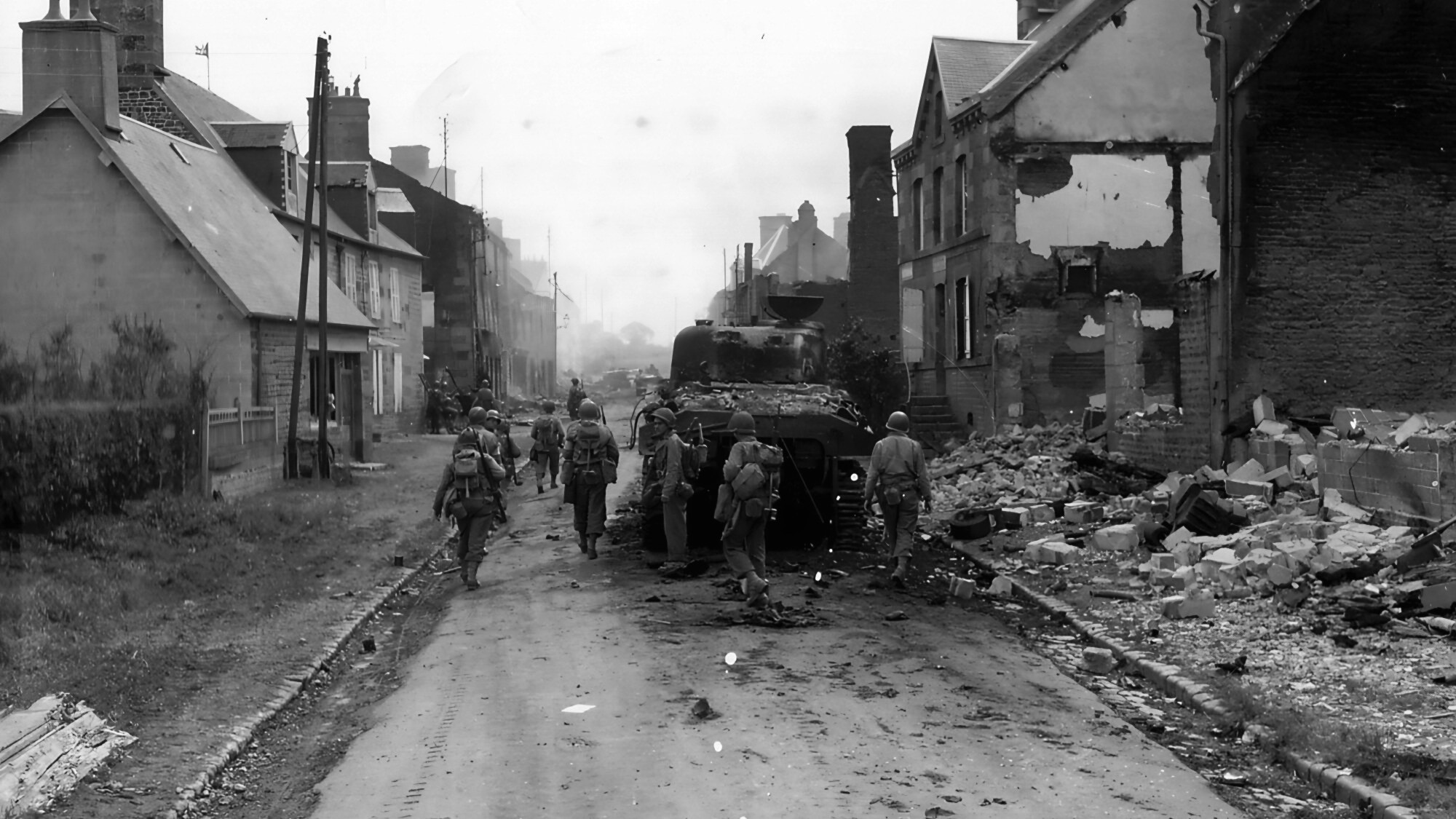
What if the invasion failed? Undoubtedly, the specter of the Dieppe disaster two years earlier haunted the psyche of the Supreme Commander. Although the abortive August 1942 raid by Canadian soldiers and a handful of U.S. Rangers against that northern port city had provided invaluable lessons, the cost in lives and equipment had been devastatingly high. The scope of Operation Overlord dwarfed Dieppe. The landing of combat troops on a hostile shore, supported by three airborne divisions dropped from the night sky, swarms of aircraft flying countless sorties, and more than 5,000 naval vessels of every description had never before been attempted on such a colossal scale.
If Overlord failed, it might be months, even years, before the Allies could attempt another invasion of occupied Europe. The losses in men and materiel would be staggering; the entire monumental cycle of training, troop movements, and supply accumulation would necessarily begin anew. The morale of the military and the home front alike would hang in the balance. Meanwhile, the Germans would gain months to fortify their Atlantic Wall defenses. Time favored the Axis, and Eisenhower knew he had none to spare.
Not only was Eisenhower confronted with the nuts-and-bolts tactical and strategic aspects of Overlord, but he was also the arbiter, peacemaker, and taskmaster commanding a fractious group of high-ranking subordinates. Some friction between senior American and British officers was inevitable. The Supreme Commander bore the sole responsibility for holding the Anglo-American alliance together. Indeed, it was the vain hope of Adolf Hitler and his Nazi regime that a serious political rift might develop—one the Führer could exploit to force a negotiated peace on terms favorable to Germany.
In the hours preceding June 6, 1944, the burden of one of the most significant command decisions in military history lay squarely on the shoulders of this career officer from Abilene, Kansas, who had risen meteorically through the ranks in wartime. Several senior generals had been passed over in his selection to lead the invasion. Many inside the Allied high command believed that General George C. Marshall, the Army Chief of Staff, would take personal command of the invasion forces, but President Franklin D. Roosevelt squelched the idea, explaining that Marshall’s strategic counsel was too valuable to lose in Washington.
On Christmas Eve, 1943, Eisenhower’s appointment to command was made public. Just three years ago, the most powerful military figure now in Europe had been an obscure lieutenant colonel, so unknown outside professional circles that a photo once labeled him “Lt. Col. D.D. Ersenbeing.”
As the original D-Day, June 5, approached, one more unpredictable complication arose: terribly disagreeable English Channel weather. With rain pelting the staging areas, heavy seas running, and winds howling, Eisenhower polled his senior commanders. While some believed the invasion should be rescheduled entirely, others urged that it go forward regardless of the risks. Ultimately, the Supreme Commander decided to unleash the forces of liberation after a tense 24-hour postponement.
Eisenhower knew the tremendous gamble he was taking and accepted the full consequences. In the event of a catastrophic reversal on the Normandy beaches, he penned a concise statement to be read to the media: “Our landings in the Cherbourg-Havre area have failed to gain a satisfactory foothold and I have withdrawn the troops. My decision to attack at this time and place was based upon the best information available. The troops, the air and the navy did all that bravery and devotion to duty could do. If any blame or fault attaches to the attempt it is mine alone.”
The Supreme Commander held firmly to the timeless military maxim that an officer is ultimately responsible for what his troops do or fail to do. Thankfully, the release of this historic note was never necessary.
Join The Conversation
Comments
View All Comments