Suez Canal
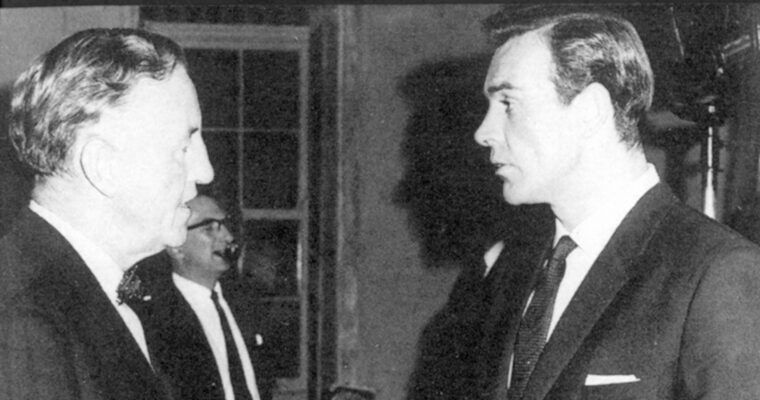
Ian Fleming: Biography of the Man Behind James Bond
By Peter KrosIan Fleming’s biography would certainly include creating the famous British spy James Bond, but the author also led a secret life of his own. Read more
Suez Canal
Ian Fleming’s biography would certainly include creating the famous British spy James Bond, but the author also led a secret life of his own. Read more
Suez Canal
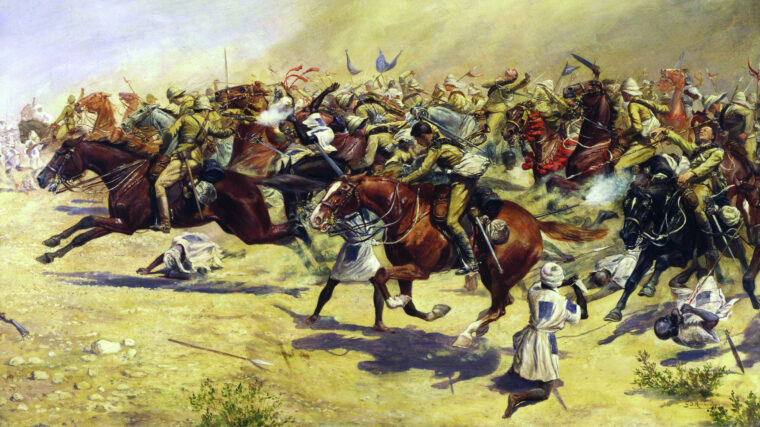
It was the morning of September 1, 1898, the day before the Battle of Omdurman. Lieutenant Winston Churchill of the Queen’s 4th Hussars rode out with four squadrons of the 21st Lancers to scout the approaches to Omdurman, a Sudanese village on the west bank of the Nile opposite Khartoum, epicenter of a revolt that had rocked the very foundations of the British Empire. Read more

Suez Canal
“To the Great Stalin, from the grateful Hungarian People,” read the inscription on a 24-foot-high bronze statue of Joseph Stalin on the grounds of Budapest City Park, erected in 1951 to honor the tyrant of the Soviet Union. Read more
Suez Canal
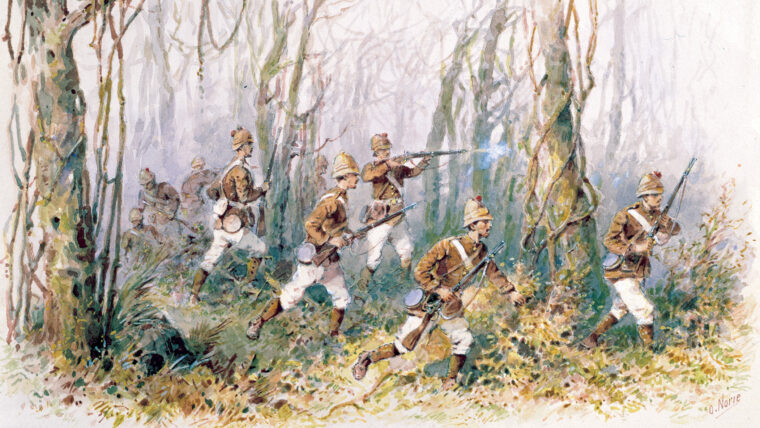
War correspondents are relatively new to history. The Crimean War (1854-1856), pitting Great Britain, France, Turkey, and Sardinia against Russia, was the first conflict in which an organized effort was made for civilian correspondents reporting news directly to the civilian population of the home country. Read more
Suez Canal
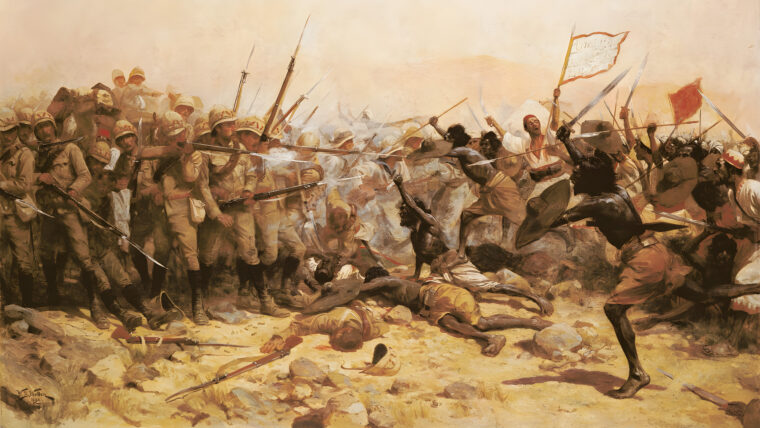
Until weapons technology made it redundant, the infantry square was a most effective and versatile formation. It needed no ditches or palisades; it could stand its ground, advance, or retreat; and it could offer a wall of fire on all four sides. Read more
Suez Canal
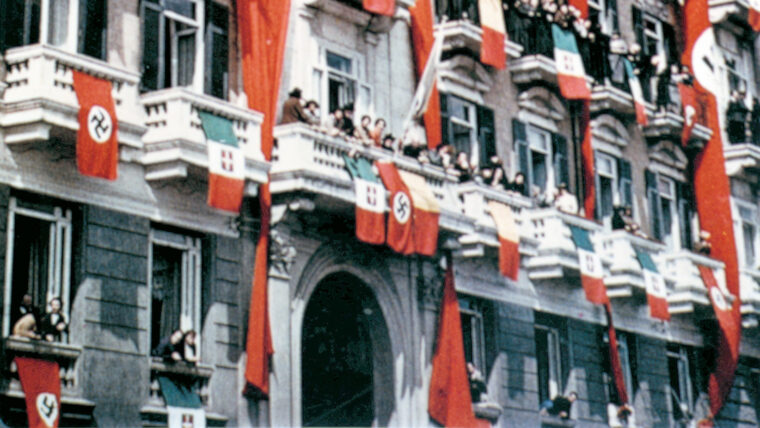
On May 26, 1940, as the armies of Nazi Germany roared across prostrate France and the British Expeditionary Force was in the midst of its evacuation by sea from the European continent, Italian Army Marshal Pietro Badoglio, 69, was in the waiting room of the Palazzo Venezia in Rome. Read more
Suez Canal
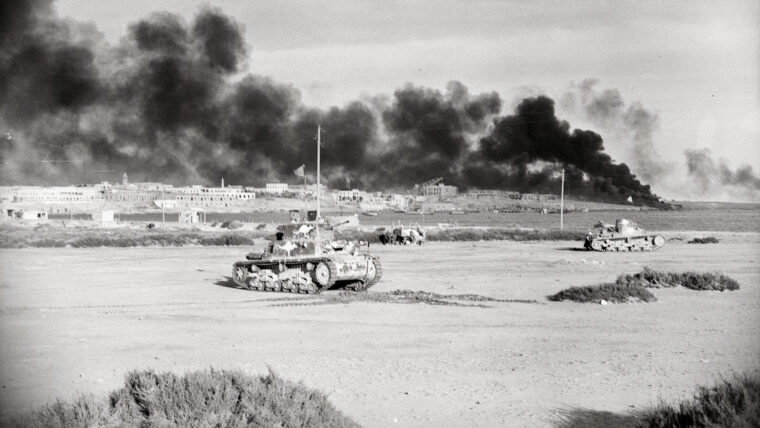
Sidi Barrani, Bardia, Sollum, Sidi Rezegh, Mersa Matruh, Bir Hacheim, El Agheila, Beda Fomm, Sidi Omar, Benghazi … The names of many remote villages in North Africa were written into history in 1941-1942 as British and Axis armies battled back and forth across the scrubby desert wastelands of northern Egypt and Libya. Read more

Suez Canal
From its inception, Zahal, the Israeli Army, has been forced to use ingenuity and improvisation to arm itself against its Arab enemies. Read more
Suez Canal
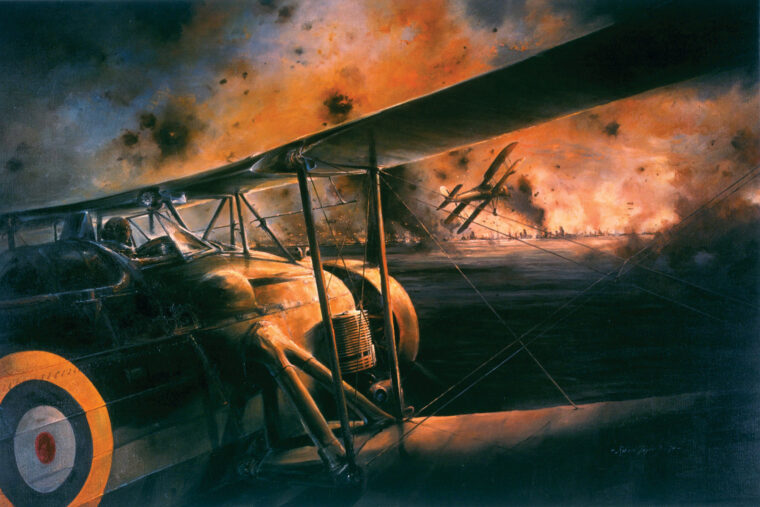
Radar, atomic bombs, jet engines and early cruise missiles were among the numerous technological advances of World War II. Read more
Suez Canal
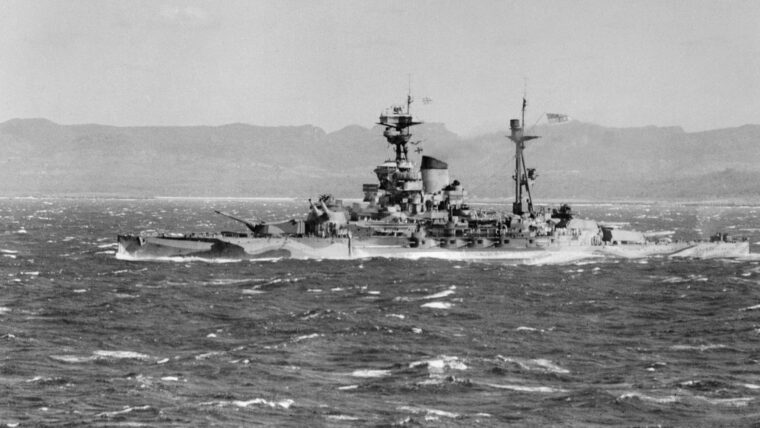
In early 1942 things could have hardly looked bleaker for the Allies. In Europe, Hitler’s war machine had steamrolled across the entire continent and was now battling before the gates of Moscow. Read more
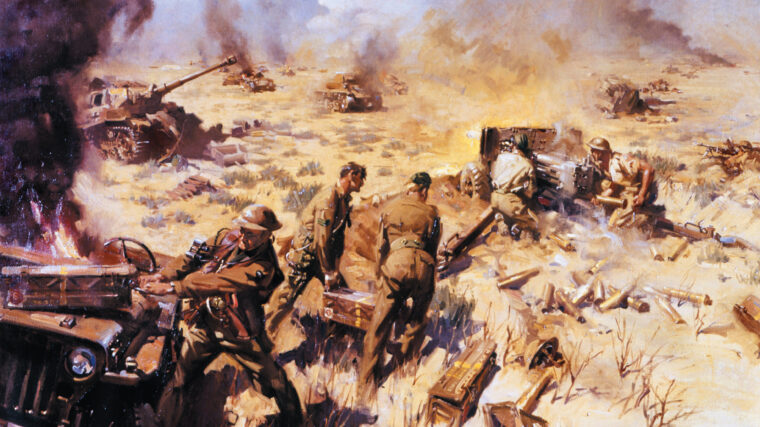
Suez Canal
An old cliché admonishes, “Bad things always come in threes.” Whether it was thought of as a law of nature or merely coincidence, a rapid succession of events in North Africa during the summer of 1942 seemed to confirm this widely held notion among the officers and men of the British Eighth Army. Read more
Suez Canal
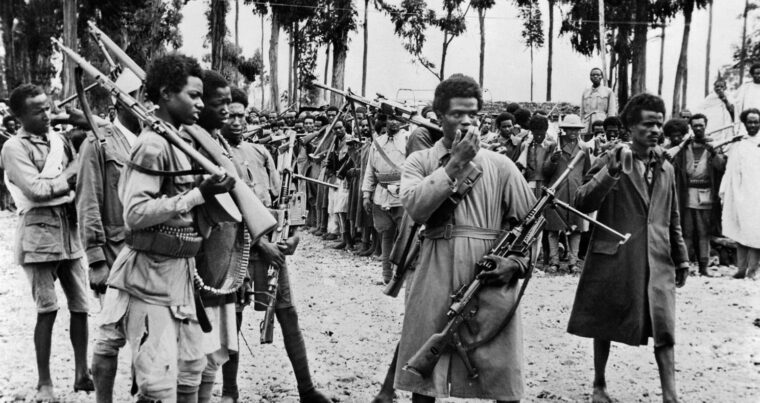
“I am not a collector of deserts,” Mussolini declared regarding his imperial ambitions. Instead, he would be a loser of them, most publicly in North Africa and, in one of World War II’s least-known campaigns, in East Africa. Read more
Suez Canal
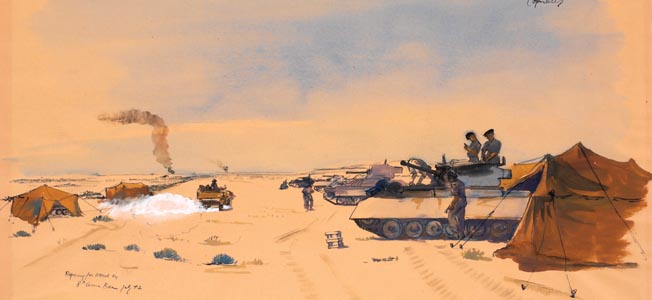
When one gazes upon the bookshelves in the Military History section of a well-endowed library, one cannot help but notice the number of volumes dedicated to the battles for North Africa during World War II and particularly to the Battle of El Alamein in October 1942. Read more
Suez Canal
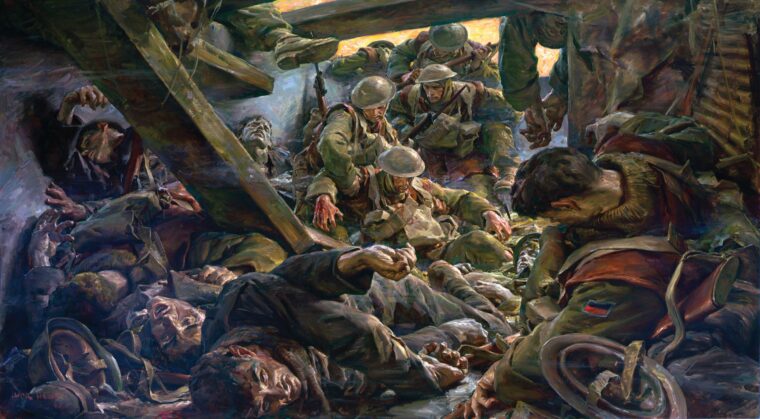
Established in the summer of 1939, Field Marshal Sir Archibald Wavell’s Middle East Command encompassed nine countries and parts of two continents, an area of 1,700 miles by 2,000 miles. Read more
Suez Canal
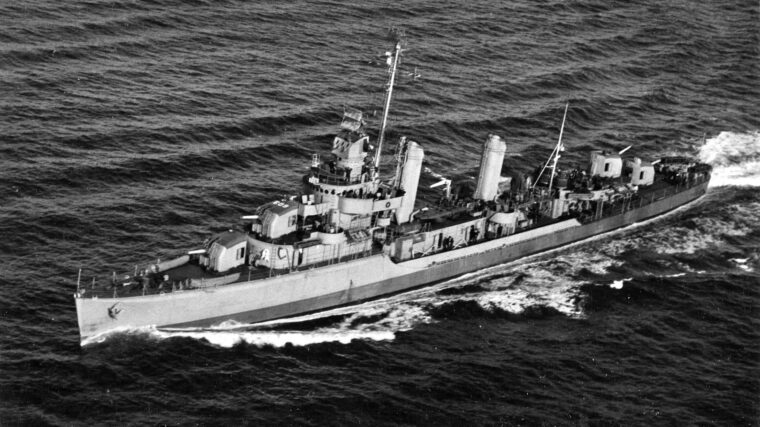
Eighty miles off the coast of New Jersey and 280 feet below the surface of the Atlantic Ocean lies the forward section of a World War II destroyer, where it came to rest more than 60 years ago. Read more
Suez Canal
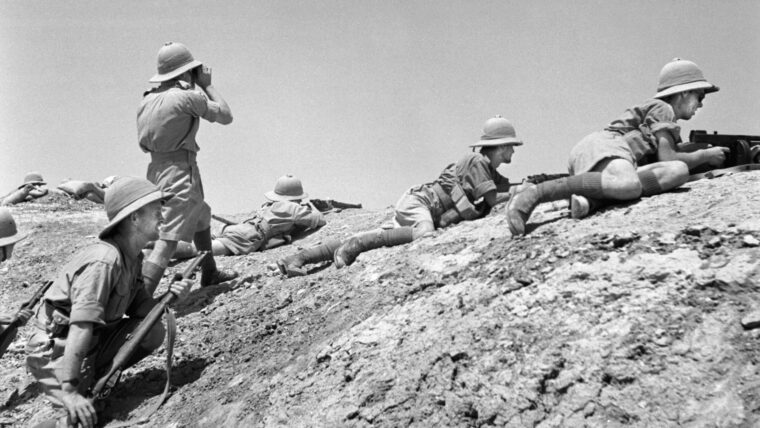
Many students of World War II history know General Sir Claude Auchinleck as the Commander-in-Chief Middle East, who, after taking over for General Sir Archibald Wavell in late June 1941, oversaw the fluctuating fate of Britain’s Eighth Army while combating German General Erwin Rommel’s Afrika Korps during Operations Crusader and Gazala. Read more
Suez Canal
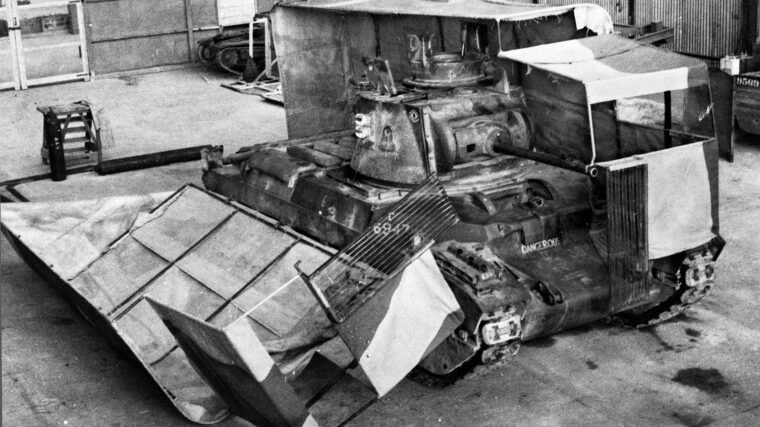
In July 1939, Archibald Wavell was named General Officer Commanding-in-Chief (GOC-in-C) of Middle East Command with the rank of full general in the British Army. Read more
Suez Canal
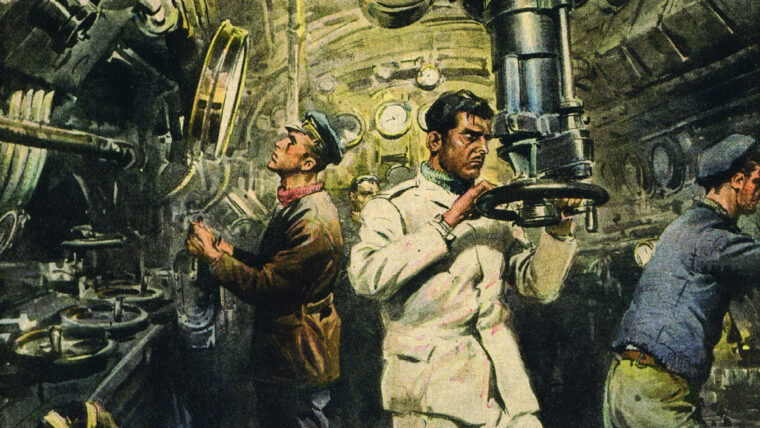
On May 9, 1936, four days after Italian troops entered Ethiopia’s capital, Addis Ababa, Mussolini appeared on a balcony of Rome’s Palazzo Venezia to proclaim Victor Emmanuel emperor of the newly created Italian East Africa. Read more
Suez Canal
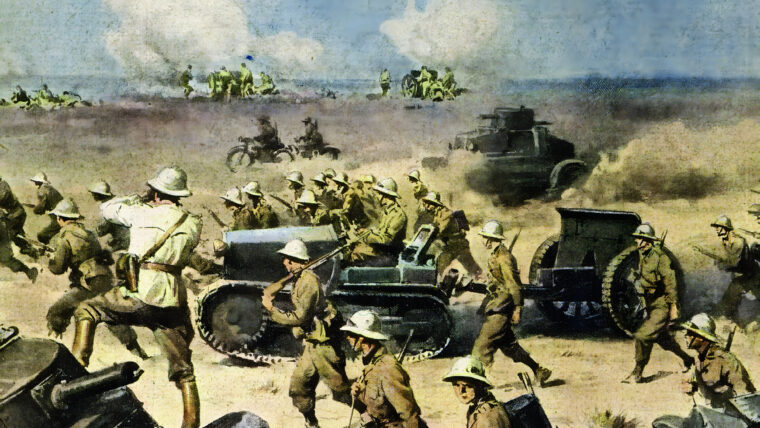
When most people think of the Italian Army in North Africa during World War II, they tend to believe that the average Italian soldier offered little resistance to the Allies before surrendering. Read more
Suez Canal
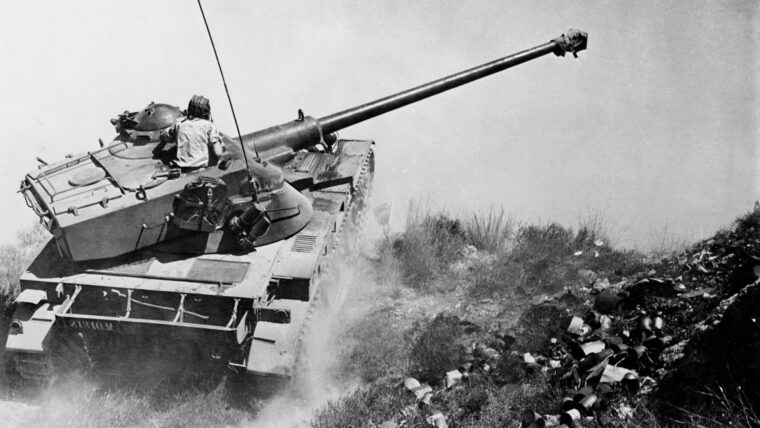
Many historians consider the Suez-Sinai campaign in the autumn of 1956 the last hurrah for British and French colonialist efforts in the Middle East. Read more