Egypt
Convoy PQ 17: A Story of Unprecedented Arctic Disaster
By Keith MiltonFirst Sea Lord Admiral Sir Dudley Pound stopped tapping his pencil on the oaken desk and slowly leaned backward in the oversized leather chair. Read more
Egypt
First Sea Lord Admiral Sir Dudley Pound stopped tapping his pencil on the oaken desk and slowly leaned backward in the oversized leather chair. Read more
Egypt
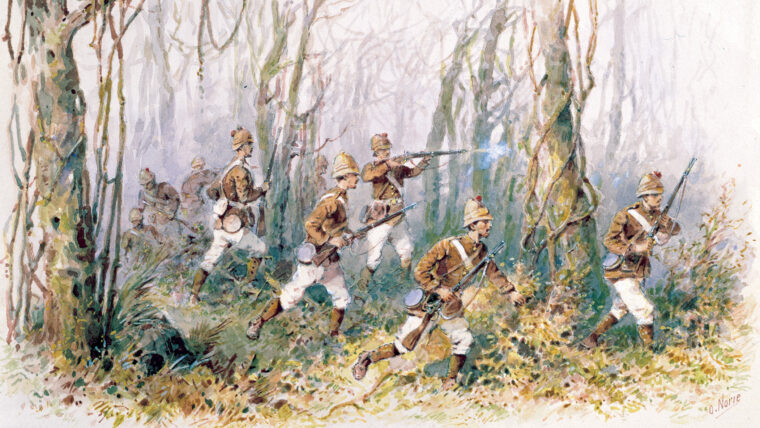
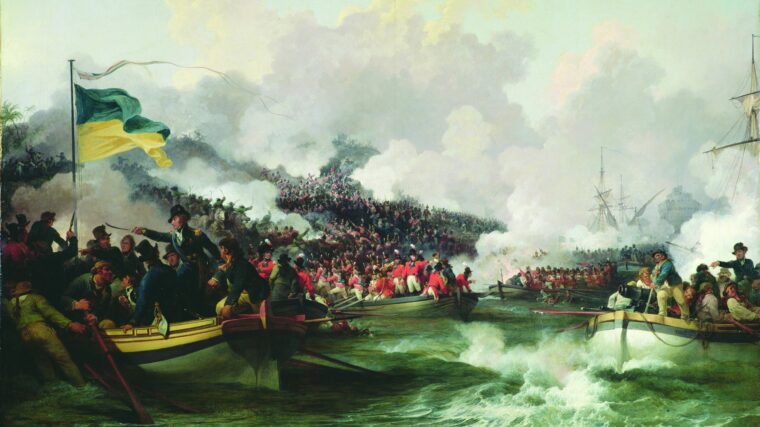
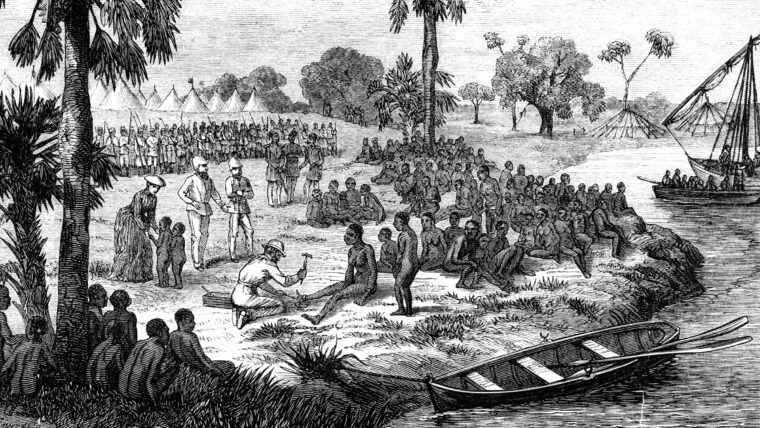
The men of the expeditionary force beat a hasty retreat through the seven-foot-tall African grasses. Poison-tipped arrows let loose by pursuing Bunyoro warriors rained down upon them in deadly torrents. Read more
Egypt
It was a spectacle never to be forgotten by those few who were lucky enough to witness it. Read more
Egypt
Since the days of the Trojan Horse, military deception and ruse have been effective instruments when used by an innovative commander to deceive and defeat an enemy, minimizing friendly casualties and expenditure of valuable resources in the process. Read more
Egypt
The pages of history tend to dwell on the men who created empires. No matter how ephemeral may be the famed exploits of an Alexander, Caesar or Napoleon, historians have written volumes on their behalf. Read more
Egypt
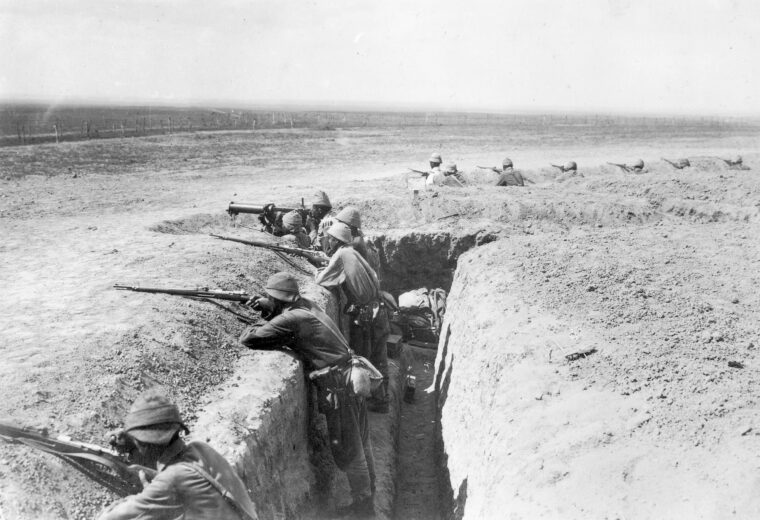
War correspondents are relatively new to history. The Crimean War (1854-1856), pitting Great Britain, France, Turkey, and Sardinia against Russia, was the first conflict in which an organized effort was made for civilian correspondents reporting news directly to the civilian population of the home country. Read more
Egypt
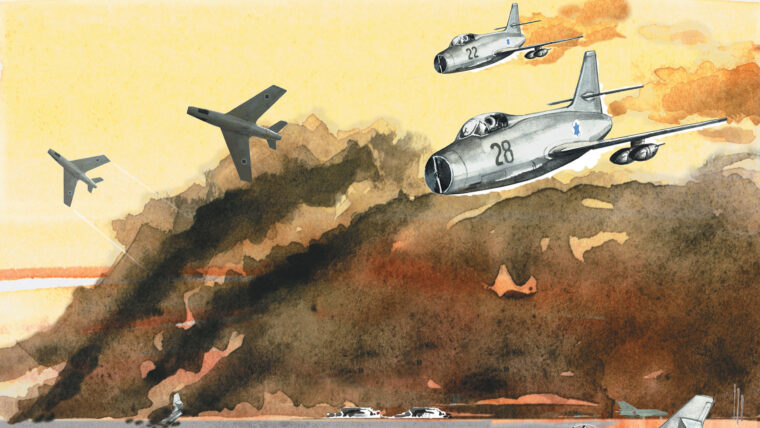
It was 7 o’clock Israeli time, three hours after dawn on Monday, June 5, 1967. The summer season’s daily thick morning mist was just lifting from the coastal areas, across the breadth of the humid Nile Delta, and along the Suez Canal. Read more
Egypt
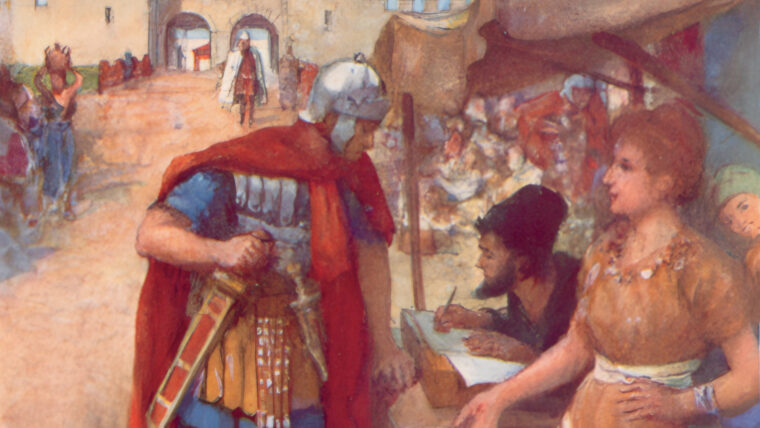
Gnaeus Domitius Corbulo was probably born between 4 bc and ad 1. His younger half-sister was first the mistress and then the consort of Gaius Caesar Germanicus, better known as the Emperor Caligula. Read more
Egypt
By the end of the second day visibility was reduced to almost zero. Burning hulks of everything from ME-109s to M3 “Honey” tanks, Panzer IIIHs, and trucks of all descriptions littered the battleground that was once an airfield. Read more
Egypt
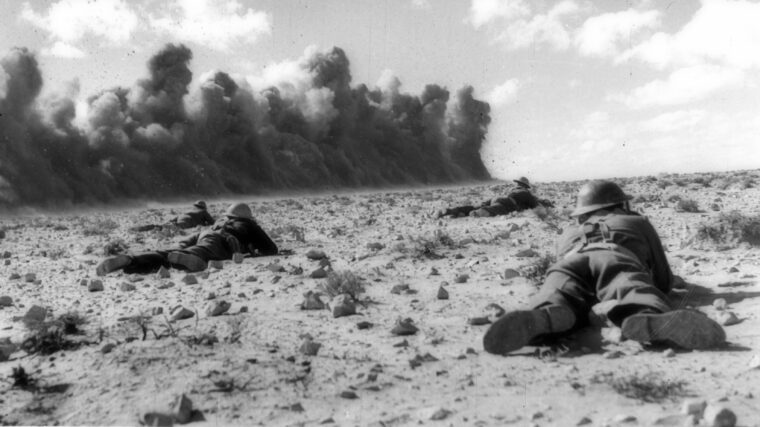
Sidi Barrani, Bardia, Sollum, Sidi Rezegh, Mersa Matruh, Bir Hacheim, El Agheila, Beda Fomm, Sidi Omar, Benghazi … The names of many remote villages in North Africa were written into history in 1941-1942 as British and Axis armies battled back and forth across the scrubby desert wastelands of northern Egypt and Libya. Read more
Egypt
Byzantium, the successor state to ancient Rome, lasted over a thousand years. But it all could have been different because its first major enemy—Persia—was a fierce and determined competitor bent on the Empire’s demise. Read more
Egypt
For Europe, there was great news from Malta in August 1565. The Ottoman Turks had lifted their siege and made for home. Read more
Egypt
Julius Caesar’s assassination on the ides of March, 44 bc left Rome without a clear and decisive leader. Read more
Egypt
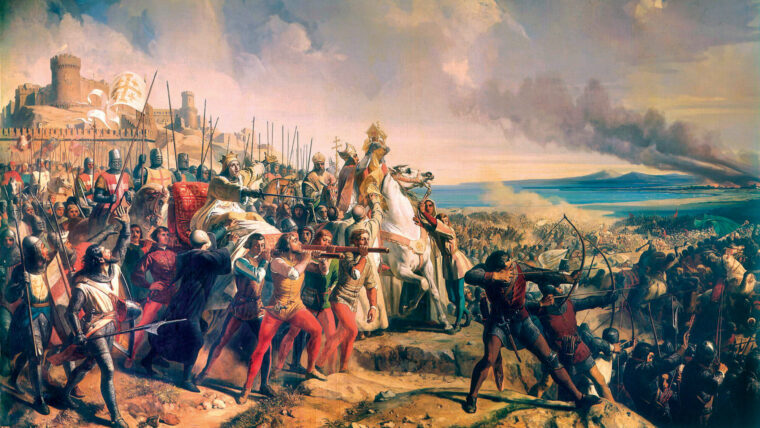
Although the great Crusades were over by 1309 ad, one old crusading order continued to evolve, flourish, and make enemies—the Knights Hospitallers of St. Read more
Egypt
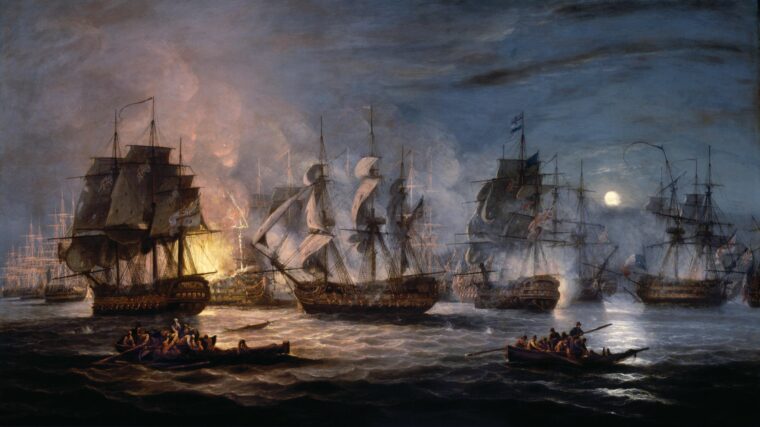
Smoke drifted across the quarterdeck of H.M.S. Vanguard, occasionally obscuring the figure of a slender officer bowed with battle wounds and outright exhaustion. Read more
Egypt
From its inception, Zahal, the Israeli Army, has been forced to use ingenuity and improvisation to arm itself against its Arab enemies. Read more
Egypt
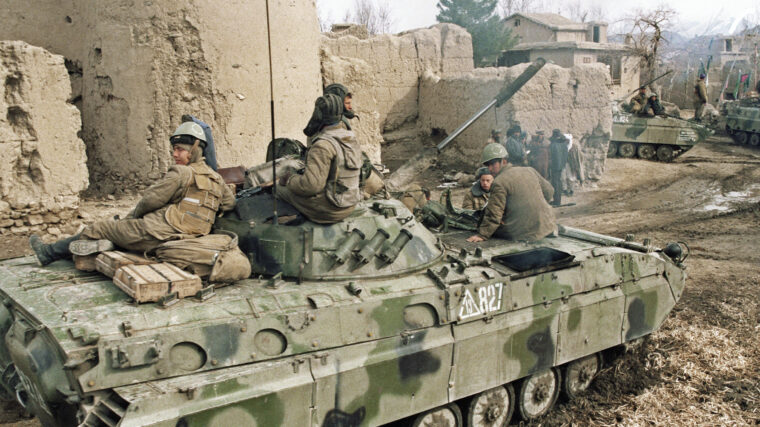
In late 1979, the Democratic Republic of Afghanistan was torn apart by a civil war pitting the weak Communist government of Hafizullah Amin against several moderate and fundamentalist Muslim rebel armies. Read more
Egypt
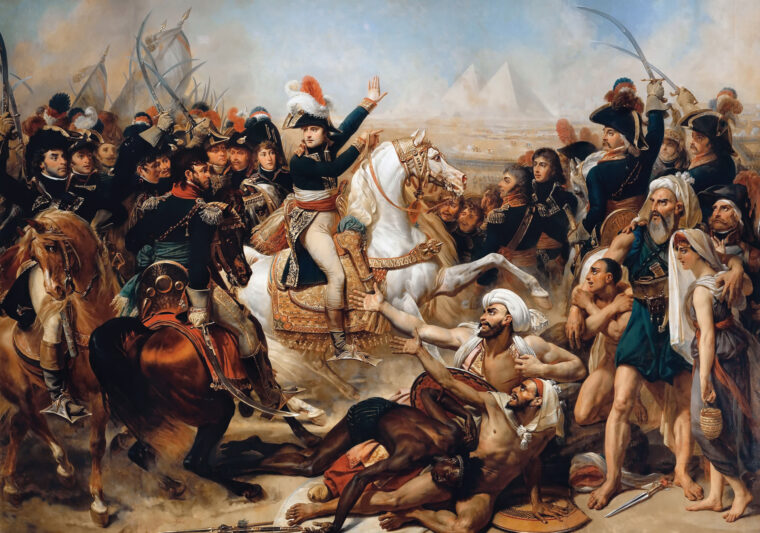
In May 1798 English spies in Toulon, on the French Mediterranean coast, stood aghast at the gathering of an invasion fleet three times the size of the Spanish Armada: 13 ships of the line, 40 frigates and smaller warships, and 130 cargo vessels bearing more than 17,000 troops, 700 horses, and 1,000 cannons. Read more
Egypt
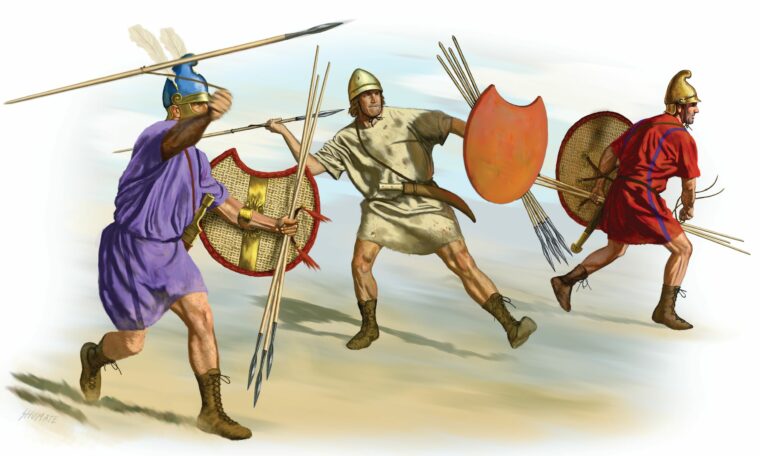
The 3rd century BC in Greece was an age of military innovation. The lessons learned in the Peloponnesian War (431-404) led to the increased use of lightly armed troops and cavalry. Read more
Egypt
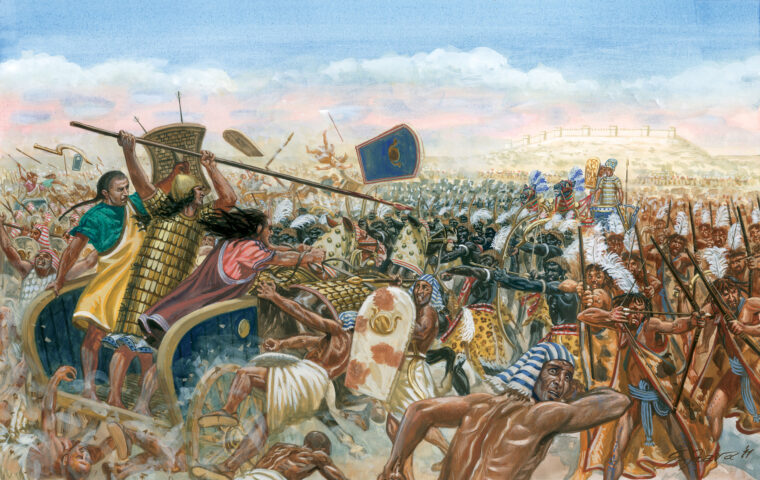
In the cold, early morning of a day in late May 1274 bc, the Egyptian troops of the Re corps were abruptly awoken with shouts, kicks, or nudges. Read more