Battle of Chickamauga
Medal of Honor Recipient: Henry Lawton
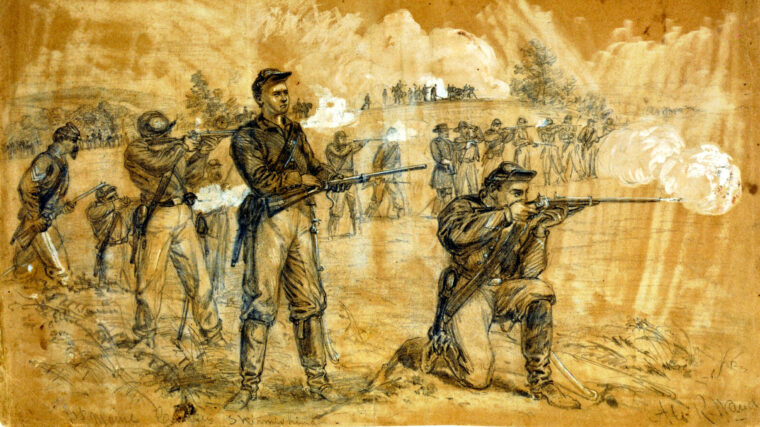
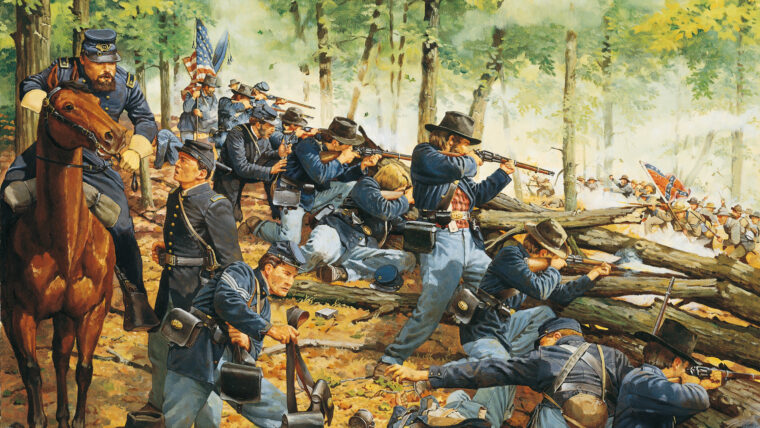
By Chuck LyonsOn August 3, 1864, near Atlanta, Georgia, Captain Henry Lawton of Indiana led a group of Union skirmishers in a charge against Confederate rifle pits. Read more
Battle of Chickamauga
On August 3, 1864, near Atlanta, Georgia, Captain Henry Lawton of Indiana led a group of Union skirmishers in a charge against Confederate rifle pits. Read more
Battle of Chickamauga
Seemingly from birth, William Haines Lytle was bound for glory. As the last surviving male offspring of one of Cincinnati’s leading pioneer families, Lytle was the prototypical golden boy. Read more
Battle of Chickamauga
Horace Porter was born April 15, 1837 in Huntingdon, Pa. He traced his ancestry and family motto, “Vigilantia et virtute,” to William De La Grange, who accompanied William the Conqueror to England in 1066. Read more
Battle of Chickamauga
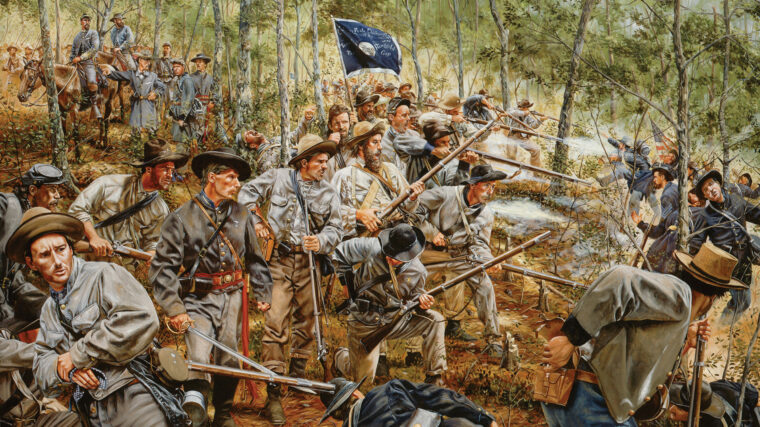
It had been a little over six months since Major General William S. Rosecrans and his Army of the Cumberland had checked the Confederates at the Battle of Stones River (December 31,1862–January 2,1863). Read more
Battle of Chickamauga
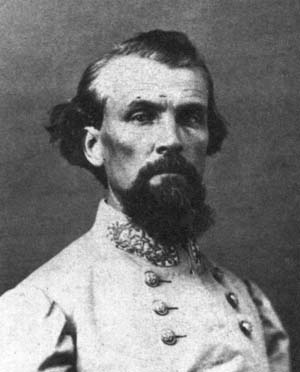
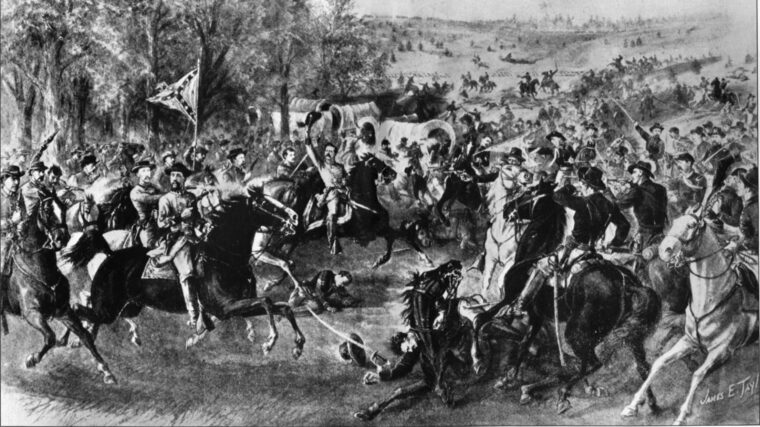
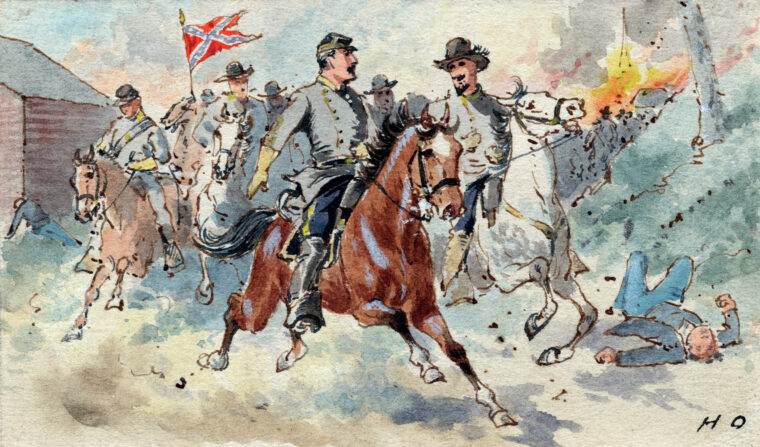
Peering through a pair of field glasses, Major General Nathan Bedford Forrest perched in an oak tree on Missionary Ridge, overlooking the Tennessee town of Chattanooga, and observed a Union army in complete disarray. Read more
Battle of Chickamauga
For the Federal government at Washington, D.C., the news from Tennessee was grim in late September 1863. The Union Army of the Cumberland, under Maj. Read more
Battle of Chickamauga
Peering through the thick underbrush west of Little Pumpkin Vine Creek, 30 miles northwest of Atlanta, on the afternoon of May 27, 1864, Ambrose Bierce had a bad feeling. Read more
Battle of Chickamauga
After the crushing Union defeat at the Battle of Fredericksburg on December 13, 1862, President Abraham Lincoln relieved Maj. Read more
Battle of Chickamauga
The American Civil War was the tragic culmination of divergent perspectives on the proper conduct of the government of the United States and socio-economic issues that had been frequently at the forefront of American political life for decades. Read more
Battle of Chickamauga
Of all the unlikely heroes of the Civil War, none was more unlikely than Bushrod Johnson, Ohio-born Quaker turned Confederate general. Read more
Battle of Chickamauga
The year 1864 was shaping up to be a critical one in the American Civil War. During the previous year, Federal armies had gained control of the Mississippi River and consolidated their grip on Tennessee. Read more
Battle of Chickamauga
Prior to the American Civil War, Nathan Bedford Forrest amassed a fortune in real estate, agriculture, and the slave trade. Read more
Battle of Chickamauga
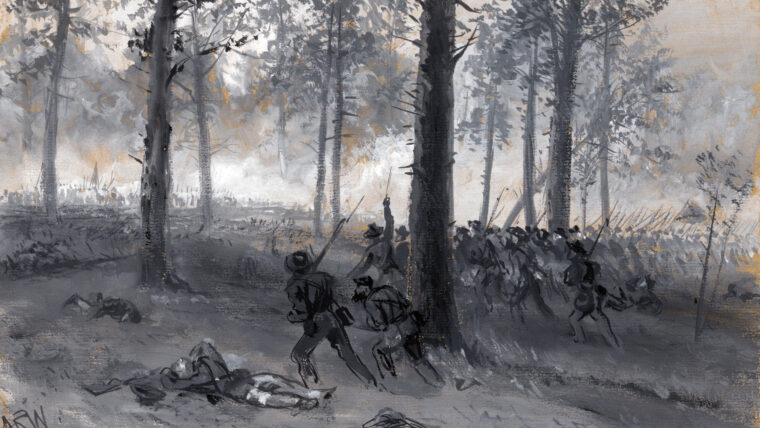
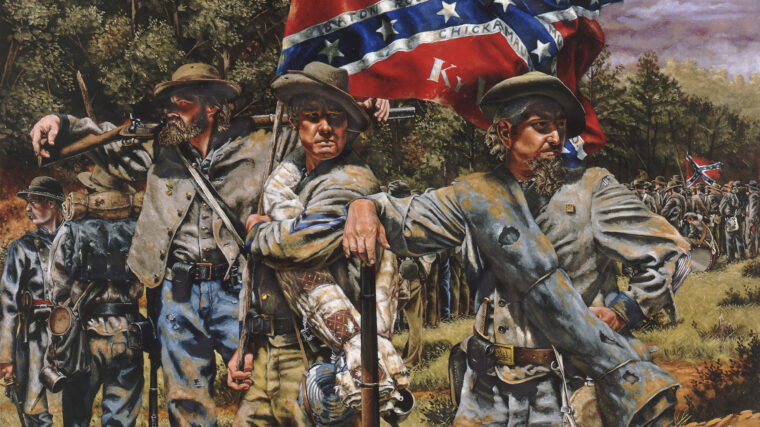
It was nearly 11 on the morning of September 20, 1863, and the woods around slow-moving Chickamauga Creek in northwest Georgia were ominously quiet. Read more
Battle of Chickamauga
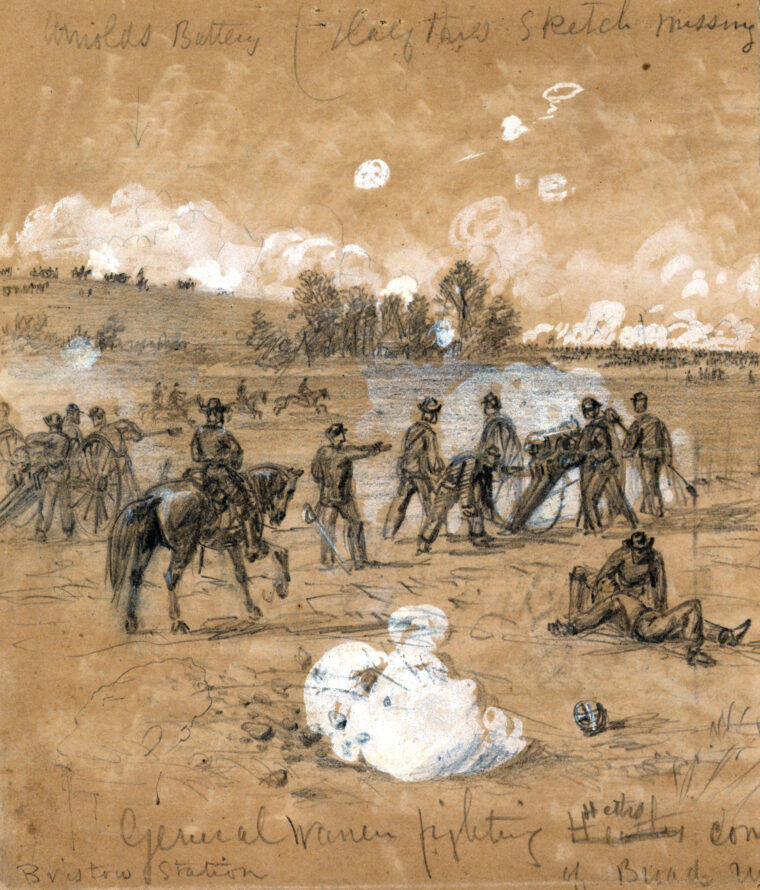
In late July 1863, after the conclusion of the Gettysburg campaign, the Union Army of the Potomac, under Maj. Read more
Battle of Chickamauga
Despite costing the Union Army 55,000 men in five weeks of hard marching and grueling combat, Lt. Gen. Read more
Battle of Chickamauga
“It was a sad, sorrowful day,” recalled Confederate Major James McCreary, “and more tears of grief rolled over my weather beaten cheeks on this mournful occasion than have before for years.” Read more
Battle of Chickamauga
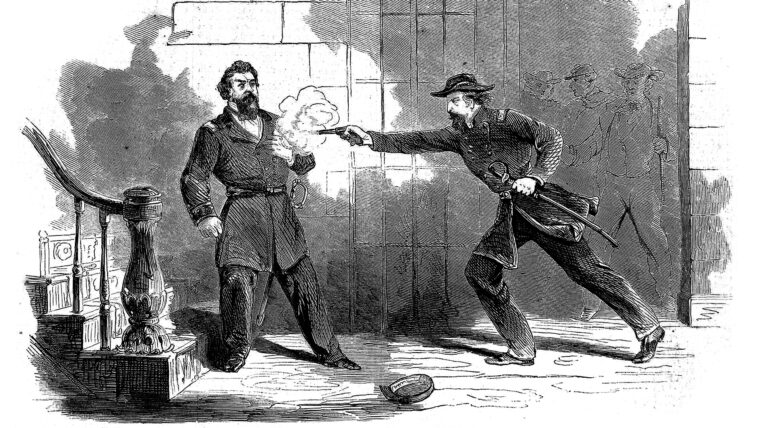
Few Civil War officers, in either army, were as polarizing as Union Maj. Gen. William “Bull” Nelson. Read more
Battle of Chickamauga
On April 15, 1861, three days after the bombardment of Fort Sumter, President Abraham Lincoln issued a call for 75,000 volunteer troops. Read more
Battle of Chickamauga
Practically all students of military history know of George Armstrong Custer the cavalry officer, Civil War hero, and dashing, controversial Indian fighter ultimately killed at the Battle of the Little Big Horn in 1876. Read more
Battle of Chickamauga
When Confederate general John Bell Hood assumed command of the embattled Army of Tennessee at Atlanta in mid-July 1864, he was already grievously wounded in both body and spirit. Read more