Boeing B-29 Superfortress
A Civilian in MacArthur’s Air Force
By Raymond E. BellStephen Pierce Duggan, Jr., wanted to be a United States Marine. When the United States entered World War II, Steve was all set to do his part. Read more
Boeing B-29 Superfortress
Stephen Pierce Duggan, Jr., wanted to be a United States Marine. When the United States entered World War II, Steve was all set to do his part. Read more
Boeing B-29 Superfortress
Jimmy Stewart is arguably the only prewar American actor of superstar magnitude to have served in a sustained combat role during World War II, and the only one to have served in a position of command. Read more
Boeing B-29 Superfortress
At 11:02 am on August 9, 1945, an American warplane dropped an atomic device nicknamed “Fat Man” onto the city of Nagasaki, Japan. Read more
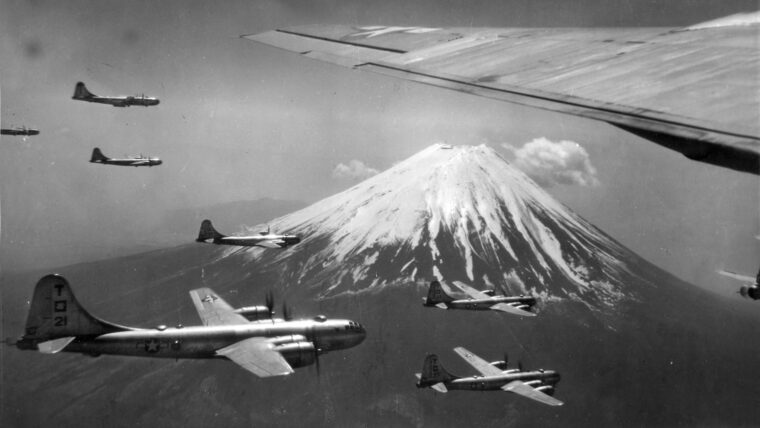
Boeing B-29 Superfortress
In the closing months of World War II, Staff Sergeant Henry E. “Red” Erwin, Sr., picked up a burning phosphorus flare inside the cramped fuselage of his Boeing B-29 Superfortress bomber high over Japan. Read more
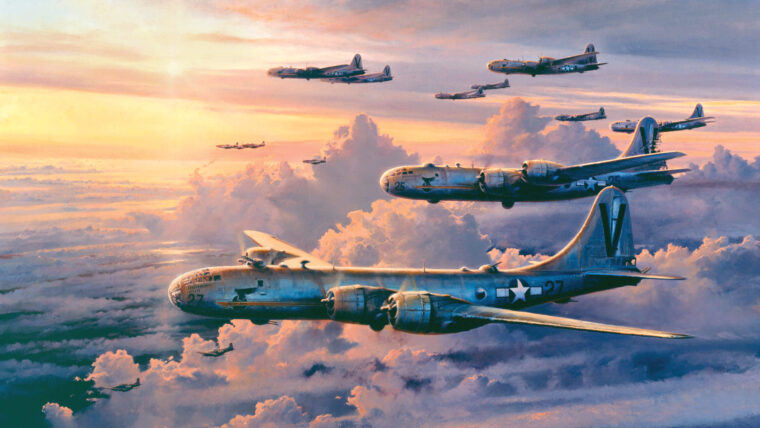
Boeing B-29 Superfortress
When the Boeing B-29 Superfortress crews poured out of the briefing at North Field, Tinian, on the afternoon of March 9, 1945, they were disgruntled. Read more
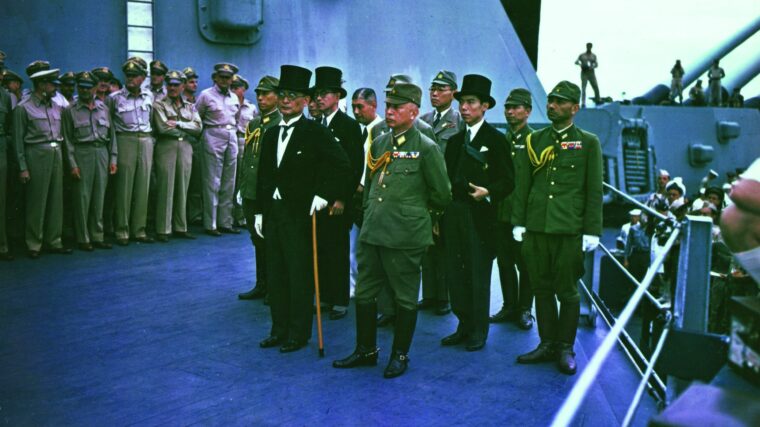
Boeing B-29 Superfortress
It was fated to be the last wartime conference of the Big Three Allies of World War II, but it was the first not attended by the late American President Franklin D. Read more
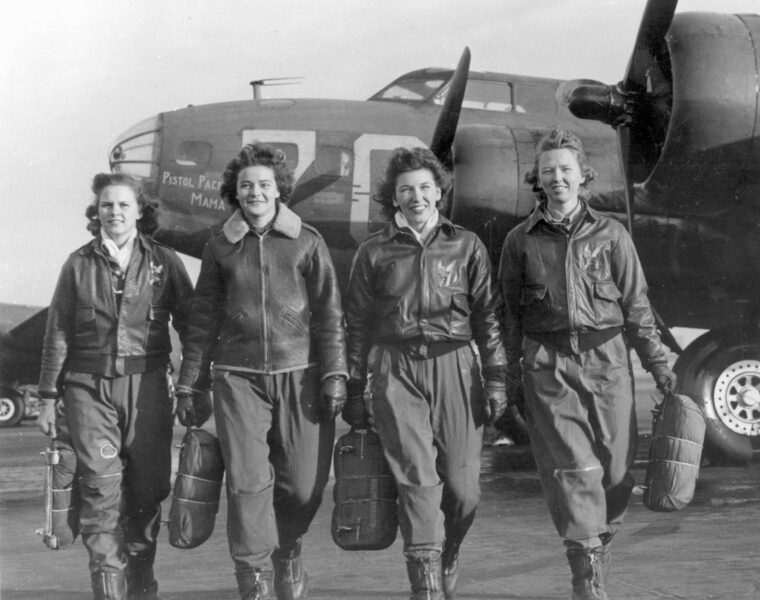
Boeing B-29 Superfortress
On September 28, 1939, the day after Warsaw fell to the German Army, American aviatrix Jacqueline Cochran sat down and wrote a letter to First Lady Eleanor Roosevelt. Read more
Boeing B-29 Superfortress
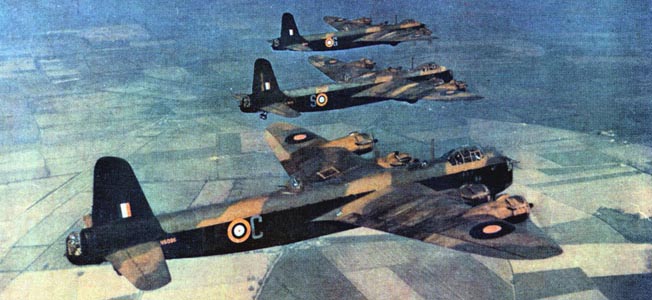
Racing his Bentley at breakneck speed between his High Wycombe headquarters and the Air Ministry during World War II, Air Marshal Arthur Travers Harris was the bane of motorcycle policemen on the London road. Read more
Boeing B-29 Superfortress
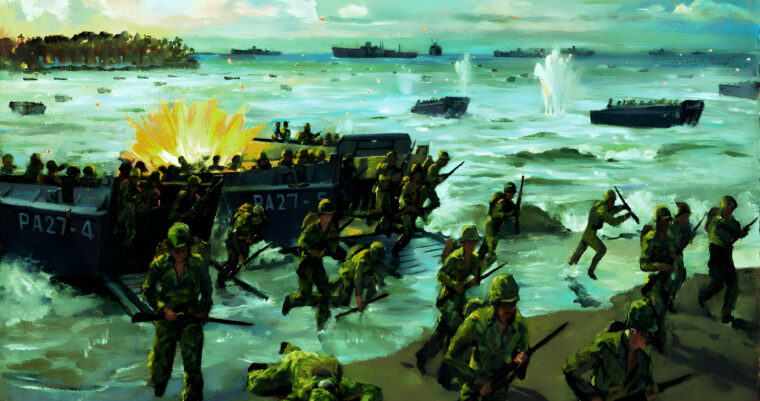
Peering through his binoculars, Vice Adm. Chuichi Nagumo was in awe of the nearly 800 ships from Vice Adm. Read more
Boeing B-29 Superfortress
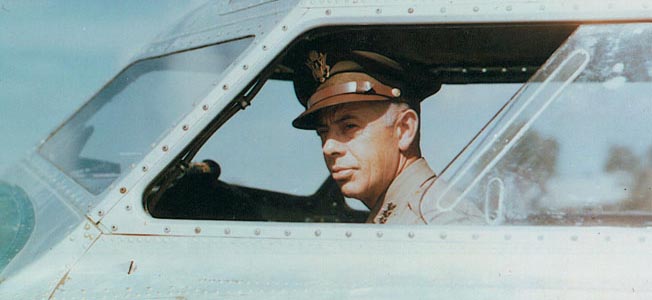
Although the Japanese attack on Pearl Harbor was the event that served to galvanize America to fight World War II, President Franklin Roosevelt and his military advisers had pervasively decided that defeating the Japanese would be secondary to destroying the Nazi war machine in Europe. Read more
Book Reviews