American Revolution
To Field an Army: A Short History of the Draft
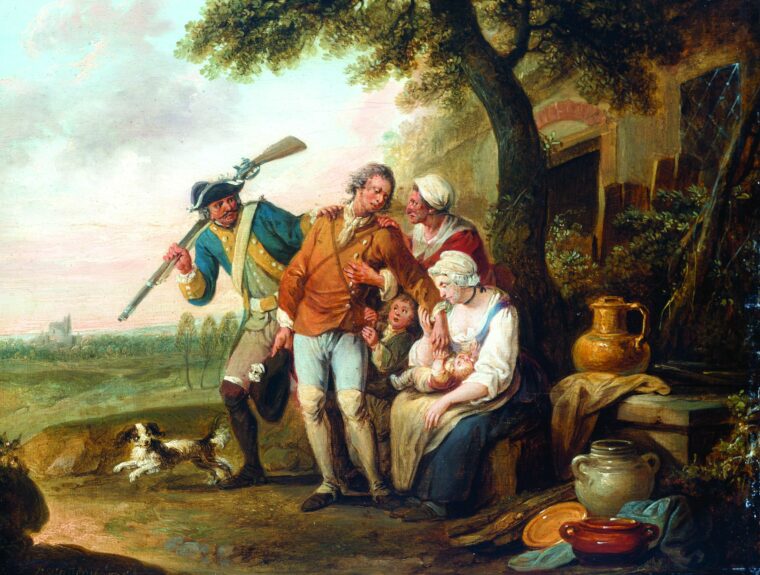
By Mike HaskewThe call of a nation on its civilian population either to create a military force or to augment a standing army is virtually as old as civilization itself. Read more
American Revolution
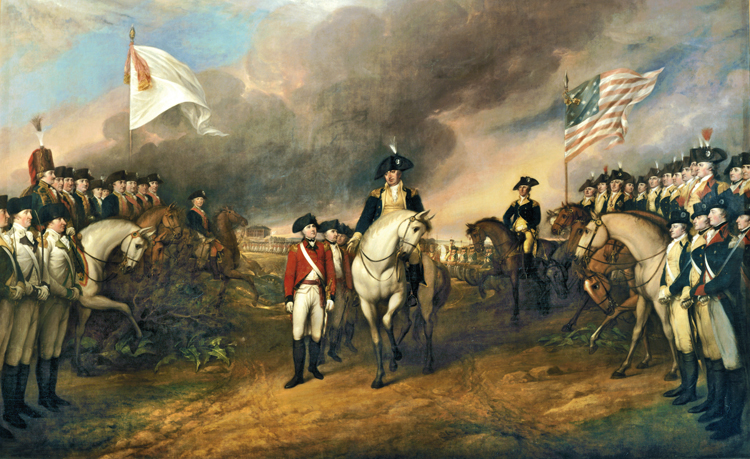
The call of a nation on its civilian population either to create a military force or to augment a standing army is virtually as old as civilization itself. Read more
American Revolution
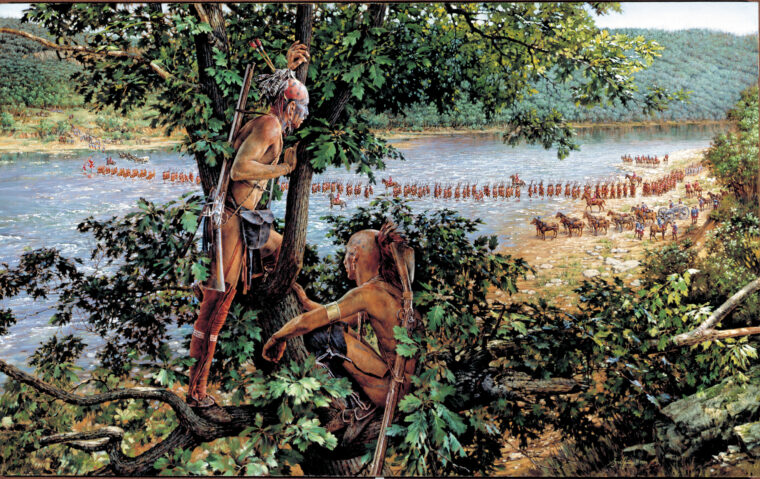
Seldom was the hand of fate so clearly exposed in the affairs of men as it did during the French and Indian War when Maj. Read more
American Revolution
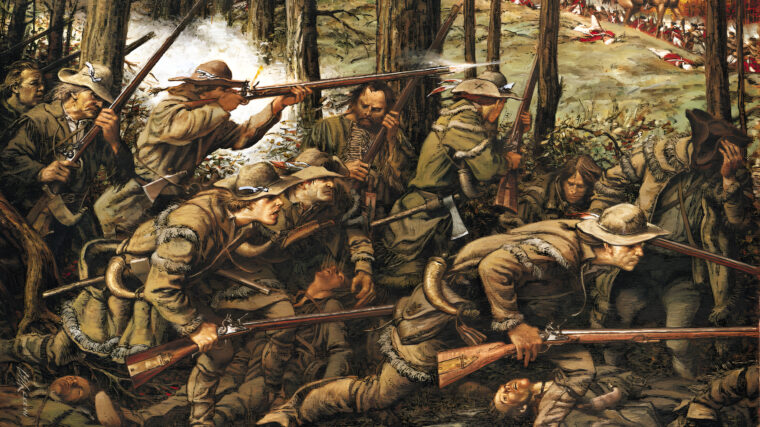
The brightly uniformed soldiers that George III of England dispatched to subjugate the rebellious citizens of his North American colonies were at that time possibly the world’s best. Read more
American Revolution
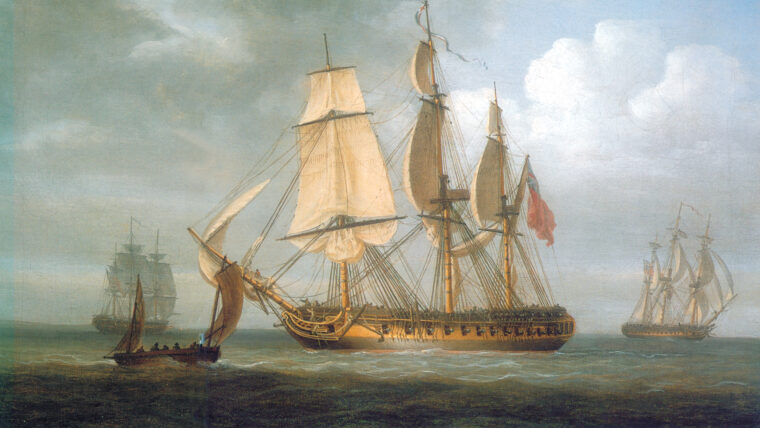
Looking back on the age of fighting sail, a common image is that of battles between huge ships of the line, led by such famous admirals as Nelson and Collingwood. Read more
American Revolution
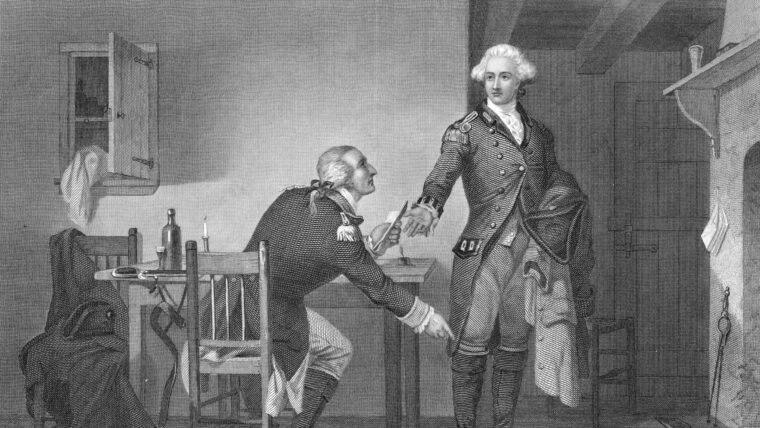
The American Revolution was a proving ground for American spy operations. General George Washington’s use of deception, covert activities, secret inks, and informers was a model for future spymasters. Read more
American Revolution
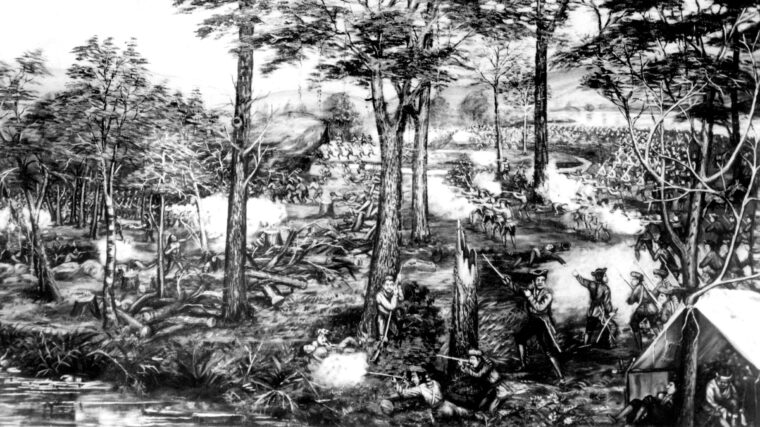
In the lengthening shadows of a late October afternoon, a column of tired marchers attired in dusty, fringed hunting dress emerged from the trees along the north bank of the Kanawha River, raising an exhilarating shout upon sighting its confluence with the Ohio. Read more
American Revolution
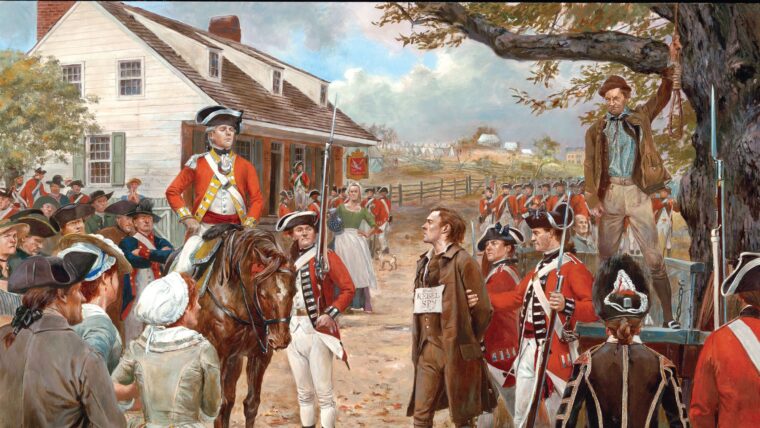
On the night of September 16, 1776, young Nathan Hale, a captain in the Continental Army, set out across Long Island Sound from his native Connecticut on the armed sloop Schuyler. Read more
American Revolution
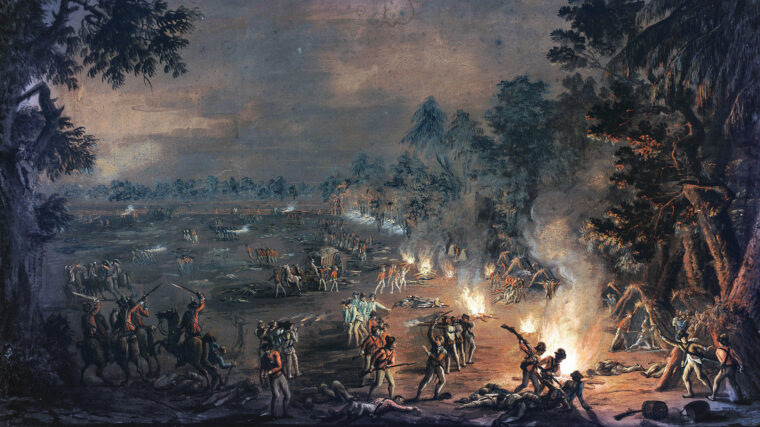
On a gloomy Friday morning, September 26, 1777, an advance party of the British Army marched into Philadelphia to take possession of the city. Read more
American Revolution
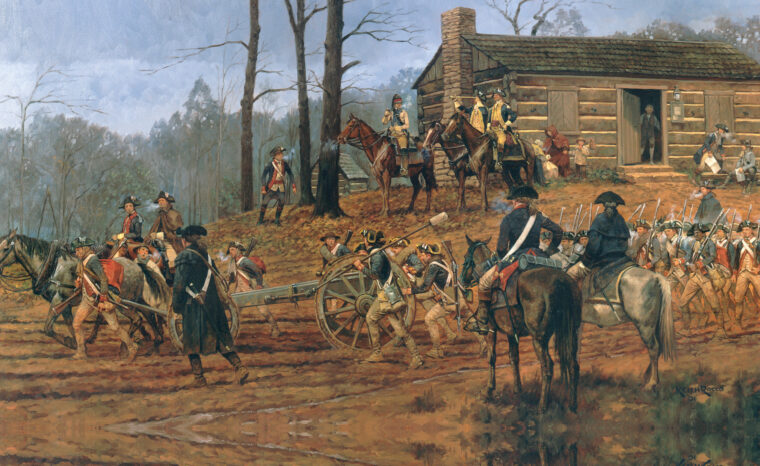
American militiamen with their lungs heaving, hearts pounding, and eyes bulging with terror ran for their lives as soon as the British and Hessian troops in their bright red and blue uniforms came ashore at Kips Bay on Manhattan Island. Read more
American Revolution
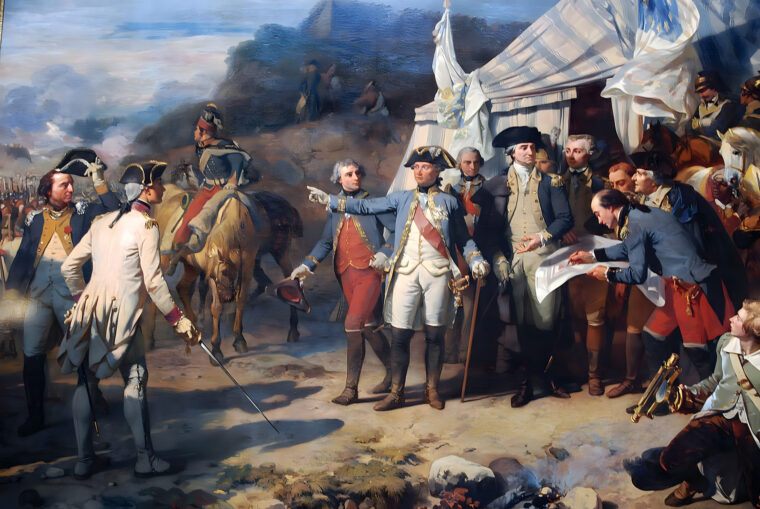
At nightfall on October 14, 1781, 150 British and Hessian soldiers sheltered in two small earthen fortifications at Yorktown, Virginia. Read more
American Revolution
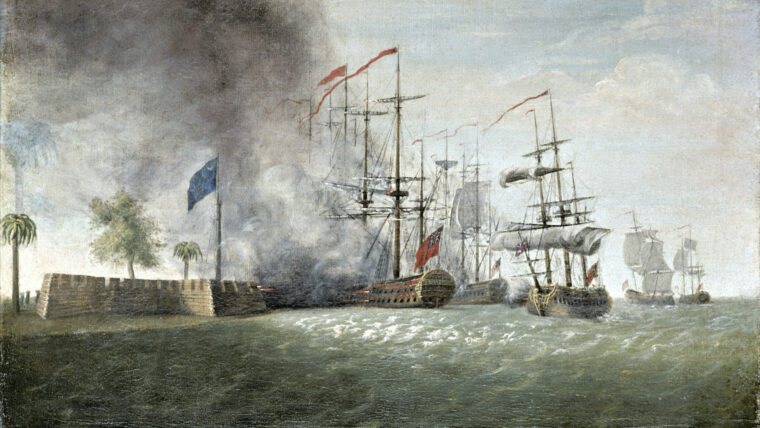
By the early 1770s, with a full century of settlement already behind it, Charleston, S.C., had come into its own as a thriving urban center. Read more
American Revolution
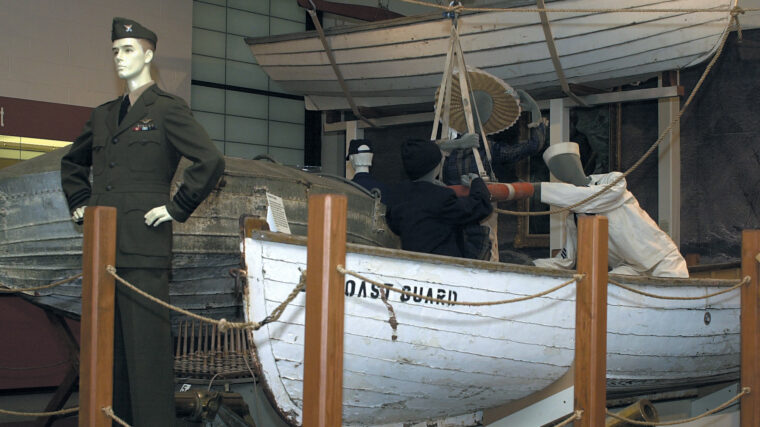
On August 4, 1790, at the urging of Secretary of the Treasury Alexander Hamilton, the United States Congress authorized the construction of 10 armed revenue cutters. Read more

American Revolution
The world’s first combat submarine was something of an afterthought on the part of its creator. The revolutionary craft, known as the Turtle for its odd profile, was the progeny of David Bushnell, who was born in 1742 in West Saybrook, Conn. Read more
American Revolution
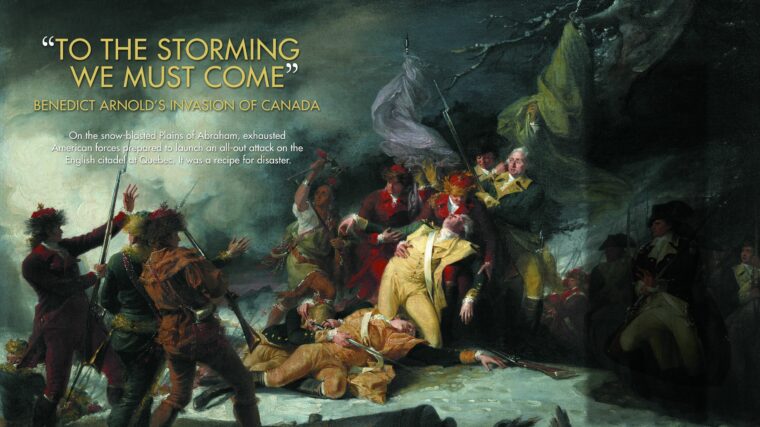
Fresh from his capture of Fort Ticonderoga, Colonel Benedict Arnold in the summer of 1775 lobbied hard to the Continental Congress for authorization to lead an expedition to the lower St. Read more
American Revolution
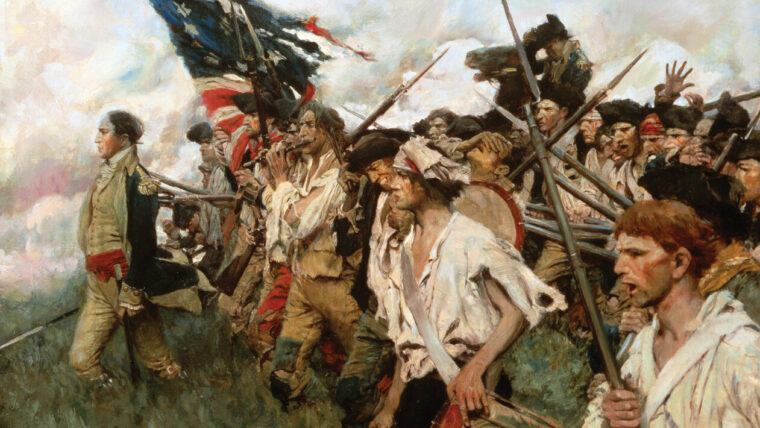
On the morning of September 11, 1777, 19-year-old Gilbert du Motier, the Marquis de Lafayette, calmly sat on his horse next to George Washington, commander in chief of America’s revolutionary forces. Read more
American Revolution
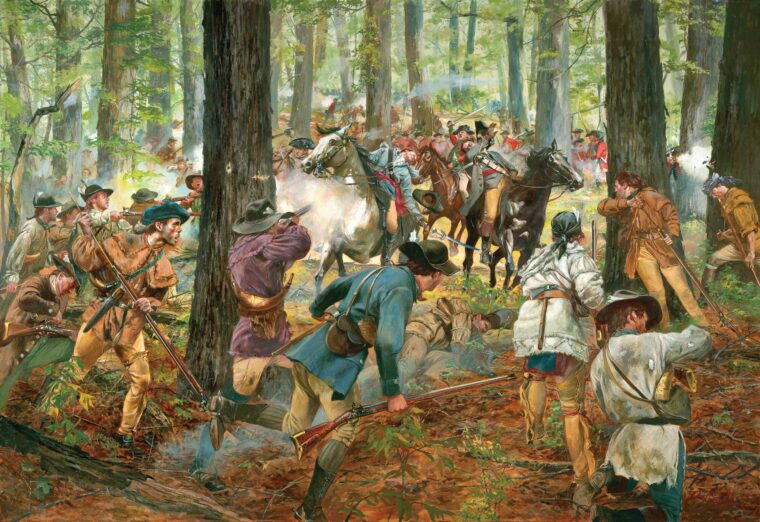
Kings Mountain was a battle of militia–American Patriots against American Loyalists. Short and intense, it was the last desperate stand of British Major Patrick Ferguson and a turning point in the American Revolution. Read more
American Revolution
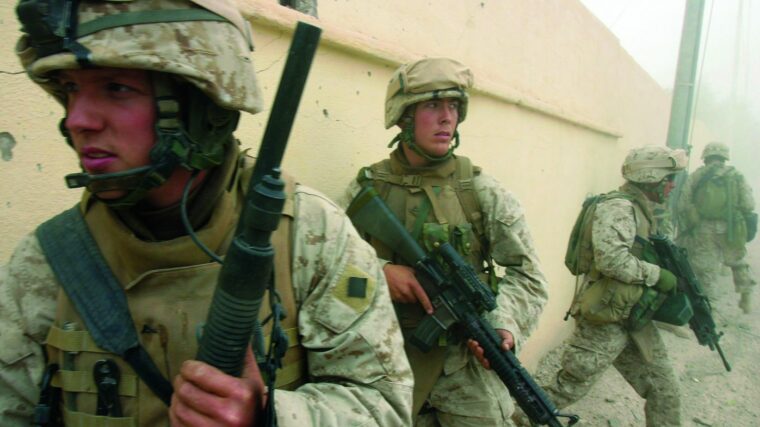
Coming upon the enemy’s rear guard outside the western Kentucky village of Sacramento, four days after Christmas 1861, Confederate Colonel Nathan Bedford Forrest ordered his cavalry to advance. Read more
American Revolution
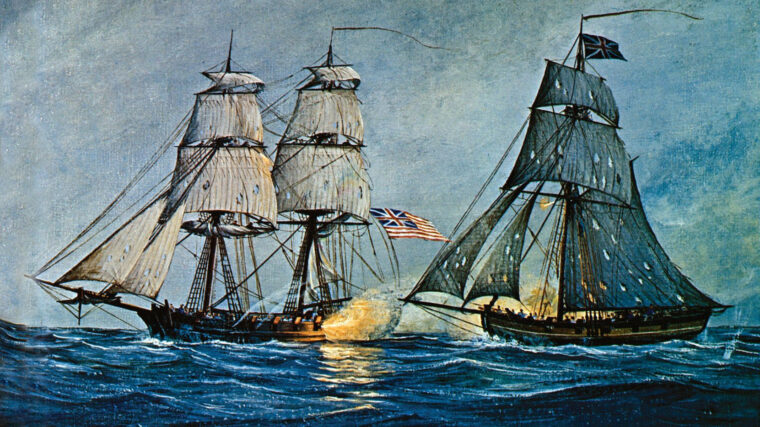
Most histories of the American Revolution give the fledgling Patriot navy only one hero: John Paul Jones. While not begrudging Jones’s recognition, it seems unfair to represent the Continental Navy with a single fighting captain. Read more
American Revolution
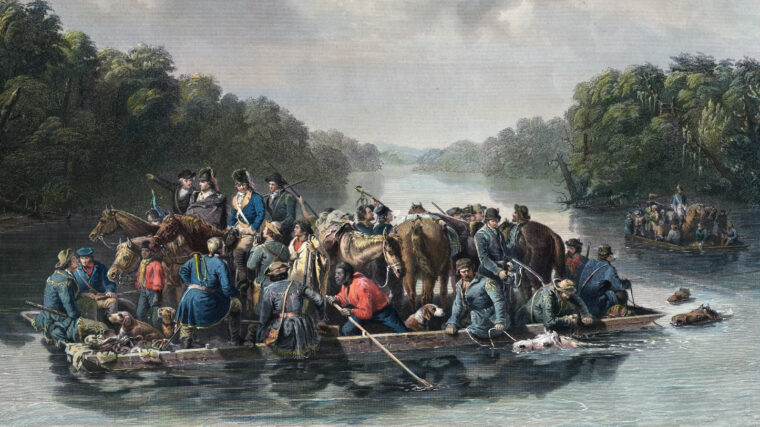
Francis Marion did not cut an impressive figure when he joined the Patriot army of Maj. Gen. Horatio Gates in July 1780. Read more
American Revolution
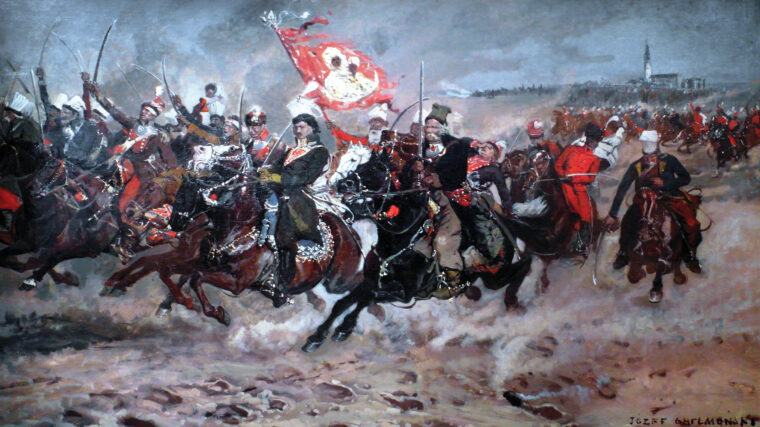
A major fight was in the offing when the first streaks of dawn appeared over Savannah, Georgia, on the morning of October 9, 1779. Read more