Aircraft
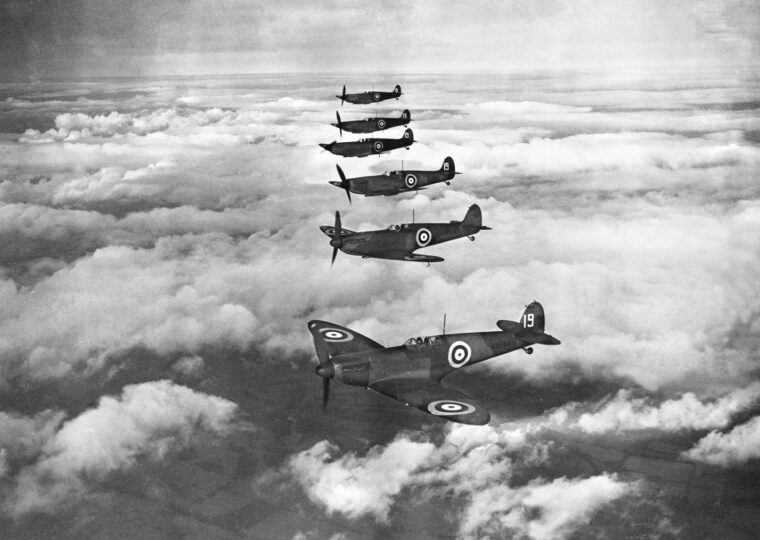
Deadly Thoroughbred Unleashed
By Michael D. HullFast, graceful, and deadly, the British Supermarine Spitfire was one of the most recognizable and famous fighter planes of World War II. Read more
Aircraft
Fast, graceful, and deadly, the British Supermarine Spitfire was one of the most recognizable and famous fighter planes of World War II. Read more
Aircraft
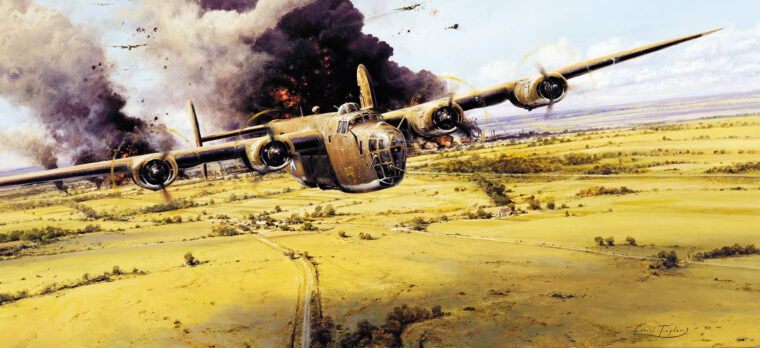
A host of famous fighters and bombers in the Allied arsenal spearheaded the aerial offensives that helped secure victory against the Axis powers in World War II. Read more
Aircraft
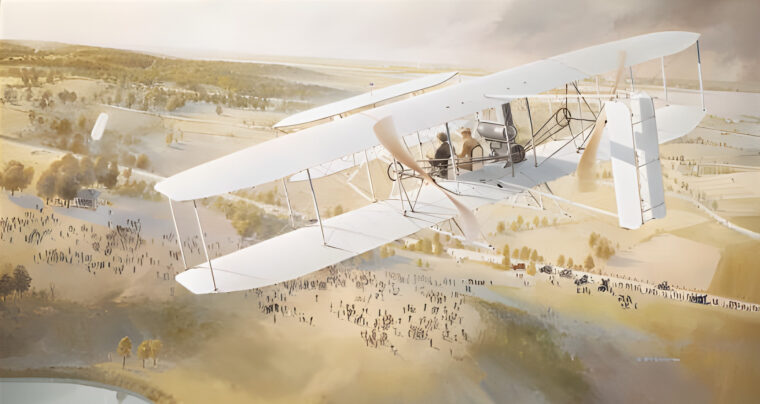
Resembling a “collection of bamboo poles more or less indefinitely attached to a gasoline engine,” the U.S. Read more
Aircraft
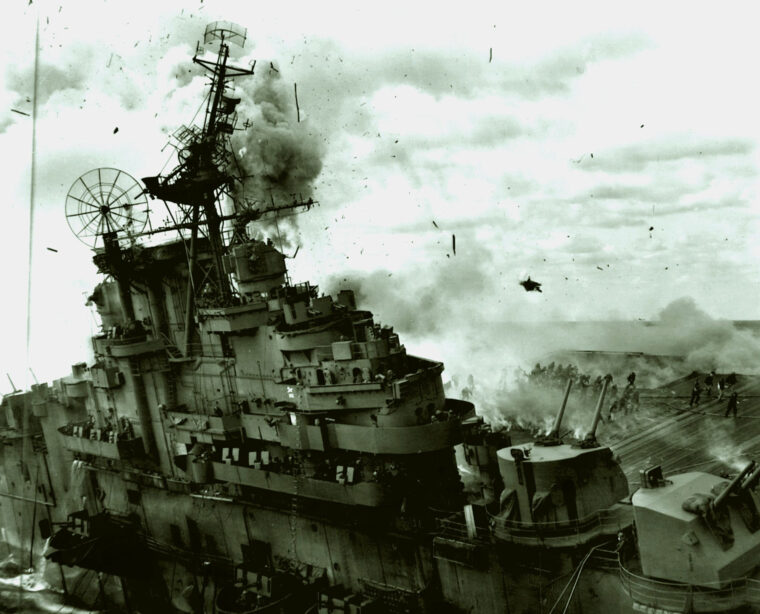
On March 3, 1945, the 27,100-ton aircraft carrier USS Franklin churned out of Pearl Harbor and headed westward for the war zone. Read more
Aircraft
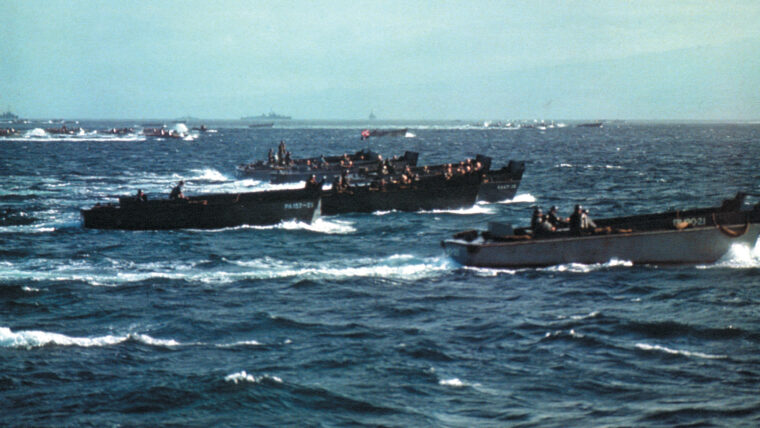
In November 1941, the U.S. Asiatic Fleet weighed anchor in Shanghai, China, for the last time. Alarmed by the growing hostility and aggressiveness of the Japanese, Admiral Thomas Hart ordered the outnumbered and outgunned American vessels moved to the relative safety of Manila Bay in the Philippines. Read more
Aircraft
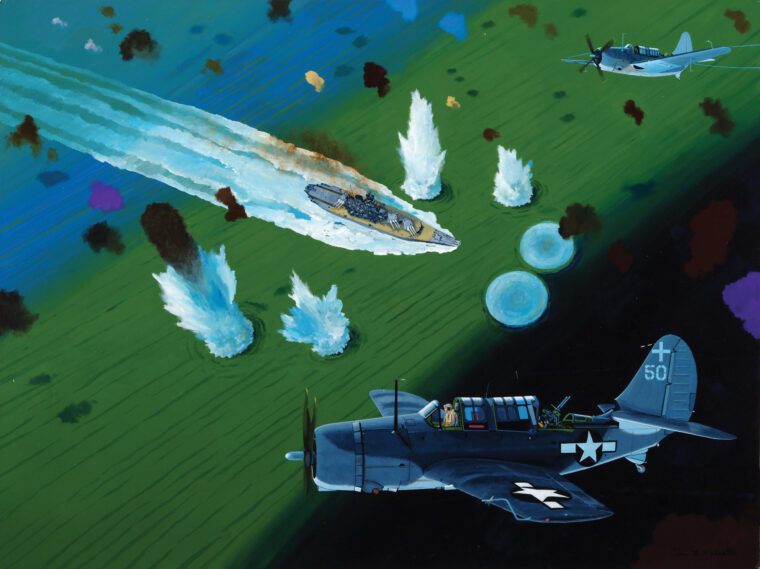
In warfare, desperate times call for desperate measures, and in the fall of 1944 the empire of Japan found itself in precisely that predicament. Read more
Aircraft
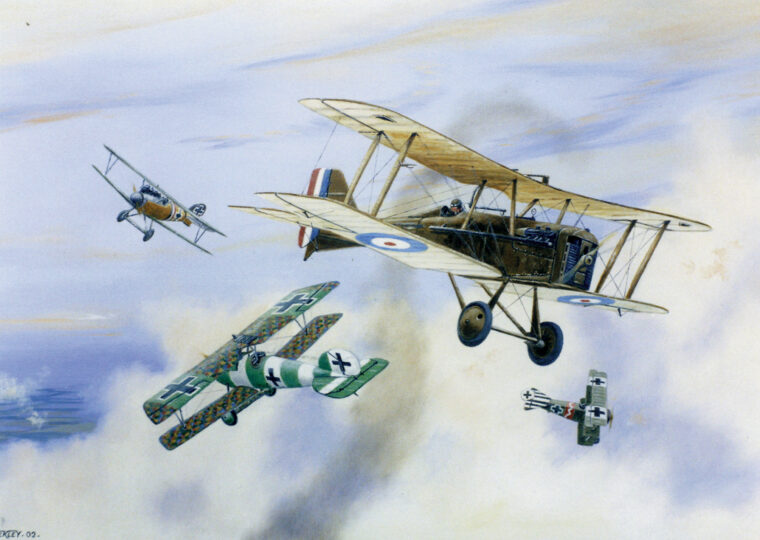
The agent from the American consul followed a Turkish guard through the prisoner compound. It was early 1915, and he had come on behalf of the Red Cross seeking prisoner exchange for the worst cases in this miserable, disease-ridden place. Read more
Aircraft
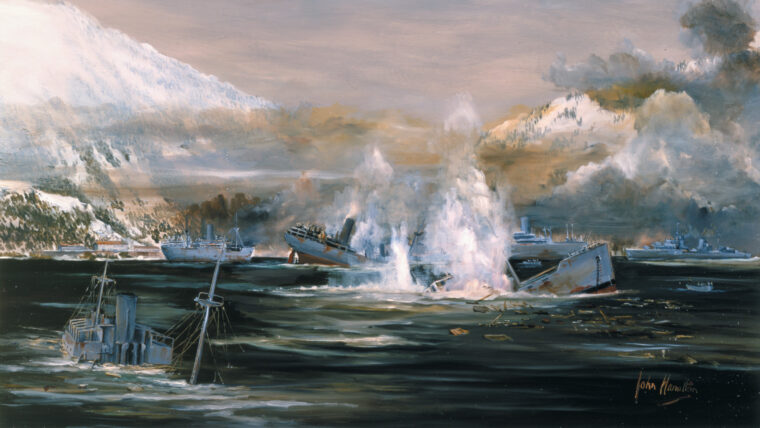
The German mountain troops were dug into their shallow, frozen foxholes waiting for the enemy ski troops to appear across the horizon. Read more
Aircraft
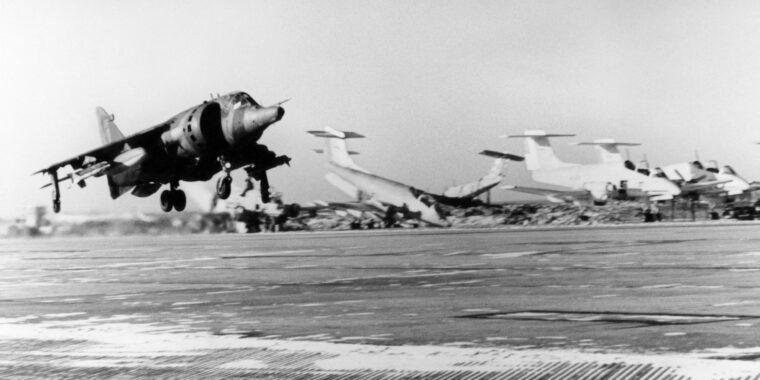
At 1:25 p.m. on May 1, 1982, the Sea Harrier naval jet fighter became the symbol of British resolve. Read more
Aircraft
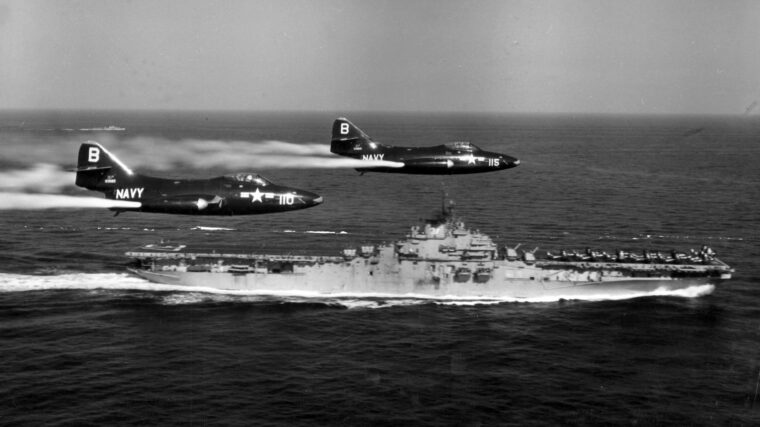
One of the most remarkable events in modern naval aviation was kept a secret for almost half a century. Read more

Aircraft
As an icon of the Vietnam War and an angel of mercy for American troops who fought there, the Bell UH-1 Iroquois, affectionately known as the “Huey,” has gone on to become the most recognizable helicopter in the world. Read more
Aircraft
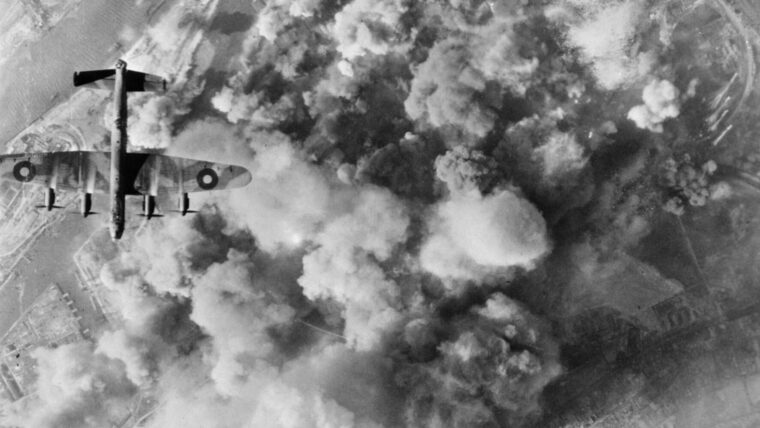
Powerful, brisling with firepower and able to carry an amazingly large bombload, the majestic Avro Lancaster, along with the iconic Supermarine Spitfire, has come to symbolize the might of the Royal Air Force in World War II. Read more
Aircraft
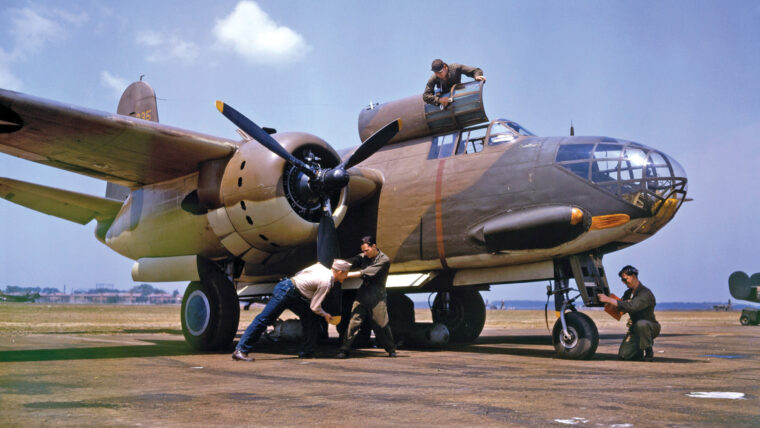
Few airplanes can claim the honor of being credited with changing the course of World War II, but the Douglas A-20 Havoc twin-engine light bomber is one that can. Read more
Aircraft
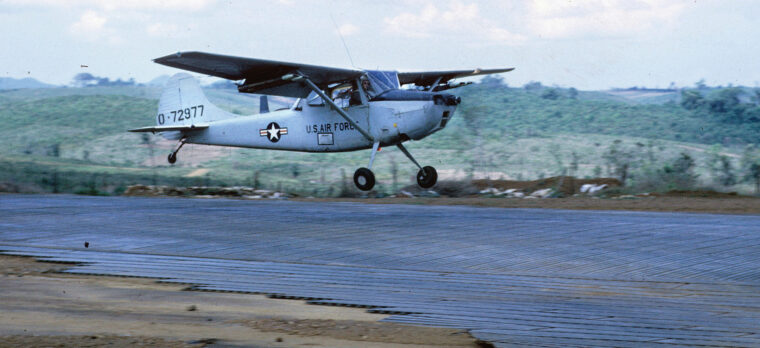
Raven forward air controller Charles Edwin Engle usually took his Cessna 0-1 “Bird Dog” up to an altitude of 12,000 feet over northern Laos to await the arrival of a flight of inbound A-1E Skyraiders from Thailand. Read more
Aircraft
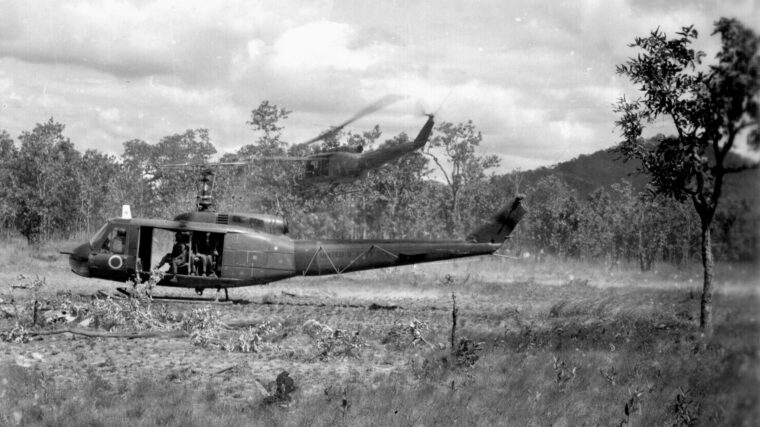
Specialist 4 George McDonald leaped out of a UH-1 helicopter on November 14, 1965, into a hellish firefight. Read more
Aircraft
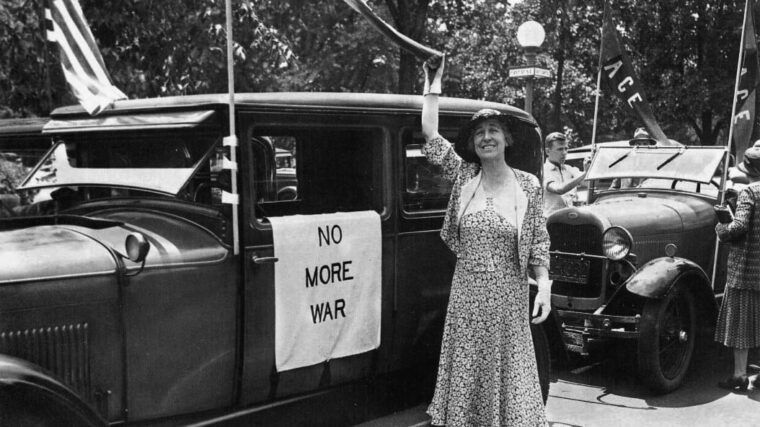
An Associated Press report described “a chorus of hisses and boos” that echoed through the chamber when the Congresswoman from Montana cast her vote. Read more
Aircraft
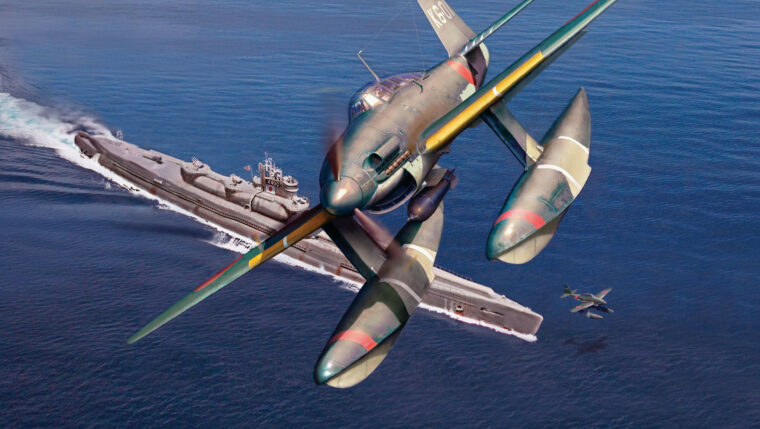
As soon as Colonel James Doolittle’s B-25 raid struck Japan in April 1942, Japan sought to wreak revenge on the United States, but by 1944 devastating aerial bombings on Japan by the Americans had become all too regular. Read more
Aircraft
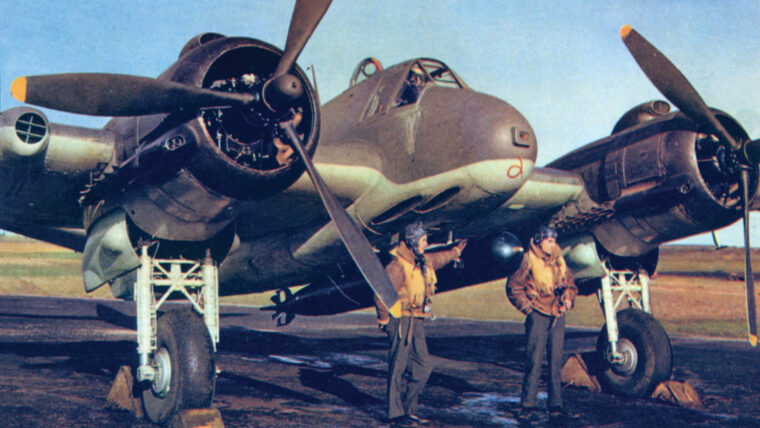
The day’s flight was to be a fairly typical “rhubarb,” or a fast freelance strike, for the two pilots in their Bristol Beaufighters. Read more
Aircraft
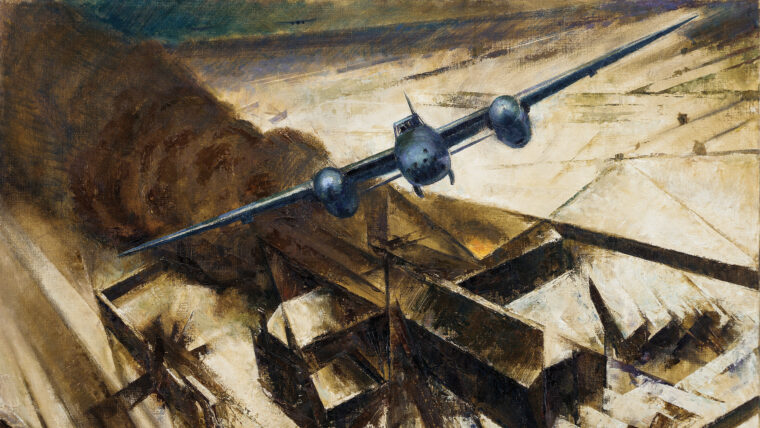
Precise timing was crucial. More than 700 prisoners were being held in the Amiens prison, many of whom were being tortured by the Gestapo and were soon to be executed, according to reports that reached London. Read more
Aircraft
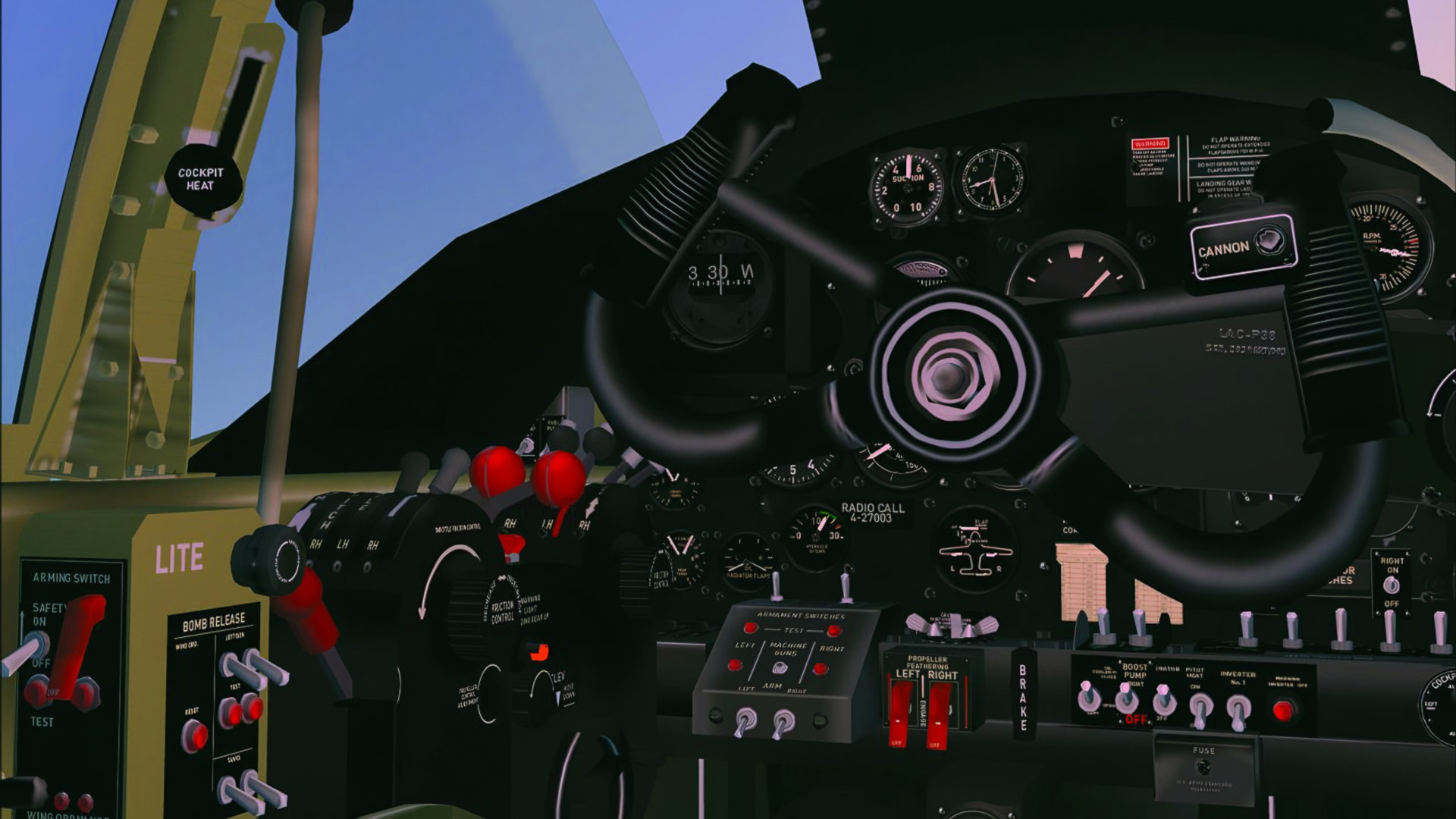
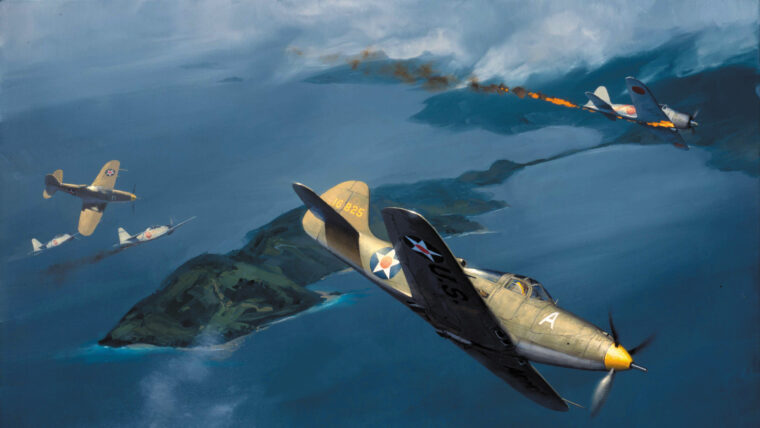
The P-39 Airacobra was a bit like Rodney Dangerfield—it “couldn’t get no respect,” especially from those who never piloted the “Flying Cannon” built by the Buffalo, New York-based Bell Aircraft Corp. Read more