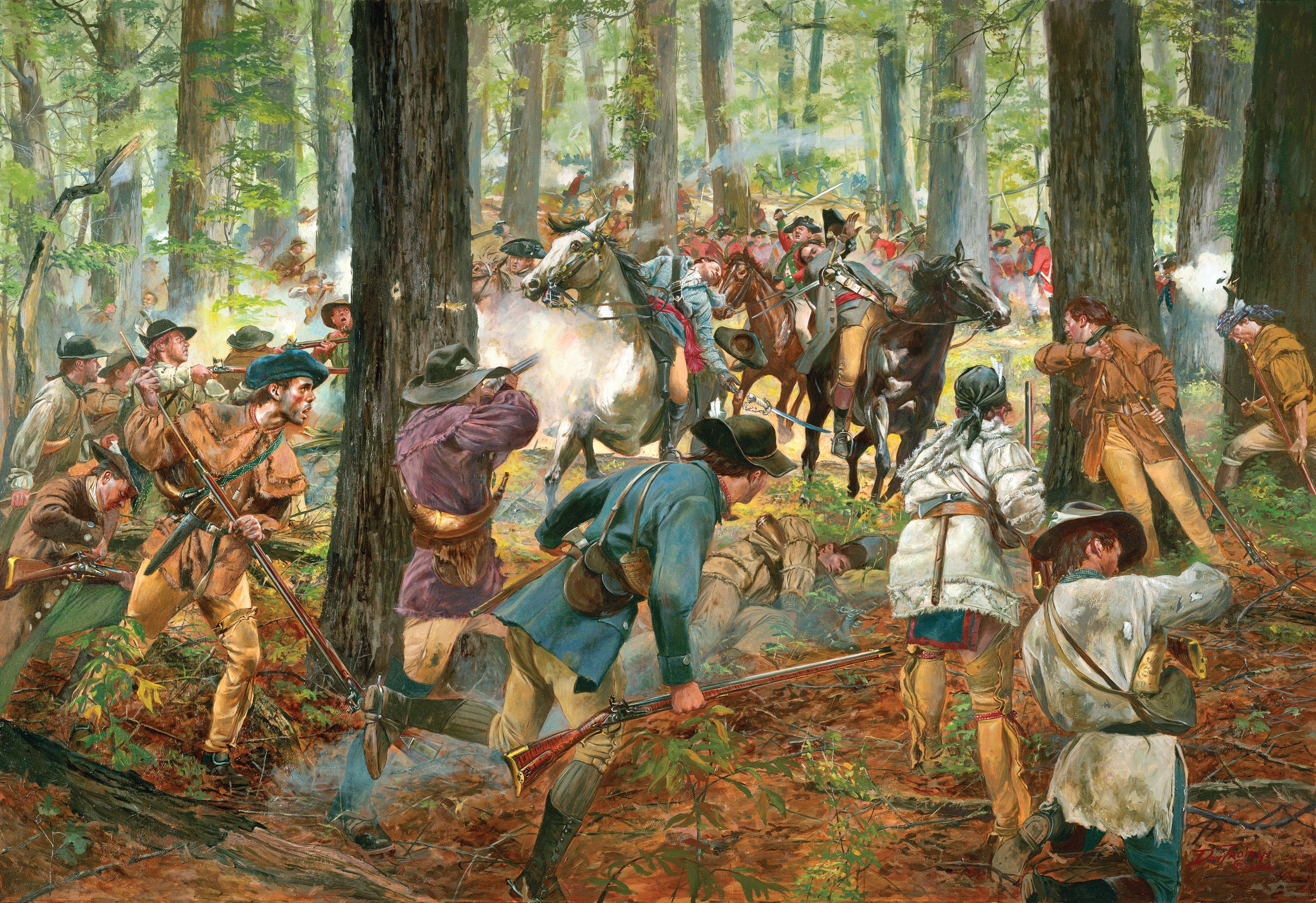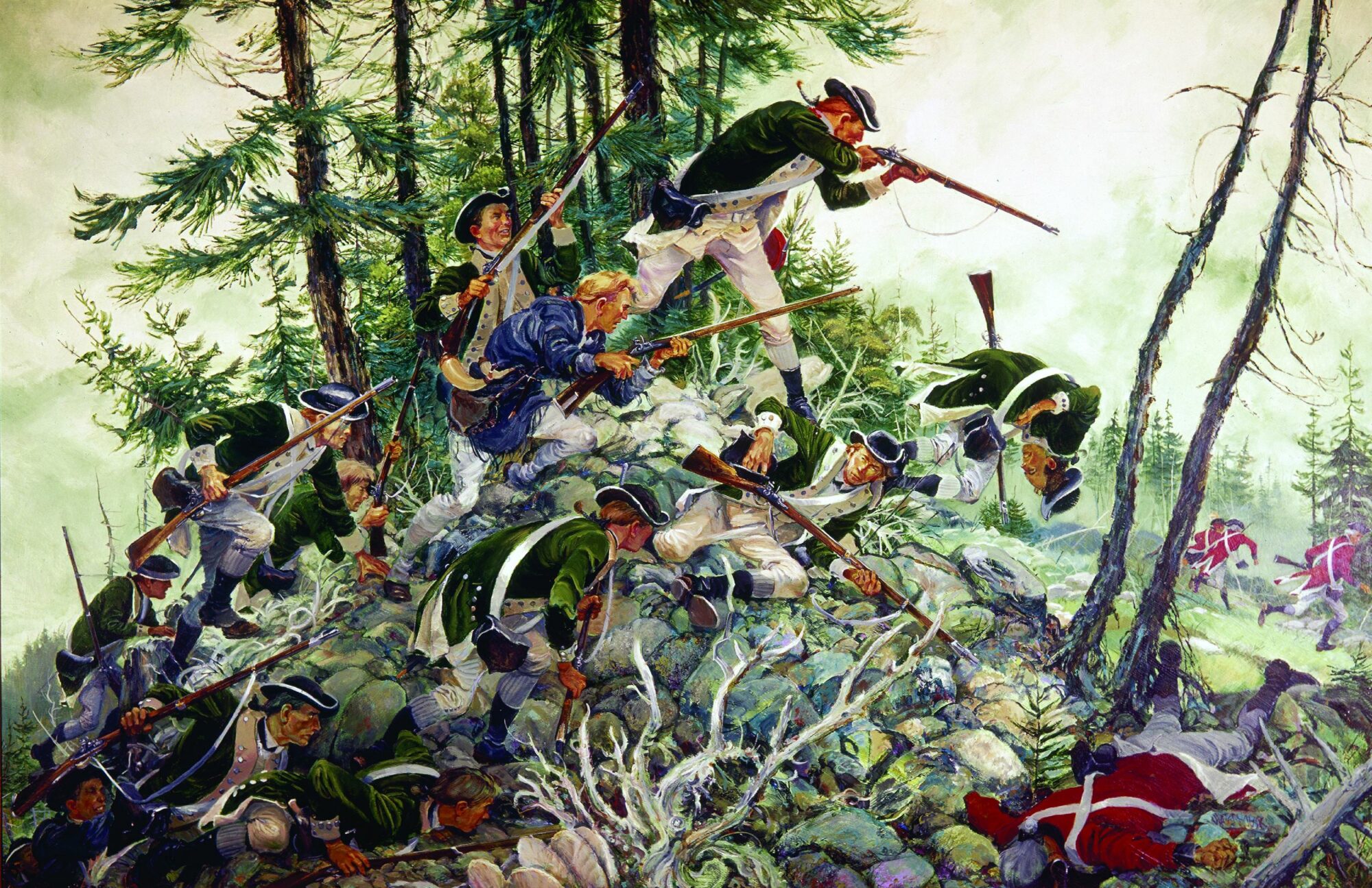

American forces send British redcoats scurrying in Encounter at Penobscot Bay. Their victory would prove to be fleeting.

Profiles of the American Revolution

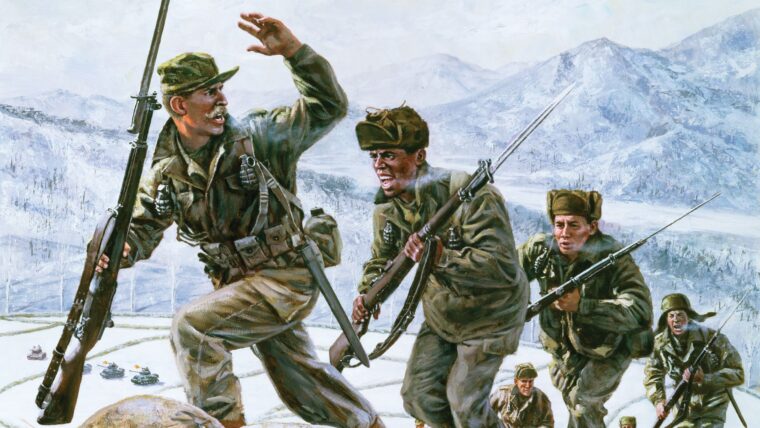
The painting First Victory, by James Dietz, depicts then-Lt. Col. Paul Freeman, commander of the 23rd Regimental Combat Team, in the 1951 Battle of Chipyong-ni, sometimes called “the Gettysburg of the Korean War.”

Profiles of the American Revolution

WHN Free Reports, Soldiers

Freeman Hall at the Battle of Chipyong-ni

By John E. Spindler

On a cool November day in 2018, the U.S. 2nd Infantry Division dedicated Freeman Hall, its new headquarters building in Camp Humphreys in Pyeongtaek, Republic of Korea. Read more

Profiles of the American Revolution

WHN Free Reports, Uniform

Imperial Landsknecht Halberdier 1486-1600

By Giuseppe Rava

The Landsknecht were German mercenaries originally recruited by Maximilian I, the Holy Roman Emperor from 1486-1519. Influenced by the success of Swiss pikemen, Landsknecht mercenaries were formed into a Landsknecht army, defeating the Hungarians during the Austro-Hungarian War of 1490. Read more

This painting by Willy Stöwer depicts the sinking of the Linda Blanche, one of three ships sunk in the Irish Sea on January 30, 1915, by U-21—commanded by Otto Hersing, the first man to sink a warship with a self-propelled torpedo. These raids on commercial shipping threatened to throttle the British war effort.

Profiles of the American Revolution

WHN Free Reports, Weapons

Q-Ships

By Mark Carlson

During the Great War, the German navy’s most effective and deadly warship was the U-boat, the key to cutting Great Britain’s lifelines from the rest of the world and forcing the island nation to its knees. Read more

Profiles of the American Revolution

WHN Free Reports, Books

9 Military History Book Reviews for Summer 2026

By Kevin Seabrooke Full Story

The Impossible Factory: The Remarkable True Story of Kelly Johnson and the Lockheed Skunk Works, America’s Innovation Machine (Josh Dean, Dutton, New York, NY, 496 pp., Read more

Profiles of the American Revolution

WHN Free Reports, SImulation Gaming

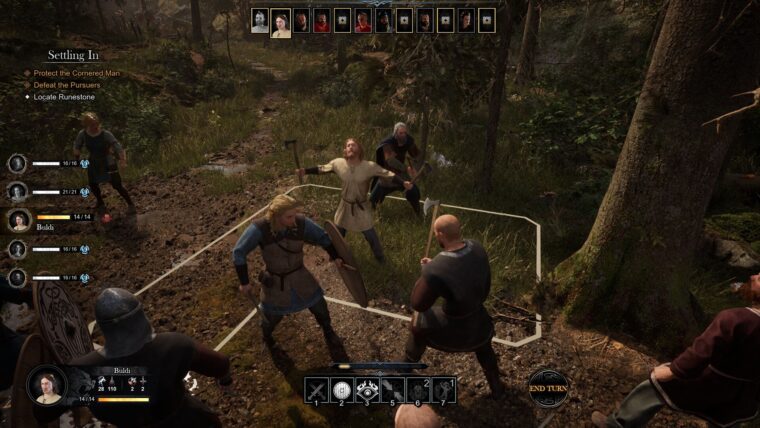
Wartales: Fires in the Capital

By Joseph Luster

If you want to experience medieval times without booking dinner and a show, look no further than Wartales. Read more

Profiles of the American Revolution

WHN Free Reports

Tropico 7

By Joseph Luster

It’s time once again to step back into the shoes of El Presidente, securing your glorious rule by developing and expanding your island in Tropico 7. Read more

Profiles of the American Revolution

WHN Free Reports

Death in the Wheat Field

By Kevin O’Beirne

The warm spring breeze blew the still-new green of the trees about Falmouth, Virginia, as the last of three rousing cheers echoed into the sky. Read more

Profiles of the American Revolution

WHN Free Reports

The Civil War’s Most Dedicated Witness

By Kevin Seabrooke

The smoke from the heavy artillery had barely begun to clear over the rocky, shattered landscape of Devil’s Den when the camera shutter snapped. Read more

Don Troiani’s painting, Jackson’s Flank Attack, depicts the assault on Gen. Andrew Jackson’s right flank on the Levee Redoubt by British Light Infantry companies, including the 7th (Royal Fusiliers), 93rd Sutherland Highlanders, and 43rd Light Infantry. The redoubt was defended by a company of the 7th U.S. Infantry and a detachment of the 44th U.S. Infantry, manning two guns.

Profiles of the American Revolution

WHN Free Reports

The Battle of New Orleans

By Blaine Taylor

After Napoleon I, Emperor of the French, abdicated in April 1814, the British could at last turn their attention from the coalition wars to North America, where they had been at war with the Americans since 1812. Read more

This colored pencil drawing, Hitting Home, by Herbert C. Hahn, c. 1951, depicts the May 1, 1951, mission in which eight Navy AD-4 Skyraiders from the USS Princeton scored six hits with Mk. 13 aerial torpedoes on the Chinese-held Hwachon Dam in South Korea.

Profiles of the American Revolution

WHN Free Reports

Dambusters in Korea

By John E. Spindler

High-level bombing raids, a dive-bombing raid, and a ground assault had all previously failed to destroy the sluice gates of the Hwachon Dam some 50 miles northeast of the South Korean capital of Seoul. Read more