Military History
The Battle of Grandson
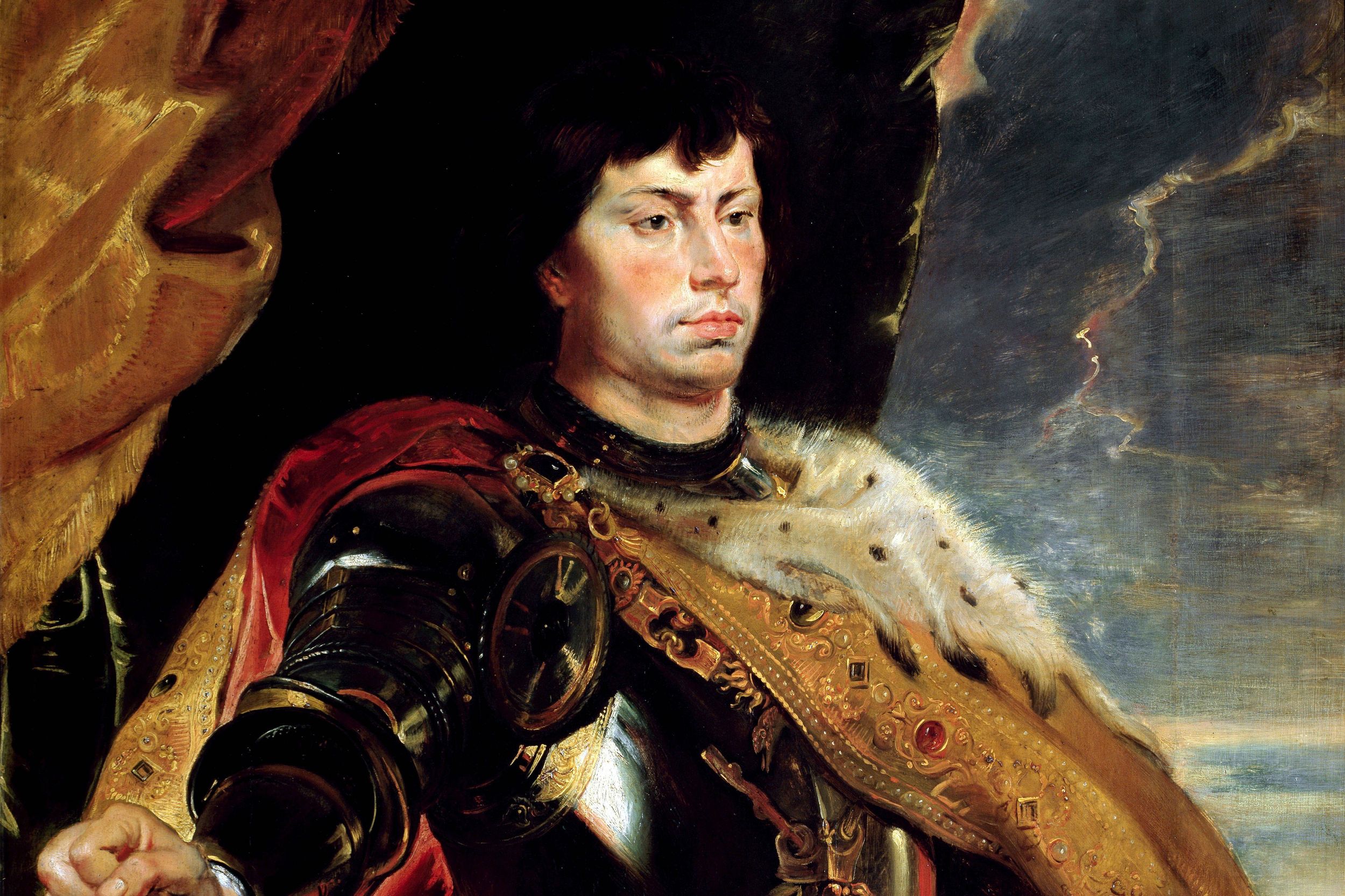
By Eric NiderostOn Friday, September 28, 1473, Charles, Duke of Burgundy arrived at Trier to meet with the Holy Roman Emperor Frederick III. Read more
Military History
On Friday, September 28, 1473, Charles, Duke of Burgundy arrived at Trier to meet with the Holy Roman Emperor Frederick III. Read more
Military History
As darkness fell along the upper Saigon River in Vietnam’s Mekong Delta region, one of two River Patrol boats of the U.S. Read more
Military History
The old Imperial capital of Hue was ready for the Tet Festival, a joyous occasion celebrating the Vietnamese Lunar New Year on January 31, 1968. Read more
Military History
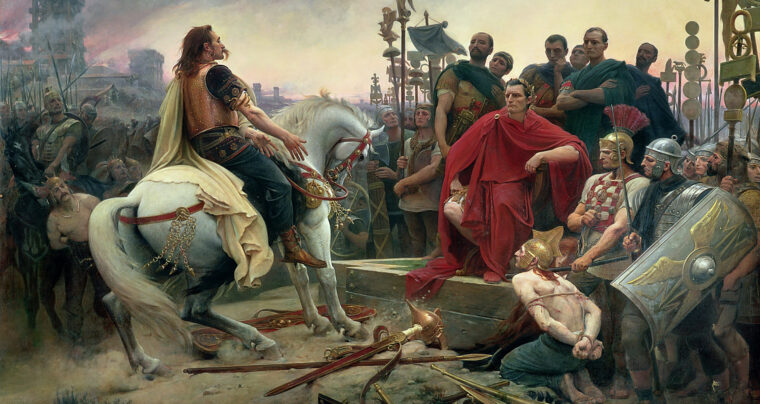
The Gauls were Celtic people who lived in much of Europe from the 5th century BC. They were described by Greek and Roman historians as tall, muscular, fair-skinned, with long blonde, or reddish hair. Read more
Military History
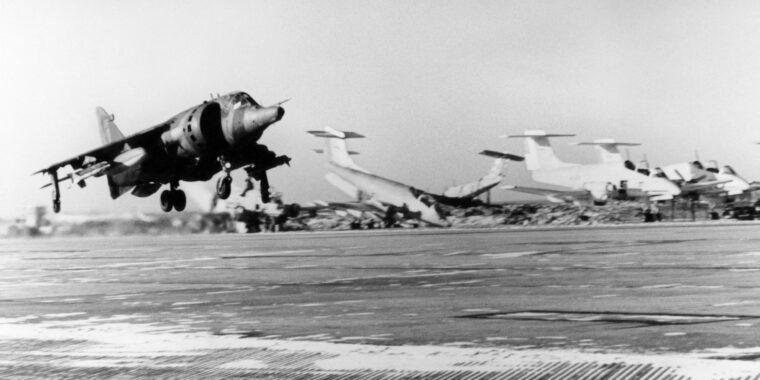
At 1:25 p.m. on May 1, 1982, the Sea Harrier naval jet fighter became the symbol of British resolve. Read more
Military History
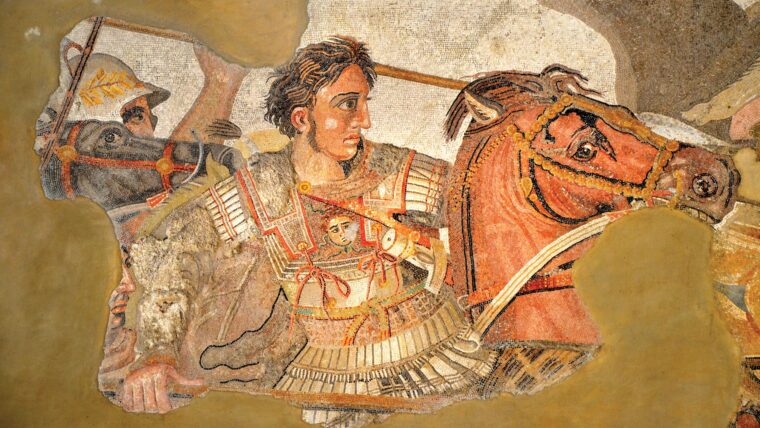
He was the first Caucasian many of his conquered subjects had ever seen. The empire he established during his short life stretched from Greece to the Indus River in modern Pakistan, an area of about 2 million square miles—more than twice the size of the Louisiana Purchase. Read more
Military History
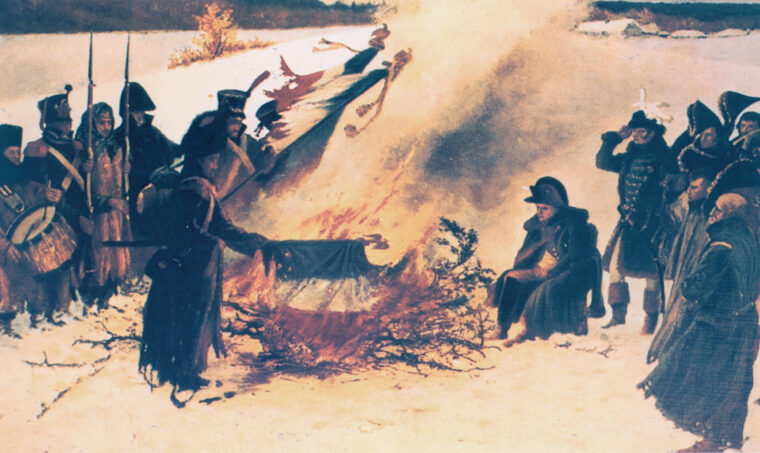
For many, the fascination of military history lies in the “What if …” What if Hitler had not ordered the Luftwaffe to shift from bombing RAF airfields to bombing London in 1940? Read more
Military History
“But so long as the Carthaginians held unchallenged control of the sea, the issue of the war still hung in the balance. Read more
Military History
Orderly rows of Sumerian soldiers stretched across the grassy plain, their conical bronze helmets hard and bright under the sizzling sun. Read more
Military History
The 1st Marine Division was on the move toward the Yalu River. With any luck, if the weather cooperated, the Korean War, or rather, the United Nations police action in Korea, would be over in weeks. Read more
Military History
Despite the incessant German shelling that had been hammering away at the French lines to their immediate left near the rubble-strewn city of Ypres in northwestern Belgium, the largely untested soldiers of the Canadian 1st Division found the early spring day of April 22, 1915, surprisingly warm and pleasant. Read more
Military History
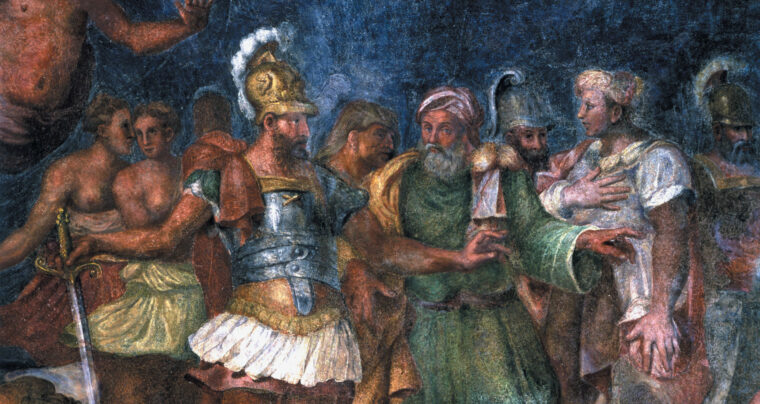
It was the autumn of 333 bc and Alexander the Great stood triumphant on the battlefield of Issus. Read more
Military History
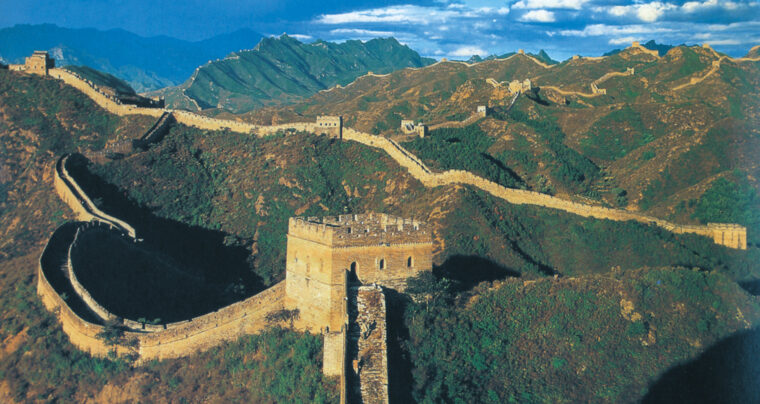
When rebel peasants under a charismatic army deserter named Liu Pang descended on the capital city of Hsien Yang in 206 bc, they did so under the considerable shadow of the Ch’in dynasty’s former ruler, Shih Huang-ti. Read more
Military History
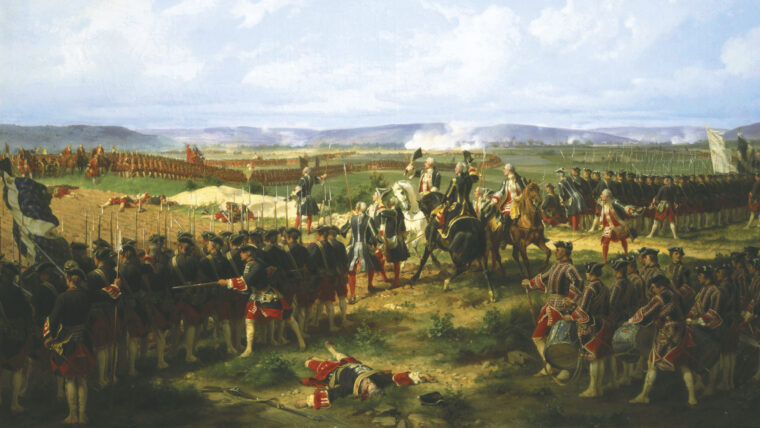
In the Age of Reason, even wars were fought reasonably. Well-ordered marches, carefully dressed ranks of impeccably turned-out soldiers, and elaborately sketched battle plans were the order of the day in the so-called “lace wars” of the mid-18th century. Read more
Military History
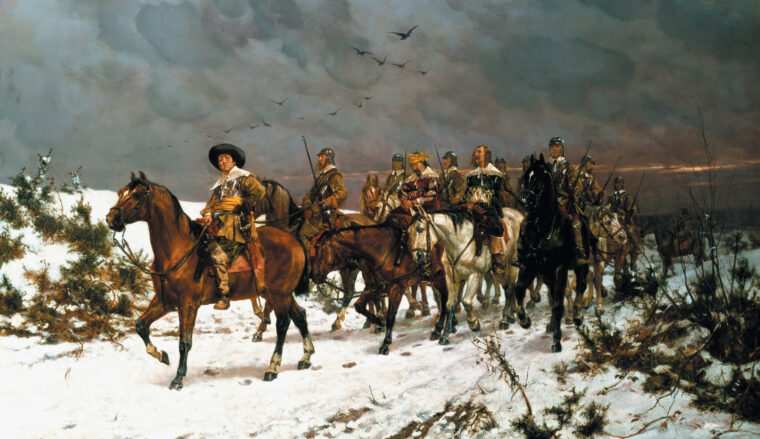
By the spring of 1645, the open warfare between King Charles I and his rebellious Parliament had dragged on for nearly three years, with no apparent end in sight. Read more
Military History
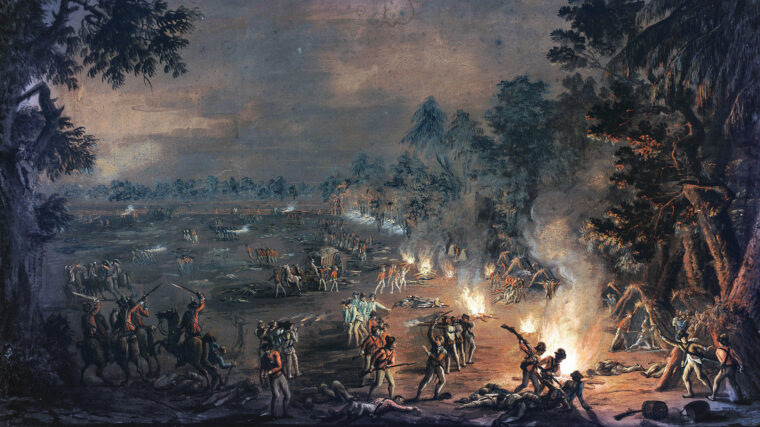
On a gloomy Friday morning, September 26, 1777, an advance party of the British Army marched into Philadelphia to take possession of the city. Read more
Military History
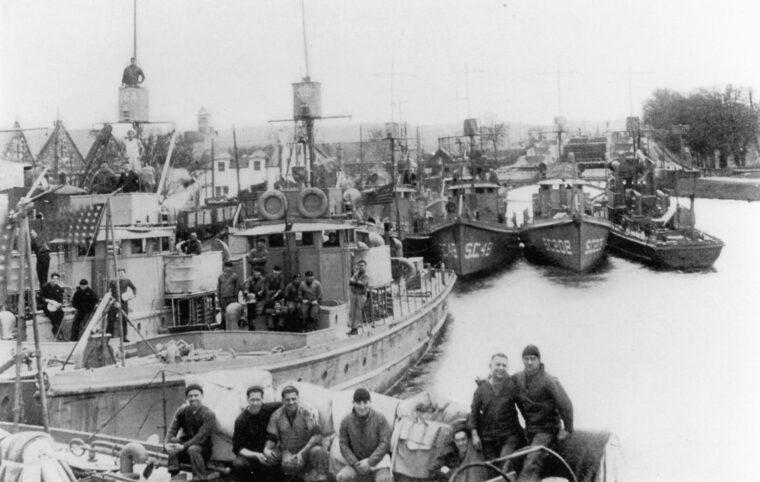
When the United States entered World War I in April 1917, the nation’s Navy was shockingly short of combat ships—particularly the submarine chasers that would be vital to combating the German U-boat menace. Read more
Military History
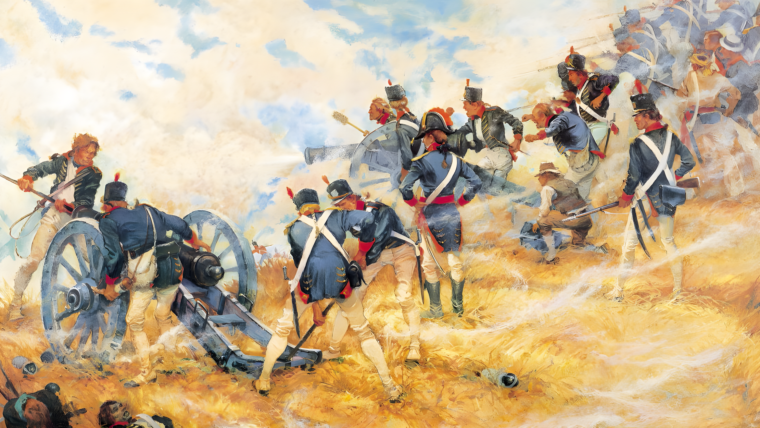
The British Army of soldiers, Royal Marines and naval infantry—actually sailors from His Majesty’s Navy fighting on dry land with musket, pike and cutlass—were marching full-tilt for the capital of the United States this hot, sweltering August 24, 1814. Read more
Military History
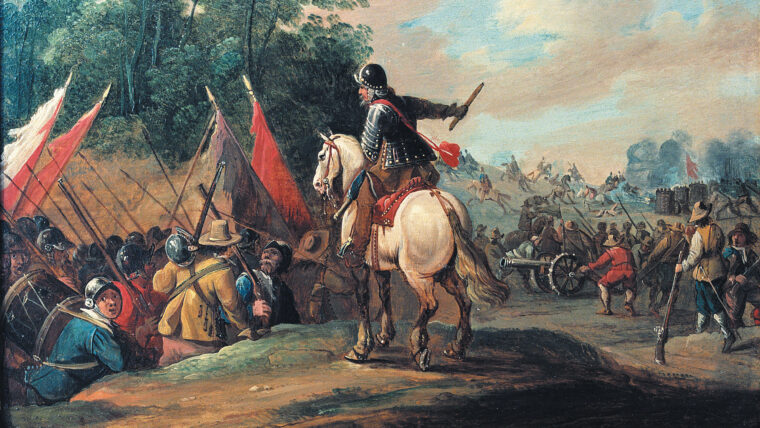
On a hot, dusty September morning in 1631, the Imperial Army of the Holy Roman Emperor rested easily on the plains outside the village of Breitenfield, six miles north of Leipzig, Saxony. Read more
Military History
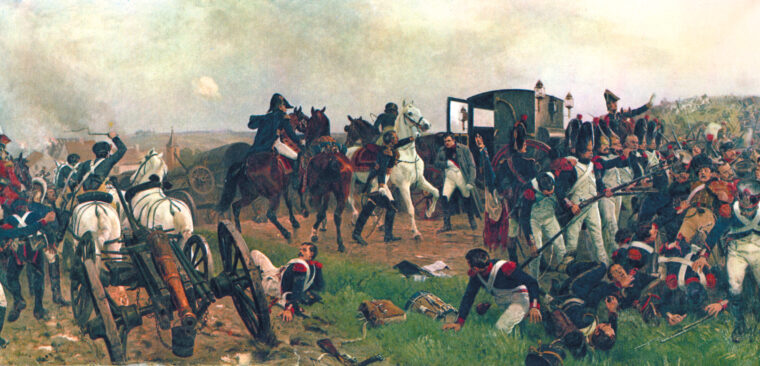
On April 23, 1809, Prince Jerome Bonaparte, king of Westphalia, a German satellite state given to him by his elder brother Emperor Napoleon I, sat astride a large white horse at the Holland Gate leading into the capital city of Cassel. Read more