Military History
Hungary’s National Hero
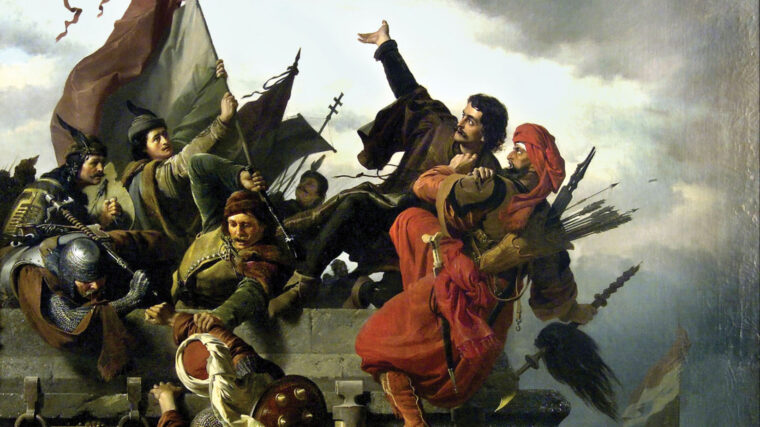
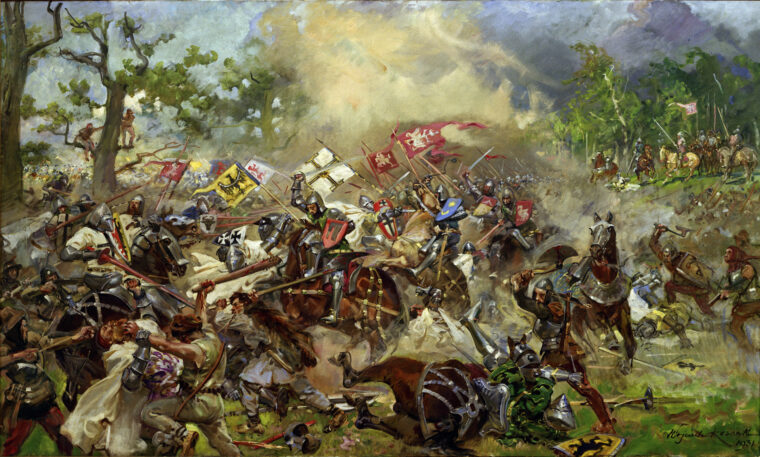
By Ludwig Heinrich DyckJanos Hunyadi, Hungary’s national hero, was one of the great captains in the war between Europe and the Ottoman Turks. Read more
Military History
Janos Hunyadi, Hungary’s national hero, was one of the great captains in the war between Europe and the Ottoman Turks. Read more
Military History
King Gustavus II Adolphus of Sweden rode forward confidently, digging his heels into Streiff, his war horse, signaling the animal to quicken his pace and jump the ditch that was just ahead. Read more
Military History
The Saxon warriors worked tirelessly from dawn to dusk atop the mountain felling trees, cutting them into logs, and adding them to the field fort they were building on a flat spur of the Suntel Mountains in the heart of their homeland. Read more
Military History
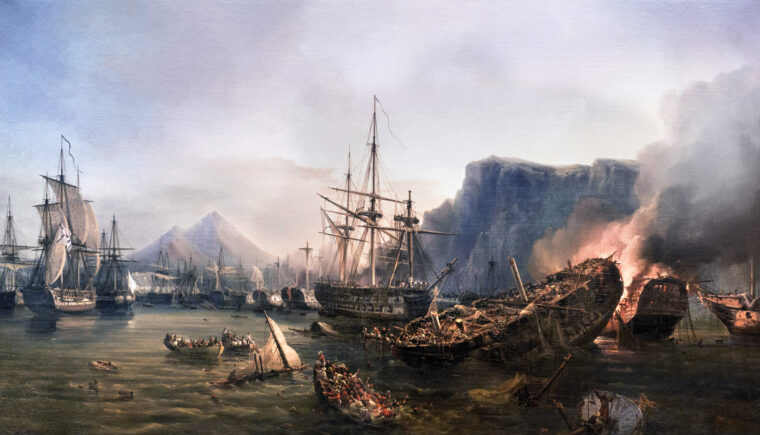
At 2 PM on October 20, 1827, Allied squadrons sailed into the Bay of Navarino on the west coast of the Peloponnese peninsula. Read more
Military History
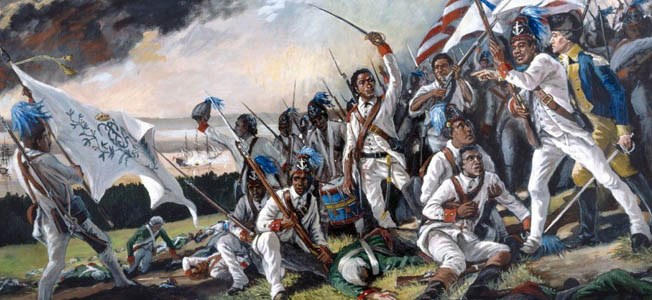
In 1778, the Rhode Island legislature passed a law that allowed black slaves to enter the war in order to gain their freedom. Read more
Military History
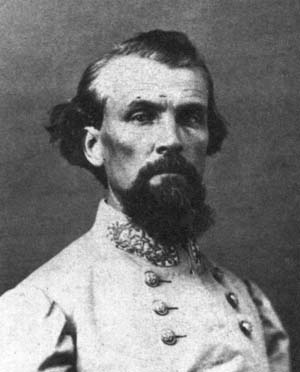
Prior to the American Civil War, Nathan Bedford Forrest amassed a fortune in real estate, agriculture, and the slave trade. Read more
Military History
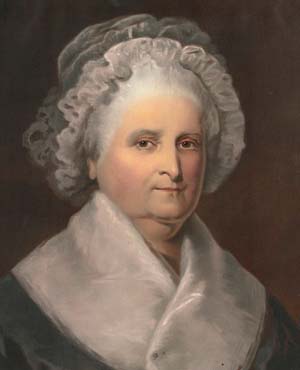
Martha Custis Washington, wife of General George Washington, came to the winter quarters of her husband’s army each winter of the Revolutionary War. Read more
Military History
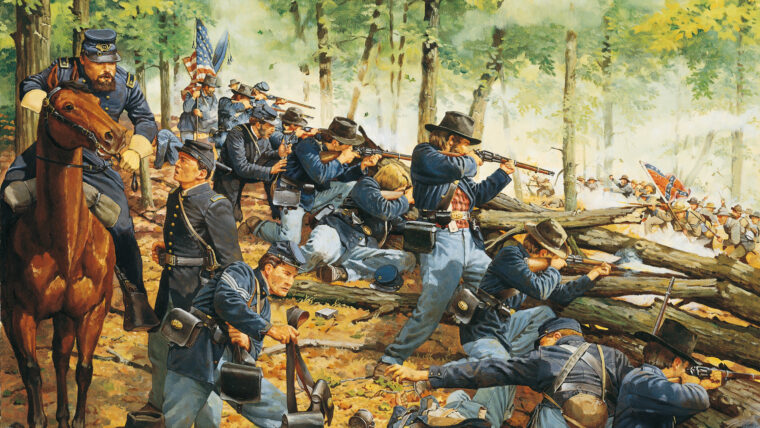
It was nearly 11 on the morning of September 20, 1863, and the woods around slow-moving Chickamauga Creek in northwest Georgia were ominously quiet. Read more
Military History
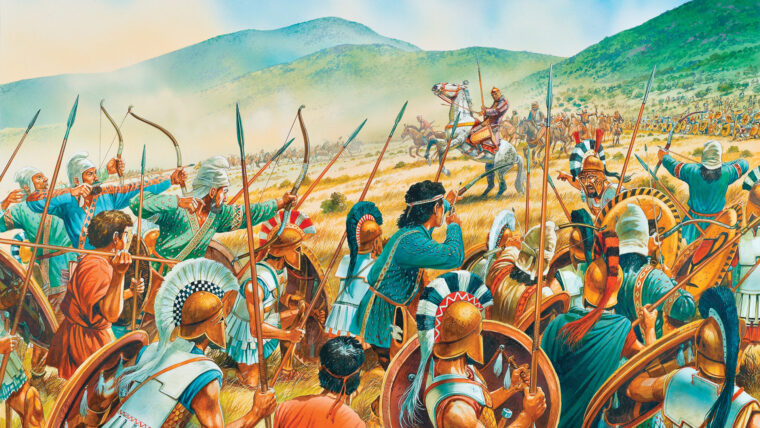
Persian King Xerxes I “The Great” was a man who liked to solicit different opinions before he made a decision on any important matter. Read more
Military History
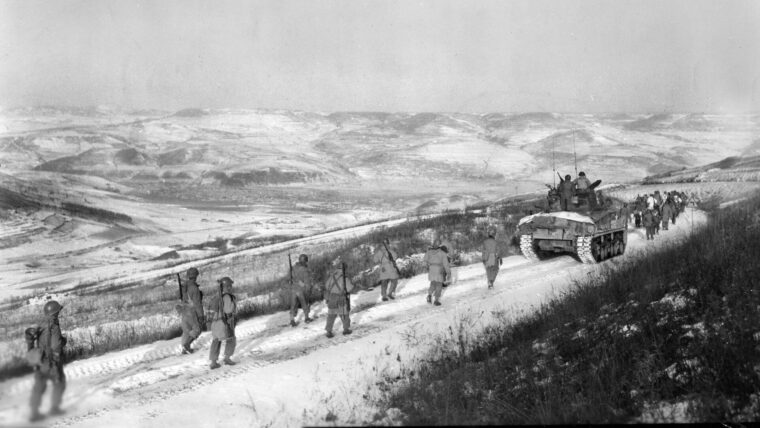
When dawn broke on December 1, 1950, on the barren hillsides on the eastern shore of the frozen Chosin Reservoir in northeastern North Korea, the ragged, tenuously held perimeter of the U.S. Read more
Military History
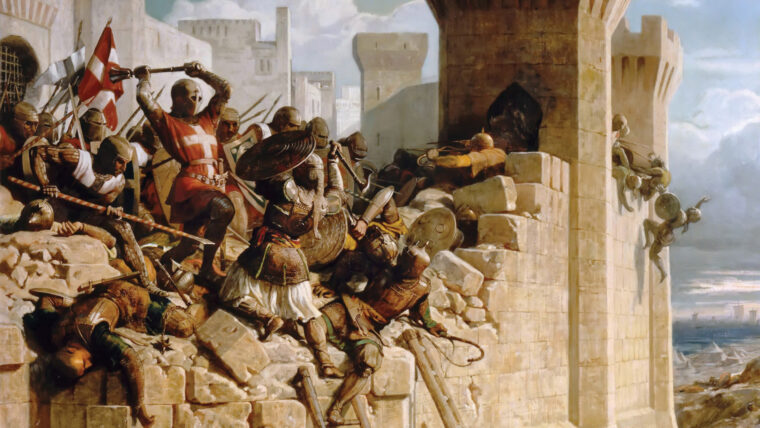
The Latin Crusaders manning the battlements were armed with spears, axes, and crossbows. They shared with each other a desire to fight and die for the Cross. Read more
Military History
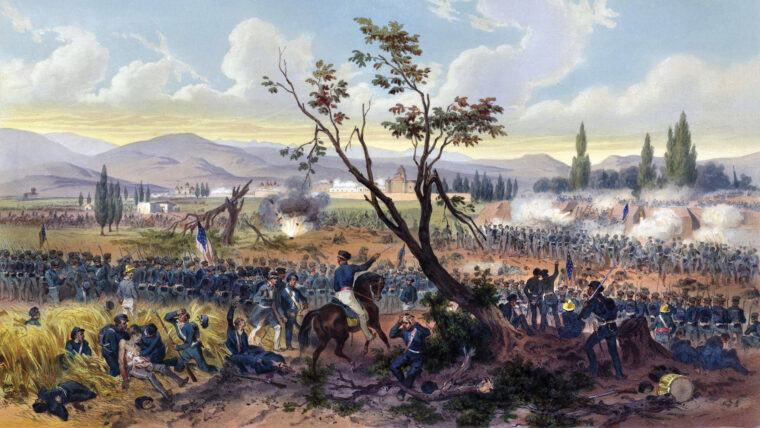
U.S. General Winfield Scott’s army climbed through the mountains of central Mexico, an arduous trek that included blistering hot days and bitterly cold, rain-drenched nights. Read more
Military History
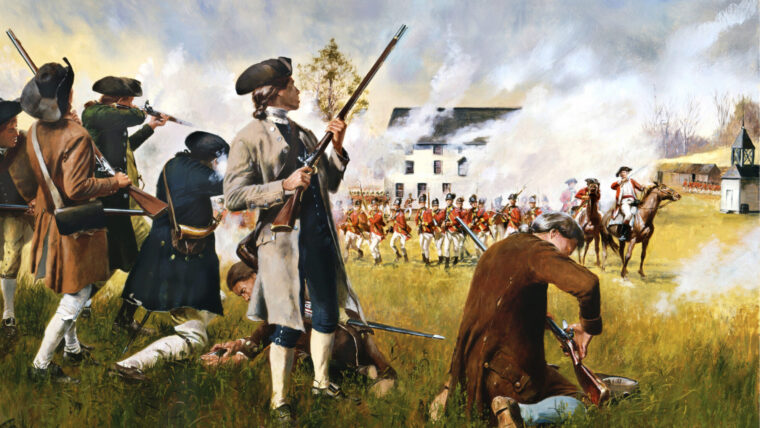
“Soldiers, don’t fire!” In the half light of dawn on April 19, 1775, war was breaking out on a New England town common, and Major John Pitcairn of His Majesty’s Marine Forces was trying to stop it. Read more
Military History
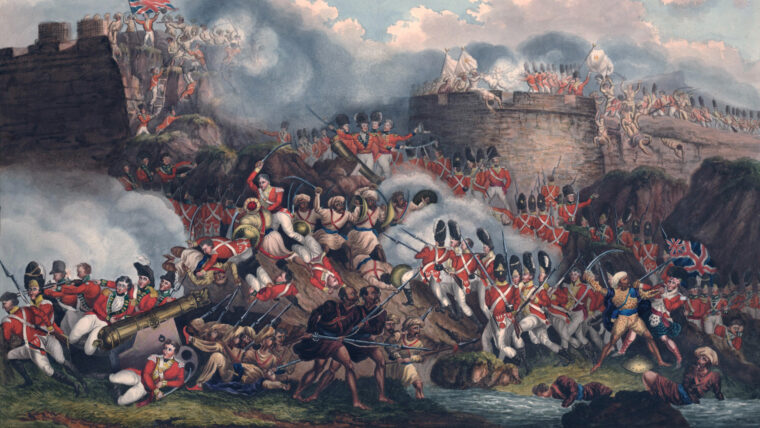
As converging columns of British and native infantry surrounded the inner palace of his capital, Seringapatam, Tipu Sultan did not hesitate. Read more
Military History
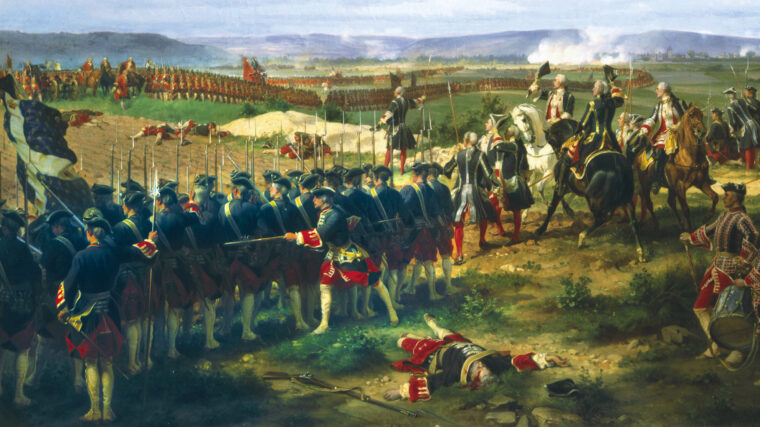
Pikes and most similar pole weapons disappeared from European armies by the early 1700s. After all, bayonets let each man convert his flintlock into a pike that fired bullets. Read more
Military History
When John Sassamon’s murdered body floated up under the ice of Assawompsett Pond, Plymouth Colony, in January 1675, few Puritan homesteaders could have foretold it would lead to the bloodiest war, per capita, in American history. Read more
Military History
The blue-coated soldiers trudged uphill through the forest trying their best not to get snagged on the laurel branches or stumble over the tree roots. Read more
Military History
Long before he attained fame as the co-commander of the Lewis and Clark expedition, William Clark was a discontented young lieutenant assigned to the U.S. Read more
Military History
Among the many portraits of famous Elizabethans hanging in London’s National Portrait Gallery is that of Sir Francis Walsingham, painted around 1587 by the artist John De Critz the Elder. Read more
Military History
It was the most exciting scene Associated Press correspondent Robert St. John had yet witnessed in the career he had abandoned for five years to farm in New Hampshire then returned to when he sensed that war was coming. Read more