By Ian McCall
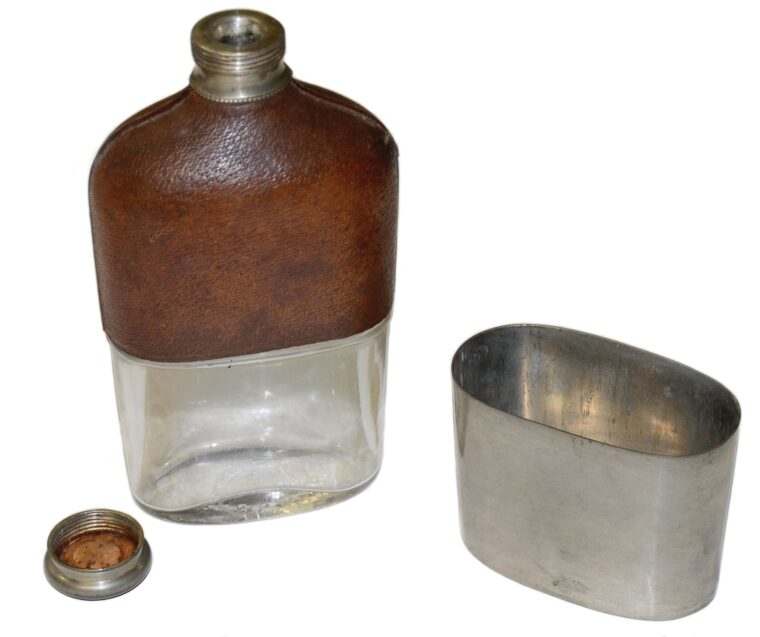
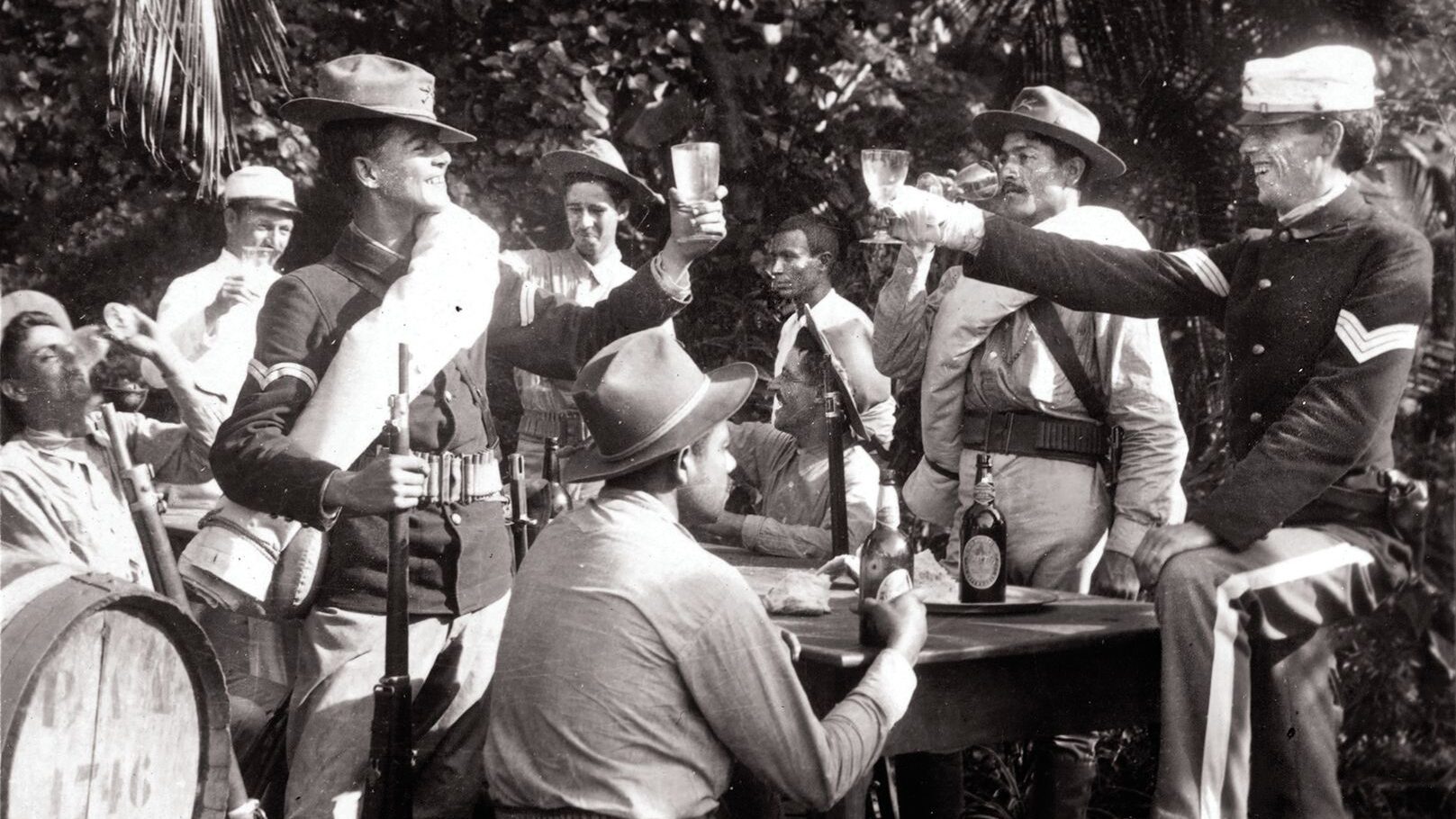
Whiskey has long been a faithful companion for many soldiers out on campaign. Be it issued by armies or snuck onto battlefields inside canteens; whiskey remains one of the most important beverages for American soldiers. Throughout our history as a nation few things are more genuinely American than bourbon and rye; even apple pie was created in England. Bourbon is 100-percent American and as such it makes sense that the fighting men and women of the United States military would develop such a pension for it, and that our military would have such a long history with the drink.
Whiskey has been thought to have various medicinal powers since the 15th century. Prescribed to heal everything from kidney troubles, intestinal issues, to depression and anxiety. Further adding to whiskey’s reputation as a health tonic during this time, whiskey, and most other alcoholic beverages, were safer to drink in most areas than water. Alcohol was an important component of European life, and many colonists would bring this appreciation with them when they crossed to the new world.
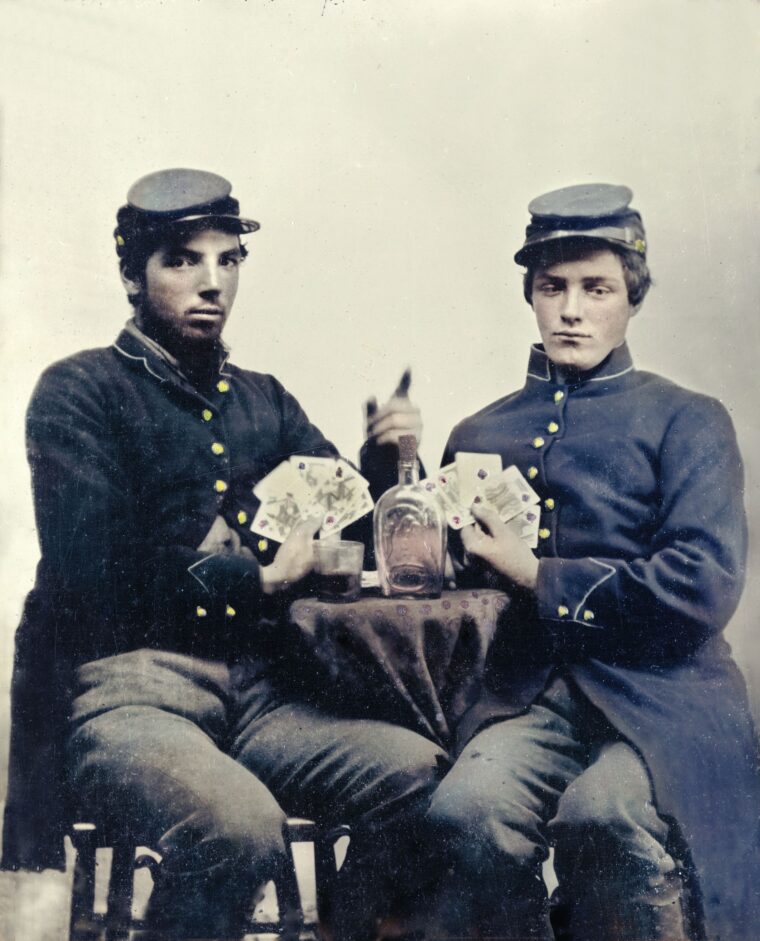
While not all who came over to America shared the appreciation, many colonists would spend cold winter nights and warm summer evenings whiling away over a mug in the local public house. But in these early colonial days, whiskey was not the beverage of choice, beer, cider, and brandy would have been far more common. However, the king of beverages in the colonies was rum. Given America’s proximity to British Caribbean holdings it was no small wonder that rum was seen as the best choice for fortifying soldiers’ nerves. During this time, it was common to outfit English soldiers and sailors with a ration of rum. English Sailors would also put limes into their rum ration to stave off scurvy, and thus the nickname of limy was born. But after the Declaration of Independence and the start of the Revolutionary War, America found itself cut off from rum imports, and so a homegrown solution needed to be found.
Ever since Europeans had arrived in America, they had begun making their own form of whiskey. While old world whiskies were mostly made from wheat and barley, the American distillers had found that rye and corn could create an extremely cheap and tasty product. It was during the Revolution that whiskey first earned its place as the alcoholic beverage of choice of the American fighting man. Soon after the Continental Army was formed in 1775, Congress voted to supply it with beer. However, George Washington felt that something more stout was required. Eventually Washington convinced Congress to authorize each soldier to be issued a gill, which was 4 ounces of whiskey, every day. A further directive also instructed field commanders to reward valor and exceptional service with additional rations. To make sure there would be enough whiskey to go around Washington asked Congress to fund the creation of new whiskey distilleries. However, even this would not be enough for Washington who would open his own distillery at his Mount Vernon home, to make sure troops’ mugs never went dry.

In 1782 the distribution of whiskey to soldiers would move to a standing army policy, and for the next 50 years each soldier was entitled to a daily gill. This amounted to nearly a bottle of whiskey per soldier per week, which in turn helped grow the American whiskey distilling industry exponentially. By 1829 the army was buying 72,000 gallons of whiskey each year or about 13.6 gallons for each recruit.
This large consumption of whiskey, however, led to a high degree of drunken fights and general insubordination by the troops. In 1832 the whiskey ration was abolished, and steps were taken to increase sobriety among the troops. It would be during the Civil War that whiskey would once again come back into service as a curative for everything from exhaustion, blisters, the mental trauma of the battlefield, to the healing of other minor maladies. While it was never official government policy to issue whiskey, many regimental officers took it upon themselves to furnish their men with a steady supply of the drink in order to help improve morale and sometimes fortify their nerves before battle. Although there is a common myth that soldiers would only be given a shot of whiskey before an amputation this was an extremely rare occurrence. In most cases soldiers would be rendered unconscious via ether or chloroform before an amputation began.
After the Civil War whiskey procurement once fell to individual soldiers. In 1895 the War Department officially issued orders to establish the first military post exchanges, stores in which military men could buy whatever they needed. Since those first stores opened in 1895, pausing for a brief break during prohibition, whiskey has always been on the shelves.
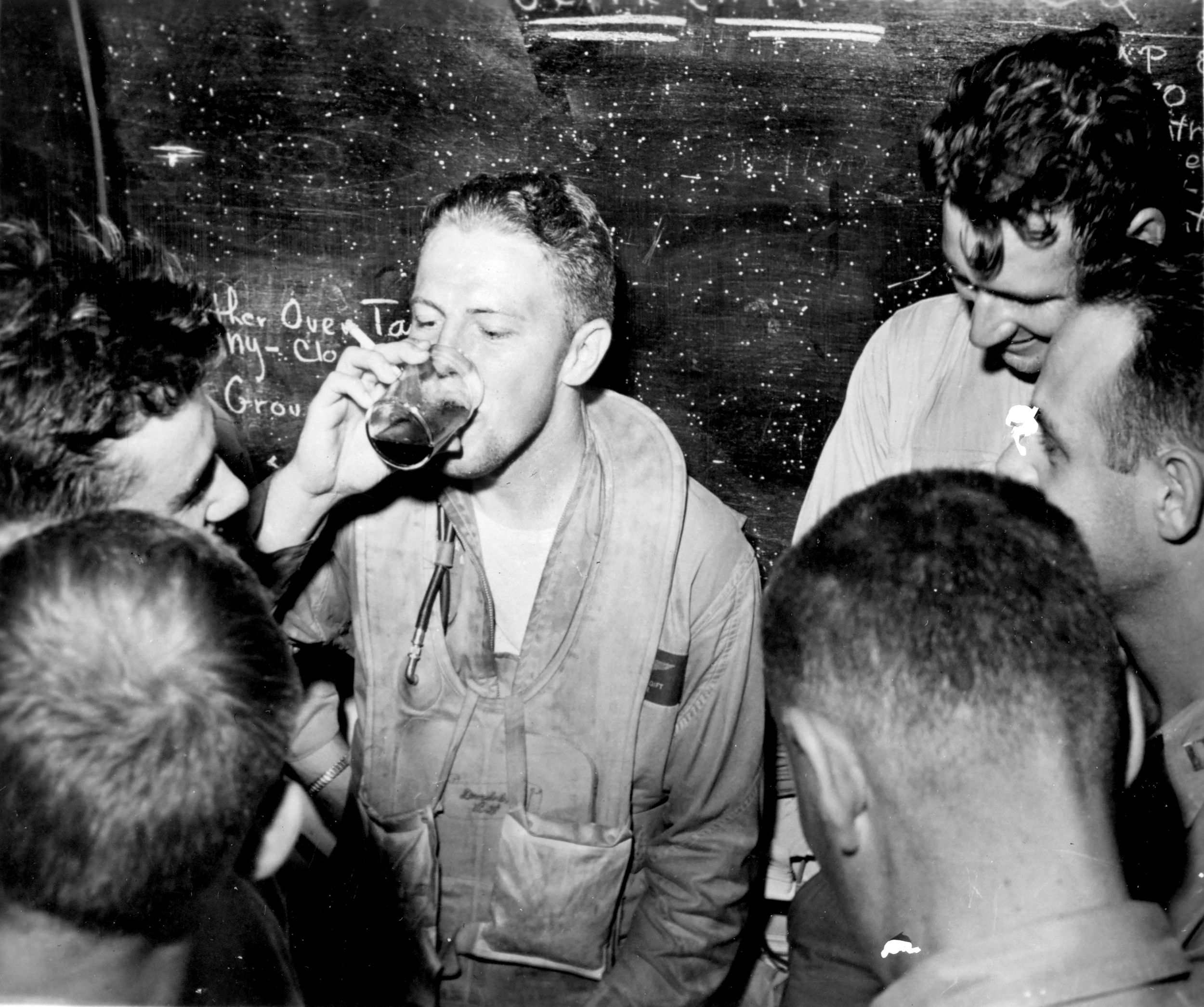
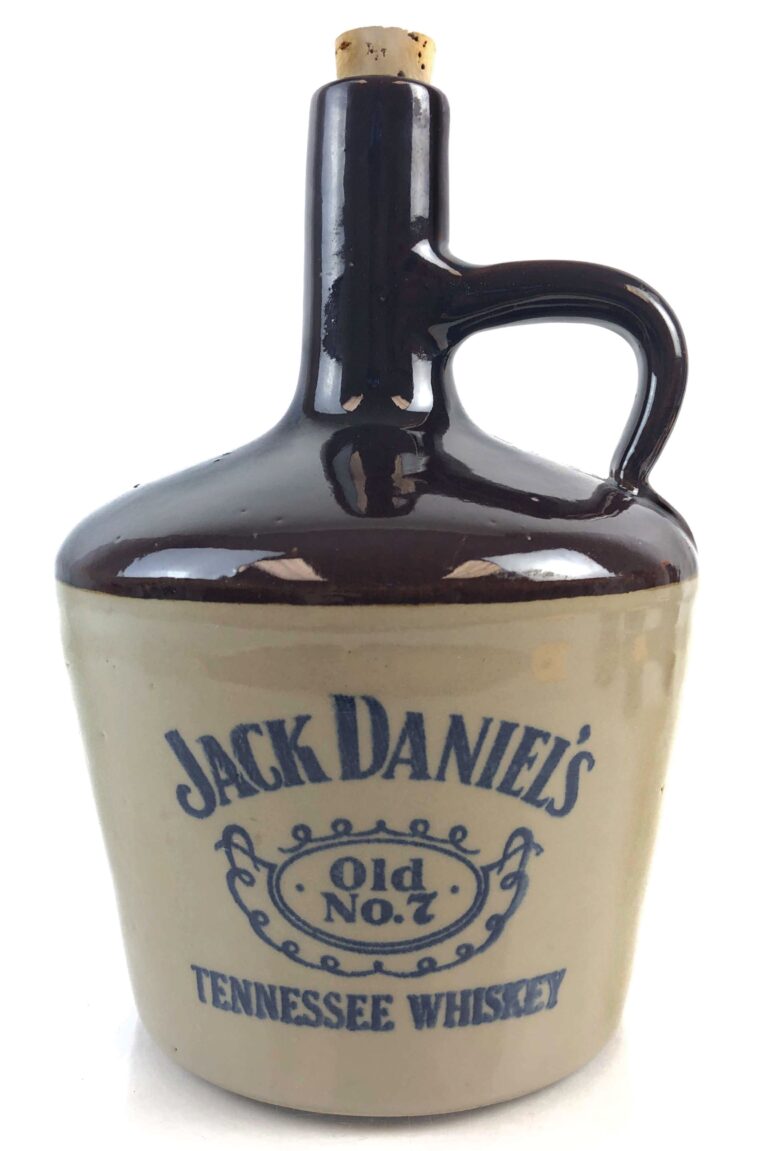
During World War II most distilleries had to convert their infrastructure to create industrial alcohol and as such whiskey was in limited supply. However, that did not stop the fighting men from doing everything they could to acquire bourbon and rye. In fact, whiskey remained so popular that the government increased the proof gallon tax by 200 percent, and by the war’s end this had generated more than $6 billion in revenue. Today whiskey remains one of the most popular beverages in post exchanges around the world.
In 1997 when Jack Daniels began selling its whiskey by the barrel the United States military became their biggest client. One barrel, weighing pounds, can fill 250 standard bottles. Every year the military purchases millions of dollars’ worth of whiskey to make sure that officers clubs, PXs, and bases all around the world have adequate access to whiskey. It is a testament to America’s military strength that even in far-flung corners of the globe, an American serviceman can still walk into a store on base and pick up a bottle of bourbon or rye just like he could at home. Despite the years gone by and the many changes made to the United states military one thing is clear, whiskey’s association with the American military is here to stay.
But how many service men and women suffered from alcoholism?