By David H. Lippman
The Japanese order read, “The offensive will start in Blitzkrieg style early in March … 31st Division will attack and occupy Kohima with its main force to hinder the reinforcement of the British-Indian Army.”
But the attack on Kohima, a saddle amid mountainous Indian jungles in Assam Province, on the Burmese (now Myanmar) border, would be no blitzkrieg. It would, however, see 64 days of the most vicious fighting of the Second World War and the campaign’s crisis point.
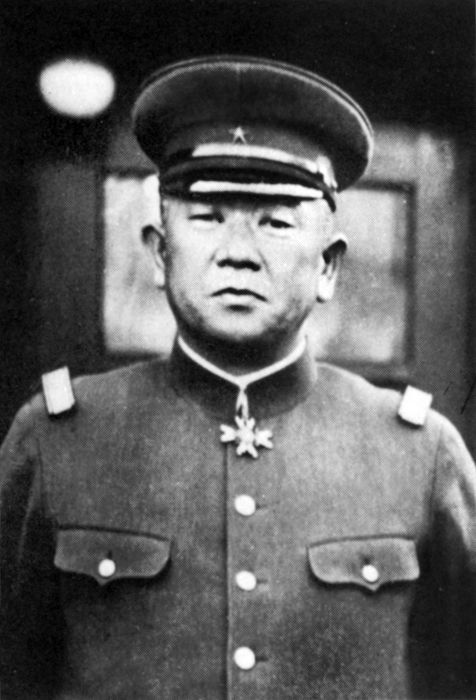
By March 1944, Japan needed a victory. Since the 1942 defeat at Midway, there had been nothing but bad news on all fronts for the Emperor. Driving into India, 15th Army commander Lt. Gen. Renya Mutaguchi argued to his bosses, could set off the Indian people in revolt against their British rulers, and put the subcontinent to flame. Explosive, angry, and a strict adherent of the Bushido code, Mutaguchi even dreamed of riding into Delhi on a white charger, leading the victory parade. The reality was his order to his army’s three divisions.
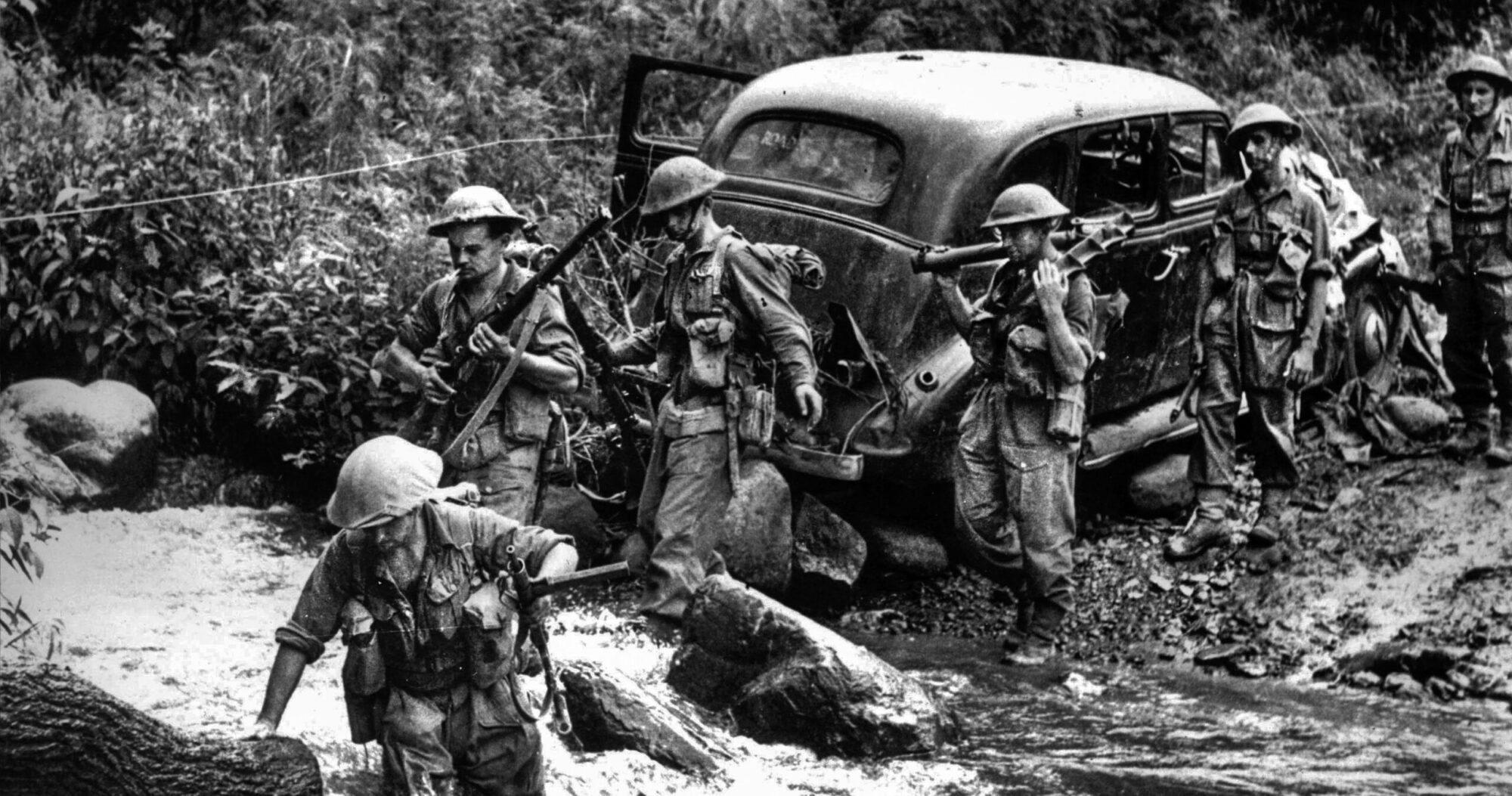
However, the Japanese idea of storming west into India had massive problems. Their army’s attitude to logistics was casual at best. In the dense Burmese jungles, that meant relying on hordes of oxen to carry everything. Despite the powerful rhetoric of Mutaguchi’s February “blitzkrieg” order, the 31st Division would not reach the approaches to Kohima until the end of March. And it would have to do so amid a dreadful jungle, filled with diseases, mosquitoes, venomous snakes, and deadly leeches. Those, at least, would affect both sides.
The British-Indian 14th Army, defending the Burmese border, suffered many of the same problems, but had the benefits of being part of an Allied system that stressed logistics. C-47 Dakota transport planes could deliver bully beef and Bren gun bullets to airstrips near the front or parachute the supplies directly. In addition, the British enjoyed air superiority.
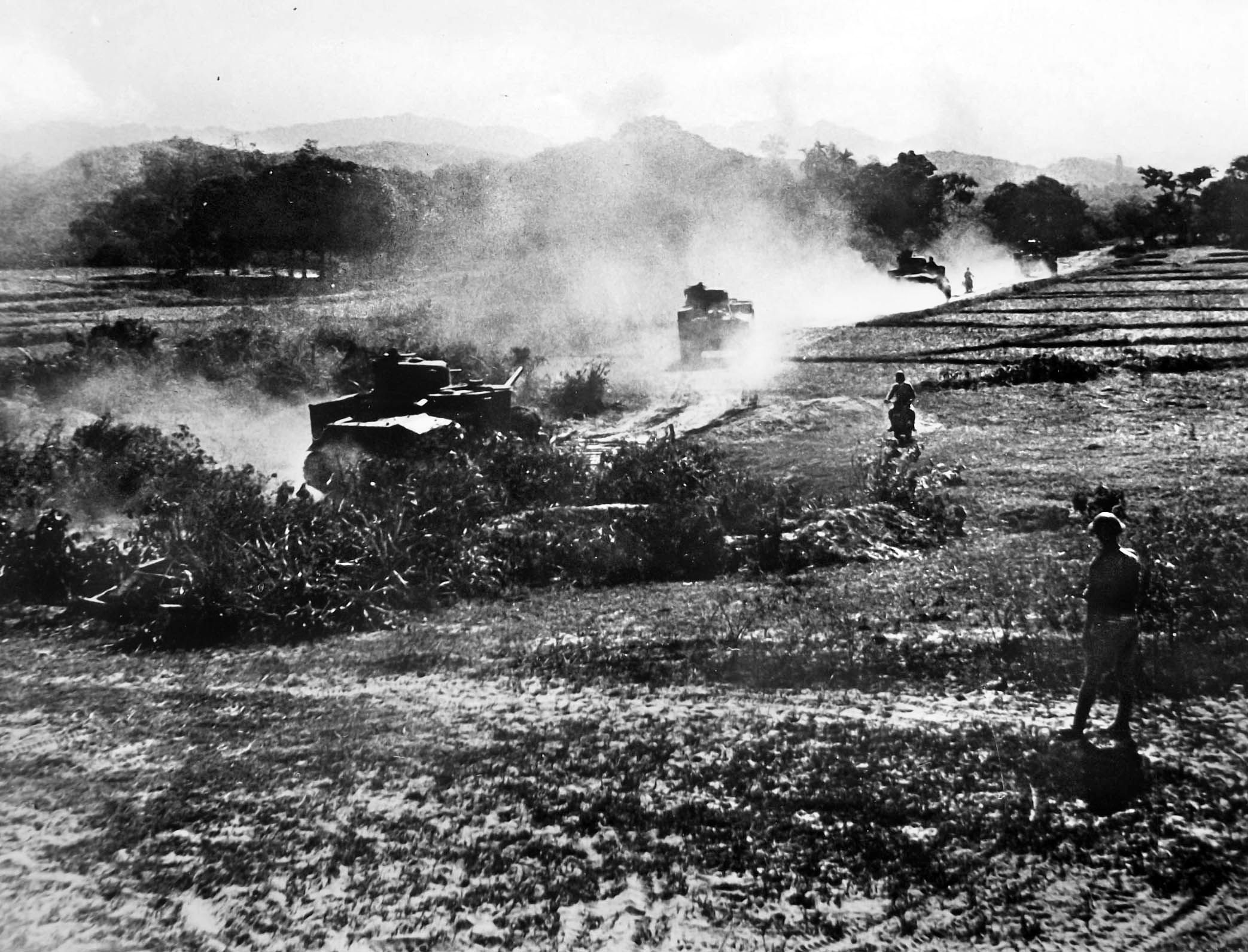
However, the 14th Army endured one great weakness: it was last in line at the Allied supply queue. Armored units relied on obsolete M3 Lee/Grant tanks—superior to the Japanese Type 95 Ha-Go—but 10 feet tall, making them obvious targets. Attack planes included “Hurri-bombers”—converted Hurricanes past their prime—and Vultee Vengeances. But the Japanese relied on the Nakajima Ki-43 Hayabusa “Oscar” developed by the Imperial Japanese Army.
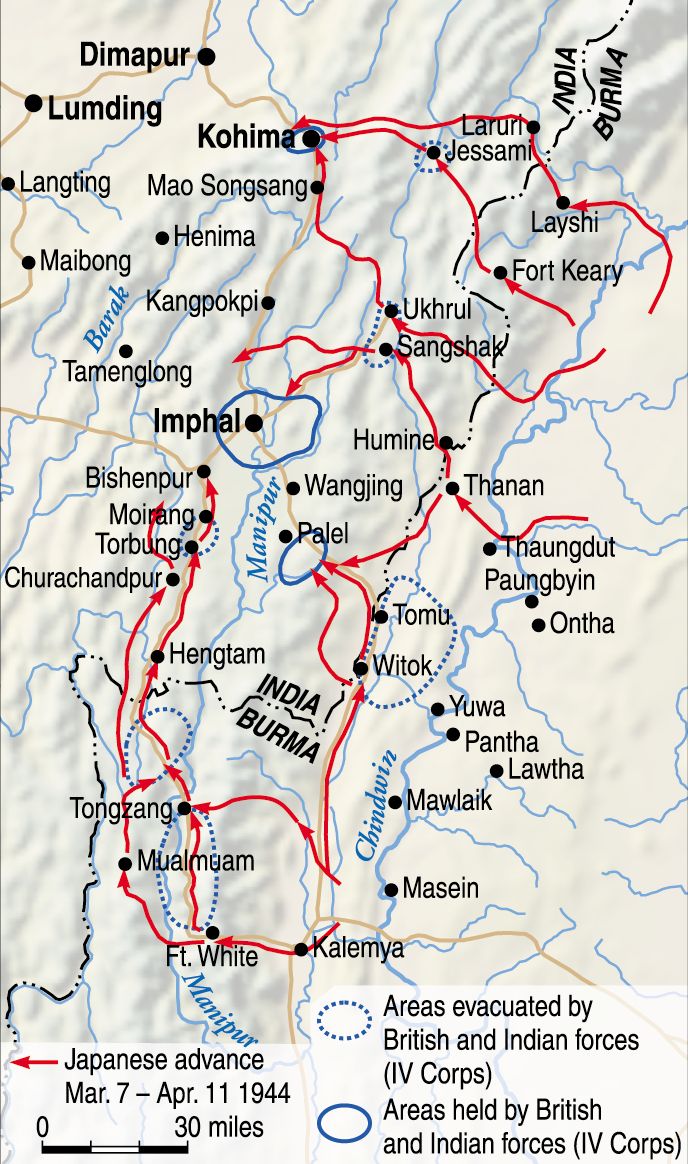
But one British advantage was superior intelligence. Between codebreaking efforts at the Far East Combined Bureau (FECB) initially out of Colombo/Kandy (Ceylon) and the Wireless Experimental Centre (WEC) in Delhi, India—and the Japanese habit of carrying important documents, including operational plans, on their person—the British knew the Japanese were headed for the city of Imphal, with the village of Kohima to its north designated as a blocking position to prevent British reinforcements from Dimapur.
The Japanese plan for Operation U-Go was simple enough: three divisions were to attack. Two would surround Imphal on its plain; the 31st, on the northern flank, under Lt. Gen. Kōtoku Satō, would surround Kohima, cutting off its defenders from their supply base at Dimapur. Satō was a man of limited combat experience and seems to have had limited enthusiasm for the assault.
Operation U-Go got down to business on March 8, with 31st Division heading up trails, followed by 5,000 oxen, intended as a 50-day food supply. On March 15, they crossed the Chindwin River.
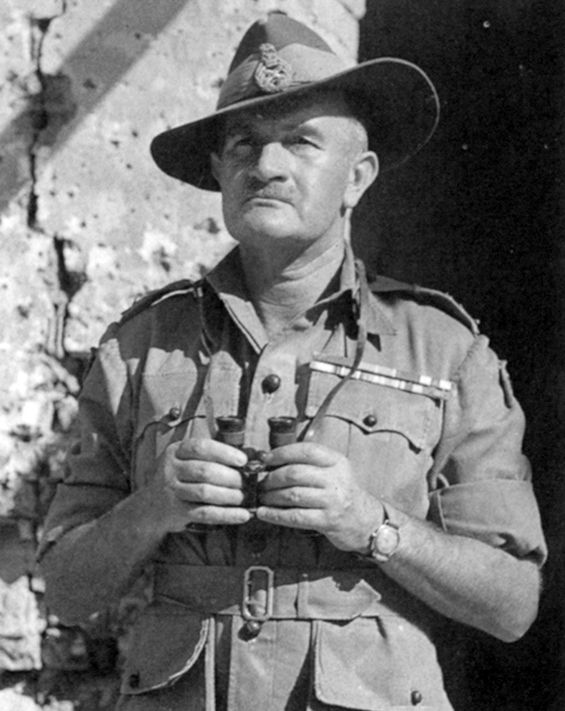
Kohima was defended by the paramilitary Assam Rifles and the Indian Army’s Assam Regiment, which together could not hold up against an entire Japanese infantry division. The two weary units lacked supplies, even barbed wire. General William Slim, who famously commanded his 14th Army in six languages, signalled Maj. Gen. John Grover, commanding the 2nd British Infantry Division, saying that contrary to previous promises, his forces would indeed need to fight in 1944, and do so at Kohima.
The 2nd Division was a veteran outfit, whose record of achievement dated back to Wellington’s forces in the Peninsular War. It had fought at Dunkirk and recently been shipped to India. The division’s assets were scattered all over the sub-continent. It would take time to assemble legendary regiments like the 1st Royal Scots, 1st Queen’s Own Cameron Highlanders, 1st Royal Welch Fusiliers, 2nd Royal Norfolks, 2nd Dorsetshires, 1st Royal Berkshires, 2nd Durham Light Infantry, 7th Worcestershires, and 1/8th Lancashire Fusiliers. However, they had not fought in or trained for jungle warfare.
But assembled they were, and meanwhile, Brig. Hugh Richards was assigned to hold Kohima until the 2nd Division arrived. He didn’t have much to work with: the Assam Regiment, the Assam Rifles, and the “odds and sods” that made up a field issue depot, 53rd Indian General Hospital patients, and a Field Supply Depot. Fortunately, the 2nd West Yorkshires showed up on March 24.
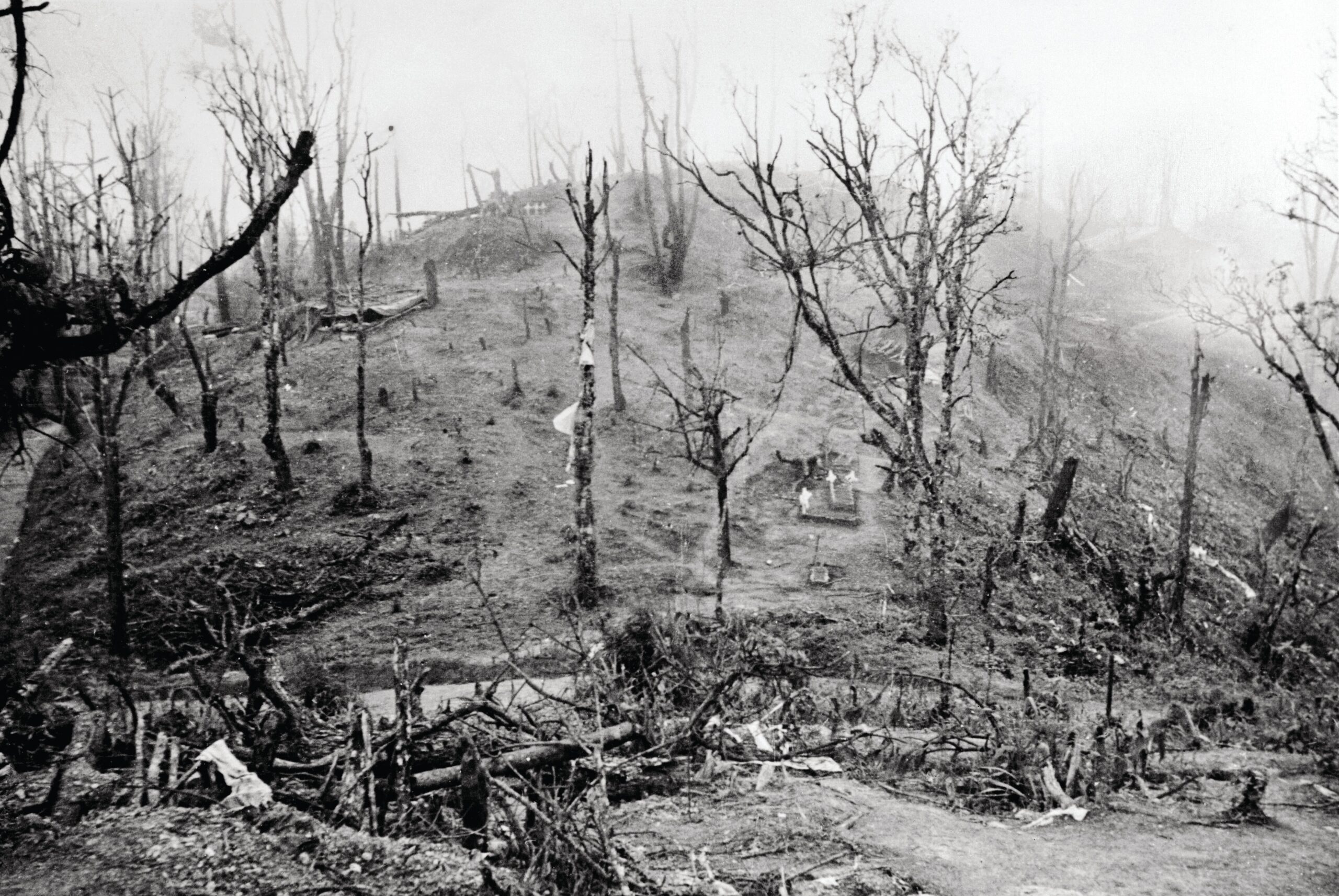
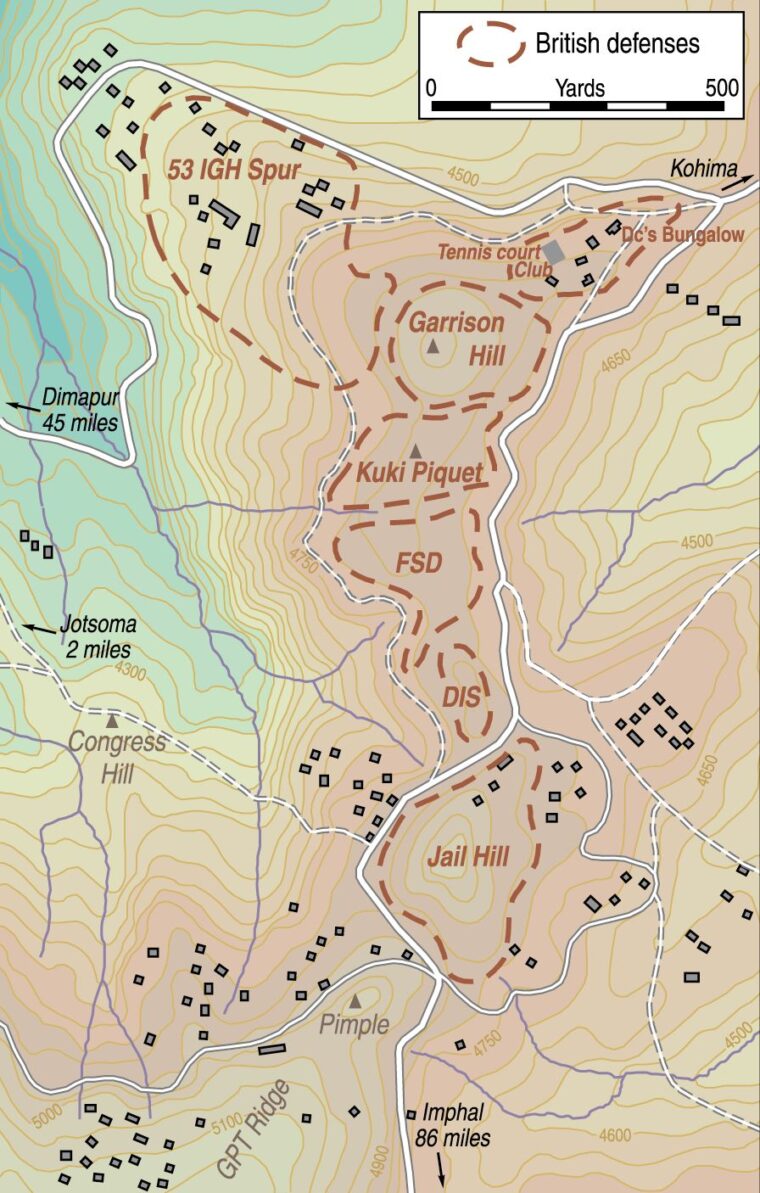
The Kohima hills were particularly suited for defense. The village of Naga tribesmen itself was in a 4,700-foot-high saddle between two ranges of higher hills. The lower hills included one with District Commissioner Charles Pawsey’s bungalow and tennis court. Pawsey would be a stalwart addition to the British defense, as he had developed good relations with the Naga. When he asked the tribesmen to provide carriers for supplies up and wounded soldiers down, women and children volunteered as well.
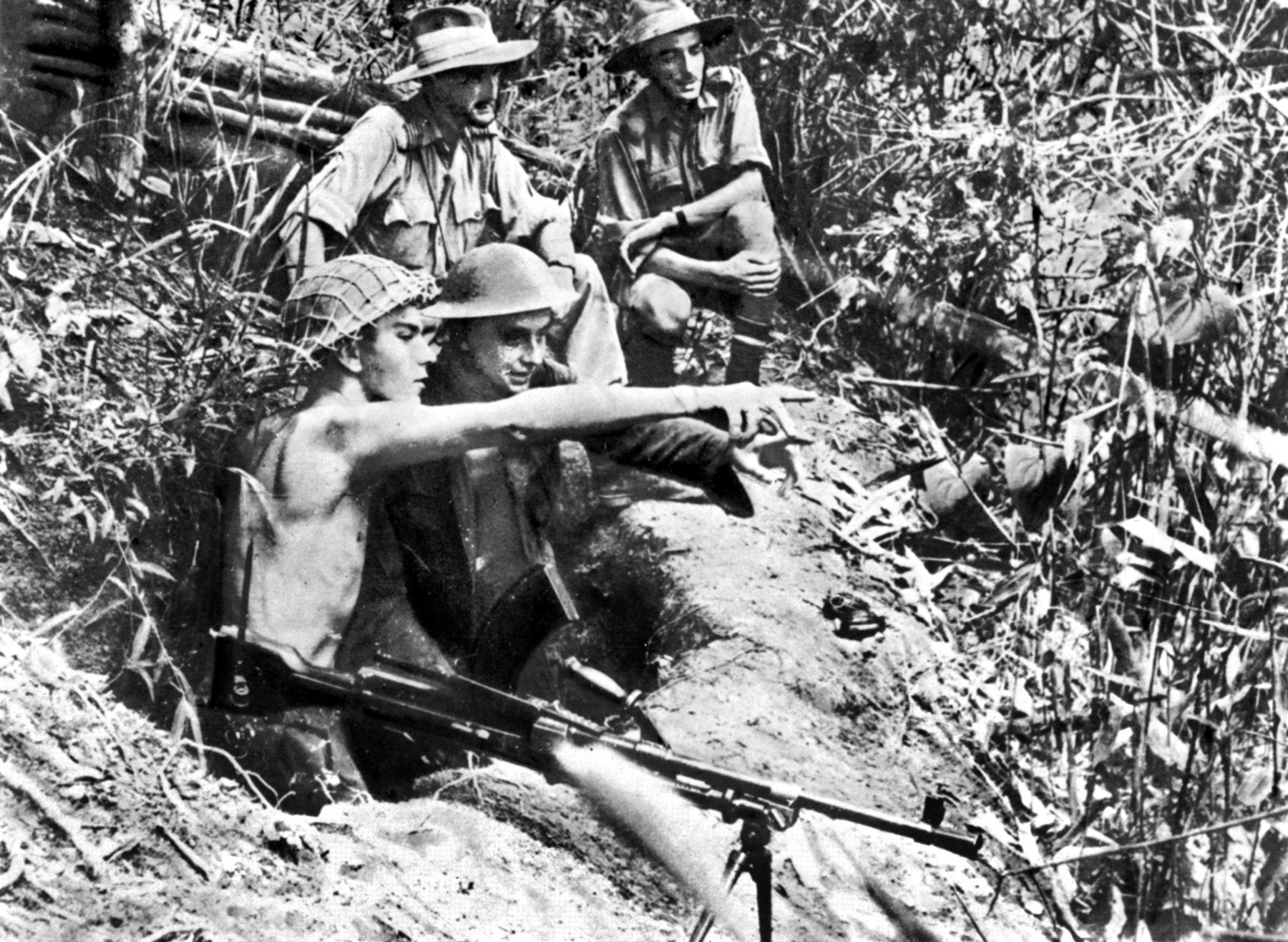
After being told to “fight to the last man and the last round,” the Assam Regiment faced the Japanese on March 28 at Jessami, ahead of Kohima. The Assams could not fight to the last man and last round, but held off the Japanese despite bombardment from mortars and mountain guns hauled up in portions by oxen. Capt. Peter Steyn of the Assam Regiment wrote, “Young and inexperienced sepoys were fighting like veterans; red-hot machine-gun barrels would be ripped off, regardless of burns suffered in the process, Japanese grenades and cracker bombs were picked up and thrown clear of the trenches with all the calmness in the world and there did not seem to be a man in the garrison afraid to carry out any task given him.”
The same day, Slim made important moves. Meeting with Brigadier “Daddy” Warren and Maj. Gen. Ranking, Slim put Ranking in charge of the defense of Kohima. With Slim’s approval, Ranking ordered Warren’s 161st Indian Brigade, part of the tough 5th “Ball of Fire” Indian Division, to head straight for Kohima. Like all Indian Army brigades, it consisted of a British battalion, the 4th Battalion, Queen’s Own Royal West Kent Regiment, and two Indian battalions, the 1/1st Punjabs and the 4/7th Rajputanas.
With the 161st Brigade driving into Kohima to assume defensive positions, the Assams no longer had to “fight to the last round and man.”

Now confusion crept in. The RAF saw what appeared to be a column of Japanese troops headed for the Dimapur railhead. If it fell, so would the supply link to the Burmese front and the efforts to build a road to China. Despite hard arguments by Richards and Pawsey, the 161st Brigade was pulled out and sent to Dimapur. This occurred even though Satō had no orders to advance past Kohima.
Fortunately, the 2nd Division arrived on April Fools’ Day, with Brig. Victor Hawkins’ 5th Brigade leading the way. But the muddle continued. When it was certain there was no threat to Dimapur, its 5th Brigade was sent back to Kohima.
The next day, the Kohima defenses became part of Lt. Gen. Sir Montagu Stopford’s 33rd Corps. British and Indian troops dug in with spades on Garrison Hill, FSD (Field Supply Depot), DIS (Daily Issue Store) Hill, GPT (General Purpose Transport Ridge), Kuki Piquet, and Jail Hill. Richards fretted over requirements and arrangements for water, food, ammunition, and supplies. Most of all, he worried about manpower. He had 1,500 men to face 12,000 Japanese.
The Japanese arrived at 4 a.m. on April 5, with the 58th Regiment moving into the Naga village north of Kohima.
Vicious fighting ensued, with the Japanese moving quickly through the jungle. They cut the water line to Kohima and shot up water storage tanks, which meant that the British defenders would soon depend on the supplies in their canteens and airdrops by USAAF and RAF transport planes.
The Japanese attacked on the 6th by day and night, forcing Richards to shorten his line. Both sides took harsh casualties.
The next day, the Royal West Kents counterattacked with energy and Short Magazine Lee-Enfield (SMLE) rifles, and 58th Regiment’s CO Maj. Shimanoe called the action a “crushing defeat,” noting the loss of young officers and NCOs.
Satō assured his subordinate that once the entire division was massed and the British fully surrounded, Kohima would fall in two days.
Mutaguchi saw his big chance. He could have Satō leave behind a small containment force at Kohima and move against Dimapur. That would cut off supplies being airlifted to China. But Gen. Masakazu Kawabe, who defended rigid thinking with a resplendent mustachio, vetoed the idea. Satō had to clean up Kohima first.
Satō’s failure to move against Dimapur impressed the canny Slim as a colossal act of stupidity. When RAF officers offered to bomb Satō’s Tac HQ, Slim responded in the negative. “I regarded their intended victim as one of my most helpful generals,” he said.
Meanwhile, the 2nd Division trained on jungle warfare the hard way, fighting down the road from Dimapur to the town of Zubza. On April 11, 2nd Division attacked the Japanese there and were roughly handled. Grover realized he had to bring up his mountain guns to win the battle.
At Kohima, Japanese artillery flattened trees, ripped through water pipes, and made daylight movement impossible. British troops got by on one pint of water per day. Lance Corporal John Harman of the West Kents made a single-handed attack on a Japanese machine-gun position on a hill with a rifle and bayonet. He killed all five Japanese and held their Nambu machine-gun over his head to inspire his buddies. He then walked back toward British lines, to show his contempt for the enemy, and was shot by a Japanese sniper. His last words were “I got the lot—it was worth it.” His act of valor earned him a posthumous Victoria Cross. The medal is displayed at the Queen’s Own Royal West Kent Regiment Museum in Maidstone, Kent.
Harman was the son of millionaire Martin Coles Harman, owner of Lundy Island, who issued private postage stamps for it, as the British General Post Office did not serve the island. They are still issued, and one issue honored John Harman and his VC.
Most of the 161st Brigade had not reached Kohima, and they were dug in, surrounded, at Jotsoma, between Zubza and Kohima. They held until the 14th, when Grover’s artillerymen rained 1,500 shells on Zubza, and the Camerons attacked. It took them an hour to wipe out the Japanese position and drive on to Jotsoma.
However, Kohima was still suffering. On April 13, “Black 13th” to the defenders, nearly everything had run out. RAF and USAAF paradrops kept missing the target. The 161st Brigade received mortar ammunition it did not need. Kohima received the 161st’s artillery rounds, despite having no artillery. The Japanese got the bully beef and Spam, which they desperately needed, and mortar rounds, which they turned on their former owners. One mortar hit killed two of the garrison’s three doctors and killed or wounded 40 patients. Water, dropped in inner tubes, also missed the target. The Japanese attacked and finally took a ridge southwest of Kohima.
The Royal West Kents fought tight battles on FSD, under the light of burning huts and phosphorus bombs. Trenches were lined with Indian, Japanese, and British dead. The Japanese took FSD and Kuki Piquet. Richards, inspecting the positions on April 17, knew his men could not hold for more than 12 hours.
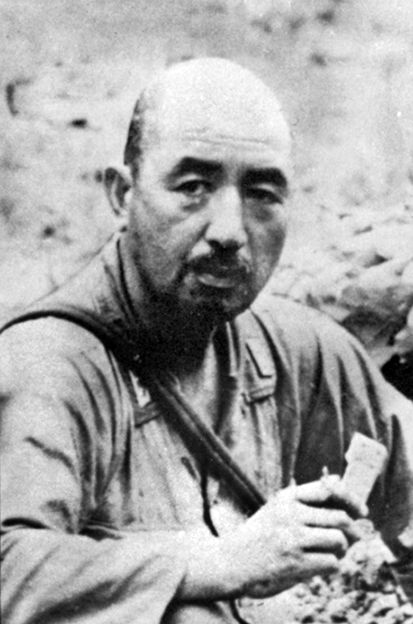
Aware of this, Grover ordered his division to relieve Kohima on April 18, swinging round on the right flank to dominate the village from the higher hills. At the same time, Satō met with Maj. Gen. Miyazaki, who commanded all his infantry, and discussed an order from Mutaguchi to send a regiment to the Imphal battle, where things were not going according to plan.
Satō ordered more efforts to attack the Dimapur road, making their line of communication their front.
But it was too late to surround Kohima. That day, the entire 2nd Division artillery pounded the Dimapur road, and the 1/1st Punjab, backed by tanks, broke the siege, in the proverbial nick of time. The garrison had suffered 600 casualties in its ordeal.
The relief crew were horrified by what they found. “The ground everywhere was plowed up with shellfire,” wrote artilleryman Maj. John Nettlefield. “Human remains lay rotting as the battle raged over them. Flies swarmed everywhere and multiplied with incredible speed. Men retched as they dug in. The stink hung in the air and permeated one’s clothing and hair.”
Yet the battle was far from over. Satō still believed he could take Garrison Hill and cut the road to Imphal at Kohima. He hurled his men into attack after attack, by day and night.The latter attacks were often preceded by English-speaking Japanese troops shouting, “Hi, Johnny, let me through, let me through, the Japanese are after me!” The British were unimpressed by this old trick, and greeted it with both gunfire and ridicule.
As the 161st Brigade and 2nd Division took over, the Assam units, West Kents, and other “odds and sods” who had held the ground withdrew in 2½-ton trucks, for a well-earned rest. Richards himself was the last man out.
The siege—the first phase of the battle—was over, but the road to Imphal still needed to be opened.
On April 20, a Cameron subaltern named Carbonnel shot a Japanese sergeant major. With the typical casual attitude the Japanese had about field security, he carried Mutaguchi’s signal ordering Satō to send a regiment to Imphal.
The message rocketed up the British chain of command to Slim, who ordered maximum pressure on Satō’s division, correctly saying that if Satō could not obey Mutaguchi’s order—for reasons beyond his control—it would help relieve the stress at Imphal.
British historian Arthur Swinson called it “one of the wisest decisions made by Slim in his entire career, for Satō did exactly as he wished.”
On the night of April 22/23, 2nd Division’s 5th Brigade marched in single file into the deep valley of the Dzuza River, then up the Meremea Ridge, amid a drenching five-hour rain. The Japanese did not spot them.
The Japanese did, however, launch one last bid to capture Garrison Hill, with heavy gun and mortar fire from the entire division. The Royal Berkshires and 2nd Durhams withstood this barrage. The Japanese bombardment set off an ammo dump. Fires raged to the treetops. As the Japanese attacked up the hill, they were outlined by the blazes, and became easy targets for the Tommies.
The Japanese used spring-launched grenades (so-called “knee mortars”) against the British, but the Tommies held their ground, so close to the Japanese they could hear their officers and NCOs shrieking orders to their men. The Durhams made a successful counterattack, ending the Japanese assault. The Durhams lost 15 officers and more than 100 men, but Japanese losses were greater, the equivalent of four companies dead and wounded.
When the battle was over, Satō told his intelligence officer, Lieutenant Colonel Yamaki, “We’re losing so many troops this way that before long we’ll be too thin on the ground to achieve anything.” The division would revert to a defensive role, fighting to keep the road to Imphal closed.
Having broken the blockade through the left, Grover now wanted an attack on the right. This meant going around the back of Mt. Pulebadze, a 7,522-ft jungle-clad peak two miles to the southwest of Kohima. The Nagas warned that the terrain was so bad that if it rained, it would be impossible to keep moving. But Grover believed that if his men got around the Japanese, they might pull back, rather than starve.
Brigadier Willie Goschen’s 4th Brigade got the job, with Lieutenant Colonel Robert Scott’s 1st Royal Norfolks leading. On April 27, as the Nagas warned, the skies split open. Tracks became deep in mud, nobody could move, but everybody caught dysentery.
On the left flank, the 5th Brigade’s 2nd Dorsets began attacking the Deputy Commissioner’s bungalow, and the tennis court adjacent to it, but heavily fortified and defended by the Japanese. “The Battle of the Tennis Court” would last for weeks, with the British holding the east baseline, the Japanese the west. Both sides hurled grenades across the tennis court in a bizarre imitation of the game.
Despite the rain and ailments, 4th Brigade plodded on. On the 29th, it entered a valley so deep and thick the sun never entered it. “There were among the giant trees rank shrubs with glaucous leaves so thick on the ground that it was hard for a man to move about,” wrote a Royal Scots officer.
While the British and Japanese soldiers endured and fought, Japanese leaders bickered. When Satō captured Kohima, Mutaguchi congratulated his subordinate. Satō wrote back, “It is not your congratulations we want, but food and ammunition.” On April 20, Satō fired off, “We captured Kohima in three weeks. How about Imphal?” Mutaguchi answered, “Probable date for capture of Imphal is April 29.” When that did not happen, Satō messaged on April 30, “31st Division at the limit of its endurance. When are you going to destroy Imphal?” No answer.
The Allies had their problems, too. The United States wanted its transport planes back for other assignments. It took warnings from Southeast Asia Commander Adm. Lord Louis Mountbatten to Prime Minister Winston Churchill to keep the planes in Burma.
The 2nd Division pressed the offensive, doing so on two axes. The 5th Brigade attacked from the northwest and freed the Naga village from the Japanese. They were unable to take Church Knoll and Hunter Hill.
On the right flank, Col. Robert Scott led his 1st Royal Norfolks into battle to take GPT. Lugging a sackful of hand grenades, the determined Scott swung around the right flank, intent on taking the hill before the artillery could hit it and create craters and foxholes for the Japanese to defend. He led his men on a bayonet charge that took the entire ridge. Leading from the front, Scott suffered severe wounds and had to be evacuated.
“We had to climb up one after another of three ridges, and it was very, very exhausting,” said Lt. Sam Horner of the Norfolks.
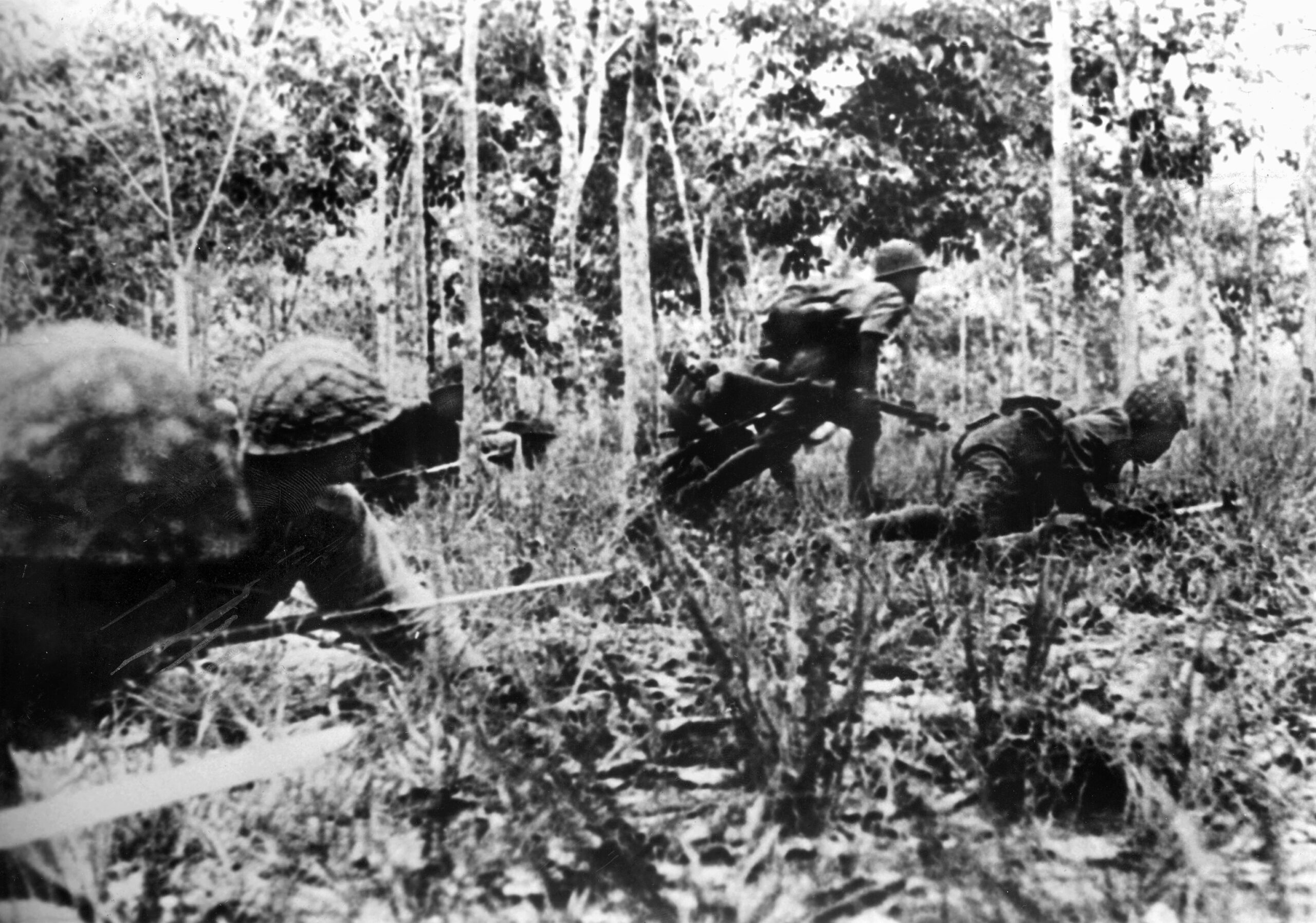
Once he had done so, he summoned his signaller and had the following conversation with division:
Scott: “I am on GPT and am consolidating.”
Amazed staff officer: “But you can’t be on GPT. You haven’t seen the fire plan yet.”
Scott: “I am, I tell you. You had better send someone up to see.”
The Norfolks could not take the Japanese bunkers on GPT, and neither could the rest of the 6th Brigade in their attacks.
Slim reinforced the Kohima counterattack with the 33rd Infantry Brigade, under Brig. Loftus Tottenham, part of the 7th Indian Division. Consisting of the 1st West Surreys, 4/15th Punjab, and 4/1st Gurkhas, they were recovering from the stressful Arakan campaign.
As the brigade joined the battle, Tottenham recognized that his right flank would be exposed to heavy Japanese fire from the reverse slopes of GPT Ridge. He needed it cleared. The 4th Brigade got the job.
The 1st Royal Norfolks led the attack on GPT (General Purpose Transport) Ridge on May 4, with Capt. John N. Randle dashing forward to capture one of the interlocking bunkers holding the British back. Randle blocked an aperture with his own body, taking the bullets himself and earning a posthumous Victoria Cross. The medal is today on display at the Imperial War Museum in London.
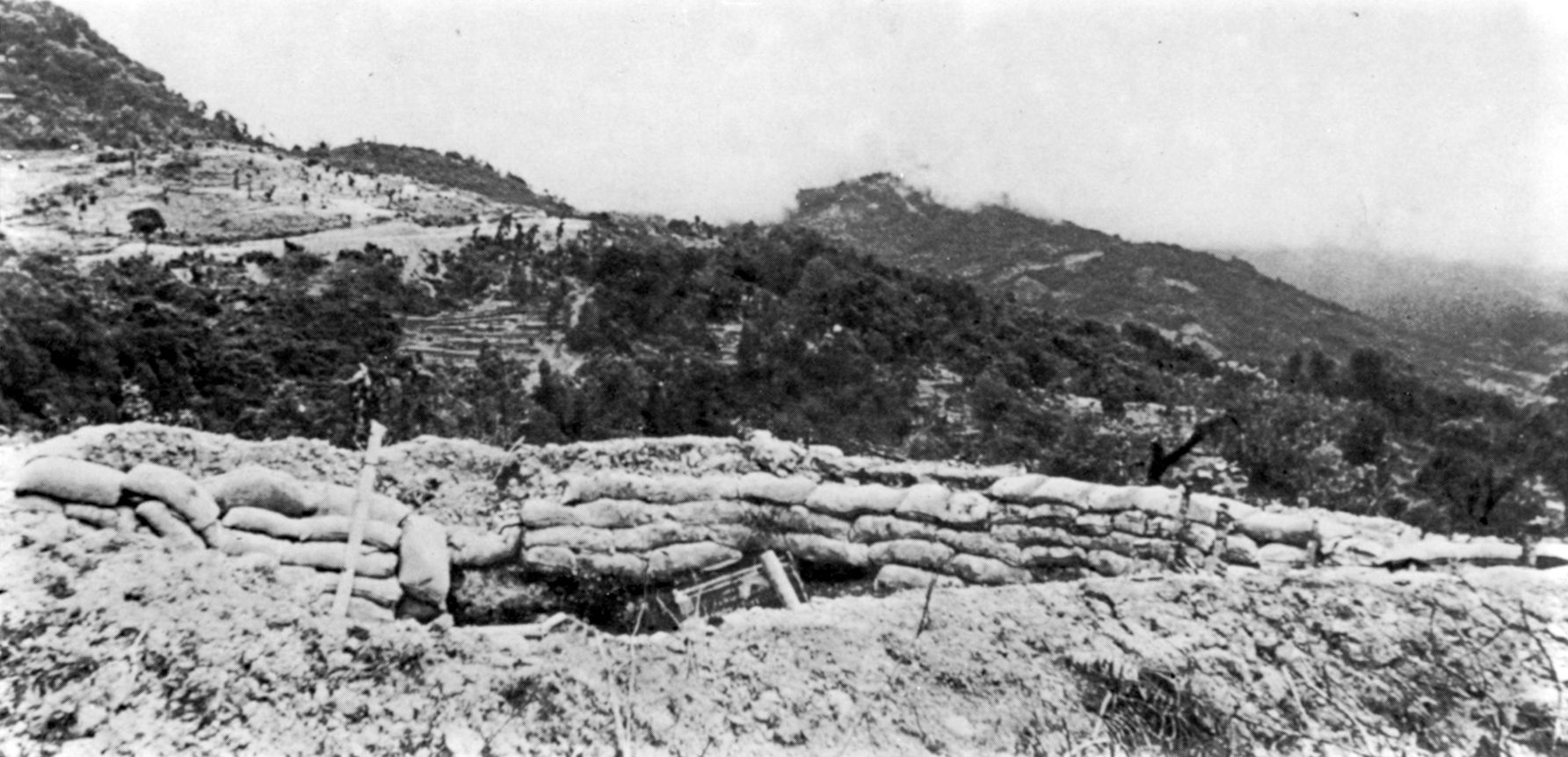
Even so, little progress was made against the heavily fortified ridge, requiring another attempt with new units, including the Queen’s, the Gurkhas, and the Royal Scots. Drenching rain thundered over the miserable battlefield, and the troops on the hills got little rest.
At dawn on May 6, the 4/1st Gurkha Rifles attacked under a blistering hail of Japanese Nambu machine-gun fire, and their commanding officer, Lt. Col. F. R. C. Hedderwick, was killed in action. Moving forward to bring back his body and reconnoiter the forward positions, Brig. Willie Goschen and his batman were both killed in the heavy crossfire. Seeing the assault stall, a 4th Brigade officer ordered the surviving Gurkhas to pull back.
Nobody passed news of the local withdrawal up to Maj. Gen. Grover, who sent in Brig. Loftus Tottenham’s 33rd Indian Infantry Brigade as planned. Division artillery rained steel down on Jail Hill for 25 minutes, shaking the earth, wrecking trees, and killing Japanese defenders. But when the Queen’s moved forward, Tottenham’s worst fears were realized: the Japanese still held their reverse-slope positions, blazing away with Arisaka rifles, machine guns, and a highly accurate 75-mm mountain gun. It was a bitter defeat, and at 3 p.m. Tottenham ordered a withdrawal under cover of smoke. Over the next three days, the 2nd Division and its cohorts struggled to shift the Japanese, with no success; it seemed impossible to break the enemy.
Yet the Japanese were facing massive problems of their own. Lt. Gen. Satō had been promised 250 tons of food and ammunition by April 8, but none had arrived. Going over Lt. Gen. Mutaguchi’s head, Satō begged Gen. Kawabe for supplies. Kawabe slapped Satō down, passing the message to Mutaguchi, who warned Satō in clear terms never to go over his head again. Instead, a defiant Satō issued an Order of the Day to his men: “You will fight to the death. When you are killed, you will fight on with your spirit.”
On May 11, the Queen’s and Punjabis lugged their .303-caliber SMLE rifles and Bren guns into the attack on Jail Hill and DIS. The artillery barrage began at 4:40 a.m., and twenty minutes later British and Indian troops rushed the Japanese bunkers. Once again, Japanese guns on the reverse slope of GPT Ridge caught the Queen’s from the flank, and catastrophe loomed. But the attackers charged on, securing the summits by 6:00 a.m. before turning their assault on the bunkers below.
Major Lowry’s company led the way under a screen of smoke. Leading a small group forward, Lowry hurled grenades. “It was the nearest thing to a snowball fight that could be imagined,” he later wrote. “The air became thick with grenades, both theirs and ours, and we were all scurrying about, trying to avoid them as they burst. This duel appeared to go on non-stop. For an unreckonable time.”
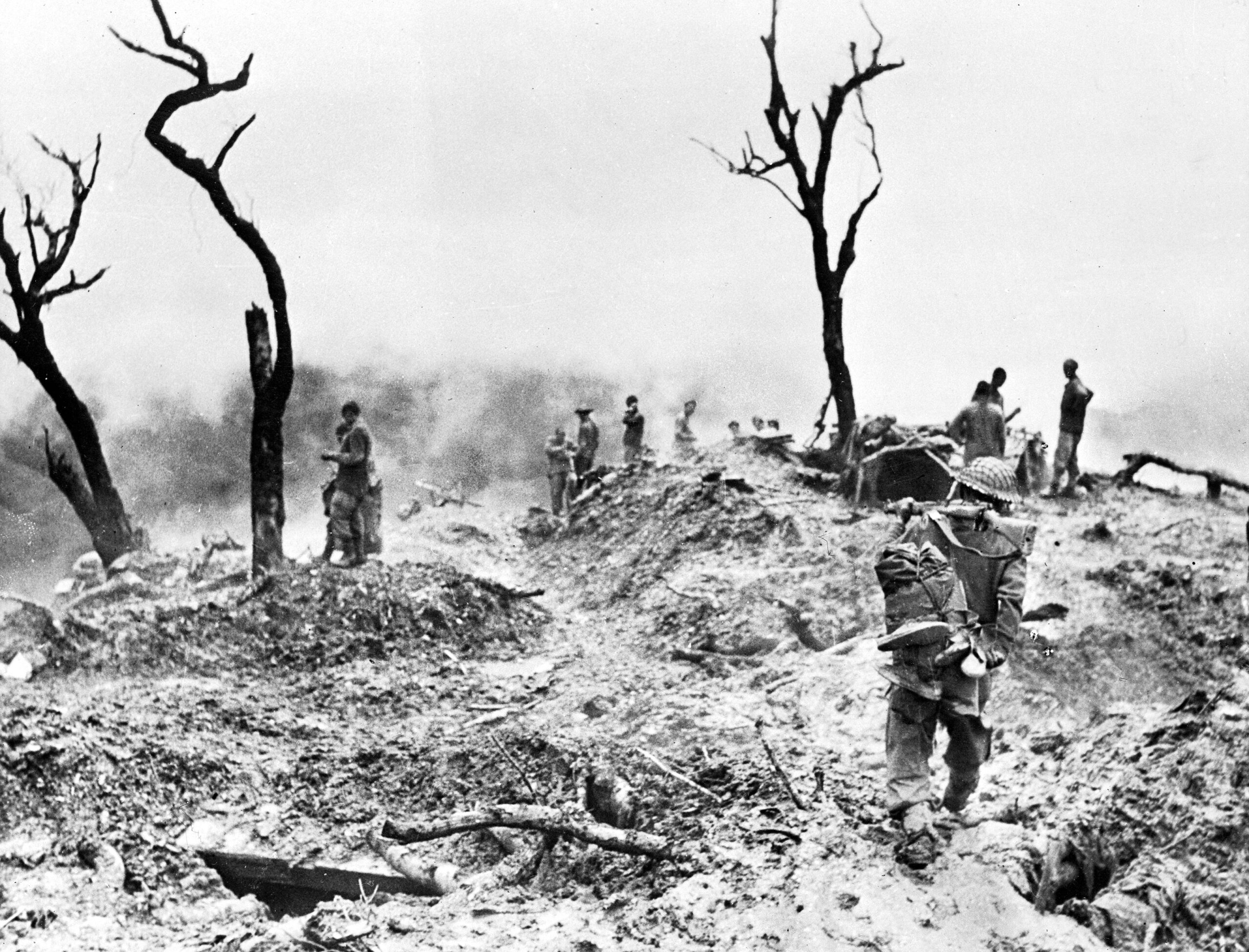
Driving rain and low clouds soon replaced the smoke, putting Japanese snipers out of business. On DIS, the Punjabis went into action to the sound of their drums and pipes—dhols and saranais—playing “The Wounded Heart.” The psychological boost was vital for the grueling fight. As Maj. Arthur Marment recalled: “It was extremely difficult… we were being hit from FSD and Jail Hill and had taken 130 casualties. It was impossible to move because snipers seemed to be everywhere, and we could not make much impression on the main bunker… We were digging with our hands, grabbing every tin to fill, and getting as tight to the ground as we possibly could.”
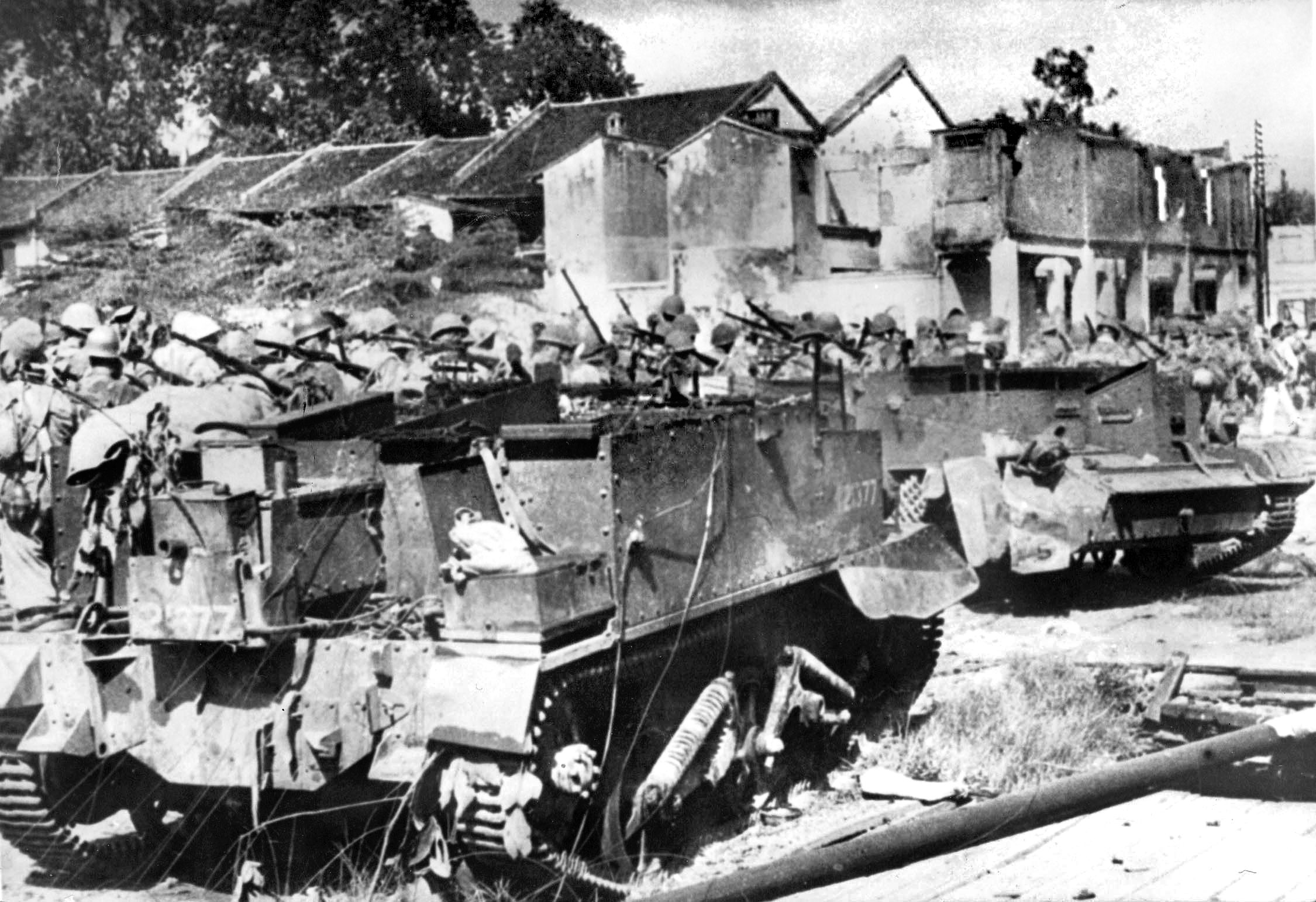
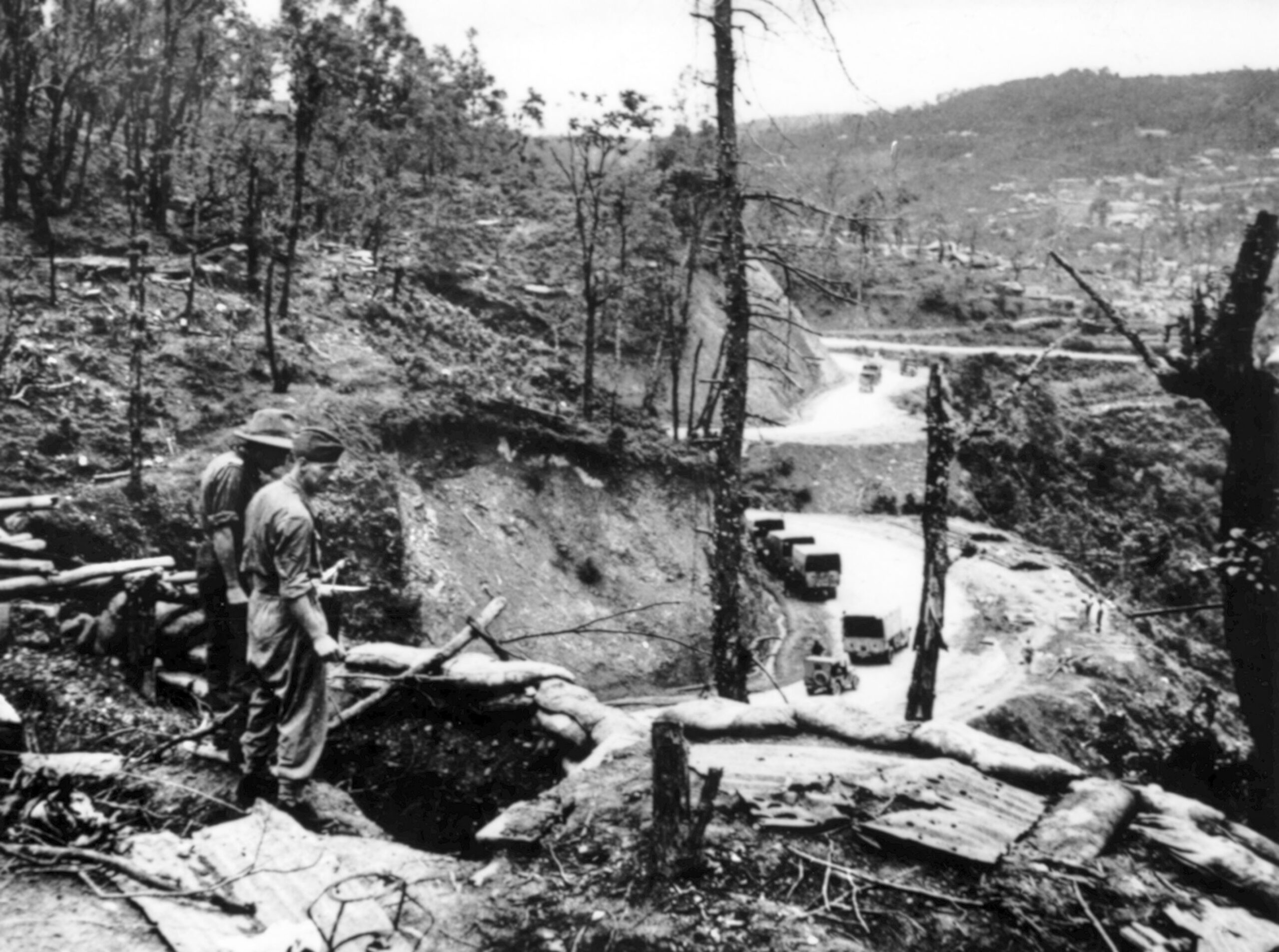
Rain poured down that night, followed by low-hanging clouds on May 12. Facing another day of humidity, leeches, and machine-gun fire, the troops were cheered by the clatter of 149th Royal Armoured Corps’ M3 Lee medium tanks trundling around the back of Garrison Hill. Standing ten feet tall, these rivet-hulled monsters carried a 75-mm gun in the hull. While vulnerable to heavy anti-tank weapons like Germany’s PaK 88 in Europe, the Japanese in Burma lacked artillery capable of blasting open a Lee, and the tanks went to work tearing open the enemy bunkers. Allied infantry lay flat on their stomachs just fifteen yards ahead as tank shells whistled overhead. At 3:00 p.m., supported by the Lees, the Royal Berkshires and 4/15th Punjabis cleared both DIS and FSD.
Inspecting the positions they had fought weeks to capture, the troops marveled at the Japanese defenses, including an underground battalion headquarters “as big as a cathedral,” three captured field guns, and eighteen machine guns. The ground was littered with enemy dead; there were no prisoners, as each Japanese soldier had fought until killed.
Next morning, May 13, British troops peered through field glasses and binoculars at the sight of Japanese forces pulling off Jail Hill and the Treasury. Probing forward, the Royal Welch Fusiliers found Kuki Piquet unoccupied, while the 4/15th Punjabis found the same at DIS. The Japanese had pulled back everywhere except around the Deputy Commissioner’s bungalow and tennis court, where the fighting raged on.
The Dorsets were fighting that battle now, as they had been for days. The British could not bring up tanks, because of the terrain, and the Japanese had superior interlocking fields of fire.
The Royal Engineers decided to break out the bulldozers and shove a track straight up Hospital Hill Spur, which succeeded—somehow a Lee tank made it to the top. It was to establish itself on the northeastern corner of the tennis court, give covering fire for the infantry, and the Dorsets would move round and attack the Japanese positions.
Under its commander, Sgt. Waterhouse, the tank negotiated the track and hill to its assigned position. With the tank’s tracks on the still-visible baseline, Waterhouse swung it round until it faced the bunkers with its 75mm gun and opened fire. Brandishing bayonets, samurai swords, and Bushido courage, the Japanese emerged from their positions and ran downhill.
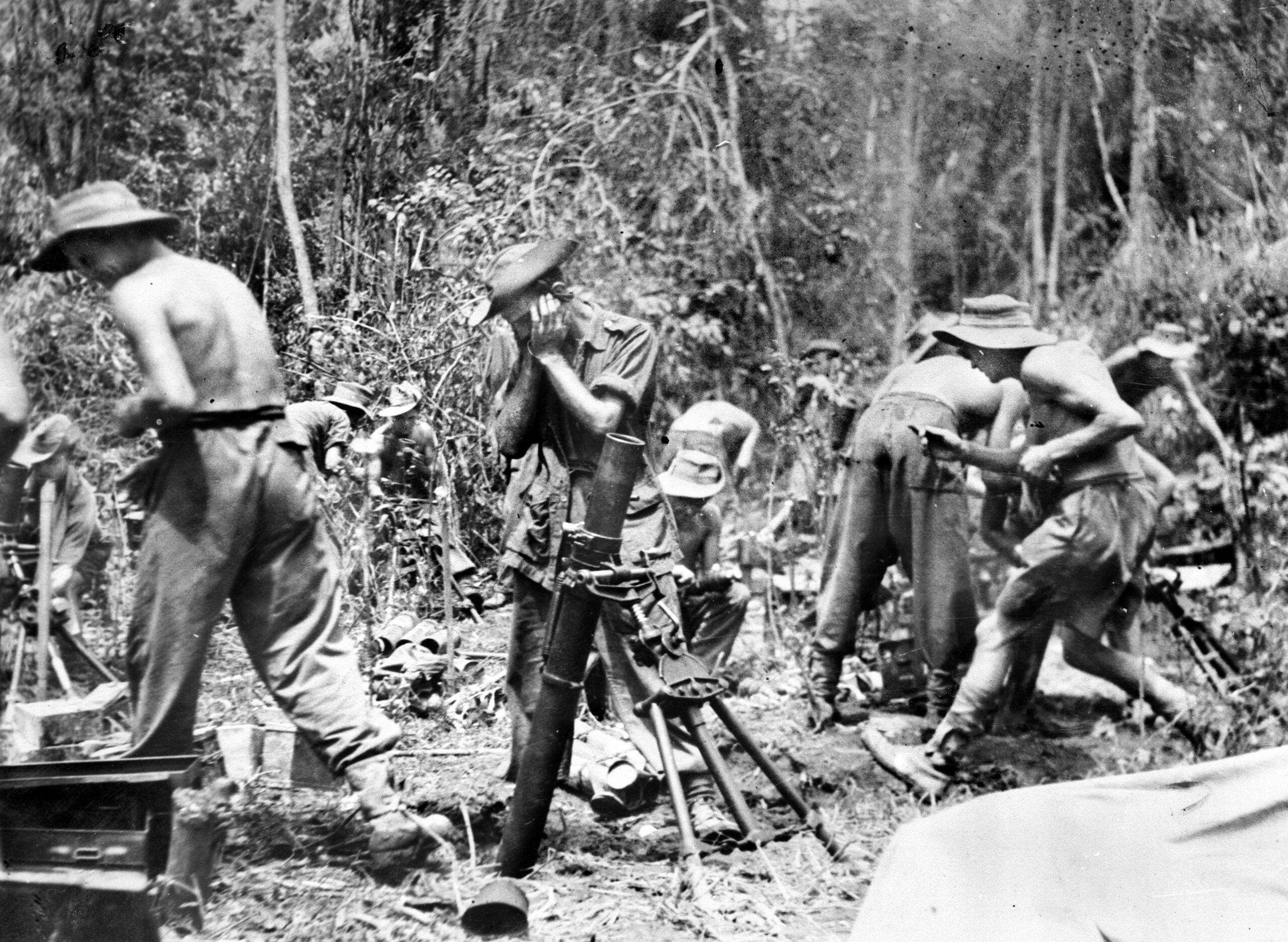
This was what the Dorsets had been waiting for. With the Japanese out from their positions, the Dorsets could charge back into them. Waterhouse’s tank went on blasting the bunkers, killing all inside and destroying their guns.
A Dorset company commander, Major Chettle, showed his own toughness, by going around the outlying bunkers with pole-charges, fuses set at four seconds, exploding bunkers. Soon none were left.
Satō signaled Mutaguchi, describing his heavy casualties and inability to hold back the British: “Because of the rain and starvation there is no time. Decided this division, accompanying the sick and wounded, should move to a point where it can receive supplies.”
Mutaguchi signaled back, “It is very difficult to understand why your division should evacuate under the pretext of supply difficulties, forgetting its brilliant services. Maintain the present position for 10 days. Within 10 days I shall take Imphal and reward you for your services. A resolute will makes the Gods give way.”
Satō didn’t believe it, but he hung on anyway, defending Church Knoll to the north and Aradura Spur to the south. He also had good positions on Gun Spur, Dyer Hill, Big Tree Hill and other pinnacles. The road to Imphal was still closed.
Satō still also had field artillery. On May 15, the Camerons attacked Hunter’s Hill and were thrown back by a company from the 58th Regiment and Japanese artillery. The Worcesters tried again four days later, and were also thrown back.
Recognizing that the 2nd Division had taken heavy losses and needed support, Gen. Frank Messervy, commanding the 7th Indian Division, suggested that his veteran outfit take over the left flank and enable the 2nd to concentrate on the right.
The 7th Indian Division ordered RAF support, and Australian Vengeance dive-bombers and British Hurri-bombers hammered the defenses on Hunter’s Hill and Church Knoll on the 24th and 25th. It seemed nothing could survive on the hills. But when the 4/15th Punjabis attacked, Japanese Nambu and Arisaka fire rained down on them, and “this magnificent battalion experienced one of the most bitter reverses in its history,” as historian Arthur Swinson wrote.
The 2nd Division didn’t do much better on Aradura, either. The Royal Welch Fusiliers were caught in an ambush. The Royal Norfolks and Royal Scots bogged down in heavy jungles and heavier mud. Days of rain made life miserable for both sides. Nobody had dry clothes or hot meals, but everybody had dysentery.
Morale was low on both sides, too. The Japanese were short of food, the British frustrated by their inability to break through. They had tried everything: mortars, tanks, artillery, airstrikes, and flamethrowers. Nothing had worked.
On May 25, Loftus Tottenham told Derek Horsford, now commanding the 33rd Brigade’s 4/1st Gurkhas, that it was his turn to attack Hunter’s Hill. Horsford had a better idea than a head-on attack. He proposed night infiltration on a couple of small pimples named False Crest and Nose. From there he could take the Japanese position without a frontal attack but with the Gurkha expertise of close-in combat. The maneuver worked and Horsford’s Nepalese seized their objectives almost without casualties. On June 1, three Lee tanks joined the Gurkhas.
Meanwhile, the Queen’s moved onto Church Knoll and found it unoccupied. Warren’s 161st Brigade moved across hills. What was happening to the determined Japanese defense?
The answer had come on May 27. That day, Satō signaled Maj. Gen. Noburo Tazoe of 5th Air Division: “Since leaving the Chindwin, we have not received one bullet from you, nor one grain of rice. We are still under attack by the enemy. Please send us food by plane.” No answer.
On May 30, Satō messaged Mutaguchi that he intended to withdraw. A furious Mutaguchi messaged back: “Retreat and I will court-martial you.”
Satō fired back, “Do what you please. I will bring you down with me.”
On May 31, the last rearguard, 700 men under Miyazaki, got the order to withdraw. Satō signaled to all who could hear, “The tactical ability of 15th Army lies below that of cadets.”
Now the 2nd Division pushed on towards Dyer Hill and Big Tree Hill. The Camerons and Dorsets took care of these pimples and headed on to the village of Pfuchama, to the left of the Imphal road. Major Chettle tossed the Japanese out after a short action, and headed for the next village, Phesema.
They cut the road behind the remaining Japanese on June 6, and the British and Indian forces enjoyed two pieces of good news that day: the 64-day battle of Kohima and its bloody fighting was over, and in Europe, the Allies were invading Normandy. The latter event caused wild excitement in the entire theater.
All that was left now was to open the road to Imphal. Amid pouring rain, supply shortages, and the usual Japanese determination, Slim’s troops and tanks drove on down the road.
The Japanese endured shocks: Kunomura visited Satō to order him to join in the attack on Imphal, and the 31st Division’s commander shouted: “The 15th Army has failed to send me supplies and ammunition since the operation began. This failure releases me from any obligations to obey the order—and in any case it would be impossible to comply.” Kunomura looked over Satō’s starved and beaten troops and realized Mutaguchi was deluding himself.
On June 22, Captain Sean Kelly of the Durhams led his men to Milestone 109. “The tanks spotted more movement left away forward where elephant grass gave way to trees and began to brass it up properly. Soon they stopped. A plaintive message relayed through many (radio) sets had reached them. We were brassing up elements of the 5th Indian Division of the beleaguered 4th Corps. Imphal was relieved.”
It was one of the great turning points of the Burma War. Mutaguchi was forced to give orders for a general retreat on July 8, and ragged, barefoot, hollow-eyed Japanese soldiers hobbled back across the Chindwin. 11,000 of the 31st Division’s men lay dead. The British lost 7,000.
Satō himself left his division on July 5, with orders to report to Mutaguchi. He was formally sacked four months later. So was Mutaguchi, a month after that.
British historian Arthur Swinson described Kohima as “one of the great battles of the Second World War, rivalling Alamein and Stalingrad, though it remains completely unknown.”
Japanese Major Tokuji Morimoto wrote, “I have fought three times in my life: in the battle of the Shanghai line, in North China, and in Burma. Each time there was heavy fighting…but the heaviest was at Kohima. It will go down as one of the greatest battles in history.”
The Commonwealth War Graves Commission recognized the courage and sacrifice of the defenders of Kohima, turning the area around the Deputy Commissioner’s bungalow and tennis court into the Kohima War Cemetery, burying 2,337 men beneath recumbent headstones.
It has nearly 1,100 British burials, five Canadians, 330 Indians, a memorial to 900 Gurkhas who were cremated there, Harman and Randle, and the famous Kohima Epitaph, carved into a stone monolith brought from the local hills by Naga tribesmen:
When you go home
Tell them of us and say
For your tomorrow
We gave our today.
Author David Lippman resides in New Jersey and writes frequently on a variety of topics for WWII History magazine.

For the author: you state ‘Australian Vengeance dive-bombers’ flying in support of operations at Kohima. Are you sure? Maybe individual Australian aircrew in a RAF squadron (common in all theatres), but no formed RAAF squadrons in Burma.