By Kevin Seabrooke
Few figures in the annals of modern irregular warfare possess a biography as cinematic, daring, and intrinsically heroic as U.S. Marine Corps Col. Peter J. Ortiz. Handsome, dashing, and extraordinarily tough, Ortiz carried a cavalier swagger and easy confidence that earned the unwavering loyalty of the men he led. In Ortiz’s War, historians Nicholas Reynolds and Katie Sanders construct a thrilling, definitive account of a soldier whose real-life exploits rivaled any fiction Hollywood could create.
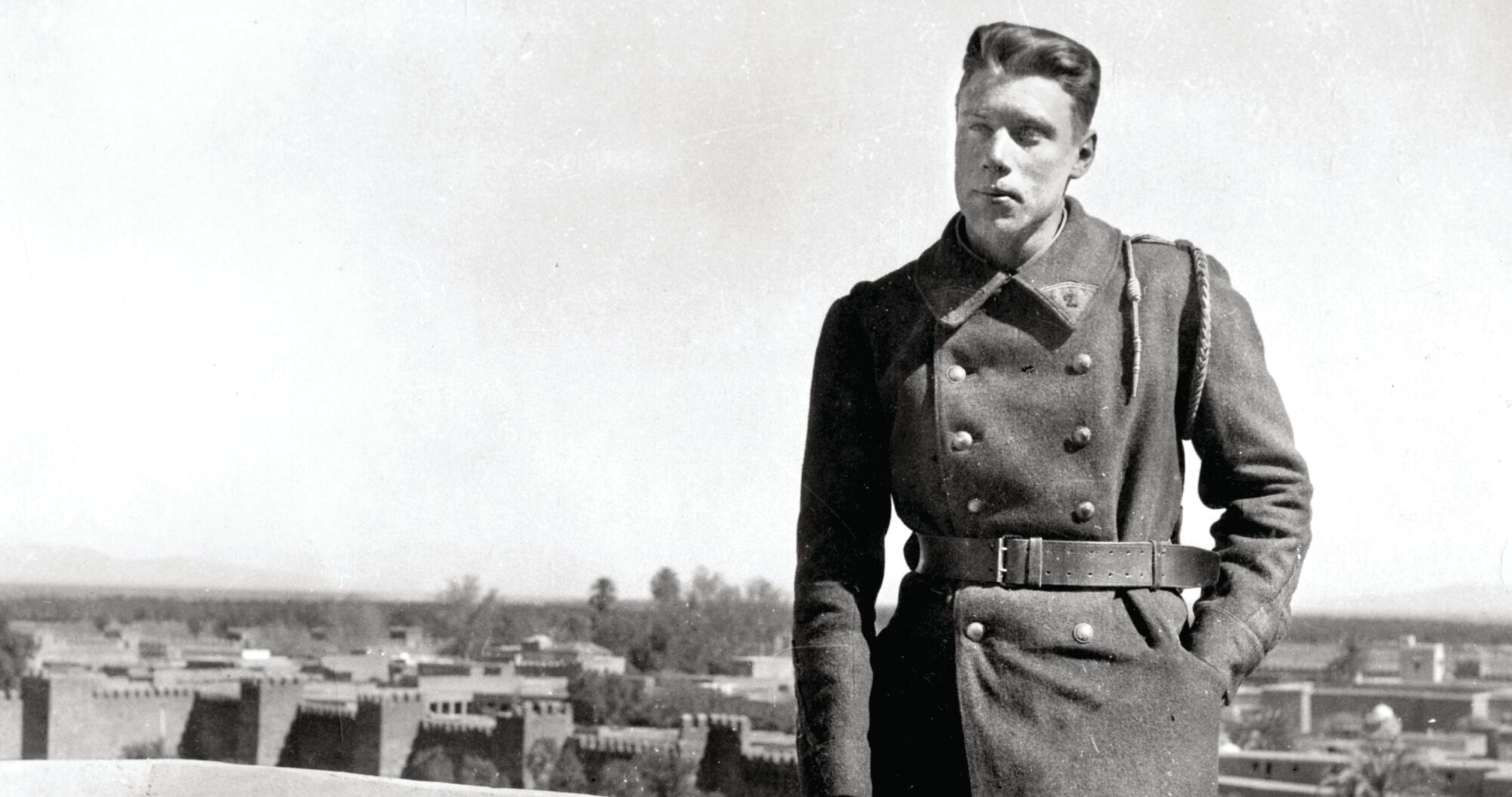
Born in New York and educated in France, Ortiz was a natural polyglot fluent in French, Spanish, Arabic, and German. At 19, he left school and enlisted in the French Foreign Legion, battling bandits and insurgents across North Africa while earning two Croix de Guerre. When Nazi Germany invaded France in May 1940, Ortiz was wounded while setting fire to a vital fuel depot to deny it to the advancing enemy—an act of bravery that earned him a third Croix de Guerre. Captured during the French collapse, he endured 15 months in German, Polish, and Austrian prisoner-of-war camps before executing a daring escape in October 1941 to return home to the United States.

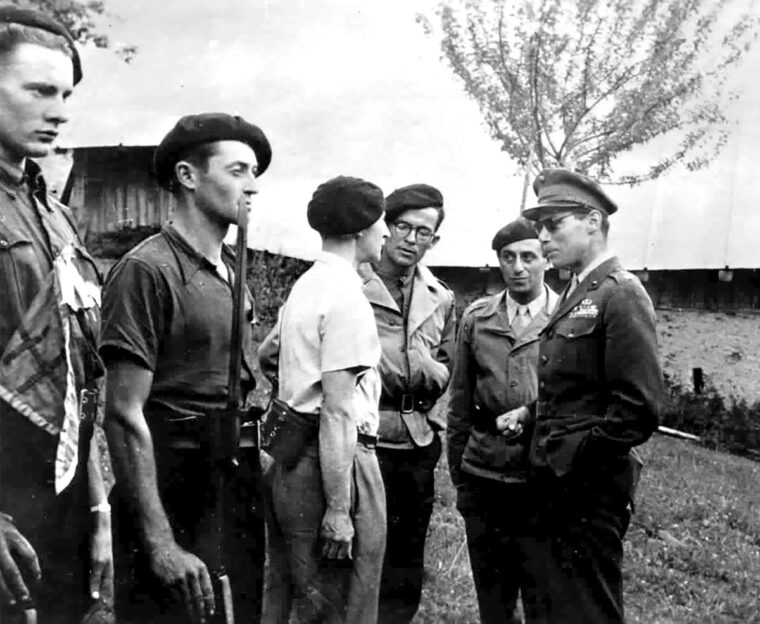
Upon his return to America, Ortiz was commissioned into the U.S. Marine Corps in 1942. His extensive pre-war combat experience and deep familiarity with European military culture made him a prime candidate for the newly established Office of Strategic Services (OSS). Operating in close coordination with Britain’s Special Operations Executive (SOE), Ortiz parachuted into occupied France twice—leading Operations UNION I and II in the rugged Haute-Savoie region. Behind enemy lines, he organized, armed, and led local Maquis resistance fighters, sabotaging Axis supply lines and gathering critical intelligence ahead of the Allied liberation.
Stories of Ortiz’s audacity quickly became legendary. On one occasion, he walked into a French café filled with German officers and had a few drinks. After a toast to Hitler, Ortiz revealed his Marine uniform under his coat, pulled his .45 and forced his companions to toast Roosevelt as well and walked out to stunned silence.
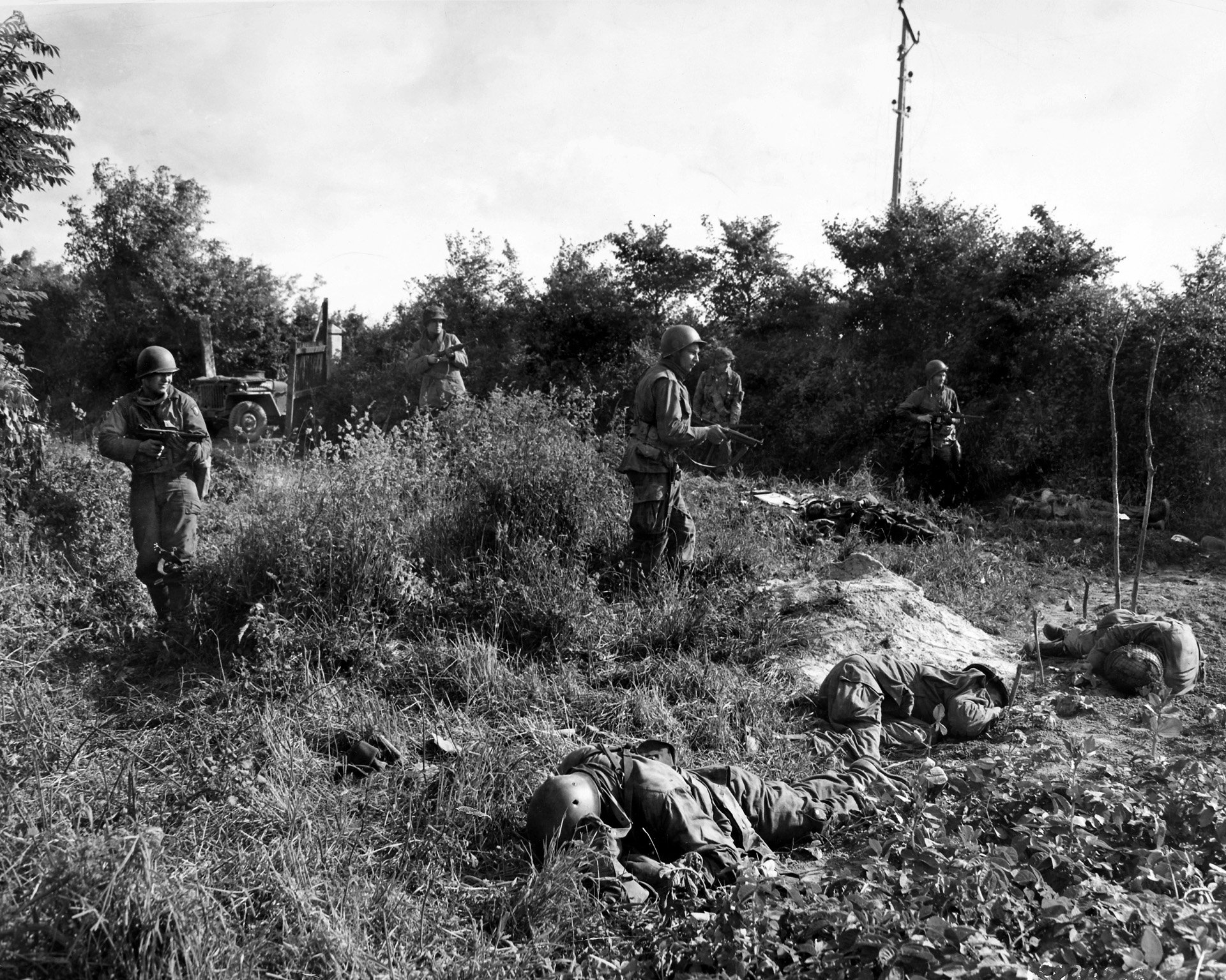
 Yet alongside his swagger was a deep moral empathy. Moving through the Alps as part of Operation Union II, Ortiz’s men and local Resistance fighters were ambushed on August 13, 1944, near the village of Montgirod. Four Maquisards were injured too badly to travel and were left in the village church as the rest of the force retreated. From the hills, Ortiz and his men were forced to watch as the wounded men were executed by the German soldiers and the village was burned to the ground as a warning to other local communities against aiding the Allied war effort.
Three days later, trapped in the small village of Centron, Ortiz chose to surrender himself rather than see more innocent townspeople die from catastrophic Nazi reprisals. His selfless act saved the village from destruction, though it sent him back into German captivity for the remainder of the conflict.
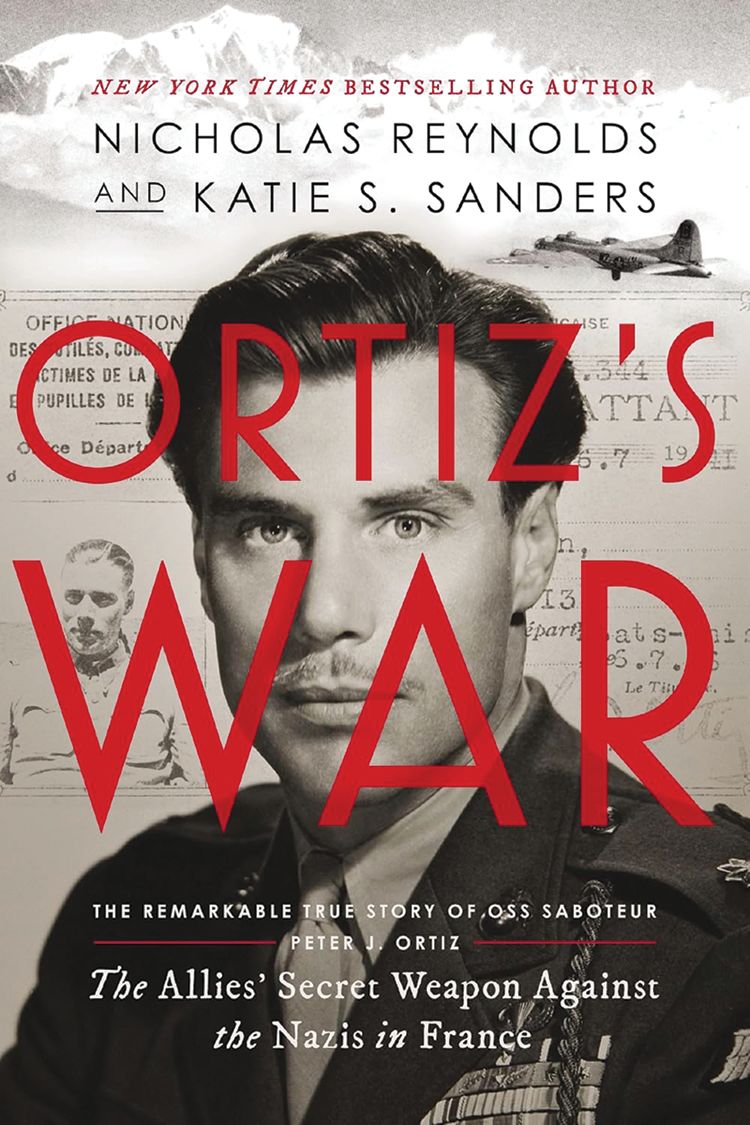
Following the war, Ortiz’s extraordinary life led him to Hollywood, where he worked as an actor and technical advisor alongside director John Ford, inspiring two feature films loosely based on his adventures. Seamlessly combining rigorous archival research with propulsive narrative storytelling, Ortiz’s War: The Allies’ Secret Weapon Against the Nazis in France (Nicholas Reynolds and Katie Sanders, Harper Horizon, Nashville, TN, 304 pp., Aug. 25, 2026 $29.99 HC), restores this remarkable operative to his rightful place among the greatest covert warriors of World War II.
Join The Conversation
Comments
View All Comments