Saxon
Charlemagne: Warlord of the Franks
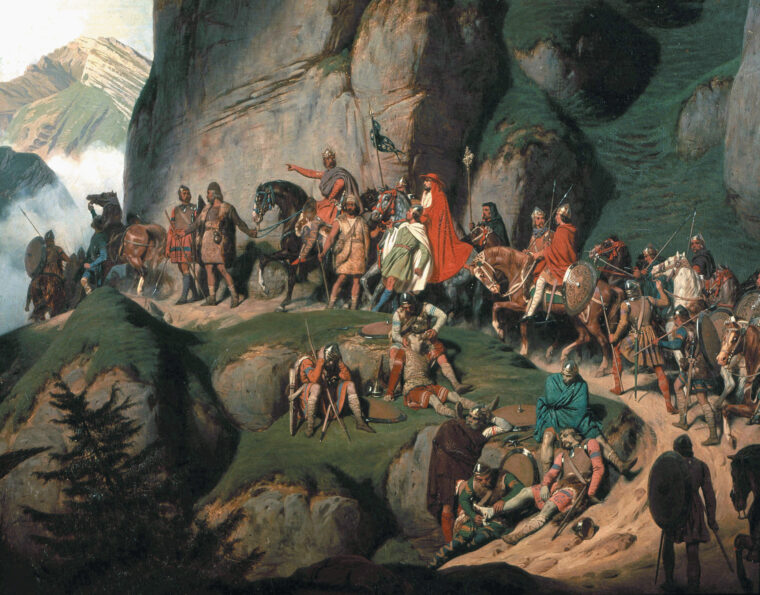
By Ludwig DyckOn Christmas morning, 800 ad, a tall, powerfully built man walked up the steps of Saint Peter’s basilica in Rome. Read more
Saxon
On Christmas morning, 800 ad, a tall, powerfully built man walked up the steps of Saint Peter’s basilica in Rome. Read more
Saxon
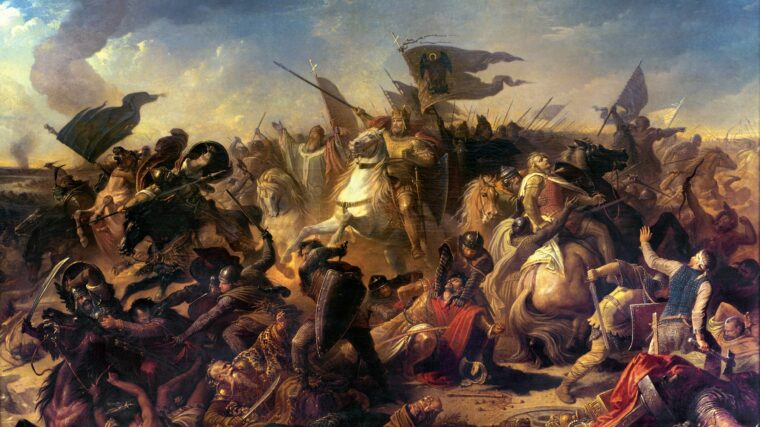
When summer arrived in Bavaria in late June ad 955, thousands of unwelcome barbarians from the Carpathian basin were gathering on its eastern fringe, poised to invade the southern part of the East Frankish kingdom once again. Read more
Saxon
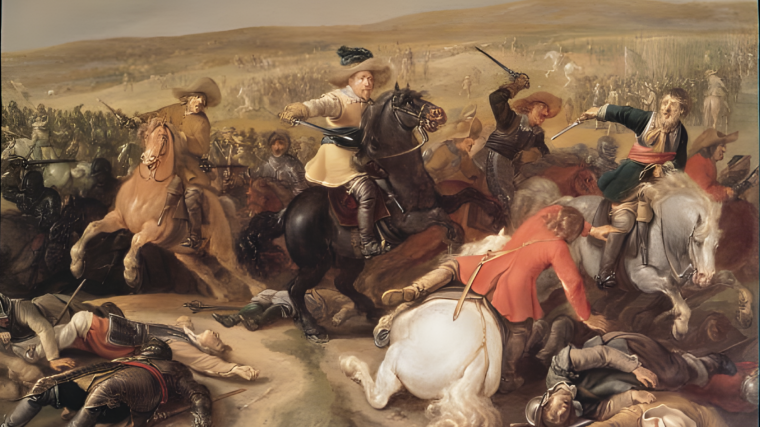
Oddly, the fall of the brilliant King Gustavus Adolphus on the field of battle marked both the beginning of Sweden’s rise to power and the end of one of the most aggressive ages of military reform. Read more
Saxon
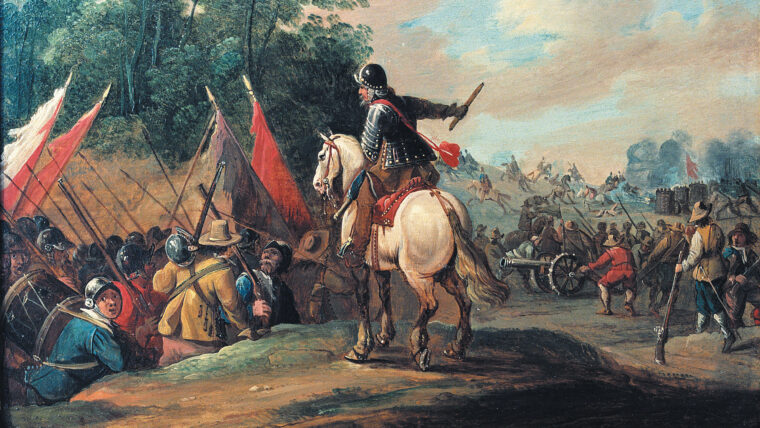
On a hot, dusty September morning in 1631, the Imperial Army of the Holy Roman Emperor rested easily on the plains outside the village of Breitenfield, six miles north of Leipzig, Saxony. Read more
Saxon
From within the walled city of Nördlingen in the Upper Palatinate, a lone rocket arced slowly skyward on the night of September 3, 1634. Read more
Saxon
“To be a knight was to be potentially a Lord or Lordling … and a fate worse than death, was to set one’s hand to the plow.” Read more
Saxon
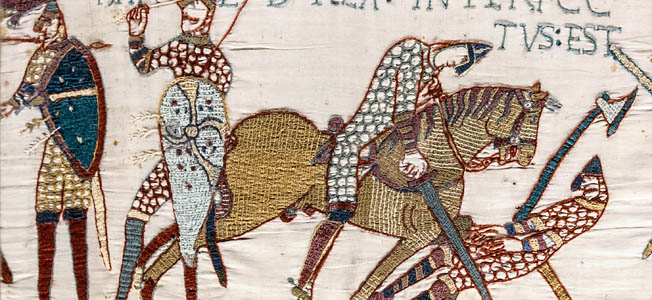
Numerous pictorial representations show us the arms and armor of the 12th-century Anglo-Norman knight, the most famous being the Bayeux Tapestry. Read more
Saxon
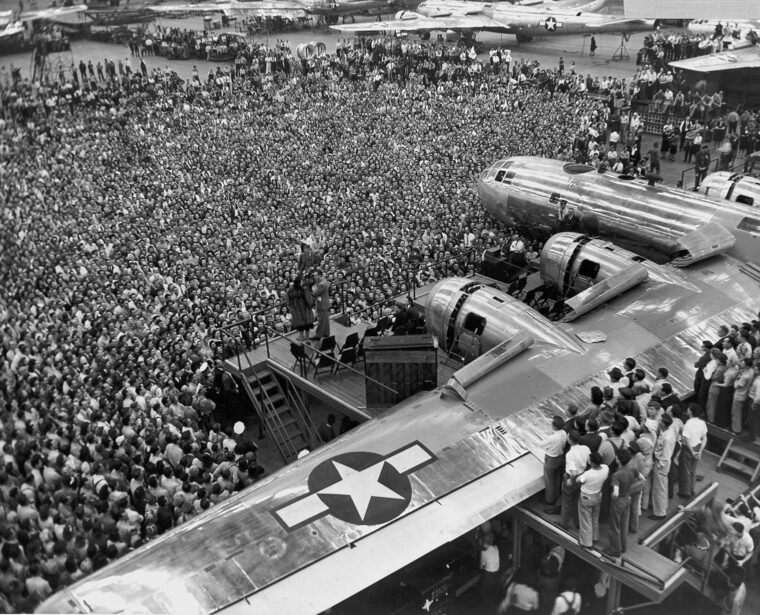
When Maj. Gen. Curtis Lemay, the hard-driving commander of the Twentieth U.S. Air Force based in Guam, decided to change tactics in early 1945 to boost the effectiveness of the B-29 Superfortress, it was the Bell Aircraft plant in Marietta, Georgia, that ultimately provided him with the stripped-down bombers that played such a key role in ending the war in the Pacific. Read more
Saxon
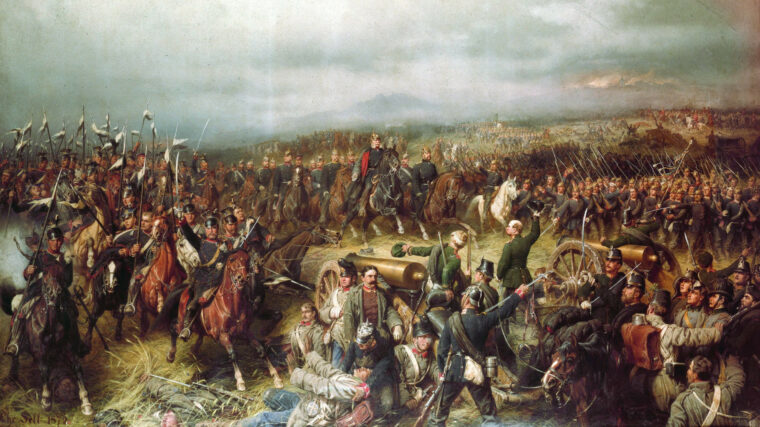
The Prussian soldiers had been awake long before sunup on the morning of July 3, 1866, and were marching downhill to the Bystrice River in the rolling countryside of Bohemia, 65 miles east of Prague. Read more