memoir
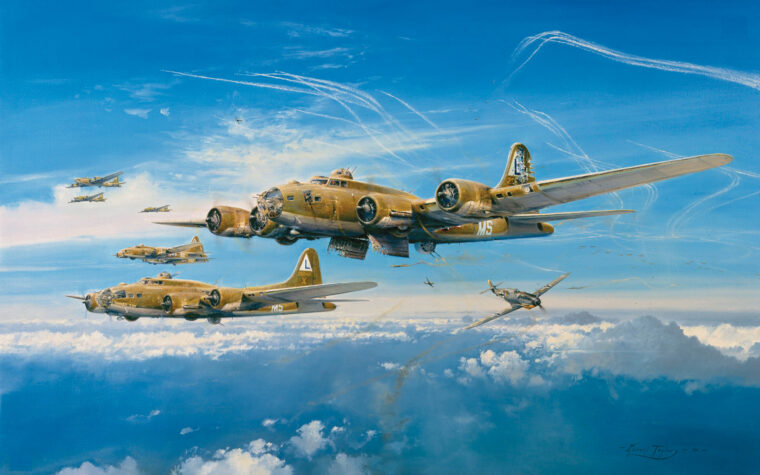
On a Wing and Several Prayers: The Story of a B-17 Tailgunner
By Glenn BarnettOn August 25, 1944, Larry Stevens and the rest of his Boeing B-17 Flying Fortress bomber crew completed their 35th mission over Nazi-occupied Europe. Read more
memoir
On August 25, 1944, Larry Stevens and the rest of his Boeing B-17 Flying Fortress bomber crew completed their 35th mission over Nazi-occupied Europe. Read more
memoir
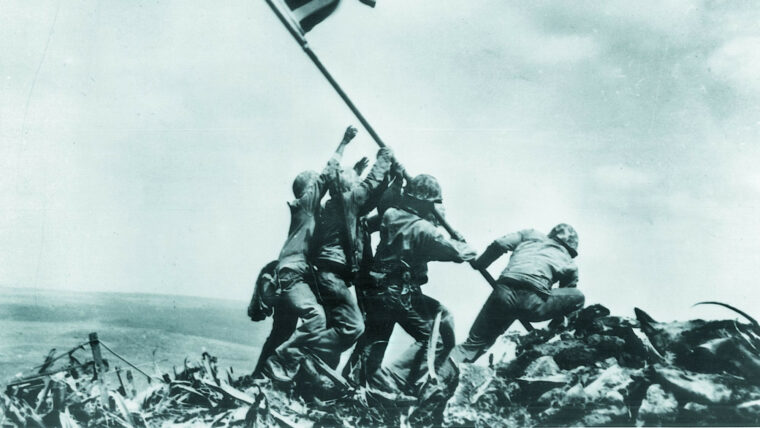
The “Raising of the Flag” photo taken by 33-year-old Associated Press photographer Joe Rosenthal on the fifth day of the Iwo Jima battle provided the world with a much-needed uplifting symbol in February 1945. Read more
memoir
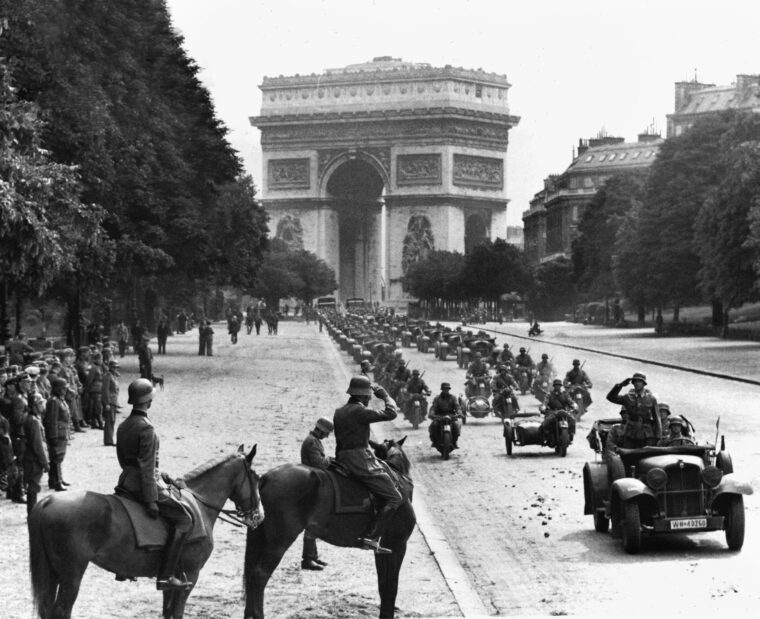
Early in June 1940, refugees from northern France and the low Countries who had flooded Paris in May fled with the residents of the city as the German advance neared. Read more
memoir
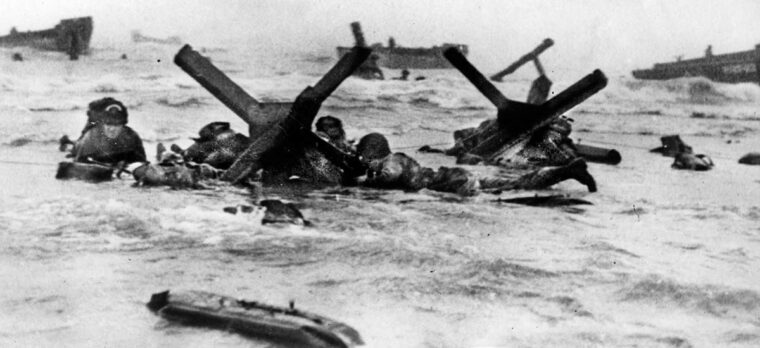
Nineteen-year-old army combat engineer Jay Rencher blinked the salt spray from his eyes, filled his lungs, and again plunged beneath the cold, roiling waves. Read more
memoir
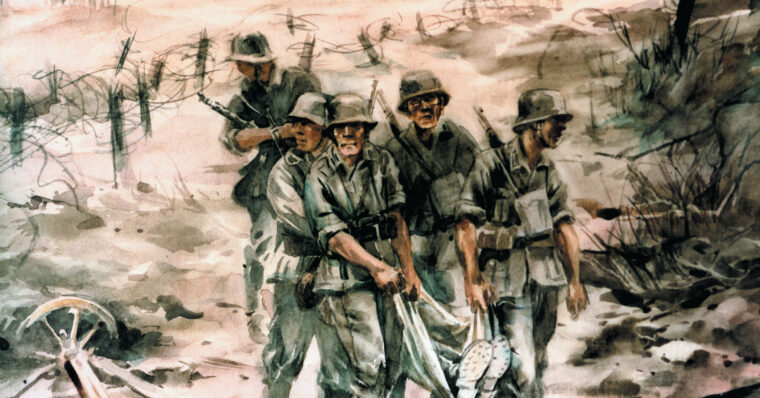
Following service as a lieutenant in the U.S. Army Air Defense Artillery during the early 1970s, Ward Carr decided to remain in Germany, residing in Frankfurt. Read more
memoir
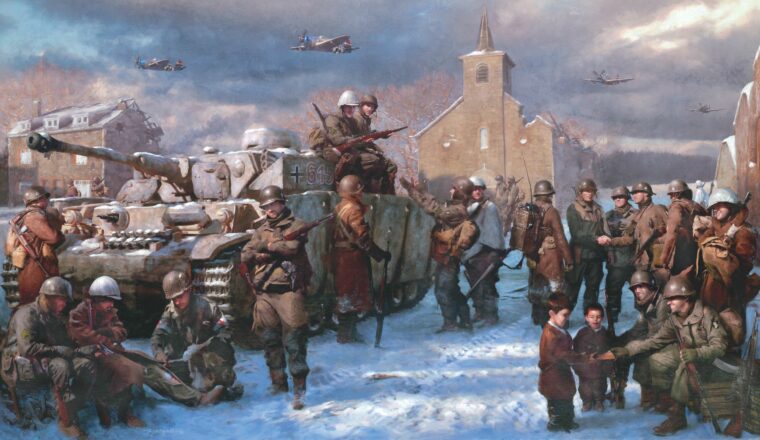
Paratrooper Ed Mauser never forgot the first thing he saw when he leaped from the doorway of his C-47 transport plane in the opening hours of D-Day, June 6, 1944. Read more
memoir
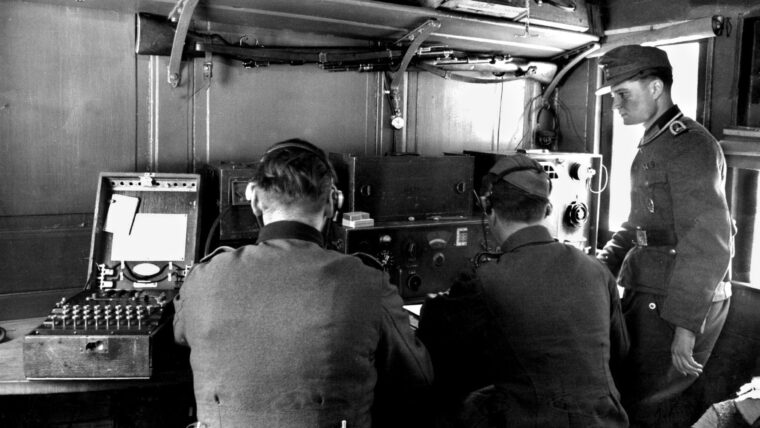
Great Britain’s military intelligence leaders learned from their experience in World War I that the kinds of minds capable of breaking codes are a rare commodity and are often not likely to blossom in a military atmosphere. Read more
memoir
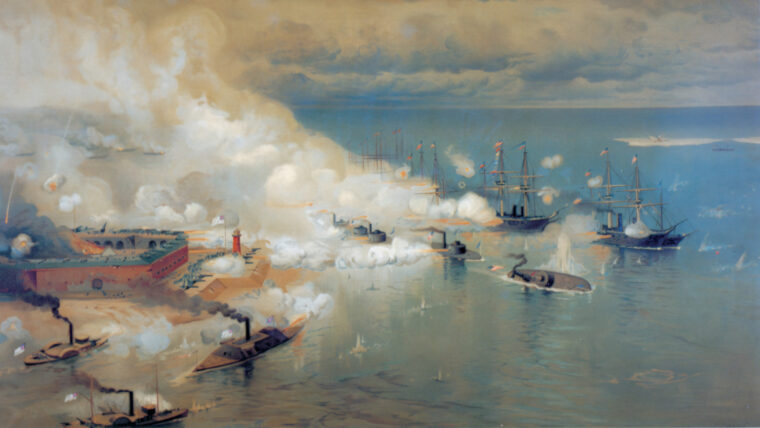
Editor’s note: Noted military writer Bud Feuer especially enjoys discovering first-person accounts and diaries. He found the following in “a junk shop” written in pencil on brown wrapping paper. Read more
memoir
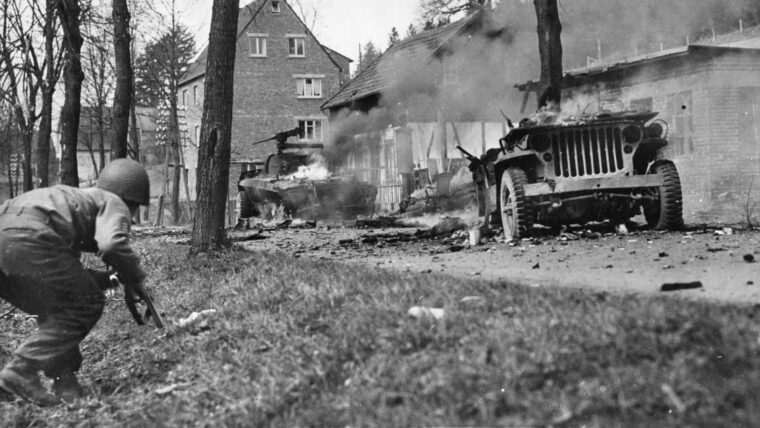
The Messerschmitt Bf-109 fighter plane dove out of the sky with machine guns firing. The pilot’s target—a pontoon bridge being stretched across Germany’s Werra River by American engineers. Read more
memoir
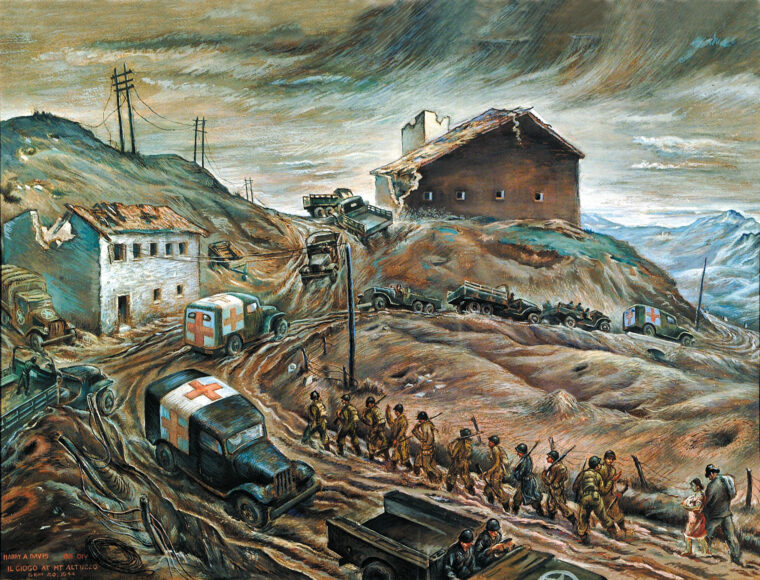
The U.S. 85th Infantry Division was one of the Allied workhorses in Italy during World War II. Read more
memoir
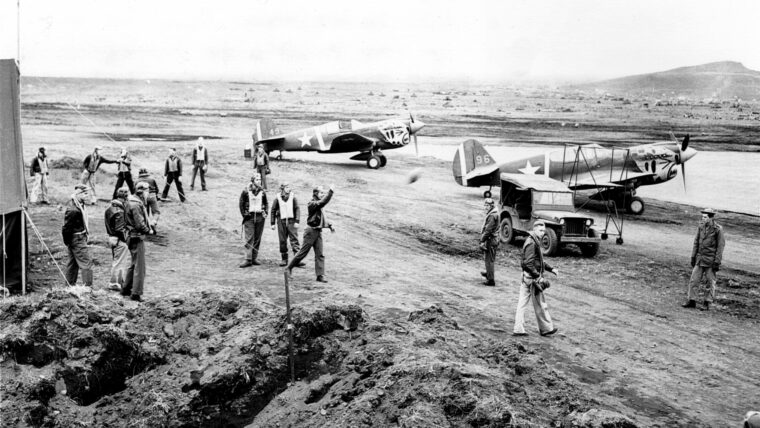
Charles D. Mott was a U.S. Navy dive-bomber pilot when he joined the American Volunteer Group (AVG), the small band of Americans who flew under the leadership of General Claire Lee Chennault and became known to history as the Flying Tigers. Read more
memoir
Letters were a valuable commodity to the World War II soldier. They were the link to home and to all things familiar in a most unfamiliar place and time. Read more

memoir
The Office of Strategic Services (OSS) was America’s first strategic intelligence organization. President Franklin D. Roosevelt authorized its establishment on June 13, 1942, six months after World War II began, to collect and analyze strategic intelligence and to conduct special services, including subversion, sabotage, and psychological warfare. Read more
memoir
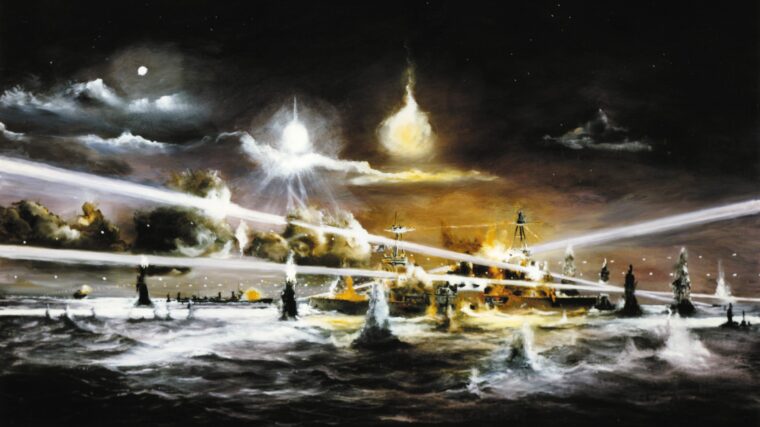
When Howard Brooks joined the United States Navy in 1939, the 20-year-old farm boy from Tennessee had no idea that he was going to experience one of the most harrowing adventures of World War II. Read more
memoir
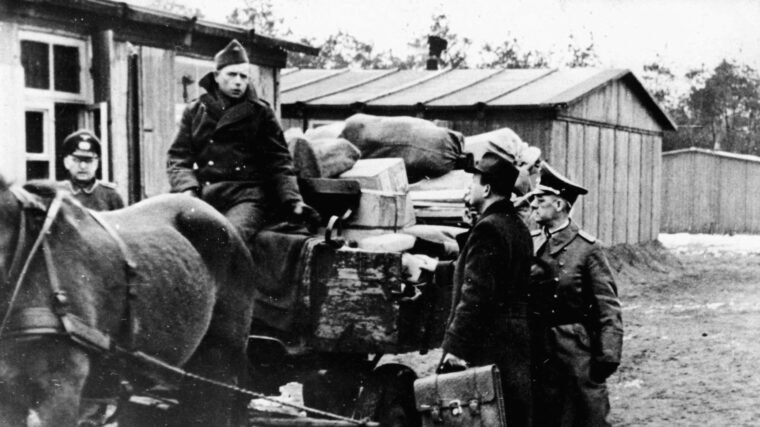
By 1945, the war in Europe was nearing its conclusion. Having suffered a severe defeat at the hands of the Allies in the Battle of the Bulge, Adolf Hitler’s seemingly indestructible Third Reich was quickly crumbling under the Allied juggernaut. Read more
memoir
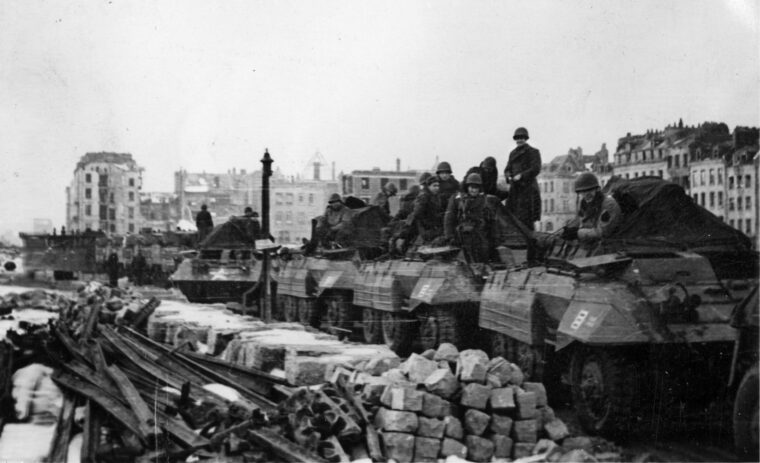
The 809th Tank Destroyer Battalion was an independently attached unit of the U.S. Army. The battalion was activated on March 18, 1942, at Camp Forrest, Tennessee, and remained in the United States through most of the war. Read more
memoir
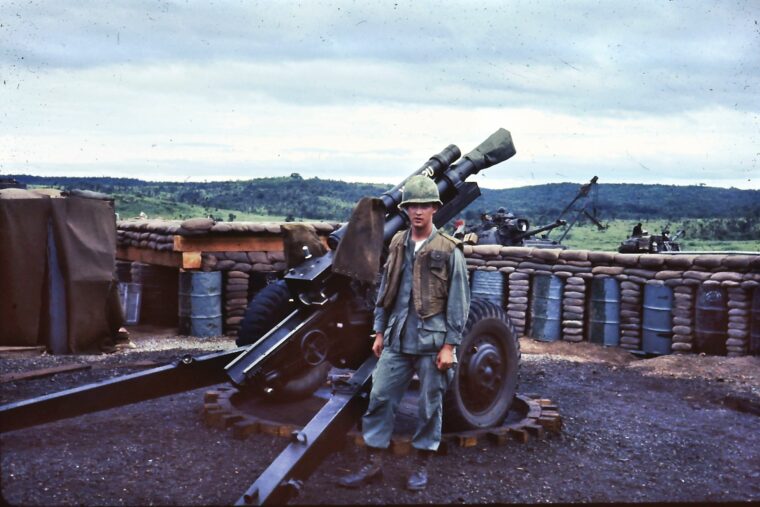
Nineteen-year-old U.S. Army Specialist E5 James Griffith wasn’t particularly nervous when he boarded Seaboard World Airlines Flight 253 at McChord Air Base in Tacoma, Washington, on June 30, 1968. Read more
memoir
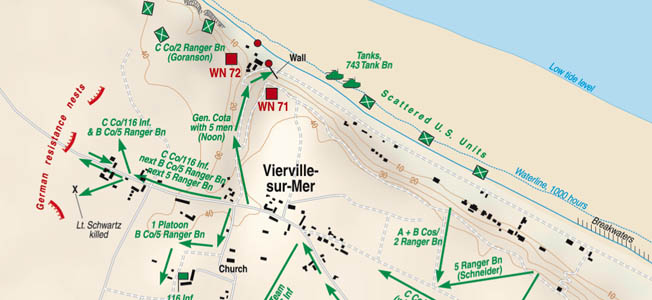
The townspeople of Vierville-sur-Mer awoke around 3 am on June 6, 1944, to the sound of bombs. In the early morning of the Normandy Invasion, American Consolidated B-24 Liberator bombers were dropping their payloads, preparing the invasion beaches for the coming attack. Read more
memoir
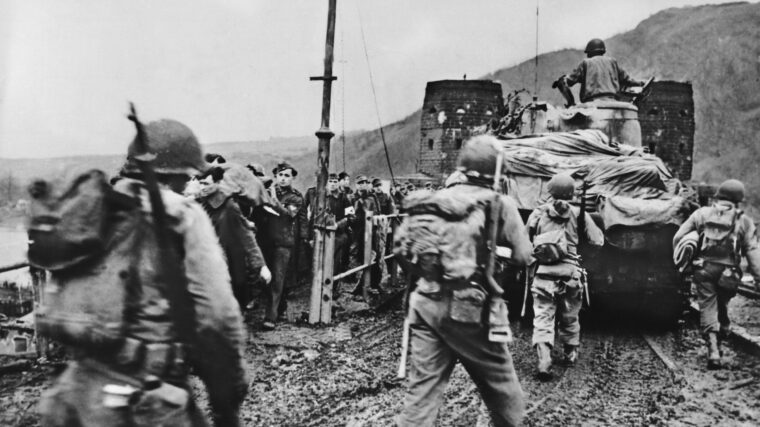
Once they escaped from Nazi-dominated Europe, hundreds of German and Austrian Jews joined the American and British military to help bring an end to the Nazis’ reign of terror. Read more
memoir
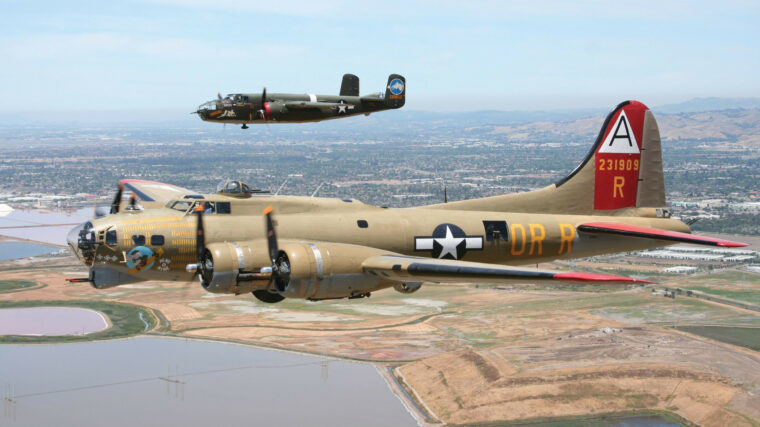
Delta Air Lines and former Northwest pilot Robert Trammell, 45, has made numerous 747 flights on Asian routes across the Pacific. Read more