CW-Fall-14
The Crime At Pickett’s Mill
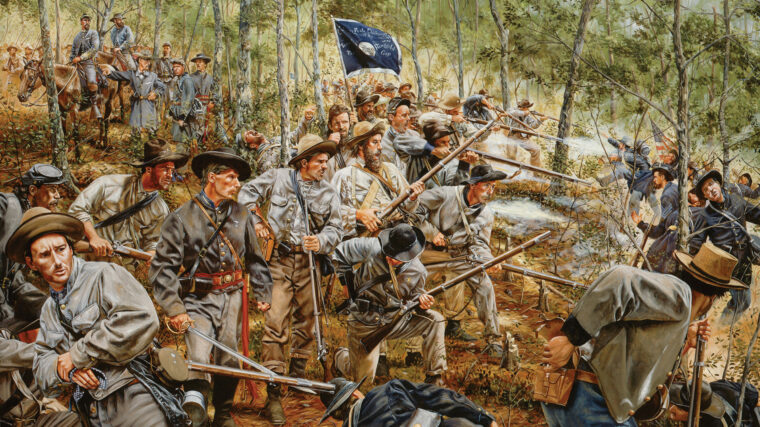
By Roy Morris, Jr.Peering through the thick underbrush west of Little Pumpkin Vine Creek, 30 miles northwest of Atlanta, on the afternoon of May 27, 1864, Ambrose Bierce had a bad feeling. Read more
CW-Fall-14
Peering through the thick underbrush west of Little Pumpkin Vine Creek, 30 miles northwest of Atlanta, on the afternoon of May 27, 1864, Ambrose Bierce had a bad feeling. Read more
CW-Fall-14
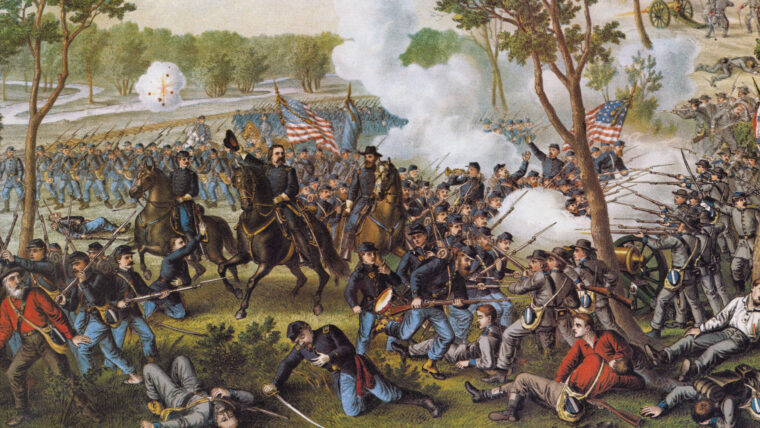
During the Civil War, the strategic importance of Vicksburg, Mississippi, was readily apparent to both the Union and the Confederacy. Read more
CW-Fall-14
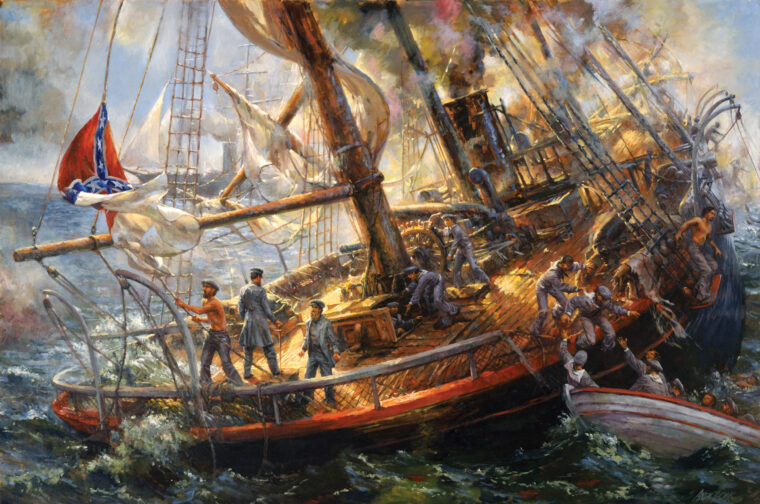
On August 24, 1862, newly promoted Captain Raphael Semmes of the Confederate States Navy called his largely English crew to the quarterdeck of his new command, the 220-foot battle cruiser Alabama, lying off the coast of Terceira in the Azores. Read more
CW-Fall-14
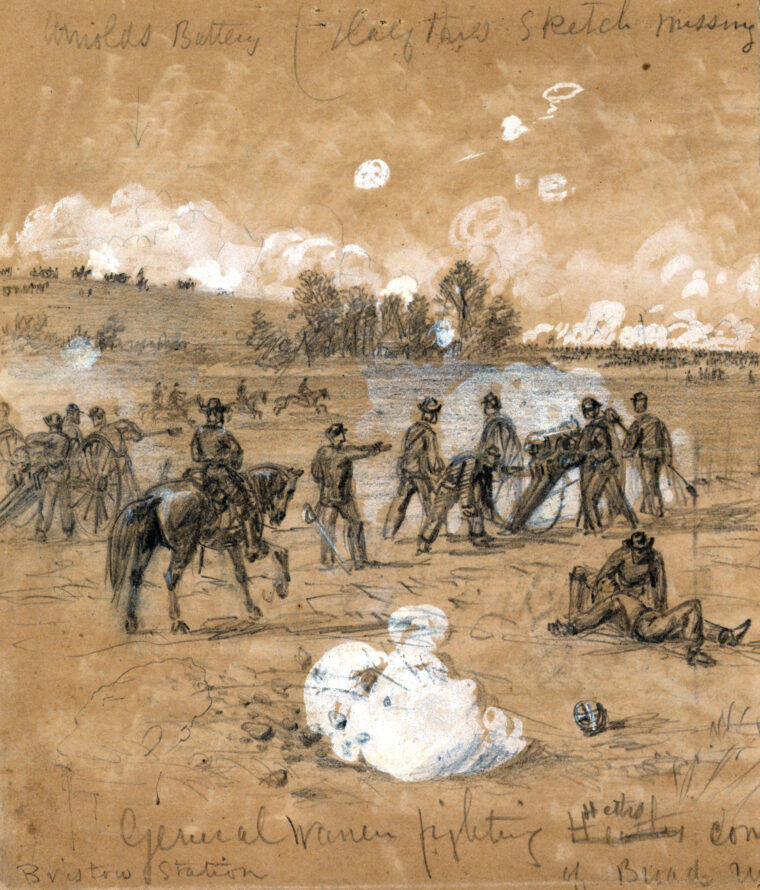
In late July 1863, after the conclusion of the Gettysburg campaign, the Union Army of the Potomac, under Maj. Read more
CW-Fall-14
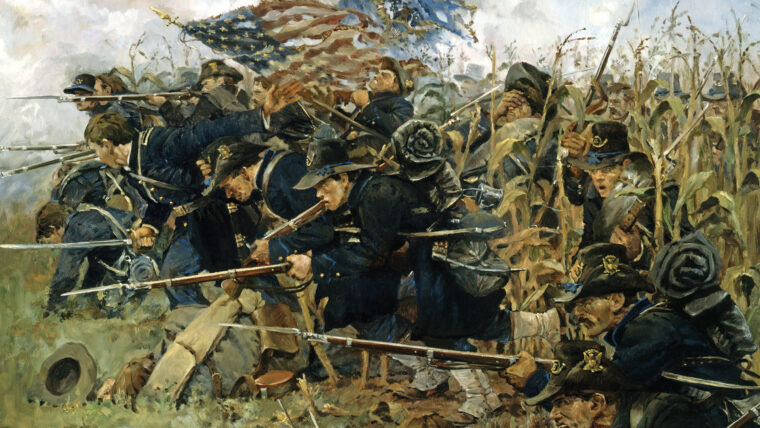
The White House was a somber place in the summer of 1862. The Civil War was in the midst of its second costly year, and the Union armies had yet to win a significant victory in the eastern theater. Read more
CW-Fall-14
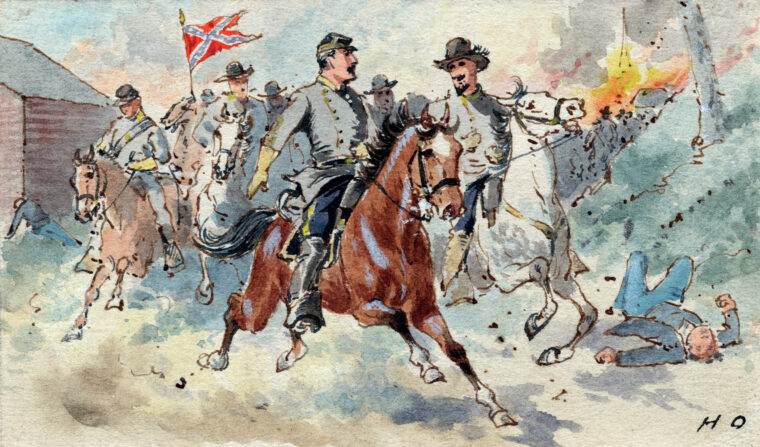
“It was a sad, sorrowful day,” recalled Confederate Major James McCreary, “and more tears of grief rolled over my weather beaten cheeks on this mournful occasion than have before for years.” Read more
CW-Fall-14
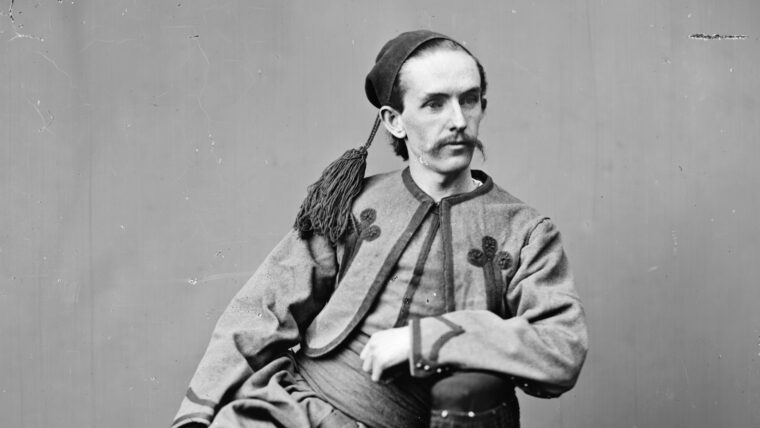
On the evening of April 14, 1865, noted actor John Wilkes Booth entered Ford’s Theater in Washington, D.C., Read more
CW-Fall-14
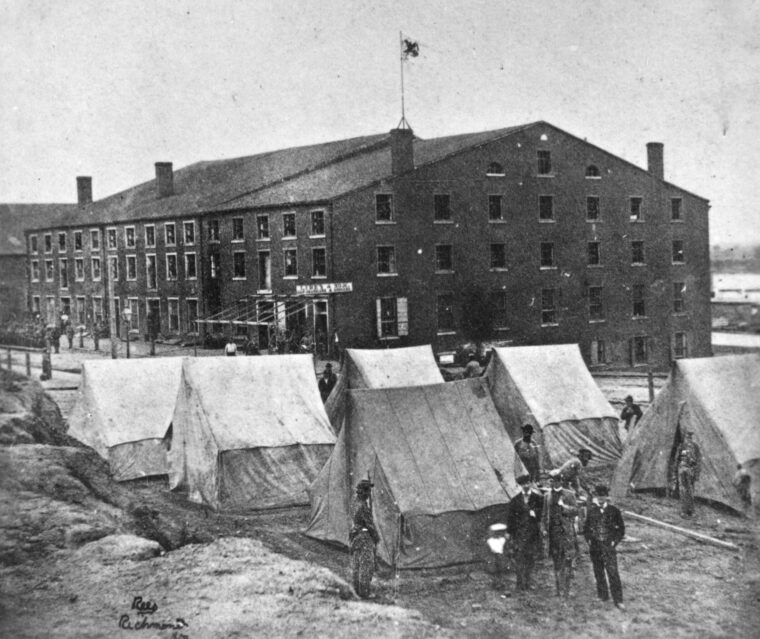
One of the primary reasons given for the Union defeat at the First Battle of Bull Run was the lack of adequate cavalry. Read more
CW-Fall-14
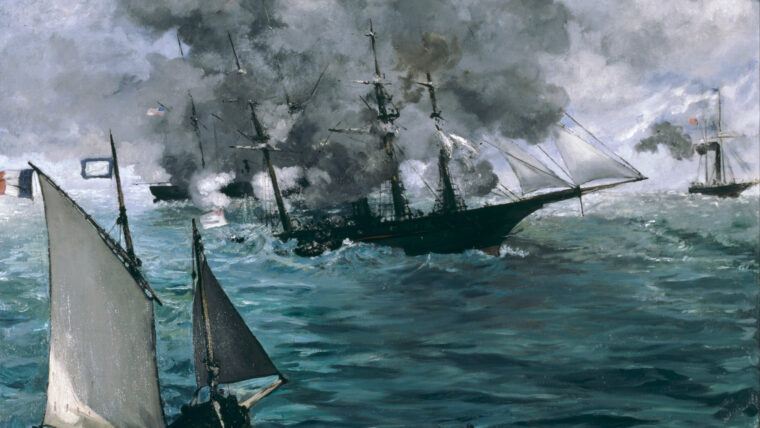
The CSS Alabama went to her watery grave on June 19, 1864, off the coast of France, but the lingering effects of her wartime successes made naval history: she continued to haunt the American and British governments for years to come, embroiling the two English-speaking nations in a legal test of wills that would last well into the next decade. Read more
CW-Fall-14
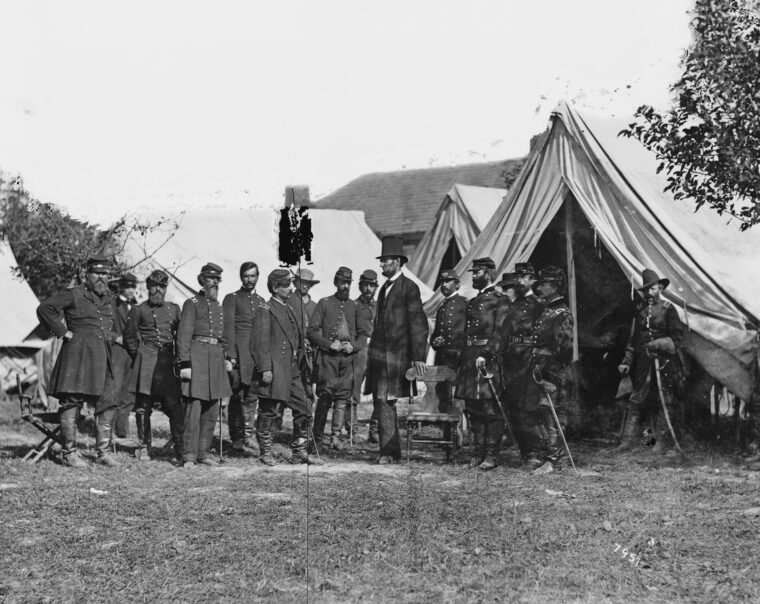
Two days after the unparalleled bloodletting at Antietam, a bushy-bearded Scottish photographer and his pudgy, clean-shaven assistant rolled onto the battlefield with their bulky stereoscopic cameras and portable darkroom. Read more