Airborne Infantry
D-Day Airborne Stand at La Fière
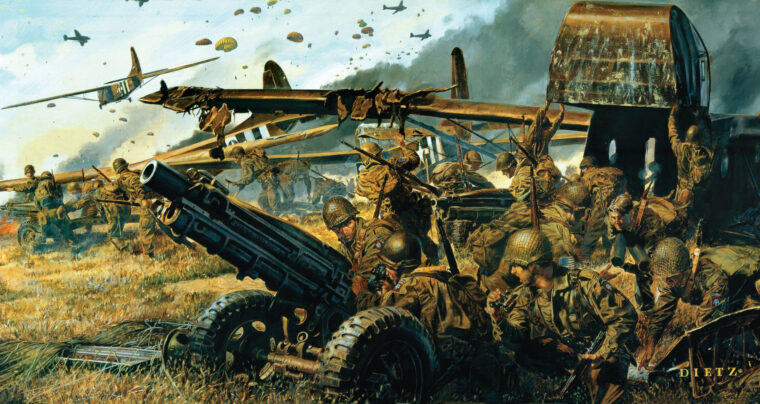
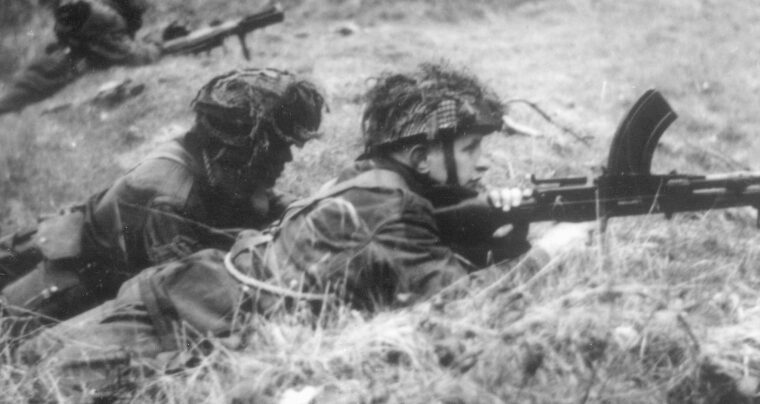
By Christopher MiskimonUnlike many of the paratroopers in the U.S. 82nd Airborne Division, 1st Lieutenant John J. Dolan knew exactly where he was when he landed on June 6, 1944. Read more
Airborne Infantry
Unlike many of the paratroopers in the U.S. 82nd Airborne Division, 1st Lieutenant John J. Dolan knew exactly where he was when he landed on June 6, 1944. Read more
Airborne Infantry
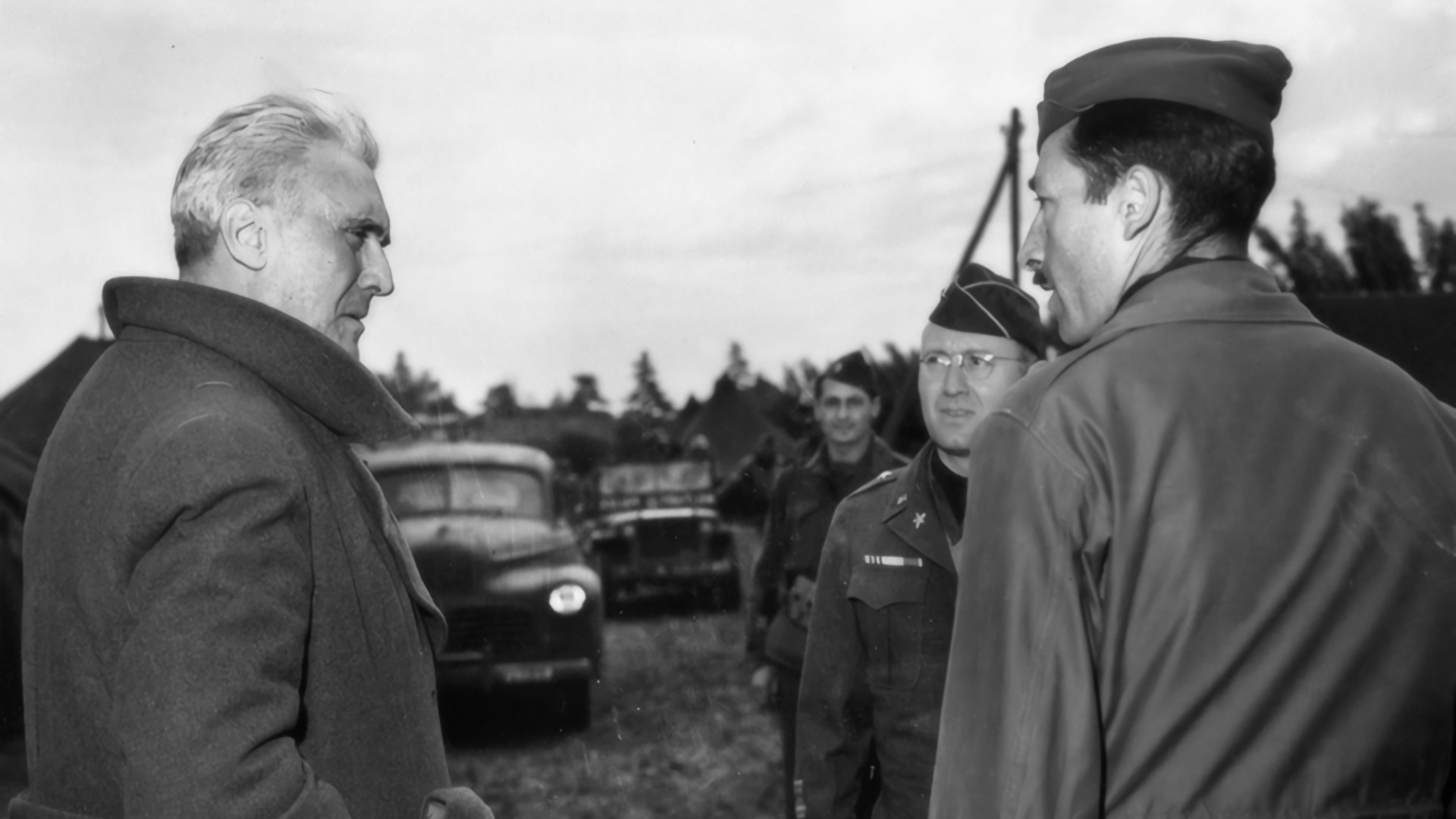
In the hut no one spoke, no one joked. The assembled British and Canadian paratroop commanders awaited the briefing from their brigade commander on their next major operation. Read more
Airborne Infantry
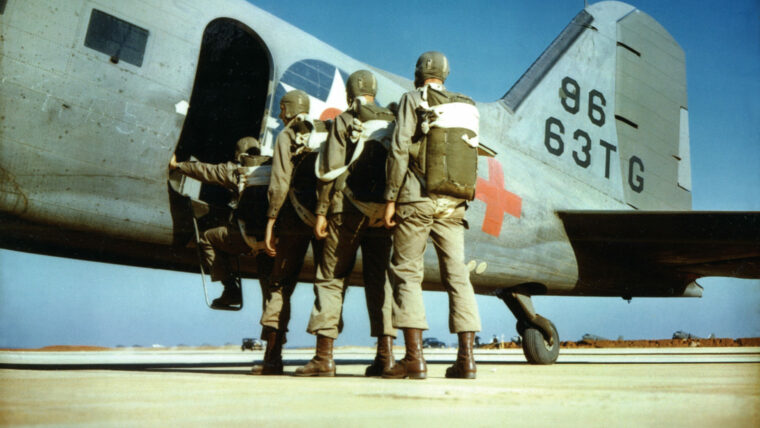
Every American soldier who jumped into North Africa, Europe, the Philippines, and other combat zones around the globe during World War II had to first learn his trade at Fort Benning, Georgia. Read more
Airborne Infantry
To bring soldiers swiftly and silently onto a battlefield, the U.S. Army decided to follow the German and British examples and build tactical gliders. Read more
Airborne Infantry
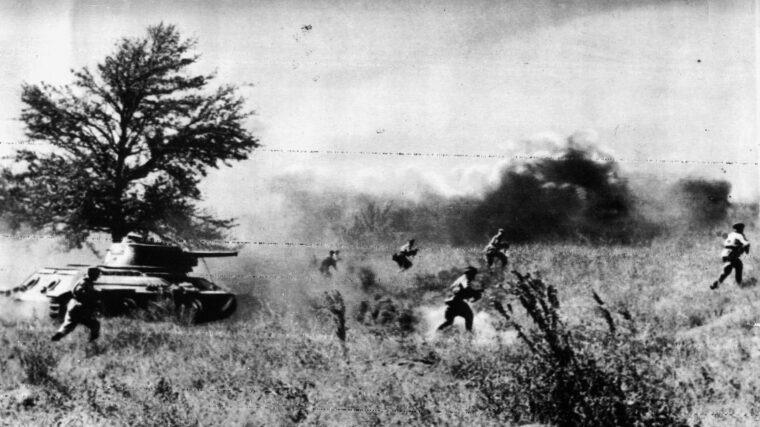
In August 1943, immediately after the Battle of Kursk, the Red Army launched a series of follow up operations, resulting in the liberation of a large swath of Nazi-occupied Soviet territory. Read more
Airborne Infantry
The official history of Russian and Soviet airborne forces began on August 2, 1930, when 12 parachutists were dropped during maneuvers in the Moscow Military District. Read more
Airborne Infantry
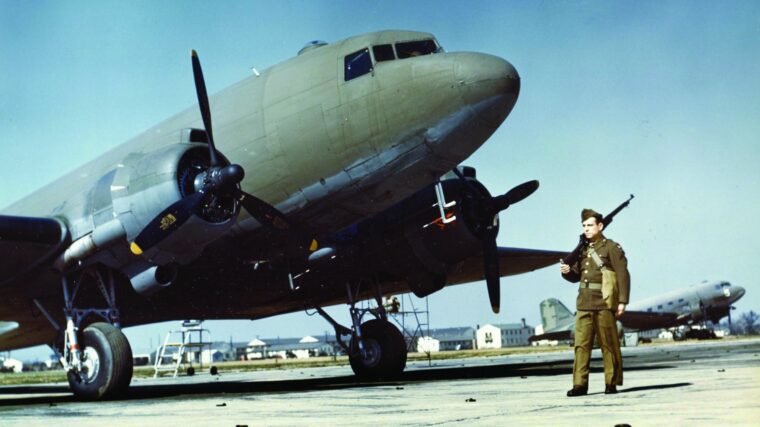
Even though, technically at least, it was not a combat airplane, the performance of the Douglas C-47 transport led General of the Army Dwight Eisenhower to label it as one of the most important weapons of World War II. Read more
Airborne Infantry
Sergeant Charles Callistan looked through the sights of an antitank gun at an approaching enemy tank. His weapon, a six-pounder cannon, was in the perimeter of a surrounded British outpost named Snipe. Read more
Airborne Infantry
Made popular by the Band of Brothers portrayal of Easy Company, the U.S. paratrooper “cricket” was in fact used to identify each other in the predawn hours of the D-Day invasion. Read more
Airborne Infantry
Airborne divisions were designed as light troops, relying on the shock value of landing to the enemy’s rear, and giving the Allies a third dimension of attack. Read more